Geomembrane Liners
Containment systems for demanding engineering projects.
Geomembrane Liners
HDPE Geomembrane Liner
Primary containment liner
HDPE Geomembrane
Smooth and textured HDPE
LLDPE Geomembrane
Flexible lining applications
Textured Geomembrane
Higher friction for slopes
Landfill Liner System
Landfill containment materials
Geotextile
PET Non-Woven Geotextile
Protection and filtration
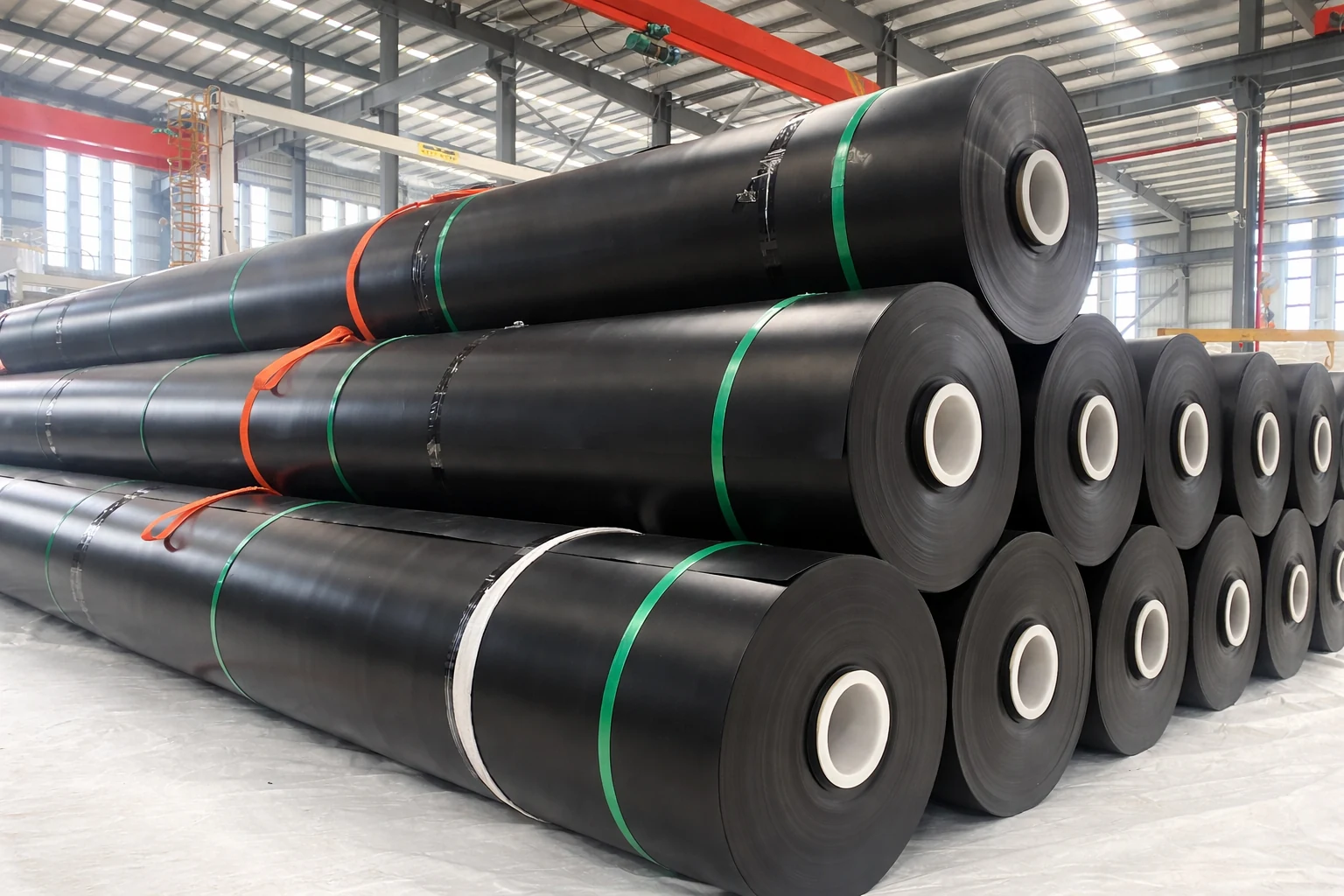
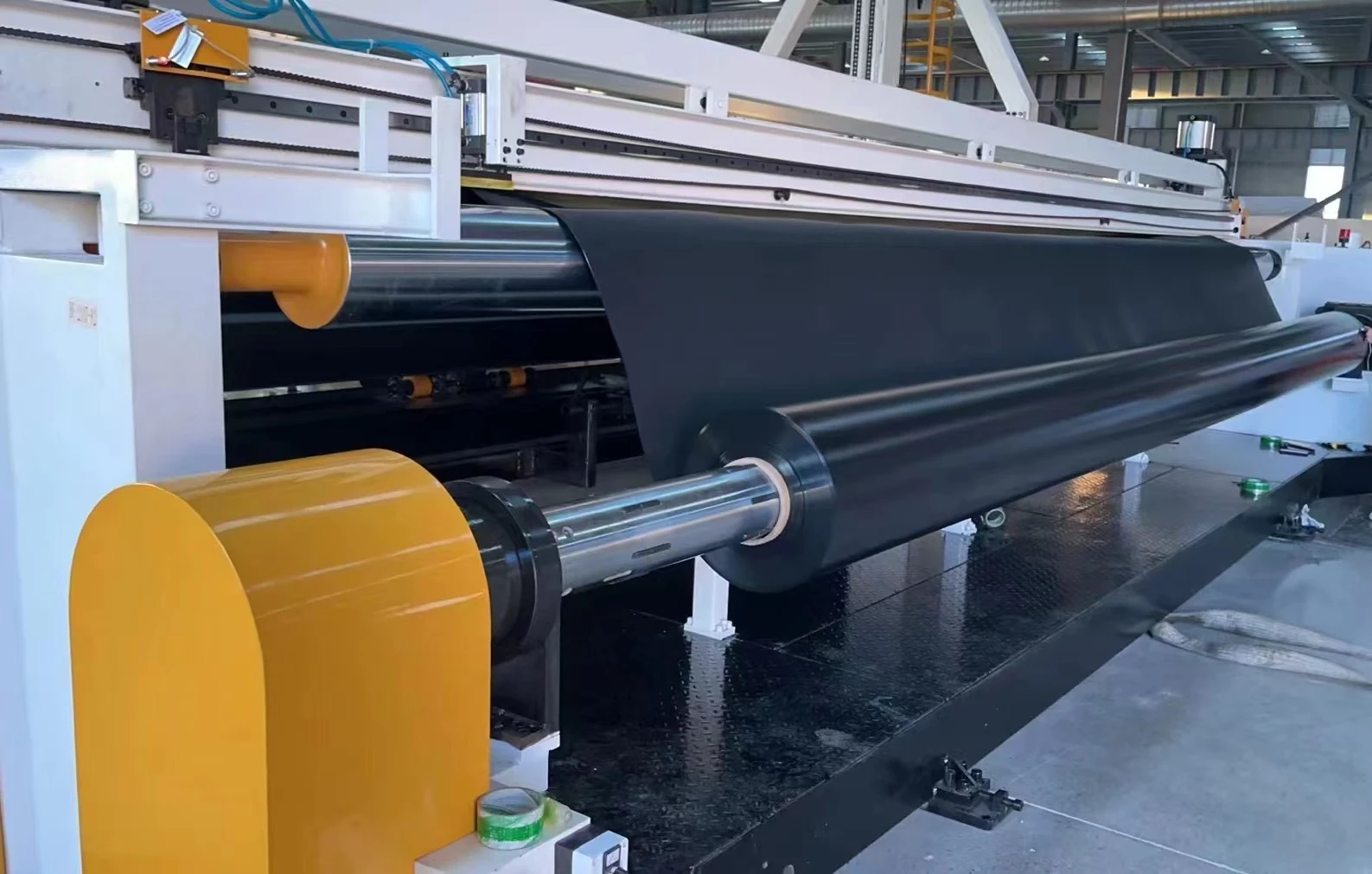
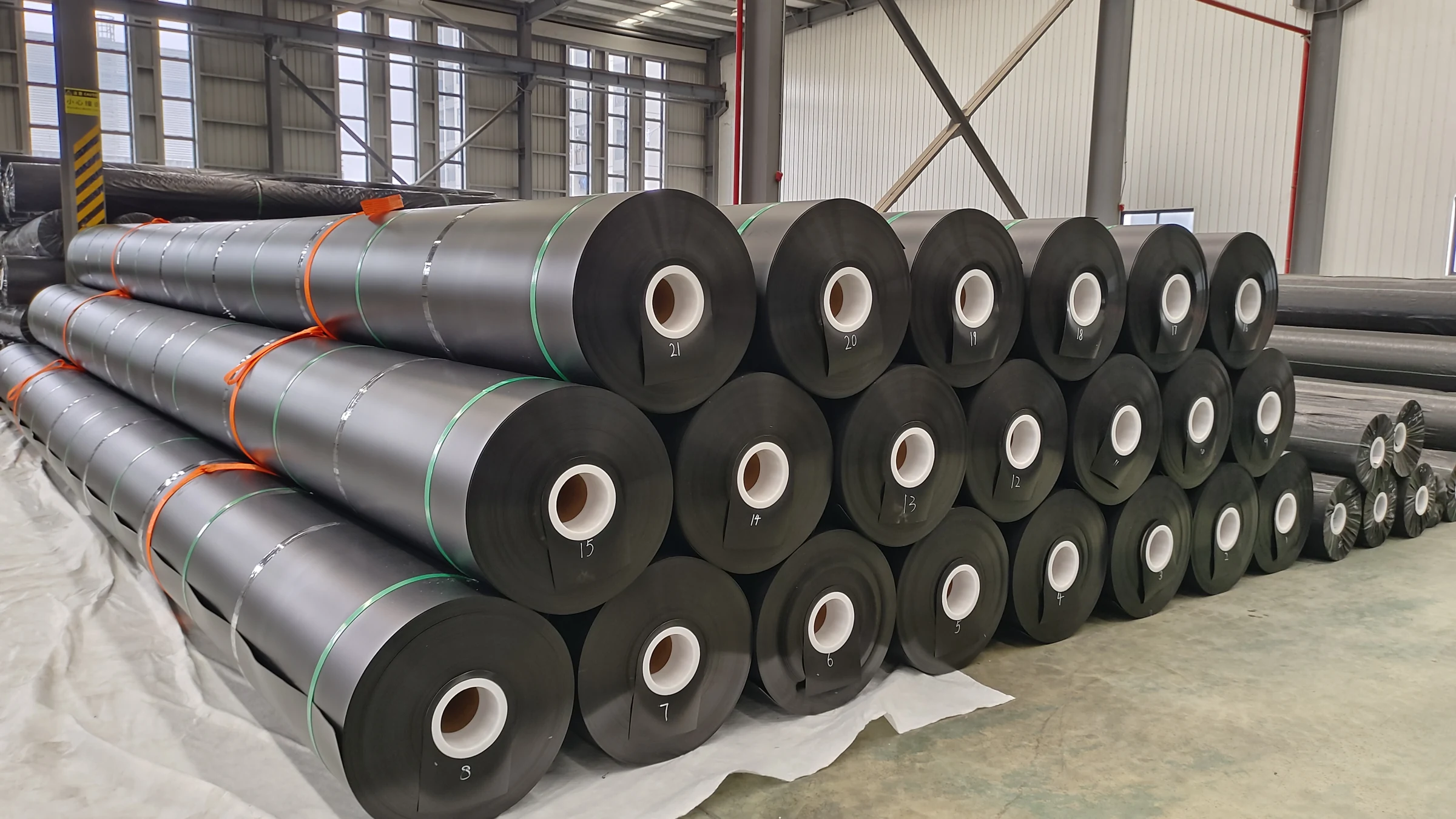
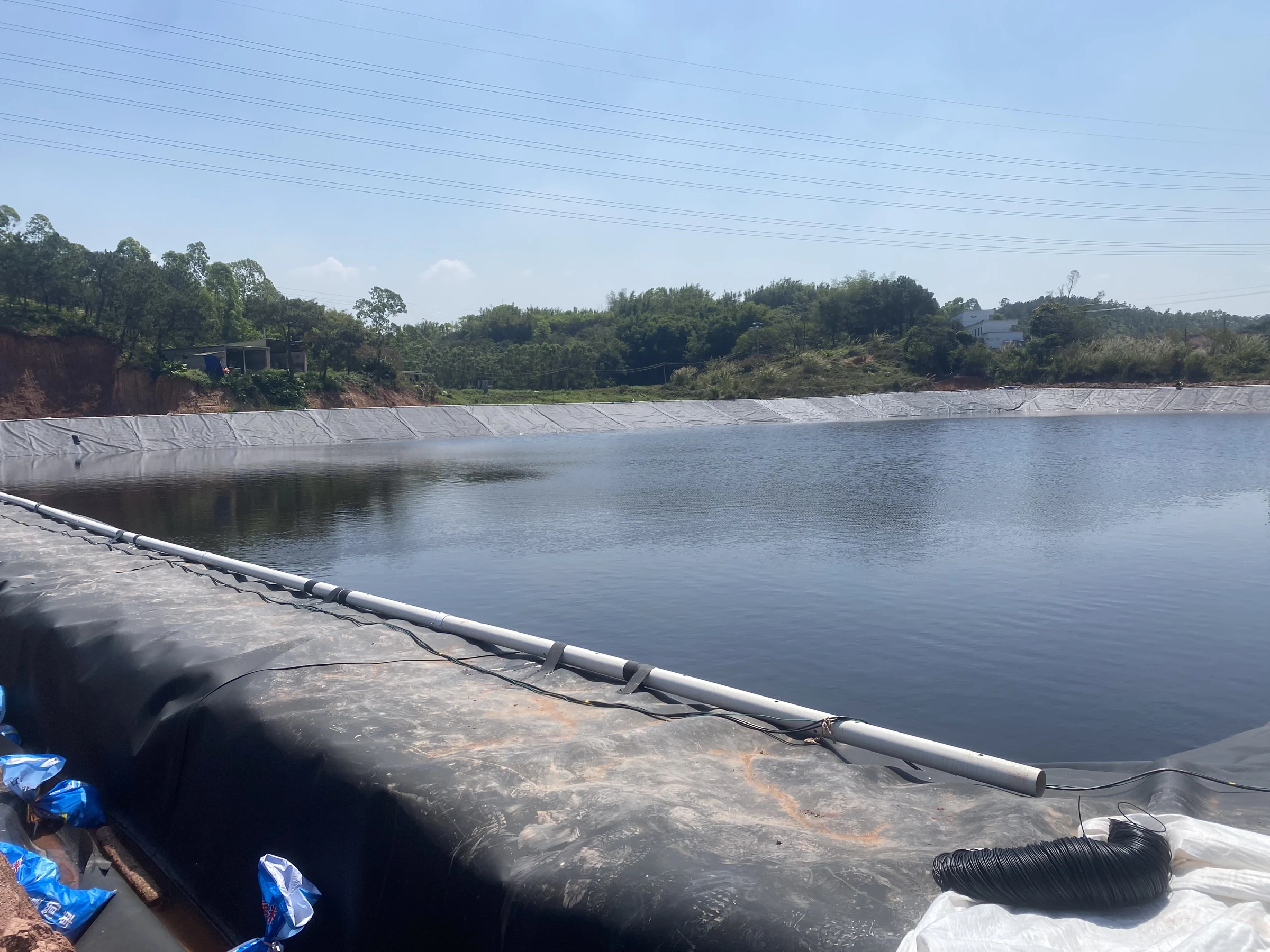
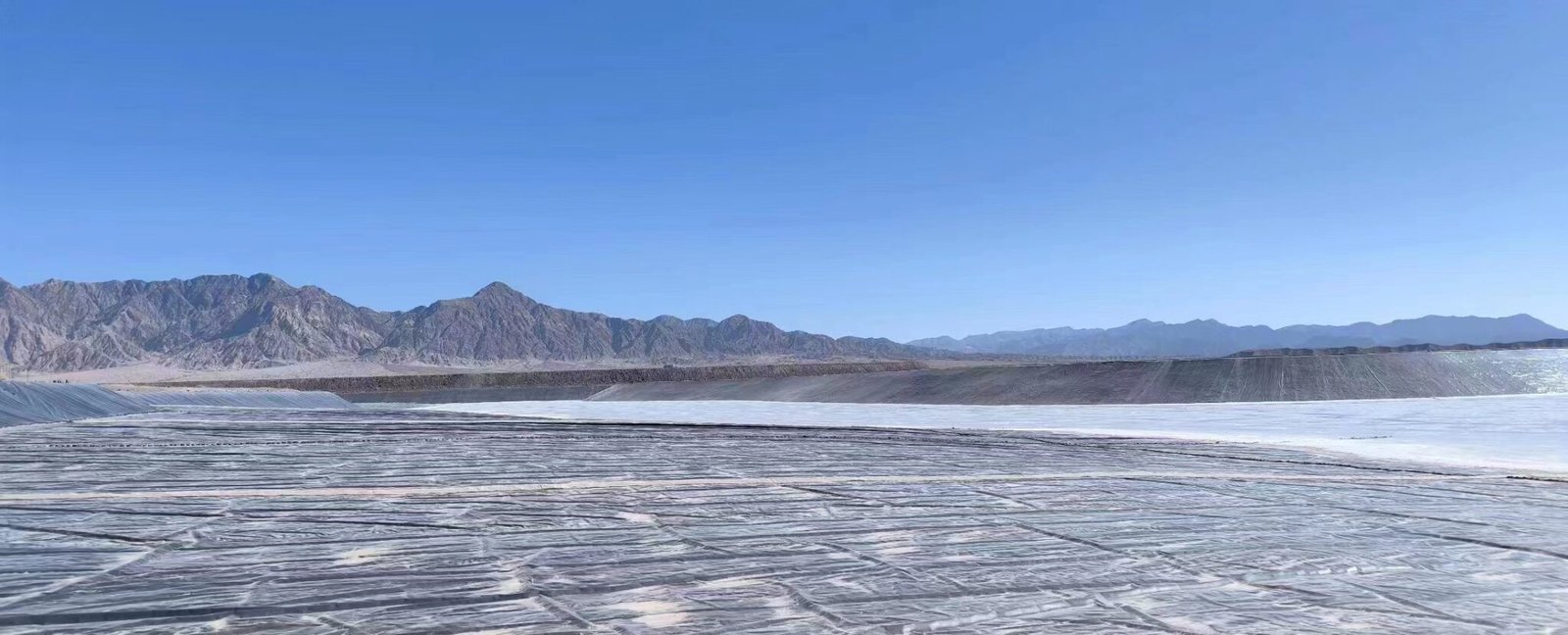
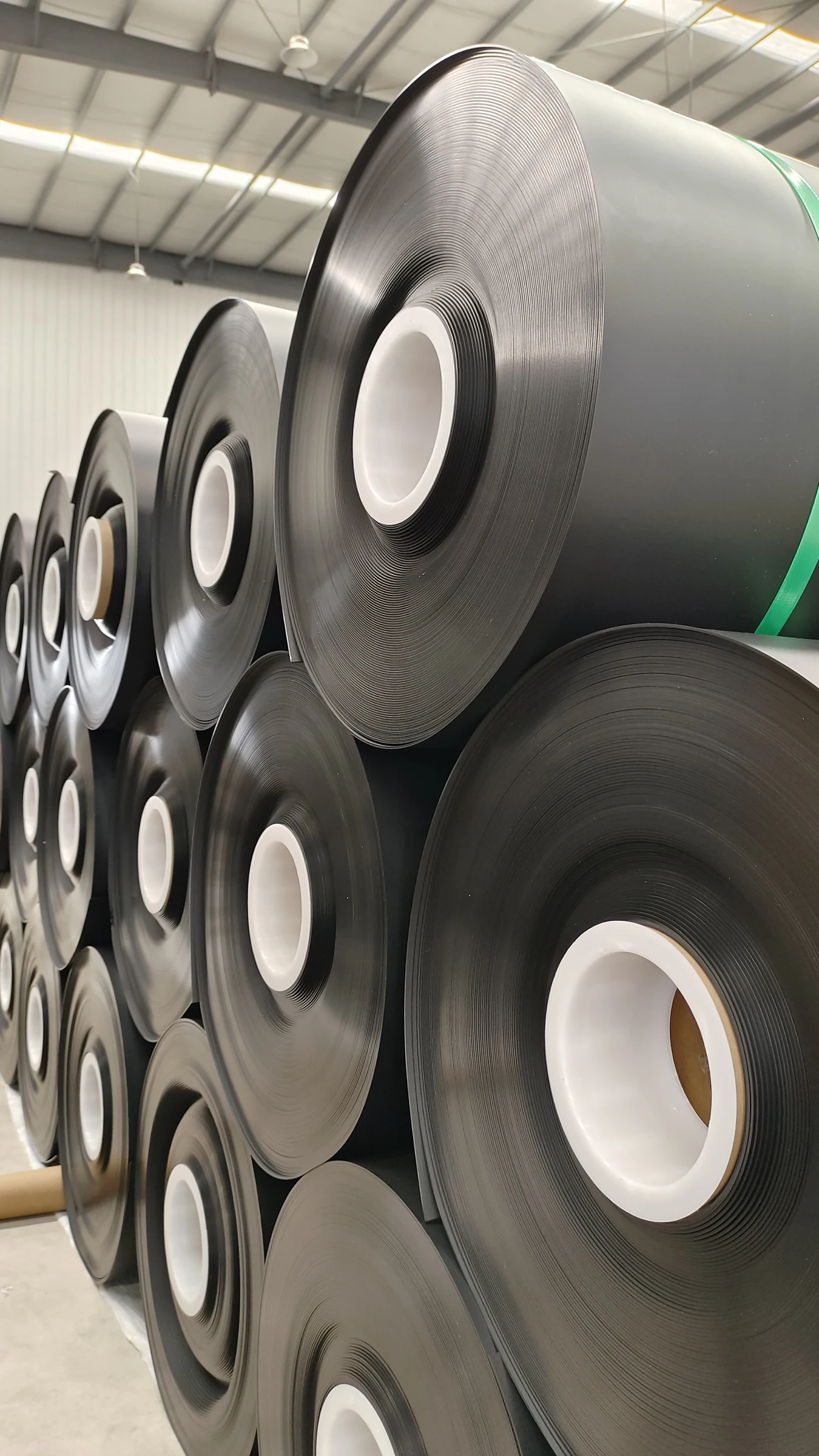
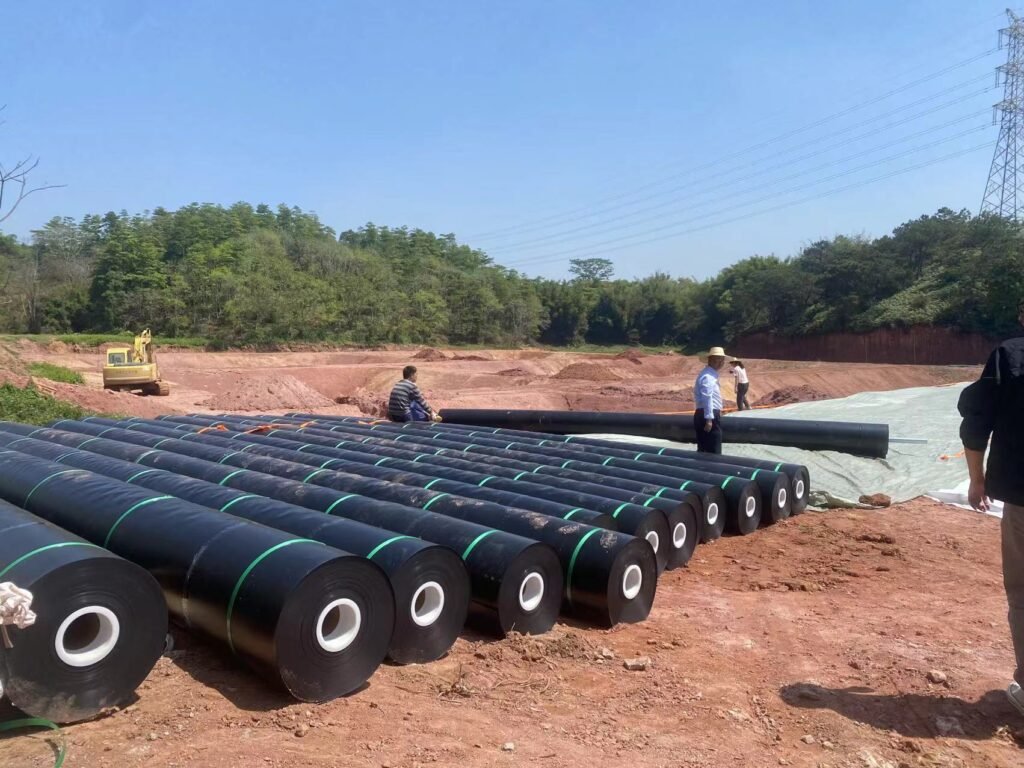
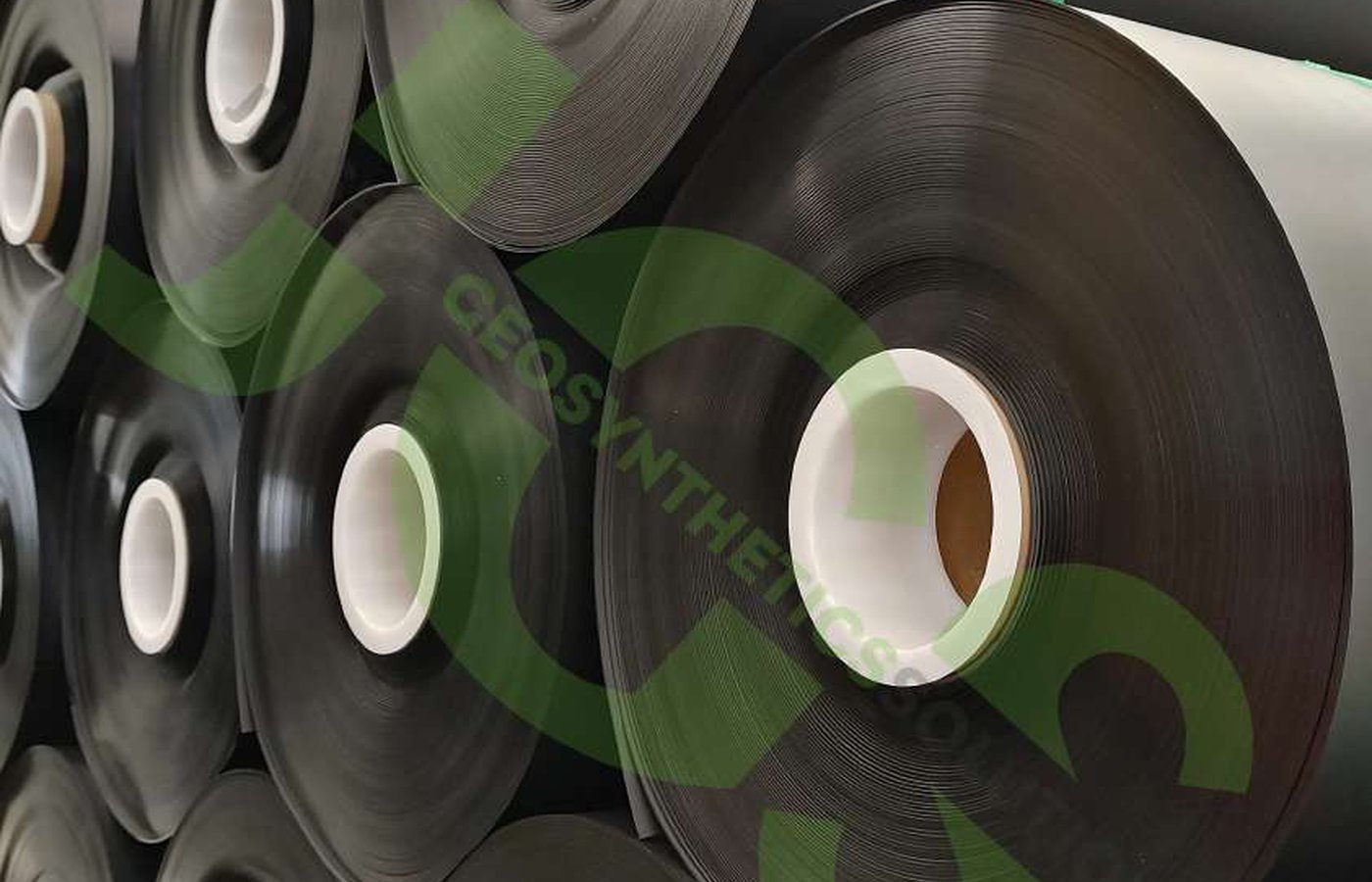
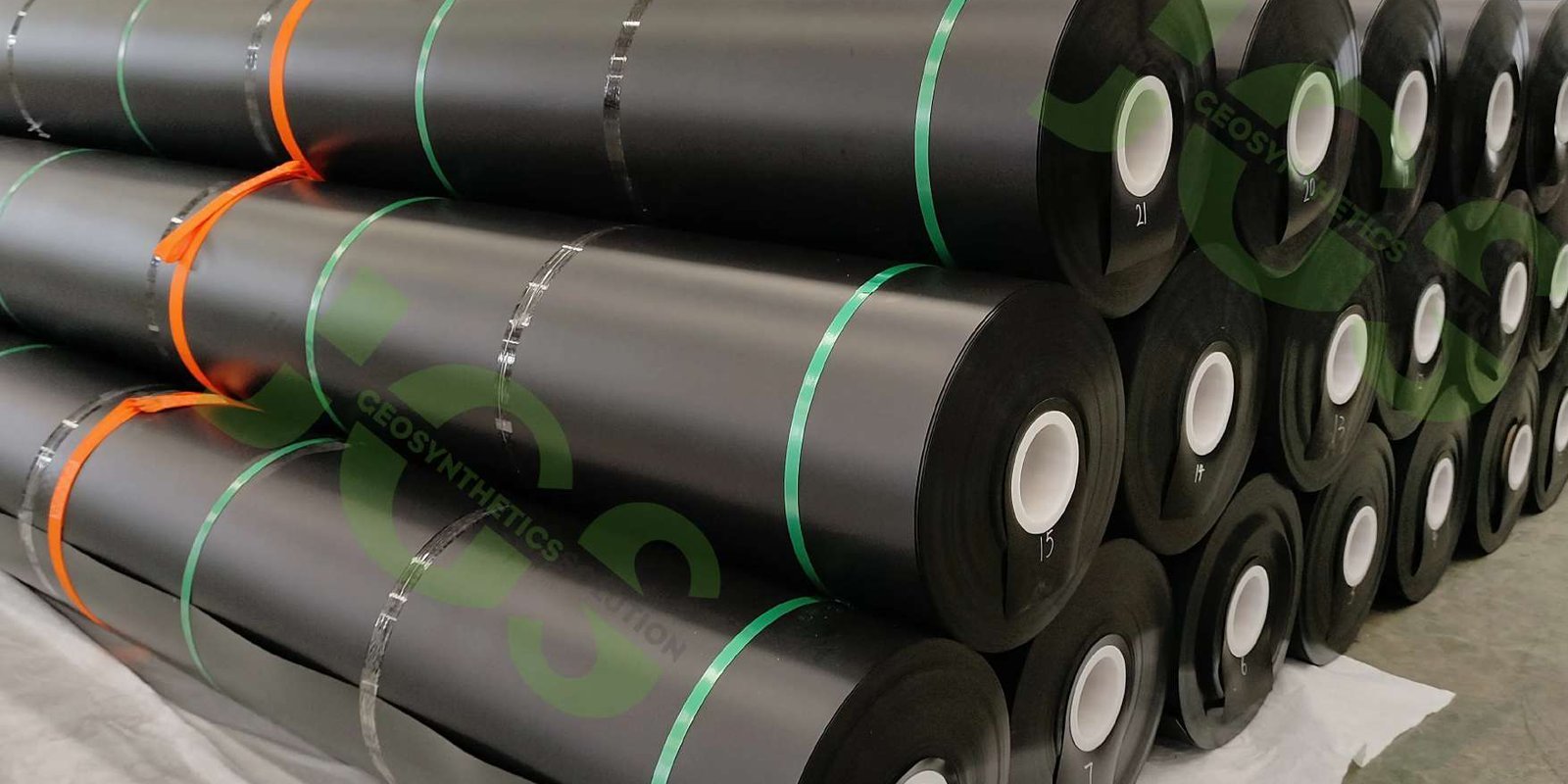
Geotextile ManufacturerLiners for heap leach pads, tailings dams and process ponds. 1.0 to 3.0 mm thick, rolls up to 8 m wide, made from new HDPE resin only. Every shipment comes with its own mill test report.

Each part of a mine asks something different from a liner. Here is what goes where.

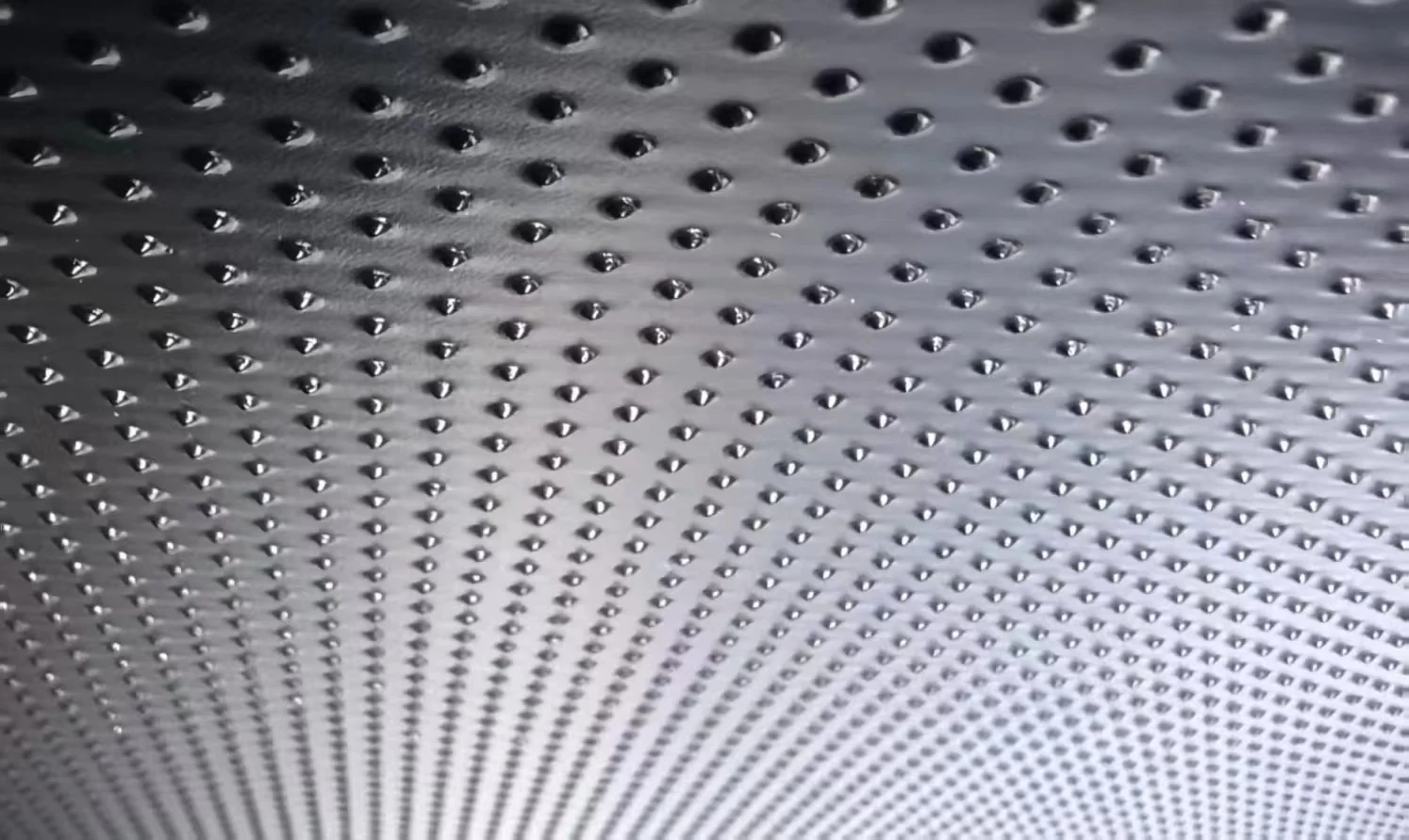
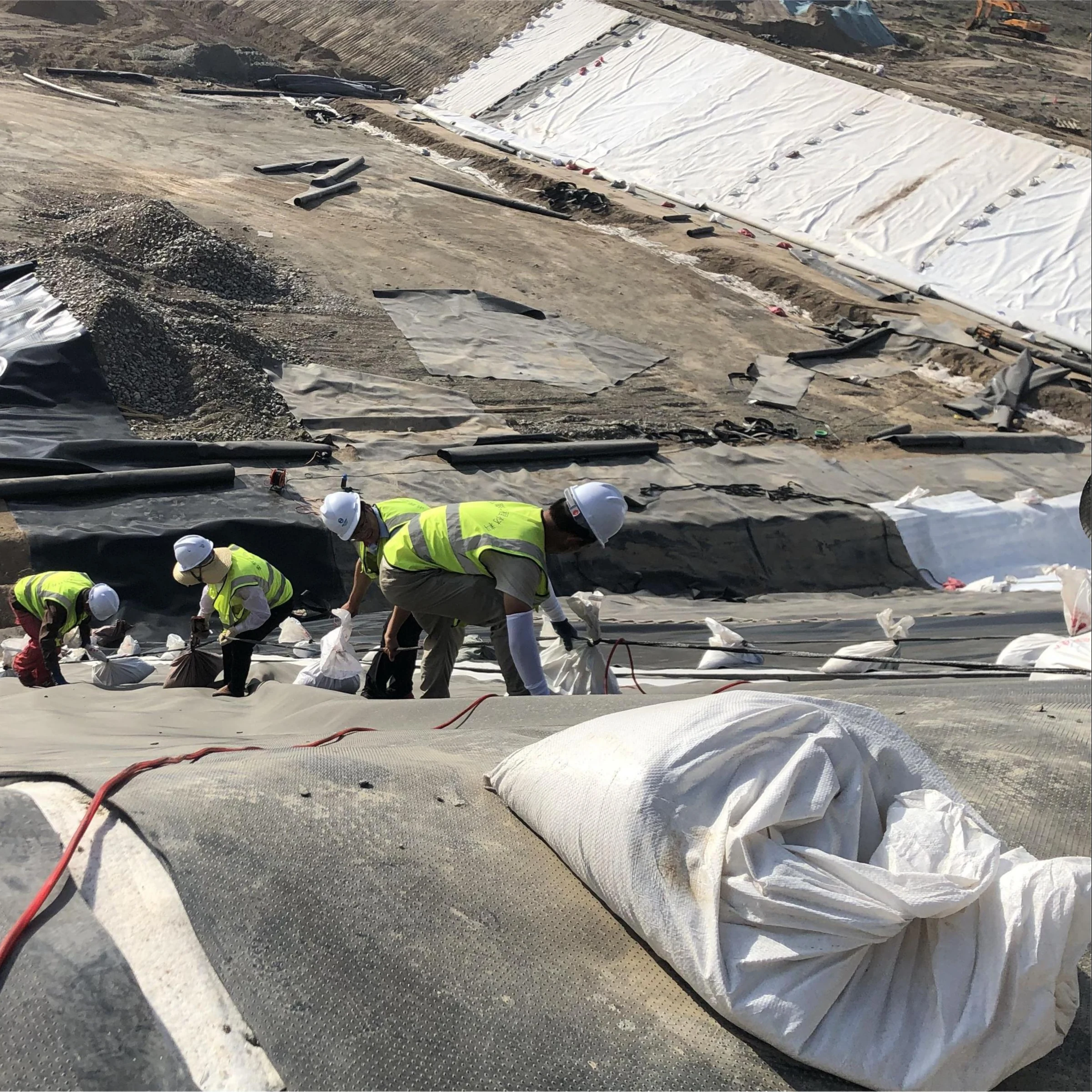
Ore sits on steep stepped pads while acid or cyanide solution runs through it. The liner has to grip the slope and shrug off the chemistry. Textured rolls give a friction angle up to 30°, so ore lifts stay put.
Typical build: 1.5–2.0 mm double-textured over a 600 g/m² cushion
Heap leach liner guide
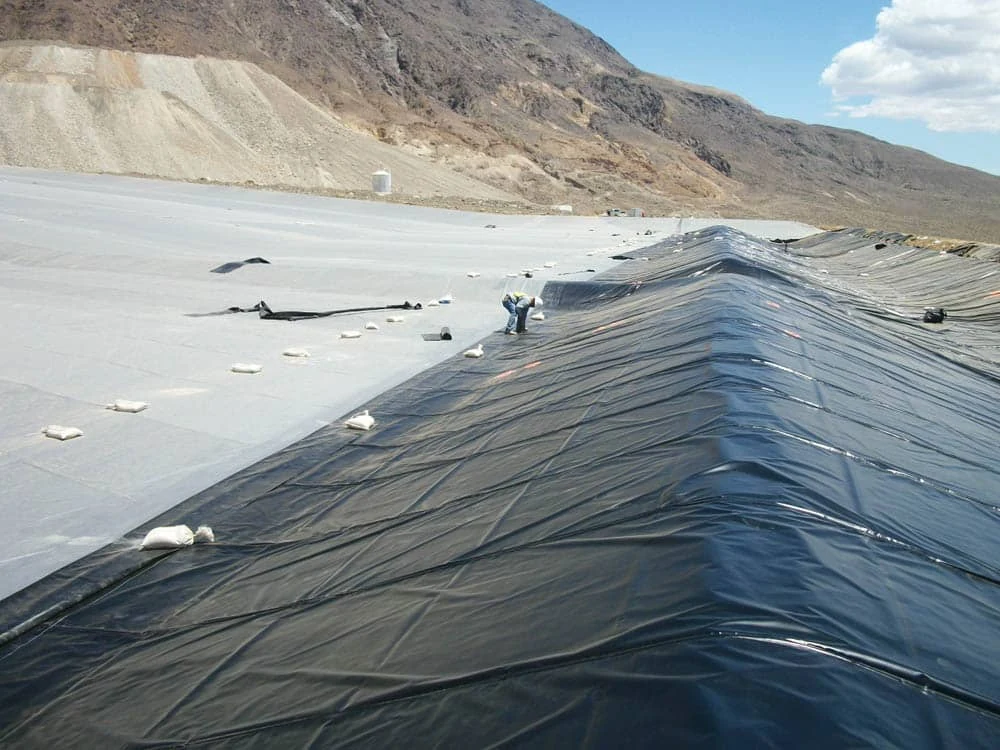
Tailings are sharp, heavy and stay there for decades. The liner needs high puncture and tear numbers, plus a geotextile cushion underneath that spreads point loads from the ground.
Typical build: 1.5–2.5 mm smooth or textured over geotextile cushion
Tailings dam lining system
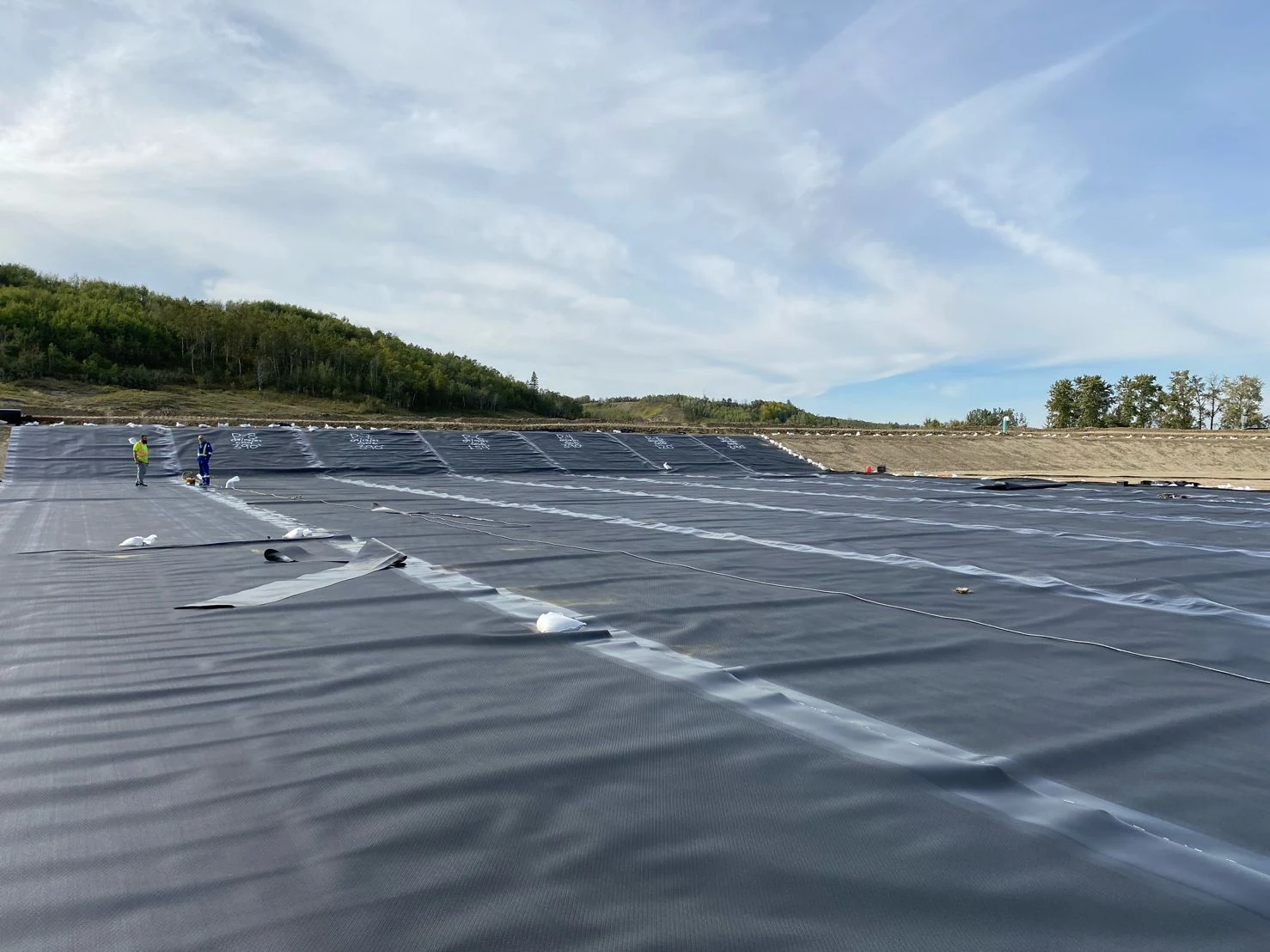
Flat bases, big areas, constant water contact. Smooth liner is the practical choice here — it costs less per square meter and welding crews move fast on it.
Typical build: 1.0–2.0 mm smooth
Evaporation pond design notes
Send the pad drawing. Get a liner spec, a roll layout and a container price.
Thickness, surface, quantity and destination port — that is all we need to start.


700% break elongation follows settling ground without cracking. Fastest to weld of the range. Made for evaporation ponds and process water.

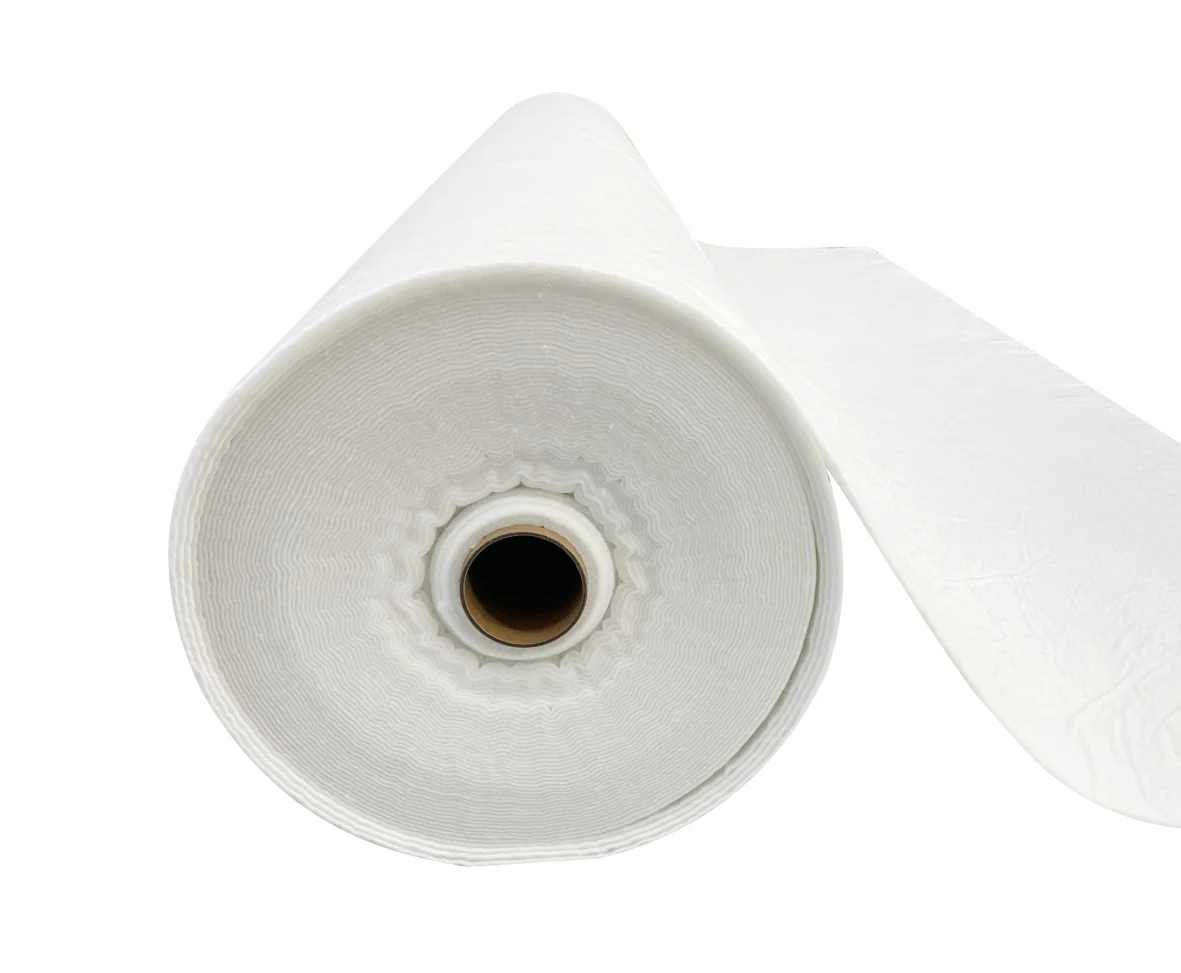
PET non-woven geotextile, 100–830 g/m², rolls to 6 m wide. Sits under the geomembrane and takes the point loads off it.

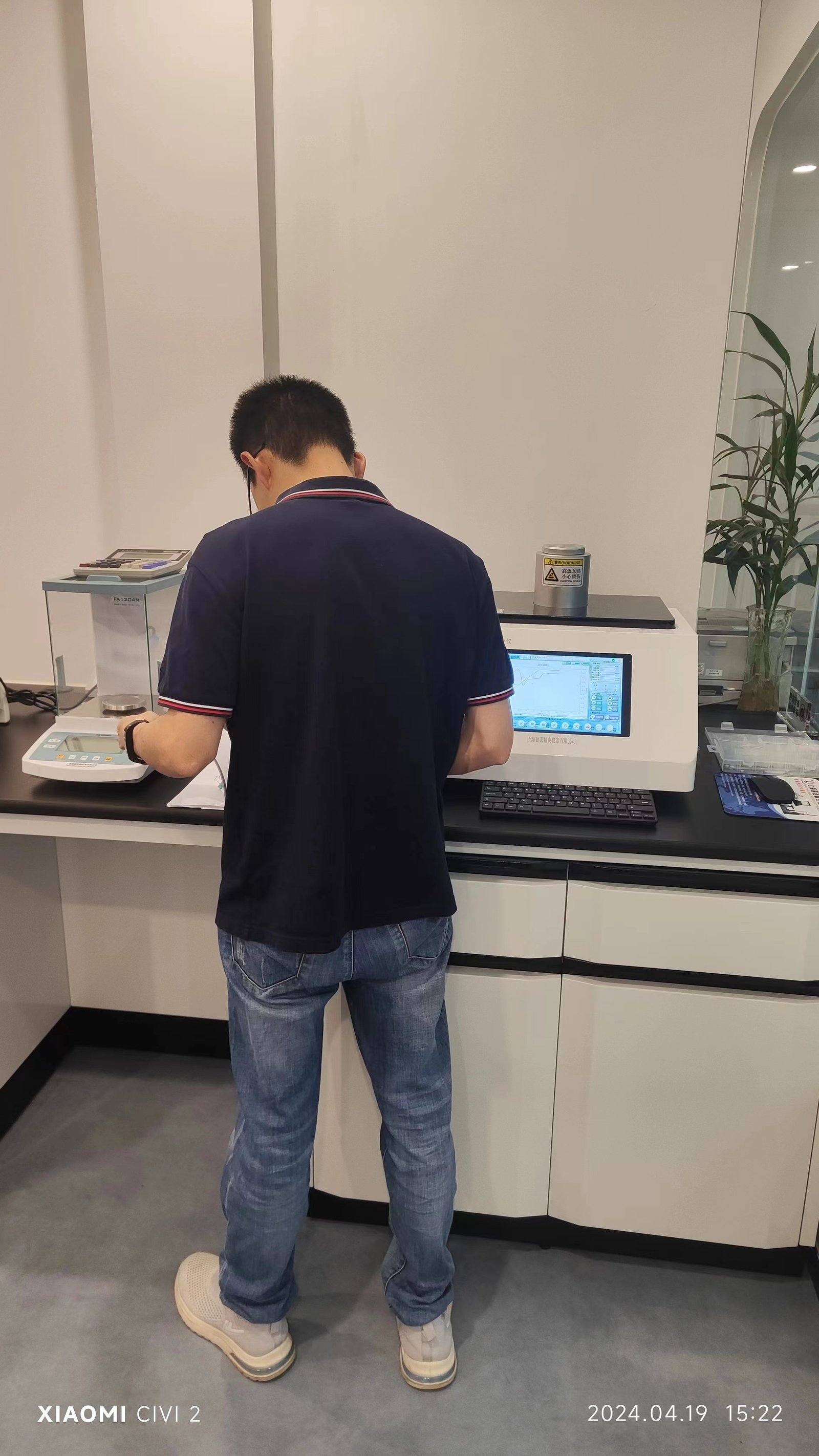
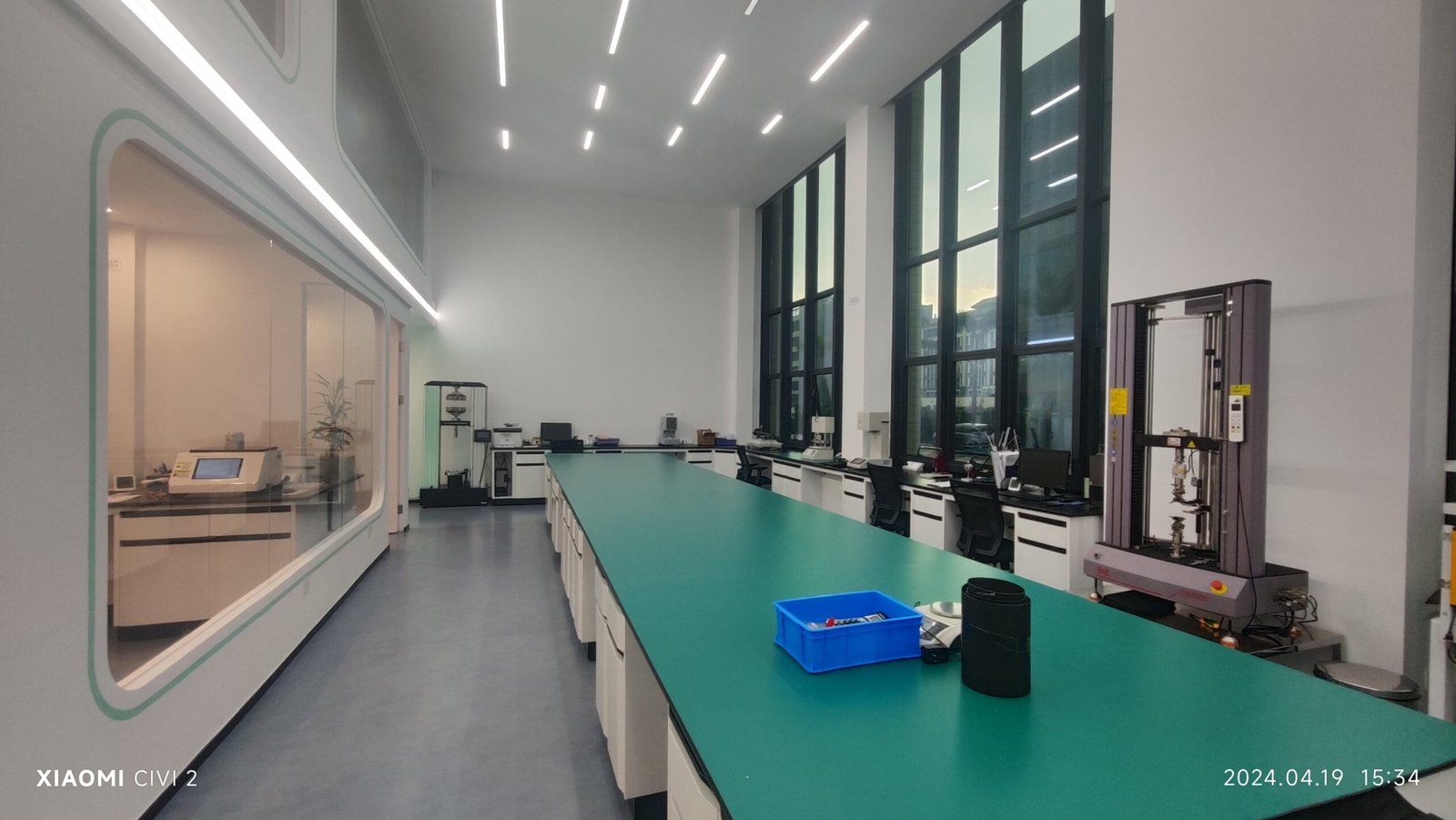
Five things our lab checks on every batch.
Resin comes from Sabic, Chevron Phillips and Borealis, with a certificate for every batch.
Sulfuric acid for copper, cyanide for gold — the plastic does not react, swell or soften.
Data-sheet minimum is 800 h (ASTM D5397). Batch test reports regularly read above 2,000 h — four times the 500-hour industry ask.
Fine carbon black, evenly dispersed. This is what keeps a liner alive on desert pads and high-altitude sites.
Gauges watch the sheet as it is made. The market accepts ±10%; we hold ±3%, so the thickness you design is what arrives.
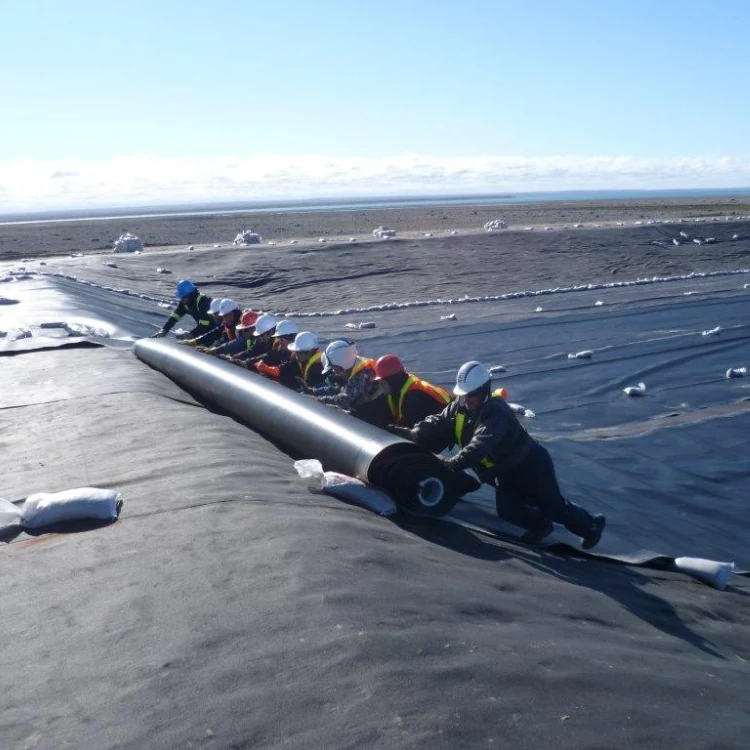
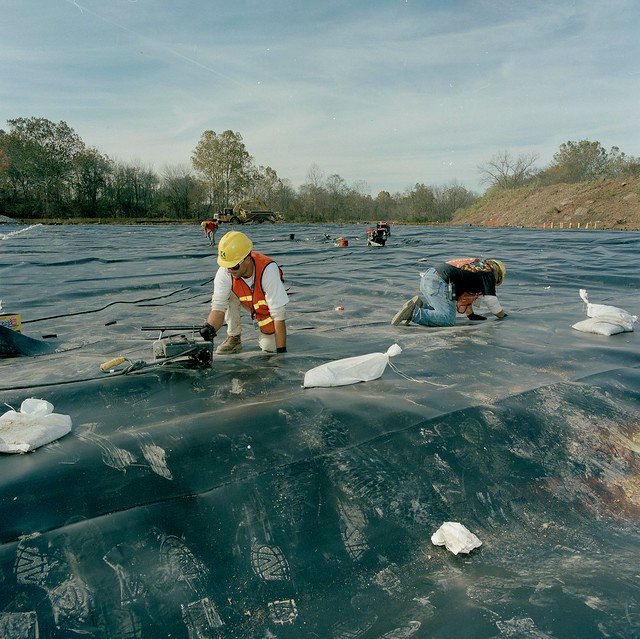
Wide rolls mean up to 25% fewer field seams — less welding time, fewer places a leak can start.
Data-sheet minimum values for smooth HDPE, aligned with GRI-GM13.
| Property (ASTM) | 1.0 mm | 1.5 mm | 2.0 mm | 2.5 mm | 3.0 mm |
|---|---|---|---|---|---|
| Min. average thickness (D5199) | 0.96 mm | 1.45 mm | 1.90 mm | 2.42 mm | 2.90 mm |
| Tensile yield strength (D6693) | 16 kN/m | 24 kN/m | 32 kN/m | 39 kN/m | 47 kN/m |
| Tensile break strength (D6693) | 28 kN/m | 40 kN/m | 53 kN/m | 70 kN/m | 85 kN/m |
| Break elongation (D6693) | 700% | 700% | 700% | 700% | 700% |
| Tear resistance (D1004) | 130 N | 195 N | 260 N | 320 N | 374 N |
| Puncture resistance (D4833) | 330 N | 550 N | 700 N | 825 N | 1,000 N |
| Carbon black content (D6370) | 2.0–3.0%, dispersion Category 1–2 (D5596) | ||||
| OIT / HPOIT (D8117 / D5885) | 150 min / 500 min minimum | ||||
| Standard roll length, 8.0 m wide | 210 m | 140 m | 105 m | 84 m | 70 m |
Textured values and full test methods are in the HDPE data sheet (PDF). Your shipment's own figures come with its mill test report.


Steep ground, sulfuric acid below pH 1. We supplied 1.5 mm double-textured HDPE over a 600 g/m² cushion. Zero recorded leakage, stable slopes, and a 12.4% lift in leaching efficiency.

Every roll shipped with its mill test report. Third-party inspectors checked the seam work on site. The same documentation pack is standard on our mining orders.


Pad footprint, slopes and the solution you run. Photos of the site help too.
You get a material spec, a roll layout and a container price to approve.
One 40HQ first. Your crew tests the welding and the paperwork before the main order.
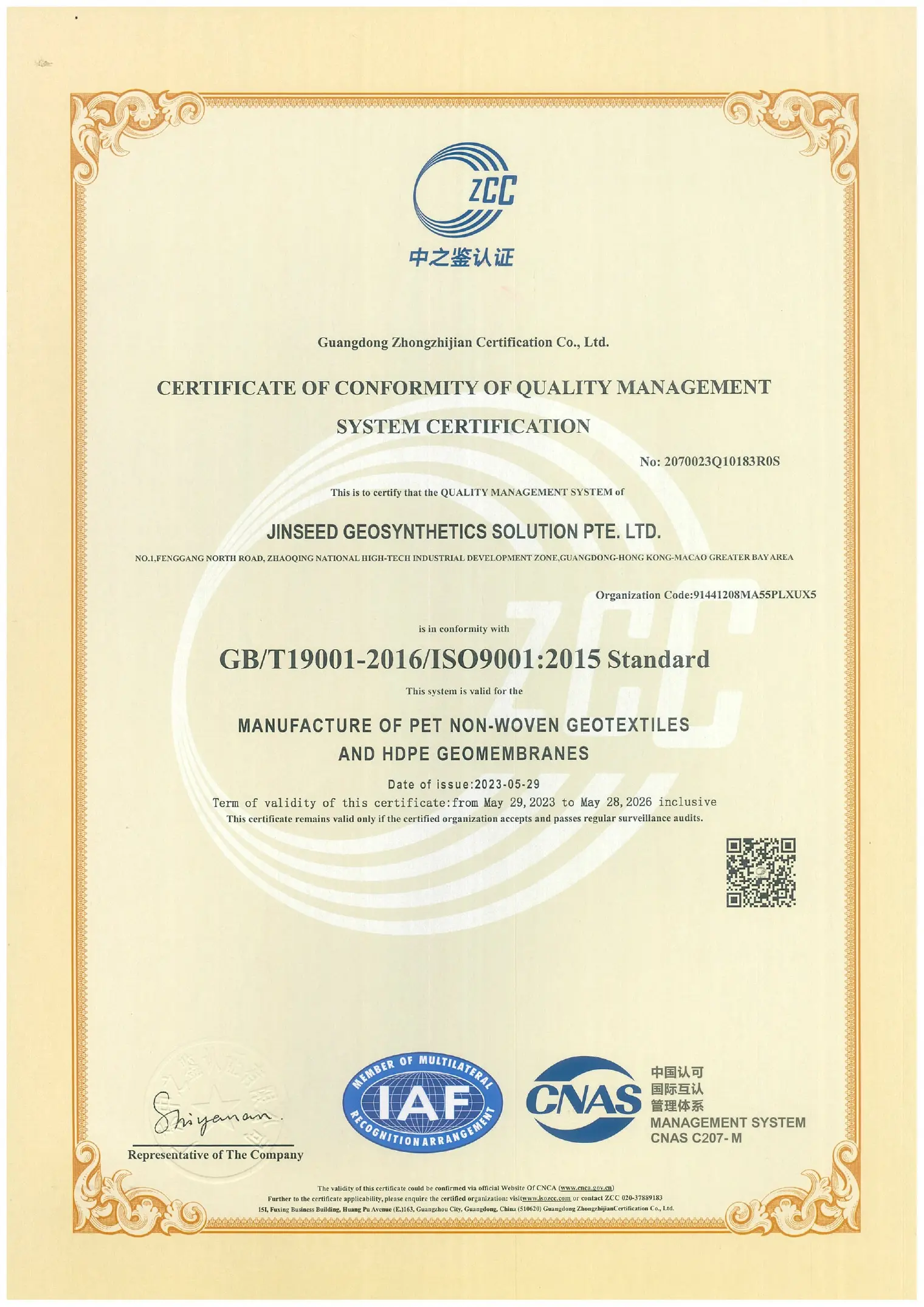
Every batch passes lab checks. Your inspector can sample before loading.
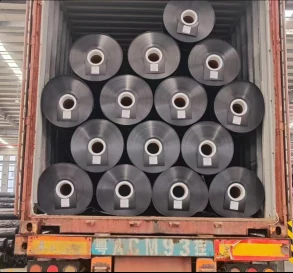
Loading report with photos and seals, welding checklist, engineers on WhatsApp.

Start with one container. Scale to full supply.
A single 40HQ trial order lets your crew test welding, seams and documentation before the main contract.


Five things: the application (heap leach pad, tailings, process pond), thickness, surface finish (smooth or textured), quantity in square meters, and the destination port. We reply with a specification, a roll layout plan and a container-based price.
The typical minimum for mining-grade HDPE rolls is one 40HQ container. Standard GRI-GM13 specifications ship in 7–15 days; custom thicknesses or special roll dimensions take 15–25 days.
Textured HDPE is the choice for heap leach pads and steep embankments where slope stability is a safety priority — the rough surface gives the friction angle that keeps ore lifts in place. Smooth HDPE suits flat basal liners in process and evaporation ponds, where it costs less and welds faster.
Yes. We coordinate batch sampling with BTTG or TRI Environmental so an independent laboratory can verify tensile strength, puncture resistance and OIT before shipment. Every shipment also carries our own Certified Mill Test Report.
The liners are made from 100% virgin high-molecular-weight HDPE resin and are chemically inert across pH 1 to 13 — covering sulfuric acid used in copper leaching and cyanide solutions used in gold extraction.
Eight-meter rolls cut the number of field seams by up to 25% compared with narrower rolls. That means faster installation, lower labor cost, and fewer welded interfaces — the places where leaks are most likely to start.
Jinseed Geosynthetics Solution — 182 Cecil Street, Frasers Tower Level 17, Singapore 069547
Plant: No 1 Fenggang North Road, Zhaoqing High-tech Industrial Development Zone, Guangdong, China