

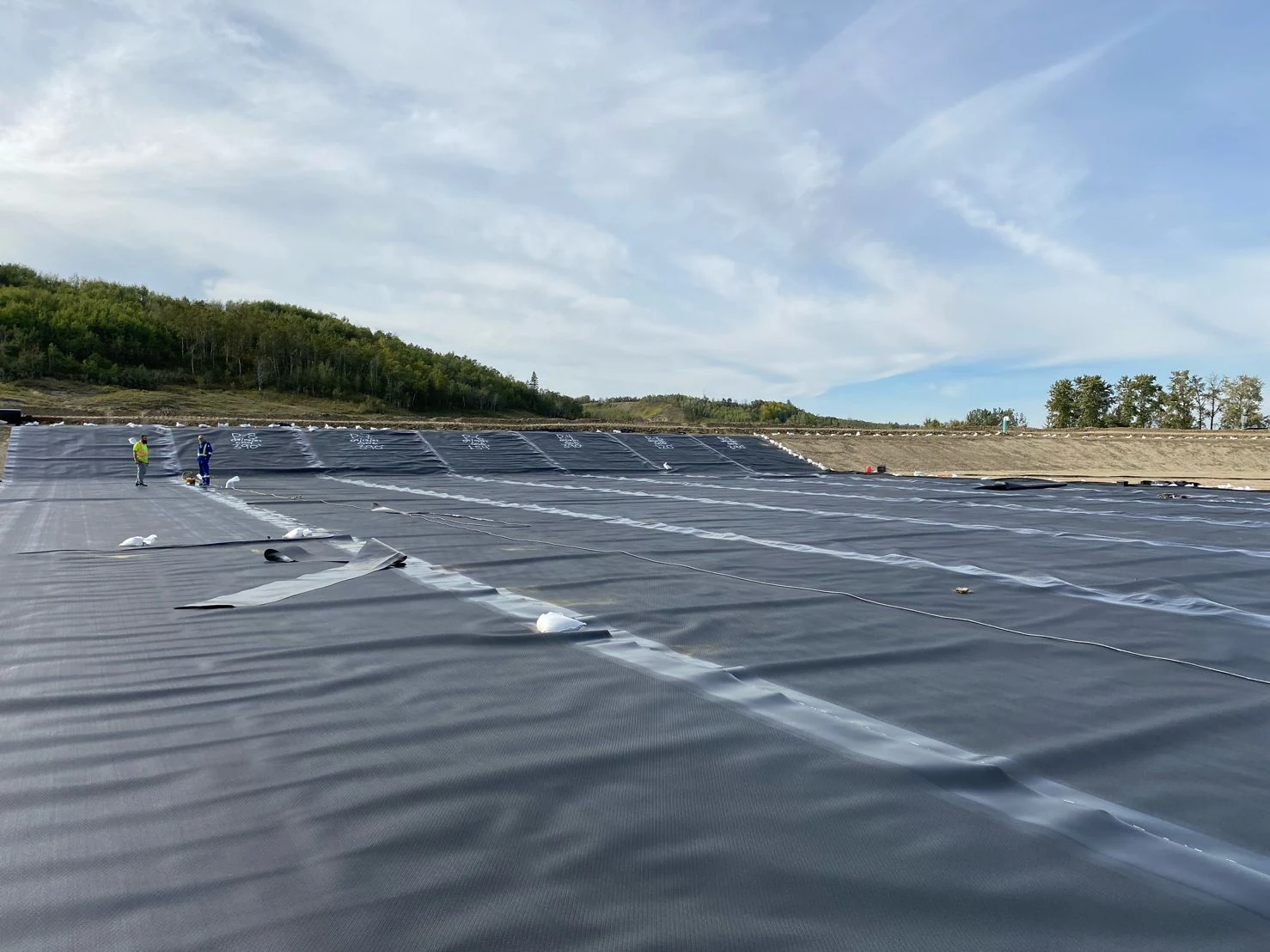
Landfill Lining & Capping
Base liners and final caps for municipal and hazardous waste cells. A 2.0 mm smooth or double-textured HDPE liner meets the EPA Subtitle D benchmark for MSW landfills.
Landfill solutionsFactory-made HDPE lining for landfills, tailings dams, sewage ponds and tank farms. Every batch is tested in our own lab, and the test report travels with your order.
Most environmental orders come from these four sites. Each one stresses the liner in a different way.
Base liners and final caps for municipal and hazardous waste cells. A 2.0 mm smooth or double-textured HDPE liner meets the EPA Subtitle D benchmark for MSW landfills.
Landfill solutions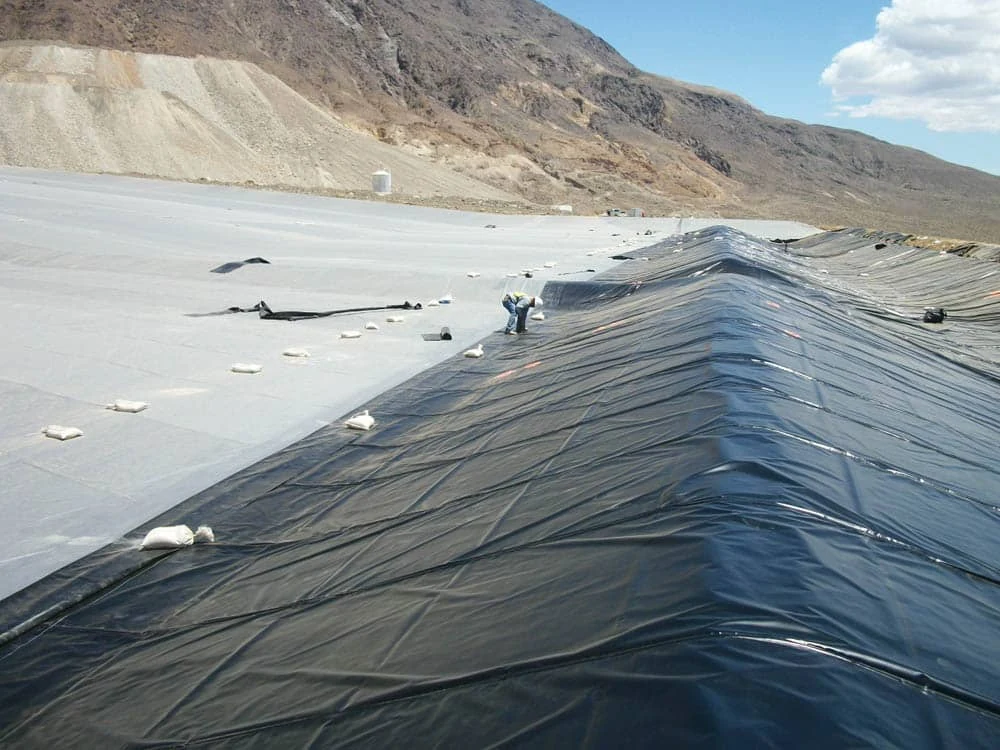
Heap leach pads and tailings storage facilities. 1.5 mm textured HDPE carries high ore loads and stands up to the acids used in metal extraction.
Mining solutionsMunicipal sewage lagoons and industrial evaporation ponds. The liner holds liquids from pH 1 to 13 and keeps its seal under year-round sun.
Pond lining guideSpill barriers for tank farms and chemical storage areas. HDPE resists hydrocarbons and gives inspection crews a surface that is easy to walk, weld and test.
Containment guide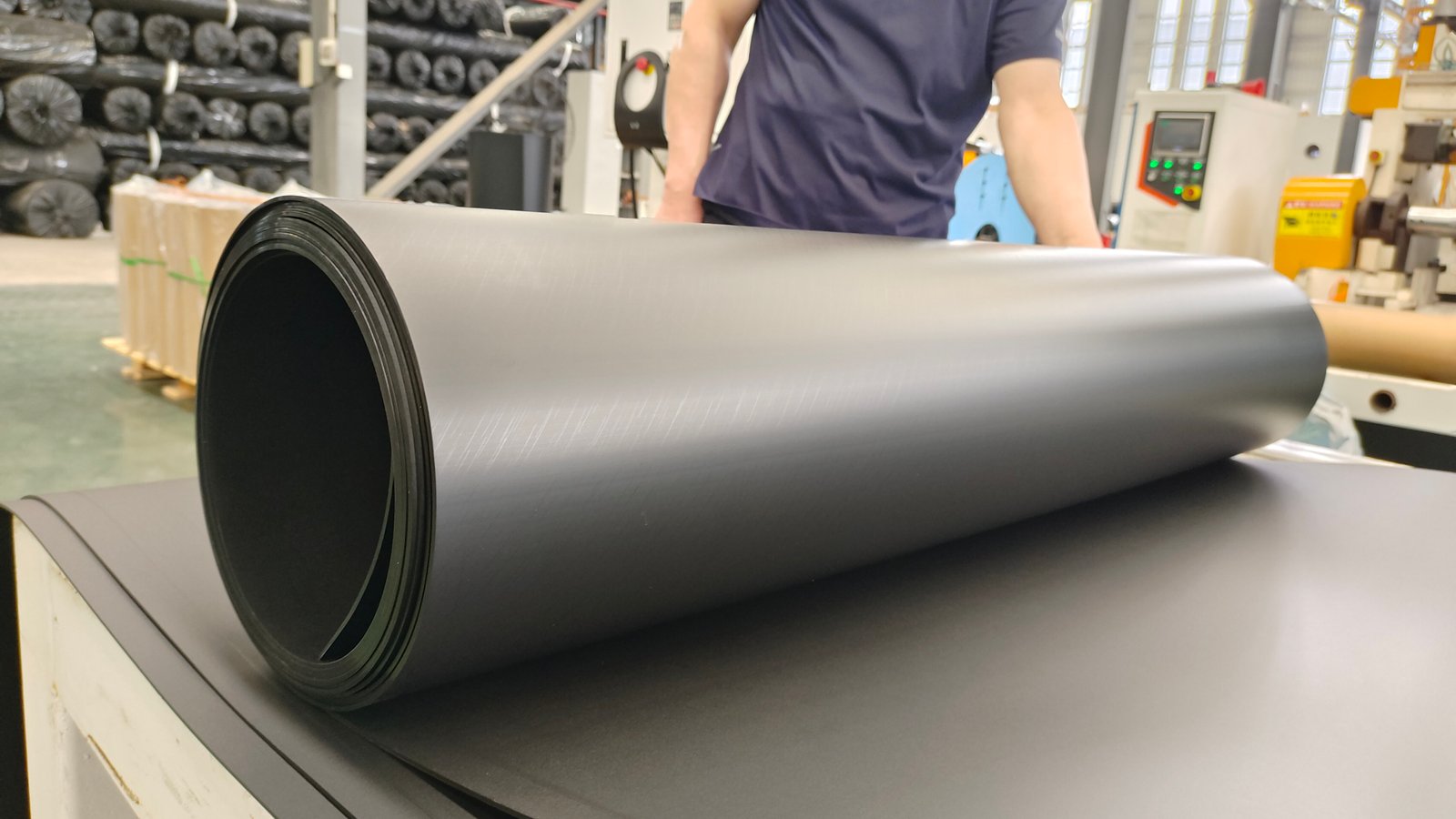
A quick reference from recent projects. Your regulation and loads set the final grade — send the drawing and we confirm it.
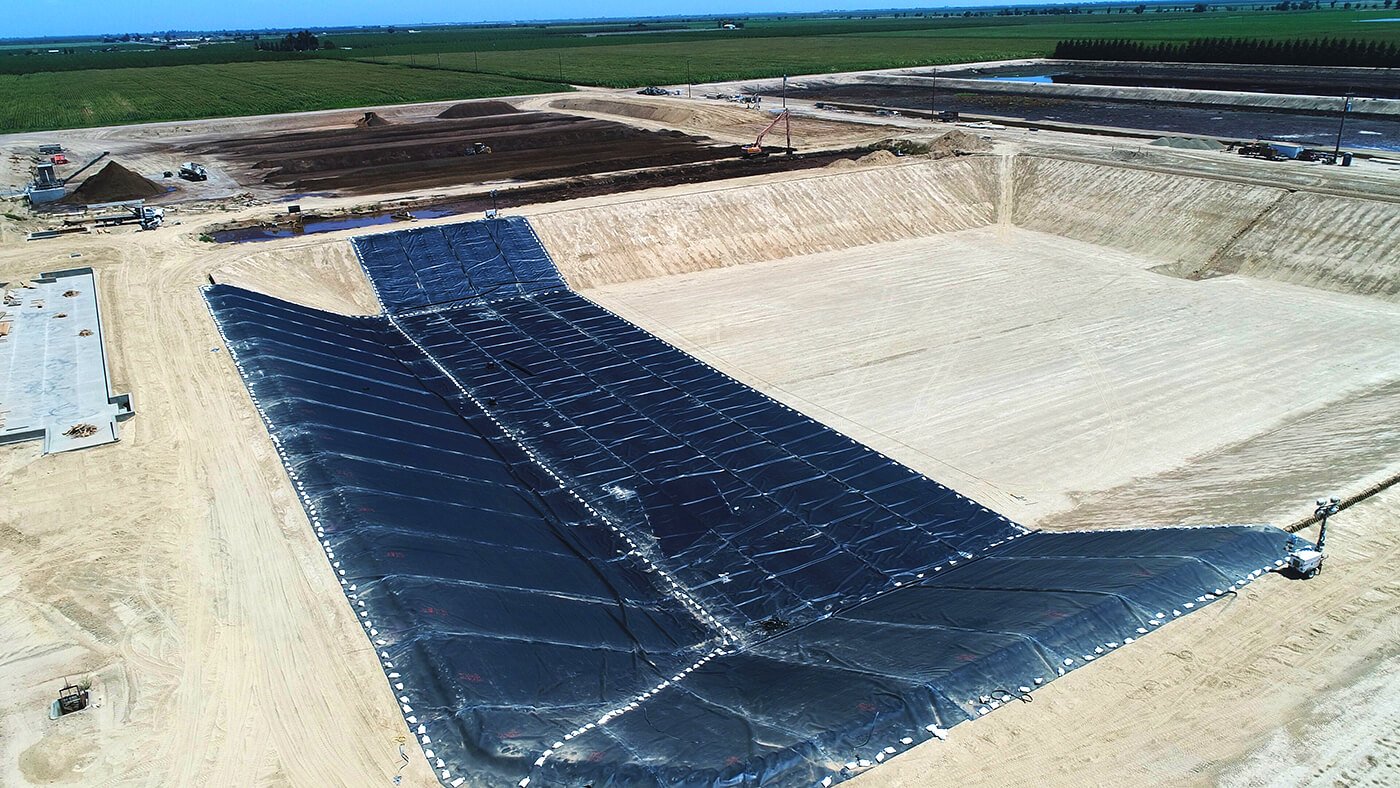
A lined pond from the air — one sheet, welded into one surface.
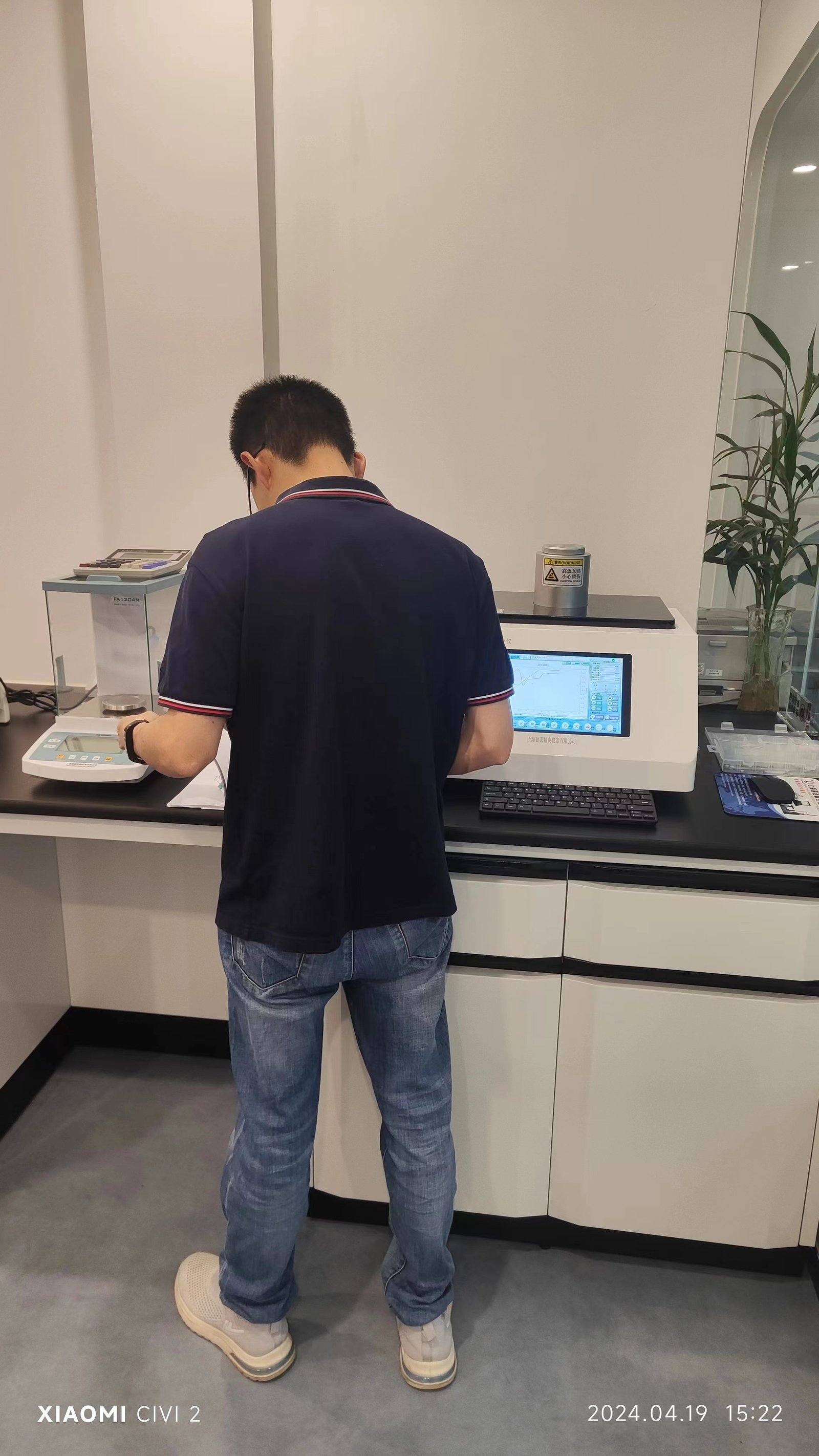
Lab work is part of production, not an afterthought.
These come off the production data sheet. Ask for the batch report and check them yourself.
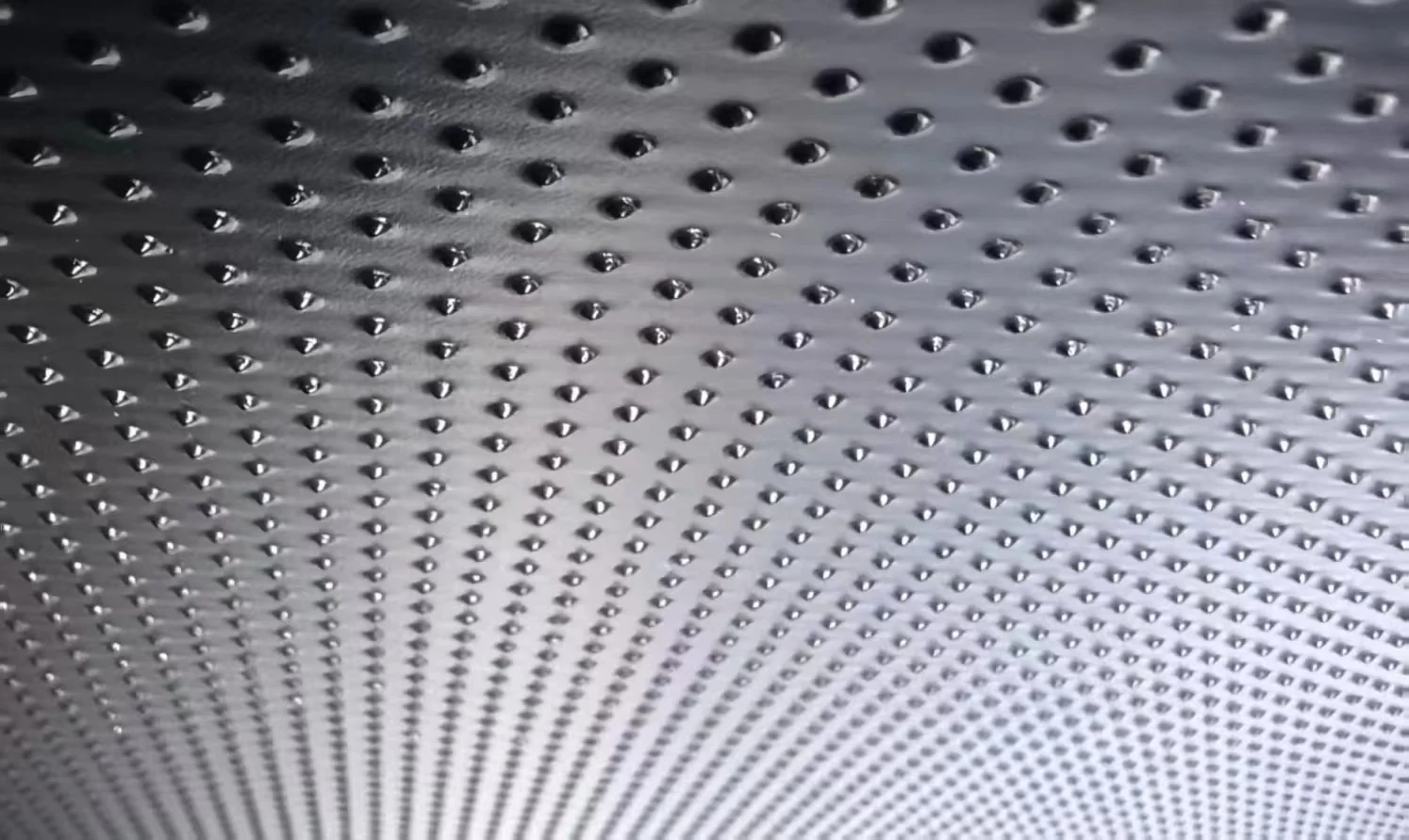
Same resin, same standards. The surface is what changes, and the slope decides which one you need.
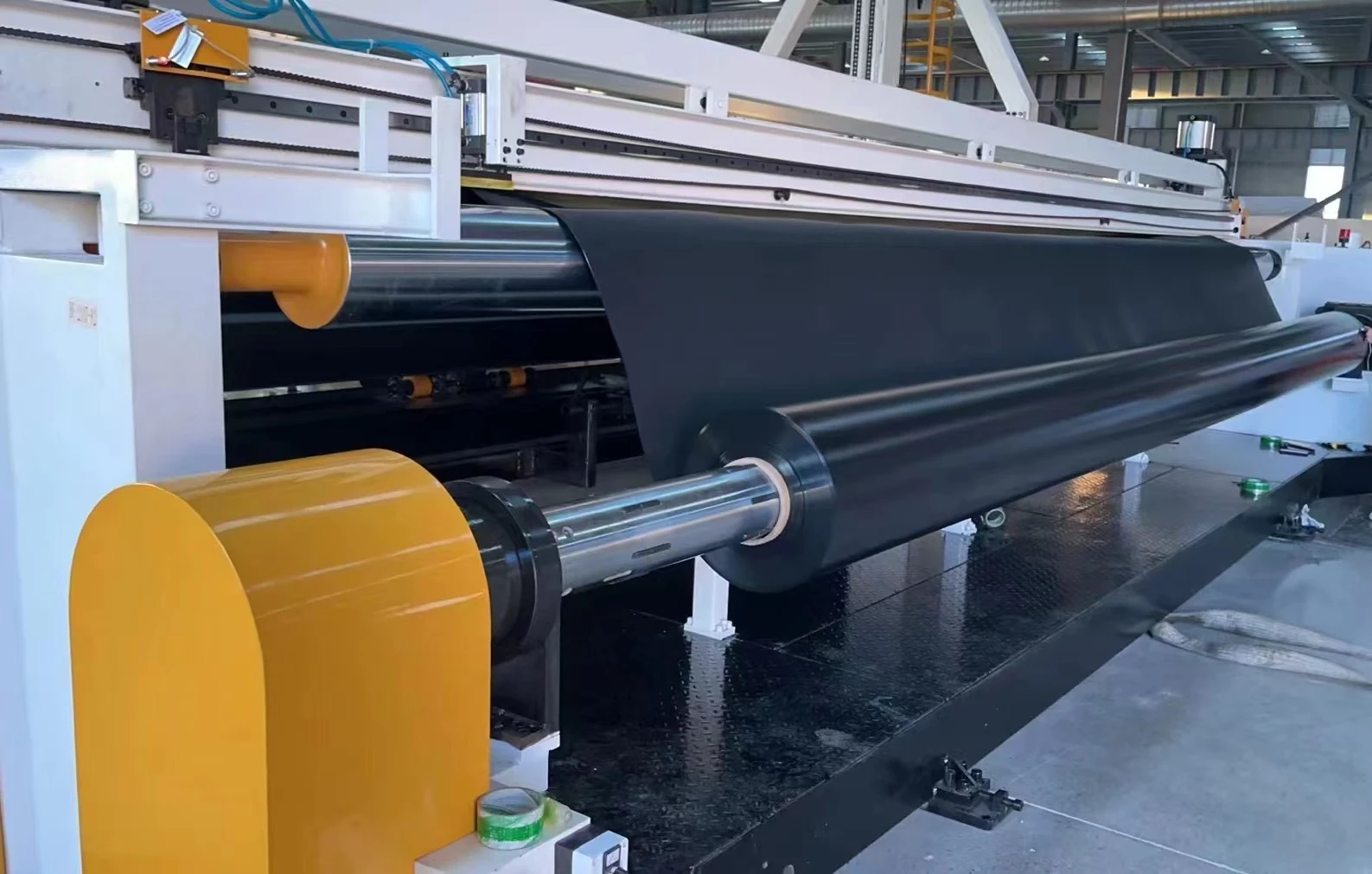
Our German flat-die lines watch the sheet while it is being made. A bad meter never becomes a bad roll.
100% virgin HDPE from Sabic, Chevron Phillips and Borealis.
Ultrasonic and laser gauges watch the full 8 m web; the industry norm allows ±10%.
Catches pinholes too small to see, on every production lot.
BTTG or TRI Environmental can watch the sampling.
Four failures cause most liner claims. Each one has a known fix — and each fix is part of how we supply.
Fix: a non-woven geotextile cushion under the sheet, and a rolled, stone-free subgrade before deployment.
Fix: dual-track welds leave an air channel between two weld lines — every channel gets pressure-tested.
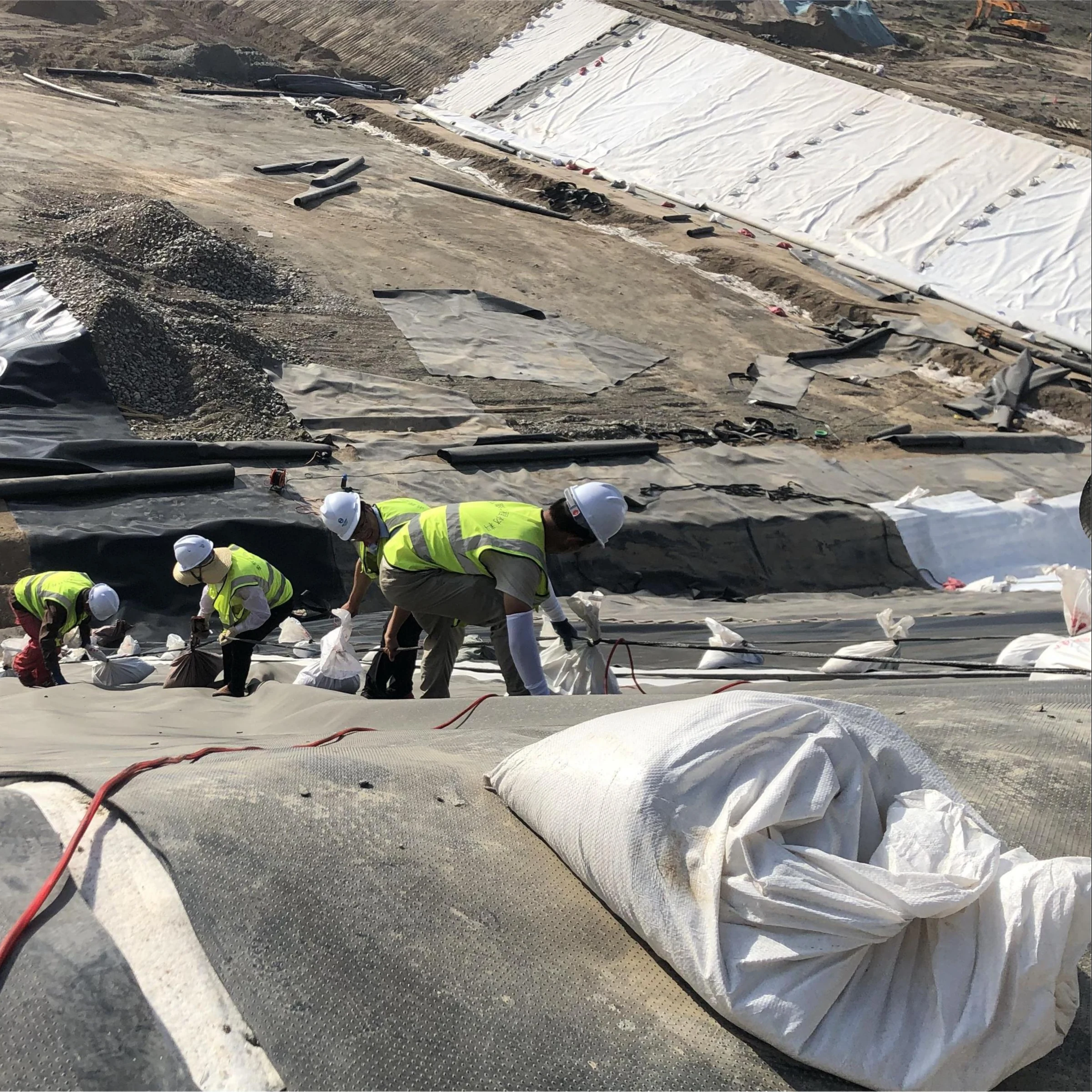
Fix: cover soil slides on smooth HDPE. Textured sheet on any slope keeps friction up to 30°.
Fix: the UV package matters — 2.0–3.0% carbon black keeps over 60% of strength after 1,600 hours of UV.
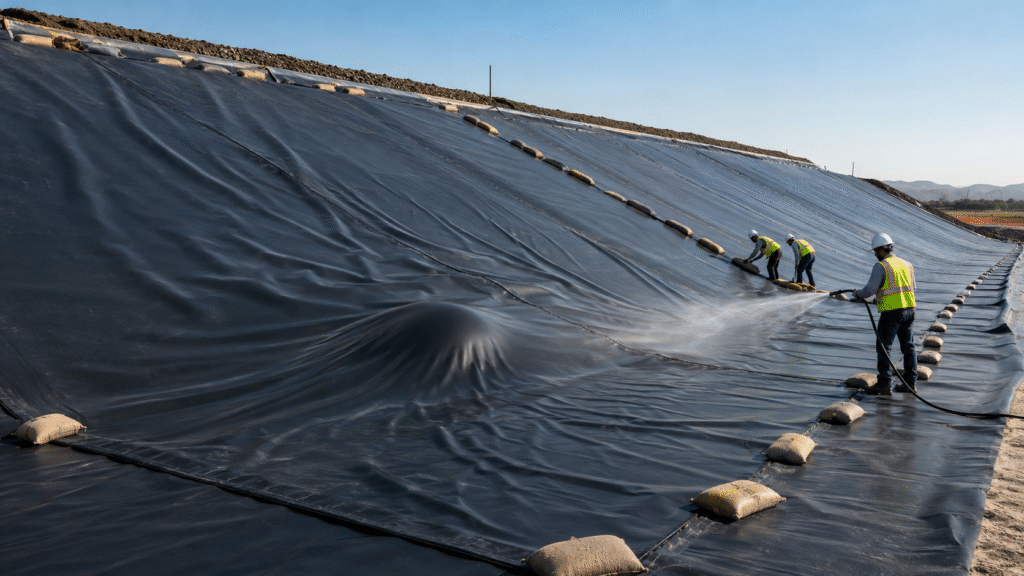
Slope work is where liner quality shows first.
A liner rarely works alone. We make the sealing layer and the layers around it, so everything arrives with one set of documents.
The primary barrier. 0.5–3.0 mm, smooth or textured, in widths up to 8 m — wide rolls mean fewer field seams on your site.
View HDPE liners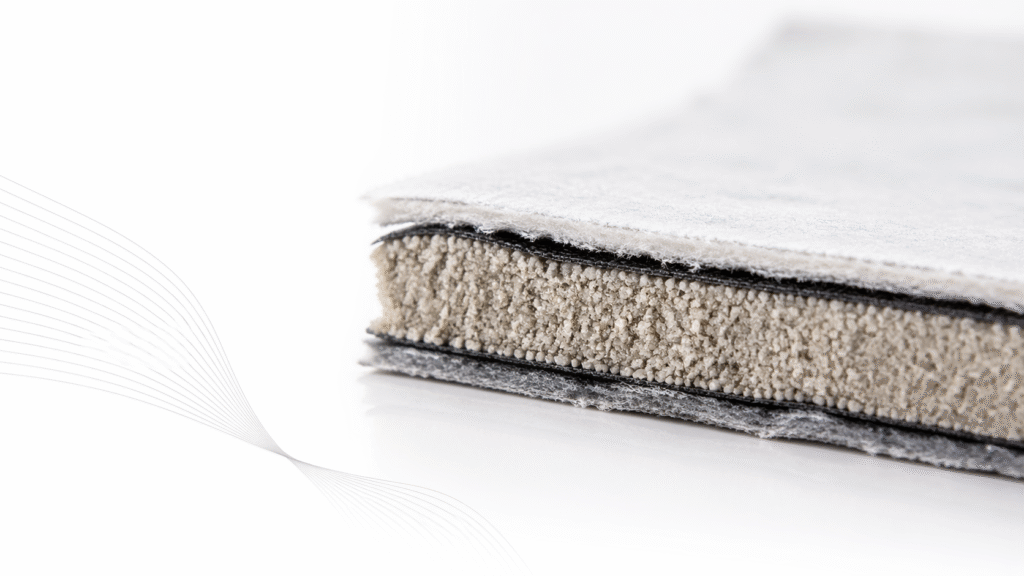
A self-sealing sodium bentonite layer, 4,000 g/m² or more. Sits under the geomembrane as the secondary barrier.
Liner system details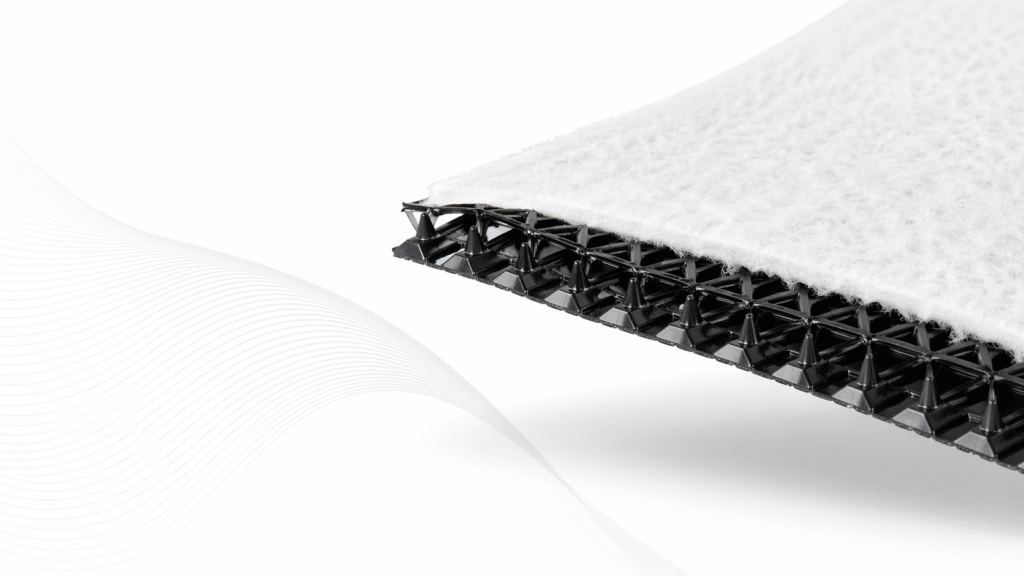
A tri-planar HDPE core bonded with non-woven geotextile. Moves leachate and gas without truckloads of gravel.
System overviewPET non-woven geotextile sits between the liner and anything sharp. It is the cheapest insurance in the whole system.
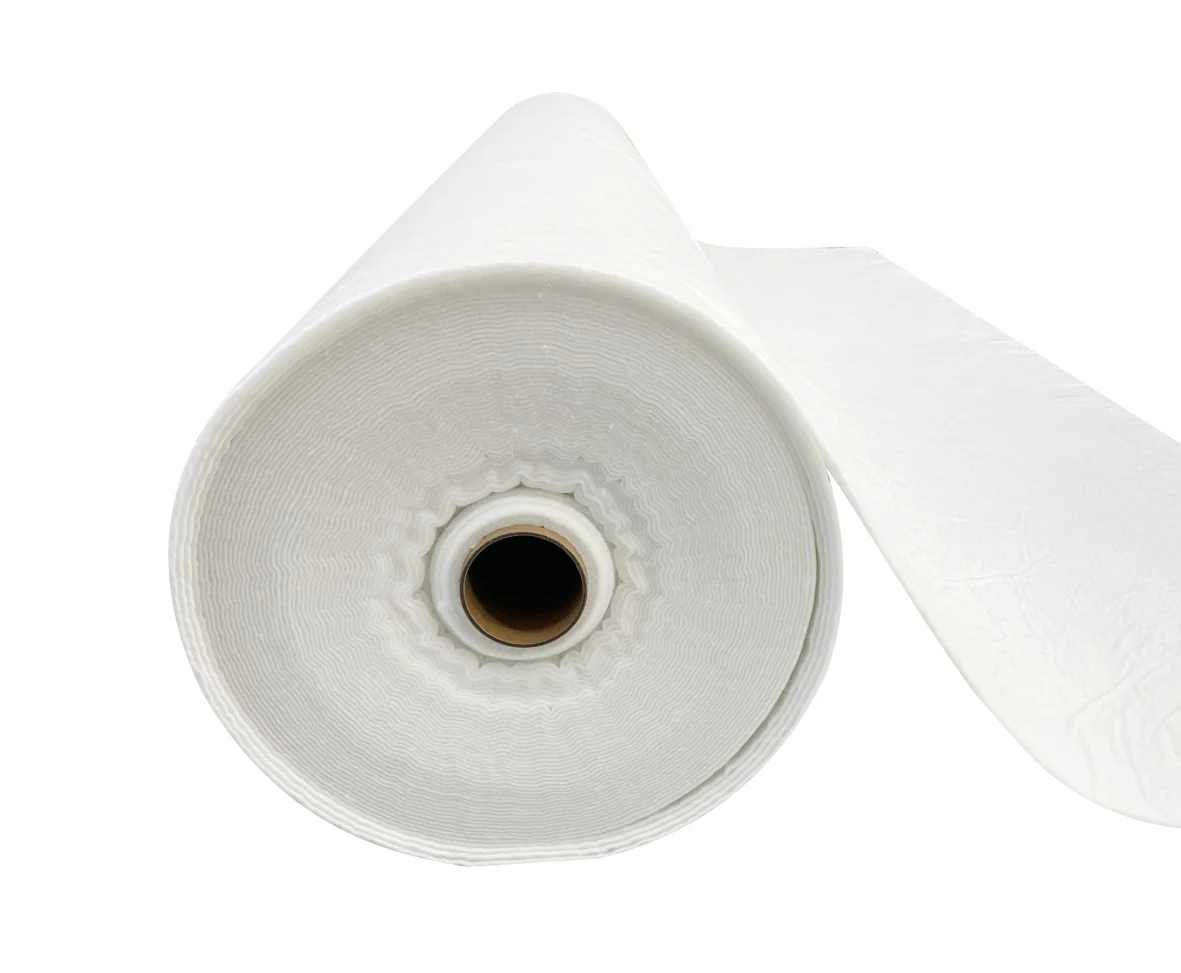
Geotextile going down before the geomembrane.
From the ground up, each layer has one job. We supply every layer shown here.
Compacted, stone-free base graded to design slopes.
Bentonite swells on contact with water and self-seals small punctures.
The primary sealing layer — 1.5 to 2.5 mm is typical for waste containment.
Non-woven PET protects the sheet from angular stone above and below.
Geocomposite or stone moves leachate to sumps and relieves gas pressure.
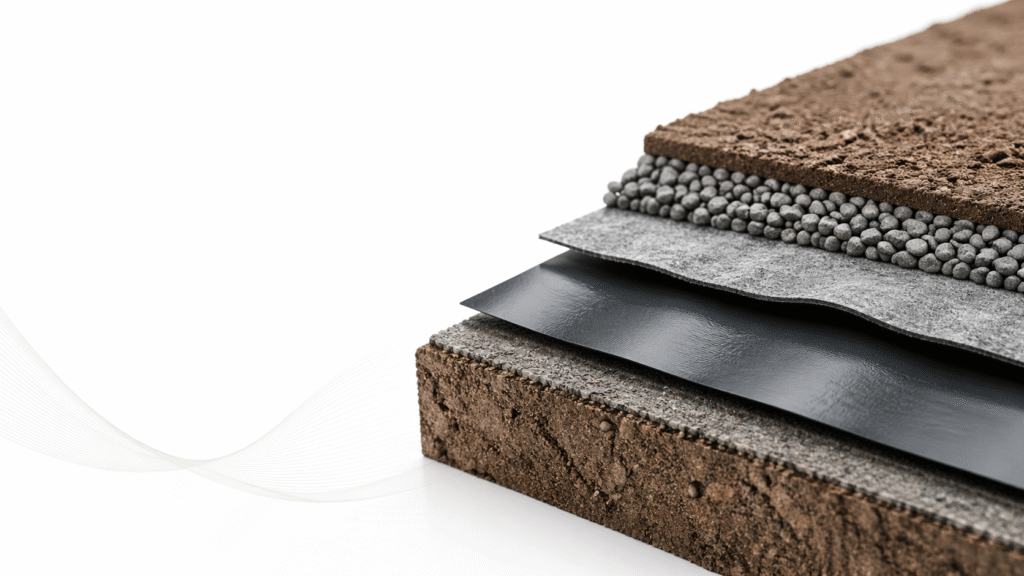
A closure system in section — the same logic as a base liner, upside down.
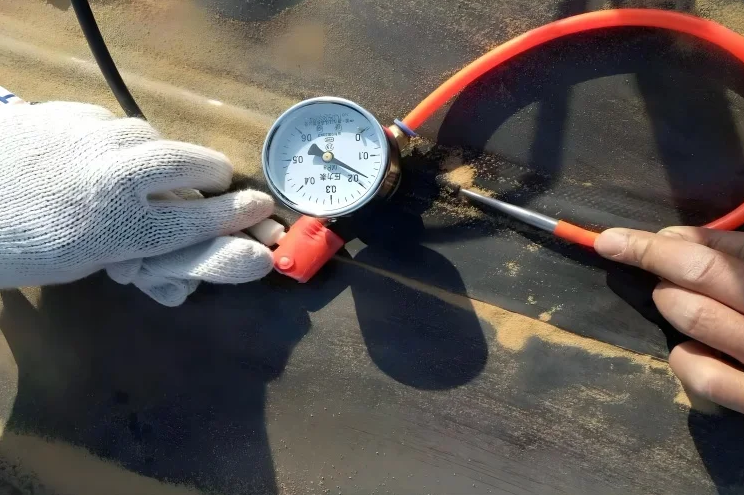
Air-channel test on a dual-track seam — the gauge tells the truth.
Sheets rarely fail; seams do. That is why every order ships with a welding and testing plan your crew can follow.
Two weld lines with a test channel between them.
The air-channel pressure test every seam must hold.
Crews prove the machine settings before production welding.
Quantities and specifications from the project records.
2.0 mm (80 mil) HDPE for a Phase III cell expansion, with third-party seam testing witnessed across the full installation.
Supplied for a tailings storage facility lining program, container-planned and shipped with batch test reports.
1.5 mm (60 mil) textured HDPE with a 600 g/m² geotextile cushion, specified for high ore loads and severe chemical exposure. The operator reports leach efficiency up 12.4% after relining.
A multi-layer capping system engineered to keep rainwater out of the closed pond — flexible LLDPE over a self-sealing clay liner.
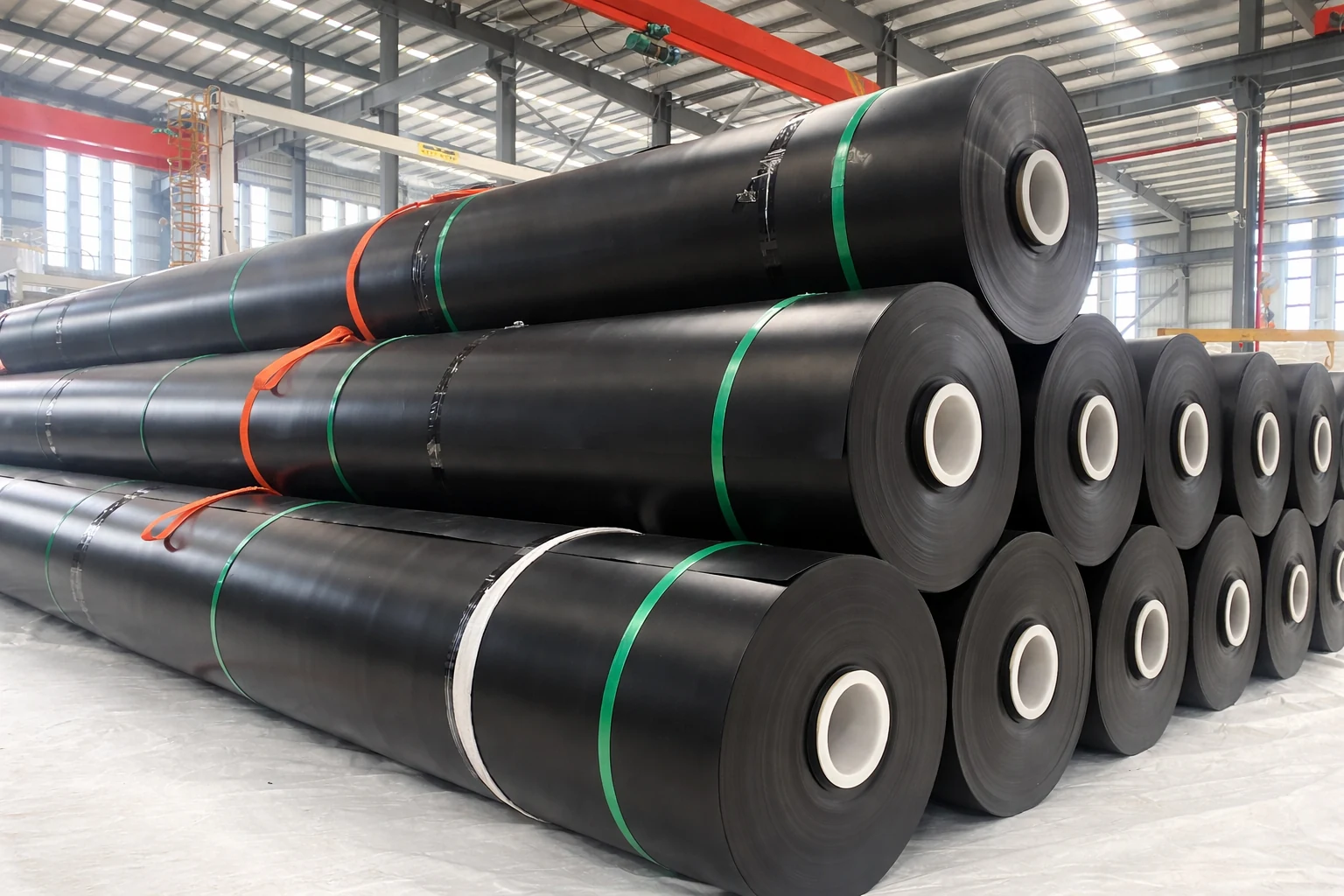
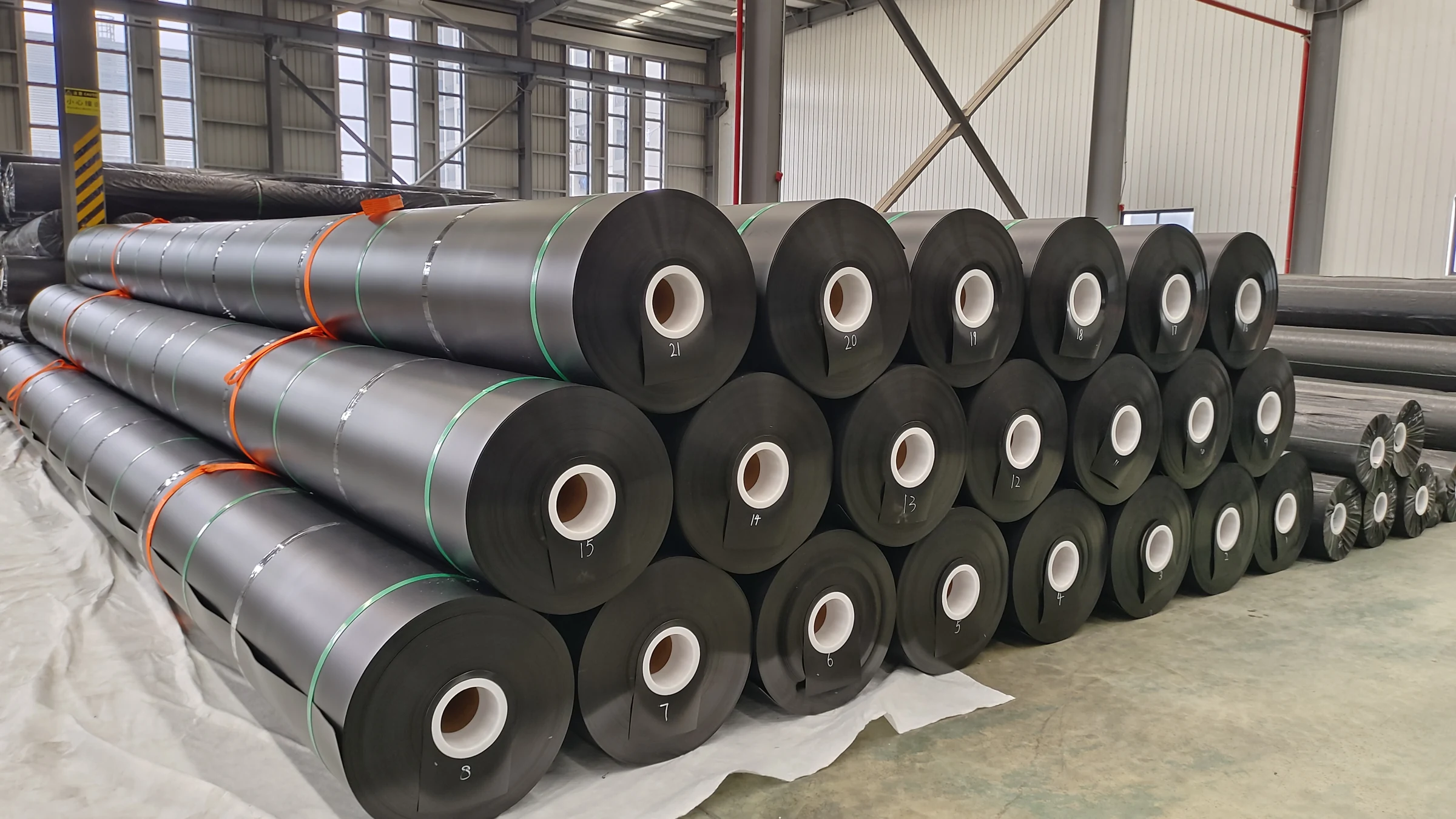
A liner that leaves the factory perfect but arrives creased is worthless. Packing is part of the product.
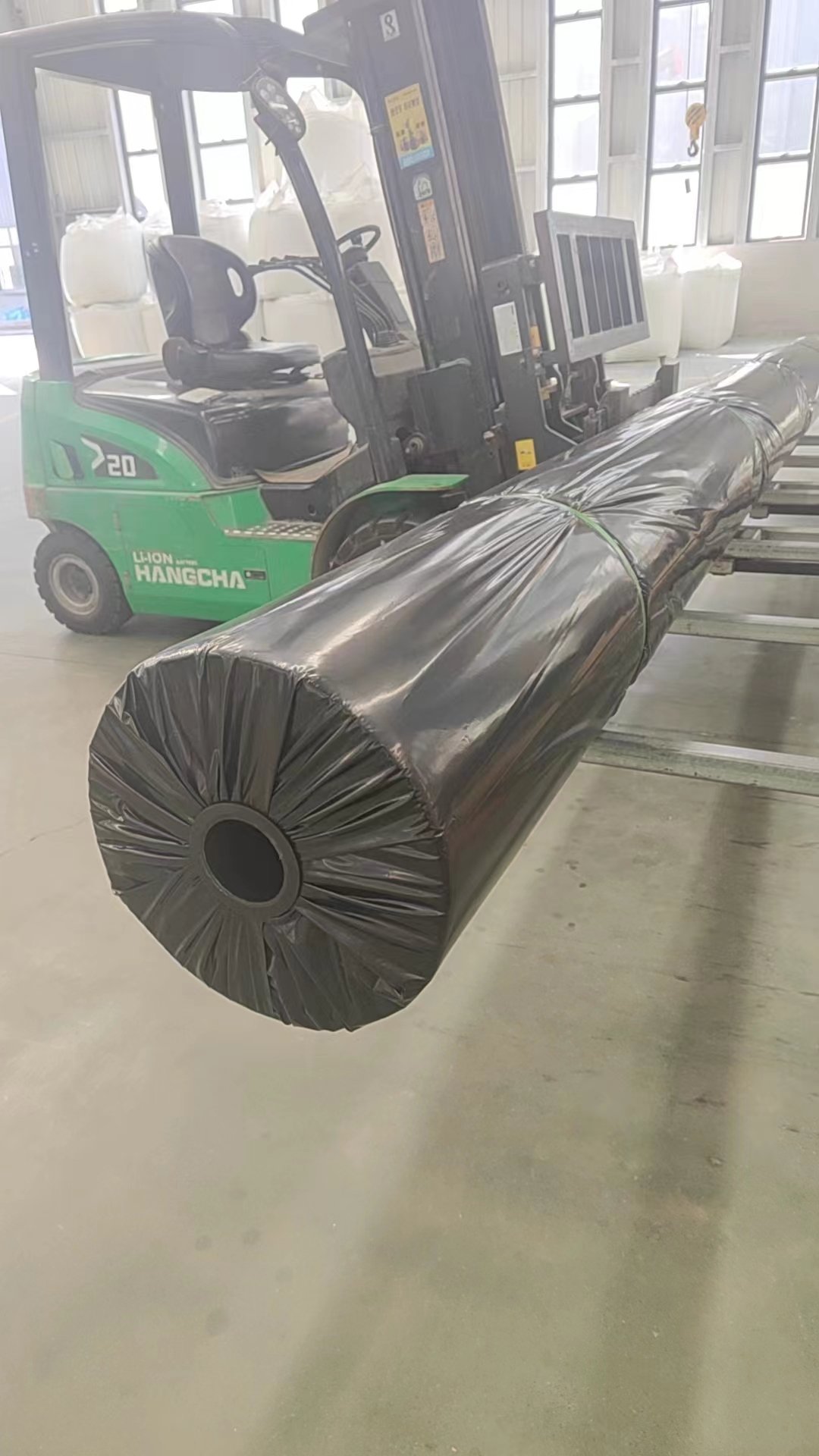
Wrapped rolls staged for container loading.
That is all a quotation needs. A drawing or tender spec is even better — we quote against it line by line.
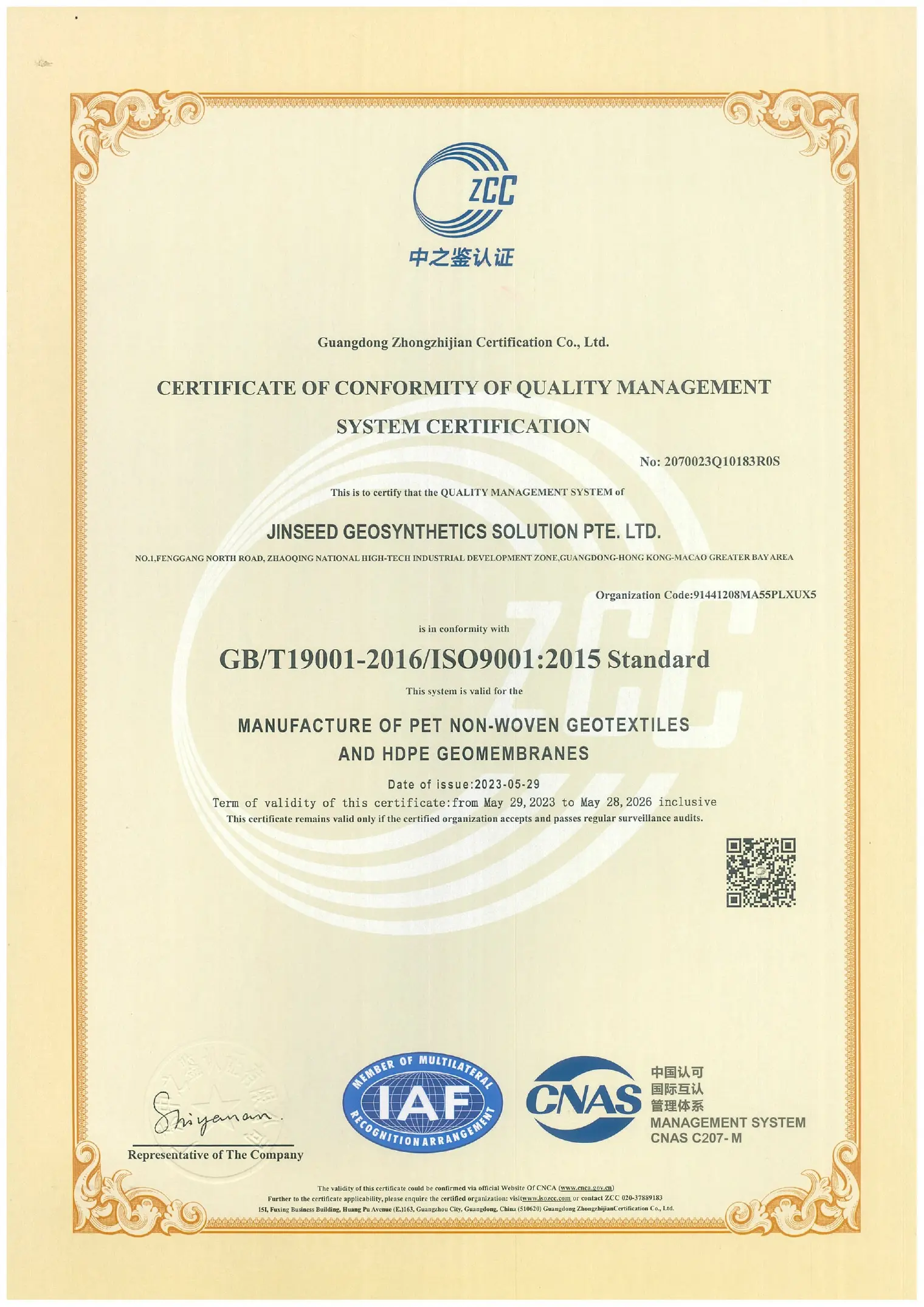
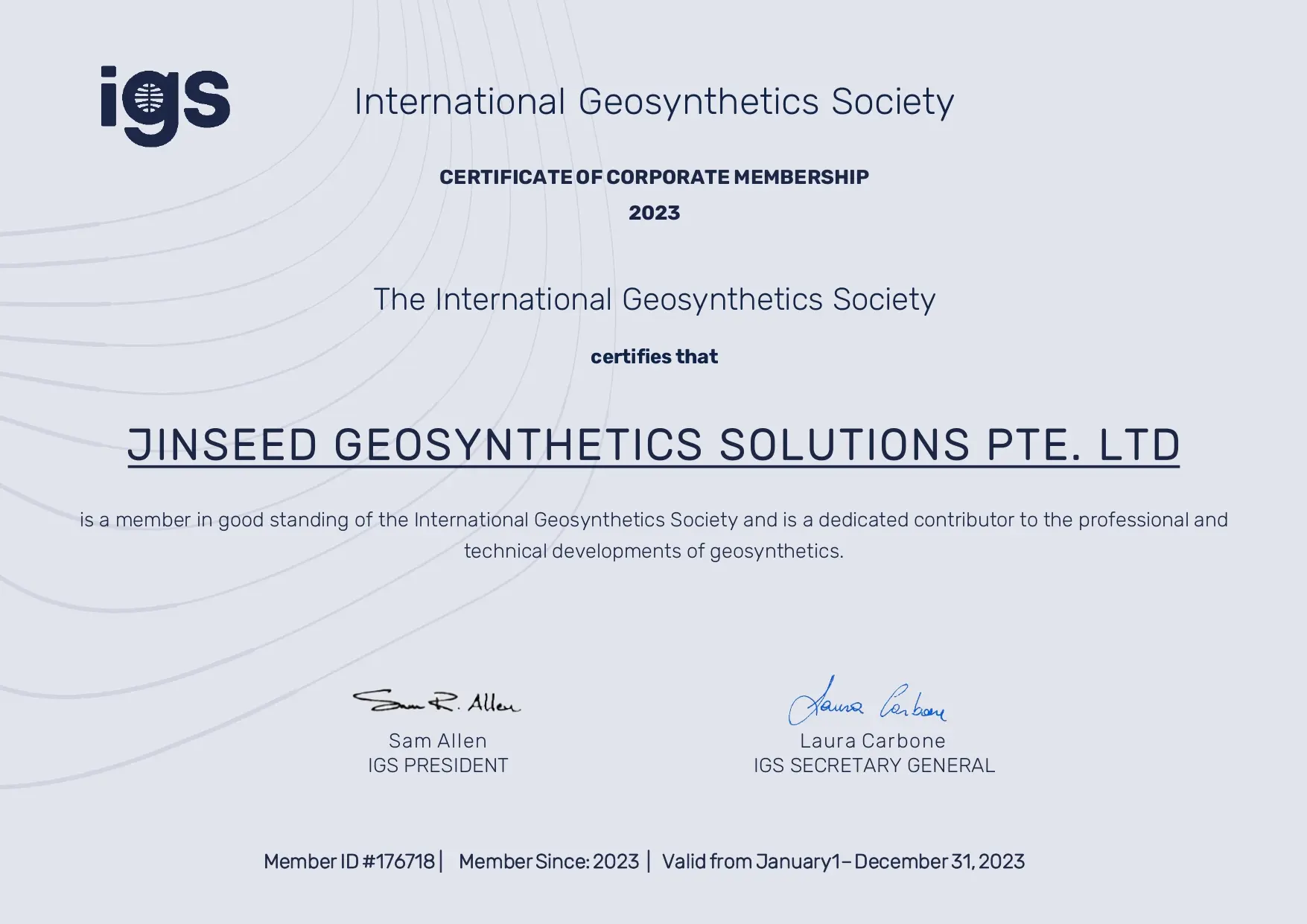
Ask for the originals with your quotation. We send them before you ask twice.
Factory quality management system, audited and current.
International Geosynthetics Society membership.
In-house laboratory for geosynthetic test methods.
The same documents our engineers use. Download them before you call — the conversation goes faster.
The full GRI-GM13 property table for smooth and textured liners, thickness by thickness.
Download PDFSubgrade preparation, hot-wedge welding, anchor trenches and seam testing methods.
Download PDFThe factory, the extrusion lines, the product range and how we pack for export.
Download PDFMost municipal landfill base liners use 1.5 to 2.0 mm HDPE. EPA Subtitle D sets 1.5 mm (60 mil) as the benchmark for MSW landfills, and many national standards follow it. The final grade depends on waste loads, slope design and local regulation — send us the project specification and we confirm the thickness against GRI-GM13 property tables.
Use textured on side slopes. The roughened surface raises the interface friction angle up to 30 degrees and keeps cover soil from sliding; standard asperity height is at least 0.40 mm. Smooth HDPE costs less and works well on flat bases, pond floors and tank-farm pads.
We are the manufacturer, so welding is done by your installation contractor or a local crew. Every order ships with a written installation guide covering subgrade preparation, hot-wedge welding, anchor trenches and seam testing, and our engineers support the QA plan remotely throughout the job.
Trial orders start from 1 to 3 tonnes, enough for a test pad or a small pond. Production orders are planned by container, and a 40HQ unit is the most economical way to ship standard rolls. Stock thicknesses move faster than custom specifications.
Ask for the batch Certificate of Analysis. Every production lot is sampled and tested in our in-house laboratory for thickness, tensile strength, carbon black content and oxidative induction time. You can also nominate BTTG or TRI Environmental to witness sampling before loading.
Standard specifications need 7 to 15 days of production; custom widths, surfaces or colors need 15 to 25 days. We plan 40HQ container loading as part of the quotation, and every shipment includes a loading report with photos and seal numbers.
Yes — send us the spec sheet. We check every value against the GRI-GM13 property table, tell you which grade meets it, and produce to the tender numbers. If a value in the tender looks unusual for the application, we say so before you order.
Every container ships with the batch Certificate of Analysis, the packing list, a loading report with photos and seal numbers, and the installation guide. Third-party test reports from BTTG or TRI Environmental can be arranged before loading.
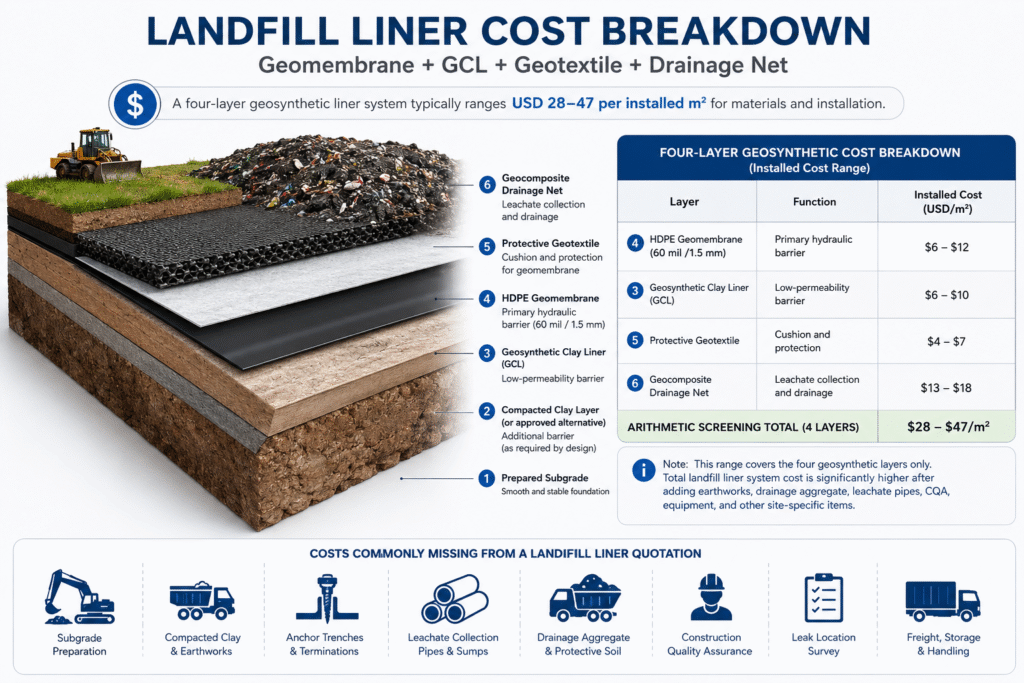
Working guides from our engineering blog — costs, standards and selection logic.
Send the application, thickness, quantity and destination port. We reply with a quotation, the data sheet and a packing plan for your container.