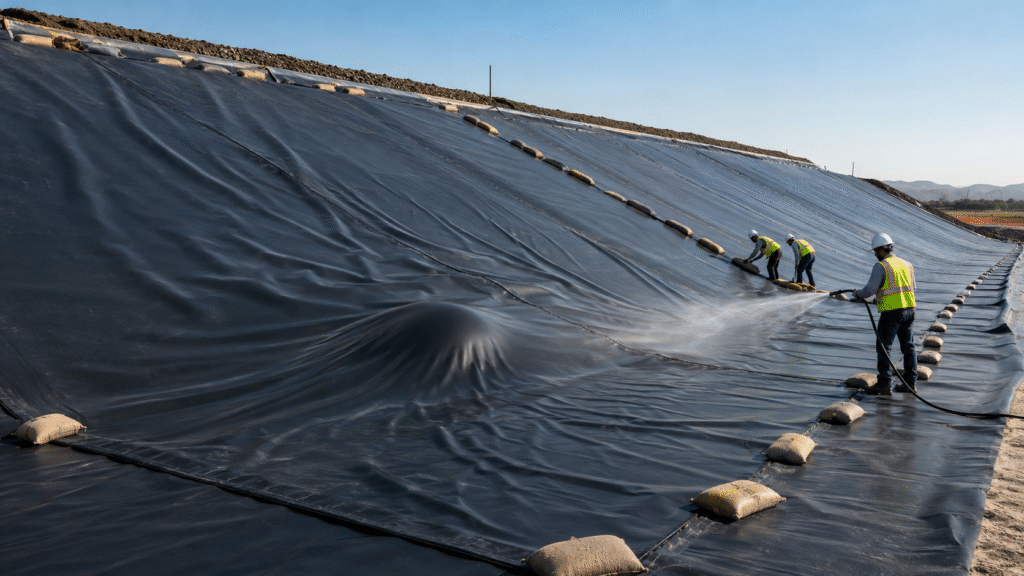
What thickness of HDPE liner do water projects usually need?
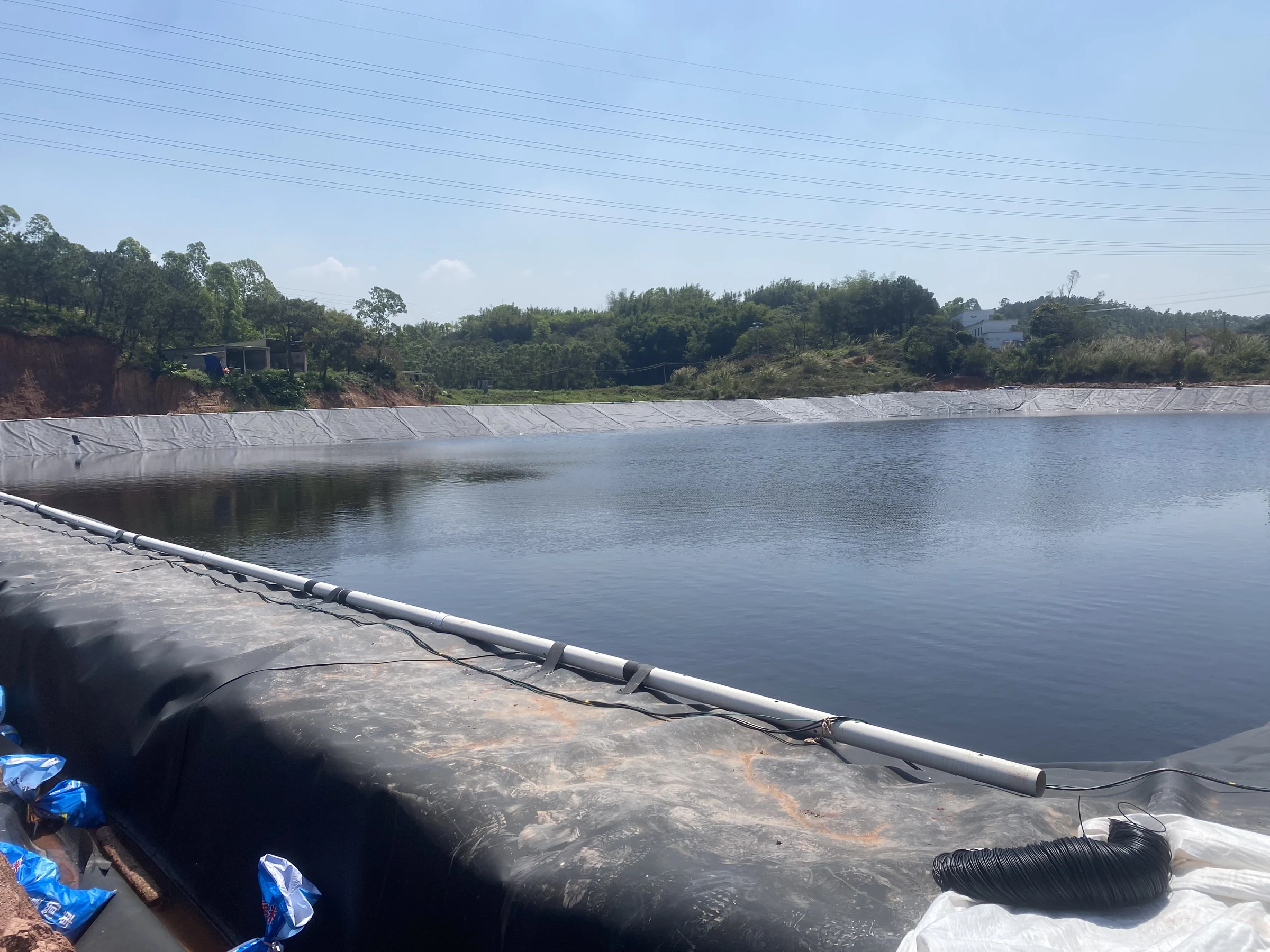
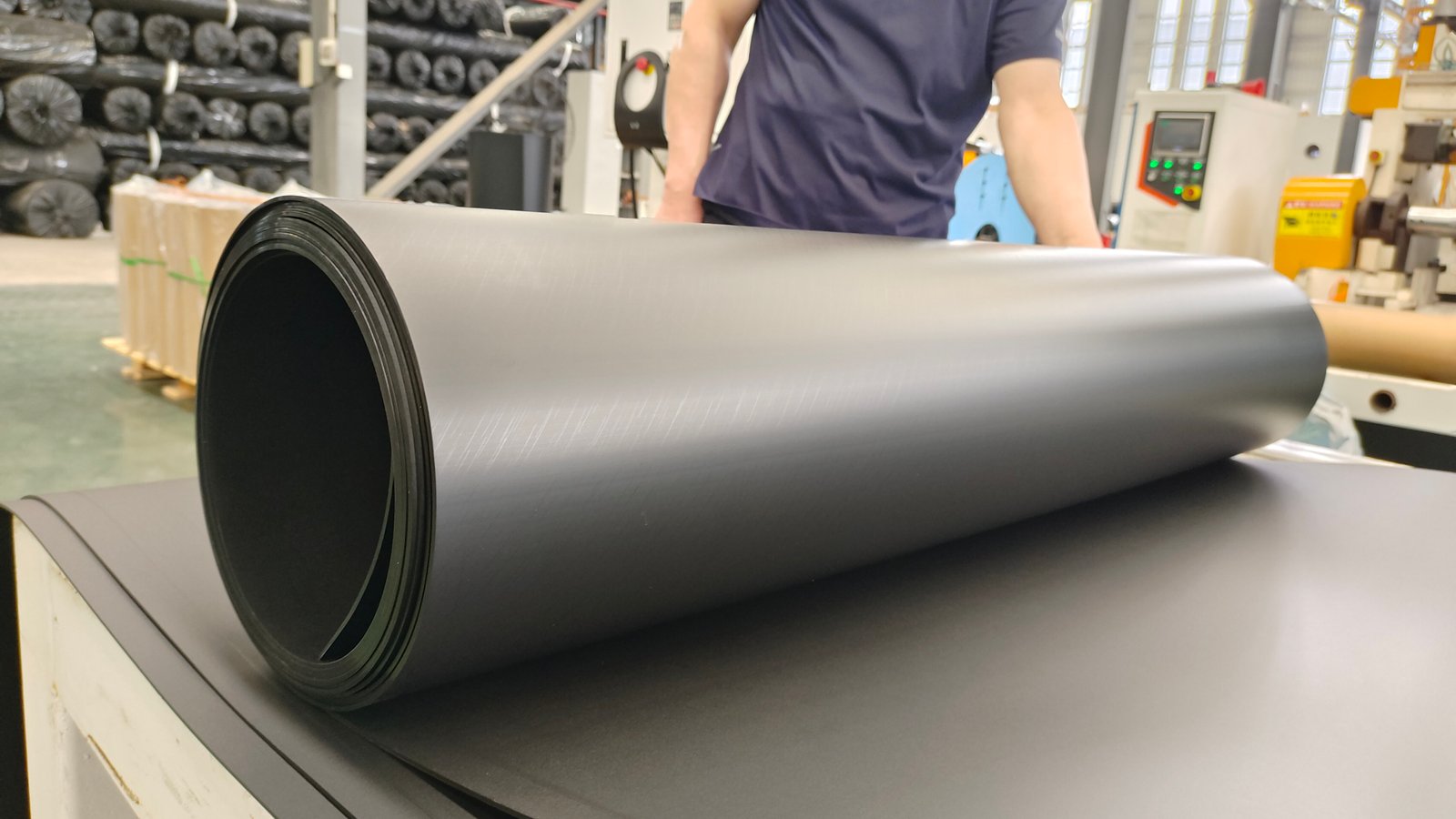
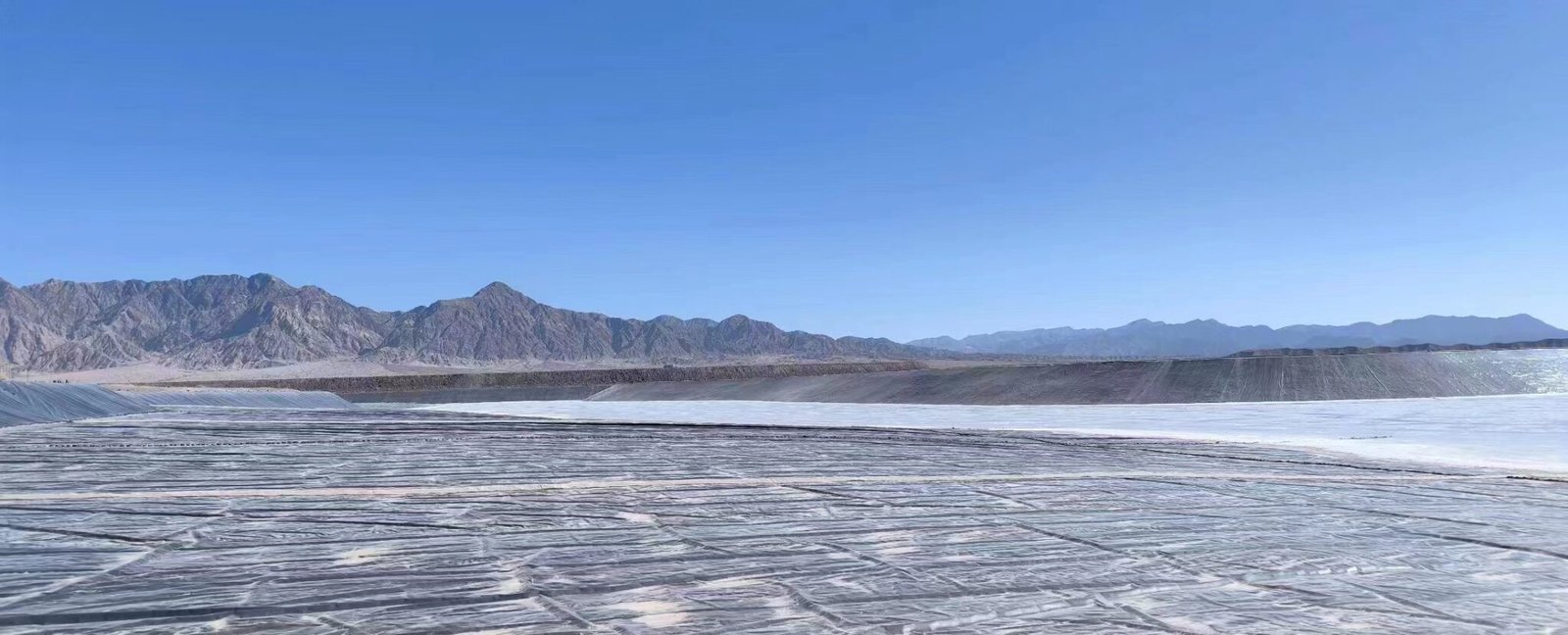
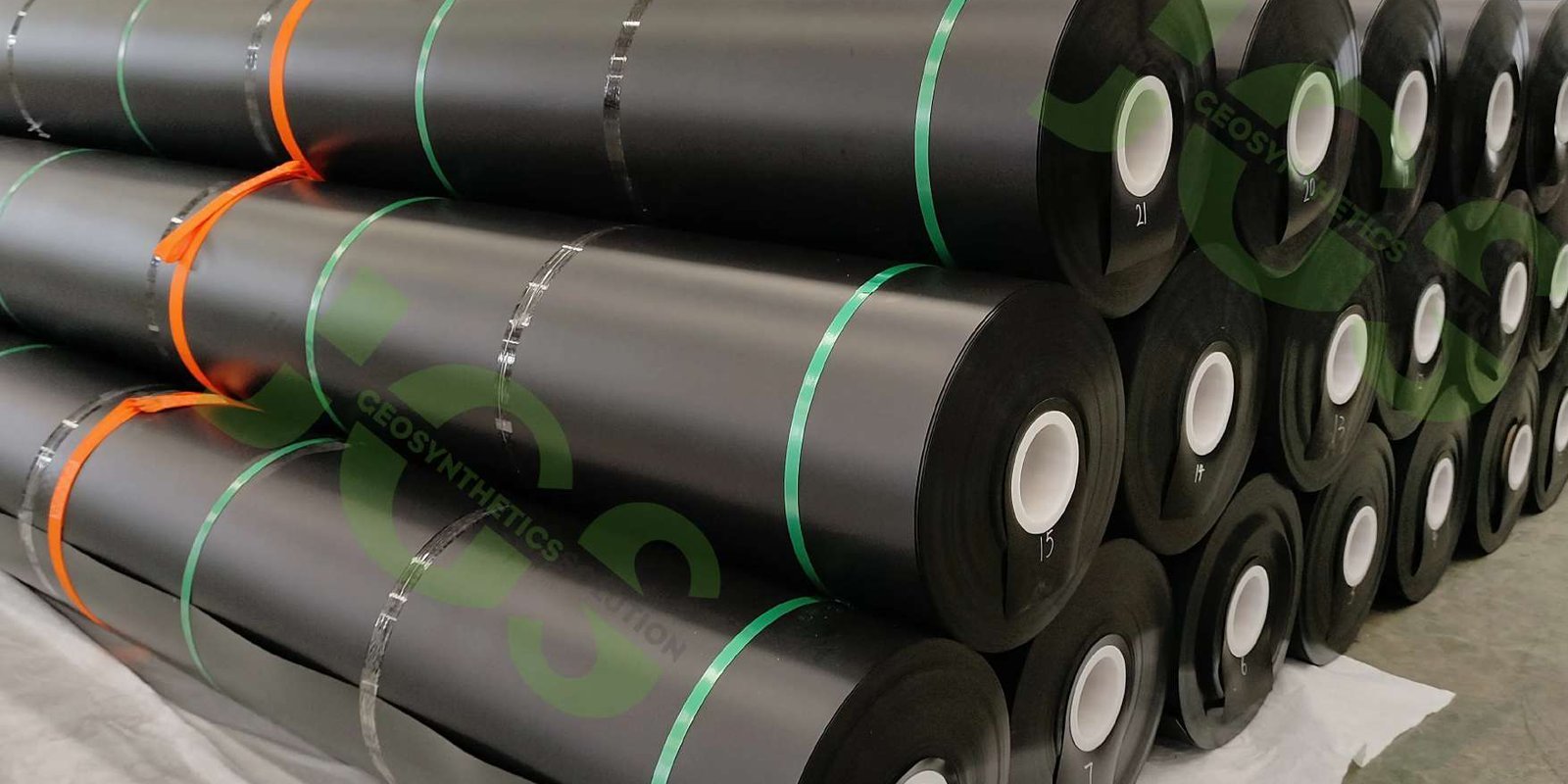
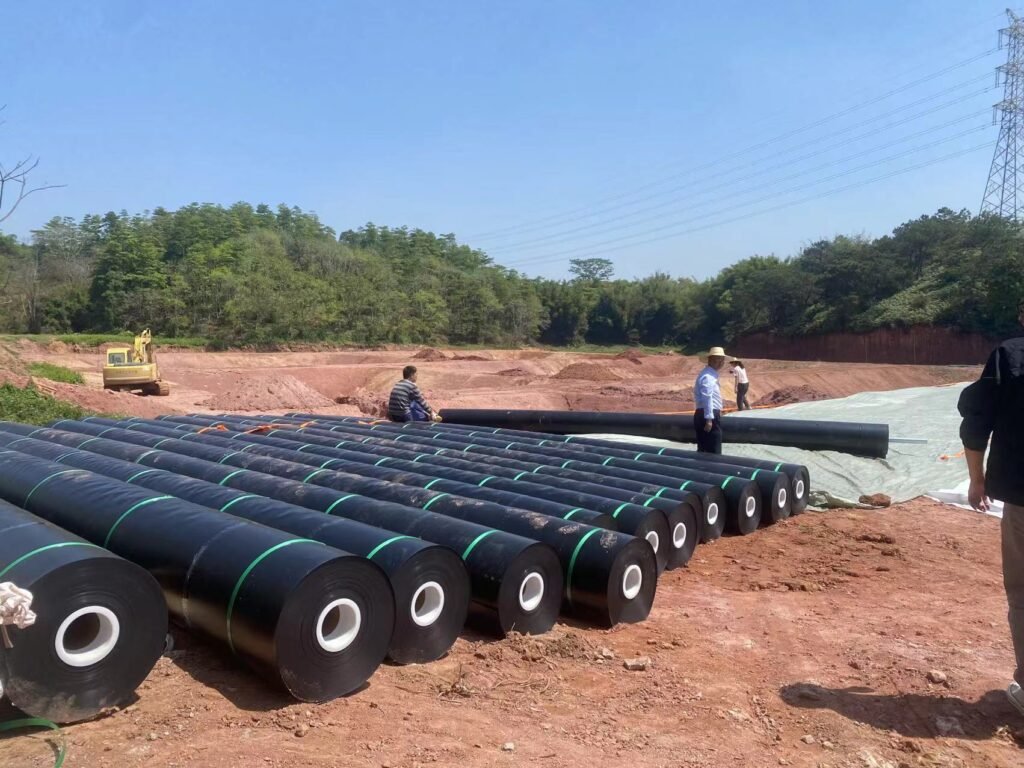
For most reservoirs and canals, 1.5 mm is the standard specification we ship. Irrigation canals and farm ponds with a smooth, well-prepared base often use 1.0 mm. Dams with high water pressure, or sites with rocky ground, usually take 2.0 mm or more. Send us your design and we will confirm the thickness in writing.
How long does an HDPE liner last in a reservoir or canal?
The material carries an expected service life of 50 years and more in exposed conditions, and longer when the liner is buried or covered. The carbon black in the sheet (2.0-3.0%) protects it against UV, and its stress-crack resistance is tested above 2,000 hours per ASTM D5397.
Can the liner be used for drinking water storage?
Yes. NSF 61 certified material is available for potable water projects, so the liner does not add taste, odor or toxicity to the stored water. Please state the NSF 61 requirement when you ask for a quote, and we will confirm it on the technical data sheet for your order.
What temperatures can the liner handle?
HDPE geomembrane keeps its properties from -60°C to 60°C. It is used from cold mountain reservoirs to tropical irrigation canals without becoming brittle or soft.
What ground preparation is needed before laying the liner?
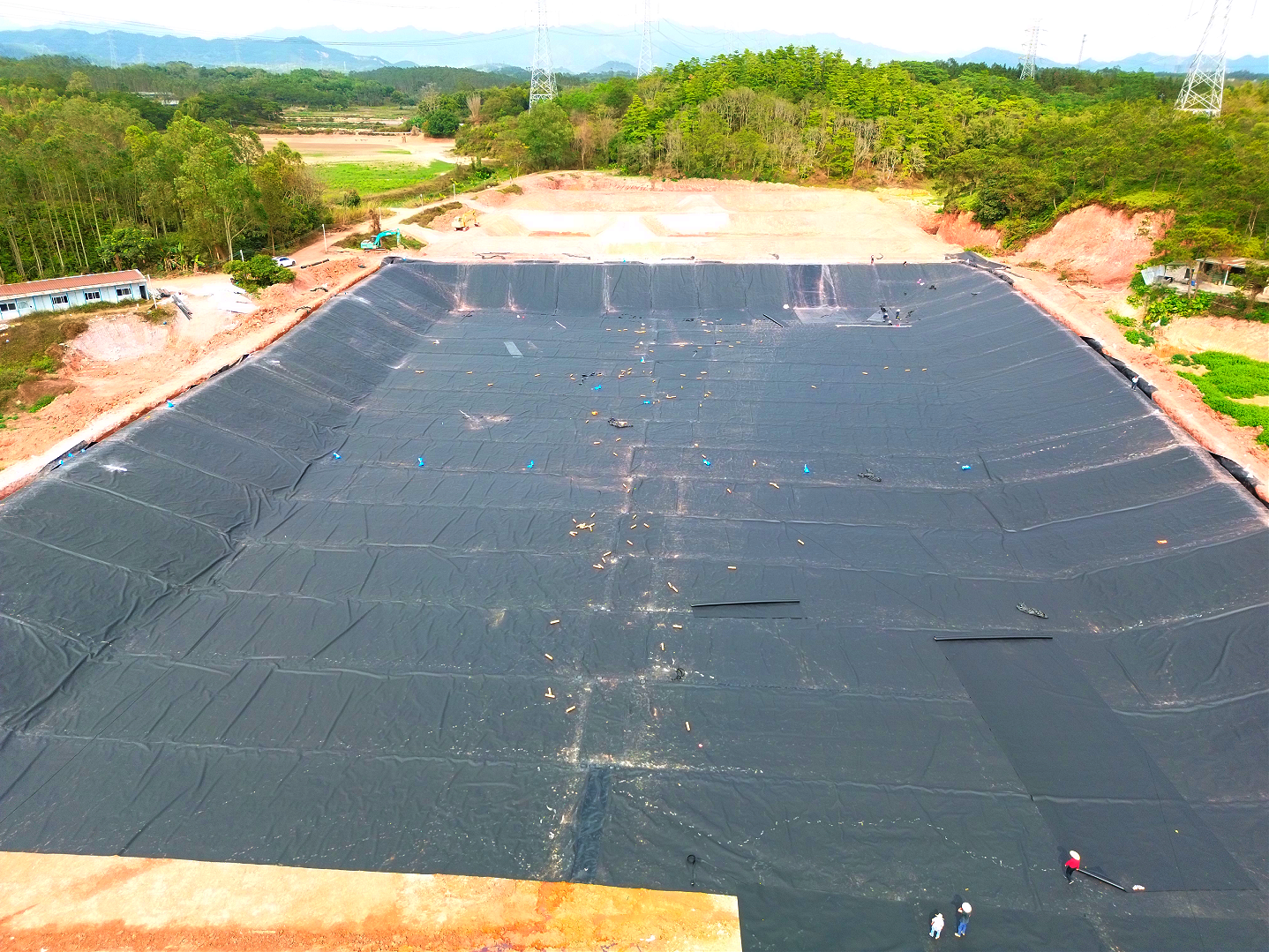
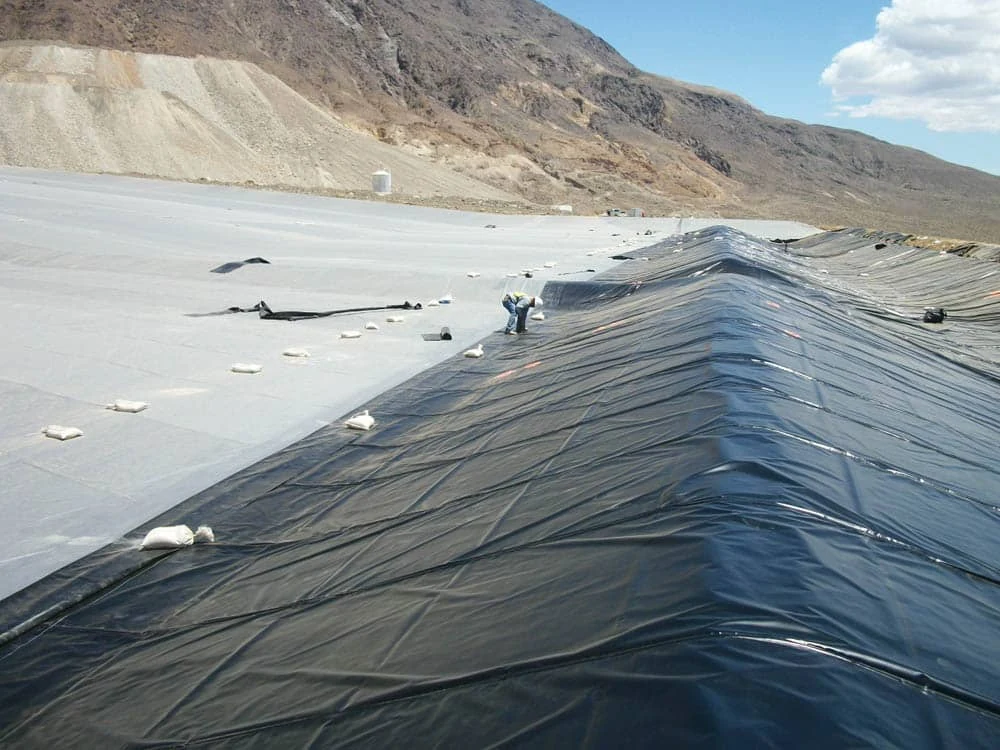
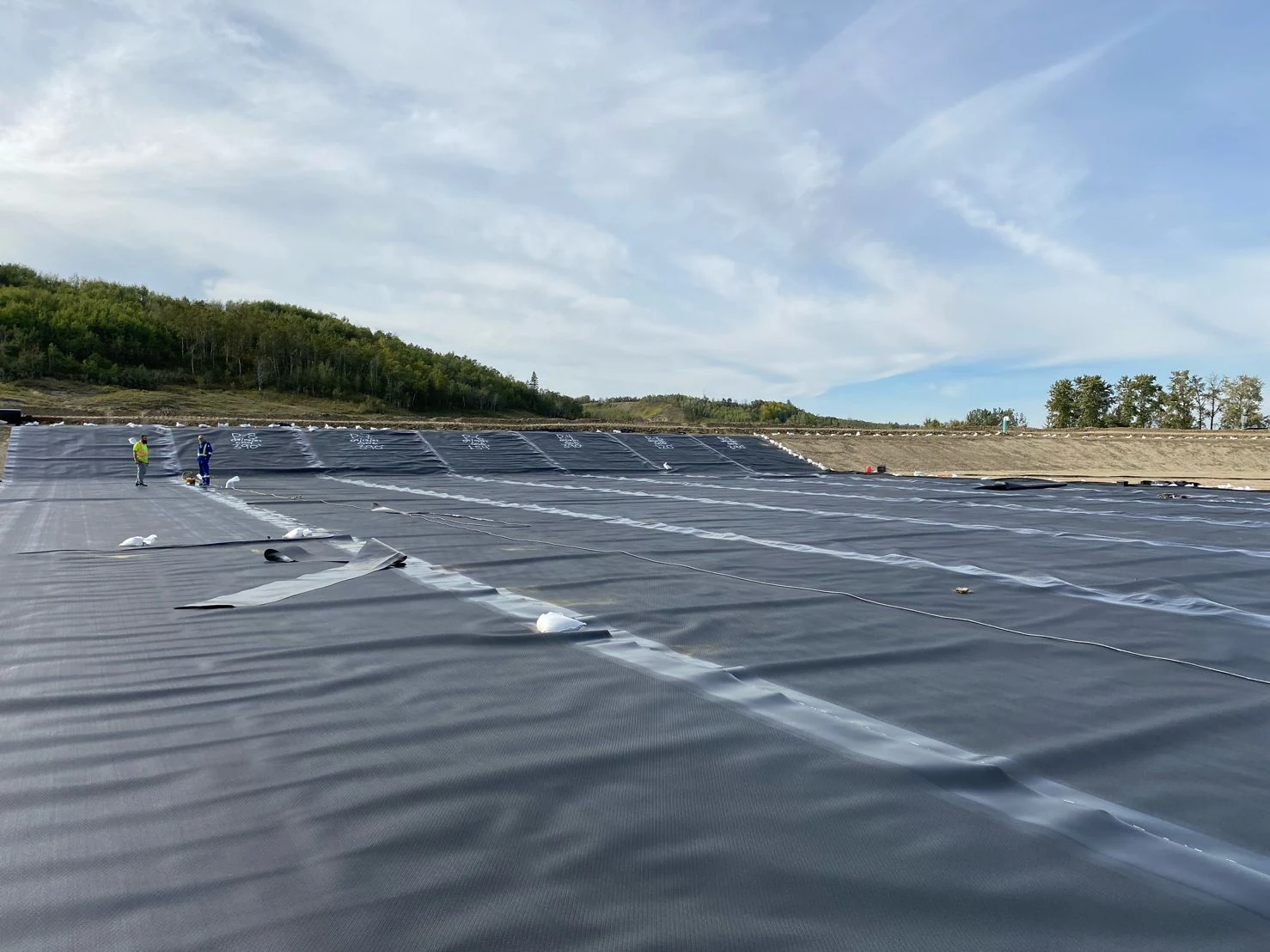
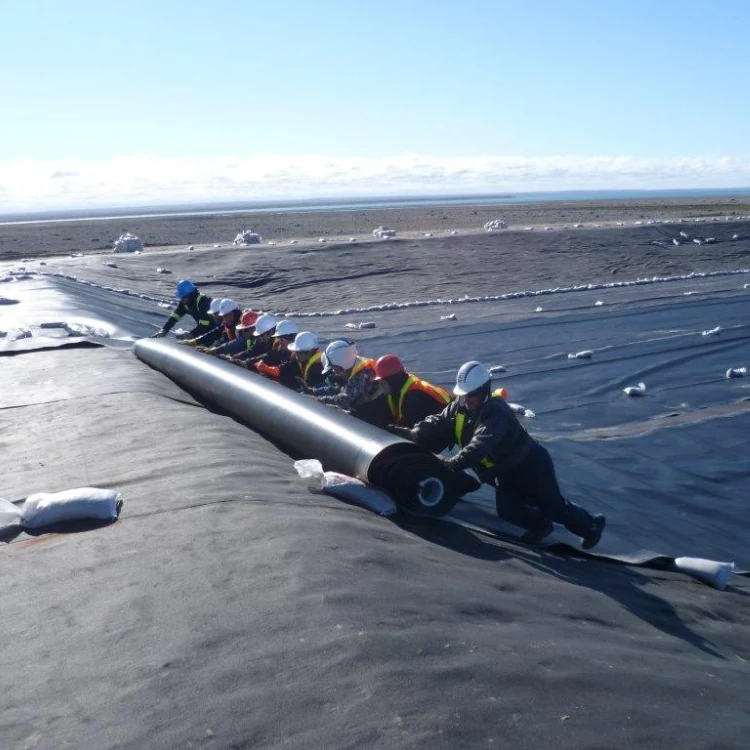
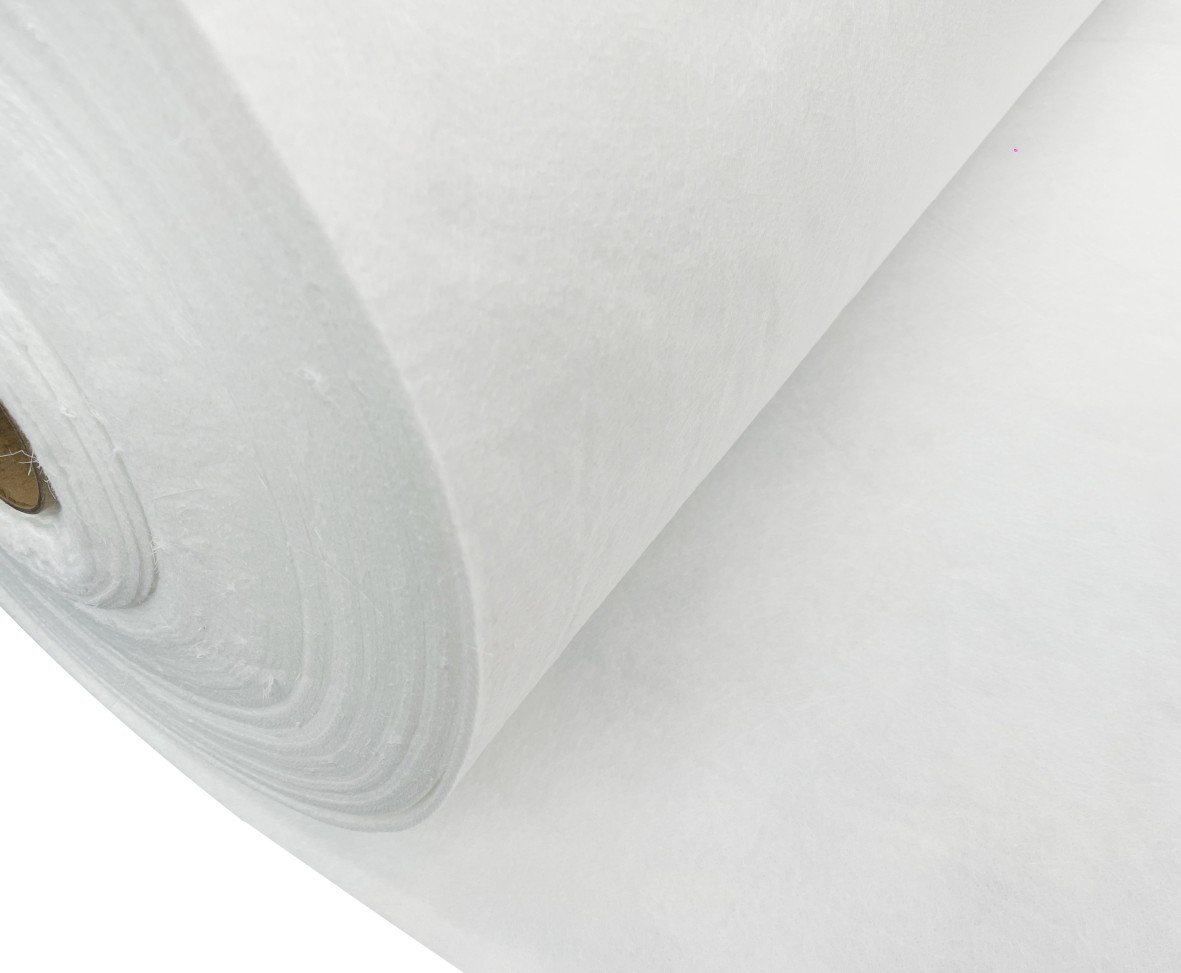
The base must be smooth, compacted, and free of sharp stones, roots and organic material. On rocky or abrasive ground we recommend a protective geotextile layer under the liner. We provide detailed installation specifications with every project quote.
How are the seams between panels joined and checked?
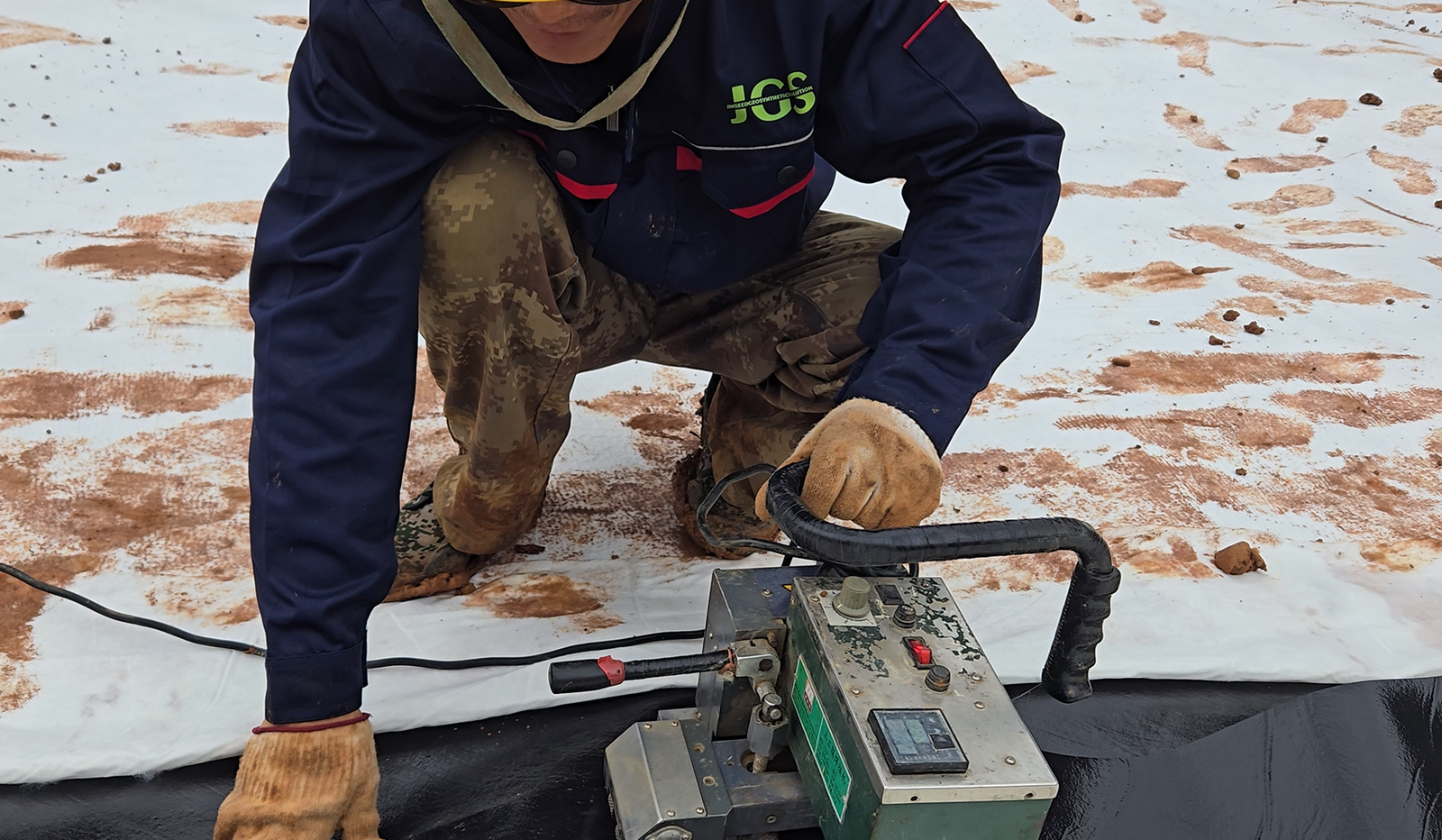
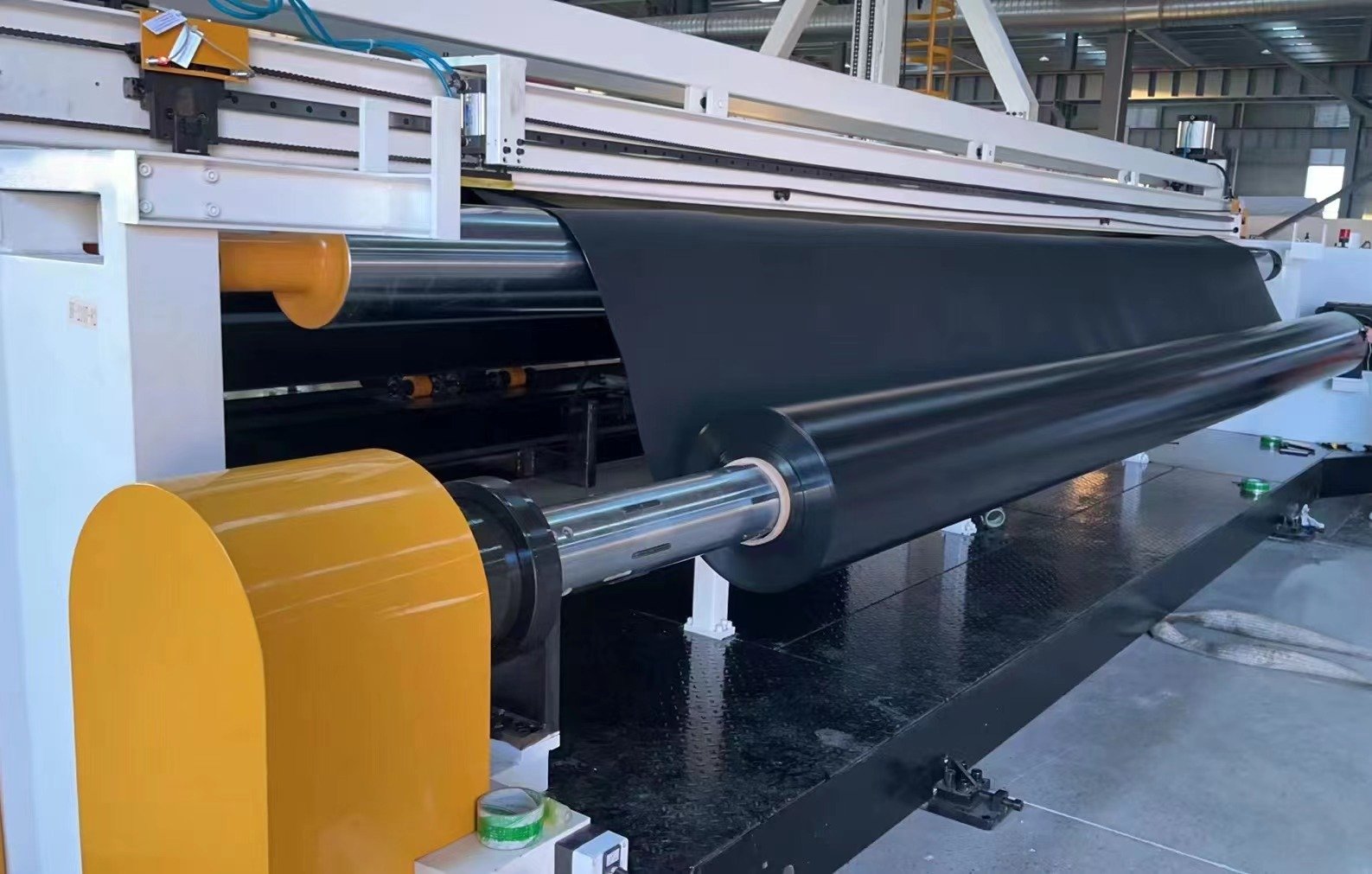
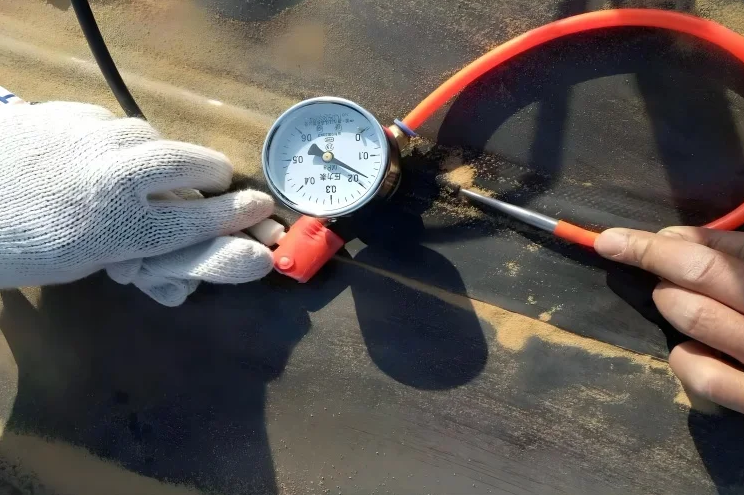
Long seams are joined by dual-track hot wedge welding; corners, pipes and repairs use extrusion welding. Every seam is then tested: air pressure testing for dual-track welds and vacuum box testing for extrusion welds, with destructive peel and shear tests on sample welds.
What is the minimum order and the production time?
Trial orders start from 1-3 tons for regular specifications. Standard products are usually produced within 7-15 days after the specification and deposit are confirmed; custom sizes or peak-season schedules typically take 15-25 days. We confirm the delivery date before mass production starts.
What warranty do you offer?
Quality warranty agreements of 10-20 years are available, depending on the application environment and the thickness selected. The warranty terms for your project are confirmed in writing with the quotation.

 Geomembrane Liners
Containment systems for demanding engineering projects.
Geomembrane Liners
Geomembrane Liners
Containment systems for demanding engineering projects.
Geomembrane Liners
 HDPE Geomembrane
Smooth and textured HDPE
HDPE Geomembrane
Smooth and textured HDPE
 LLDPE Geomembrane
Flexible lining applications
LLDPE Geomembrane
Flexible lining applications
 Textured Geomembrane
Higher friction for slopes
Textured Geomembrane
Higher friction for slopes
 Landfill Liner System
Landfill containment materials
Geotextile
Landfill Liner System
Landfill containment materials
Geotextile
 PET Non-Woven Geotextile
Protection and filtration
Geotextile ManufacturerQuality
About
Contact
Request a Quote
PET Non-Woven Geotextile
Protection and filtration
Geotextile ManufacturerQuality
About
Contact
Request a Quote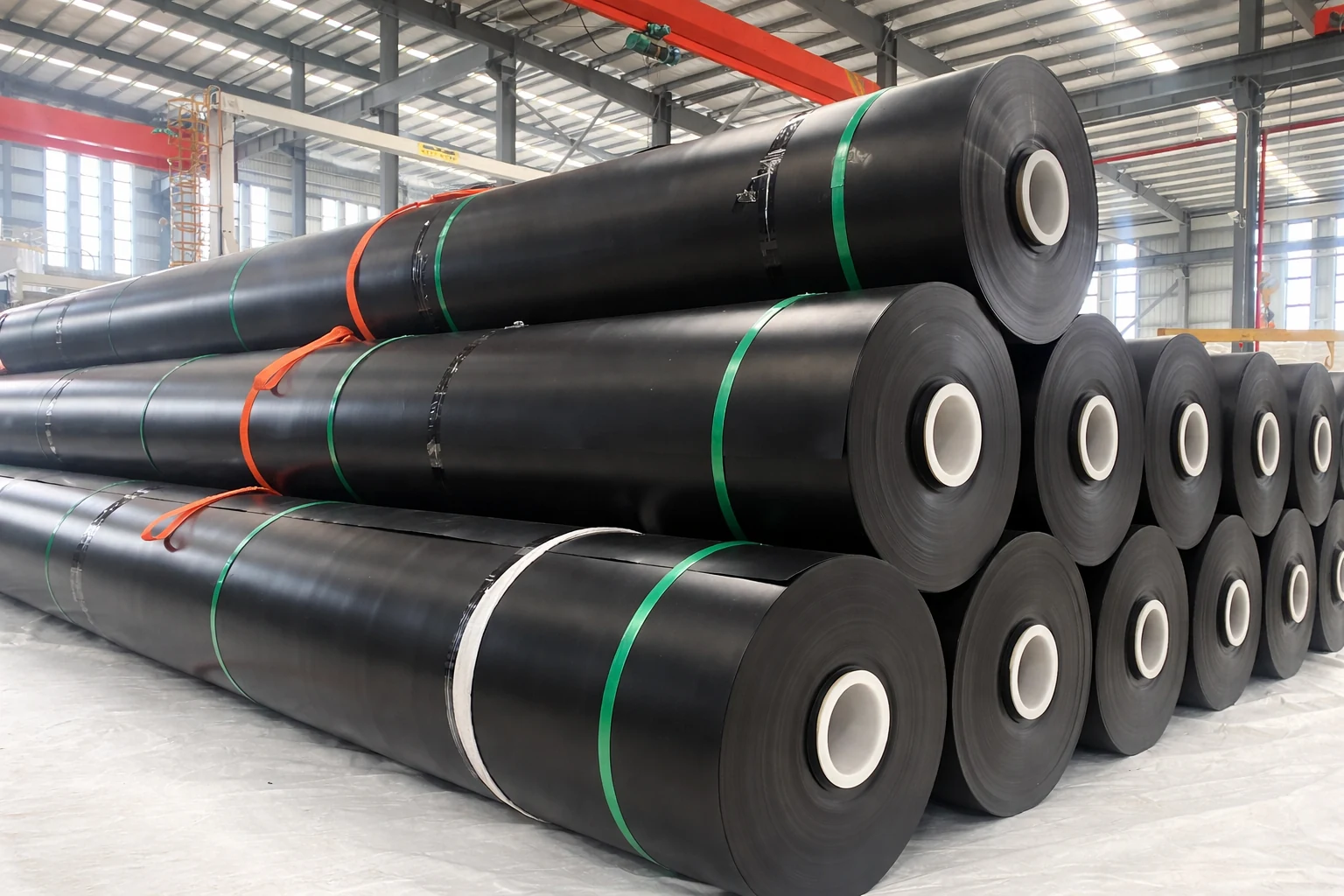 Geomembrane Liners
Containment systems for demanding engineering projects.
Geomembrane Liners
Geomembrane Liners
Containment systems for demanding engineering projects.
Geomembrane Liners
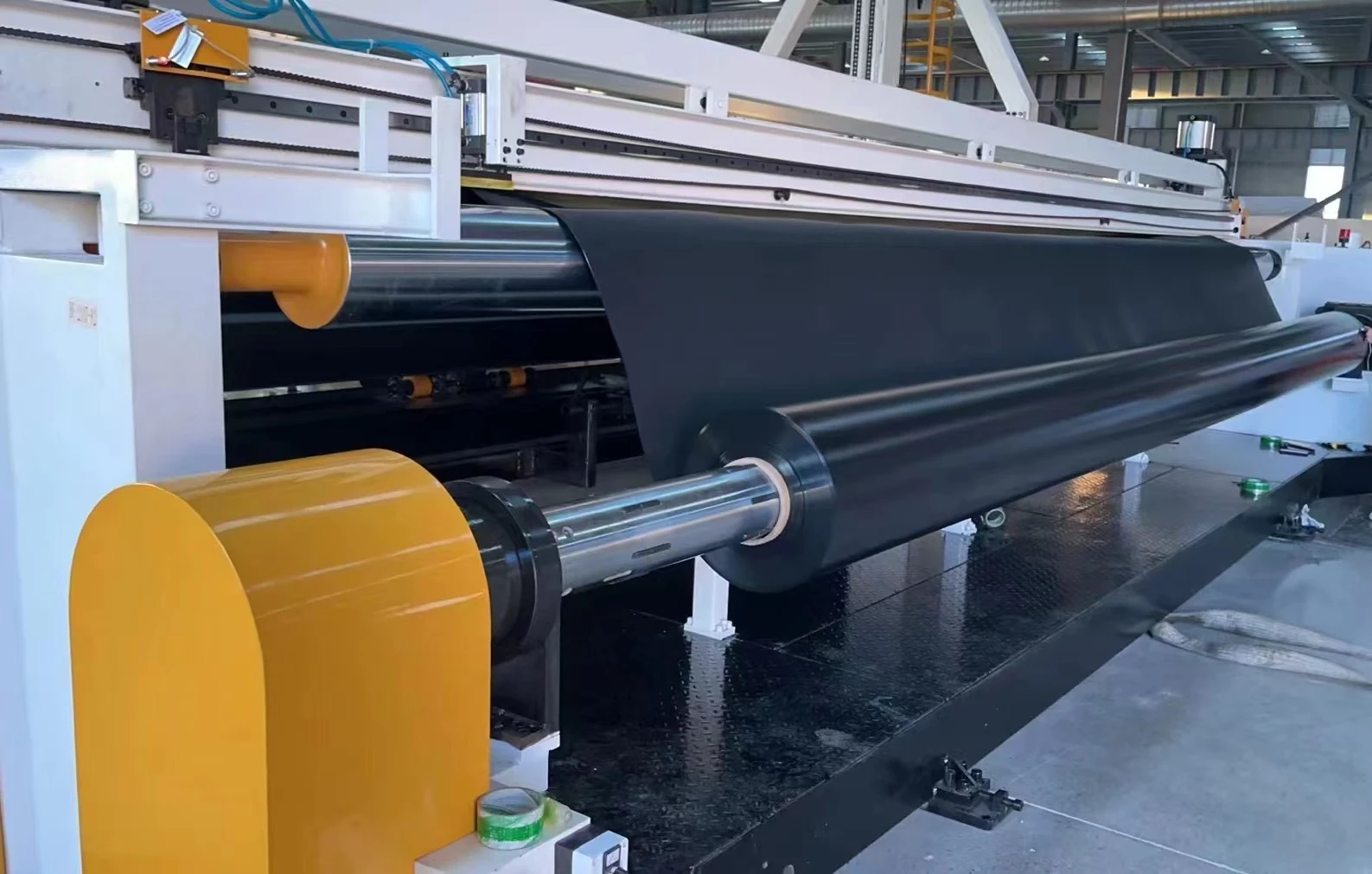 HDPE Geomembrane
Smooth and textured HDPE
HDPE Geomembrane
Smooth and textured HDPE
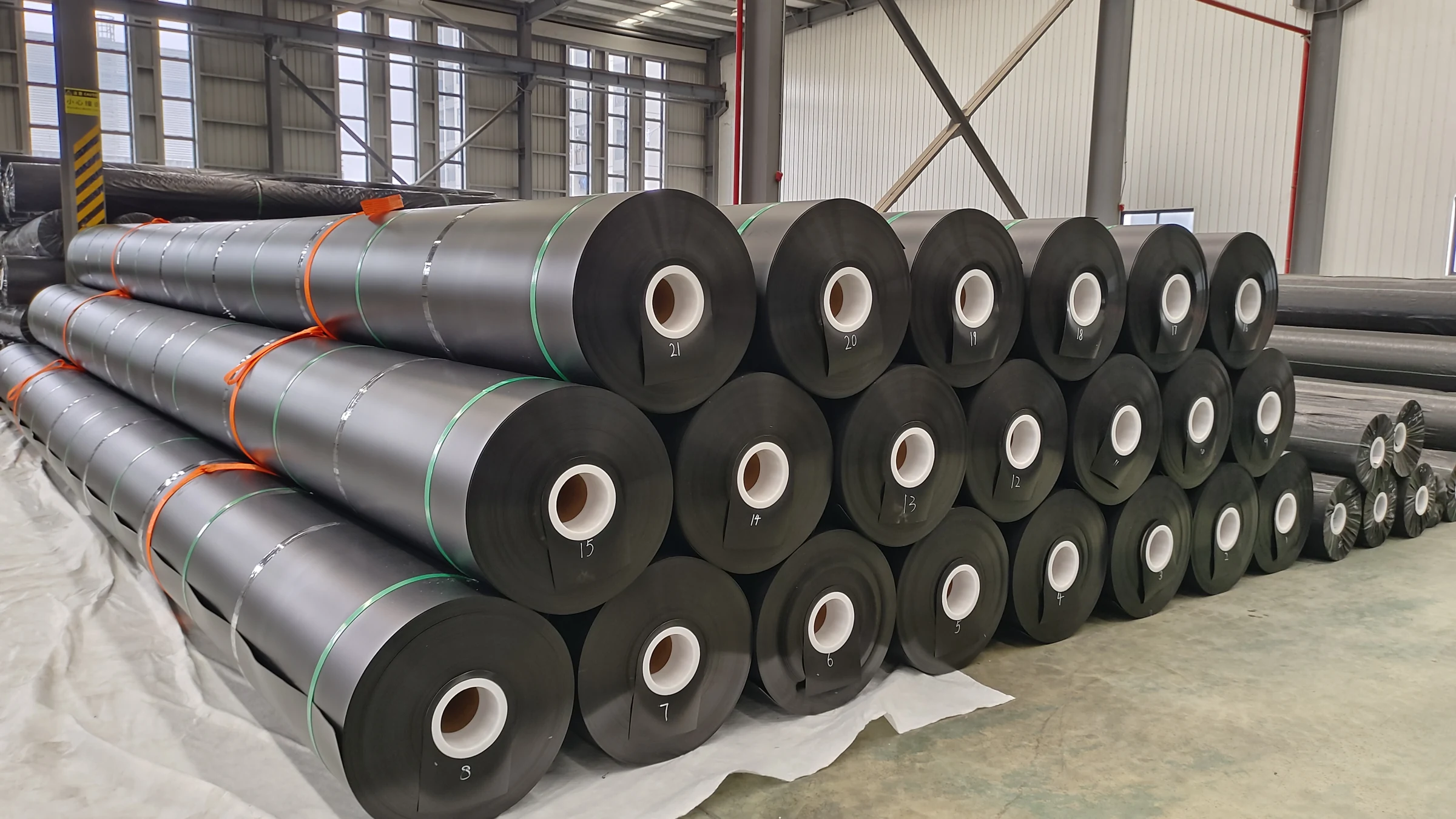 LLDPE Geomembrane
Flexible lining applications
LLDPE Geomembrane
Flexible lining applications
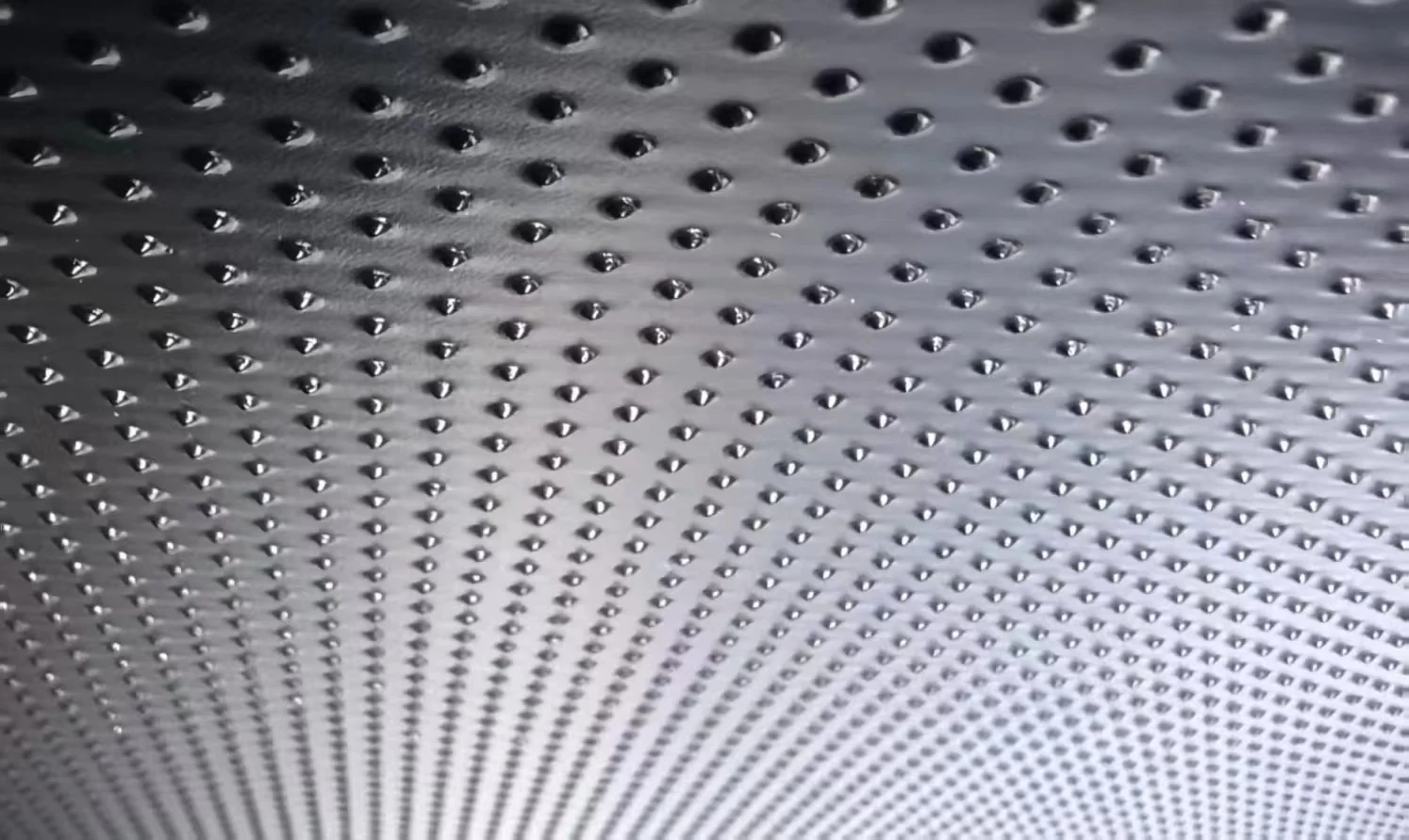 Textured Geomembrane
Higher friction for slopes
Textured Geomembrane
Higher friction for slopes
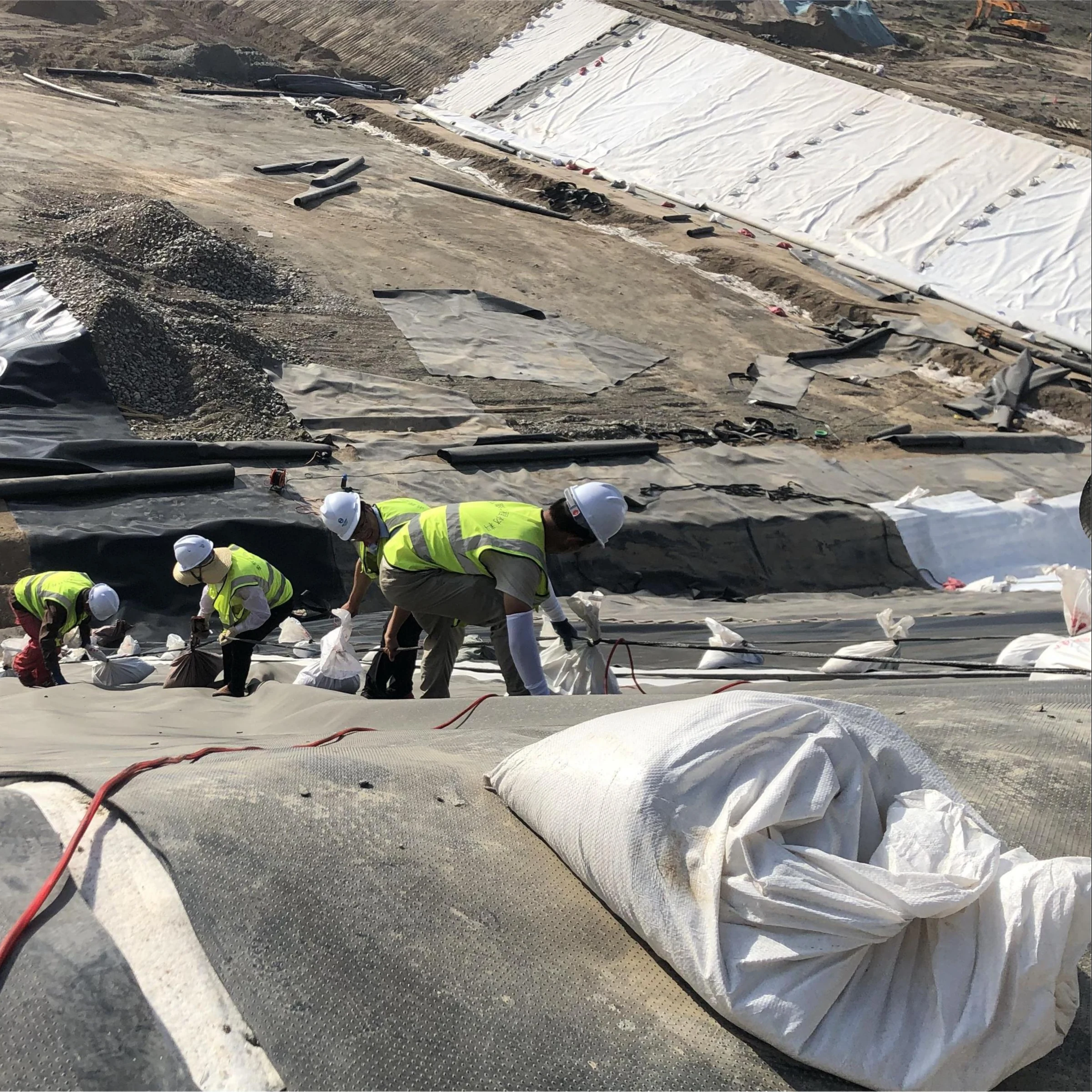 Landfill Liner System
Landfill containment materials
Geotextile
Landfill Liner System
Landfill containment materials
Geotextile
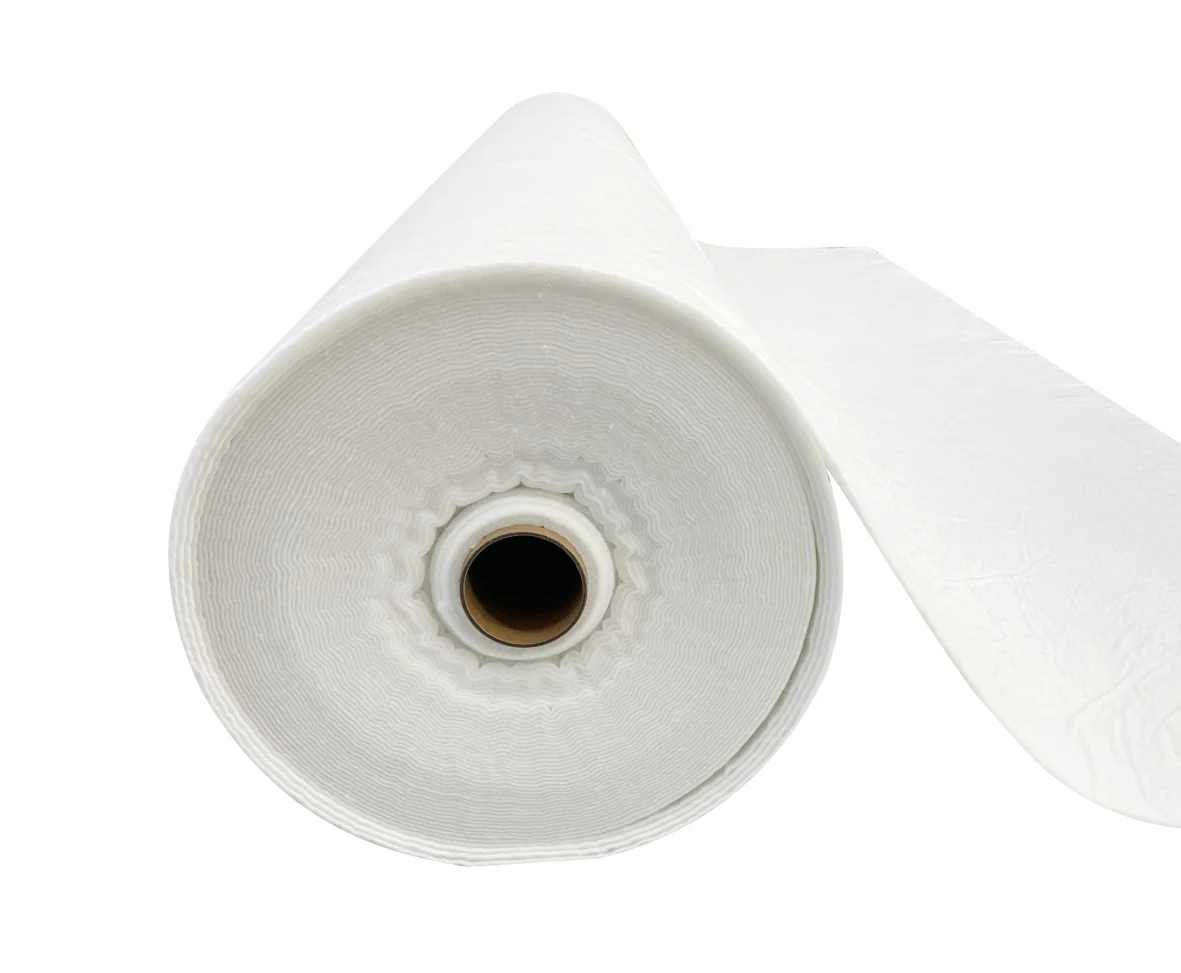 PET Non-Woven Geotextile
Protection and filtration
Geotextile Manufacturer
PET Non-Woven Geotextile
Protection and filtration
Geotextile Manufacturer