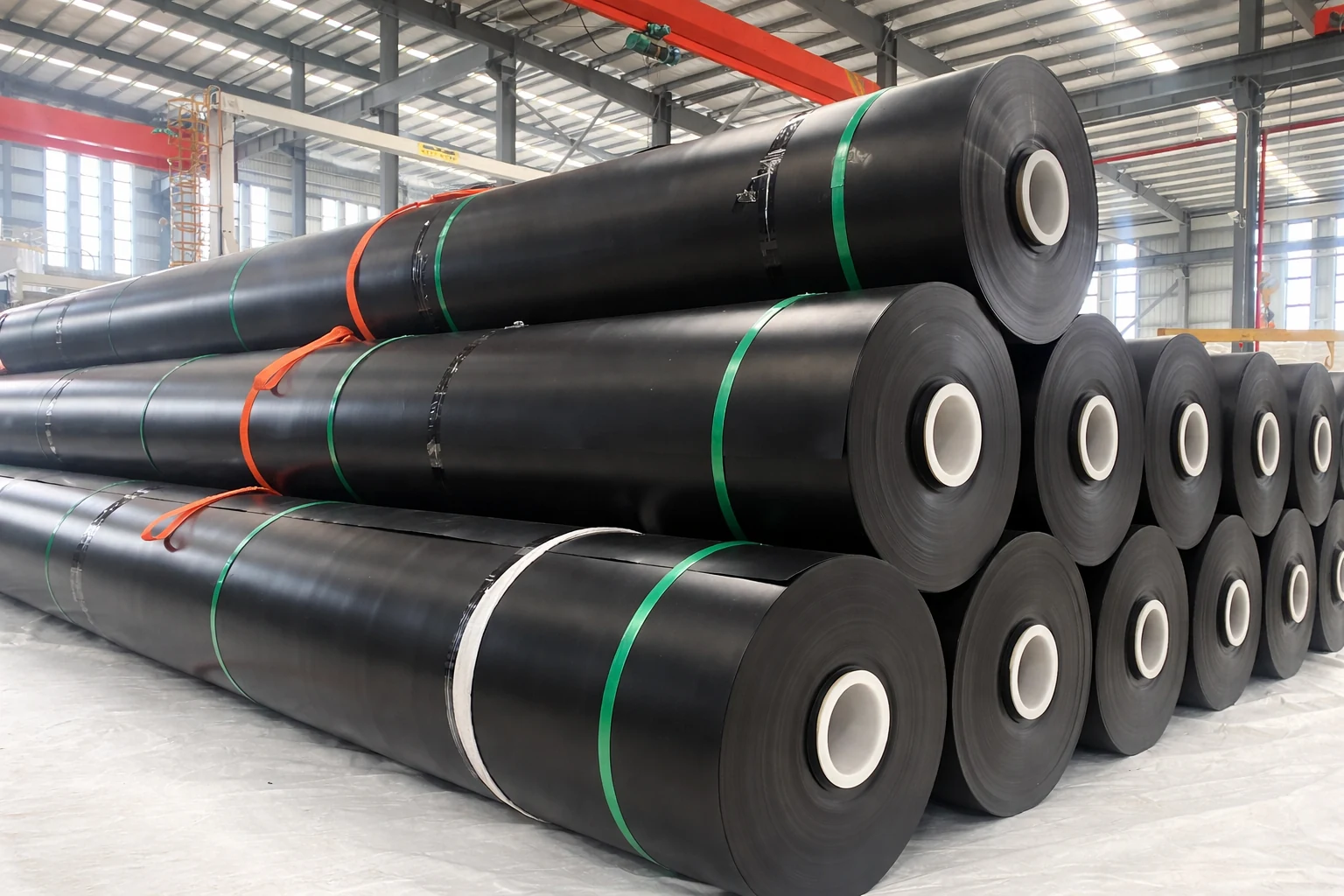
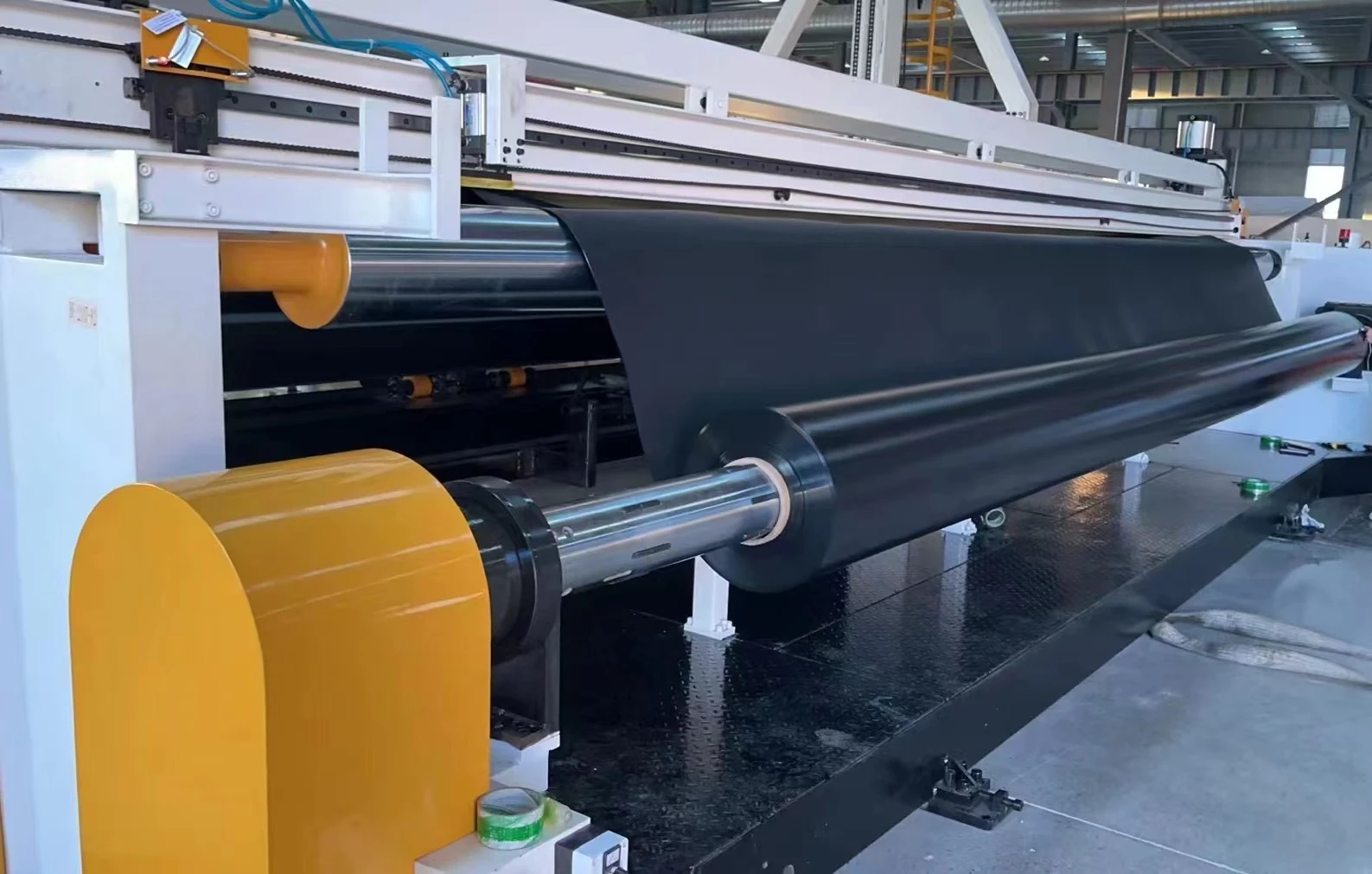
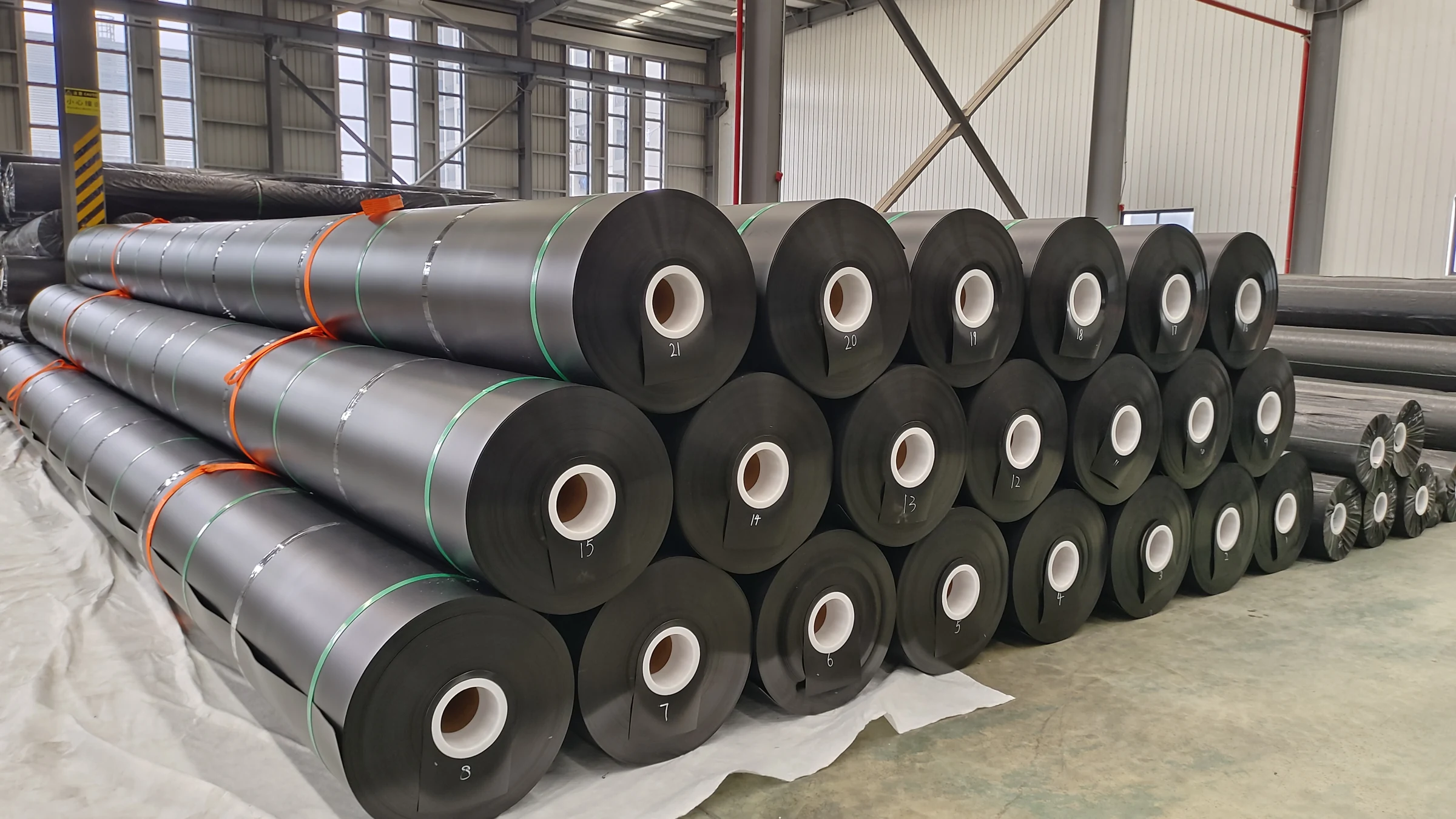
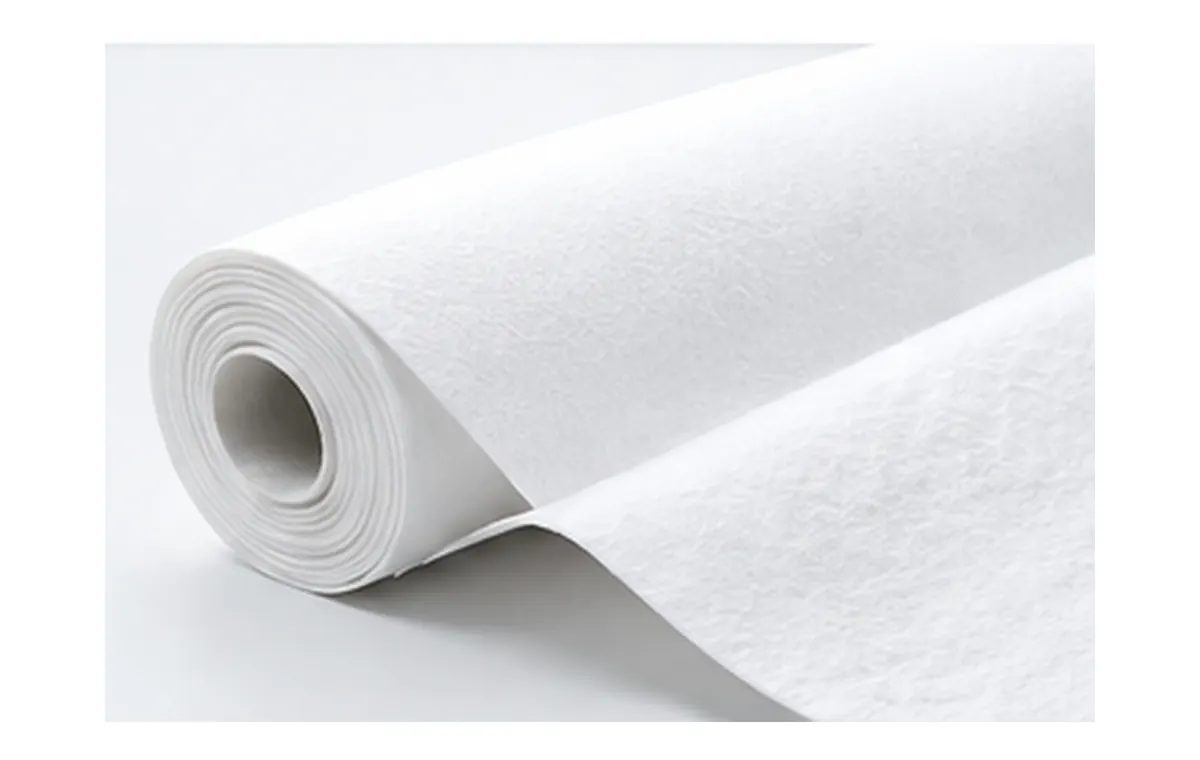
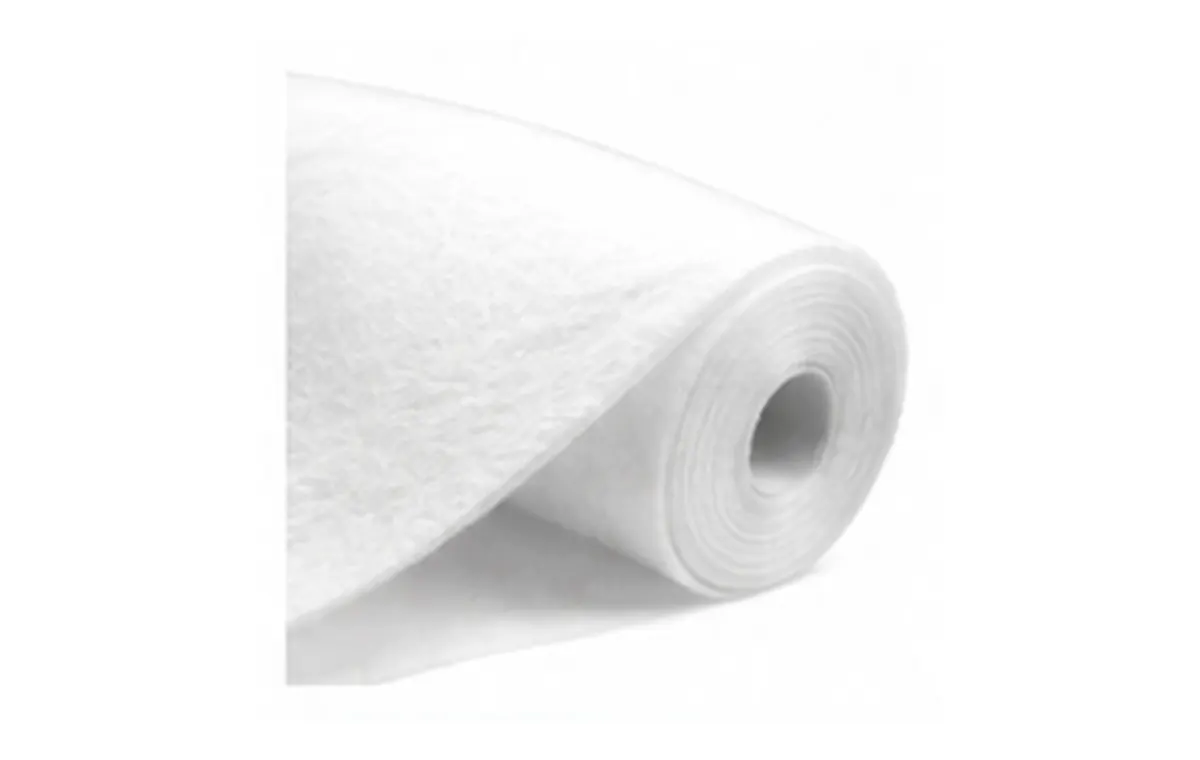
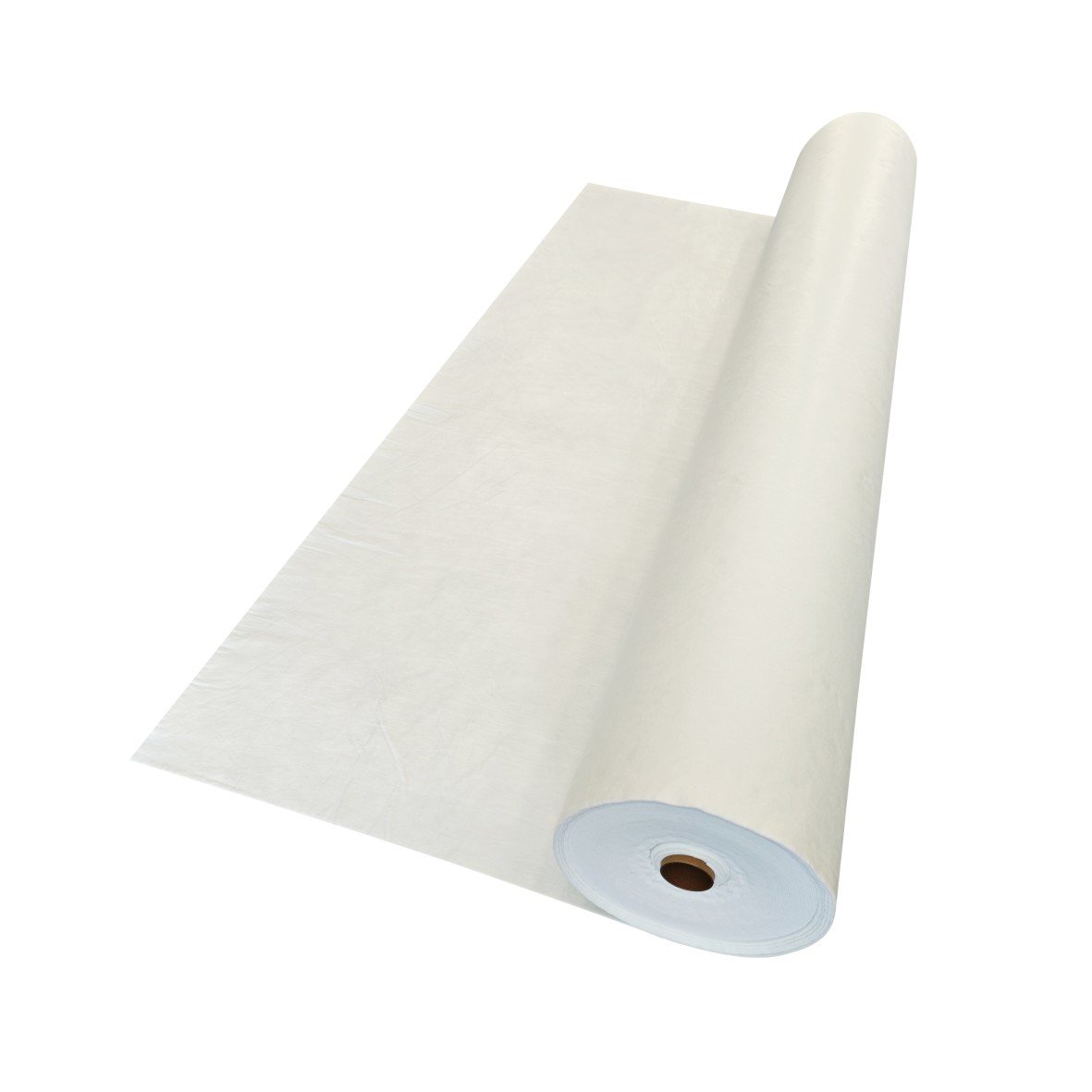
Jinseed-Tex® are excellent tensile strength & grab tensile  non-woven geotextiles

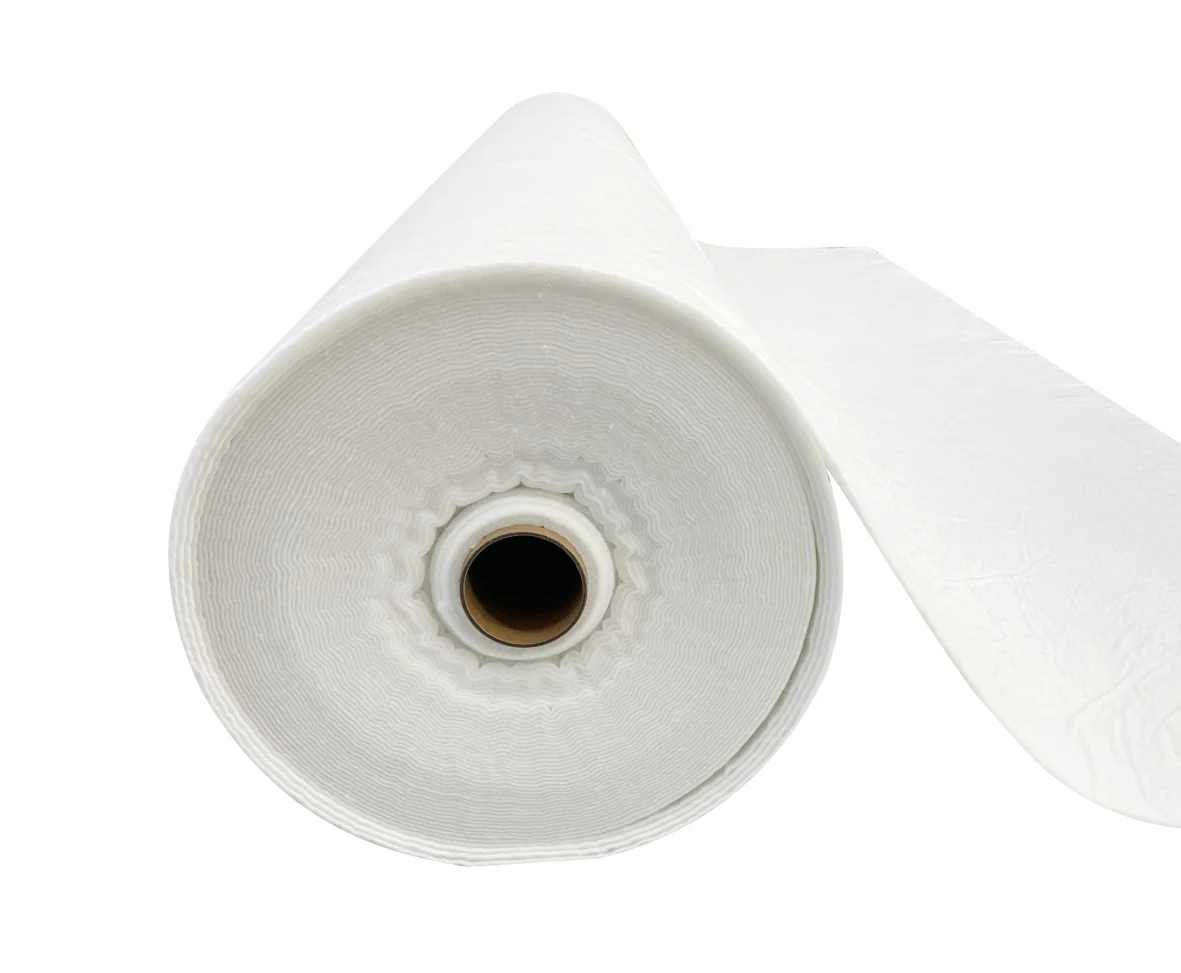
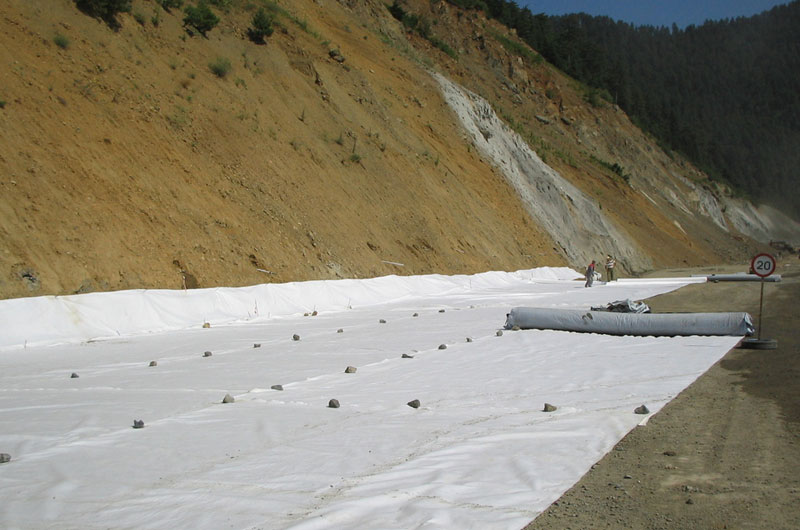
Non-woven geotextiles made from either polyester (PET) continuous filament yarns by needle-punched manufacturing process. Applicate to separate, filter, reinforce, protect, retain or drain soil.


Advantages of  Jinseed-Tex®

Excellent tensile strength

High permeability and excellent filter capacity

 Good resistance to chemical and biological degradation

Excellent surface

 Advanced stabilization

                                                                                          Why Jinseed Non-woven?

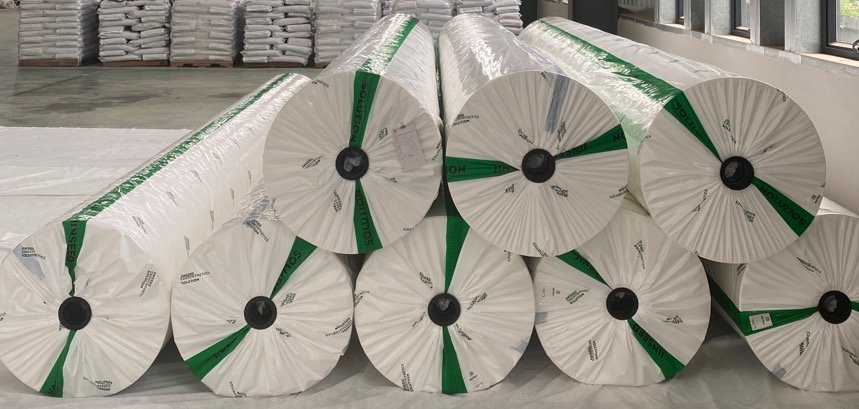
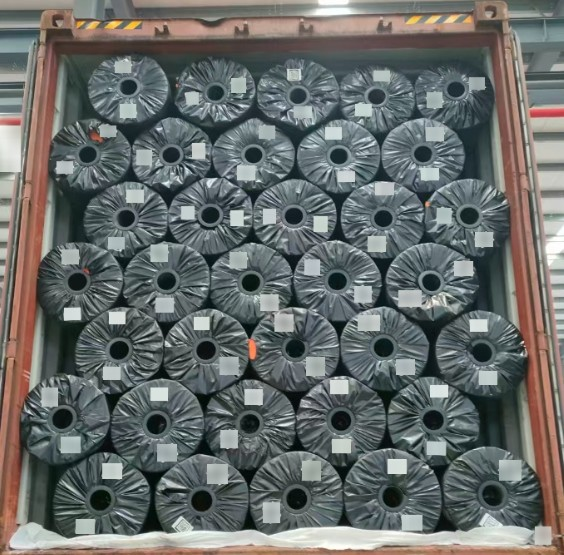
               Small roll volume reduces transportation costs

                  Available in various tensile strength and hydraulic 

                Free Consulting Service


Application

Technical Specifications and Performance Parameters

At Jinseed, we manufacture our nonwoven geotextiles using premium-grade polyester (PET) or polypropylene (PP) fibers. These fibers are mechanically bonded through a high-density needle-punching process to create a robust, three-dimensional fabric.

Rigorous Engineering Standards

Our product line is designed to meet rigorous American engineering standards. We offer a wide range of weights, typically ranging from 100g/m² to 1000g/m².

High Tensile Strength & Elongation

For the North American market, our materials are engineered to provide high tensile strength—reaching up to 30 kN/m for PP and 50 kN/m for PET variants. The fabric maintains an exceptional elongation capacity (typically 40%–80%), allowing it to conform to irregular subgrade surfaces without puncturing.

Chemical Resistance & Longevity

Furthermore, our geotextiles are chemically inert, resisting biological degradation and naturally occurring alkalis and acids within a pH range of 2 to 13, ensuring a design life exceeding 50 years in most soil environments.

TECHNICAL DATA

Filtration, Drainage, Separation, and Protection

Jinseed-Tex® nonwoven geotextiles serve four critical roles in civil and environmental engineering:

Superior Filtration

The needle-punched structure creates a complex, tortuous path that allows water to pass through while effectively retaining fine soil particles.

Effective Drainage

Facilitates the lateral flow of water within the plane of the geotextile, dissipating pore water pressure and preventing saturation.

Reliable Separation

Acts as a permanent barrier between dissimilar soil layers, preventing the intermixing of materials and foundation failure.

Puncture Protection

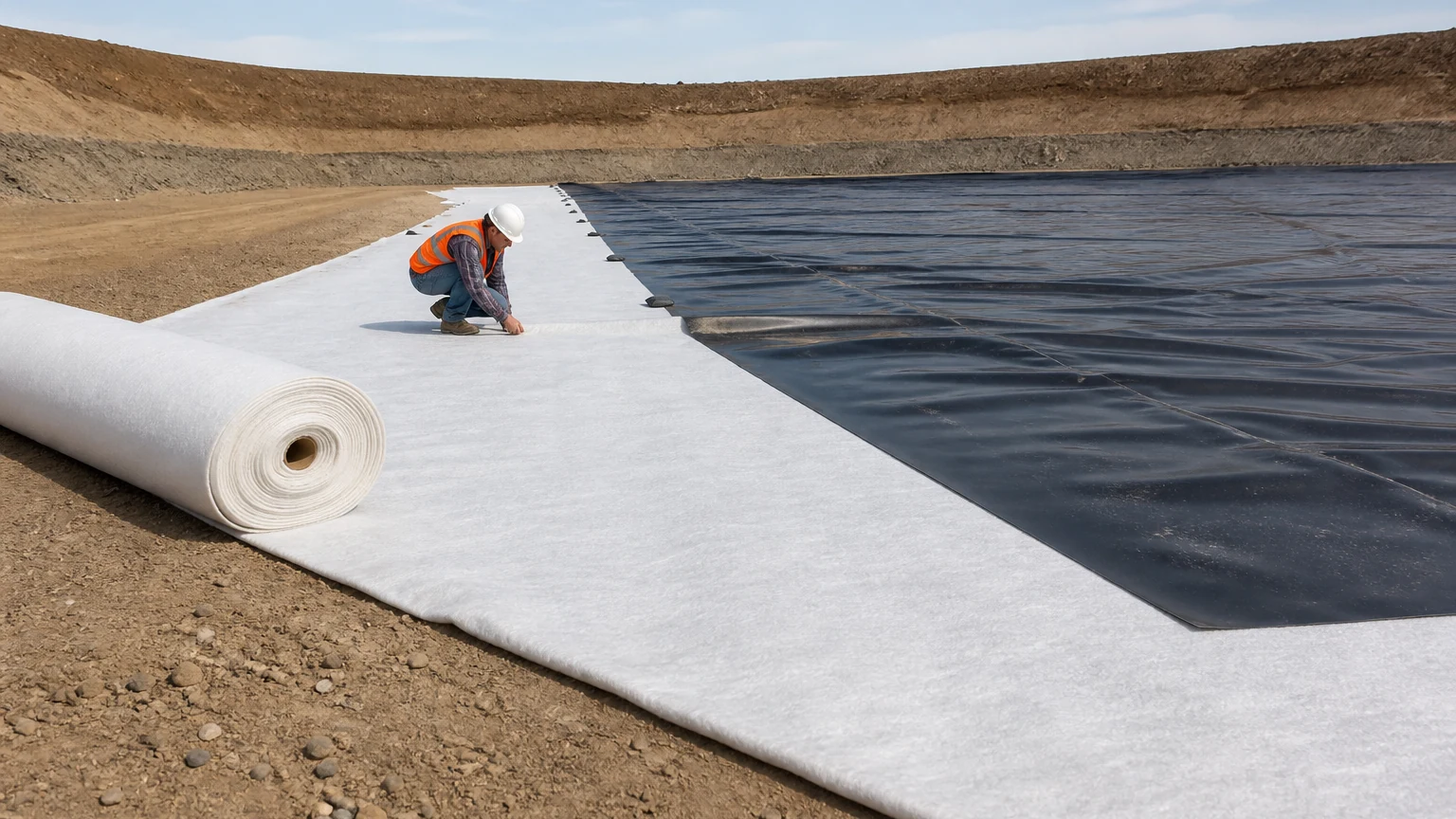
Acts as a cushioning layer, protecting impermeable liners from mechanical damage caused by sharp aggregates or pressures.

Diverse Industry Applications

Our nonwoven geotextiles are the preferred choice for a variety of critical infrastructure projects across the United States:

Transportation Infrastructure

Stabilization of interstate highways, airport runways, and railway ballasts.

Hydraulic Engineering

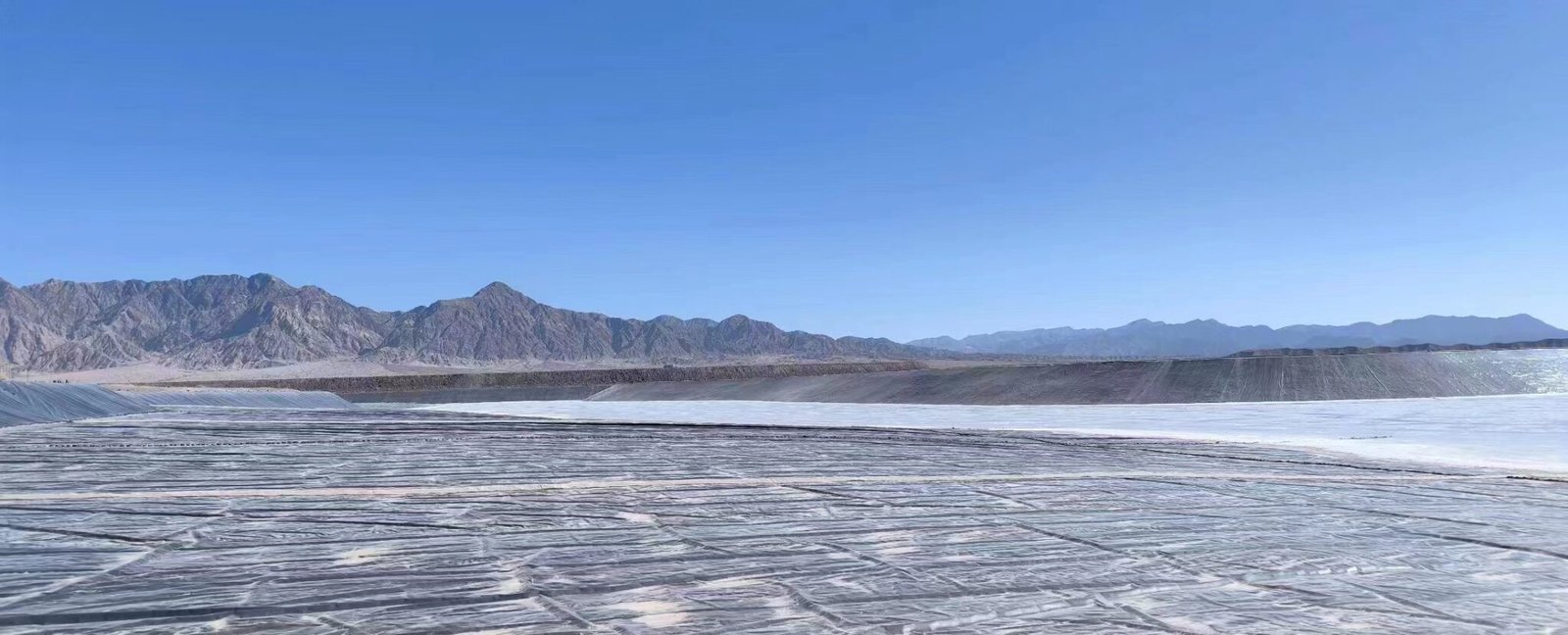
Shoreline rip-rap protection, canal lining, and dam filtration systems.

Waste Management

Serving as leachate collection layers and protective cushions in hazardous and municipal solid waste landfills.

Commercial Site Development

Effective use in French drains, retaining wall backfills, and subsurface drainage systems for sports fields and parking lots.

Our Unique Selling Points

What sets Jinseed apart in the global geosynthetics market is our commitment to material purity and manufacturing consistency. Unlike many competitors, we utilize 100% virgin resin with zero recycled content. This ensures that our geotextiles maintain their physical properties under long-term creep and oxidative stress.

Jinseed nonwoven geotextile fabric

100% Virgin Resin

We utilize 100% virgin resin with zero recycled content. This ensures that our geotextiles maintain their physical properties under long-term creep and oxidative stress, guaranteeing maximum project longevity.

UV Resistance

Treated with high-grade carbon black or UV stabilizers, our fabrics remain durable during installation, even under the intense solar radiation of high-altitude or desert project sites.

Engineering Installation and Overlap Guidelines

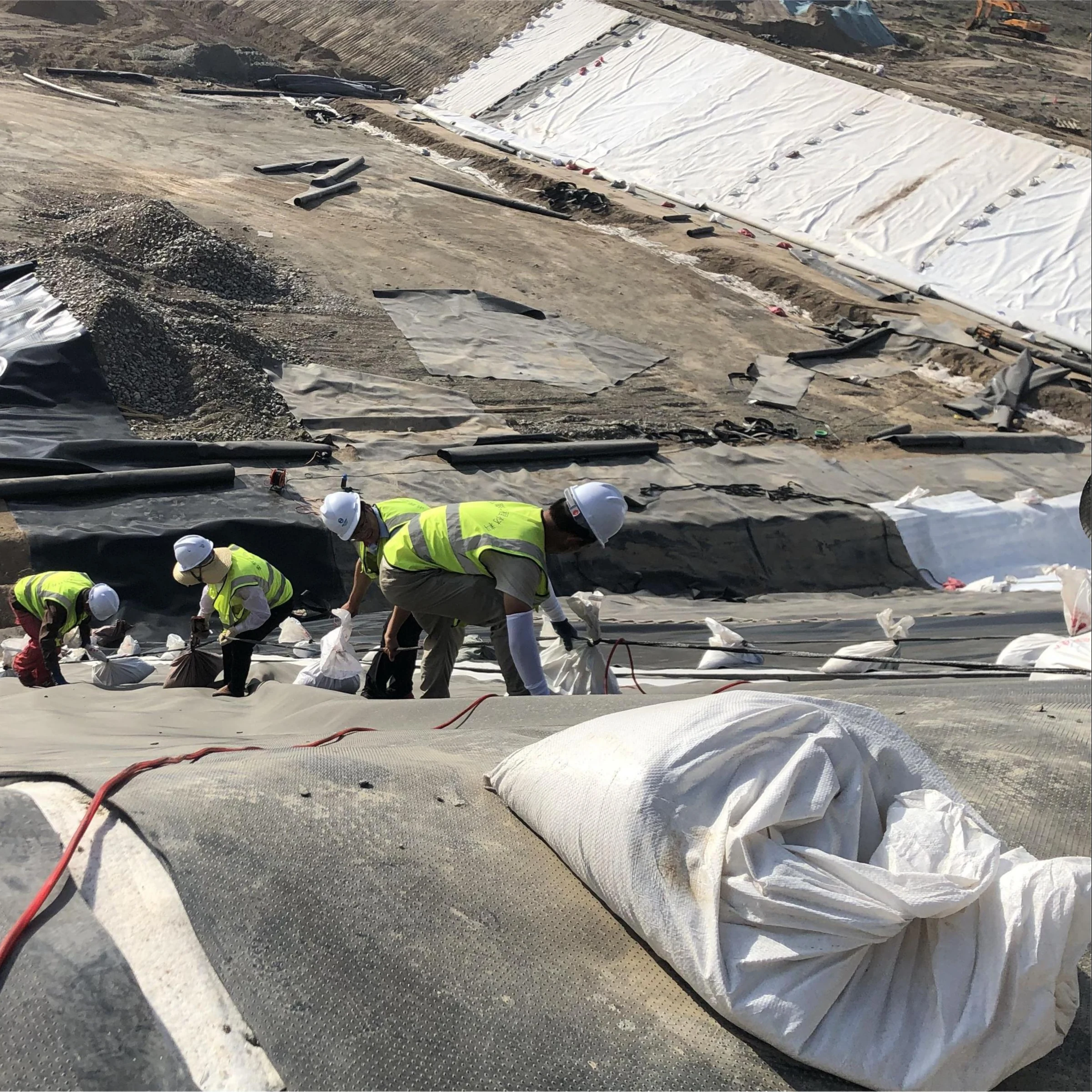
Proper installation is paramount to the performance of any geosynthetic system. Based on our extensive field experience, Jinseed recommends the following best practices:

Subgrade Preparation & Deployment

The subgrade should be cleared of any debris or sharp objects exceeding 15mm. When deploying the fabric, it should be rolled out smoothly without excessive tension.

Overlap & Reinforcement

For most standard applications, a minimum overlap of 300mm to 500mm (12 to 18 inches) is required. In soft-soil conditions (CBR < 2), we strongly recommend thermal bonding or field sewing of the seams to ensure continuous tensile reinforcement.

UV Protection Compliance

To prevent UV degradation, the geotextile should be covered with the specified aggregate layer within 48 hours of exposure.

* Ensuring these guidelines are followed will maximize the service life and structural integrity of your engineering projects.

Geosynthetic Installation
FAQ

Frequently Asked Questions

Below are some of the most common questions buyers ask about our geotextile and geomembrane products, including material differences, specifications, standards, and customization requirements.

1. What is the primary difference between Polyester (PET) and Polypropylene (PP) nonwoven geotextiles? +

The choice between PET and PP depends largely on your project's chemical environment and mechanical requirements. PET (Polyester) typically offers higher tensile strength and superior creep resistance, making it ideal for long-term structural reinforcement. PP (Polypropylene) is exceptionally resistant to high-alkali environments (pH up to 13), making it the preferred choice for projects involving concrete contact or high-alkali soils. At Jinseed, we provide expert consultations to help you select the polymer that best suits your site's specific pH levels and load requirements.

2. How do I determine the correct weight (GSM) for my project? +

Selecting the appropriate weight depends on the primary function: filtration, separation, or protection. For light-duty drainage or French drains, a 100g/m² to 200g/m² fabric is often sufficient. For separation in road construction under heavy traffic, weights between 300g/m² and 500g/m² are standard. If you are using the geotextile as a protective cushion for geomembranes in landfills or reservoirs, heavy-duty options exceeding 600g/m² are recommended to ensure maximum puncture resistance.

3. Why should I choose nonwoven needle-punched geotextiles over woven varieties? +

While woven geotextiles are known for high tensile strength with low elongation, nonwoven needle-punched geotextiles excel in hydraulic properties. If your project requires filtration, drainage, or a high degree of conformability to irregular terrain, nonwoven is the superior choice. Our needle-punching process creates a three-dimensional pore structure that mimics a natural soil filter, preventing clogging while allowing high water flow rates.

4. How does Jinseed ensure the long-term durability of its geotextiles in buried environments? +

Durability is the cornerstone of our manufacturing philosophy. We use 100% virgin resin to prevent the premature degradation often found in fabrics made from recycled content. Our products are engineered to be biologically and chemically inert, resisting soil acids and alkalis. When installed according to our guidelines, Jinseed-Tex® geotextiles are designed to maintain their structural integrity for a service life exceeding 50 to 100 years.

5. Do your products comply with US engineering standards? +

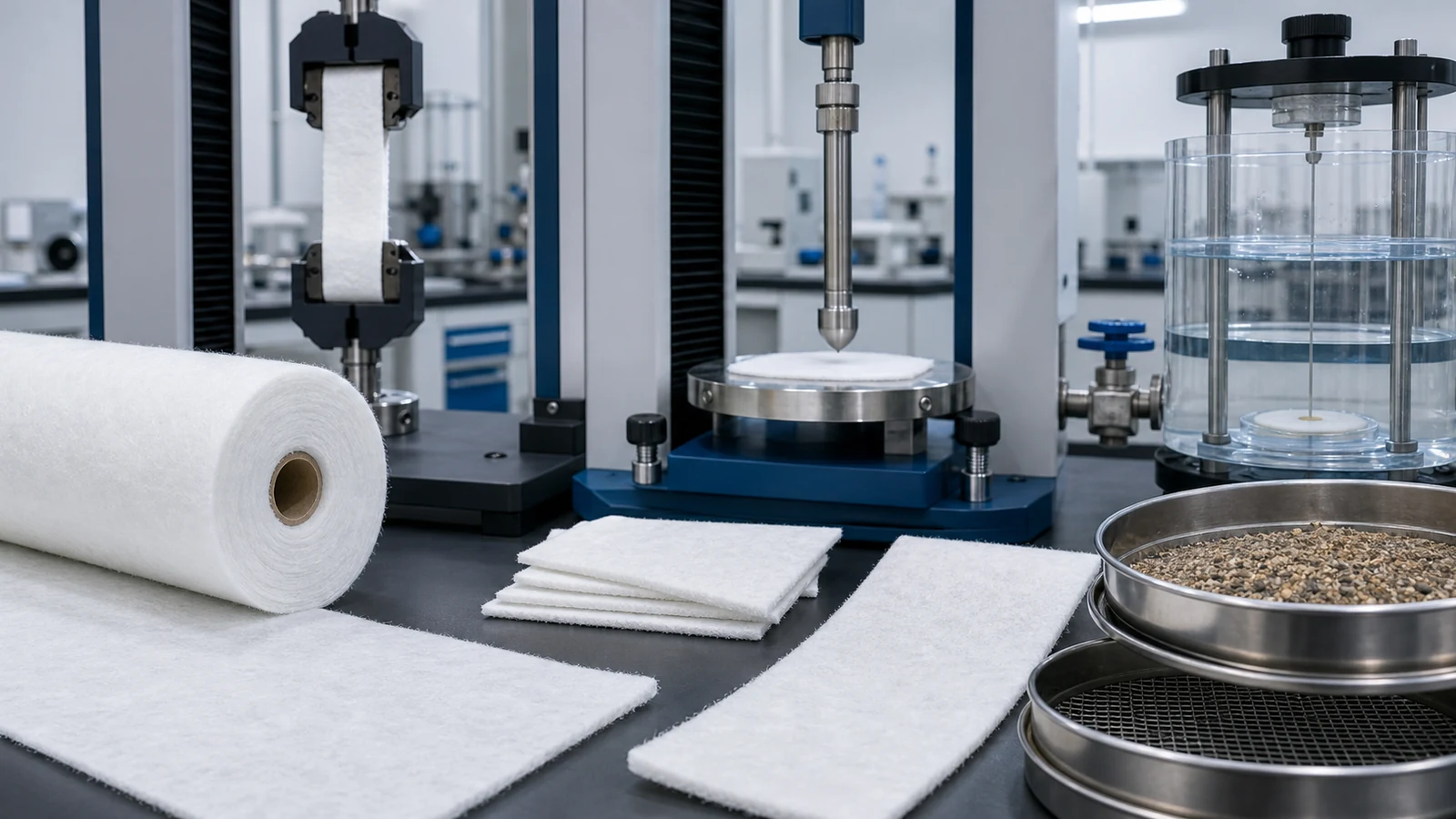
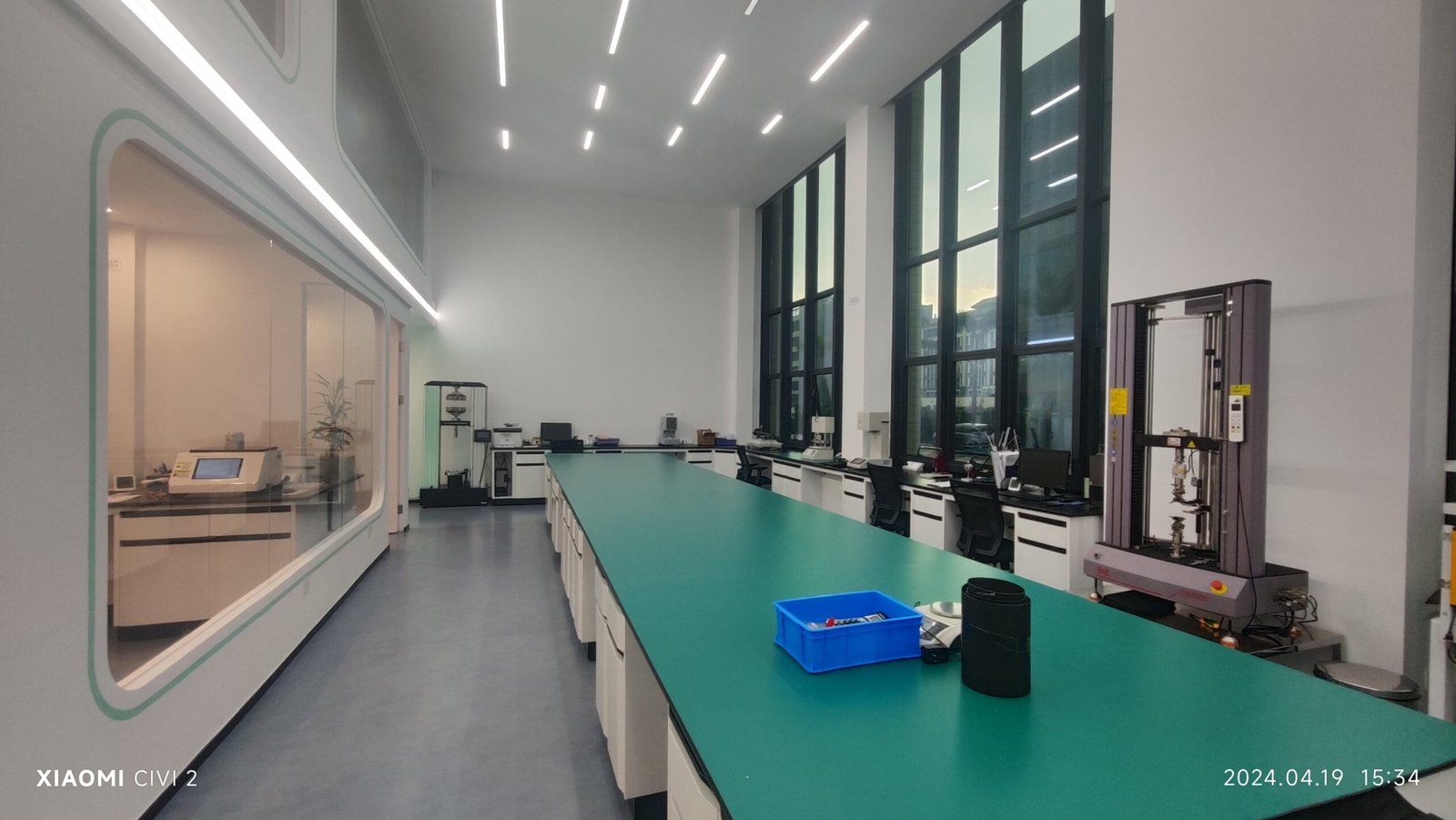
Yes. All Jinseed nonwoven geotextiles undergo rigorous testing to meet or exceed ASTM International standards. We regularly test for Grab Tensile Strength (ASTM D4632), CBR Puncture Resistance (ASTM D6241), and Permittivity (ASTM D4491). We provide a comprehensive Manufacturer’s Quality Certificate (MQC) with every shipment to verify compliance with your project's technical specifications.

6. Can the geotextile be customized in terms of roll width and length? +

Absolutely. We understand that reducing field seams is critical for project efficiency and integrity. While our standard roll widths are designed for optimal shipping, we can provide customized widths up to 6 meters (approx. 19.7 feet) and varied lengths to minimize waste on-site. Please contact our technical sales team to discuss specific dimensions for your project layout.

7. How long can the geotextile remain exposed to sunlight during installation? +

While our geotextiles are treated with UV stabilizers (high-grade carbon black), they are designed for buried applications. To ensure the highest level of performance, we recommend covering the material with soil or aggregate within 48 to 72 hours of deployment. This minimizes any potential UV-induced reduction in tensile strength.

Technical Data sheet

Language »