Geomembrane Liners
Containment systems for demanding engineering projects.
Geomembrane Liners
HDPE Geomembrane Liner
Primary containment liner
HDPE Geomembrane
Smooth and textured HDPE
LLDPE Geomembrane
Flexible lining applications
Textured Geomembrane
Higher friction for slopes
Landfill Liner System
Landfill containment materials
Geotextile
PET Non-Woven Geotextile
Protection and filtration
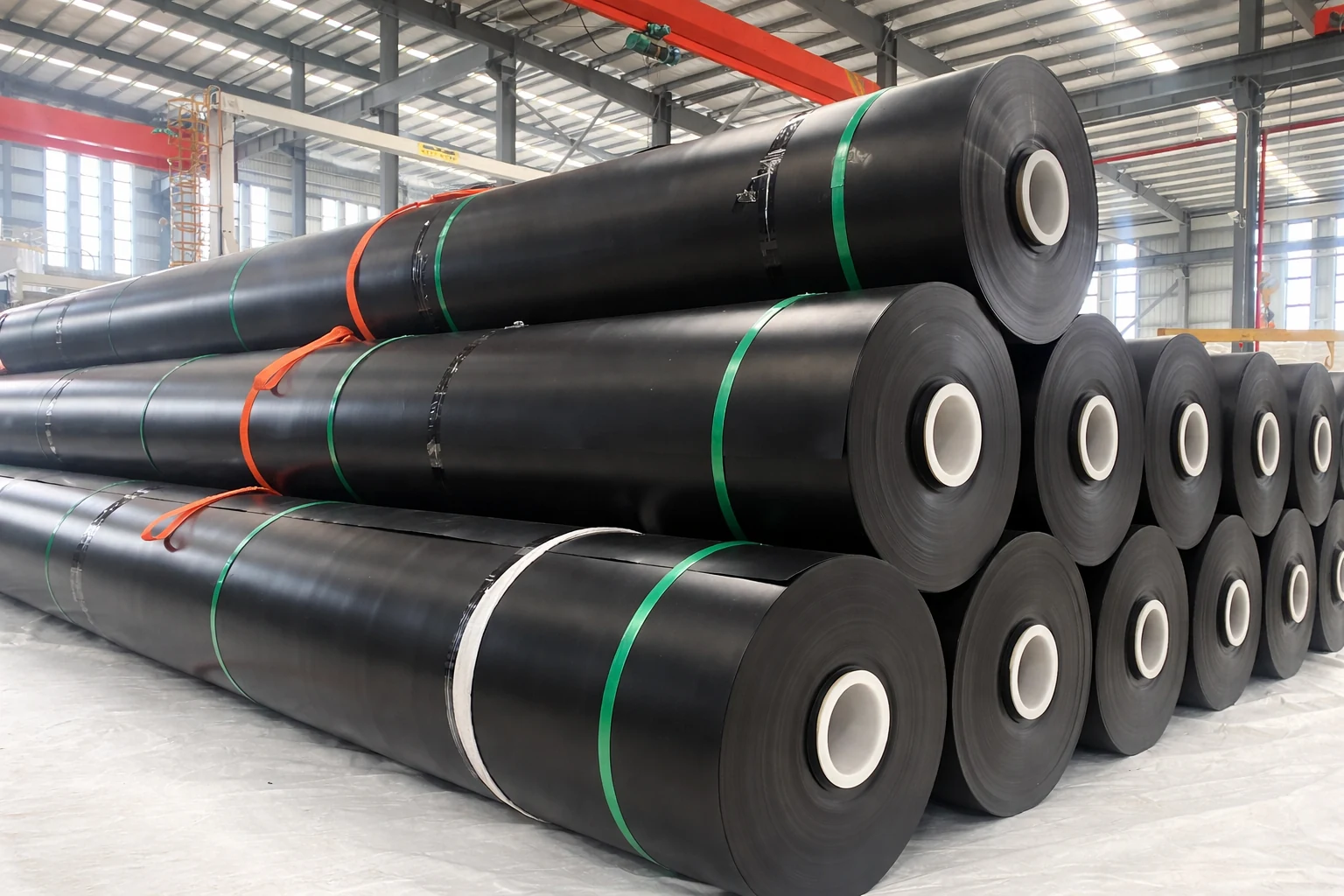
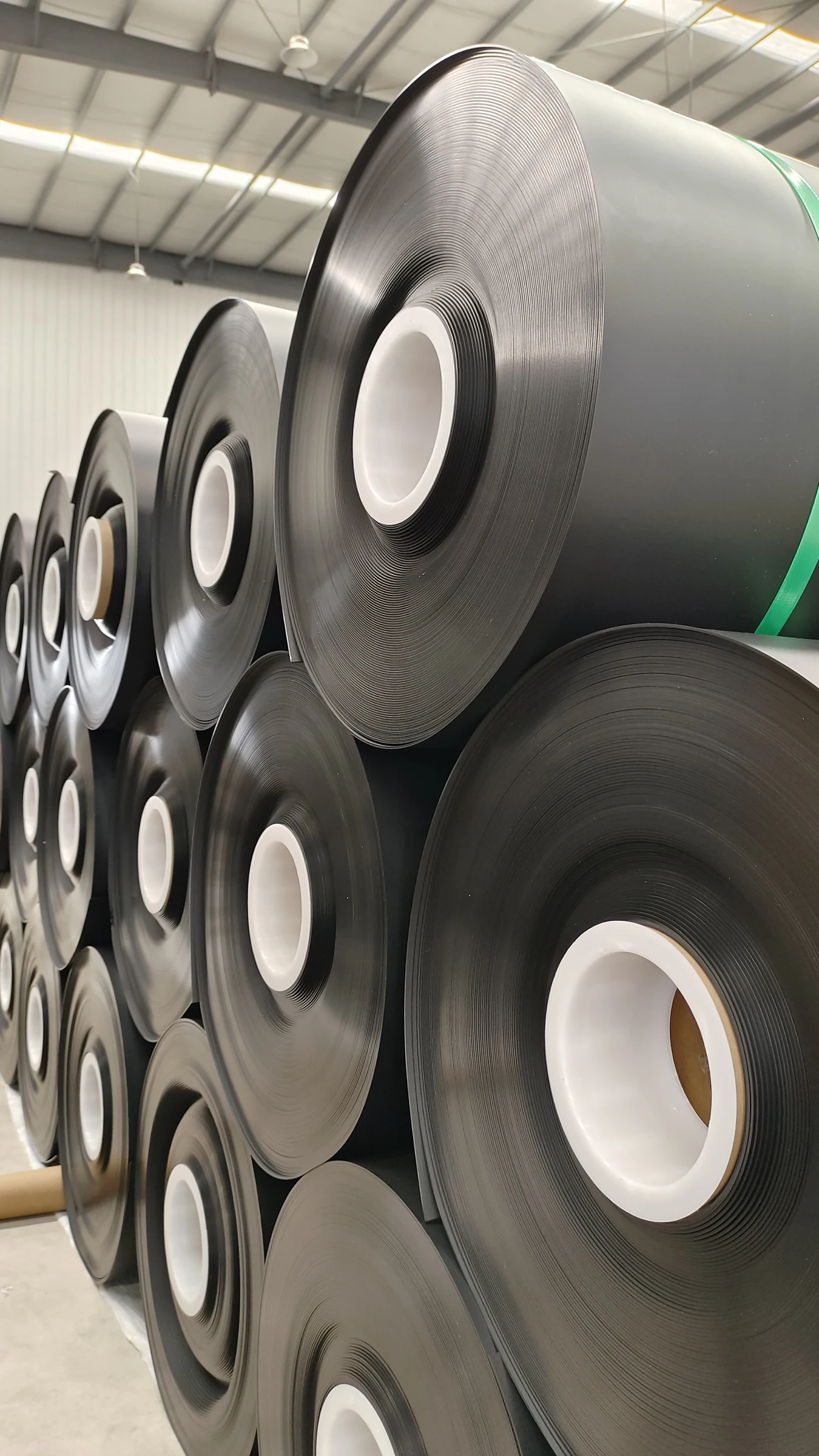
Geotextile ManufacturerJinseed makes single- and double-sided textured HDPE liners in its own factory in Guangdong, China. Every roll is tested to GRI-GM13 — the main international standard for HDPE liners — and shipped directly to buyers in 50+ countries.

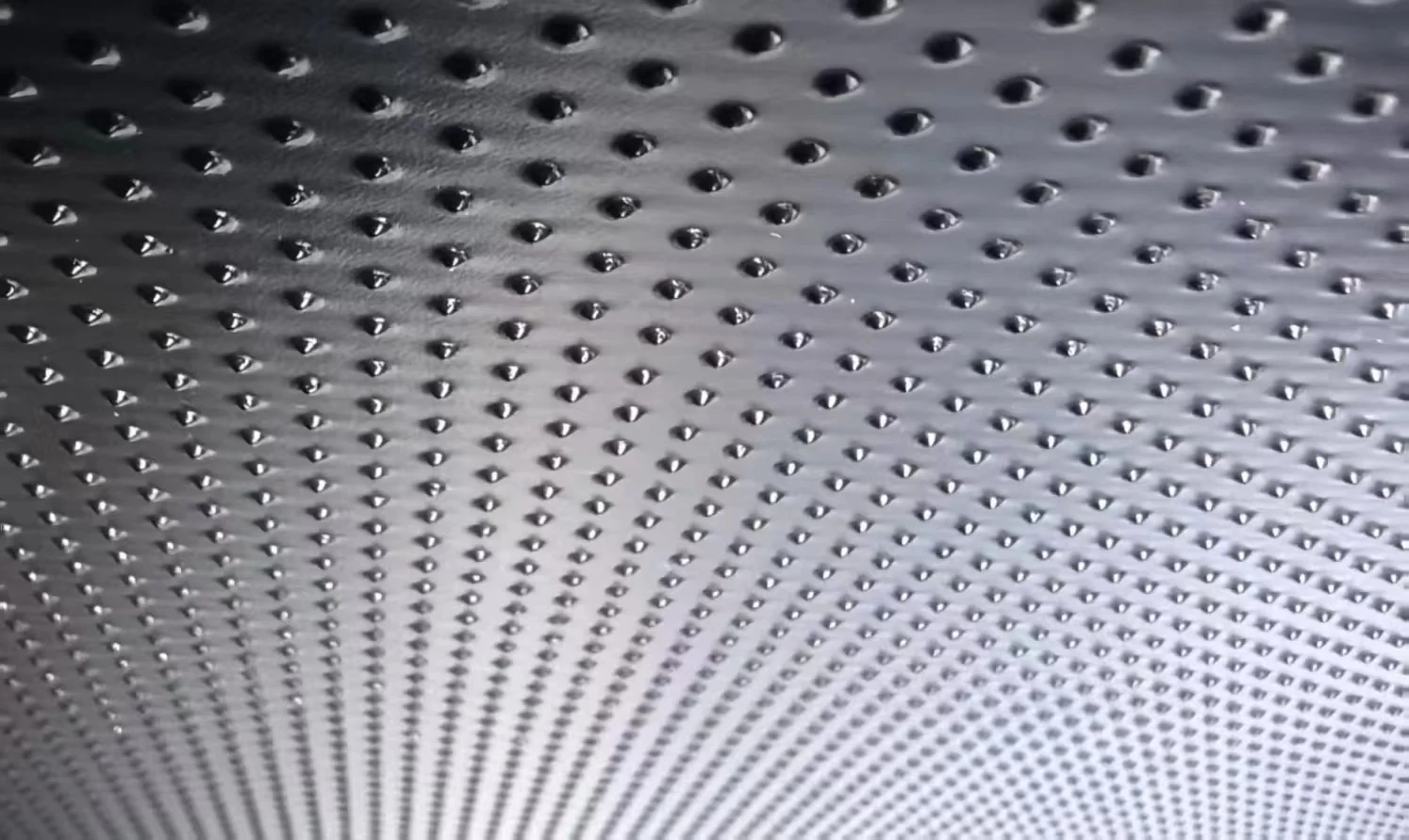
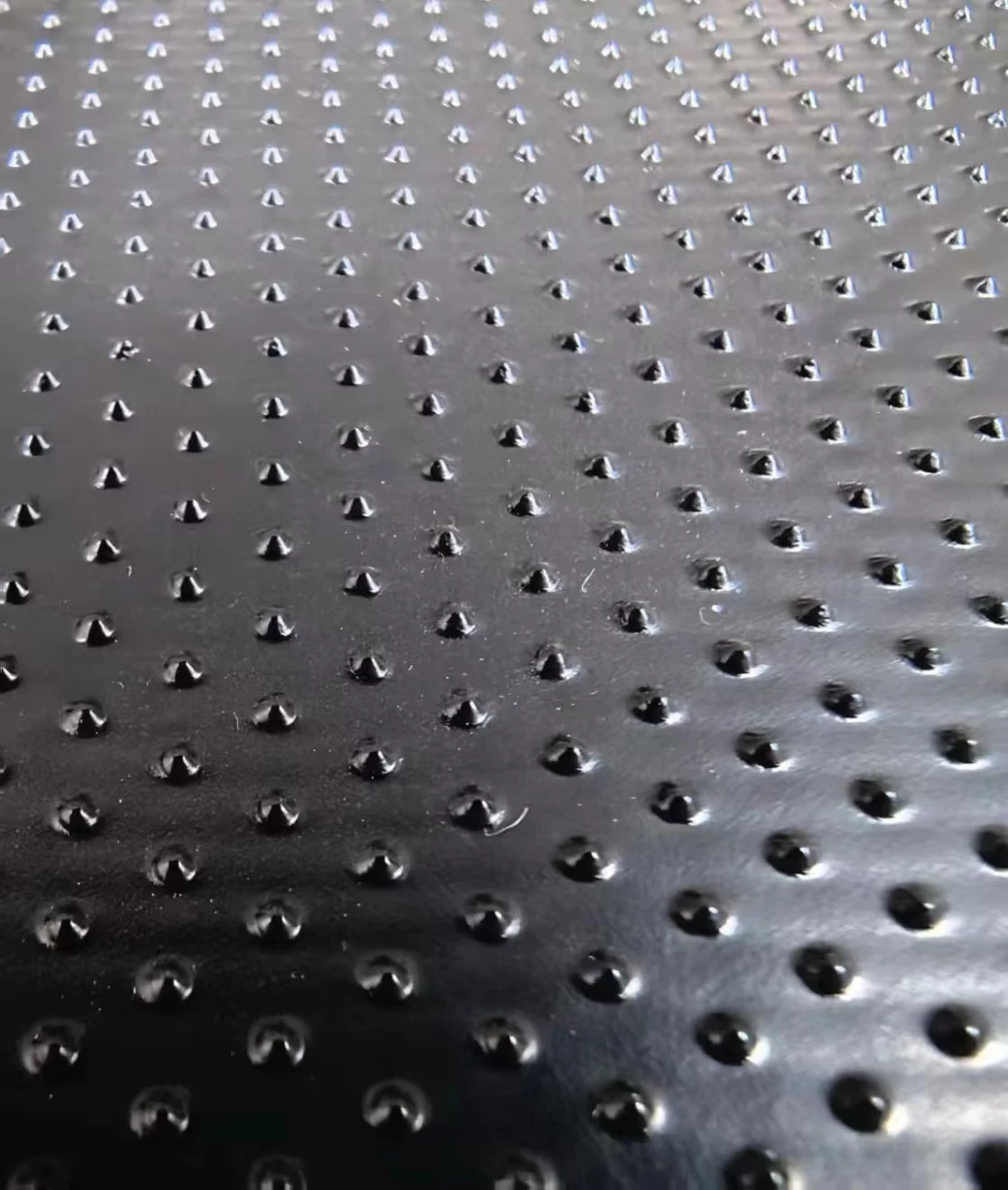
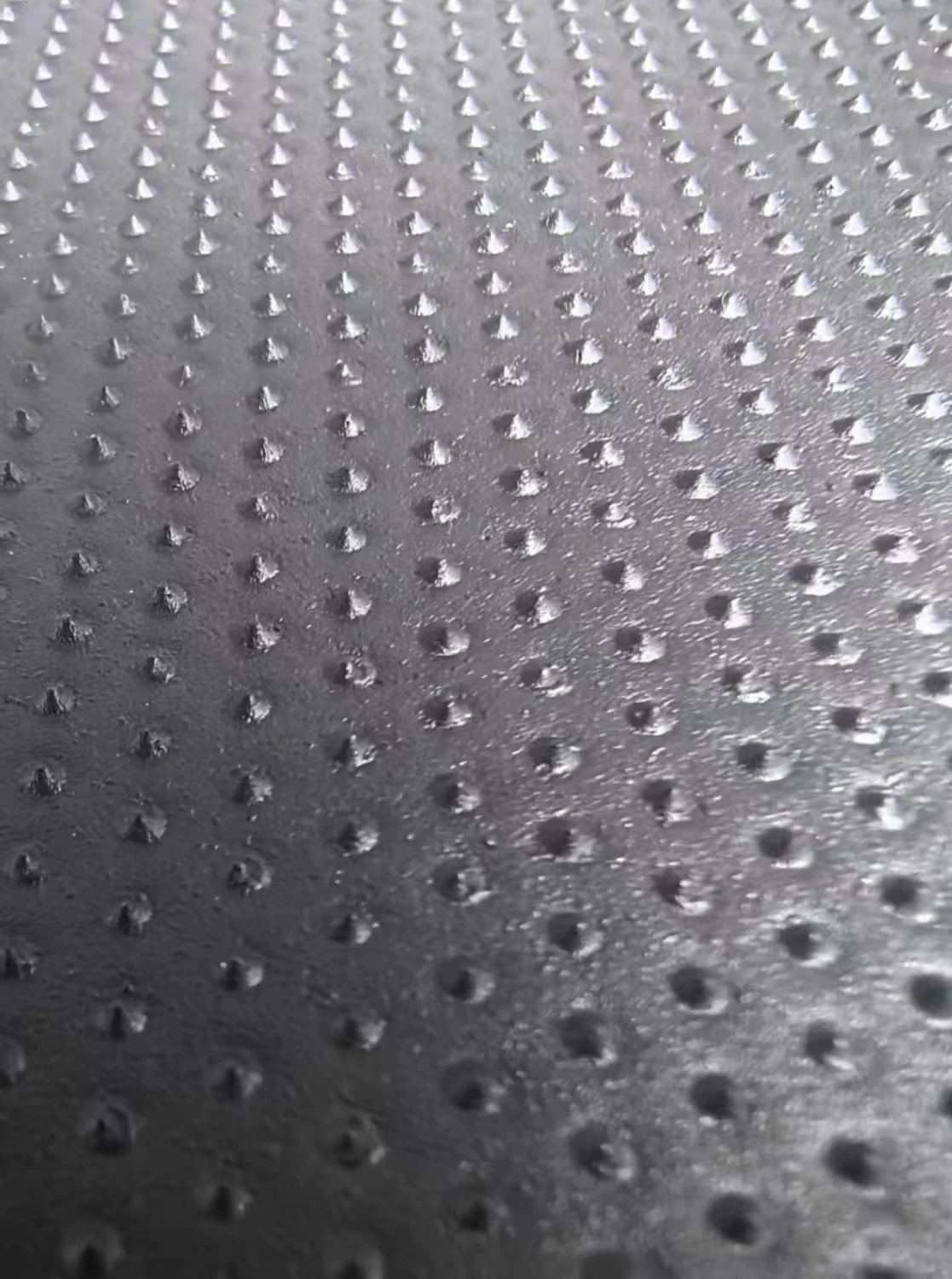
A smooth sheet can slowly slide when it sits on a slope. A textured liner has a rough, studded surface that locks into the soil or fabric it touches. That grip keeps the whole lining system where your engineer designed it to be.

Full values for every thickness are in the technical data sheet.Download the data sheet

Rough on the bottom, smooth on top. Grips the ground while waste or cover soil can still slide down and settle.
View specifications
Rough on both faces. For slopes of 3:1 or steeper, where the liner must hold against layers above and below.
View specifications
The flat-ground companion. Pond bottoms, canal beds and level areas where extra grip is not needed.
View specifications
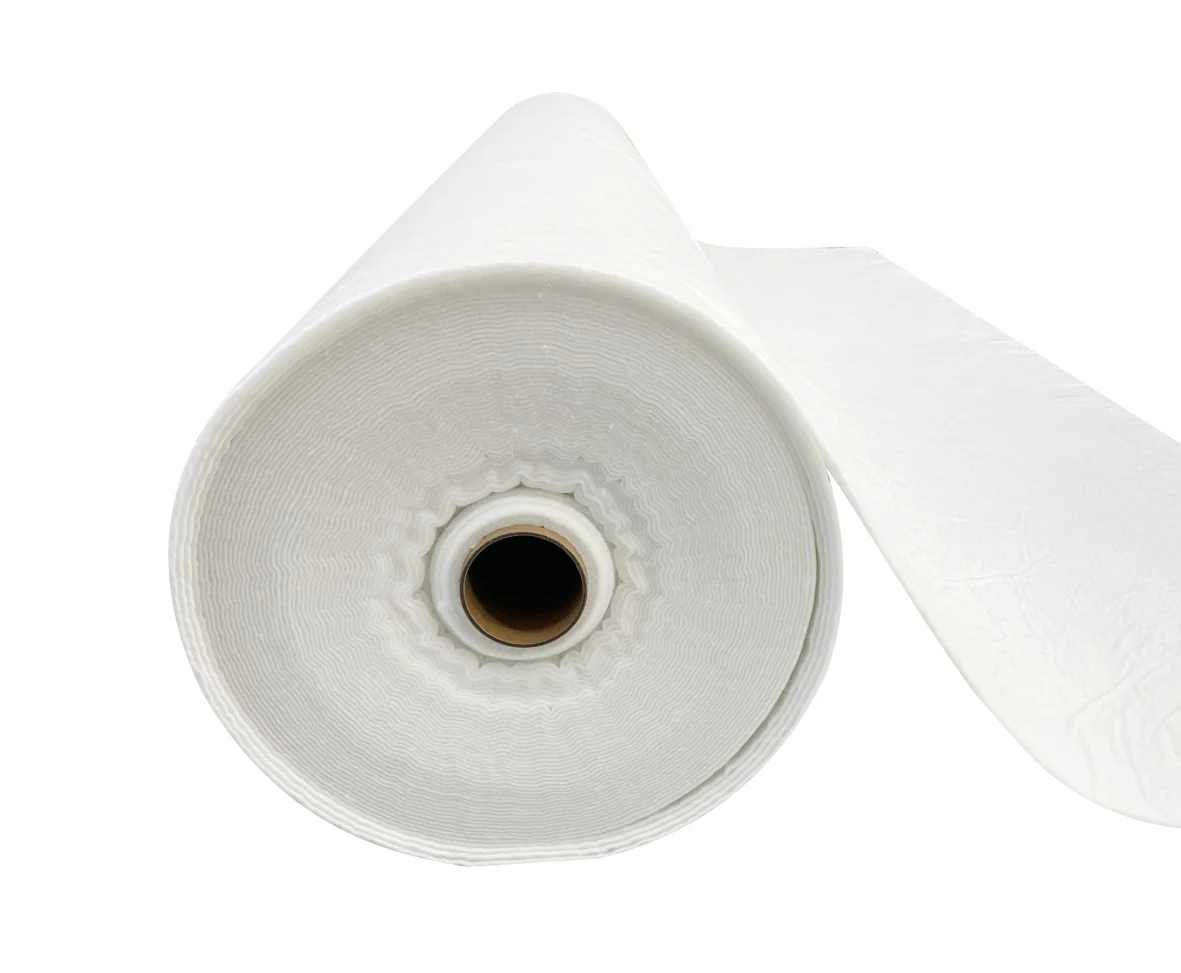
A protection fabric, 100–830 g/m², laid under or over the liner to stop punctures from stones.
View specificationsThe right thickness depends on water pressure and how sharp the stones are underneath. These starting points come from common project practice.
Send us your design and we will confirm the thickness in writing.Ask an engineer
Both run on the same lines and meet the same GRI-GM13 base standard. The difference is simply which faces are rough.
The rough face locks into the ground. The smooth top face lets the material on top — solid waste, for example — slide down and settle at the bottom of the cell.
Made for high-risk slopes of 3:1 or steeper. The liner locks into the ground below and into the cover soil, drainage net or geotextile above — so the whole stack stays stable.
Not sure which one your design needs?Send us the slope drawing

On a steep slope, the liner sheet itself is rarely the weak point. The weak point is the surface it sits on. Texture fixes that.
The rough surface raises the grip between liner and soil to about 30°, far above what a smooth sheet can reach.
With the heavy 0.40 mm texture, the liner stays put on 2:1 (H:V) gradients instead of creeping downhill.
Steeper safe slopes mean a landfill, reservoir or leach pad holds more — without buying more land.
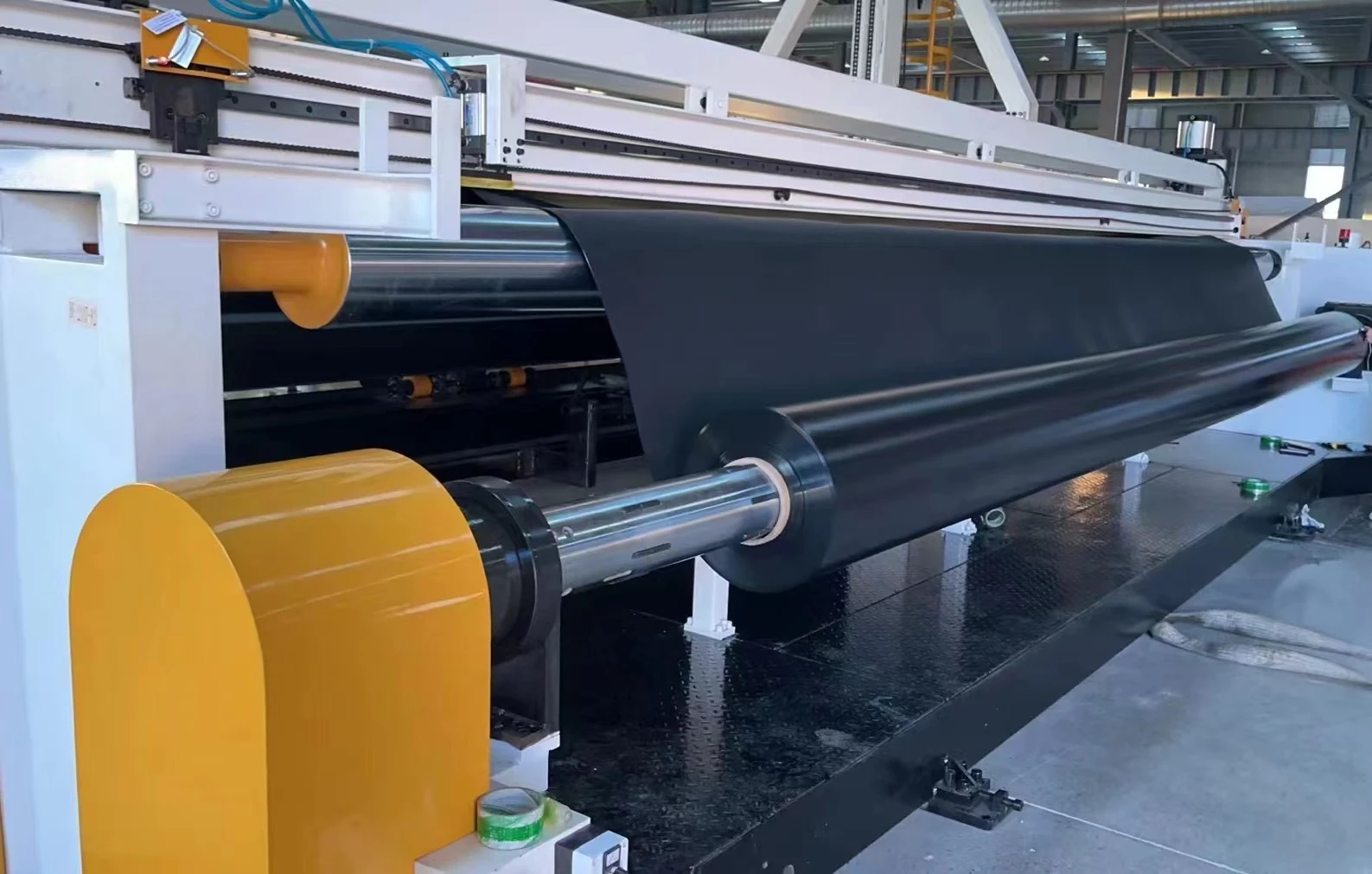
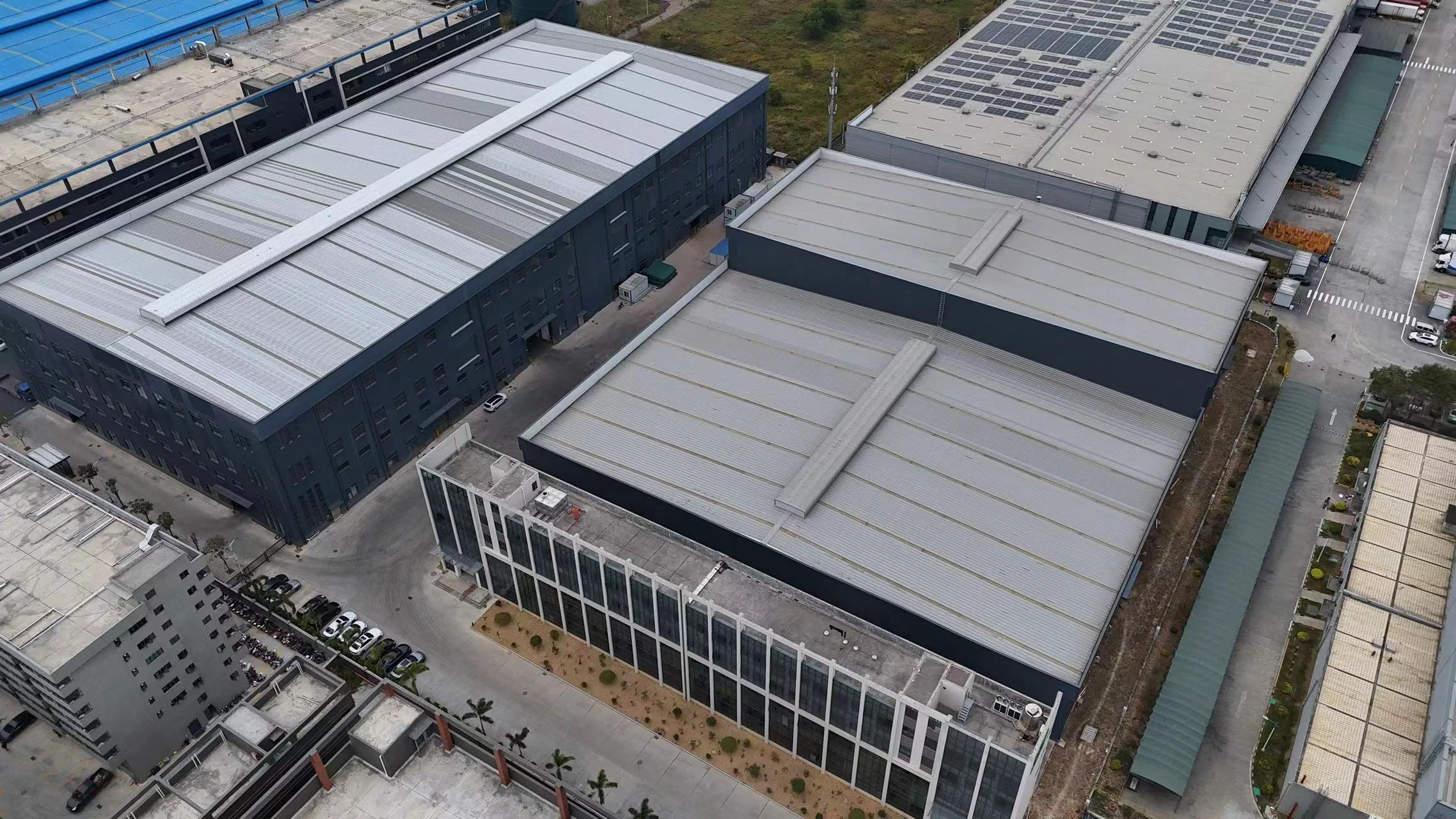
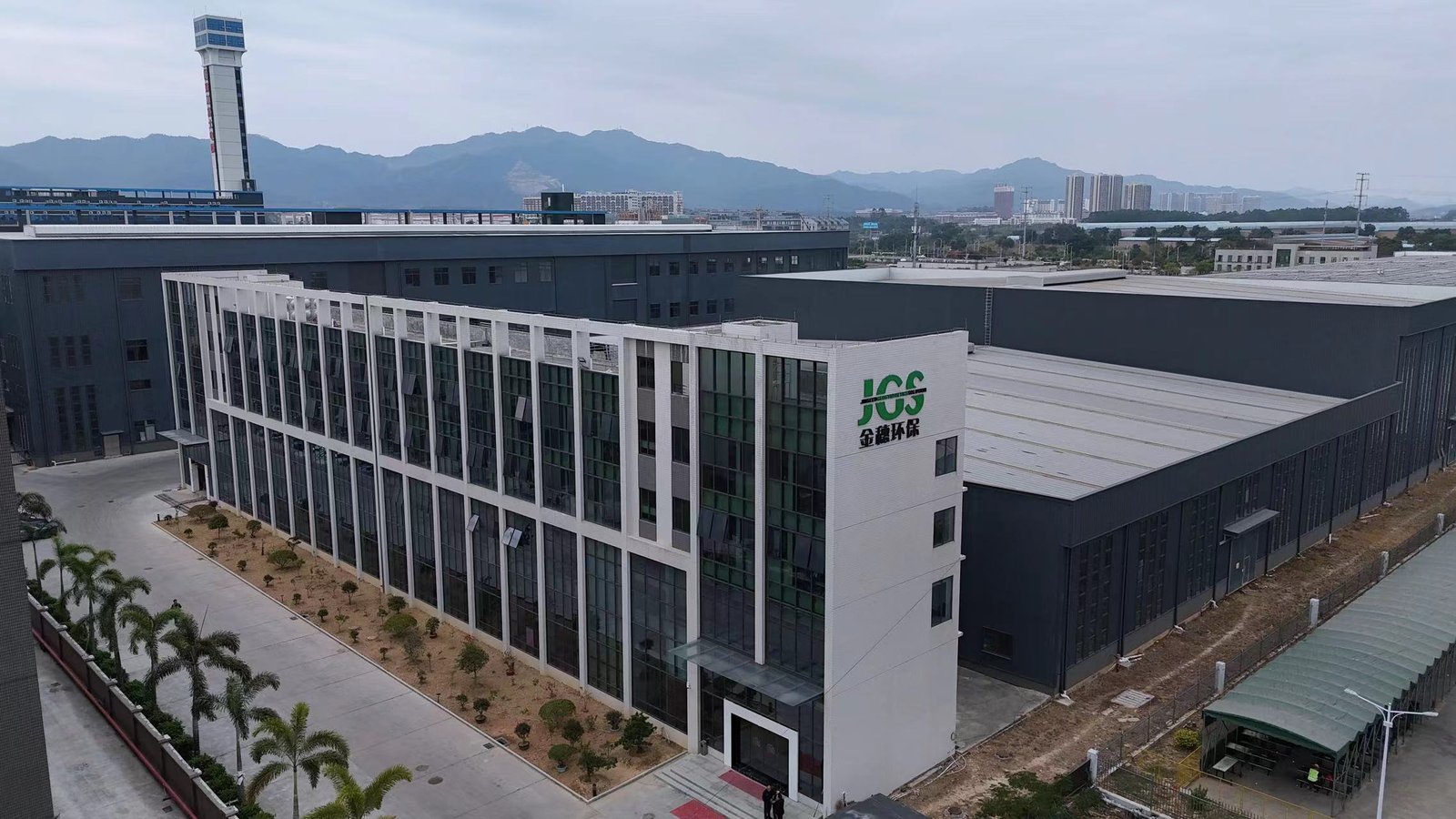
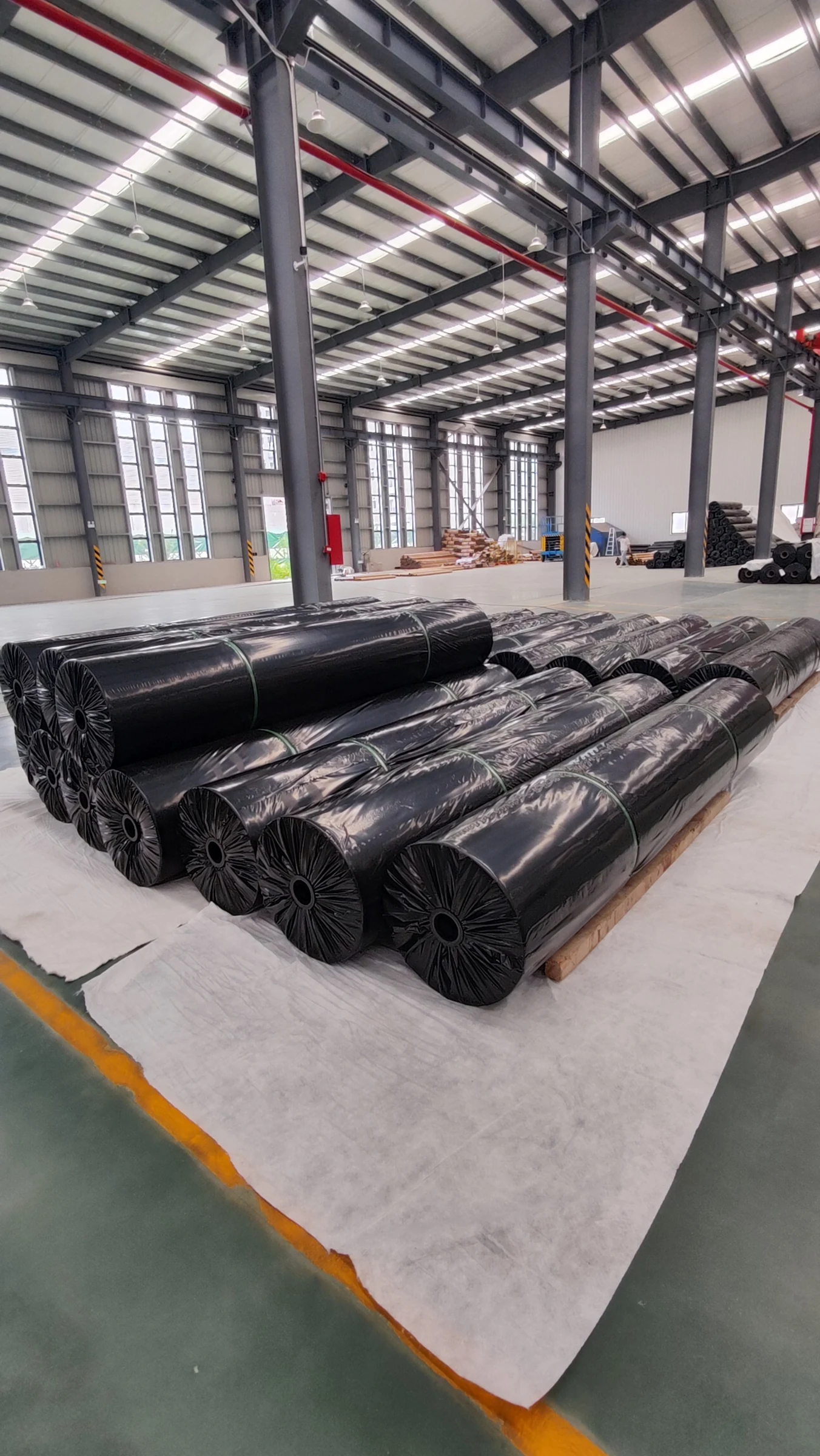
We are a manufacturer, not a trader. Resin comes in, finished rolls go out, and every step in between happens under one roof.
55,000 m² plant — extrusion, texturing, testing and packing on one site
20,000 tons a year — enough capacity for large projects without queues
German flat-die lines — rolls up to 8.0 m wide, so sites need fewer seams
Named resin suppliers — Sabic, Chevron Phillips, Borealis, with a certificate for every batch

Melt flow rate and density are tested before production starts. Virgin HDPE only — never recycled material.
The bump height is set per order — 0.40 mm standard or 0.40 mm heavy — and measured per ASTM D7466.
Ultrasonic and laser scanners watch the sheet as it runs and hold it within ±3% across the full 8 m width.
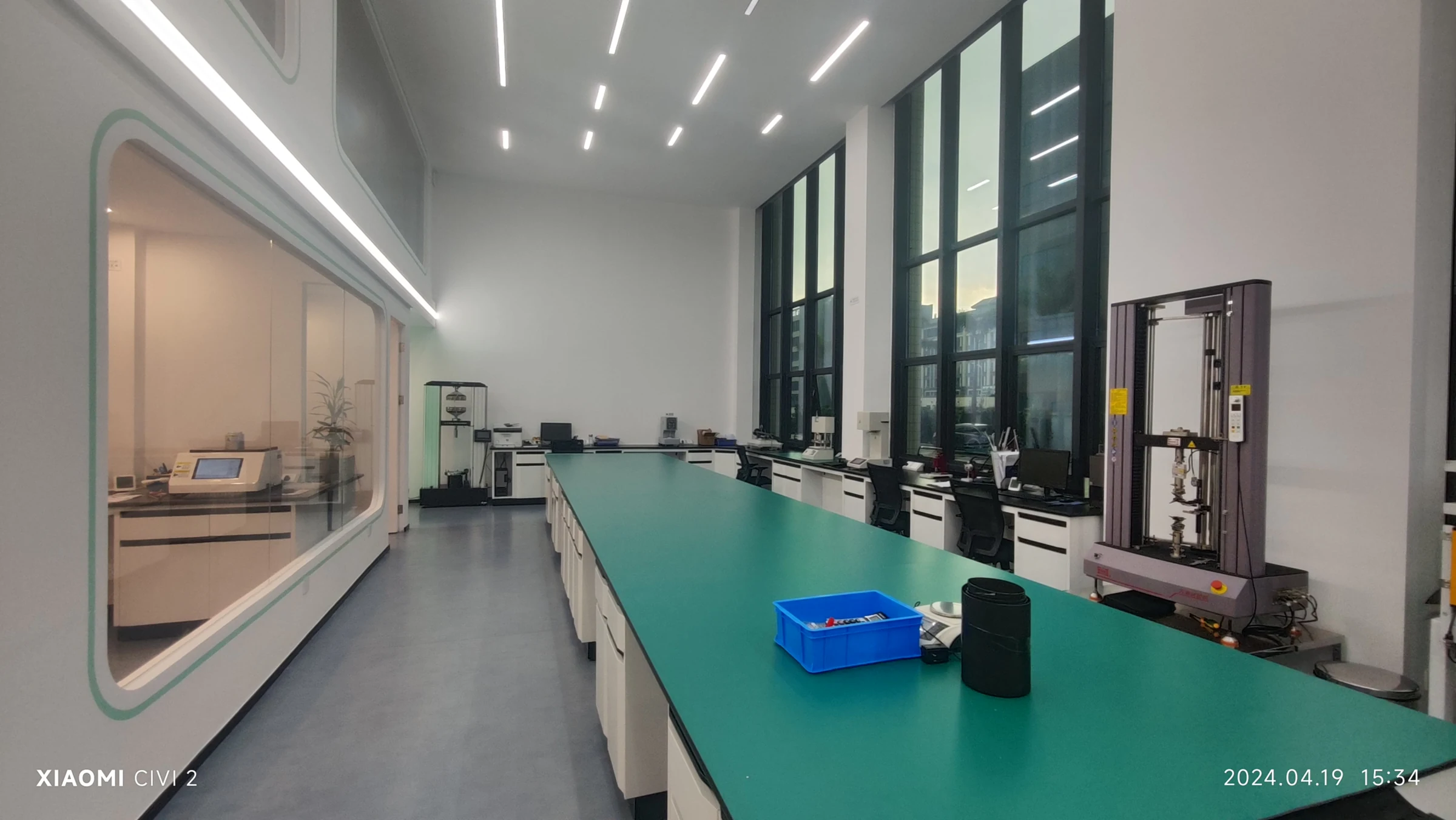
Texture height, tensile strength (ASTM D6693), stress-crack resistance (D5397) and OIT (D5885) on every batch.
A sample of every batch stays on file, so any roll can be traced back years later.

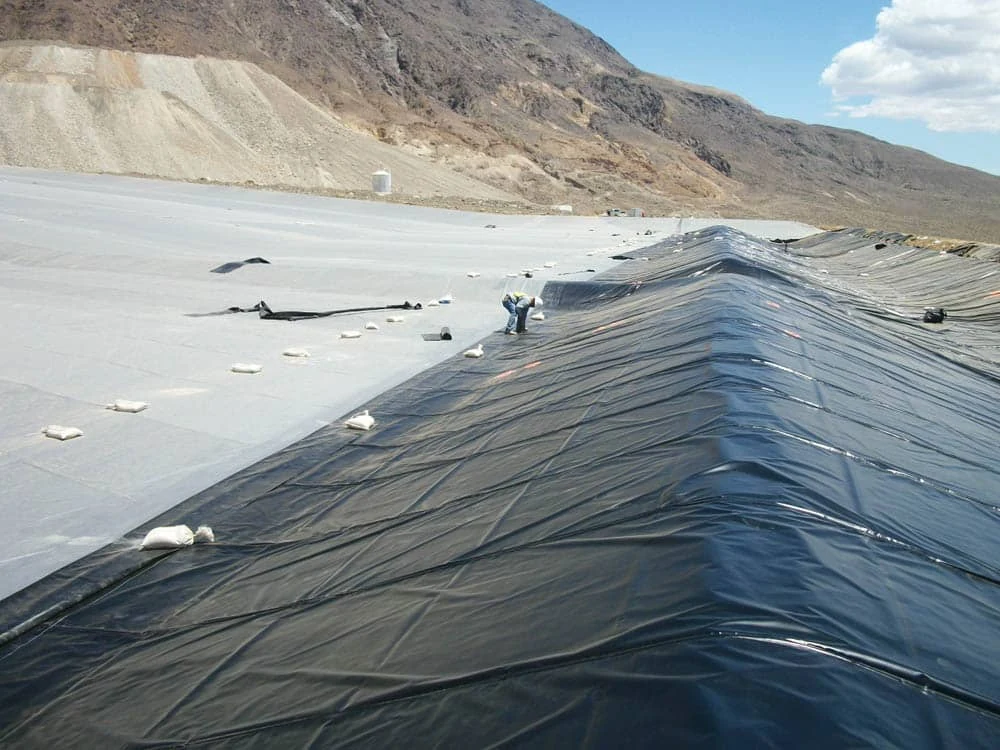
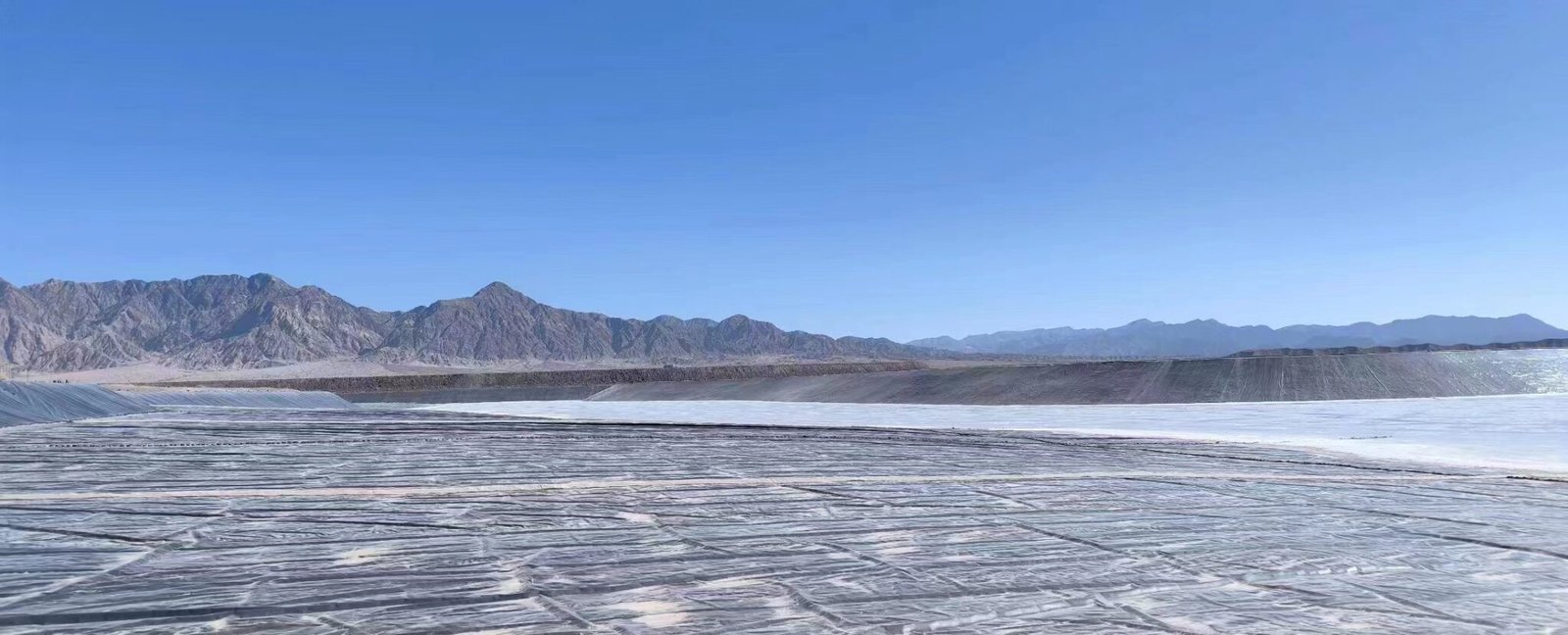
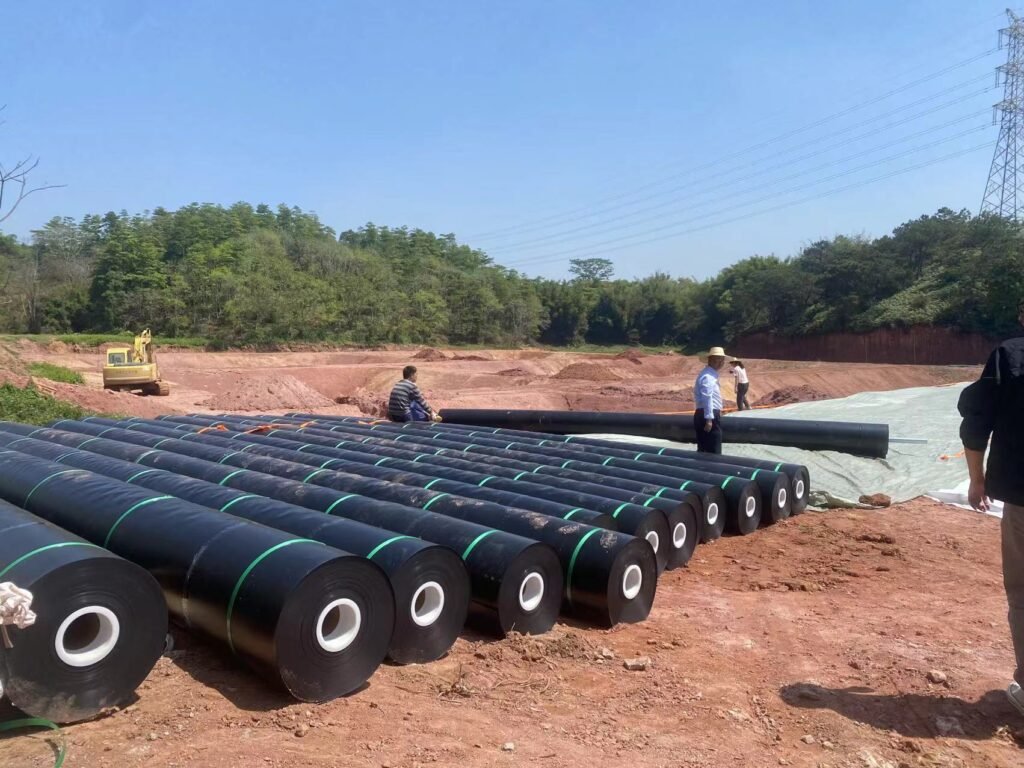
Heap leach pads, tailings dams and process ponds on steep terrain.
See application
Base slopes, side walls, caps and final closures.
See application
Dam embankments, irrigation slopes and water storage.
See application
Pond banks and slopes that need extra grip under water.
See application
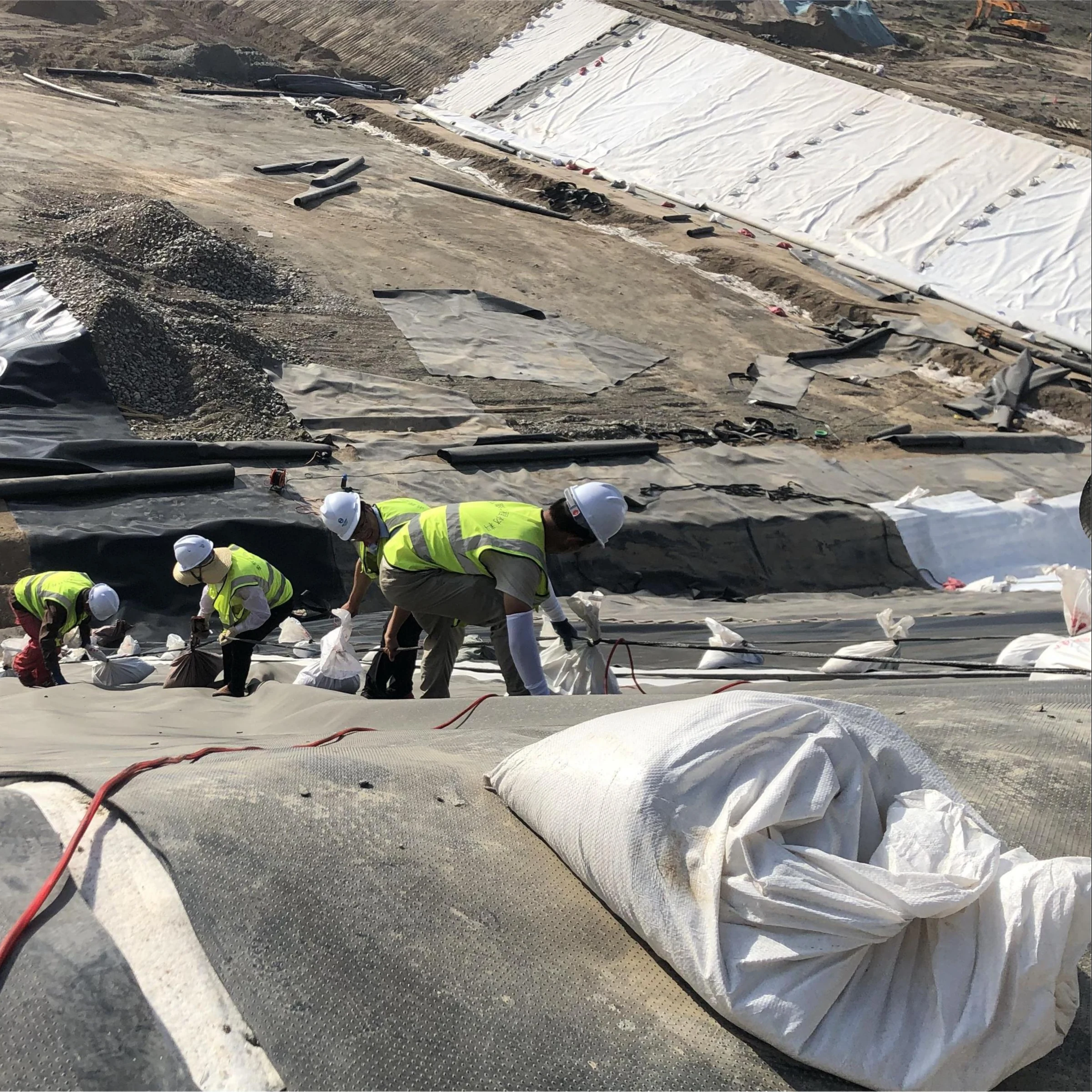
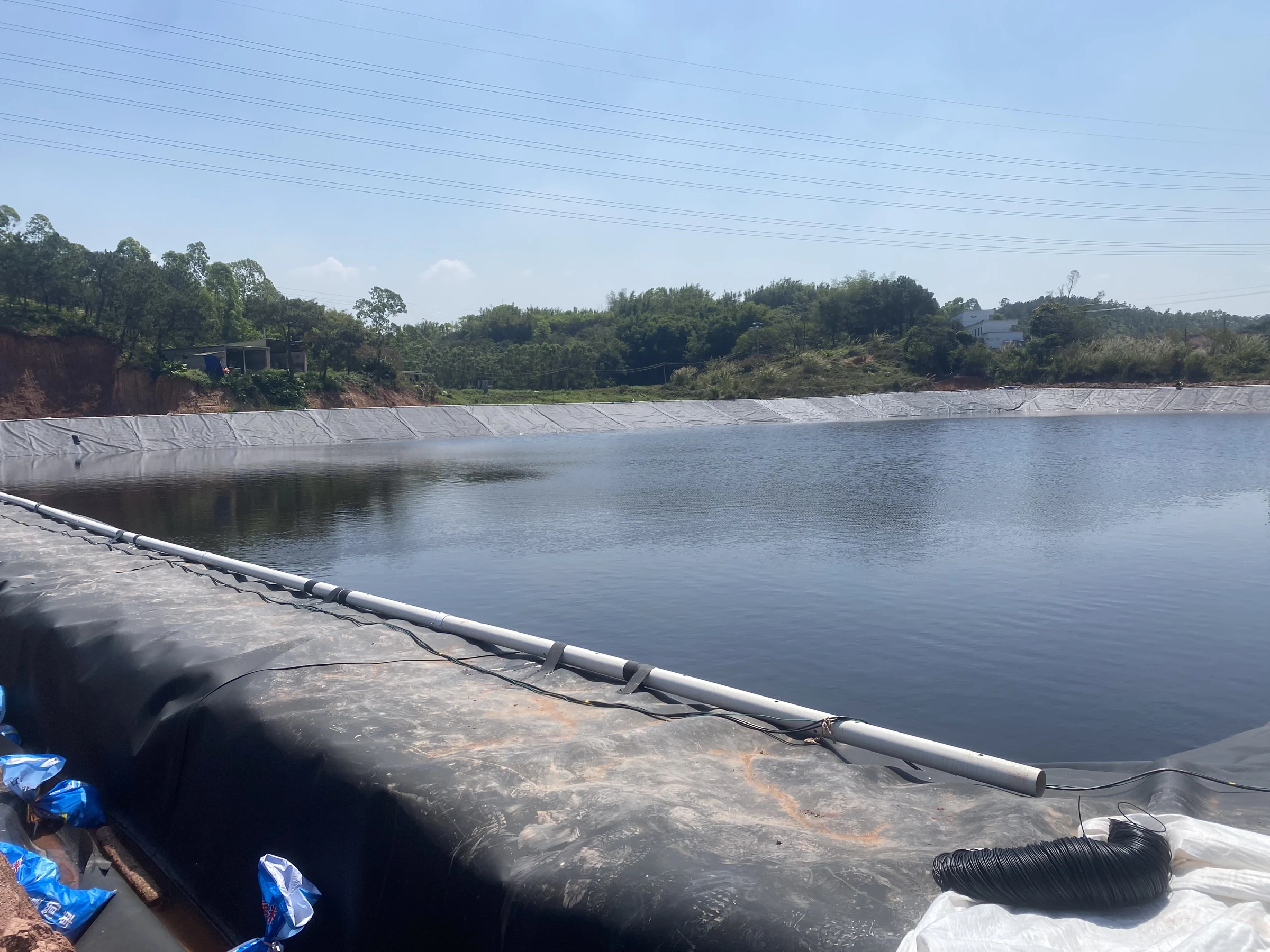
Steep Andean slopes and highly acidic leach solution ruled out a standard smooth liner. We supplied 1.5 mm textured HDPE over a 600 g/m² PET geotextile for grip and puncture protection.

Tell us the slope, the ground material, thickness, quantity and destination port. We reply with a suggested build-up, a price, a lead time and a container loading plan.
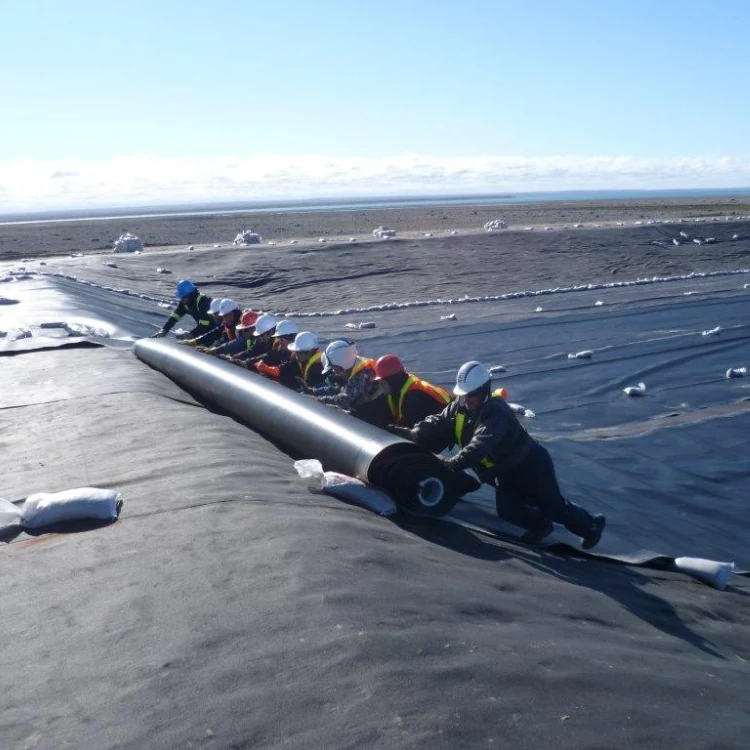
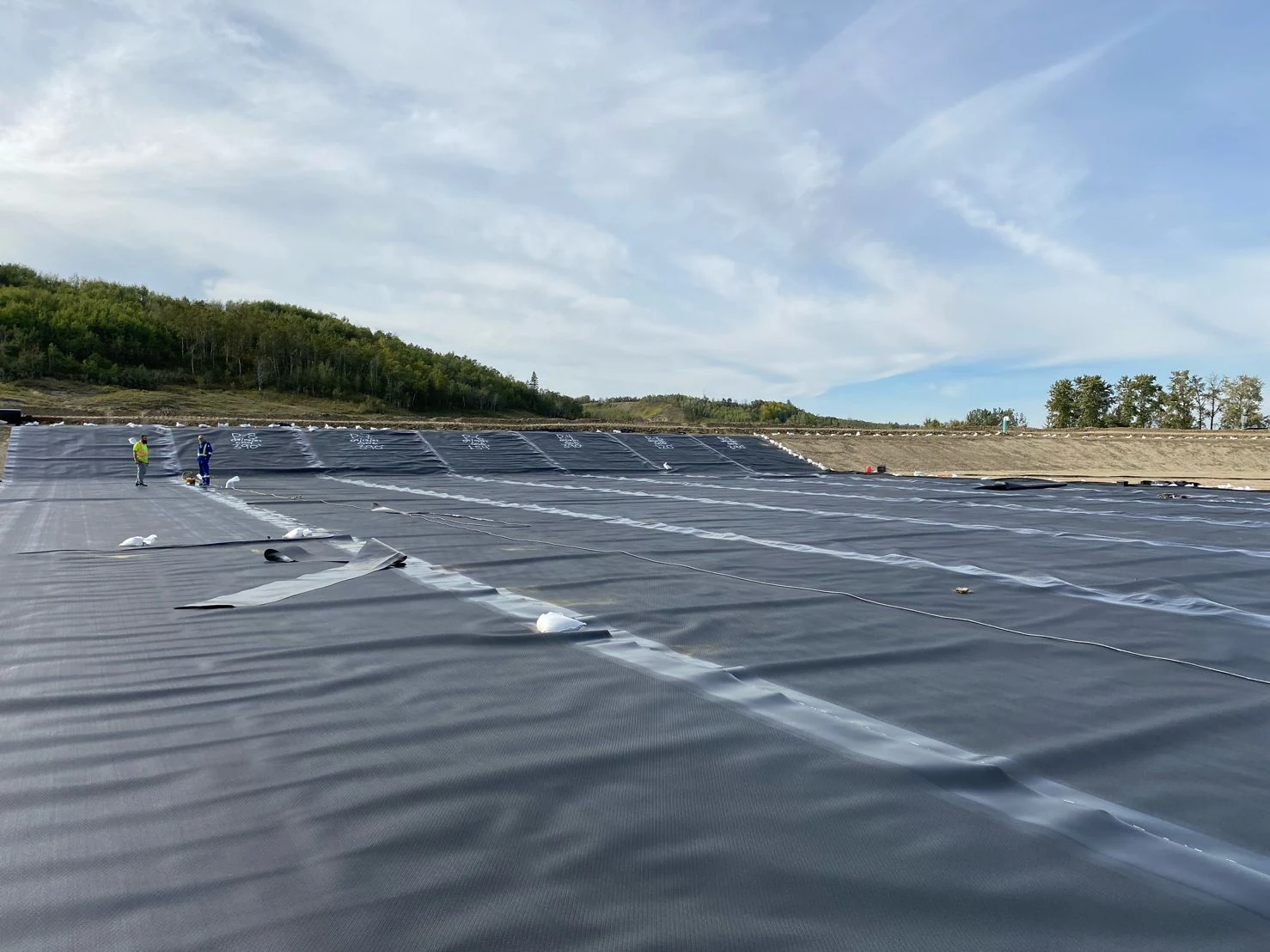
Every textured panel leaves our factory with a 150 mm smooth strip on each edge. No grinding on site — the welder gets full contact for a clean, leak-tight seam.

Level and compacted to at least 90%, with no sharp stones or roots sticking out.

Adjacent sheets overlap 100–150 mm, with the smooth strips lined up for the welder.

Dual-track hot wedge welding for the long seams; extrusion welding for corners and repairs.

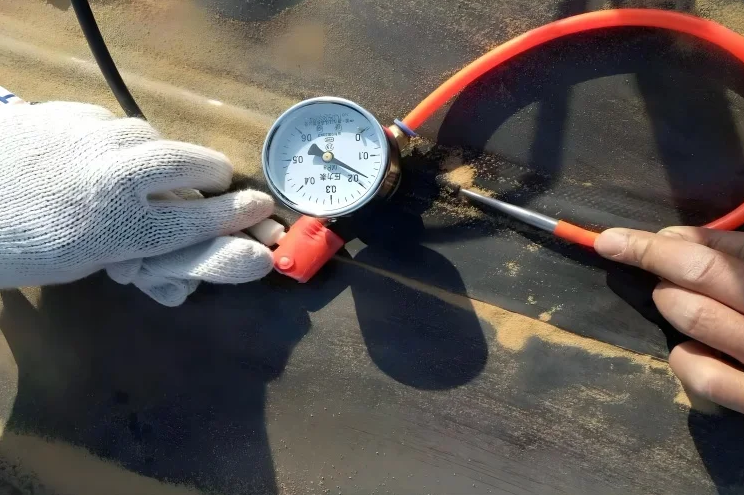
Air test at 0.25 MPa for 5 minutes. No pressure drop, no leak.
The full procedure is in our installation guide.Download the guide

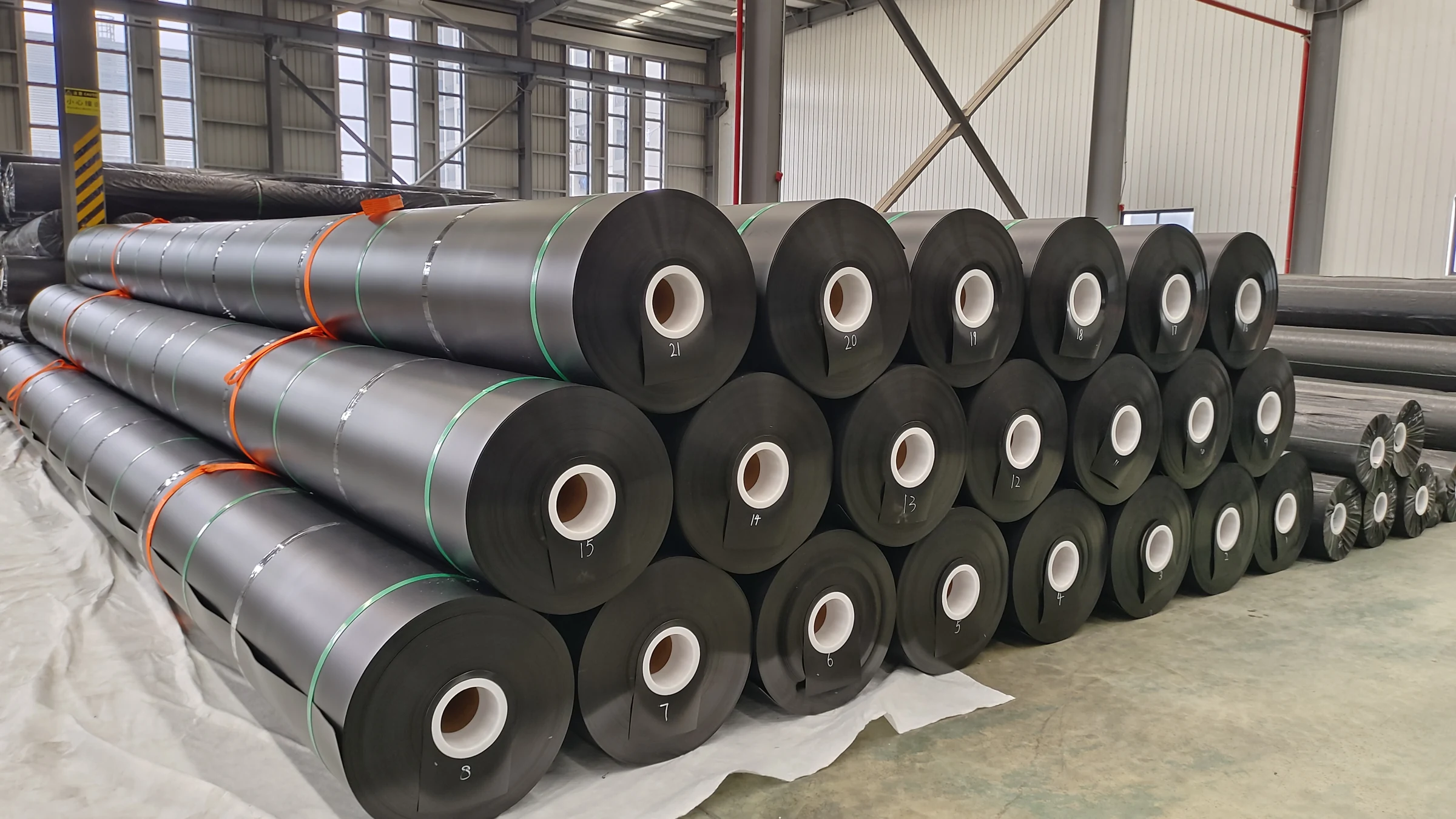
Rolls are wound on cores with walls over 10 mm thick, so they do not collapse when stacked.
Two layers of UV-stabilized PE film, plus a tear-resistant woven jacket on the outside.
Roll lengths are planned around 20GP and 40HQ containers to cut the freight cost per square meter.
Photos, checks and seal numbers are sent to you before the container leaves.
We mail real cuttings, so your team can feel the texture, measure the thickness and test the weld before you commit.
Free consulting on thickness, texture height and cushion layers — send your slope design and we work through it with you.
Data sheets and batch test reports, ready to drop into your engineering submittals.

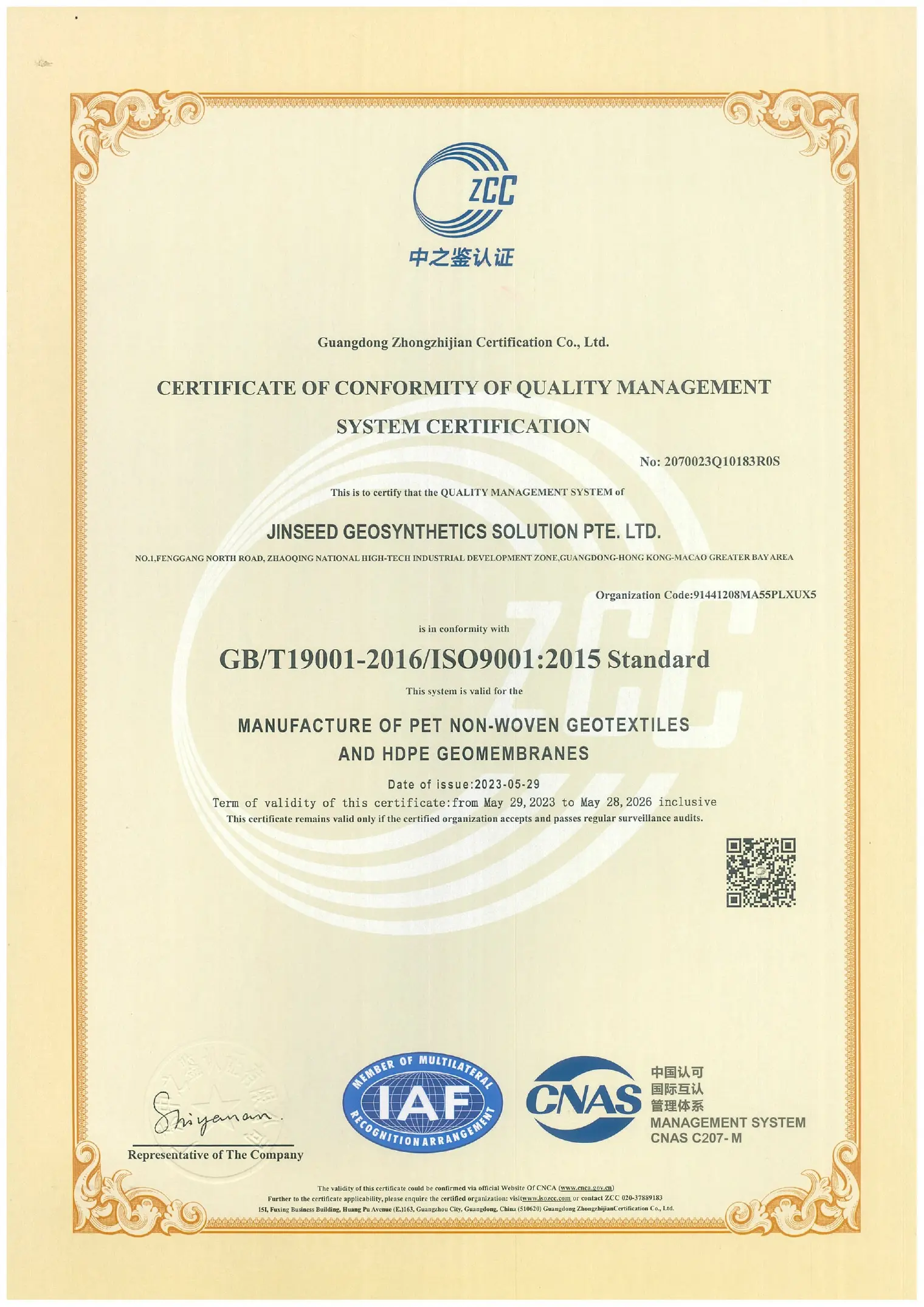
Covers production of our geomembranes and non-woven geotextiles, with regular audits by accredited bodies.
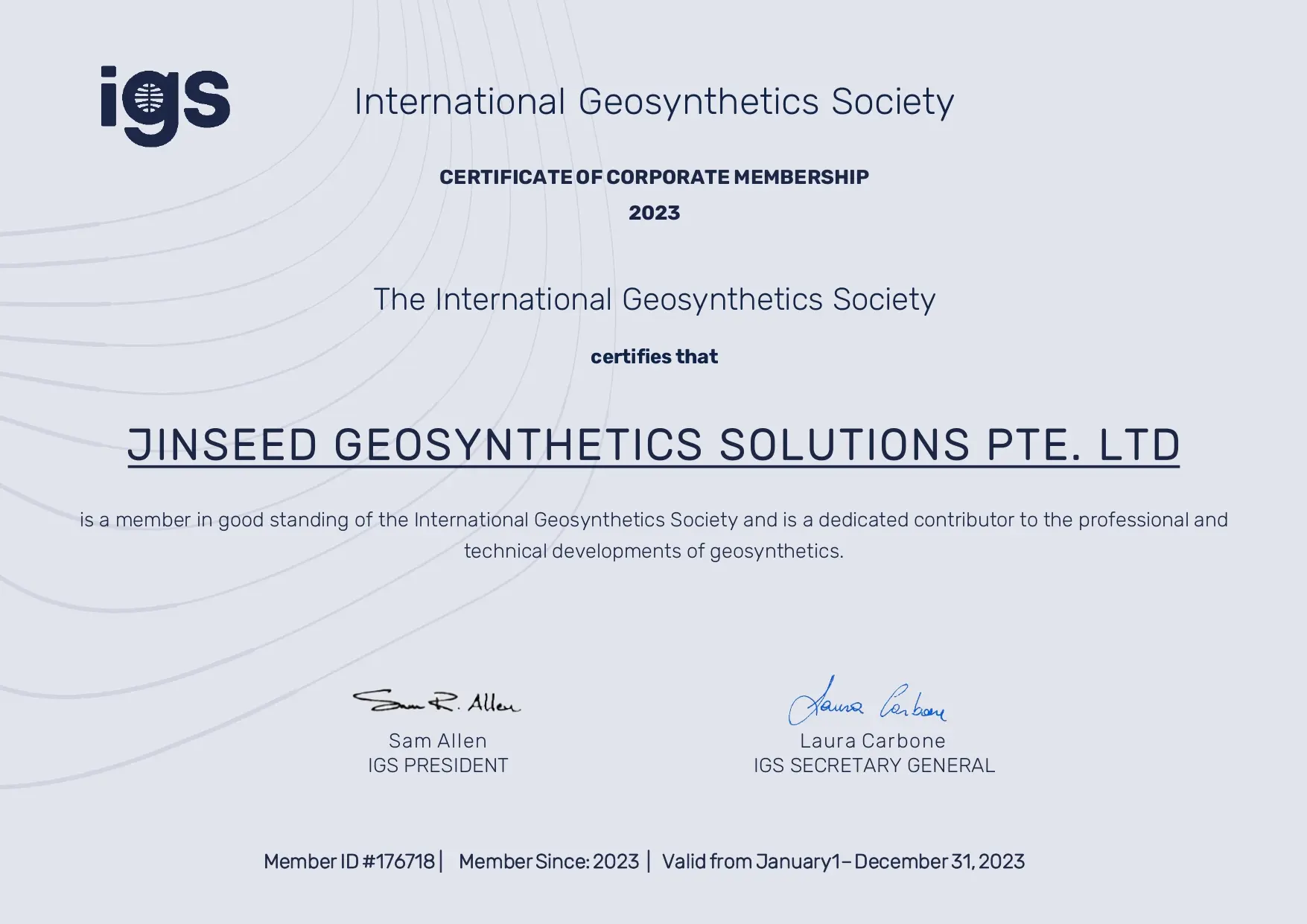
We follow the technical work of the International Geosynthetics Society and its current specifications.
Our in-house test methods line up with third-party laboratories, so results stay consistent.
Buyers can appoint BTTG or TRI Environmental to sample and seal goods before shipment.


Single-sided texture grips the subgrade while the smooth top face lets waste or cover material slide and settle. Double-sided texture is used on slopes of 3:1 or steeper, where the liner must interlock with the subgrade below and the cover soil, geonet or geotextile above. Send us your slope design and we will confirm which face build-up fits.
Standard textured rolls carry a texture height of at least 0.40 mm (16 mil), measured per ASTM D7466. For severe gradients such as 2:1 slopes, our lines can be calibrated to 0.40 mm (16 mil) and above. The guaranteed value is written into the technical data sheet for your order.
Our textured range runs from 1.0 mm to 3.0 mm (40-120 mil). The US EPA Subtitle D benchmark for municipal solid waste landfill base liners is typically 1.5 mm (60 mil). Abrasive mining operations and deep reservoirs usually specify 2.0 mm or higher. Final thickness depends on hydraulic head and subgrade puncture risk.
Trial orders start from 1-3 tons for regular specifications. For export shipments, a full container usually gives a better cost per square meter. Custom texture heights or roll sizes may need a larger minimum.
Standard products are usually produced within 7-15 days after the specification and deposit are confirmed. Custom orders or peak-season schedules typically take 15-25 days. We confirm the delivery date before mass production starts.
Yes. Every batch is tested in our own in-house laboratory, and a technical data sheet is provided for engineering submittals. Free physical samples can be shipped to your office or laboratory, and third-party inspection by BTTG or TRI Environmental can be arranged before loading.
Email us your specification or slope drawing, or message us on WhatsApp. We will come back with a price, a lead time and a loading plan.
Six details are enough for a full quotation. Drawings or tender documents help us quote faster.
182 Cecil Street, Frasers Tower Level 17, Singapore 069547
No. 1 Fenggang North Road, Zhaoqing High-tech Industrial Development Zone