How do oz/yd² and g/m² compare for non-woven geotextile?
One oz/yd² is approximately 33.906 g/m². For example, 4 oz/yd² is about 135.6 g/m² and 8 oz/yd² is about 271.2 g/m². These are unit conversions, not a statement that a particular production grade is available or equivalent. Weight alone does not establish suitability: send the required polymer, test methods, strength, puncture and hydraulic criteria so the proposed PET grade can be checked against your project specification.
What is the difference between PET and PP geotextile?
PET and PP are different polymers, and performance depends on the product grade and exposure. Compare the specified strength, hydraulic properties and durability evidence for the actual conditions. This PET non-woven product is offered for separation, filtration and protection; it must not be substituted for specified structural reinforcement without design approval.
How do I choose the fabric weight?
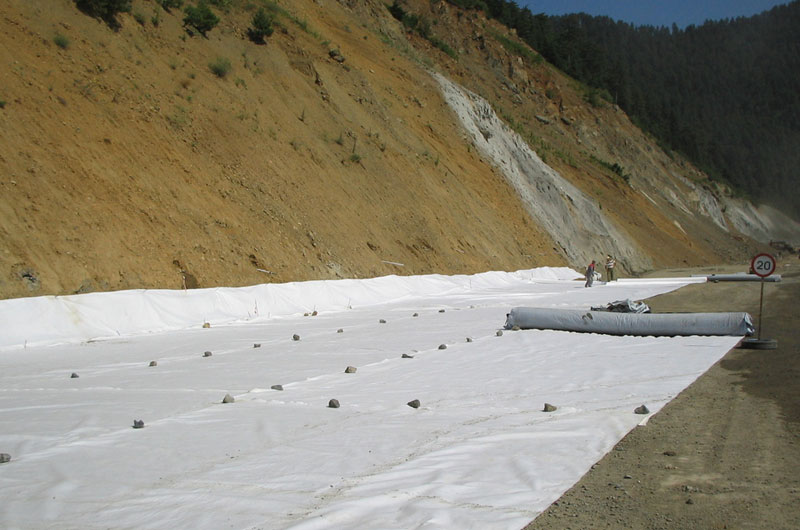
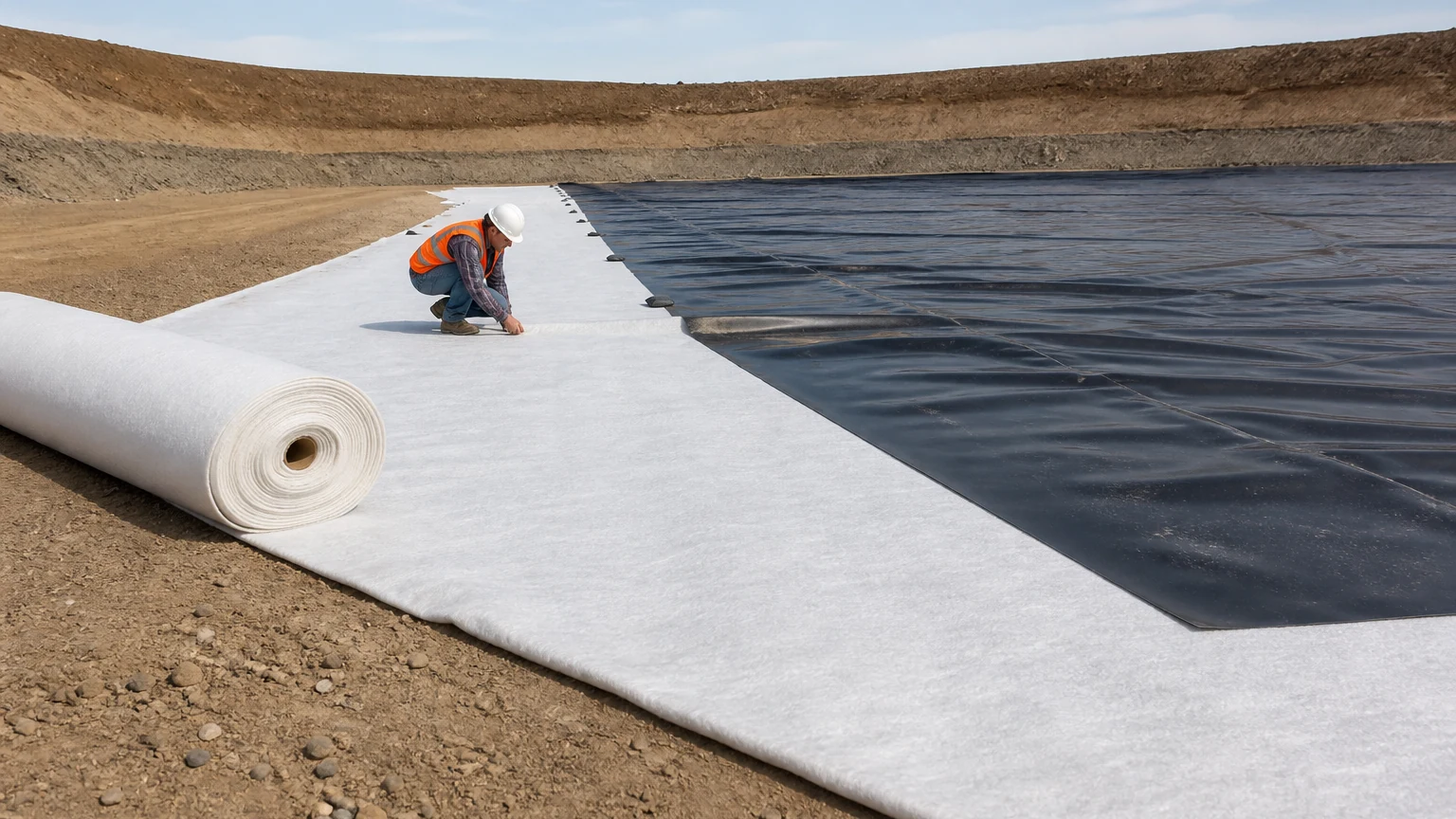
Start with the required function and project acceptance criteria. For filtration, check soil retention and water-flow requirements; for separation, check construction survivability and the specified mechanical properties; for liner protection, evaluate the actual liner, adjacent materials and loading. Fabric weight alone does not establish suitability.
What test reports come with the order?
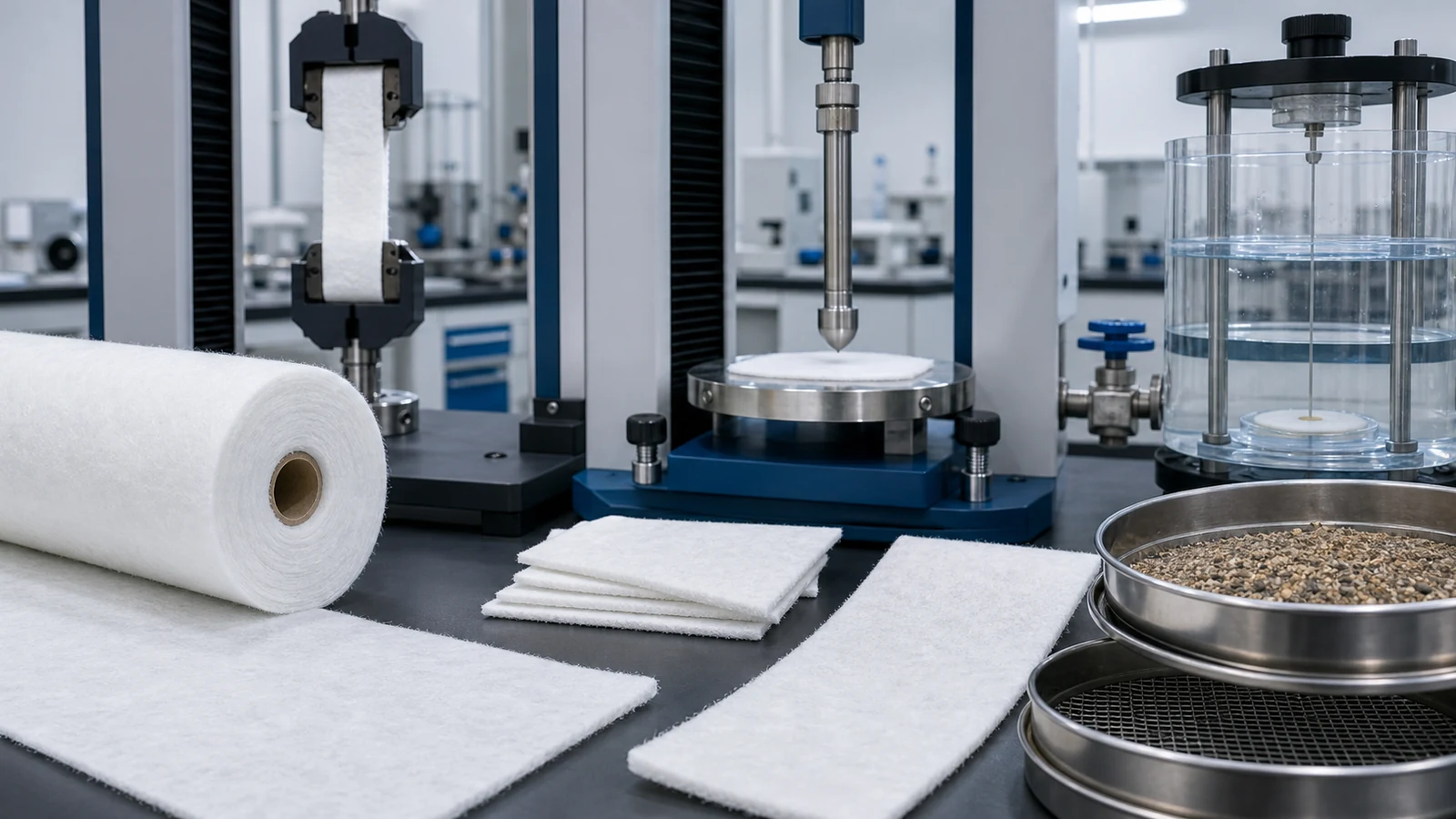
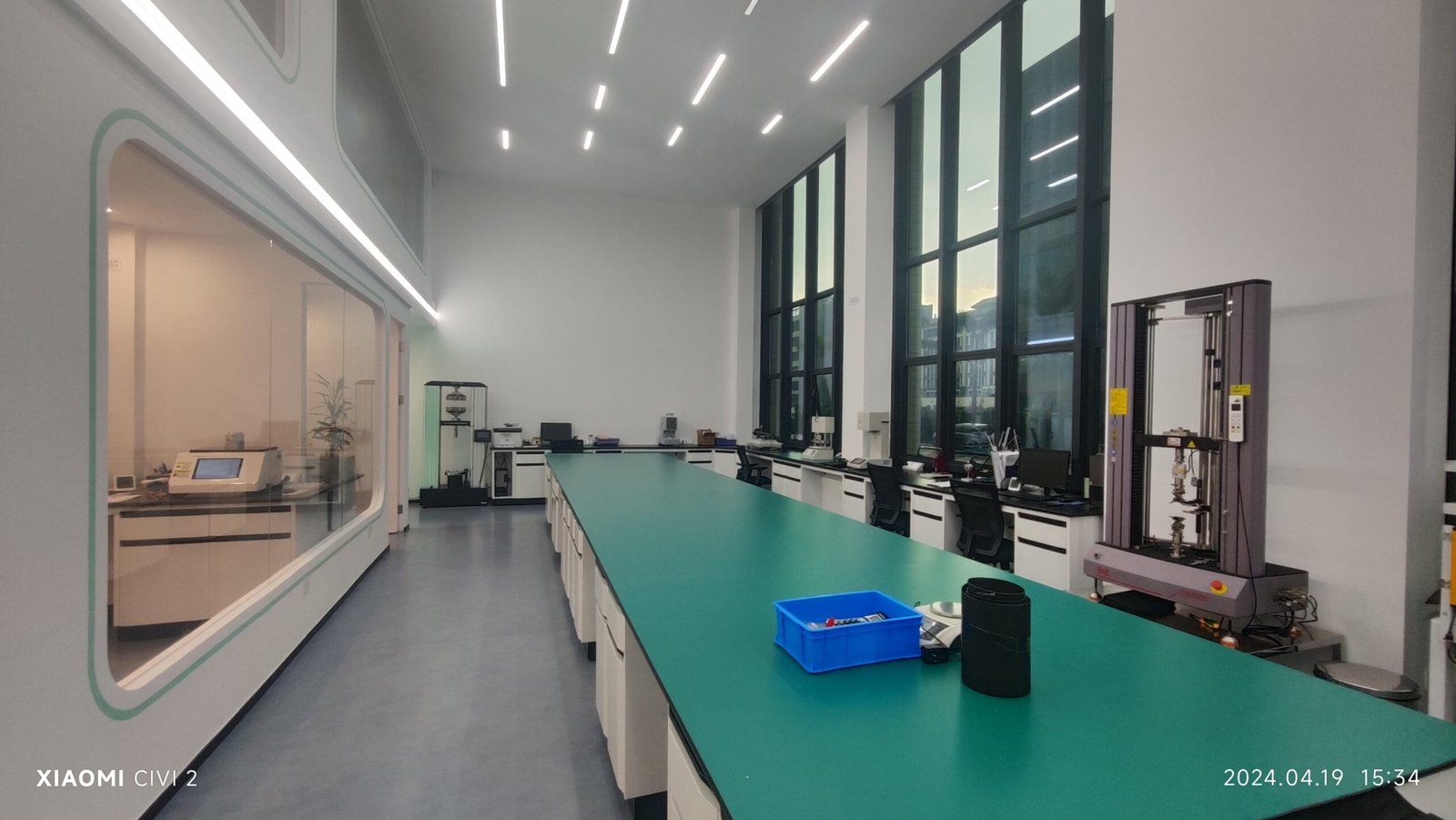
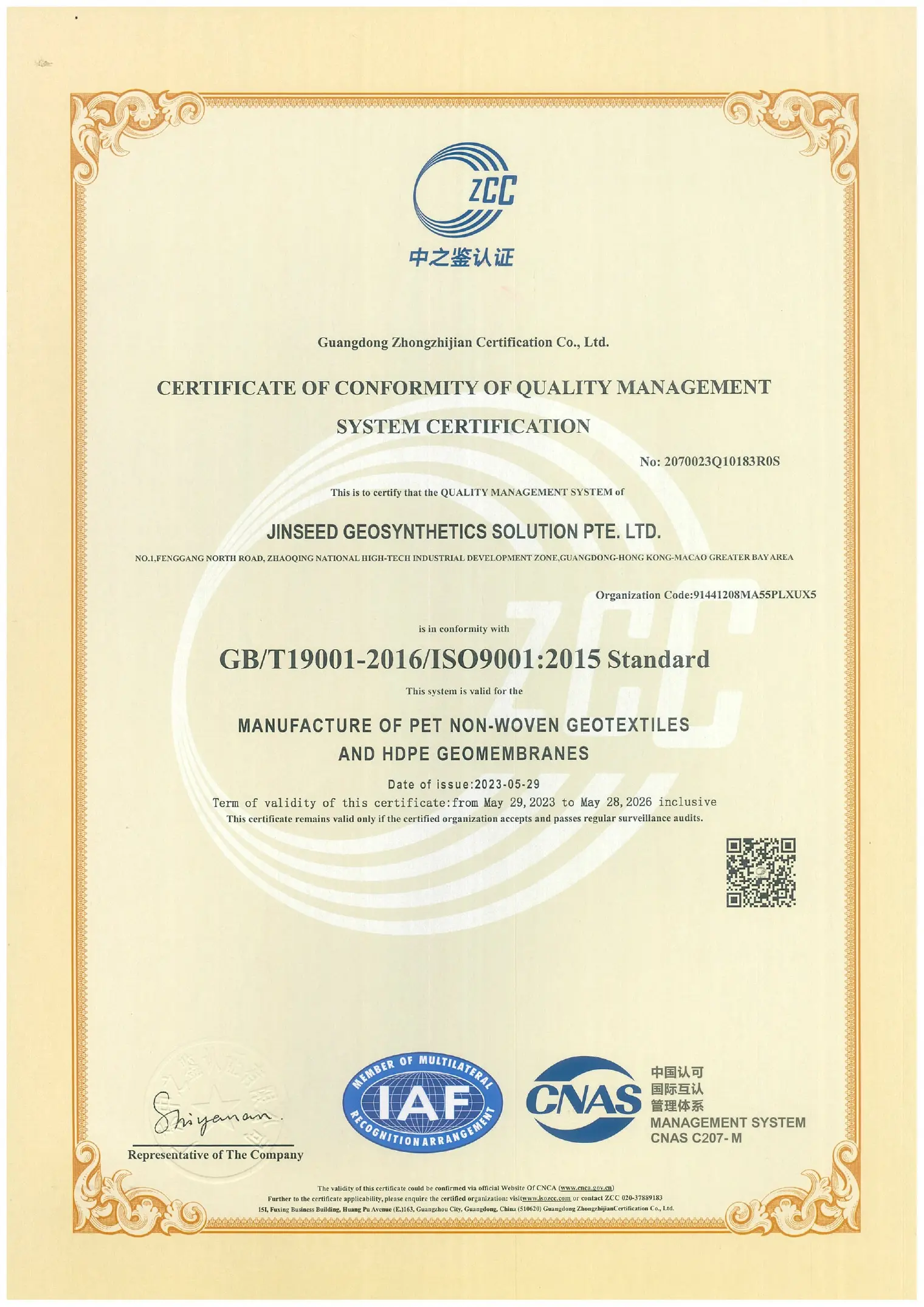
Every order ships with a Manufacturer's Quality Certificate showing the batch results for grab tensile (ASTM D4632), CBR puncture (ASTM D6241) and permittivity (ASTM D4491). If your project needs it, BTTG or TRI Environmental can sample and seal the goods before loading.
What roll sizes can you make?
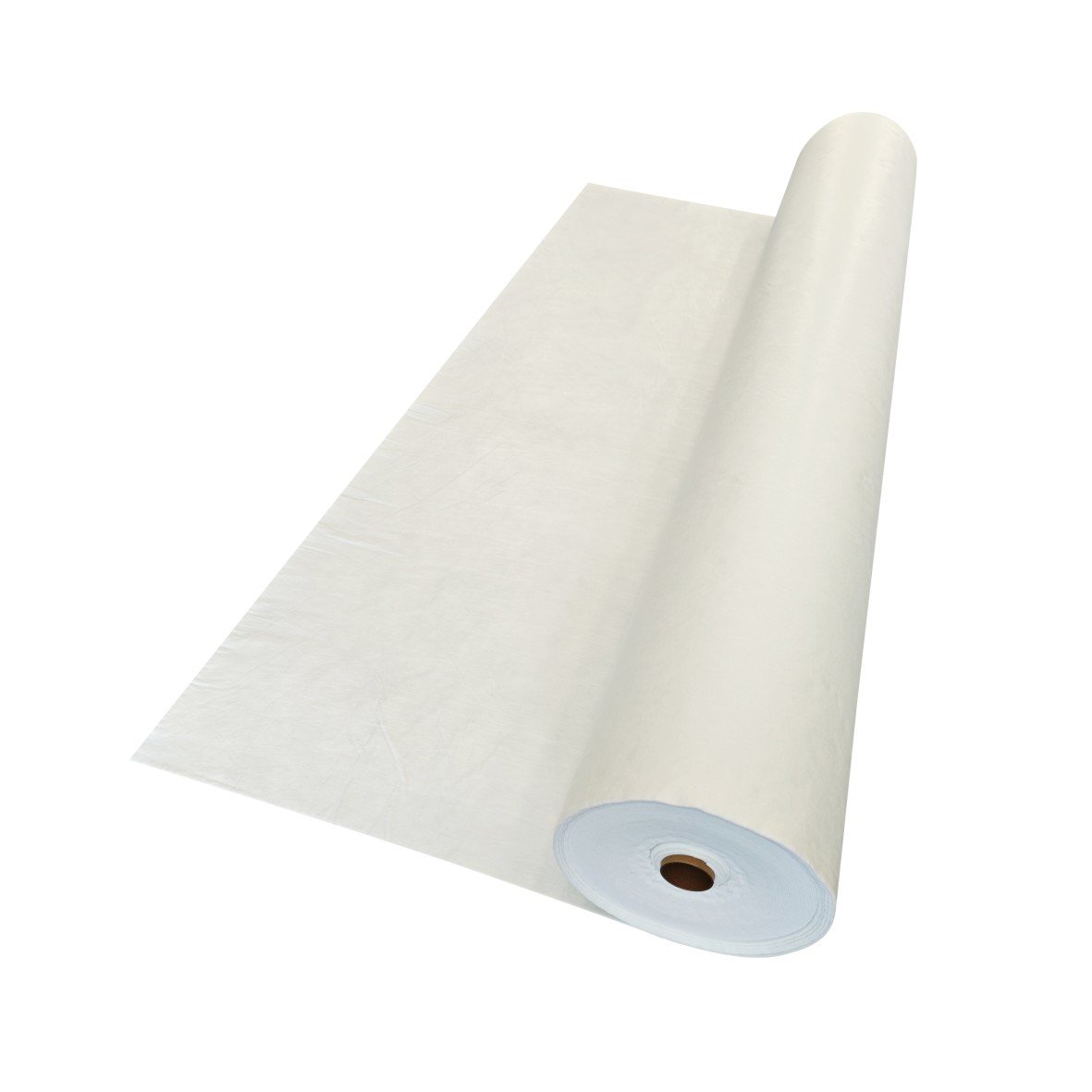
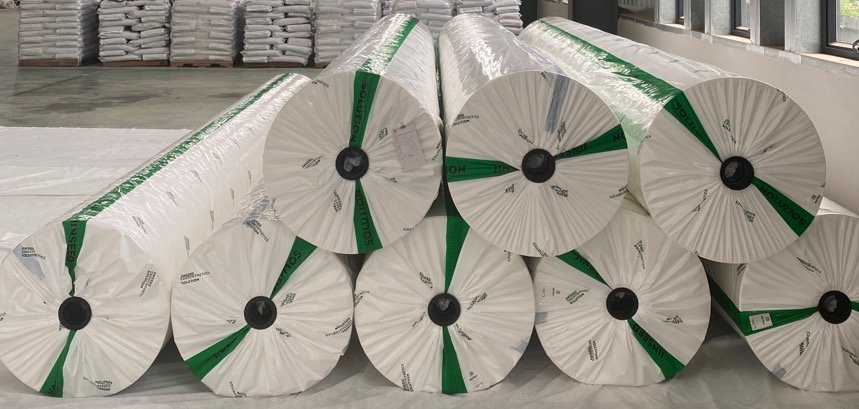
Widths go up to 6 meters. Roll length depends on the weight — for example about 220 m per roll at 200 g/m² and about 75 m at 600 g/m². We can plan roll sizes around your layout to cut field seams.
How much fits in one container?
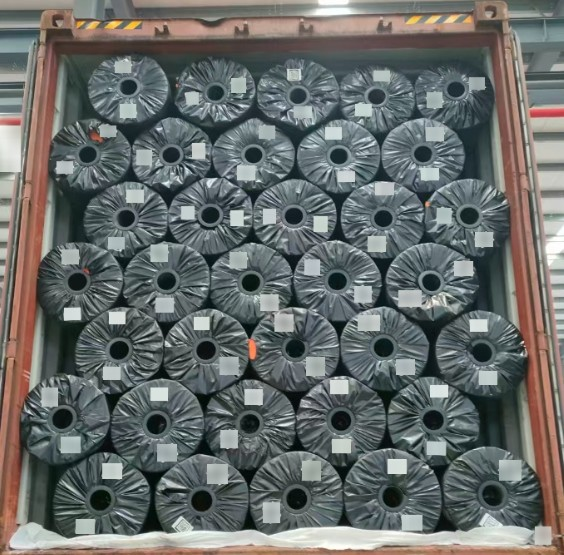
A 40HQ container takes about 38–39 rolls, roughly 10.5 tons. That works out to about 50,000 m² of 200 g/m² fabric, or about 17,000 m² of 600 g/m².
How long can the fabric stay in the sun?
The fabric has UV stabilizers and keeps over 75% of its strength after 500 hours of test exposure, but it is made to be buried. Cover it with soil or aggregate within 48–72 hours of laying it out.
What is the minimum order and the lead time?
Trial orders start from 1–3 tons. Standard production takes 7–15 days after we confirm the specification and receive the deposit; custom orders take 15–25 days.

 Geomembrane Liners
Containment systems for demanding engineering projects.
Geomembrane Liners
Geomembrane Liners
Containment systems for demanding engineering projects.
Geomembrane Liners
 HDPE Geomembrane
Smooth and textured HDPE
HDPE Geomembrane
Smooth and textured HDPE
 LLDPE Geomembrane
Flexible lining applications
LLDPE Geomembrane
Flexible lining applications
 Textured Geomembrane
Higher friction for slopes
Textured Geomembrane
Higher friction for slopes
 Landfill Liner System
Landfill containment materials
Geotextile
Landfill Liner System
Landfill containment materials
Geotextile
 PET Non-Woven Geotextile
Protection and filtration
Geotextile ManufacturerQuality
About
Contact
Request a Quote
PET Non-Woven Geotextile
Protection and filtration
Geotextile ManufacturerQuality
About
Contact
Request a Quote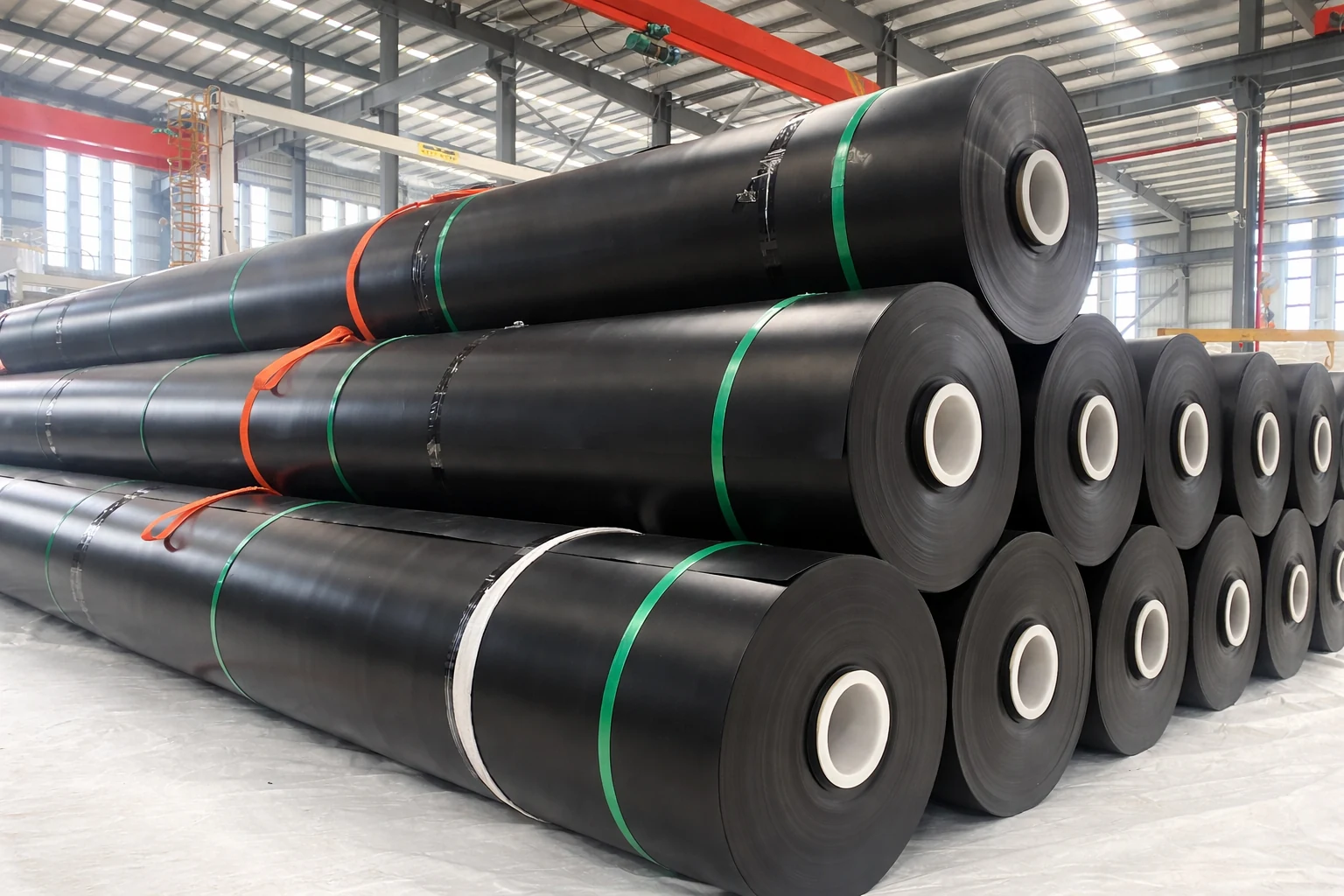 Geomembrane Liners
Containment systems for demanding engineering projects.
Geomembrane Liners
Geomembrane Liners
Containment systems for demanding engineering projects.
Geomembrane Liners
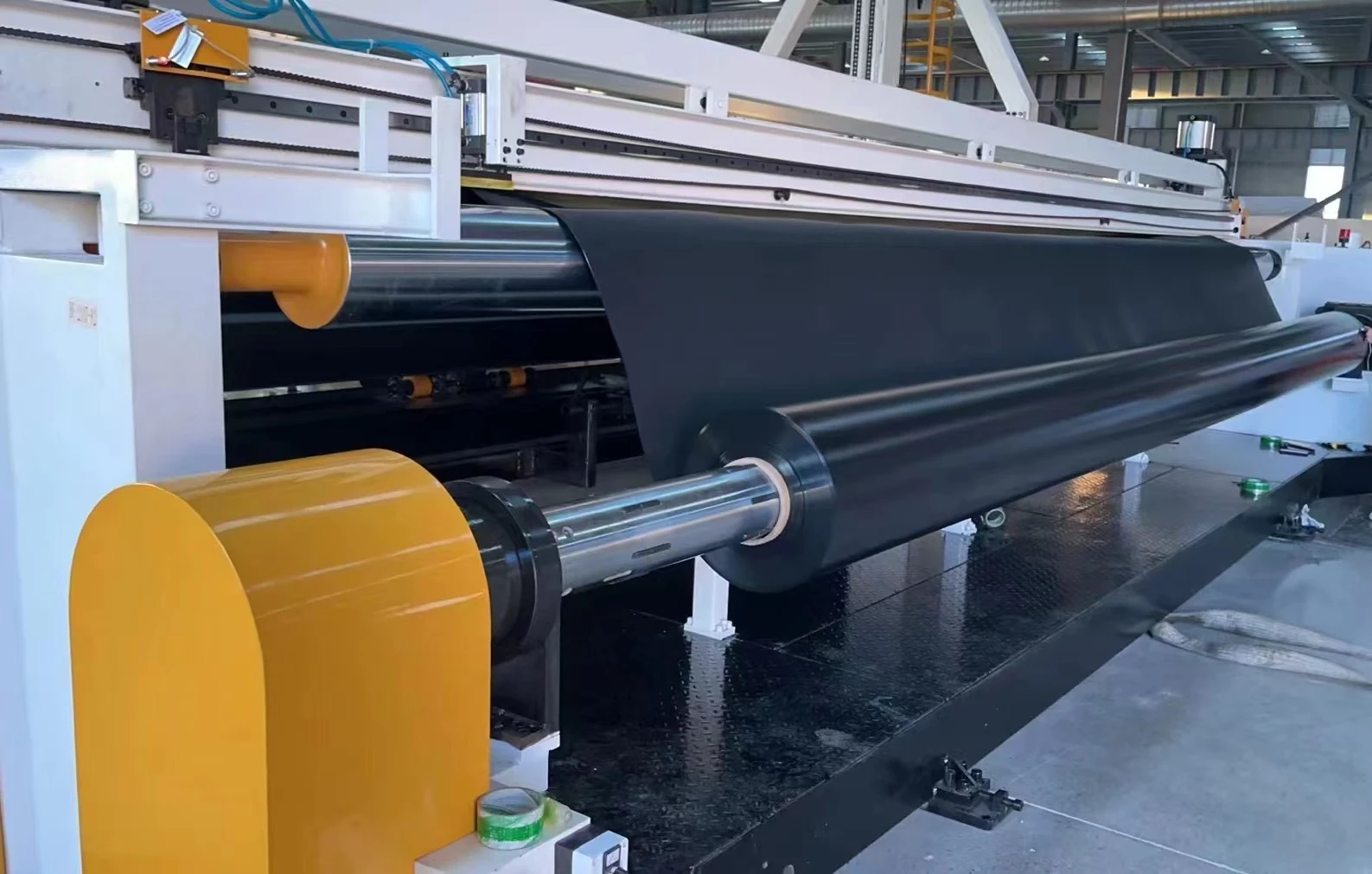 HDPE Geomembrane
Smooth and textured HDPE
HDPE Geomembrane
Smooth and textured HDPE
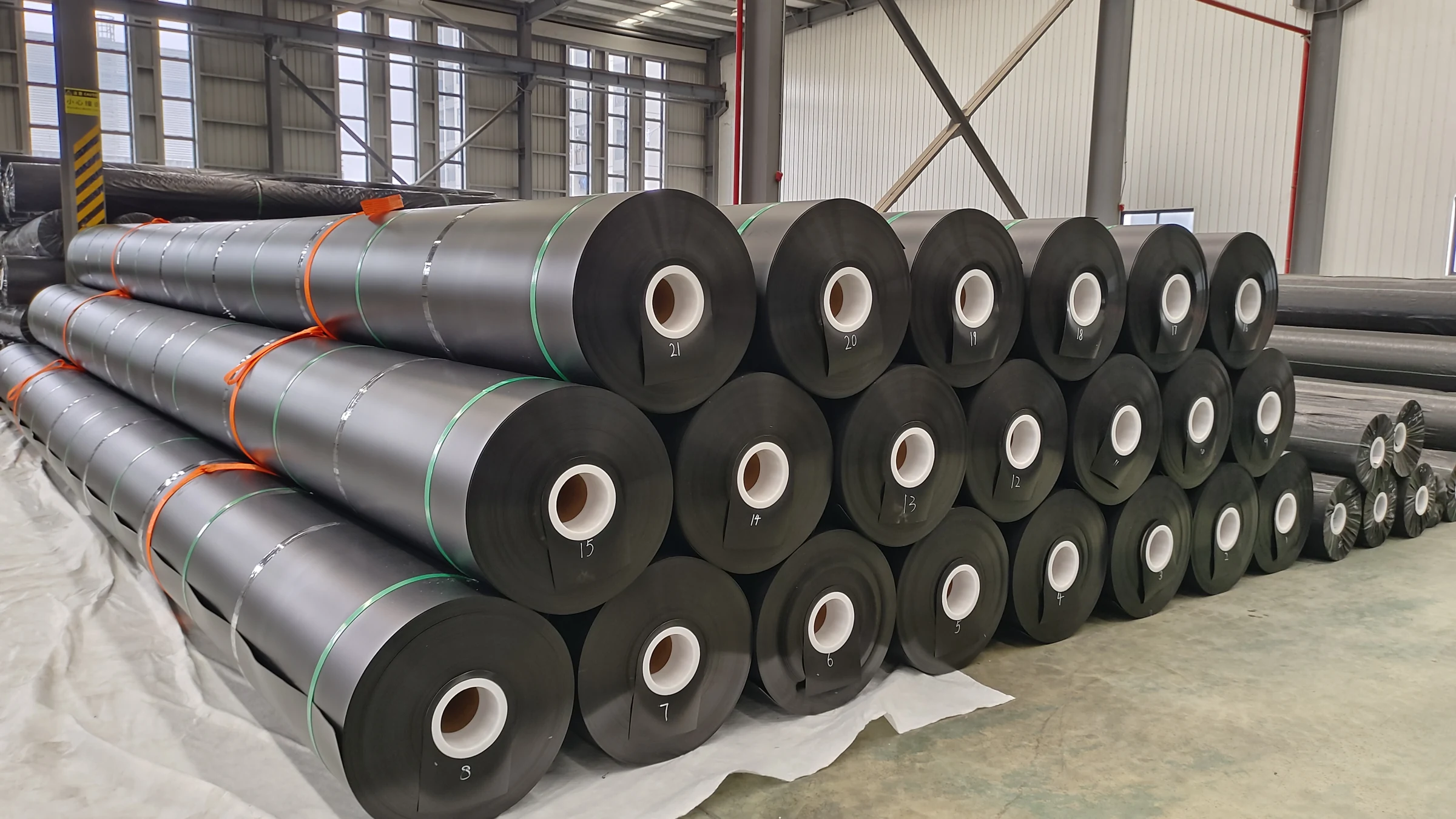 LLDPE Geomembrane
Flexible lining applications
LLDPE Geomembrane
Flexible lining applications
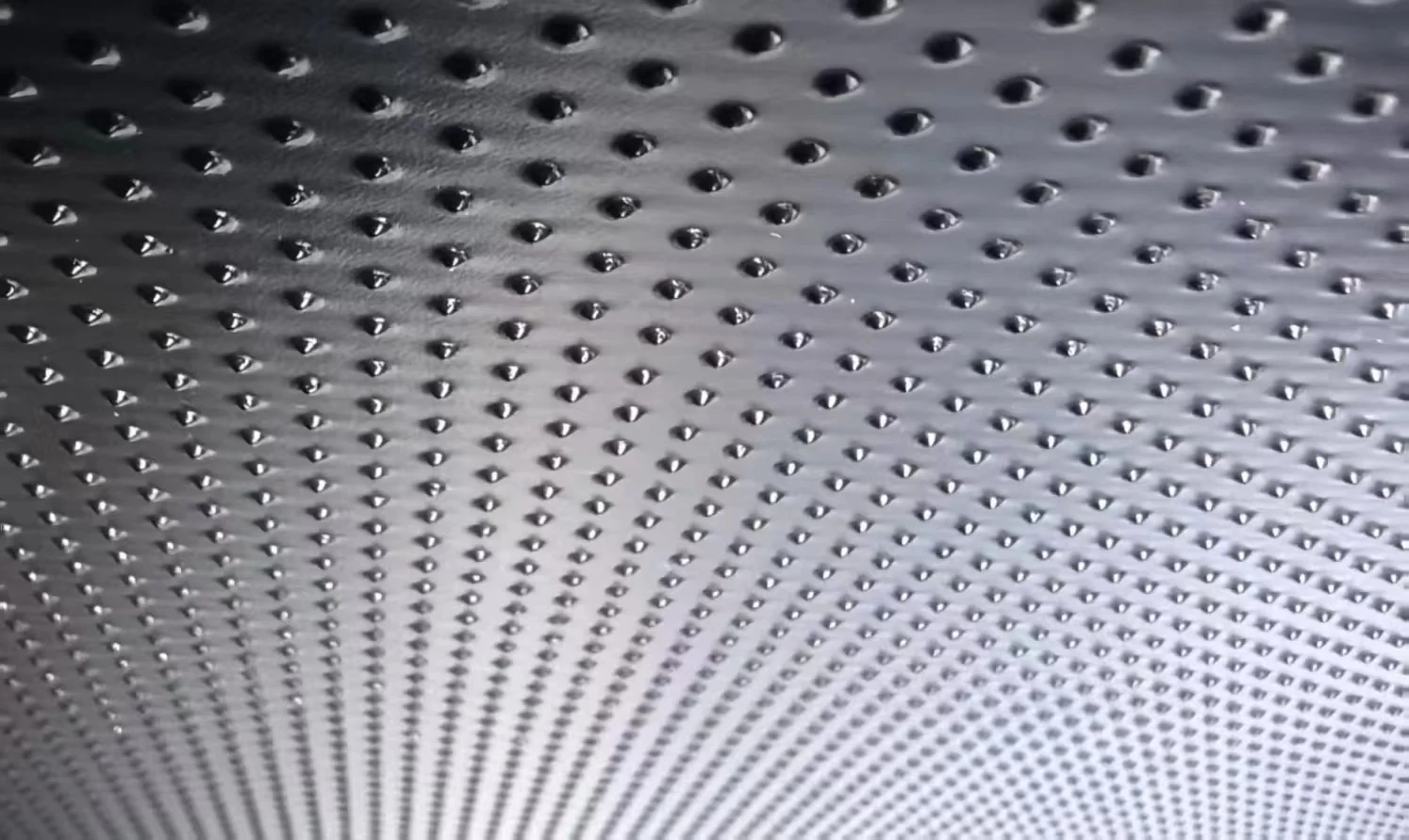 Textured Geomembrane
Higher friction for slopes
Textured Geomembrane
Higher friction for slopes
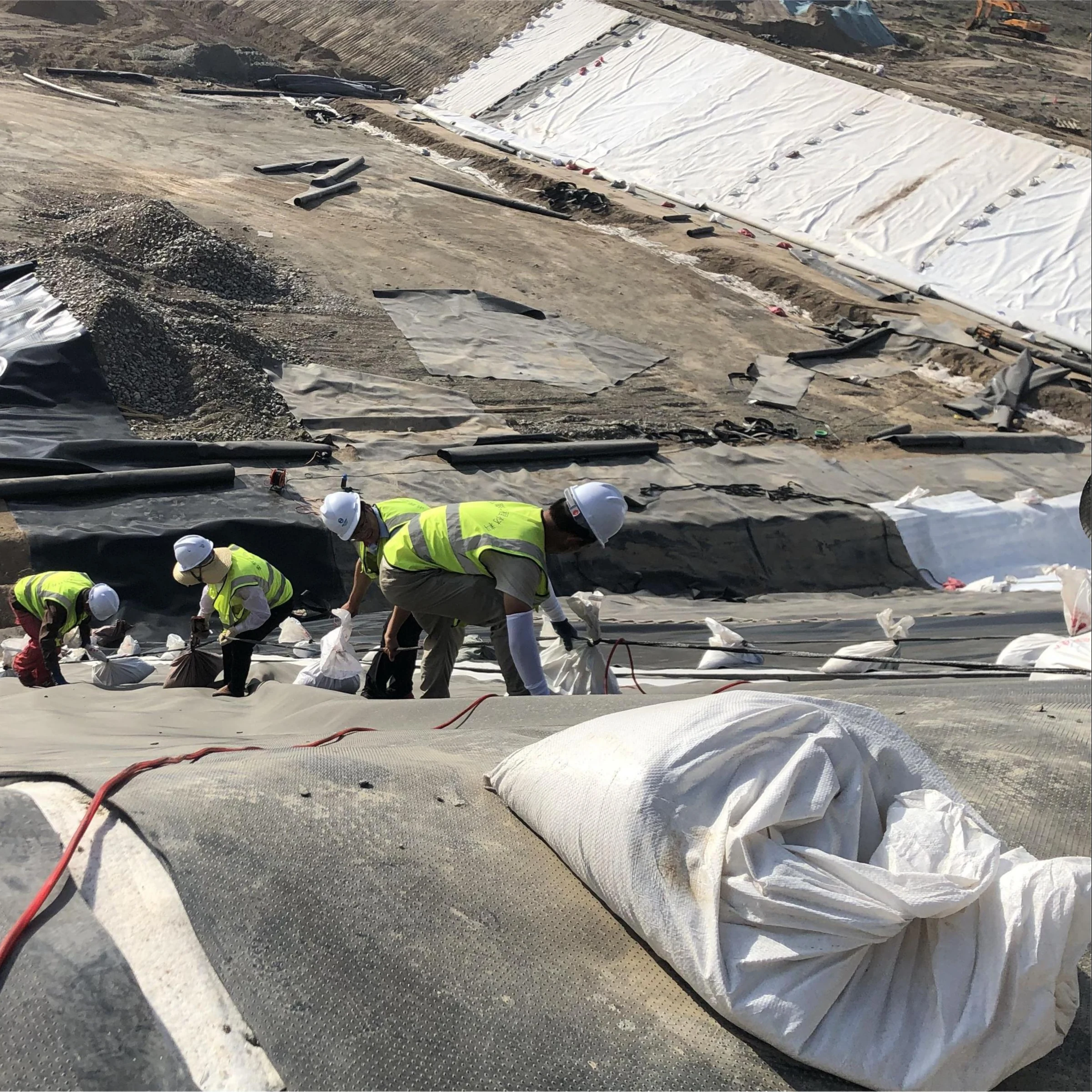 Landfill Liner System
Landfill containment materials
Geotextile
Landfill Liner System
Landfill containment materials
Geotextile
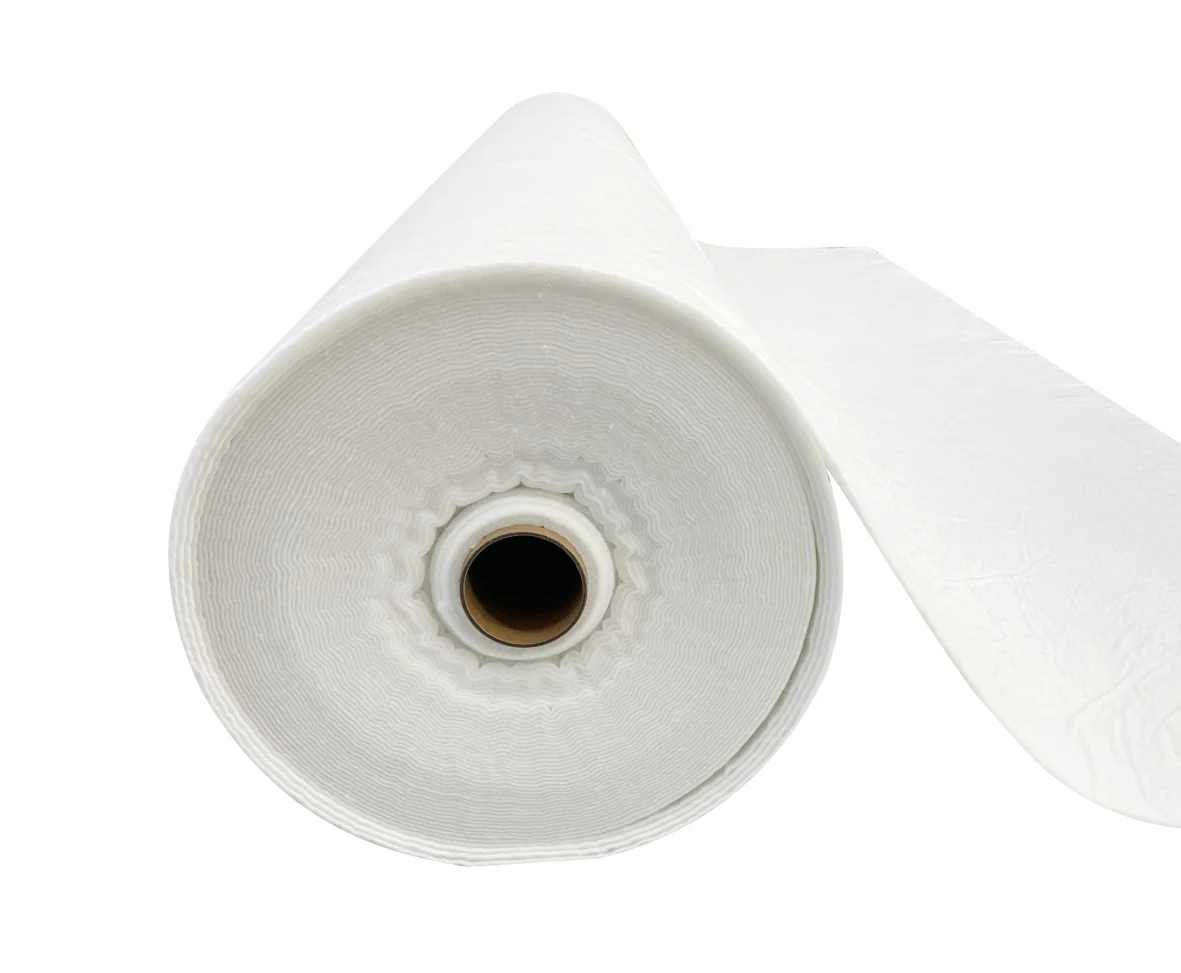 PET Non-Woven Geotextile
Protection and filtration
Geotextile Manufacturer
PET Non-Woven Geotextile
Protection and filtration
Geotextile Manufacturer