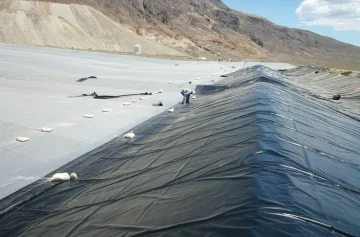
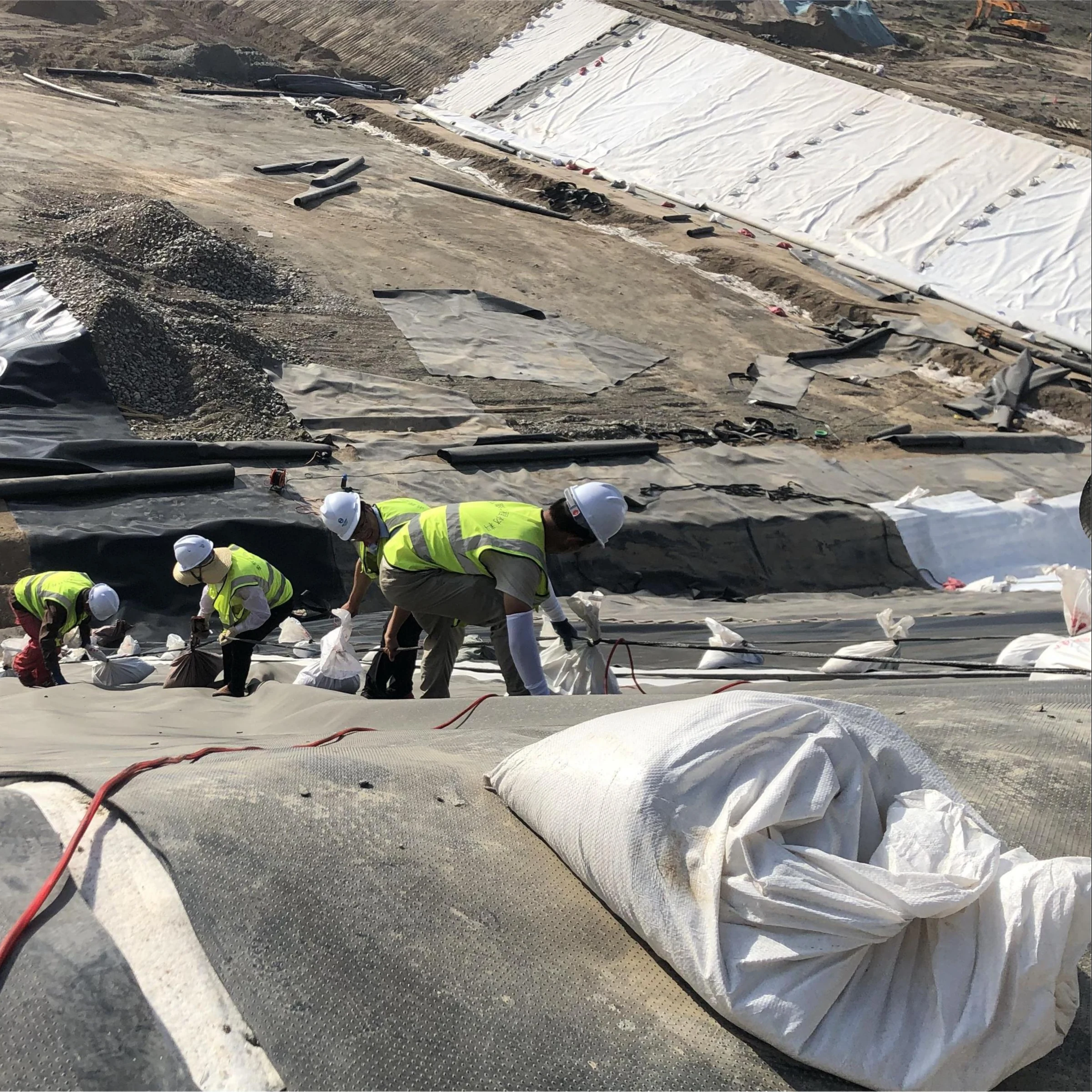

Landfill liner cost cannot be calculated from the geomembrane price alone. A modern landfill lining system may include an HDPE geomembrane, geosynthetic clay liner, protective geotextile, geocomposite drainage net, field welding, anchor trenches, construction quality assurance, leak testing, freight, and protective soil placement.
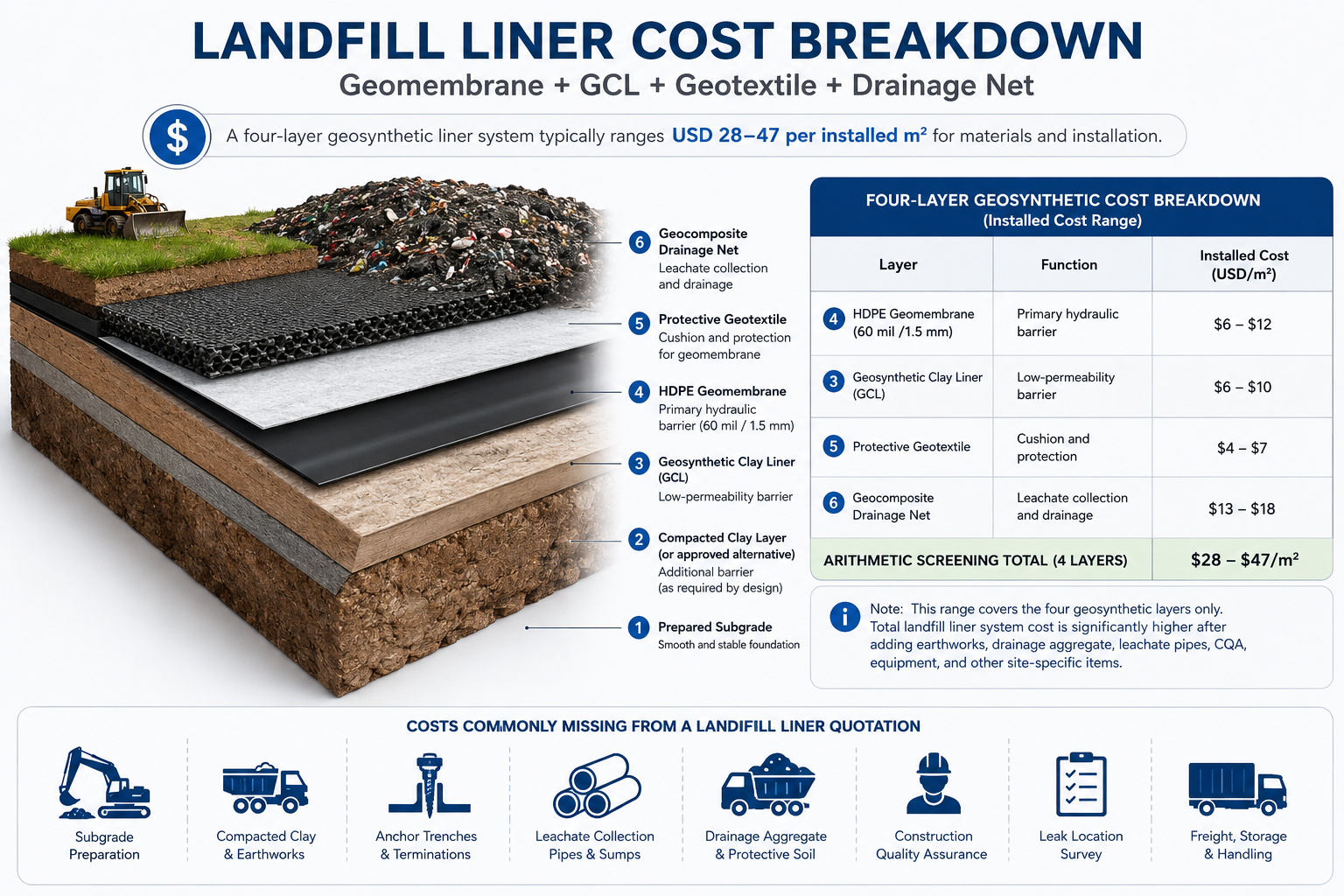
For preliminary budgeting, normalized public bid data from several U.S. landfill projects indicate that the four installed geosynthetic layers alone can fall within an approximate screening range of USD 28 to USD 47 per installed square meter. This range should not be treated as a supplier quotation. It combines separate public bid items from different projects, locations, specifications, quantities, and contractor scopes.
The final landfill liner system cost may be substantially higher after adding earthworks, low-permeability soil, drainage aggregate, leachate pipes, sumps, pumping equipment, construction quality assurance, electrical leak location surveys, taxes, mobilization, and site-specific contingency.
Important: The numbers in this guide are intended for feasibility screening and quotation comparison. A permit-ready budget must be based on approved drawings, project specifications, actual slope geometry, geotechnical conditions, local regulations, and contractor quotations.
Quick Landfill Liner Cost Estimate
Four-Layer Geosynthetic Cost Range
A four-layer system containing geomembrane, GCL, geotextile, and drainage geocomposite can be screened using the following installed cost ranges. The values are normalized from publicly available U.S. landfill bid tabs and rounded to the nearest practical estimating range.
| Landfill Liner Component | Screening Installed Cost | Main Cost Drivers |
|---|---|---|
| 60 mil or 1.5 mm HDPE geomembrane | Approximately USD 6–12/m² | Thickness, textured surface, slope area, welding scope, roll width, resin specification |
| Geosynthetic clay liner | Approximately USD 6–10/m² | Reinforcement type, bentonite loading, overlap treatment, slope stability requirements |
| Protective nonwoven geotextile | Approximately USD 4–7/m² | Mass per unit area, puncture resistance, polymer type, placement and joining method |
| Geocomposite drainage net | Approximately USD 13–18/m² | Core configuration, transmissivity, geotextile lamination, design load and creep reduction |
| Arithmetic screening total | Approximately USD 28–47/m² | Four installed geosynthetic layers only; exclusions vary by project |
These ranges should not be added directly to a tender without reviewing the original scope. One bid item may include unloading and installation, while another may also include testing, anchor trenches, temporary protection, panel layout, or quality-control documentation.
Example Budget for a 100,000 m² Landfill Cell
For a landfill cell with an actual installed liner surface area of 100,000 m², the four-layer geosynthetic package could produce the following early-stage budget:
| Calculation | Low Screening Case | High Screening Case |
|---|---|---|
| Installed liner surface area | 100,000 m² | 100,000 m² |
| Four-layer screening rate | USD 28/m² | USD 47/m² |
| Preliminary geosynthetic package | USD 2.8 million | USD 4.7 million |
This calculation does not automatically include excavation, subgrade preparation, compacted clay, drainage stone, leachate piping, sump construction, pumps, access roads, stormwater systems, construction quality assurance, taxes, or project contingency.
What Is Included in a Landfill Liner System?
Regulatory Liner Versus Procurement Package
The term “landfill liner” is often used too loosely during procurement. It may refer only to a geomembrane roll, or it may describe the complete containment and leachate collection system.
Under the U.S. municipal solid waste landfill design criteria in 40 CFR §258.40, a prescriptive composite liner includes an upper flexible membrane liner and a lower compacted soil component. When HDPE is used, the federal provision specifies a minimum membrane thickness of 60 mil. The regulation also requires the leachate collection system to be designed to maintain less than 30 cm of leachate over the liner.[1]
A project may use an approved performance-based alternative, but approval depends on the regulator, hydrogeological conditions, climate, leachate characteristics, and the overall design. A GCL should therefore not be described as an automatic replacement for the compacted soil layer in every jurisdiction.
Typical Layer Sequence
A representative landfill base liner arrangement may include the following components, although the final sequence varies by permit and design:
- Prepared and compacted subgrade
- Low-permeability compacted soil or approved alternative barrier
- Geosynthetic clay liner
- HDPE geomembrane
- Protective or cushion geotextile
- Geocomposite drainage net or granular drainage layer
- Leachate collection pipes and drainage aggregate
- Protective operations layer before waste placement
Recent public landfill specifications continue to list HDPE geomembrane, GCL, geotextile, and geocomposite as separate sections and quantities. This separation is important because every layer performs a different engineering function and should have its own material specification, installation scope, testing requirements, and payment item.[2]
HDPE Geomembrane Cost
Material Thickness and Surface Type
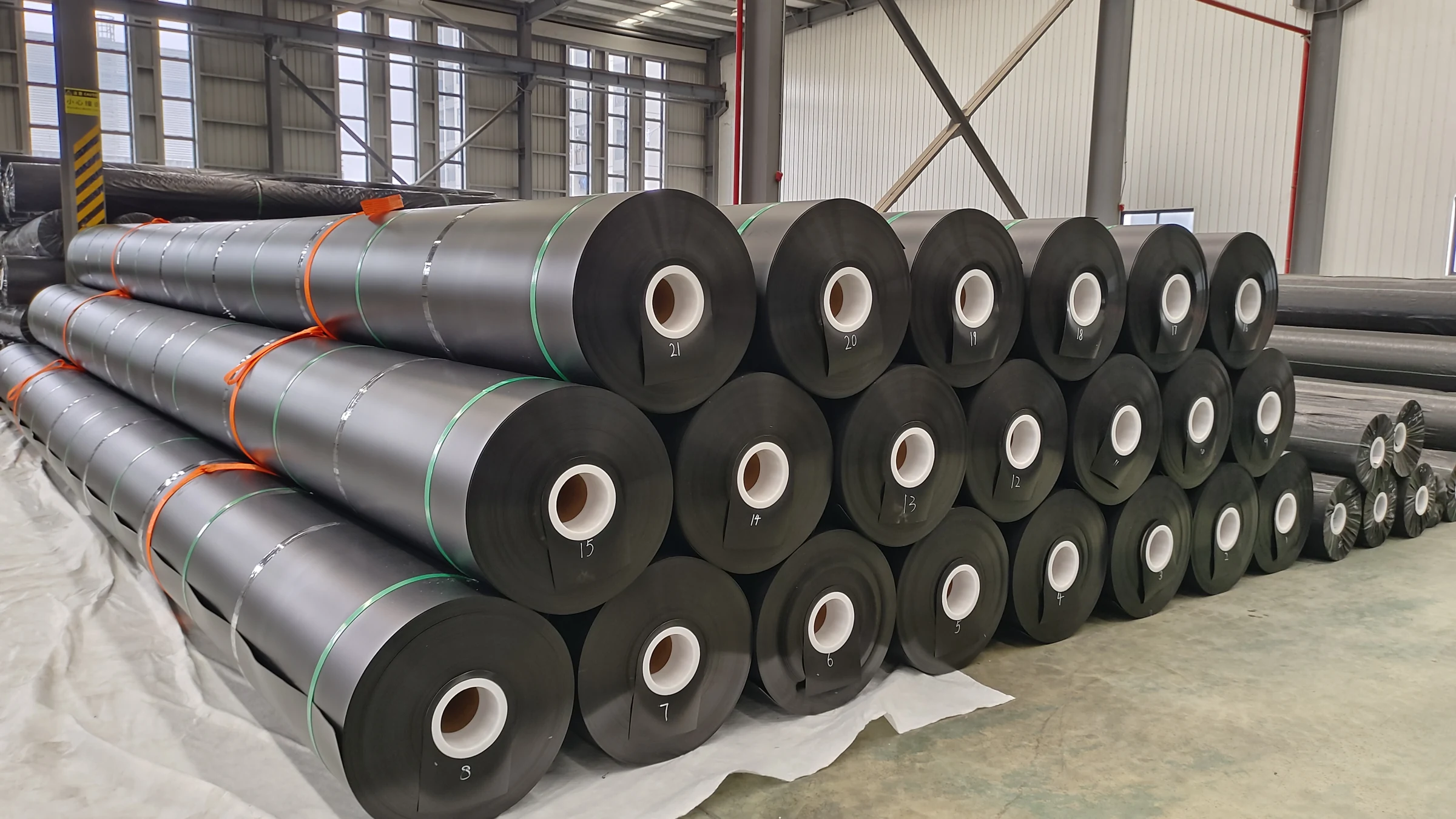
The geomembrane is the primary polymeric hydraulic barrier. For many municipal solid waste landfill applications, the project specification may call for a 60 mil, approximately 1.5 mm, HDPE geomembrane. Thicker products may be selected for more demanding containment conditions, but increasing thickness also increases resin consumption, roll weight, shipping requirements, handling time, and welding difficulty.
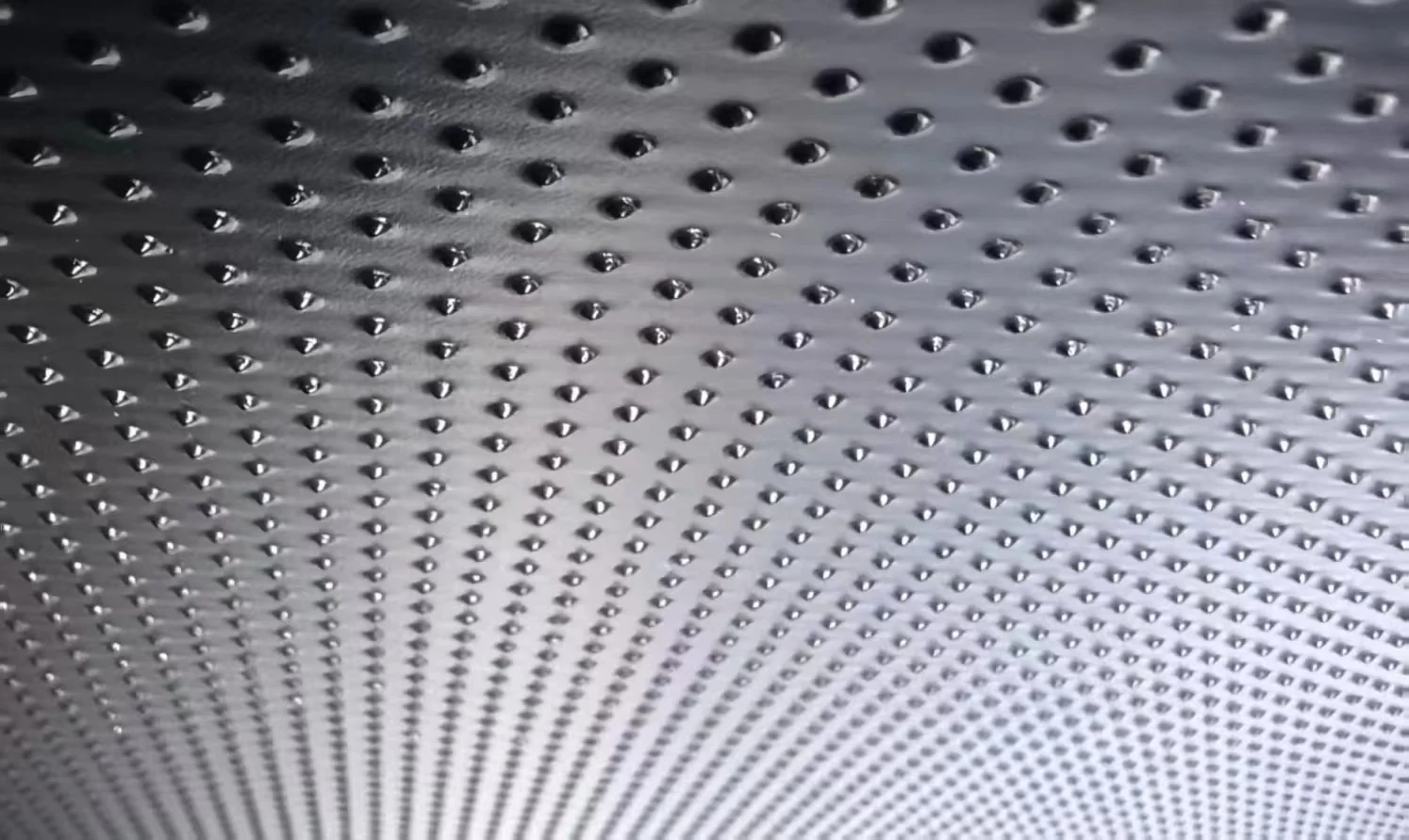
Smooth geomembrane is generally easier to manufacture and weld. Textured geomembrane is commonly considered where interface shear resistance is required on slopes. However, the correct surface configuration must be supported by project-specific interface shear testing rather than selected only from the nominal slope ratio.
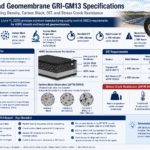
GRI-GM13 is commonly referenced as a baseline specification for smooth and textured HDPE geomembranes. It covers properties such as thickness, density, tensile behavior, tear resistance, puncture resistance, carbon black, oxidative induction time, and stress crack resistance.[3]
Public Bid Evidence for HDPE Geomembrane
The City of Salina’s 2024 MSW landfill cell bid tab listed “Provide and Install Textured 60-mil HDPE Geomembrane” at approximately USD 0.55 to USD 0.85 per square foot across the engineer’s estimate and contractor bids. This converts to approximately USD 5.92 to USD 9.15 per square meter.[4]
The City of Bismarck’s 2024 landfill cell bid tab listed 60 mil HDPE geomembrane at approximately USD 6.20 to USD 10.00 per square yard across the submitted values. This converts to approximately USD 7.42 to USD 11.96 per square meter.[5]
The difference between the two projects does not prove that one supplier was more expensive. The variation may reflect quantity, site location, installer mobilization, panel layout, texture requirements, slope geometry, testing scope, contractor competition, and risk allocation.
Geomembrane Installation Costs
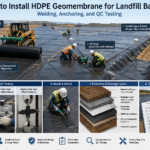
A valid geomembrane quotation should identify whether the price includes:
- Panel layout and deployment planning
- Unloading, storage and roll handling
- Double-track fusion welding
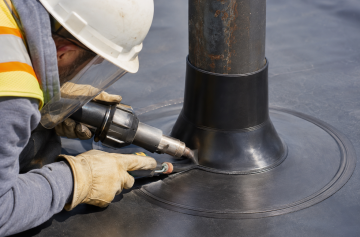
- Extrusion welding at details and repairs
- Trial seams and machine calibration
- Nondestructive seam testing
- Destructive seam samples
- Repairs, patches and as-built panel records
- Anchor trench installation or only liner placement
- Field technician travel, accommodation and mobilization
A low supply-only geomembrane price cannot be compared directly with an installed price that includes field welding, testing and documentation.
Geosynthetic Clay Liner Cost
What the GCL Contributes
A GCL normally contains a thin layer of bentonite supported by or bonded to geosynthetic materials. Once properly confined and hydrated, sodium bentonite develops low hydraulic conductivity. Reinforced needle-punched GCL products can also provide greater internal shear resistance than unreinforced configurations.
The U.S. EPA notes that GCLs can provide low hydraulic conductivity, rapid installation, reduced barrier thickness and potential cost advantages where suitable natural clay is not readily available. The same EPA guidance also stresses that hydraulic performance, bentonite quality, mass per unit area, uniformity, confinement and interface shear behavior must be evaluated for the specific site.[6]
Public Bid Evidence for GCL
The Salina 2024 bid tab listed installed GCL values from approximately USD 0.57 to USD 0.90 per square foot. After conversion, this equals approximately USD 6.14 to USD 9.69 per square meter.[4]
This range should not be interpreted as a universal GCL product price. The bid item may include deployment labor, overlaps, accessory bentonite, repair materials, equipment, documentation and contractor risk.
Variables That Change GCL Cost
- Needle-punched, stitch-bonded or adhesive-bonded construction
- Woven and nonwoven carrier geotextile configuration
- Bentonite mass per unit area and manufacturing tolerance
- Internal shear strength requirements
- Interface shear testing against adjacent materials
- Roll width, roll weight and site lifting capacity
- Overlap width and supplemental bentonite treatment
- Weather protection and allowable exposure time
- Subgrade smoothness and moisture condition
- Penetrations, sumps, corners and tie-in details
GCL should be stored dry and protected against premature hydration. Wet rolls can become difficult to handle, may be rejected by the engineer, and can create replacement and schedule costs that are much larger than the original material saving.
Protective Geotextile Cost
Protection, Filtration and Separation Are Different Functions
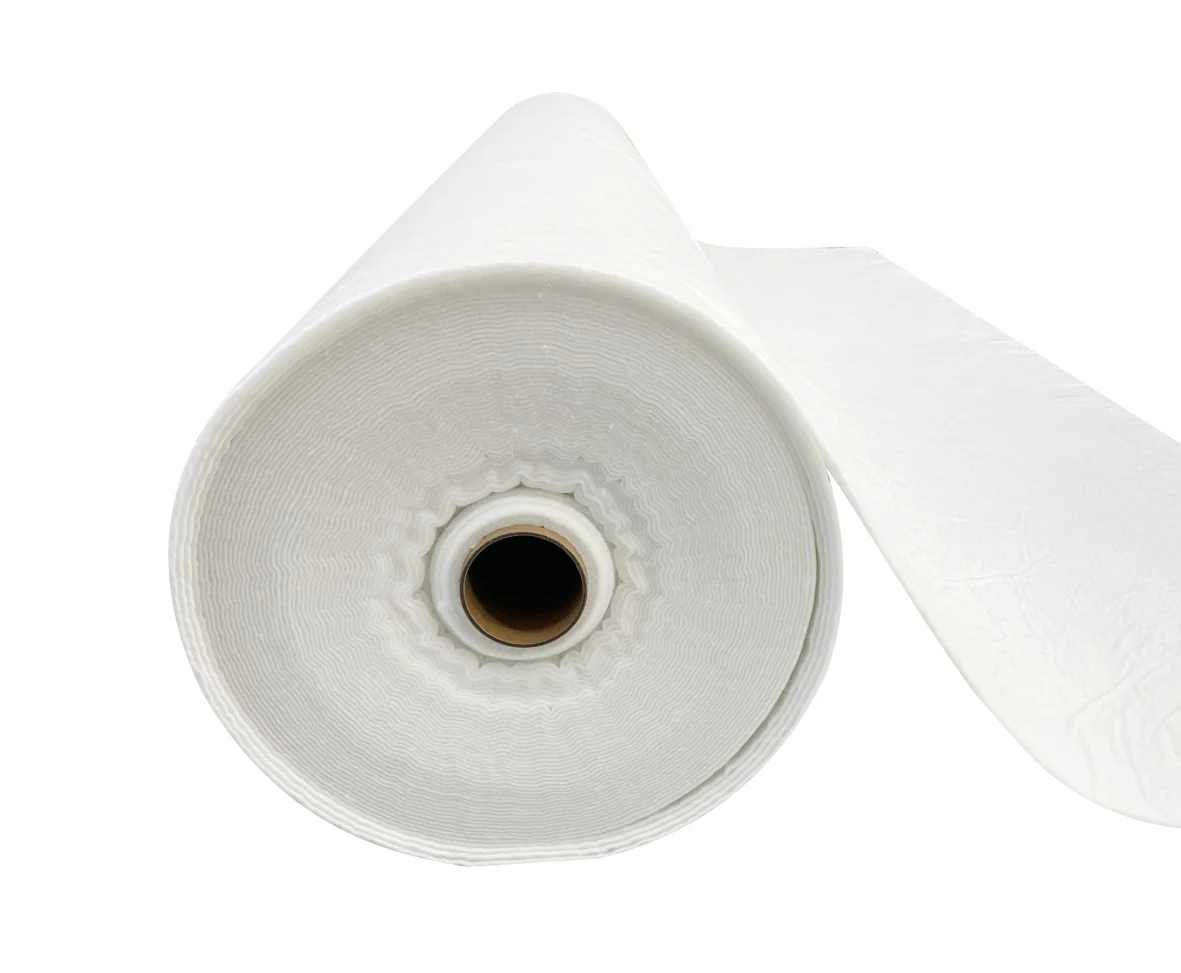
Nonwoven geotextile may be used to cushion the geomembrane against puncture, separate drainage aggregate from adjacent soil, or filter particles while allowing liquid movement. These functions require different design checks.
Specifying geotextile only by grams per square meter is insufficient. The engineer may also need to evaluate puncture resistance, tensile properties, apparent opening size, permittivity, thickness under load, polymer type, chemical compatibility, interface friction and long-term survivability.
Public Bid Evidence for Geotextile
The Bismarck landfill bid tab included a separate geotextile fabric item ranging from approximately USD 3.00 to USD 6.10 per square yard. This converts to approximately USD 3.59 to USD 7.30 per square meter.[5]
The bid description does not establish a universal geotextile grade. Before applying the value to another project, the purchaser must compare mass per unit area, polymer type, puncture requirement, roll dimensions, installation scope and intended function.
Why the Cheapest Geotextile Can Increase Total Cost
A lighter geotextile may reduce the purchase price but fail to provide adequate protection under angular drainage aggregate, heavy equipment loading or waste placement. Conversely, selecting an unnecessarily heavy product without a design basis can add significant cost across a large landfill footprint.
The correct approach is to connect the geotextile specification to a project-specific protection or filtration design, not to select the product only from a familiar mass value.
Geocomposite Drainage Net Cost
Drainage Net Versus Drainage Geocomposite
A drainage net is the polymeric core that provides in-plane flow. A drainage geocomposite normally combines the drainage core with a geotextile bonded to one or both sides.
The geotextile layer can help prevent soil intrusion into the drainage core. However, the complete geocomposite must still be evaluated under the project’s normal stress, hydraulic gradient, boundary conditions, seating time and expected service period.
Public Bid Evidence for Drainage Geocomposite
The Bismarck 2024 bid tab listed a geocomposite drainage layer at approximately USD 10.50 to USD 15.00 per square yard. This converts to approximately USD 12.56 to USD 17.94 per square meter.[5]
The drainage layer was the highest-cost individual geosynthetic item in that particular comparison. This does not mean drainage geocomposite will always be the most expensive layer. Product configuration, thickness, geotextile lamination, transmissivity requirement and installation scope can change the result.
Why Nominal Thickness Is Not Enough
Drainage capacity can decrease under long-term compression. EPA technical material notes that geonet and geocomposite flow capacity is affected by applied load, hydraulic gradient, seating period, polymer creep, geotextile intrusion, chemical effects and biological effects.[7]
A quotation should therefore provide transmissivity data under boundary and loading conditions that represent the landfill design. Comparing two drainage products only by core thickness or roll weight can lead to an invalid cost comparison.
Costs Commonly Missing from a Landfill Liner Quotation
Subgrade Preparation
Geomembrane and GCL cannot compensate for a poorly prepared subgrade. Excavation, grading, proof rolling, removal of sharp objects, soft-area repair, moisture conditioning and final survey may be separate contract items.
Irregular subgrade conditions also increase liner consumption because the installed surface area is greater than the two-dimensional plan area.
Compacted Low-Permeability Soil
Where the approved liner design includes compacted soil, the cost may cover borrow-source investigation, excavation, hauling, processing, moisture conditioning, lift placement, compaction testing and protection against drying or freezing.
GCL should not be deducted from the compacted soil budget unless the approved design explicitly allows the substitution or reduced soil thickness.
Anchor Trenches and Terminations
Anchor trenches require excavation, temporary stability, liner placement, backfilling and compaction. Complicated perimeter geometry, multiple benches and tie-ins to existing cells increase both material waste and labor.
Leachate Collection Pipes and Sumps
The drainage geocomposite does not replace the complete leachate collection and removal system. Perforated pipes, solid conveyance pipes, cleanouts, sumps, pumps, risers, tanks, valves, power supply and controls may be priced separately.
Protective Soil and Drainage Aggregate
Granular drainage layers and protective soil can become major cost items because of quarry distance, hauling capacity, placement restrictions and the need to avoid damaging the installed geomembrane.
Equipment may be prohibited from operating directly on exposed geosynthetics. The contractor may need controlled pushing methods, temporary haul routes and minimum cover thickness before normal equipment traffic is permitted.
Construction Quality Assurance
Construction quality assurance is different from the installer’s internal quality control. The owner may appoint an independent CQA team to document subgrade acceptance, material deliveries, roll numbers, panel placement, seams, repairs, destructive tests, nondestructive tests and final as-built conditions.
A quotation should state whether laboratory testing, CQA personnel, survey work and final certification reports are included.
Electrical Leak Location Survey
An electrical leak location survey may be required after installation or after placement of a cover layer. The applicable method depends on whether the geomembrane is exposed or covered and whether the system has been designed to support the test.
This service is often a separate lump-sum item and should not be assumed to be included in ordinary seam testing.
Freight, Storage and Handling
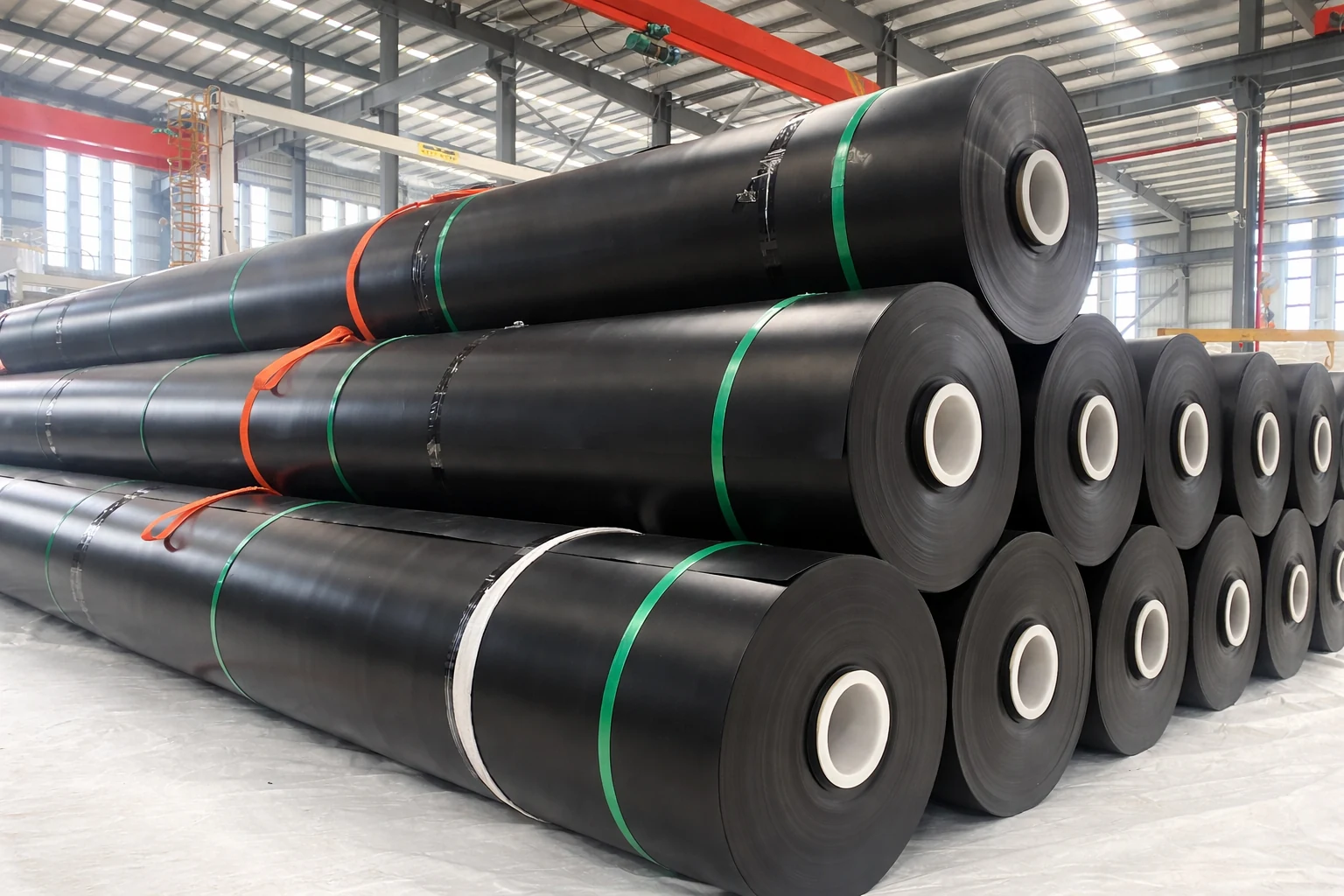
Freight depends on manufacturing location, container or truck capacity, roll dimensions, port charges, inland transportation, unloading equipment and delivery sequence.
Large rolls may reduce field seams but require heavier lifting equipment. Smaller rolls can simplify handling but increase the number of overlaps or welds. The lowest freight cost and the lowest installation cost are not always achieved by the same roll configuration.
How to Calculate the Required Liner Quantity
Do Not Use Plan Area Alone
The correct material takeoff should include the actual three-dimensional surface of the base and slopes. It should also include anchor trenches, benches, sumps, pipe penetrations, tie-ins, overlaps, repairs and cutting waste.
A basic purchasing model is:
Purchase quantity = Installed base and slope area + anchor trenches + overlaps + detail allowance + cutting waste + contingency
There is no universal percentage that is correct for every landfill. A simple rectangular cell with wide rolls may have relatively low waste, while an irregular cell with multiple slopes, penetrations and existing-cell tie-ins can require a much higher allowance.
Separate Installed Area from Purchased Area
Supplier quotations are commonly based on delivered roll area. Contractor payment may be based on plan area, surveyed installed area or accepted area excluding overlaps. These quantities are not automatically equal.
The tender documents should state:
- How quantities will be measured
- Whether overlaps are paid separately
- Whether anchor trenches are included
- Who owns unused full rolls
- How damaged material is allocated
- Whether repair patches are incidental
- Whether taxes and freight are included
How Design Decisions Change Landfill Liner Cost
Smooth Versus Textured Geomembrane
Using textured geomembrane only where interface shear resistance is required may reduce unnecessary cost. However, changing surface type across the cell adds panel transitions, welding details, inventory management and quality-control requirements.
The final selection should follow slope stability and interface shear analysis rather than a general rule that all slopes require the same texture.
GCL Versus Locally Available Compacted Clay
GCL may reduce excavation, hauling and barrier thickness where suitable clay is unavailable. In locations with an economical nearby clay source, a compacted soil liner may remain competitive.
The comparison must also account for landfill airspace. A thinner approved barrier can preserve disposal capacity, which may have greater economic value than the direct material saving. That value is project-specific and should be calculated by the owner’s engineer.
Drainage Geocomposite Versus Granular Drainage Layer
A geocomposite drainage layer can reduce excavation and imported aggregate quantities, but its long-term transmissivity must remain adequate under design loading. A granular drainage layer may require large hauling and placement volumes but can offer different long-term hydraulic behavior.
The correct comparison is a lifecycle and performance comparison, not a simple cost-per-square-meter comparison.
Wide Rolls Versus Narrow Rolls
Wide rolls can reduce total field seam length and installation time on large open areas. Their disadvantages may include higher roll weight, more difficult placement on irregular slopes and the need for larger lifting equipment.
Panel optimization should be completed before ordering. Changing roll width after the panel layout is finalized can increase waste and create unnecessary field seams.
How to Compare Landfill Liner Quotations
Require a Layer-by-Layer Bill of Quantities
Do not accept a single combined rate called “landfill liner system” unless the complete scope is attached. Require separate quantities and prices for:
- Smooth HDPE geomembrane
- Single-sided or double-sided textured geomembrane
- Geosynthetic clay liner
- Protective geotextile
- Drainage net or drainage geocomposite
- Accessories and supplemental bentonite
- Deployment and field welding
- Anchor trenches and terminations
- Quality-control testing
- Independent CQA
- Leak location survey
- Freight, unloading and storage
Confirm the Technical Basis
Each proposed product should be checked against the approved project specification. For geomembrane, the submittal should identify the resin formulation, nominal thickness, surface type, roll dimensions, manufacturing quality-control data and relevant test results.
For GCL, review bentonite properties, mass per unit area, reinforcement, internal shear strength and interface shear data. For geotextile, review the actual protection or filtration criteria. For drainage geocomposite, review long-term transmissivity under representative boundary conditions.
Identify Exclusions Before Comparing Price
A quotation may appear lower because it excludes mobilization, unloading, accessory materials, field repairs, destructive testing, travel, taxes or final documentation.
Create a commercial comparison table and normalize every bidder to the same scope before selecting the lowest price.
Check Production and Delivery Capacity
For large landfill cells, production sequence and delivery reliability can affect the construction schedule. Ask the supplier to confirm:
- Monthly production capacity for the specified thickness
- Available roll width and length
- Maximum roll weight
- Batch traceability
- Testing and document release time
- Container or truck loading plan
- Expected production lead time
- Delivery sequence matched to panel installation
A low-priced material that arrives out of sequence can leave prepared subgrade exposed and delay the installer, CQA team and earthworks contractor.
Landfill Liner Procurement Checklist
Information to Send for an Accurate Quote
- Approved liner cross-section
- Plan drawings and slope dimensions
- Total base, slope and anchor trench area
- Geomembrane polymer, thickness and texture
- Applicable GRI, ASTM or project-specific requirements
- GCL reinforcement and bentonite requirements
- Geotextile function and required properties
- Drainage geocomposite transmissivity requirements
- Roll width or lifting limitations
- Project location and delivery terms
- Required installation and testing scope
- Construction schedule and phased delivery plan
Documents to Request from the Supplier
- Technical data sheet
- Manufacturing quality-control certificate
- Roll and batch identification system
- Recent third-party laboratory reports where required
- Installation guidelines
- Storage and handling requirements
- Typical roll dimensions and weights
- Packaging and container loading details
- Warranty terms and exclusions
- Project-specific compliance statement
Final Cost Review
The most common landfill liner budgeting mistake is treating the HDPE geomembrane price as the total liner cost. In a four-layer geosynthetic system, the drainage geocomposite, GCL, protective geotextile, installation, testing and site logistics can equal or exceed the geomembrane cost.
For early feasibility work, a normalized screening allowance of approximately USD 28 to USD 47 per installed square meter can be used for the geomembrane, GCL, geotextile and drainage geocomposite package. The range must then be adjusted using the actual project geometry, regulatory design, material properties, local labor, freight, earthworks, drainage aggregate, leachate infrastructure and CQA requirements.
A defensible estimate should show every layer separately, identify what is included and excluded, and distinguish historical public bid evidence from current supplier quotations. That approach produces a budget that can survive engineering review instead of a low headline number that increases after construction begins.
Technical Sources and Cost References
- Electronic Code of Federal Regulations, 40 CFR §258.40, Design Criteria
- County of Lake, Eastlake Sanitary Landfill Phase 1 Cell Construction Bid Documents
- Geosynthetic Institute, GRI-GM13 Standard Specification for HDPE Geomembranes
- City of Salina, MSWLF Cell 21 Construction, 2024 Bid Tabulation
- City of Bismarck, Landfill Cell 2 Construction Project, 2024 Bid Award and Bid Tabulation
- U.S. Environmental Protection Agency, Geosynthetic Clay Liners Used in Municipal Solid Waste Landfills
- U.S. Environmental Protection Agency Archive, Geocomposite Drainage Capacity and Long-Term Reduction Factors