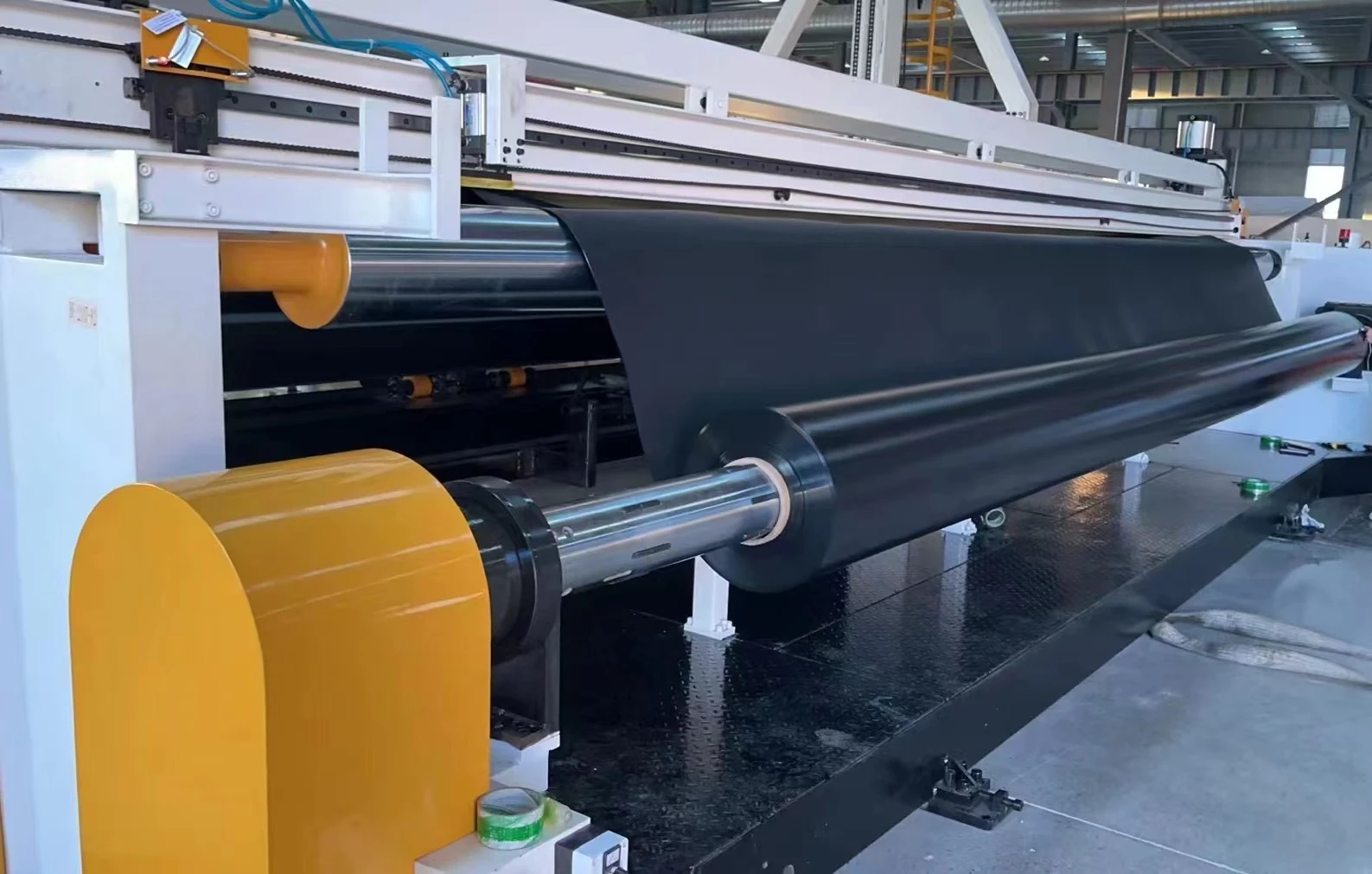
HDPE Geomembrane Manufacturer We extrude HDPE and LLDPE geomembranes and PET geotextiles in our own factory, test every batch in-house, and ship directly to your site.
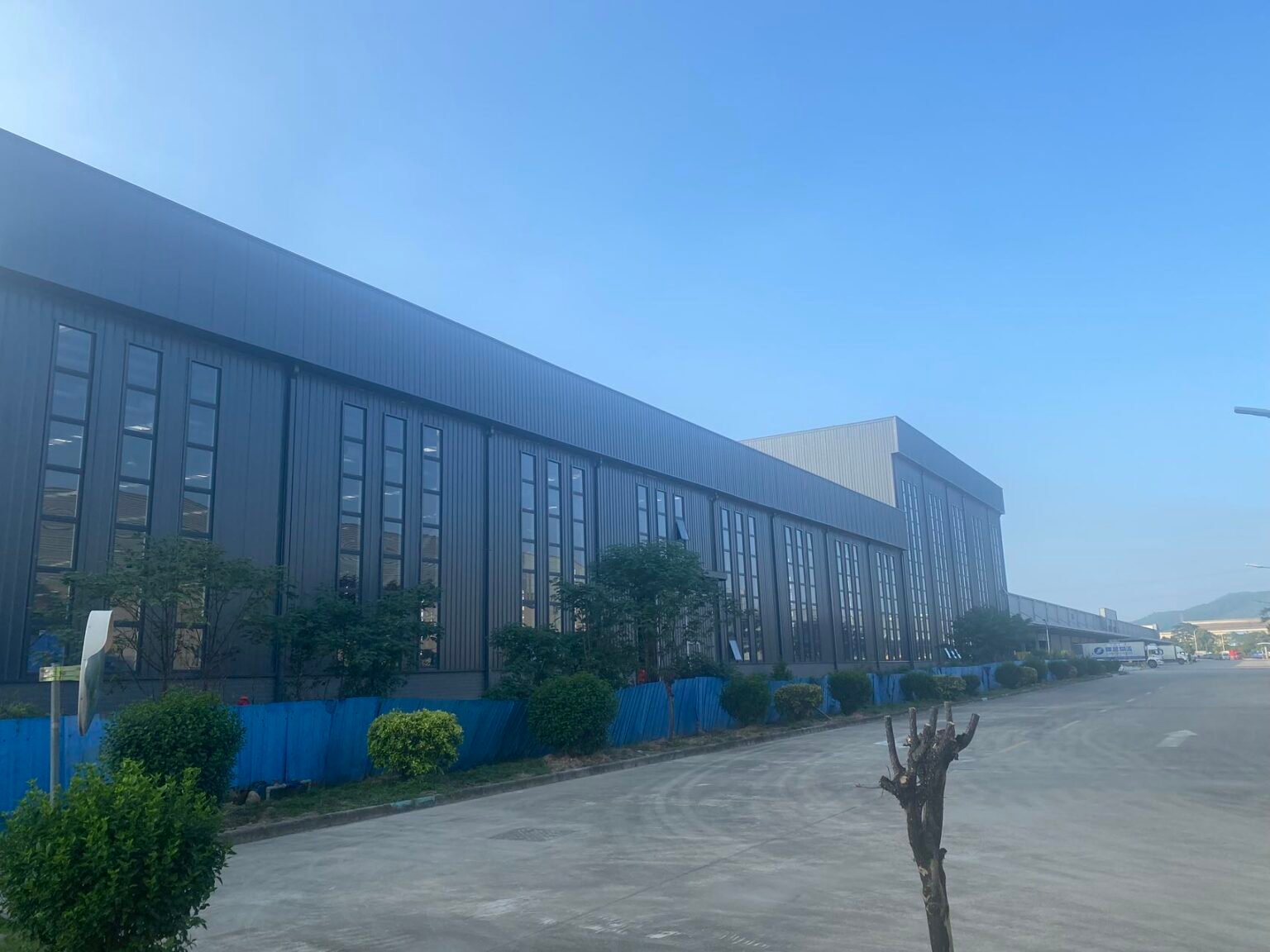
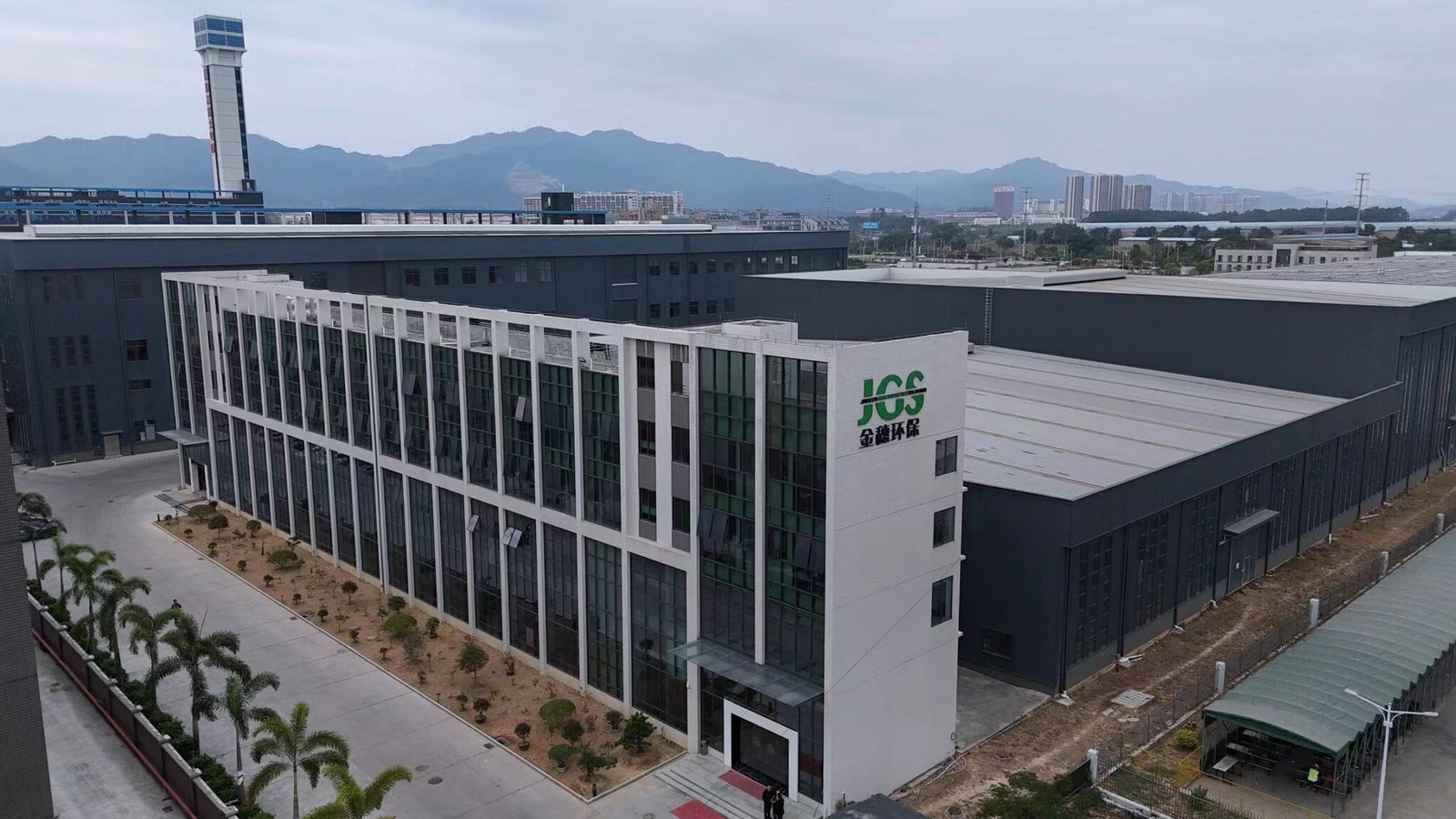
Head office in Singapore Factory in Zhaoqing, Guangdong
15 + Years in business
30 M+ m² Supplied every year
50 + Countries we ship to
20,000 t HDPE capacity per year
What we make Three product lines. If the spec you need isn't listed, ask — we probably extrude it.
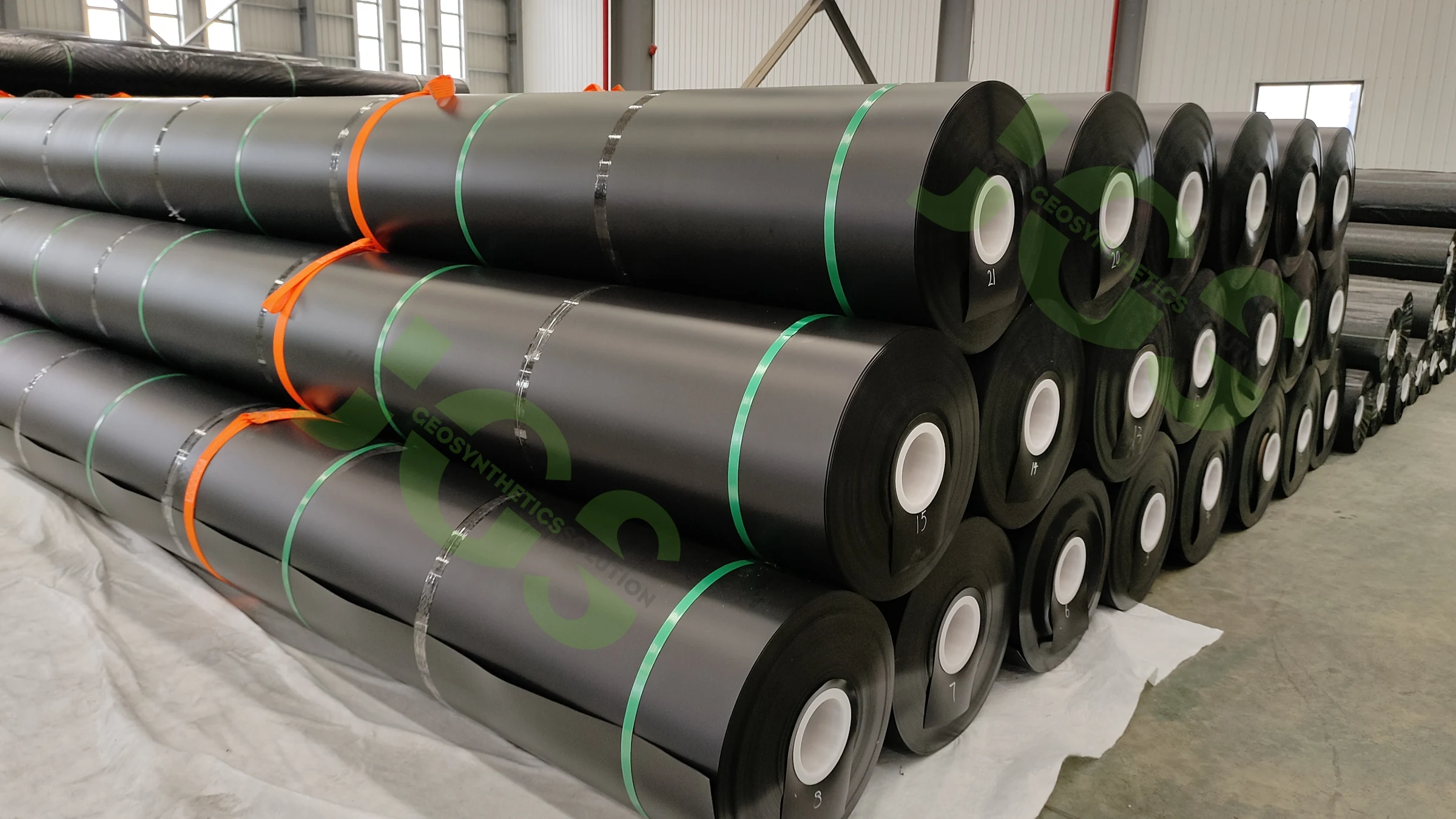
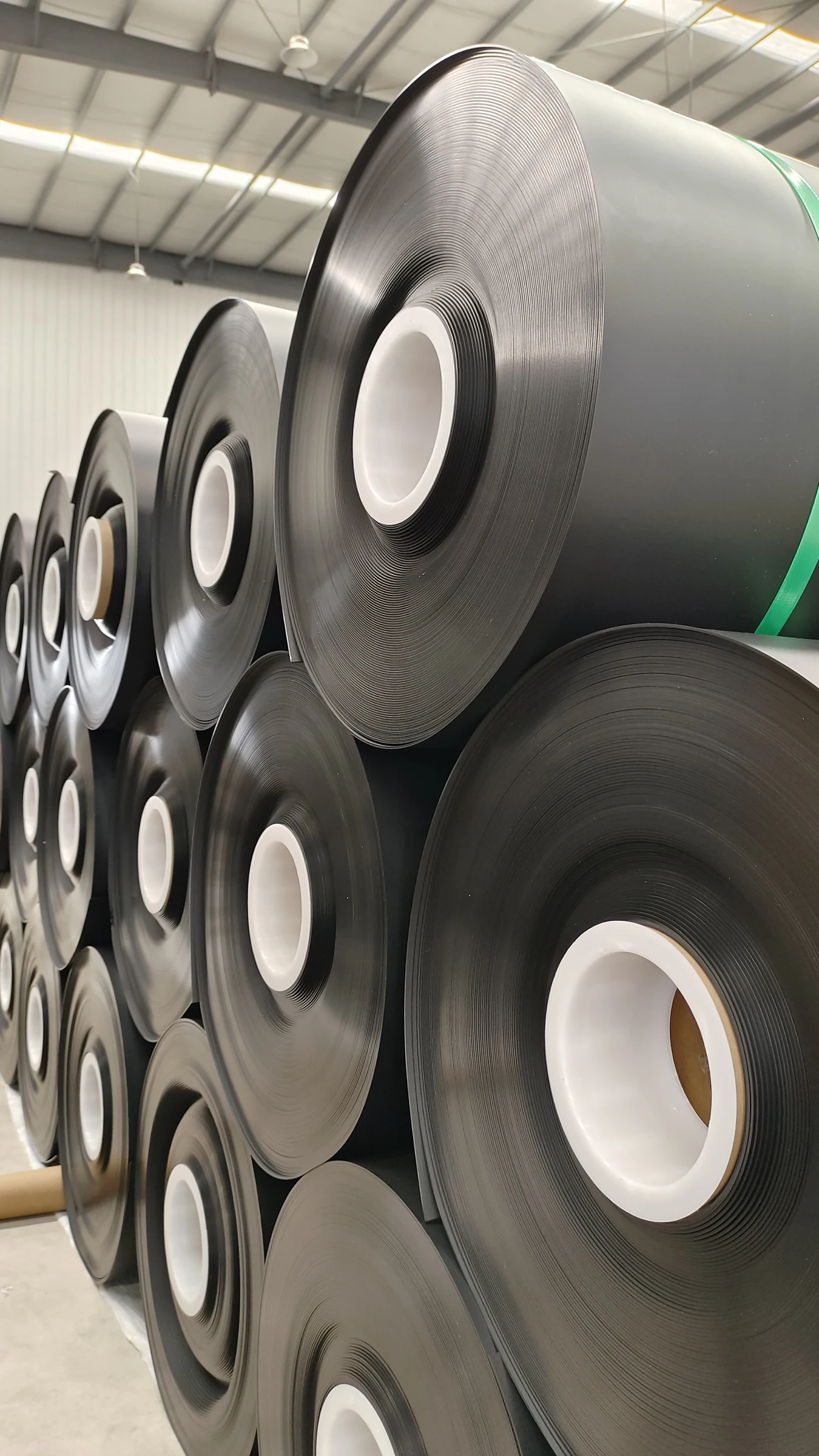
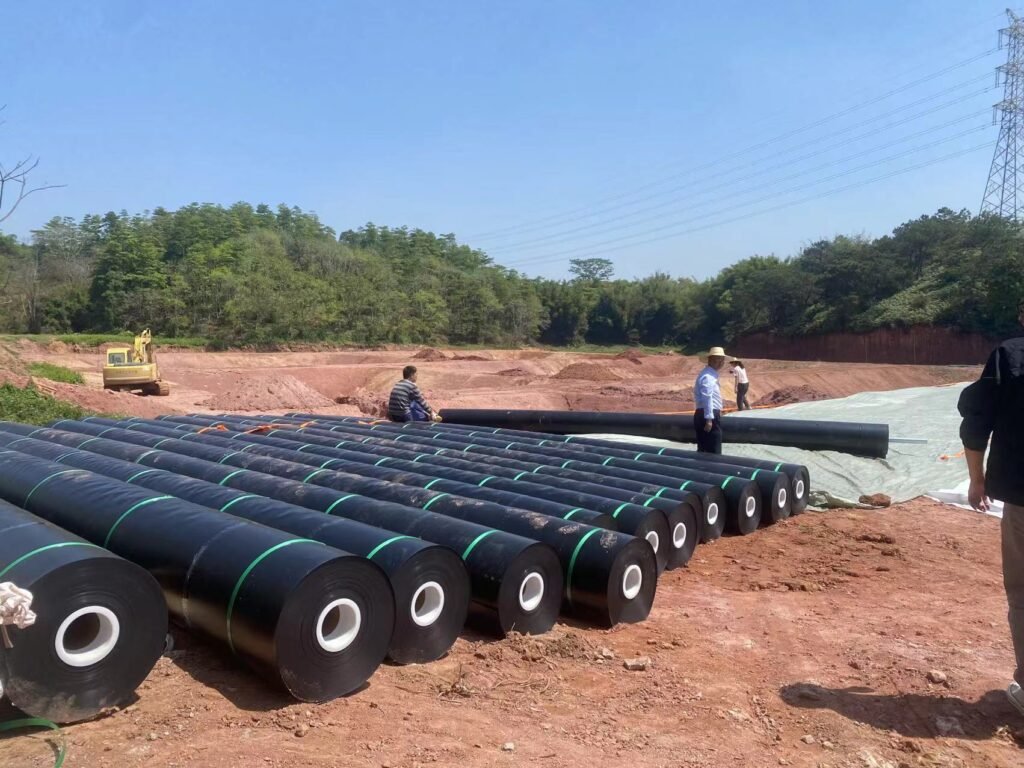
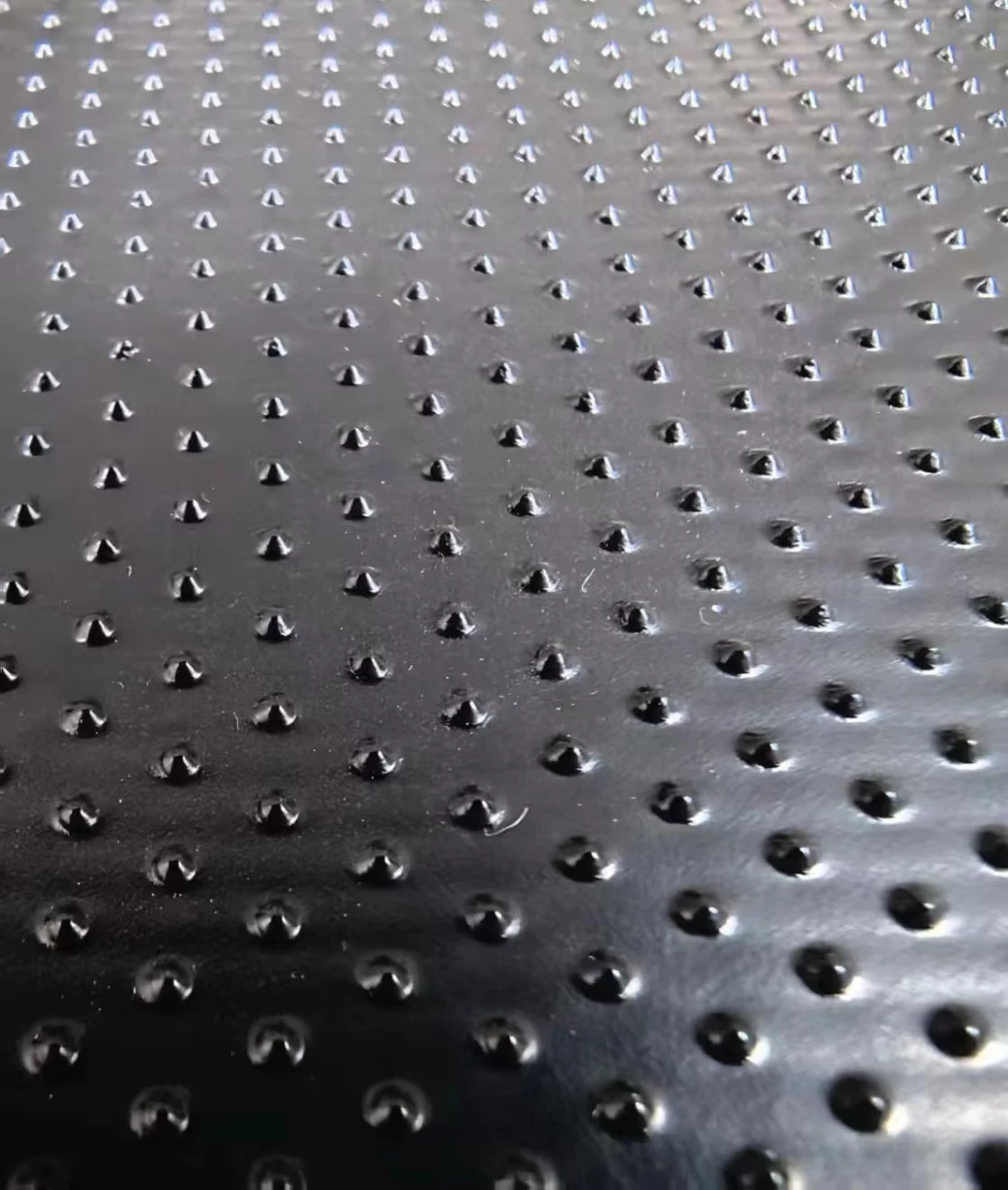
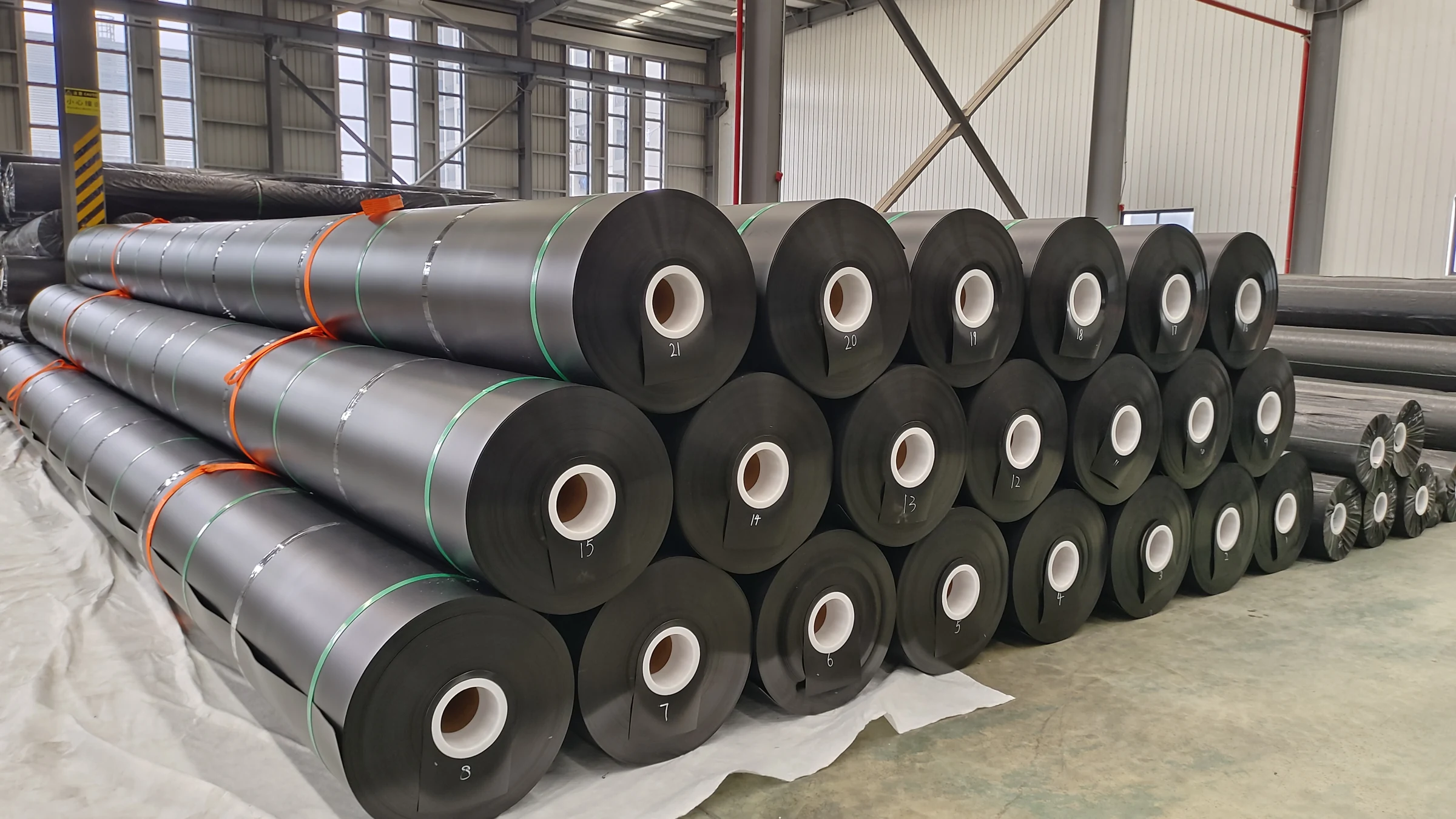
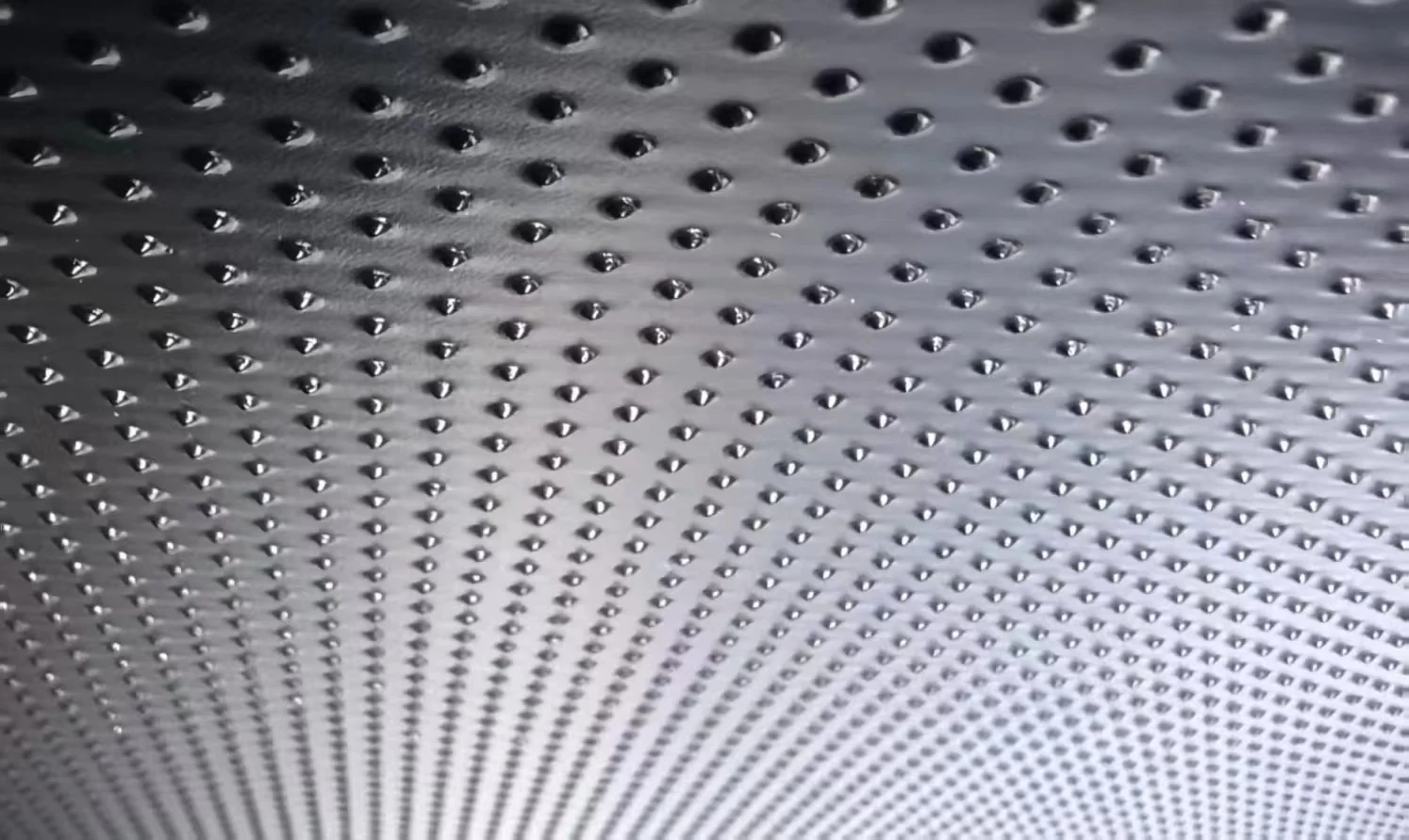
HDPE geomembrane — smooth and textured The standard barrier for mining, landfills and water storage. Smooth sheet for flat ground, textured where the slope needs grip.
HDPE liner details 1.0–3.0 mm Thickness
Up to 8.0 m Roll width
GRI-GM13 Standard
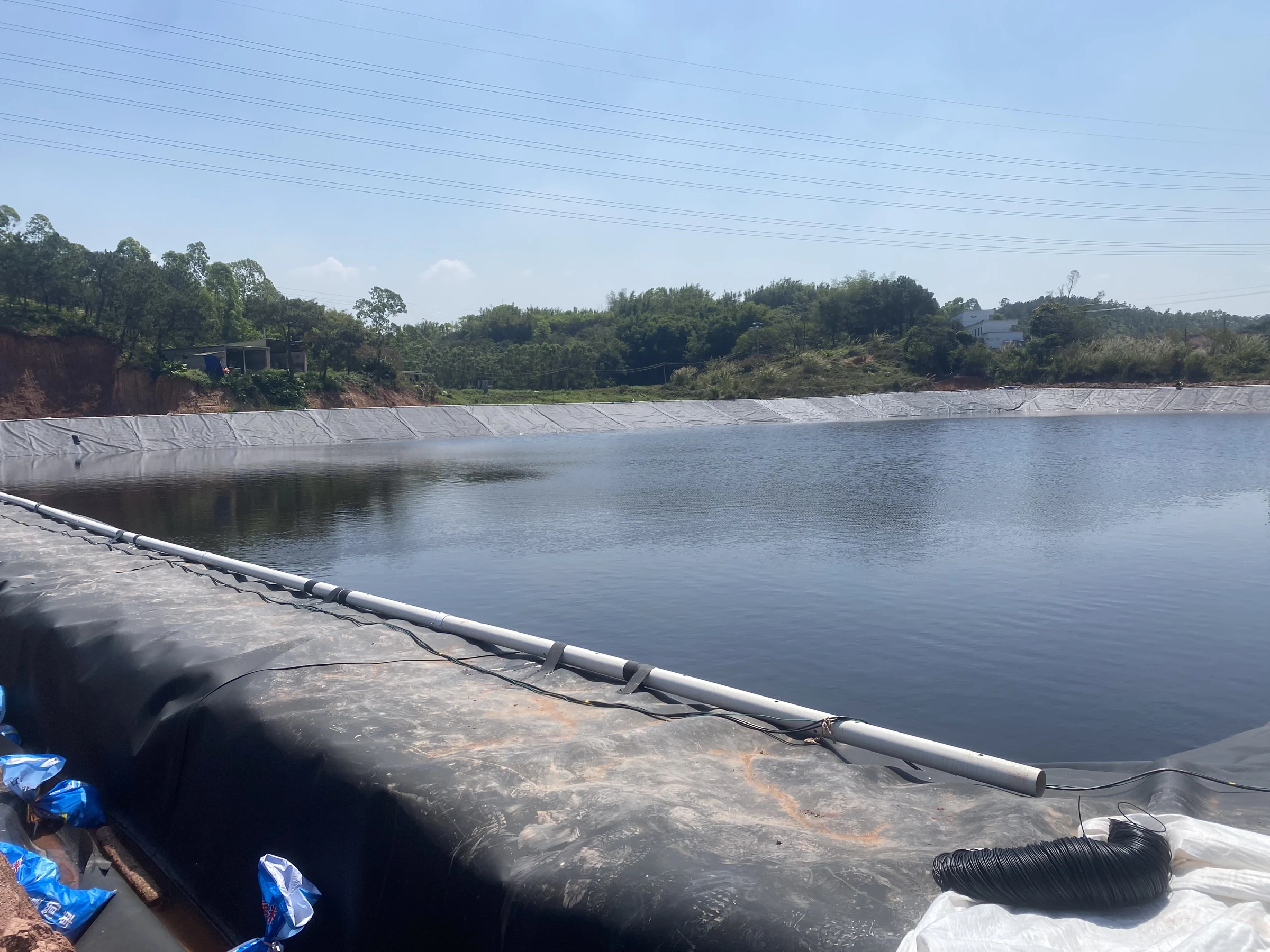
LLDPE geomembrane — flexible, food-grade options Bends around irregular shapes and settling ground without stress marks. The 0.5 and 0.75 mm food-grade rolls are what shrimp and fish farms order most.
LLDPE liner details 0.5 / 0.75 mm Pond grades
GRI-GM17 Standard
Smooth Surface
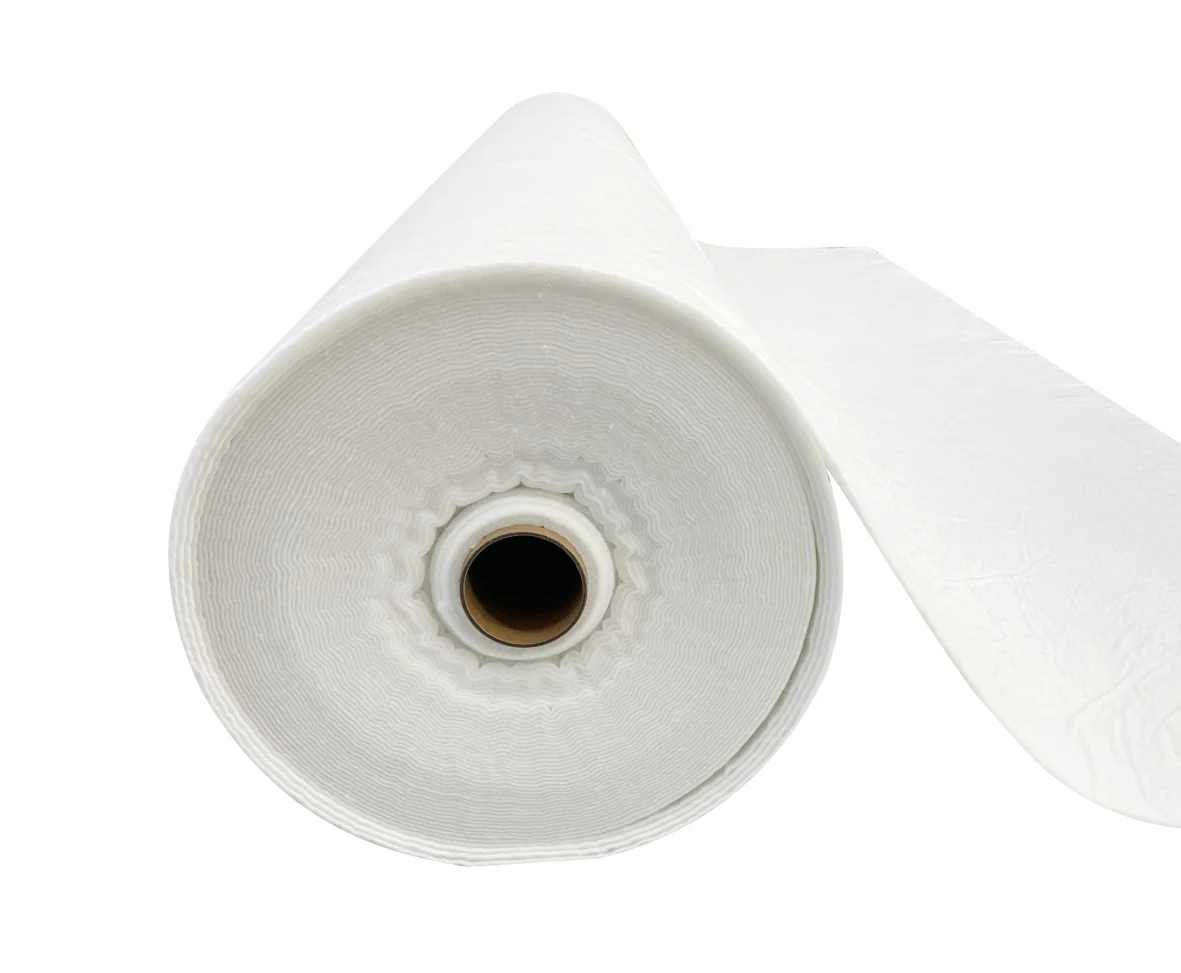
PET non-woven geotextile — continuous filament Goes under the geomembrane as a protection cushion, or works alone for separation, filtration and drainage.
Geotextile details 100–830 g/m² Weight
Up to 6 m Roll width
130 gpm/ft² Max flow rate
Also in the catalog: textured geomembrane liners and geotextile manufacturing .
Every roll ships with its own test report. Tell us the spec. We'll extrude it. Standard stock covers most projects. When it doesn't, we adjust the line, not your design.
Thickness from 0.3 to 3.0 mm Geomembranes across that full range; geotextiles from 100 to 830 g/m².
Smooth, single or double-sided textured Match the surface to your slope and friction specification.
Roll width to 8 m, length to your plan Fewer field seams and faster laying — we cut rolls to fit your container and your site.
HP-OIT antioxidant formulation For aggressive chemical exposure where standard mixes age too fast.
The numbers behind the liner From our own batch tests and independent labs. Ask for the report that matches your order.
Stress Crack Resistance
>2,000h
ASTM D5397. The GM13 baseline is 500 h.
Oxidative Induction
>600min
HPOIT per ASTM D5885 — the antioxidant reserve that decides how the liner ages.
UV Strength Kept
>60%
After 1,600 hours of exposure, per ASTM D7238.
Thickness Tolerance
±3%
Across the whole roll, per ASTM D5199. Most factories work to ±10%.
Chemical Range
pH 1–13
From acid leach solution to alkaline ash ponds.
Buried Service Life
50–100yrs
Arrhenius aging projection once the liner is covered.
Reading a data sheet from another supplier? Here's how to read GRI-GM13 specs and compare like for like.
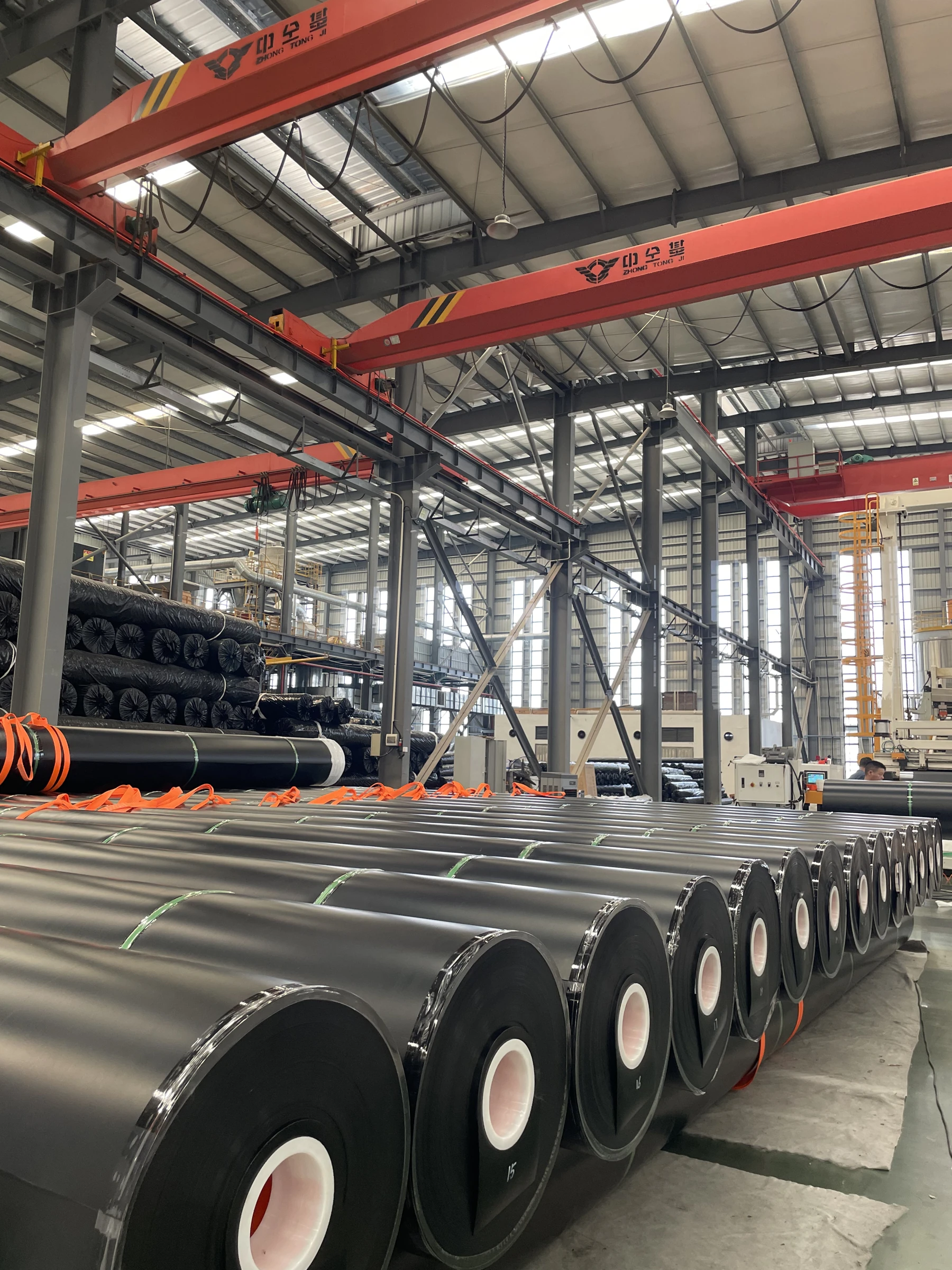
55,000 m² of factory in Zhaoqing. Audits welcome — bring your inspector, or send one. How we keep quality steady What happens inside the factory decides how the liner behaves on your site thirty years from now.
Virgin resin only HDPE and LLDPE from Sabic, Chevron Phillips or Borealis. Every lot arrives with a Certificate of Analysis. No recycled material.
German flat-die lines Automated extrusion with inline thickness gauging and spark pinhole checks running the whole time.
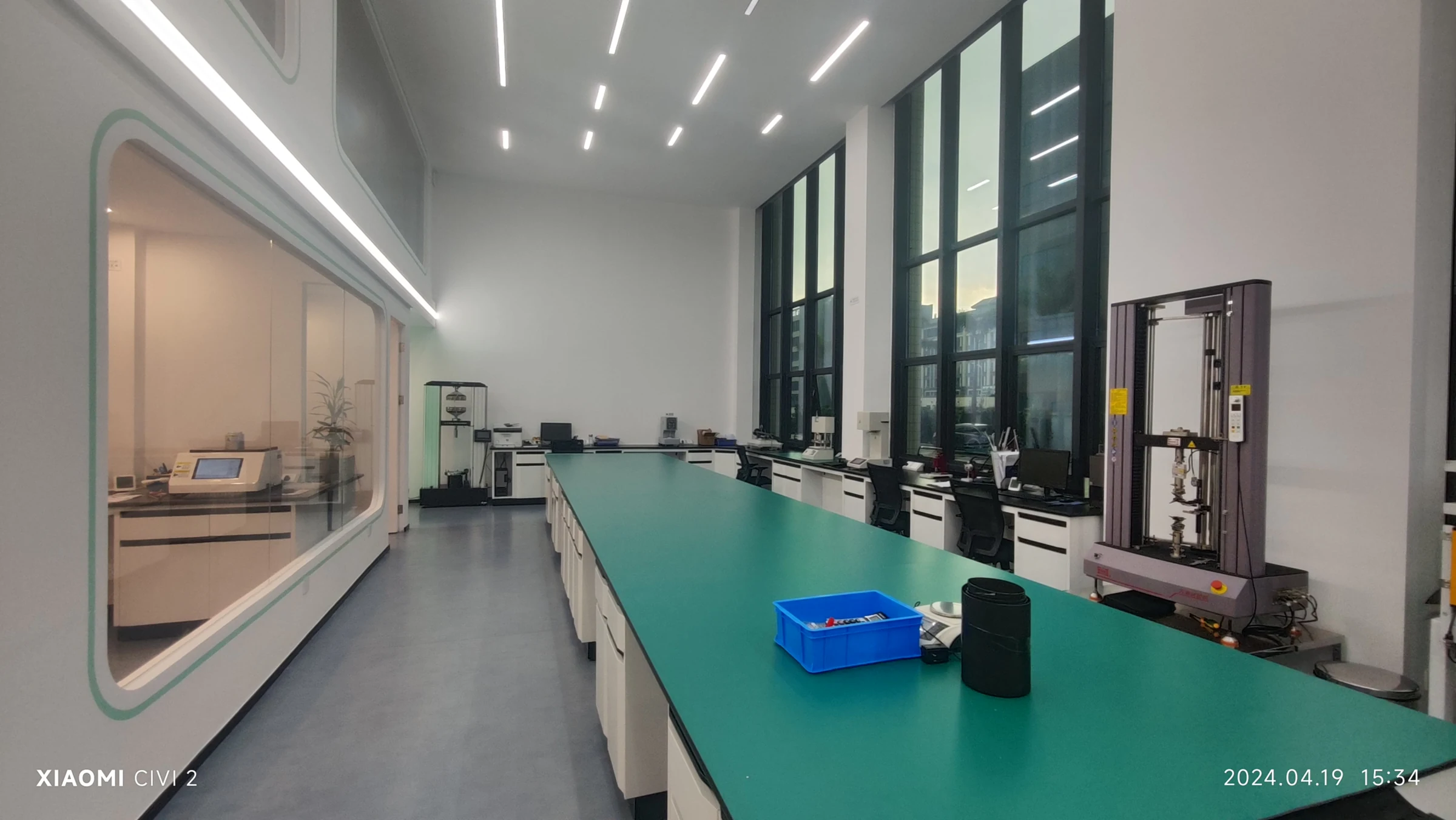
Tested before it ships Each batch passes tensile (ASTM D6693), tear (ASTM D1004), carbon black (ASTM D1603) and OIT tests in our own lab.
Every roll traceable We keep a sample of each batch. The label on your roll shows thickness to ±0.01 mm, batch ID and the resin certificate reference.
Your browser does not support HTML5 video.
What happens on your site Four steps your crew will follow. The full guide ships with the order.
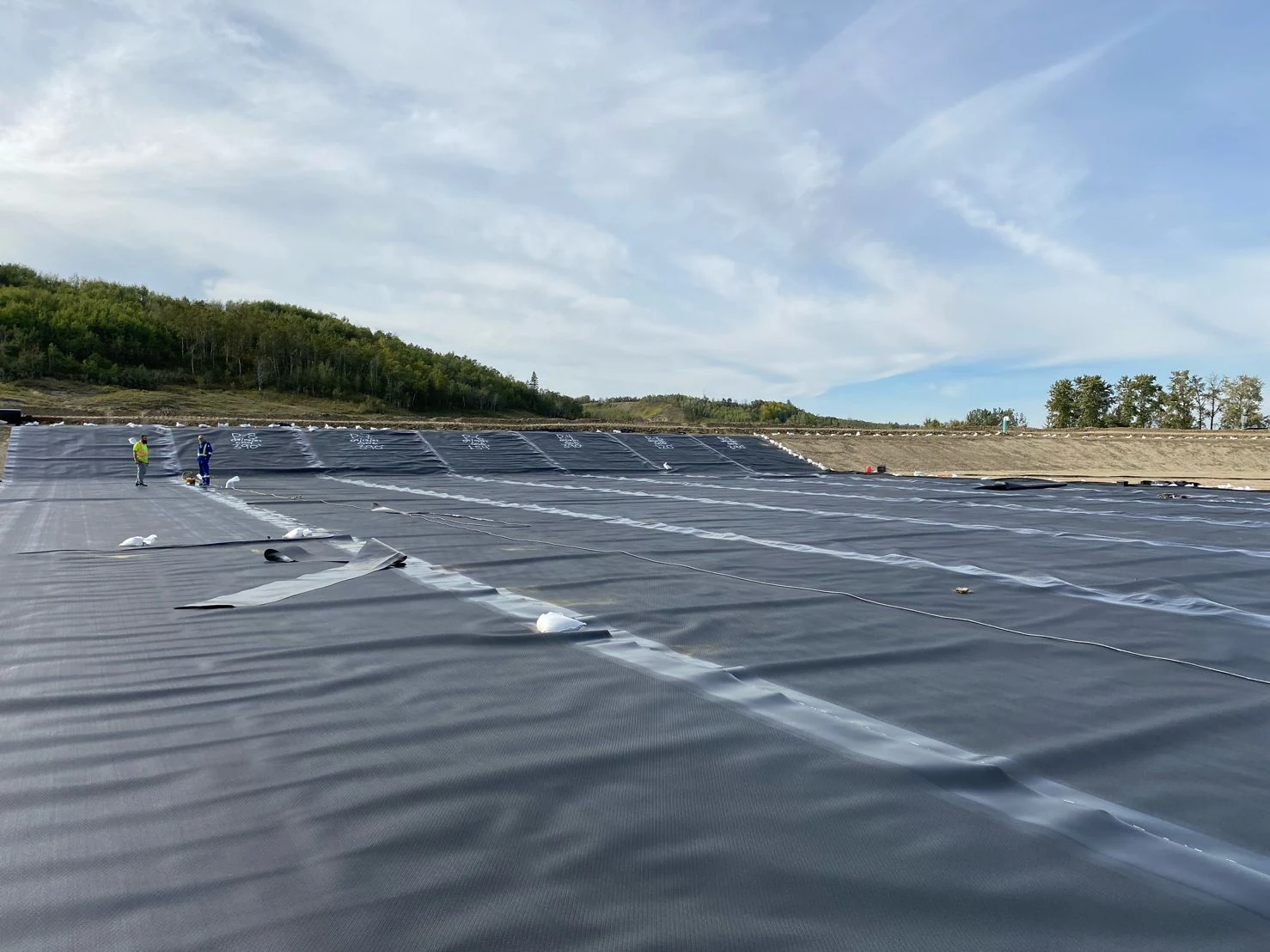
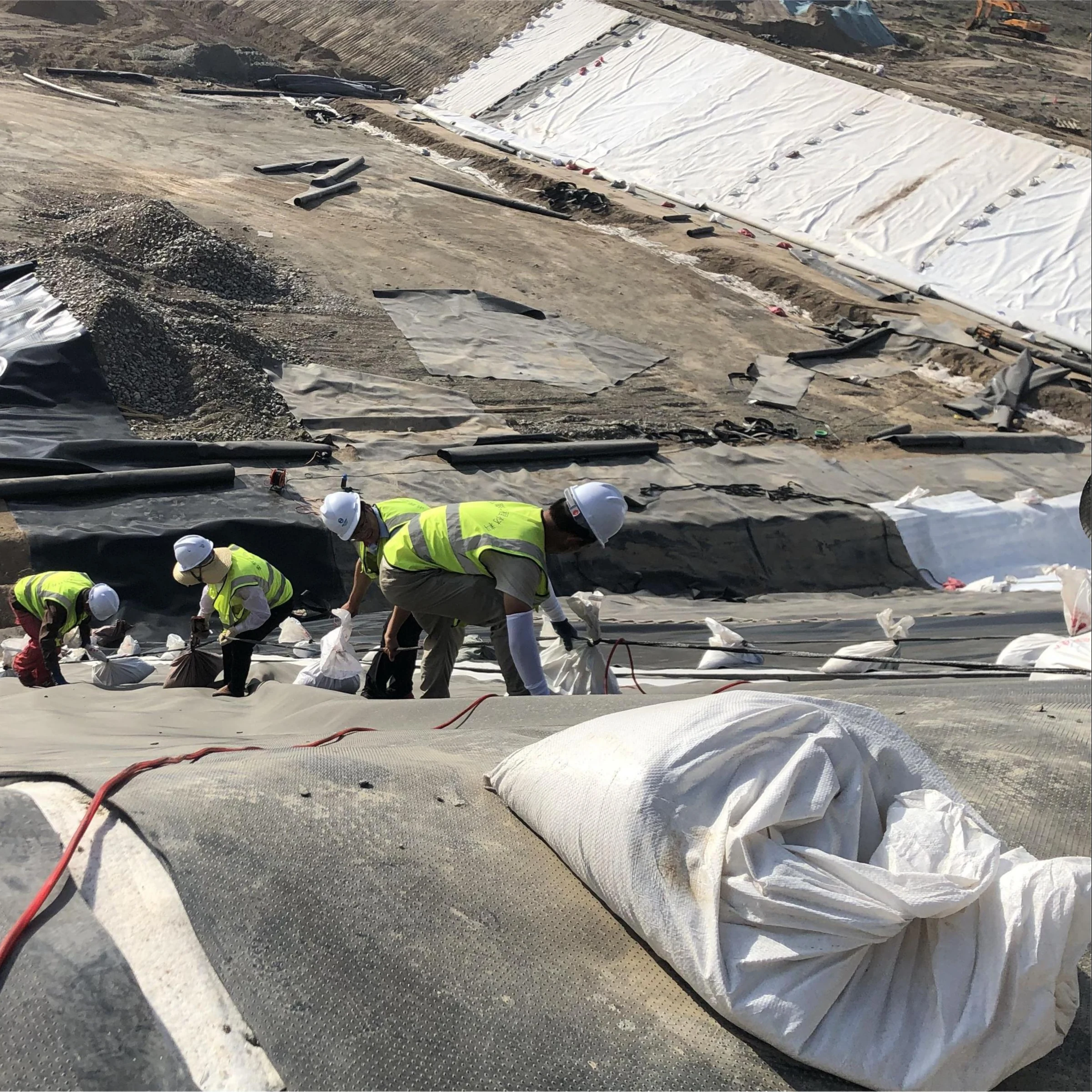
Prepare the base Level and compacted to at least 90%, with no sharp stones waiting to puncture the sheet.
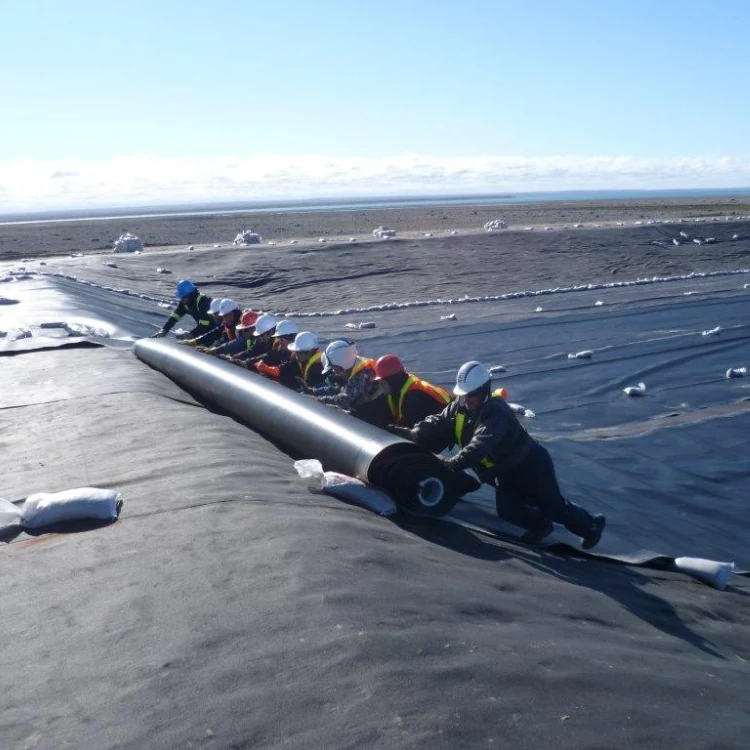
Overlap the sheets 100 to 150 mm, adjusted to site conditions and the welding method.
Weld the seams Dual-track hot wedge for the main runs, extrusion welding for corners and details.
Test the seams Air-channel test at 0.25 MPa. No pressure drop in 5 minutes means no leak.
Download the full installation guide (PDF) · Landfill base liner walkthrough
Where our liners are working Three projects, three climates. The same requirement every time: nothing leaks.
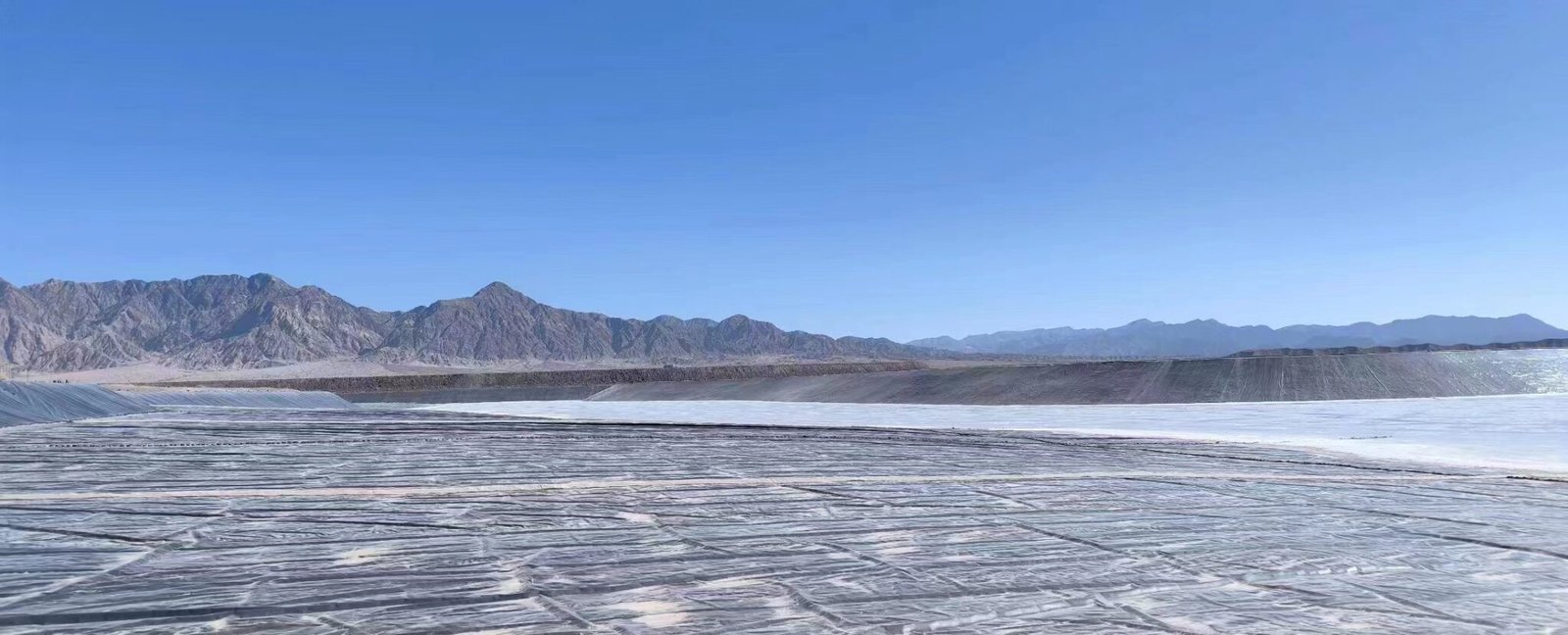
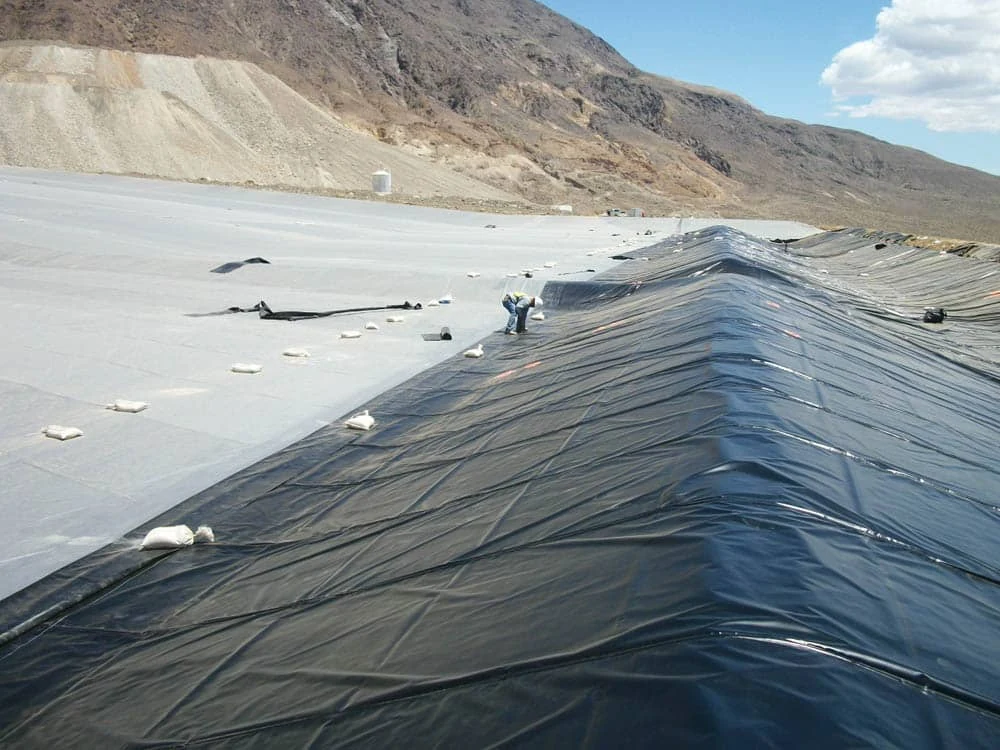
Copper heap leach pad — Chilean Andes +12.4%
Higher leaching efficiency once leaks were eliminated
1.5 mm textured HDPE over a 600 g/m² geotextile cushion
Steep ground at high altitude, plus acid solution. The textured face keeps the liner in place; the geotextile protects it from the stone below.
Liners for mining
Municipal landfill — Southeast Asia 50 yrs
Design life in hot, wet conditions — 2.0 mm smooth HDPE
A high-OIT mix that resists oxidation where heat and humidity are hardest on liners.
Liners for landfills
Shrimp farms — Indonesia & Vietnam +35%
Survival rate vs. earthen ponds — 0.5 / 0.75 mm food-grade LLDPE
Smooth virgin-resin ponds wash clean between cycles, and nothing heavy leaches into the water.
Liners for aquaculture Also working in: hydraulic engineering , civil engineering and environmental protection .
Packed for the voyage, covered after it Sea freight is hard on rolls. So is a site with no paperwork. We plan for both.
Reinforced cores and lifting straps Rolls secured on reinforced cores with lifting straps at both ends.
Container-planned rolls Roll lengths matched to 40HQ boxes — you pay freight for product, not air.
Photo loading report Pictures and seal numbers before the container doors close.
10–20 year warranty, in writing Matched to your application and installation conditions.
Certificates and independent checks Paperwork matters when your project gets audited. Ours is in order — and your own inspector is welcome to check.
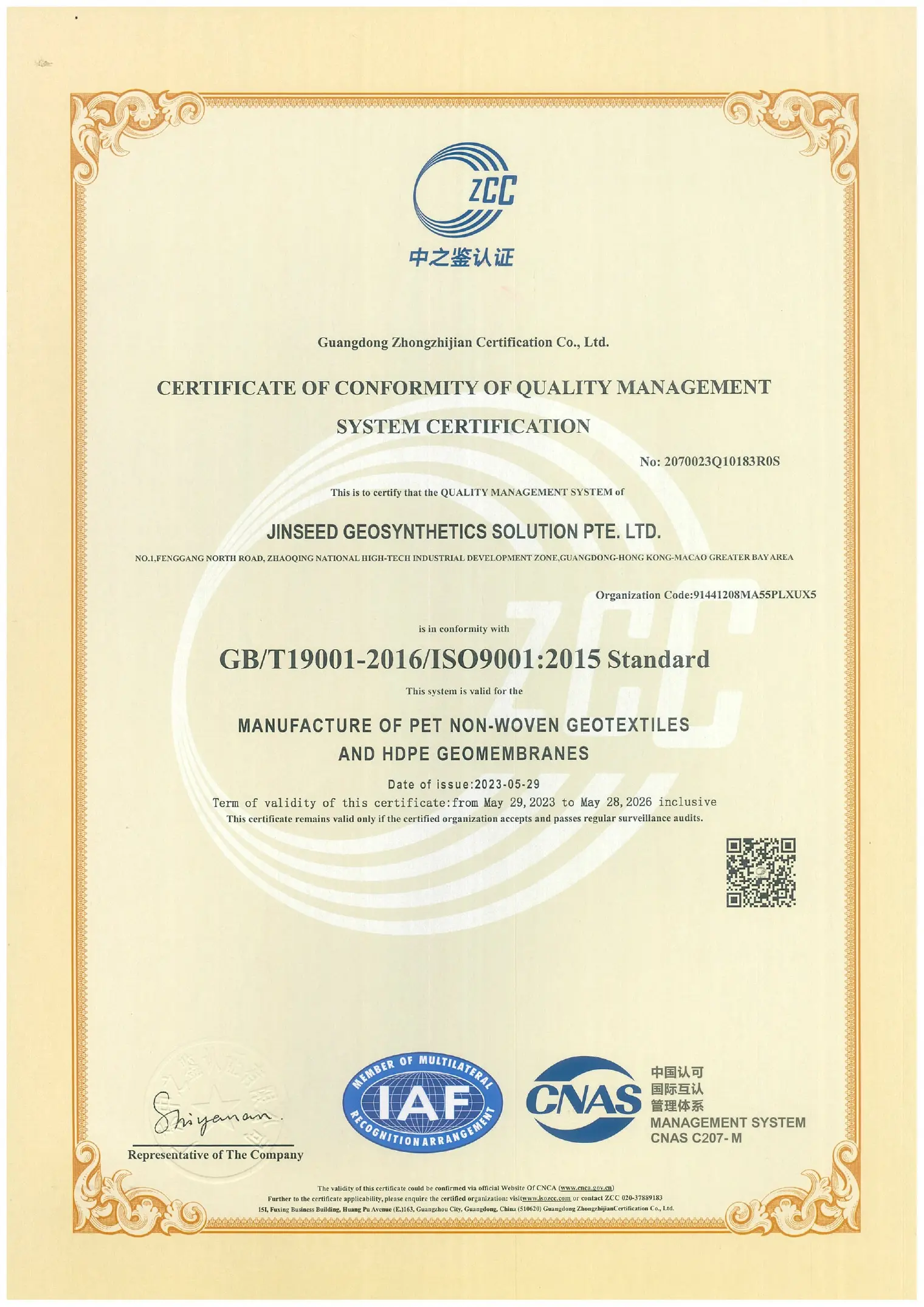
ISO 9001:2015 Quality management audited under ZCC / CNAS supervision, covering the whole production matrix.
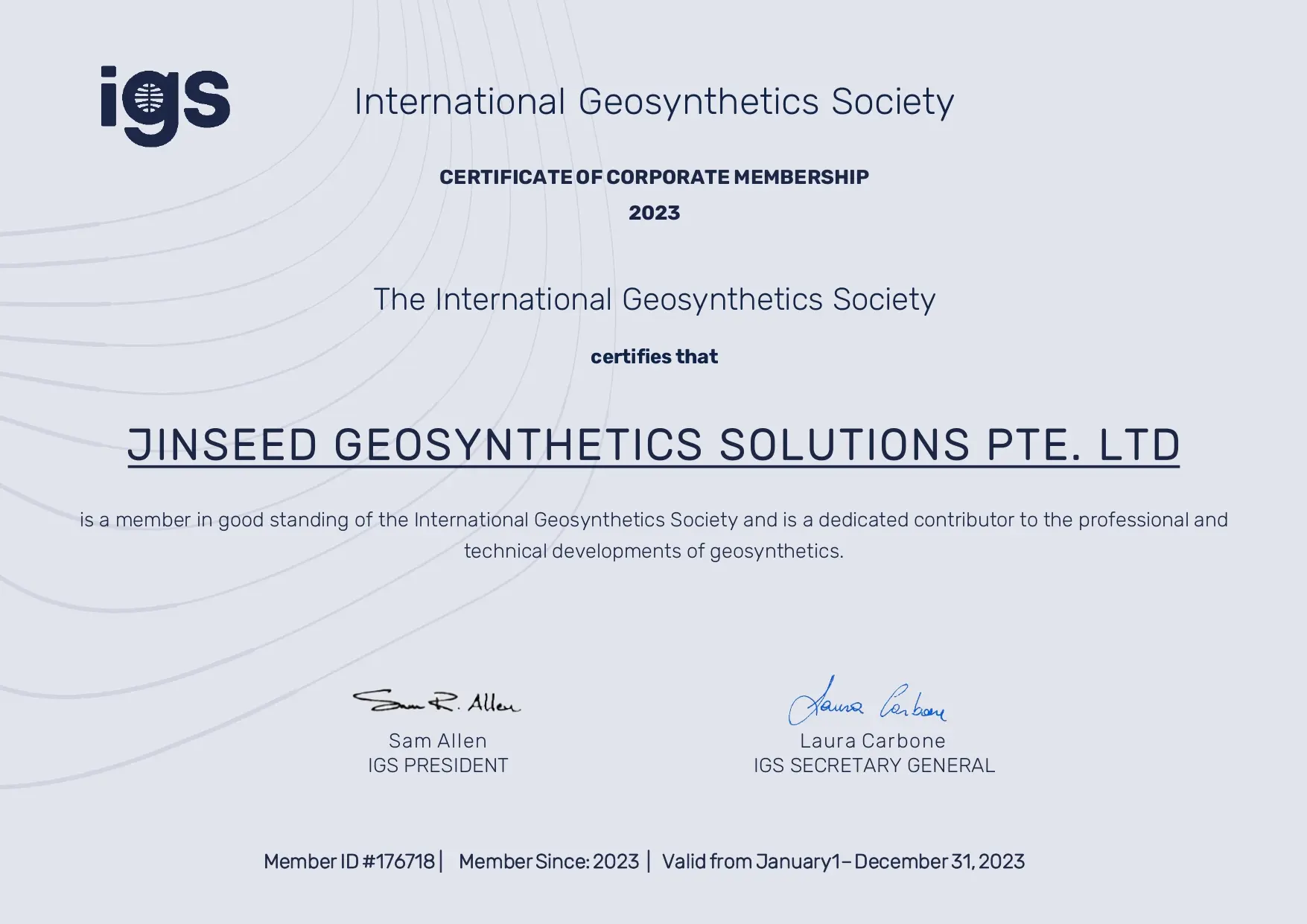
IGS Corporate Member We sit in the International Geosynthetics Society, so our specs track current global practice.
In-house laboratory Our in-house laboratory tests geomembrane materials and finished products.
Third-party sampling BTTG or TRI Environmental can sample and seal on site for your order.
Documents to download How ordering works A short, documented path — no open-ended sourcing loops.
Send the spec Application, thickness, surface, quantity and destination port.
We confirm The right product and configuration for your site conditions.
Quote and documents Price, paperwork and roll sizes to review.
Made and shipped Production, inspection, packing and a documented container load.
Trial Orders
1–3t
For regular specs. A 40HQ container is the freight-efficient starting point for export.
Lead Time
7–15days
Standard specs, after confirmation and deposit. Custom production runs 15–25 days.
One email gets you pricing, roll planning and batch test data. Read before you buy Written for specifiers and buyers — how to specify, install and budget a liner system.
Frequently asked questions MOQ, lead time, specifications and documents — the short version.
What is your MOQ? Trial orders start from 1–3 tons for regular specifications. For export shipments we recommend at least one 40HQ container, which brings the most competitive freight cost per square meter. Custom thickness, width or roll length may carry a higher MOQ depending on production scheduling.
How long is your lead time? Standard products are produced within 7–15 days after specifications are confirmed and the deposit is received. Customized orders, mixed containers or peak-season production typically take 15–25 days. The delivery schedule is confirmed before mass production begins.
What thickness range do you offer? The commonly requested range is 0.75 mm to 3.0 mm, with custom roll width and roll length available. Wider and longer rolls reduce the number of field seams and speed up installation on site.
Do you provide test reports and data sheets? Yes. Technical Data Sheets are available for every product, and batch test data covering thickness, tensile properties, puncture resistance and OIT can be supplied with the order for approval and procurement review.
Can you customize specifications? Yes. Thickness, width, roll length, surface type and packing marks can all be adjusted to project requirements. For large projects we recommend confirming the specification sheet before production to avoid repeated revisions.
What do you need to prepare a quotation? Six details are enough: product type, thickness or weight, roll size, order quantity, destination port and application. Drawings, technical standards or tender requirements help us cut one to three rounds of back-and-forth and quote accurately the first time.
Send your spec. We'll price it. Tell us what you're lining and where it ships. You'll get a product recommendation, the documents and a price.
Head office: 182 Cecil Street, Frasers Tower Level 17, Singapore 069547Factory: No. 1 Fenggang North Road, Zhaoqing High-tech Industrial Development Zone, Guangdong, ChinaEmail: info@jinseed-geo.com · WhatsApp: +65 8426 5294

 Geomembrane Liners
Containment systems for demanding engineering projects.
Geomembrane Liners
Geomembrane Liners
Containment systems for demanding engineering projects.
Geomembrane Liners
 HDPE Geomembrane
Smooth and textured HDPE
HDPE Geomembrane
Smooth and textured HDPE
 LLDPE Geomembrane
Flexible lining applications
LLDPE Geomembrane
Flexible lining applications
 Textured Geomembrane
Higher friction for slopes
Textured Geomembrane
Higher friction for slopes
 Landfill Liner System
Landfill containment materials
Geotextile
Landfill Liner System
Landfill containment materials
Geotextile
 PET Non-Woven Geotextile
Protection and filtration
Geotextile ManufacturerQuality
About
Contact
Request a Quote
PET Non-Woven Geotextile
Protection and filtration
Geotextile ManufacturerQuality
About
Contact
Request a Quote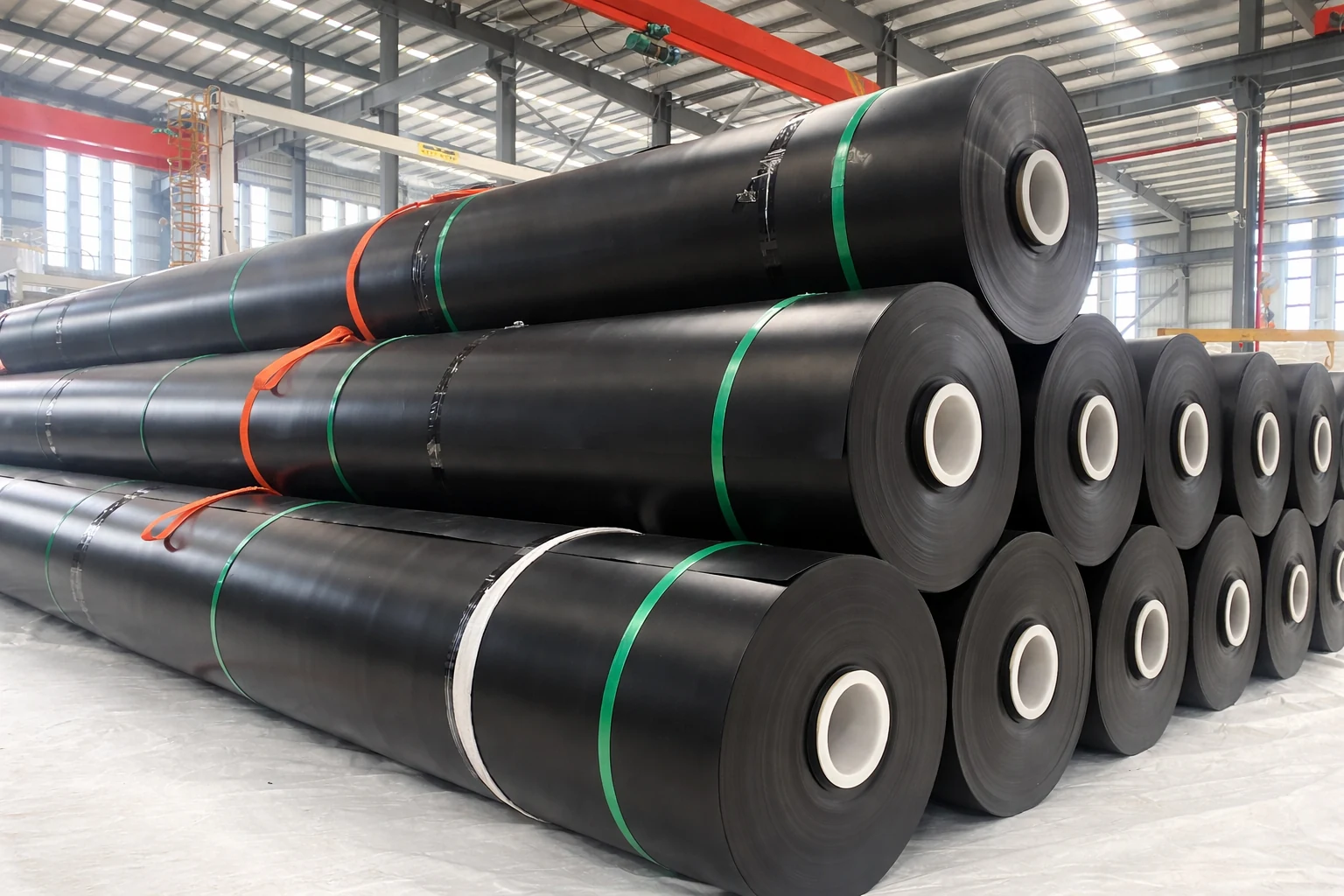 Geomembrane Liners
Containment systems for demanding engineering projects.
Geomembrane Liners
Geomembrane Liners
Containment systems for demanding engineering projects.
Geomembrane Liners
 HDPE Geomembrane
Smooth and textured HDPE
HDPE Geomembrane
Smooth and textured HDPE
 LLDPE Geomembrane
Flexible lining applications
LLDPE Geomembrane
Flexible lining applications
 Textured Geomembrane
Higher friction for slopes
Textured Geomembrane
Higher friction for slopes
 Landfill Liner System
Landfill containment materials
Geotextile
Landfill Liner System
Landfill containment materials
Geotextile
 PET Non-Woven Geotextile
Protection and filtration
Geotextile Manufacturer
PET Non-Woven Geotextile
Protection and filtration
Geotextile Manufacturer