Geomembrane Liners
Containment systems for demanding engineering projects.
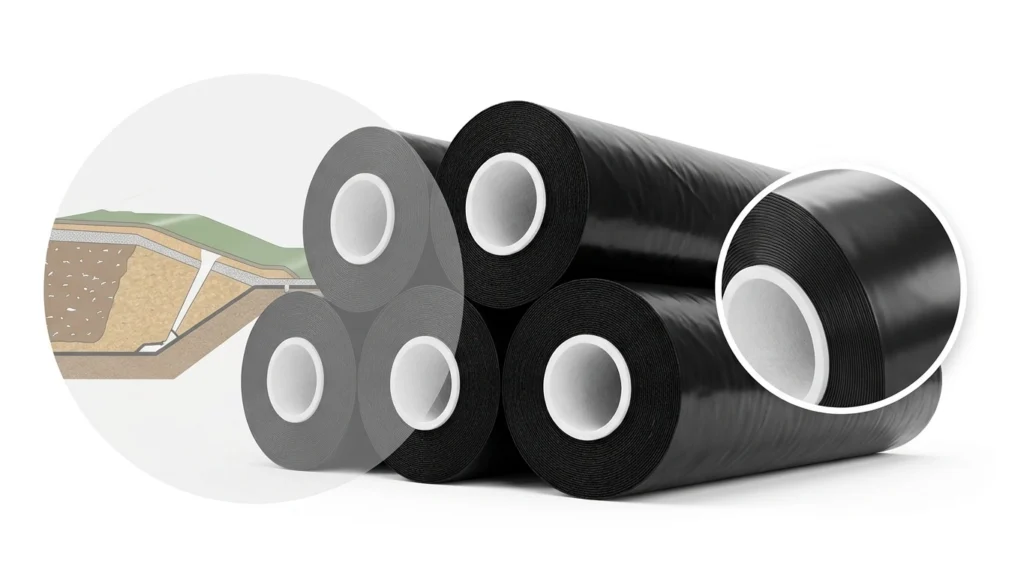
Geomembrane Liners
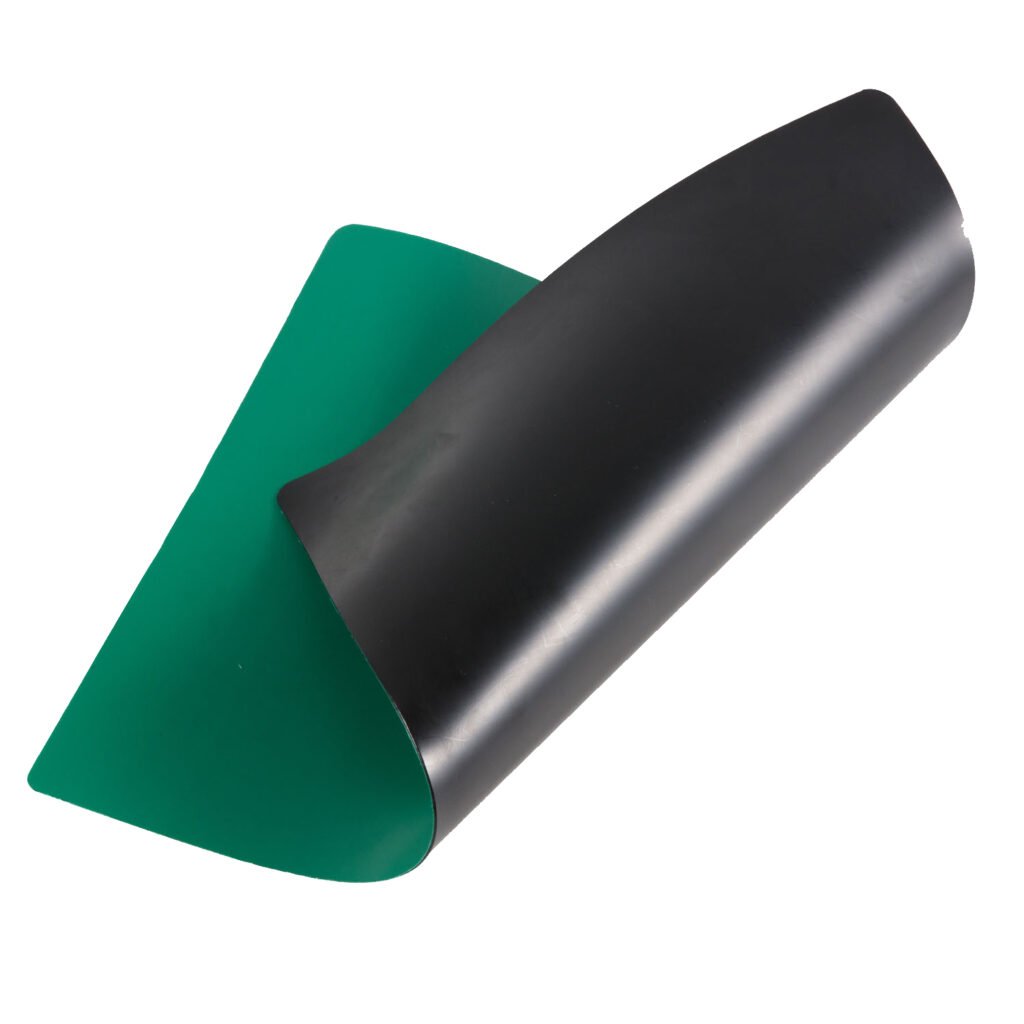
HDPE Geomembrane Liner
Primary containment liner
HDPE Geomembrane
Smooth and textured HDPE
LLDPE Geomembrane
Flexible lining applications
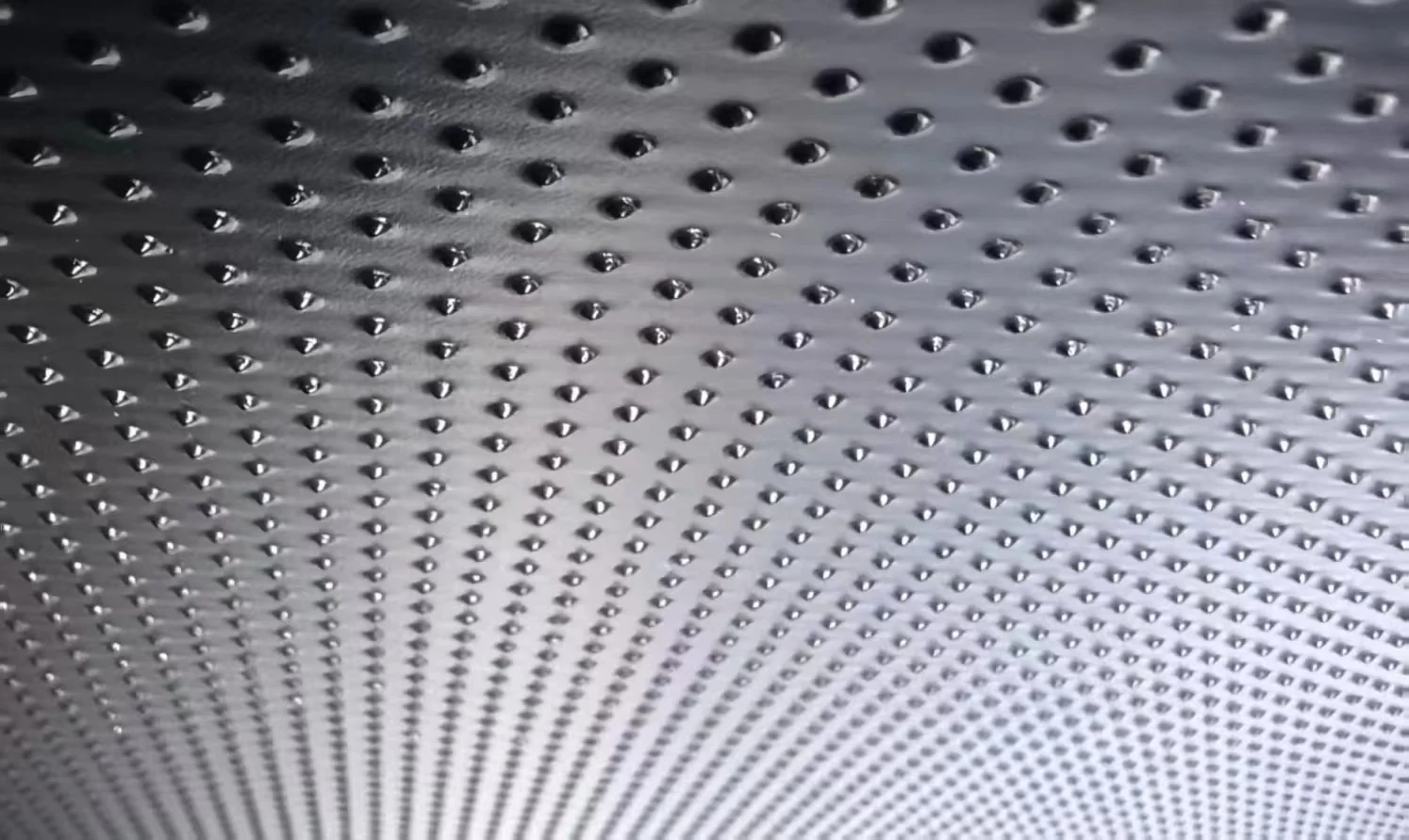
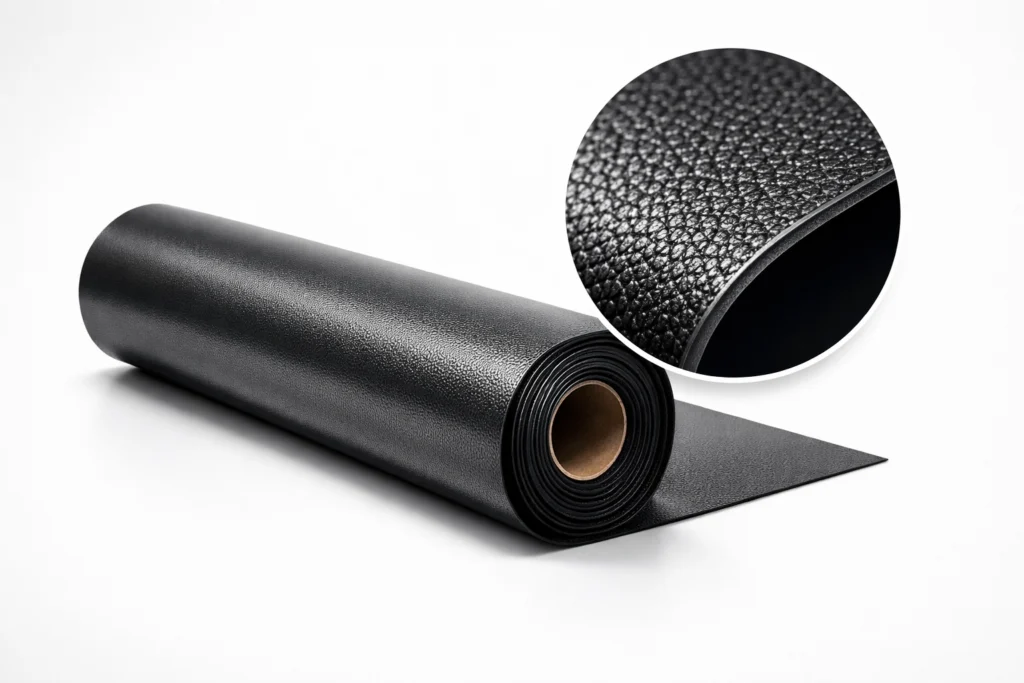
Textured Geomembrane
Higher friction for slopes
Landfill Liner System
Landfill containment materials
Geotextile
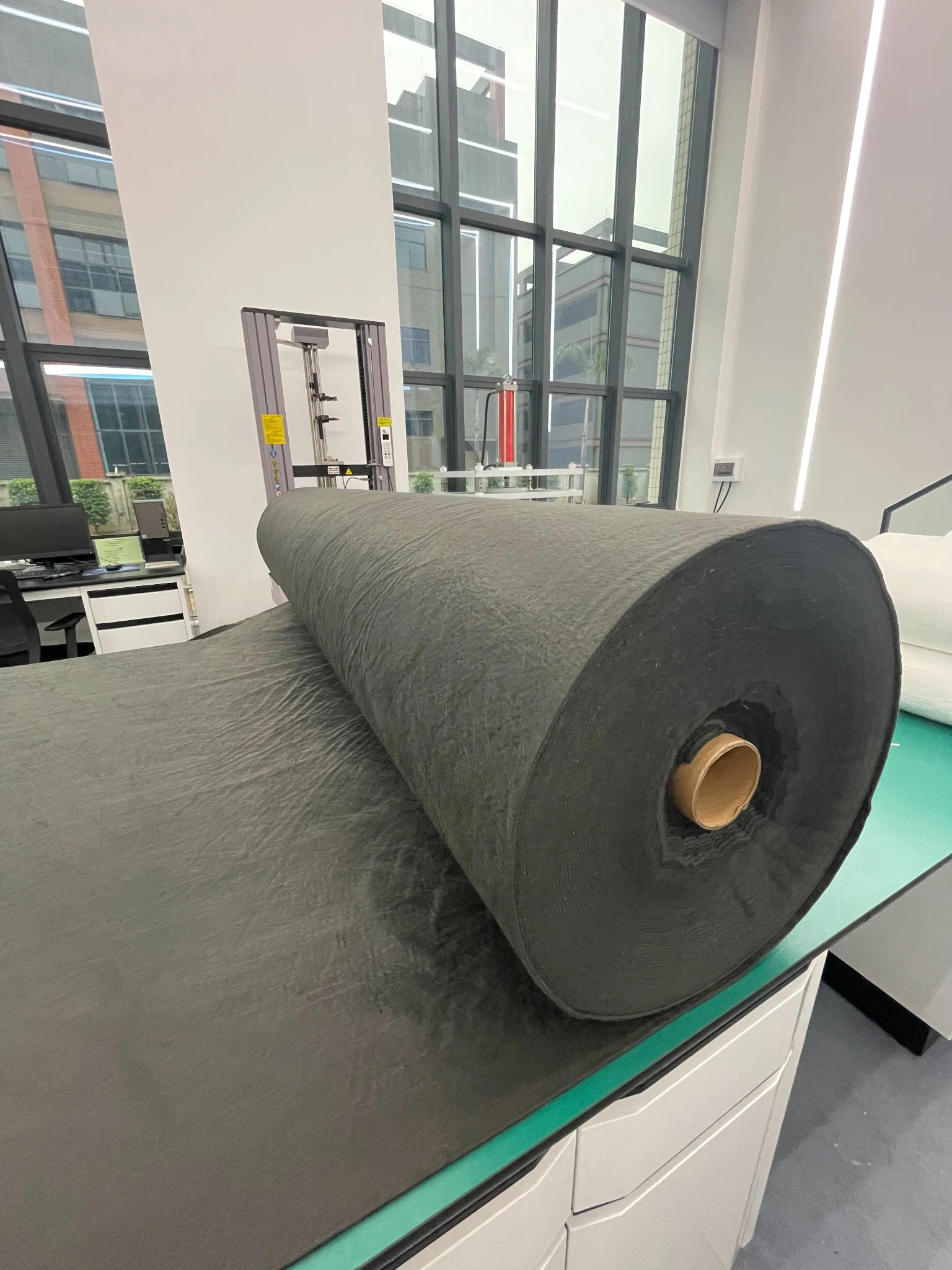
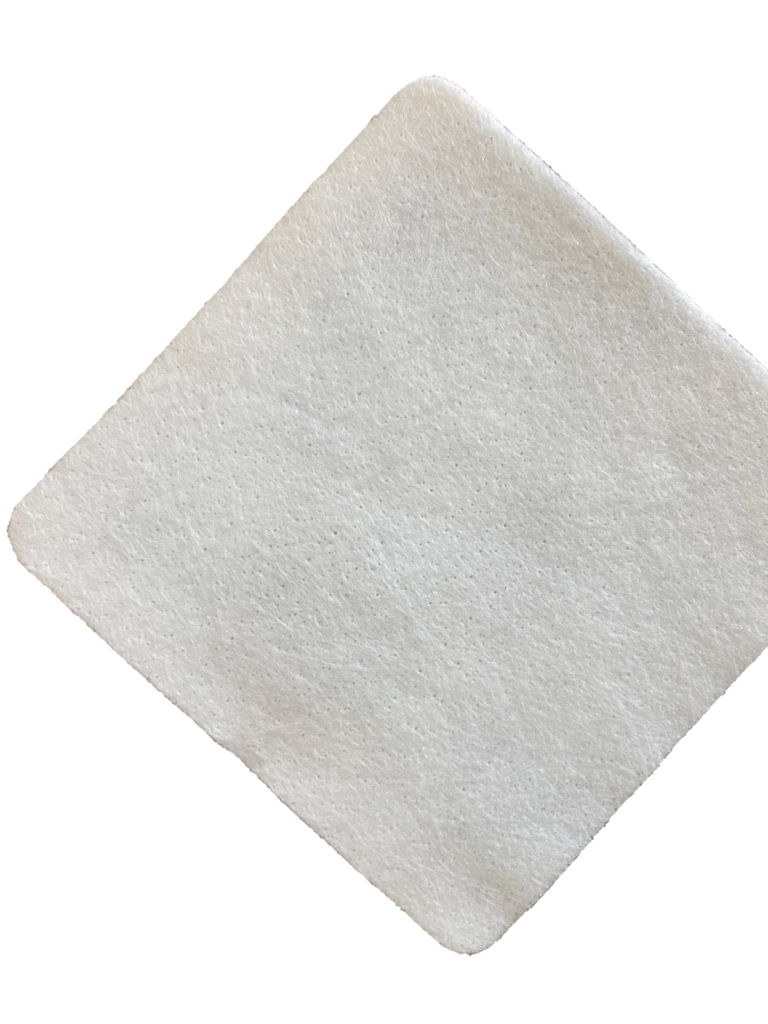
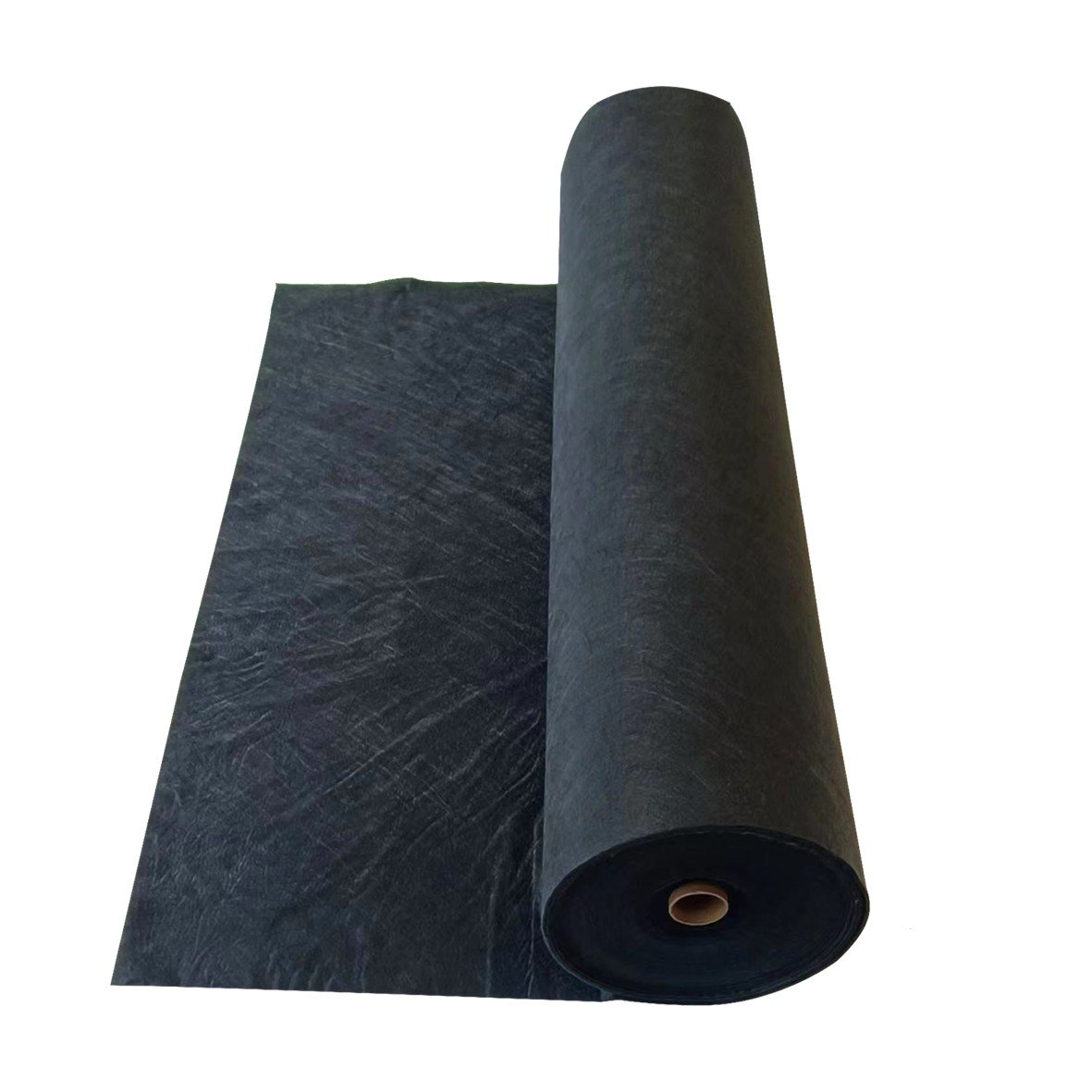
PET Non-Woven Geotextile
Protection and filtration
Geotextile Manufacturer
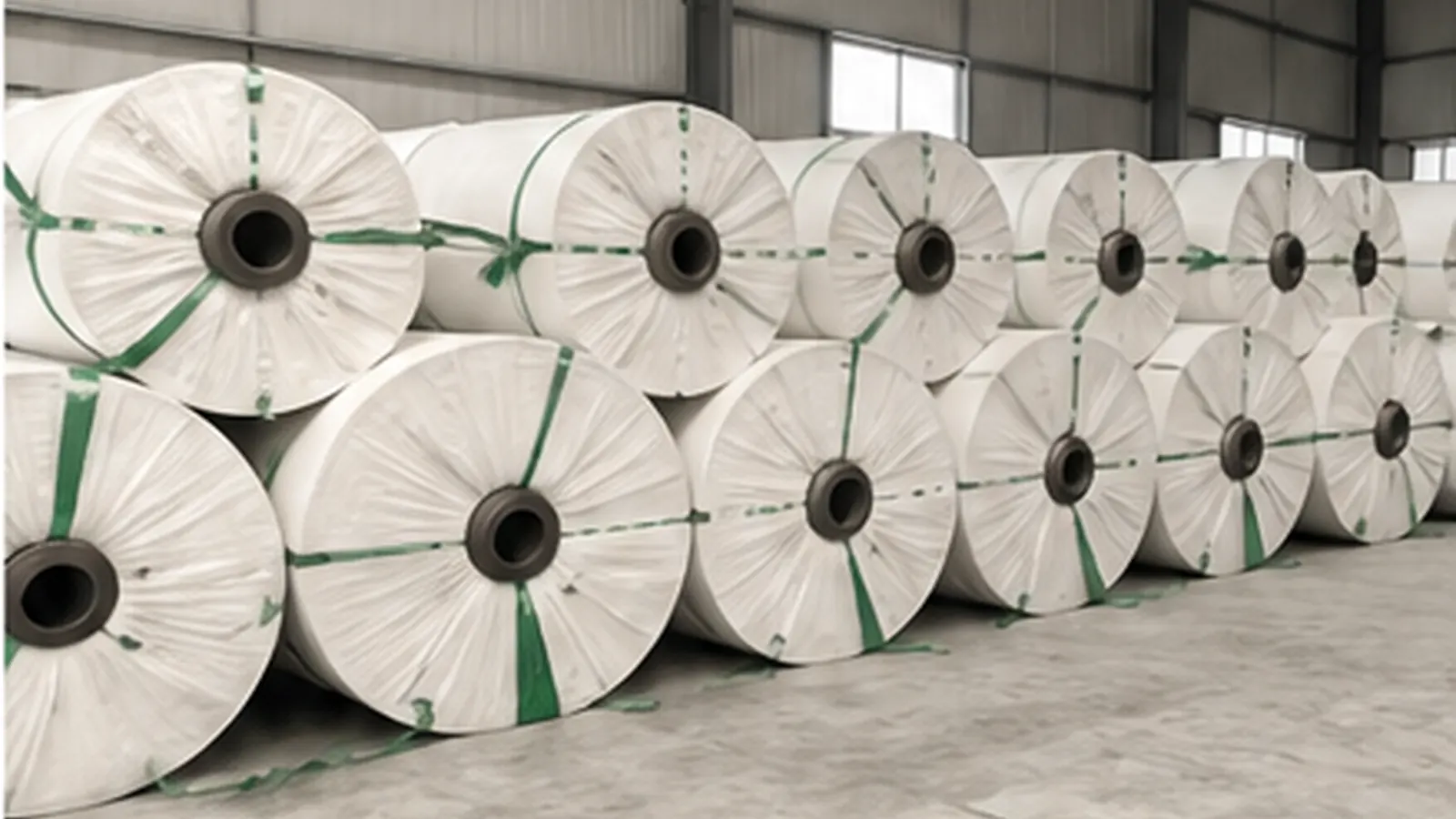
We make PET non-woven geotextile in our own factory in Guangdong, China, and ship it to contractors, engineers and distributors in more than 50 countries. Send your spec — get grade advice, pricing and a loading plan back.
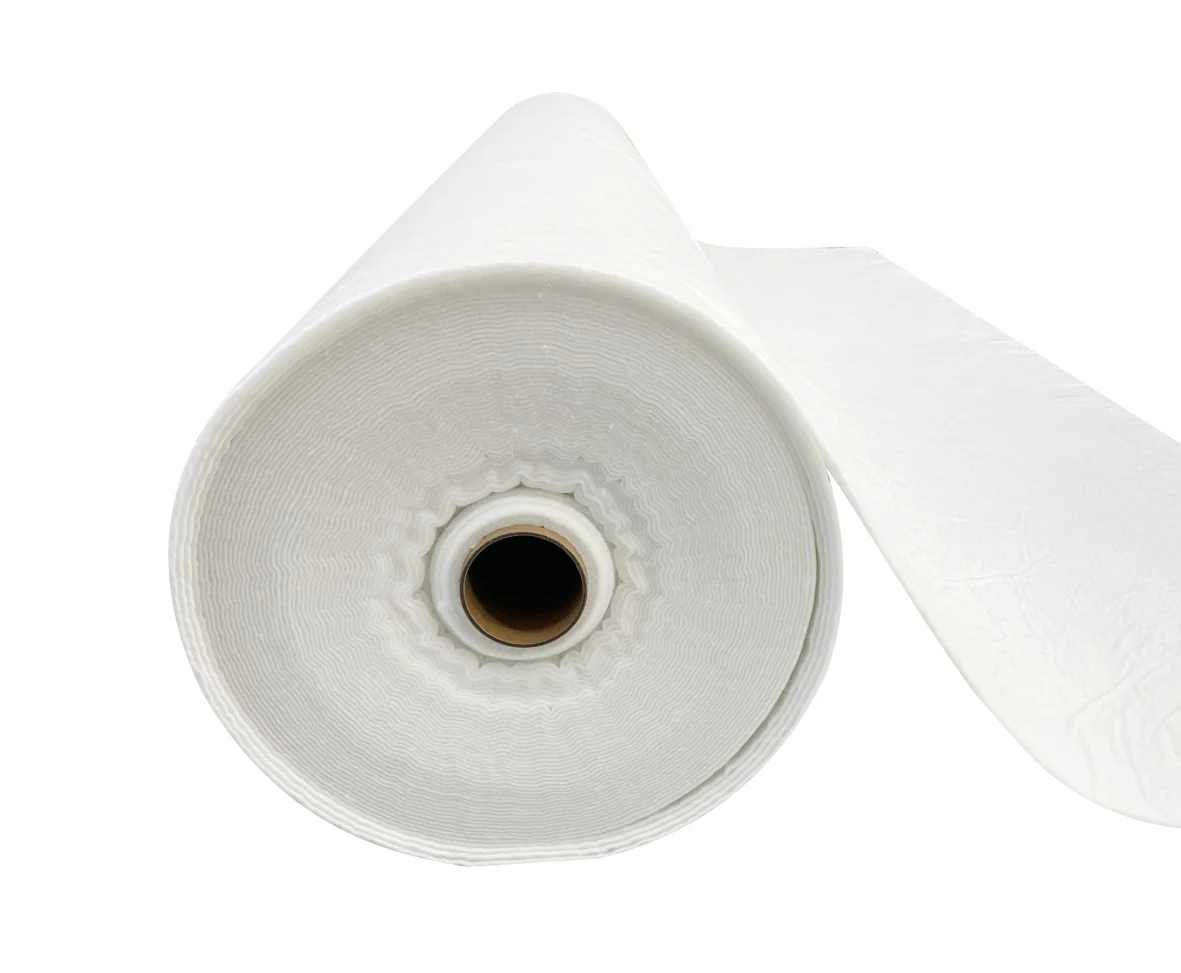
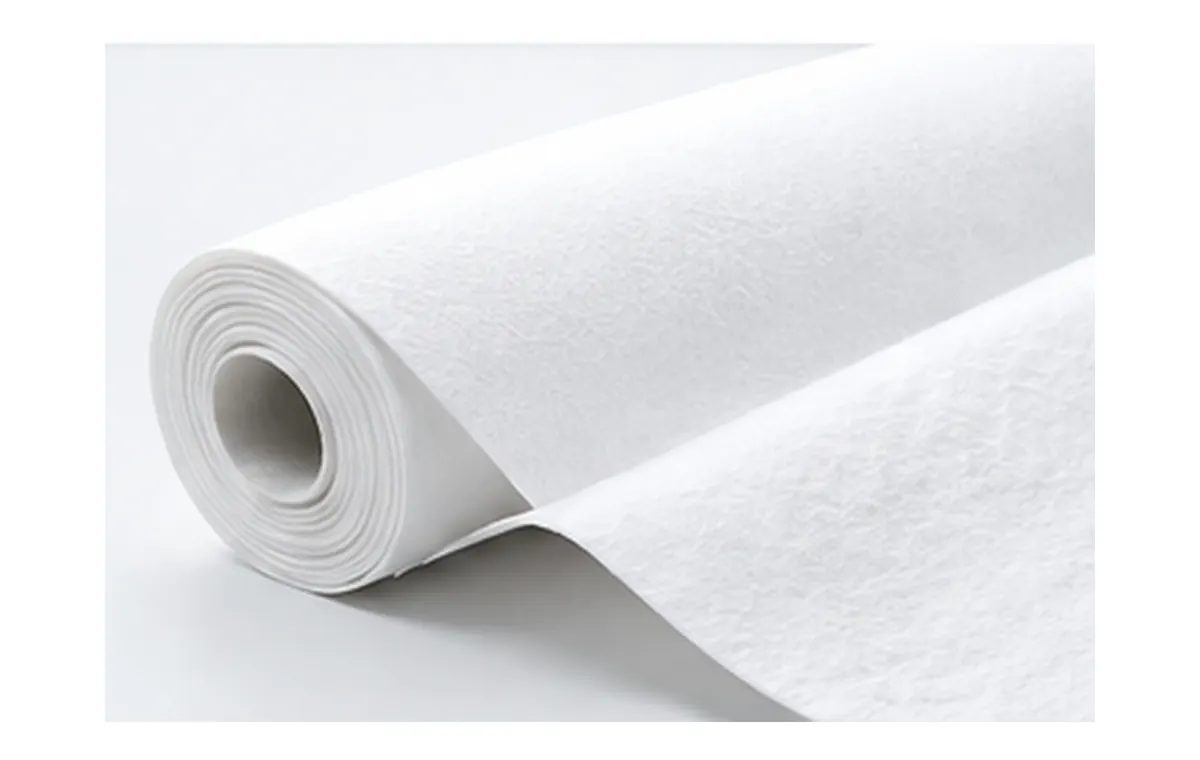
It's a cloth made from polyester filaments, punched together with needles — no weaving, no glue. Water goes through it. Soil doesn't.
It won't rot in the ground, it handles soil from pH 2 to 13, and buried under soil it's designed to keep working for over 50 years.


Keeps gravel and soil from mixing. The base course you paid for stays where it belongs.
Water passes, fine soil stays behind. The pore structure works like a soil filter and resists clogging.
Moves water sideways through the fabric, so pressure doesn't build up in the ground.
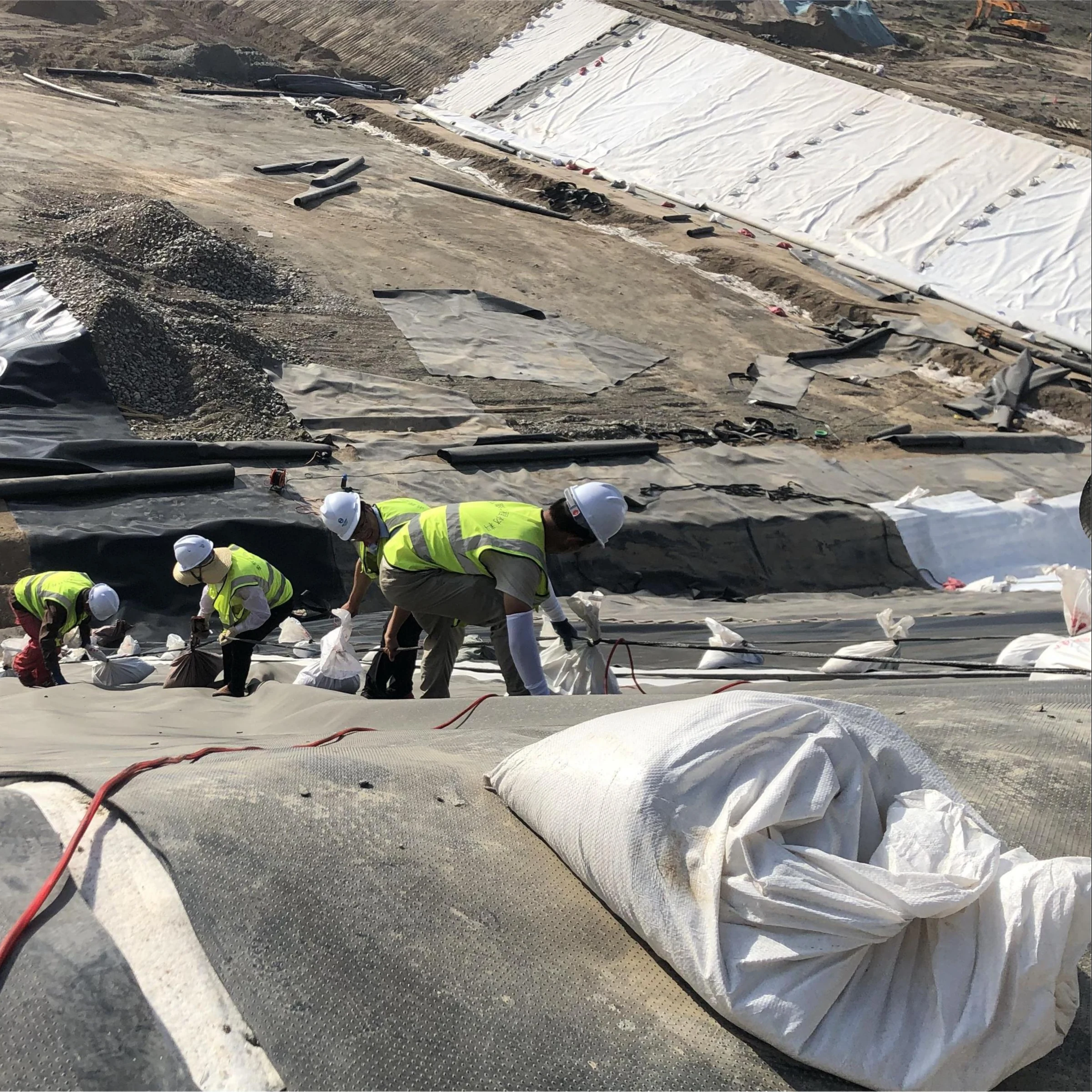
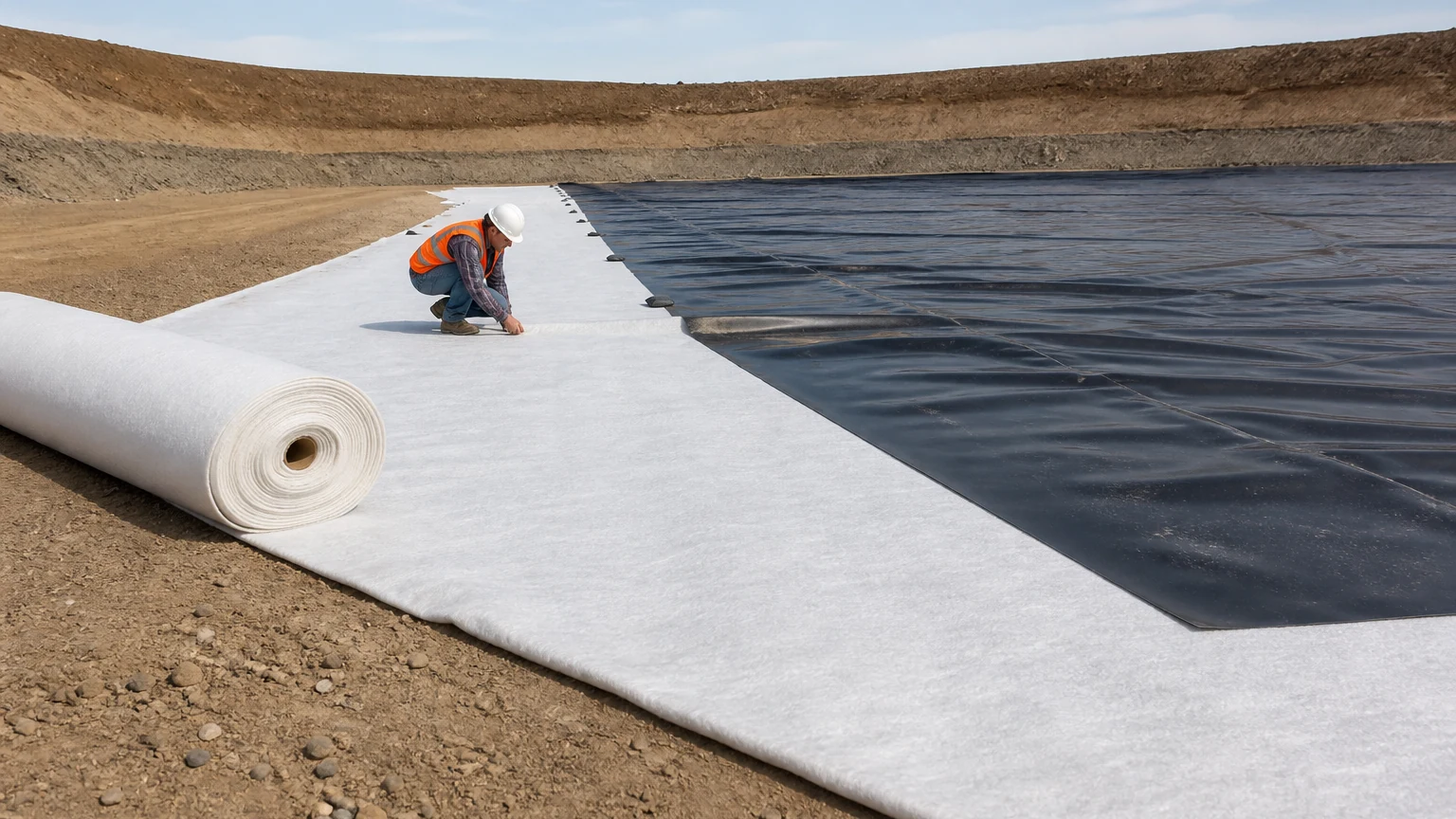
A cushion between sharp stone and the geomembrane. The liner underneath lasts longer.
| Mass per unit area | Grab tensile (D4632) | Tensile strength (D4595) | CBR puncture (D6241) | Opening size O90 (D4751) | Permittivity (D4491) |
|---|---|---|---|---|---|
| 150 g/m² | 690 N | 12 kN/m | 1,850 N | 0.11 mm | 2.2 s⁻¹ |
| 250 g/m² | 1,200 N | 20 kN/m | 3,100 N | 0.10 mm | 1.6 s⁻¹ |
| 325 g/m² | 1,600 N | 23 kN/m | 3,800 N | 0.09 mm | 1.4 s⁻¹ |
| 400 g/m² | 2,050 N | 27 kN/m | 4,600 N | 0.09 mm | 1.4 s⁻¹ |
| 500 g/m² | 2,500 N | 34 kN/m | 6,100 N | 0.08 mm | 1.3 s⁻¹ |
| 600 g/m² | 3,000 N | 39 kN/m | 7,500 N | 0.08 mm | 1.3 s⁻¹ |
Light drainage, French drains, garden and sports-field work.
Road and yard separation under regular traffic.
Protection cushion over or under a geomembrane.
Ten grades from 125 to 600 g/m² are in production. Values are typical, tested to ASTM methods.Get the full data sheet

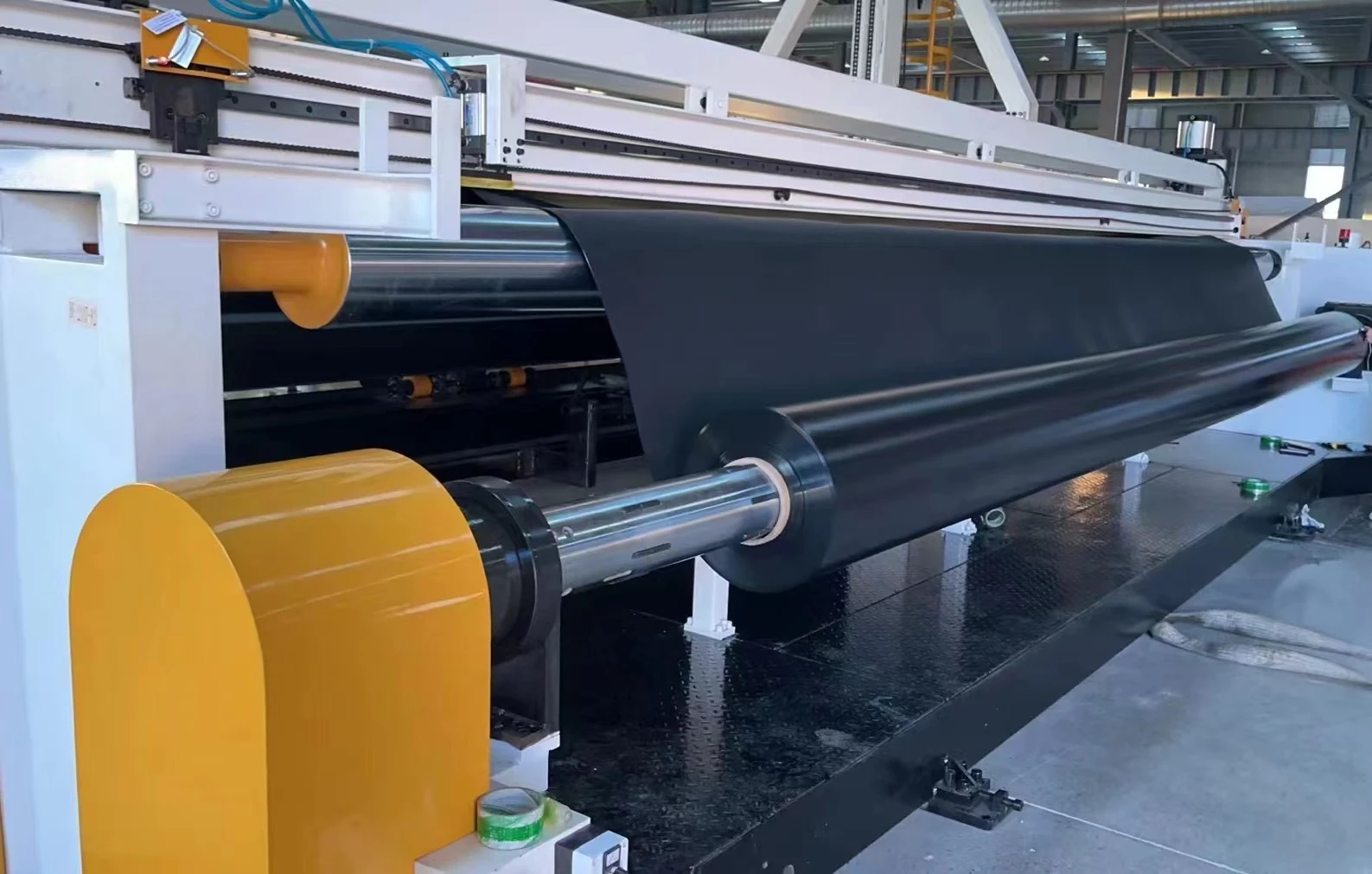
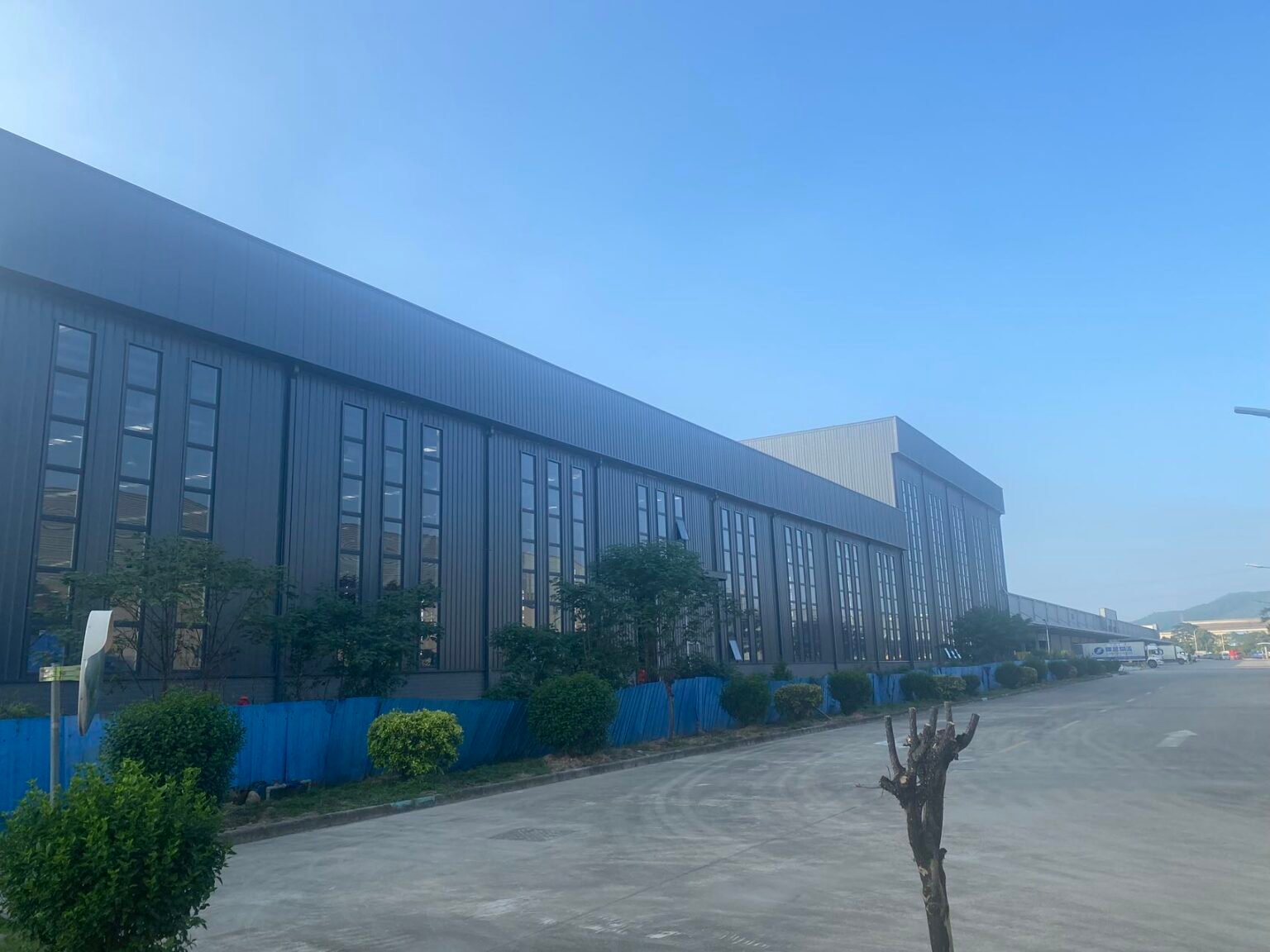
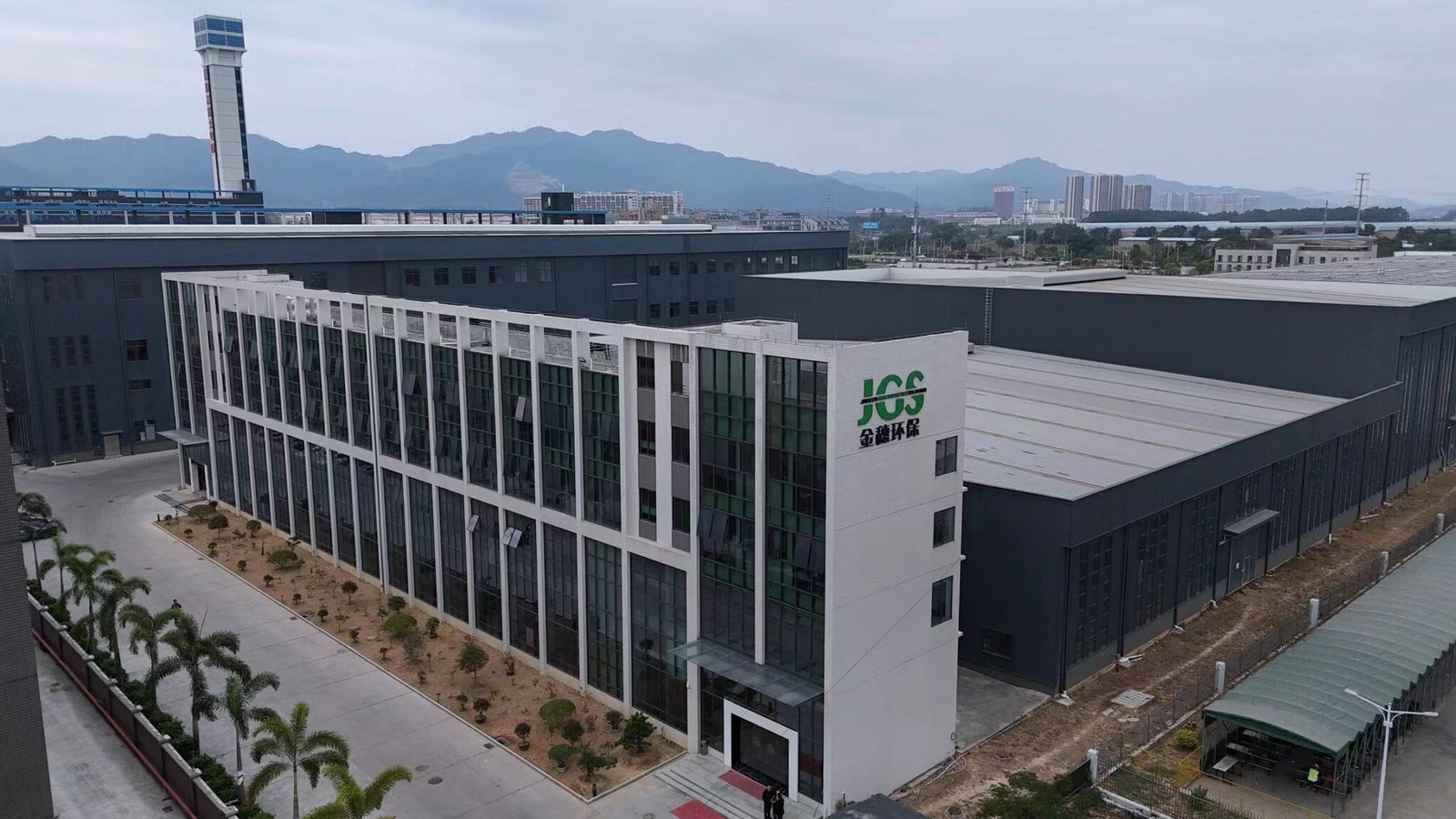
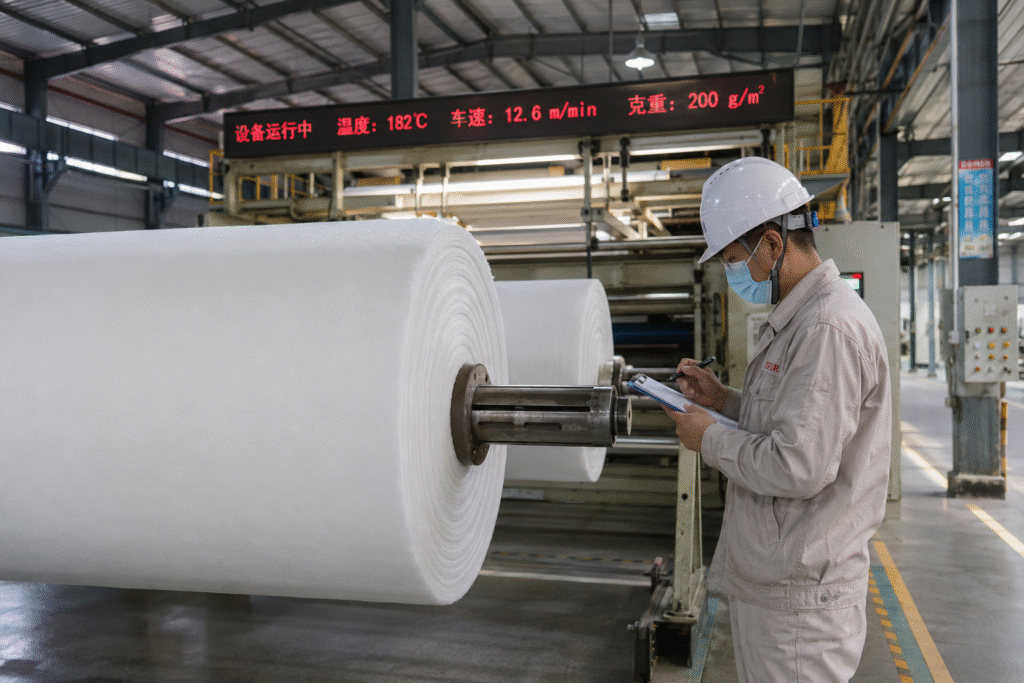
We don't buy rolls and resell them. Every geotextile comes off our own needle-punching lines in the Zhaoqing High-tech Industrial Development Zone, Guangdong.
Fiber comes in, finished rolls go out. Nothing is outsourced, so nothing is out of our hands.
Long PET filaments are laid and needle-punched into a three-dimensional fabric that won't fray or fall apart.
Our on-site laboratory checks samples from every batch. No passed test, no shipment.
How hard you can pull before it tears — 690 N at 150 g/m², up to 3,000 N at 600 g/m².
The number engineers put in the spec — 12 to 39 kN/m across standard grades.
Resistance to a stone pushing through — up to 7,500 N on the heaviest grade.
The soil particle size it holds back — 0.08 to 0.11 mm.
How fast water passes through — 1.3 to 2.3 s⁻¹.
Tested in our own Certified in-house lab. Third-party witnessed testing by BTTG or TRI Environmental can be arranged before shipment.
How our quality control works


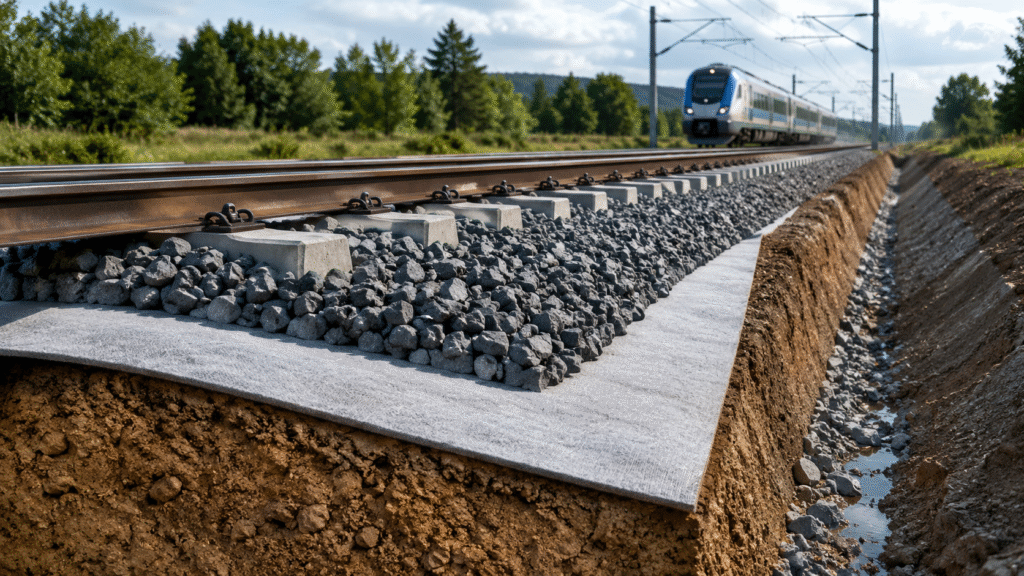
Separation under the base course and around ballast.
See application
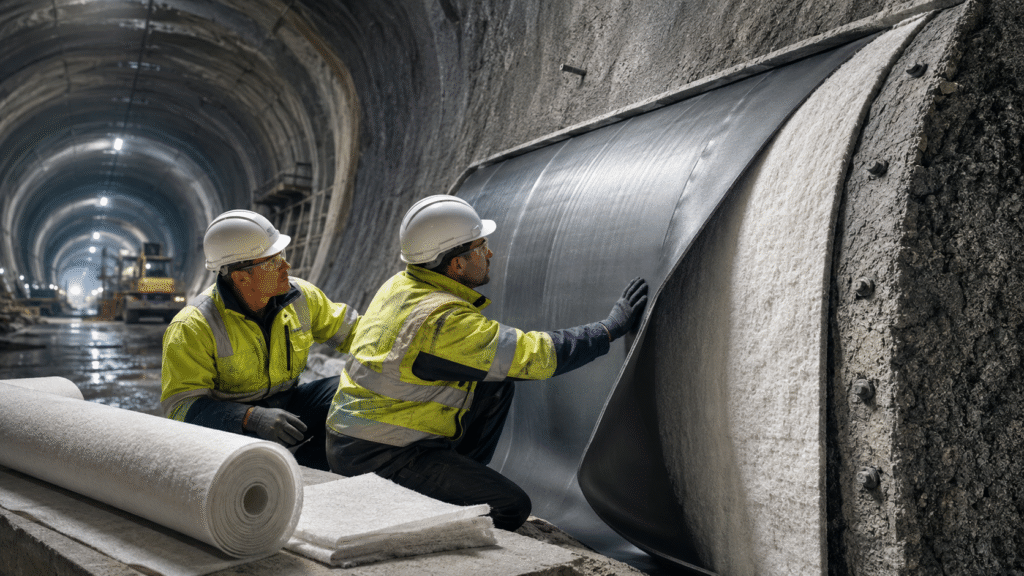
Protection and drainage behind the waterproofing layer.
See application
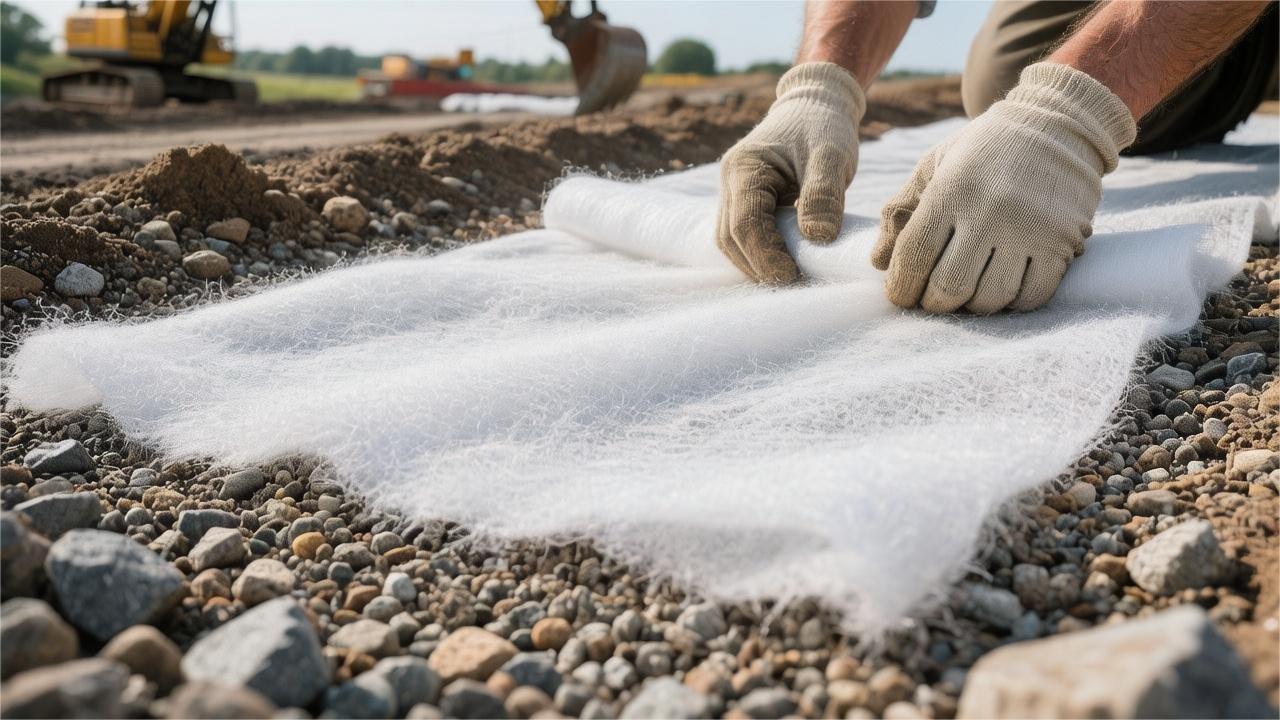
French drains, retaining walls and sports fields.
See application
Erosion control under riprap and cover soil.
See applicationAlso working in: Landfill·Mining·Water works·Aquaculture·Environmental projects

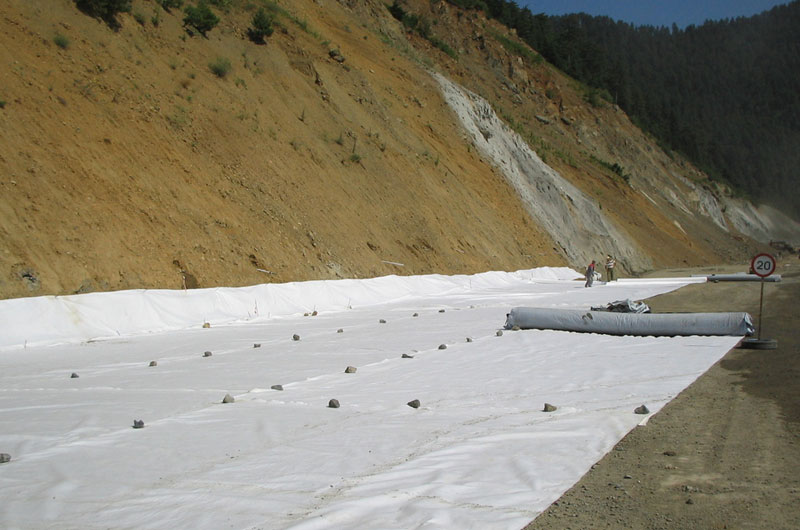
Steep ground, acidic solution. A 600 g/m² PET geotextile protects the 1.5 mm textured liner from the stone drainage layer above it, so the pad keeps working instead of leaking.

A tropical site with high moisture and year-round sun. The spec put our heavy PET fabric above and below the 2.0 mm liner — one layer to protect it, one to drain.

Tell us the application, GSM, test values, roll size, quantity and destination port. We reply with grade advice, pricing, lead time and a container loading plan.
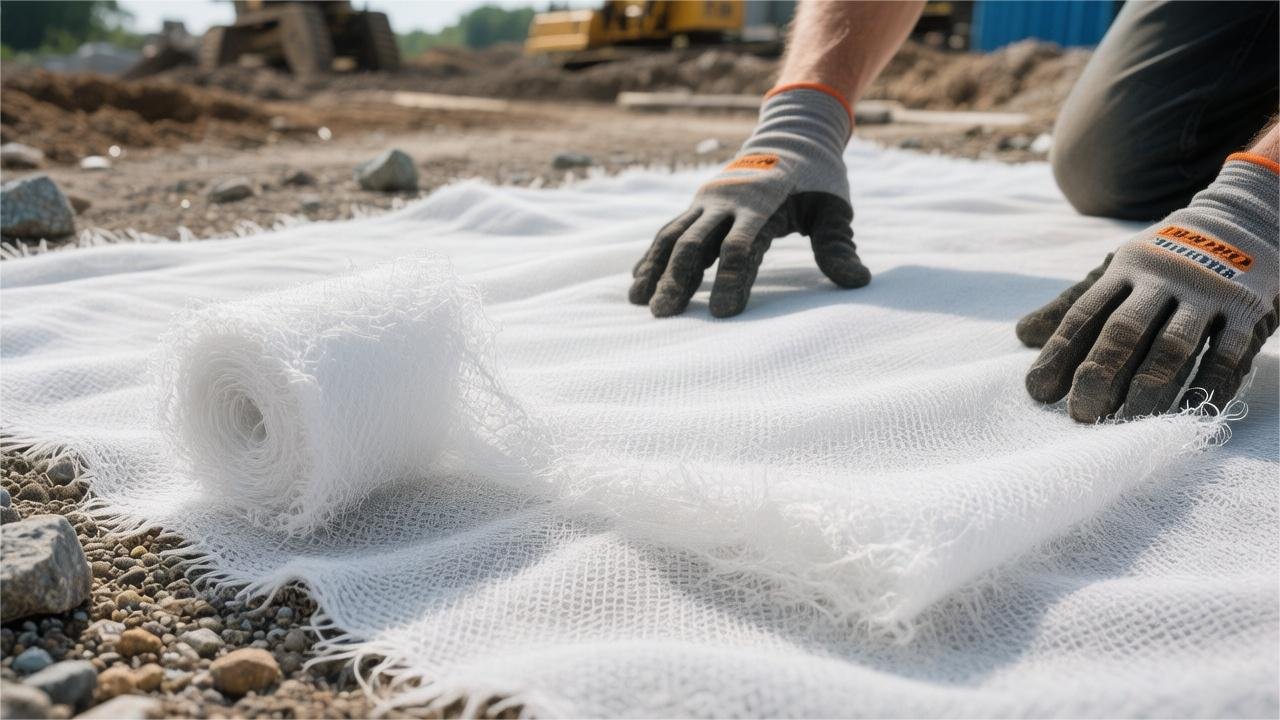
Clear debris and sharp stones over 15 mm before the fabric goes down.
300–500 mm covers most jobs. On soft ground (CBR under 2), sew or bond the seams.
Roll the fabric out relaxed. Tension today becomes wrinkles and gaps tomorrow.
Get soil or aggregate on it within 48–72 hours. It's UV-stabilized, but it's made to be buried.
More detail in our field guide.Read the installation guide
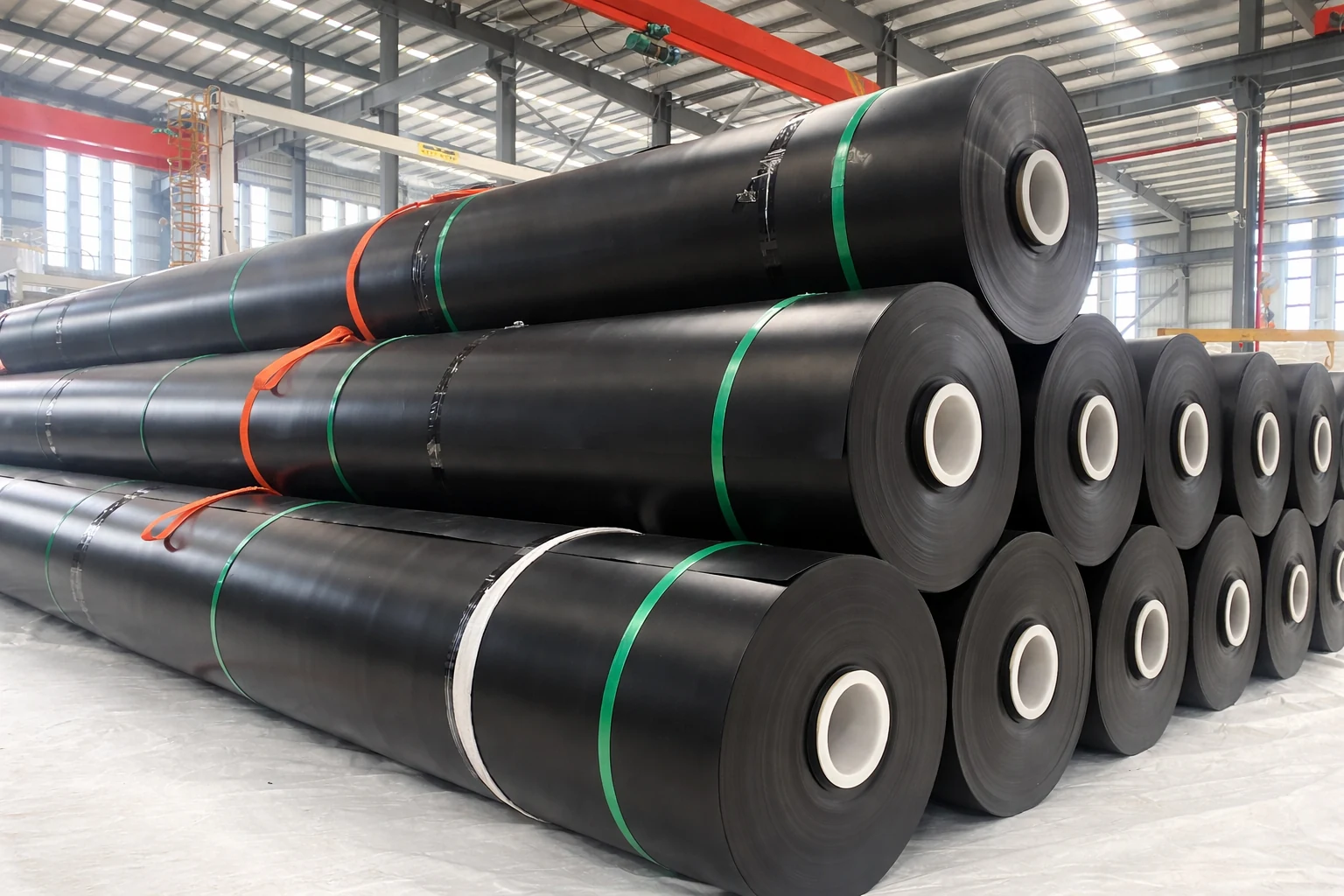
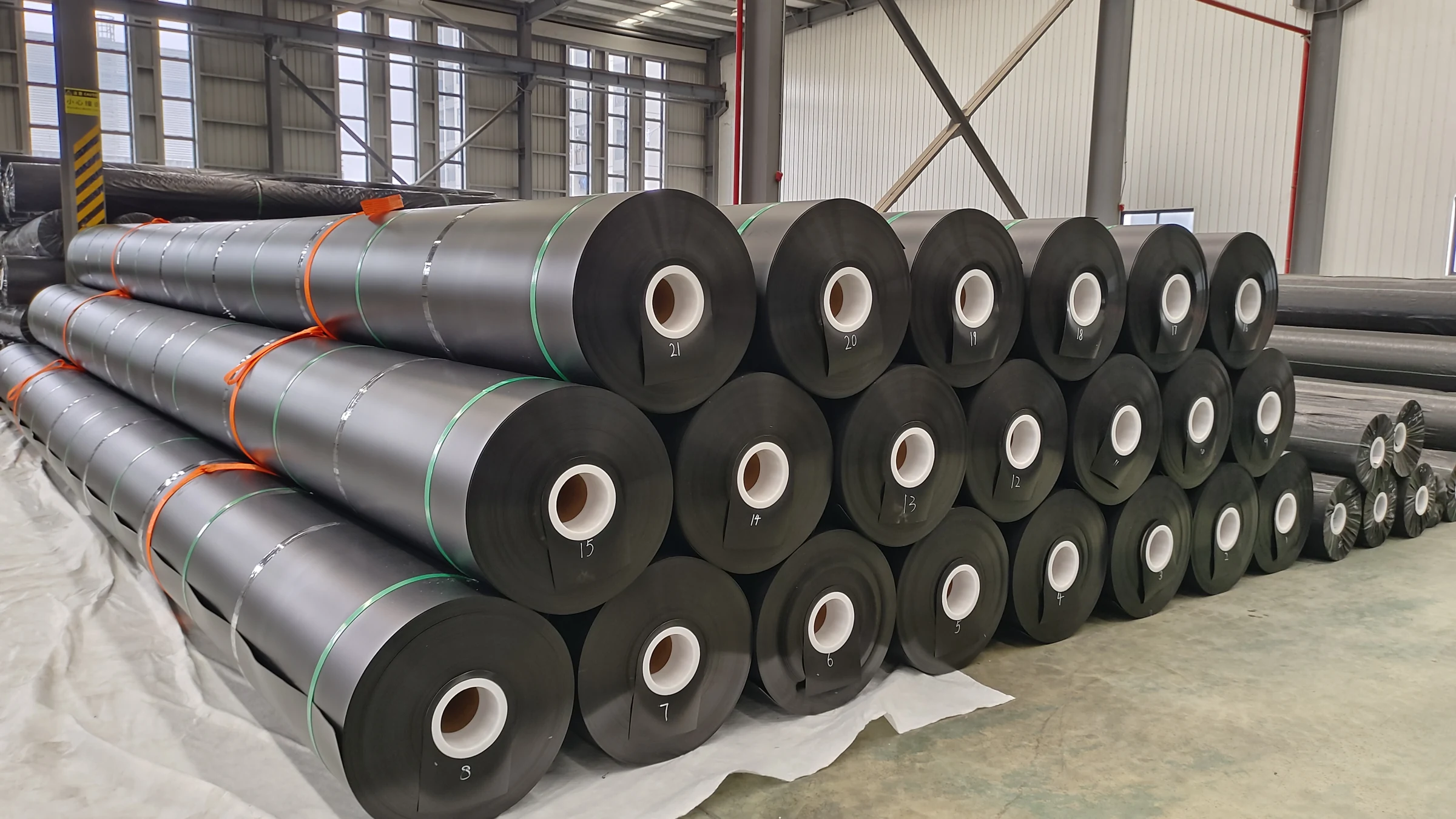
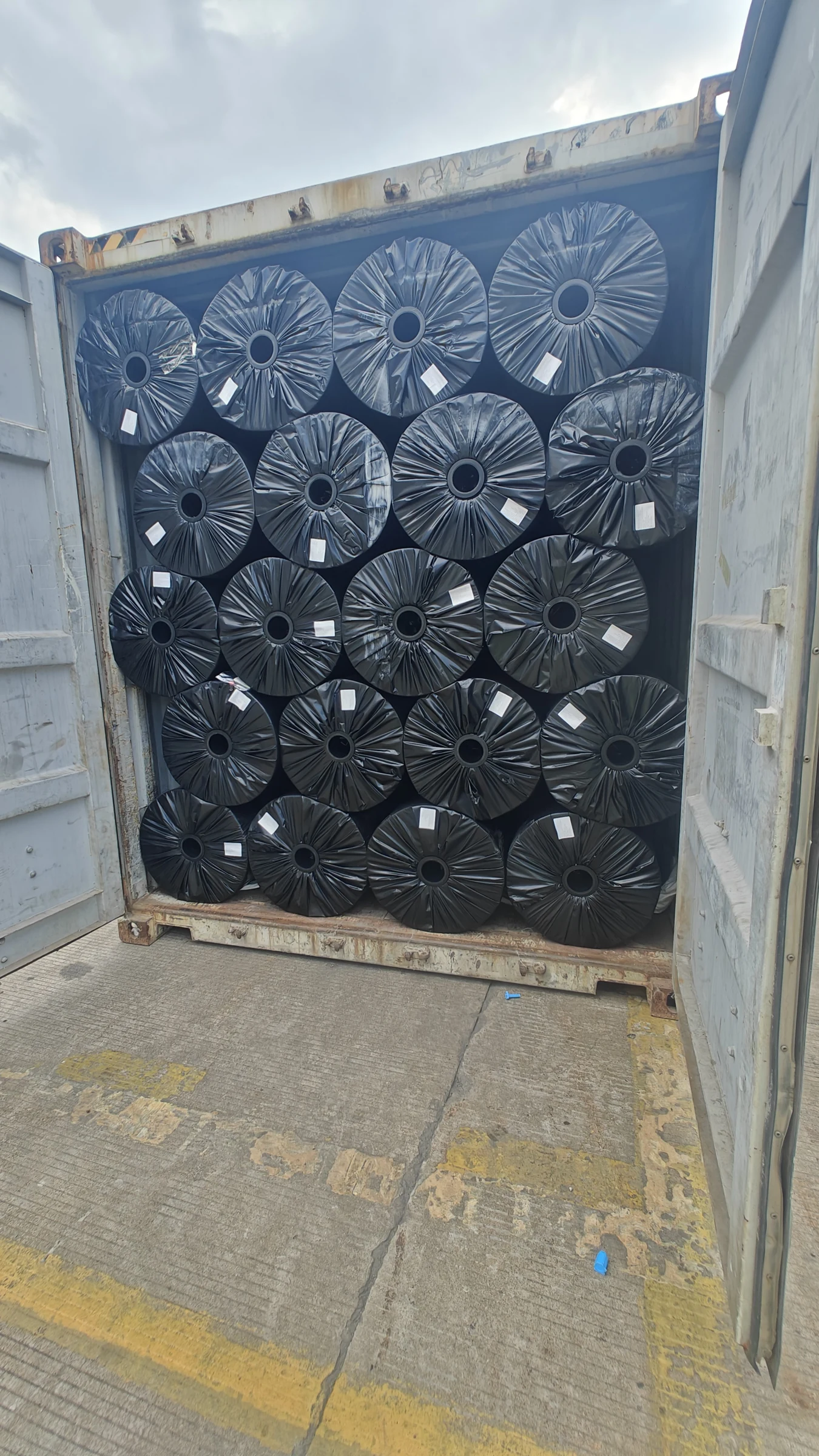
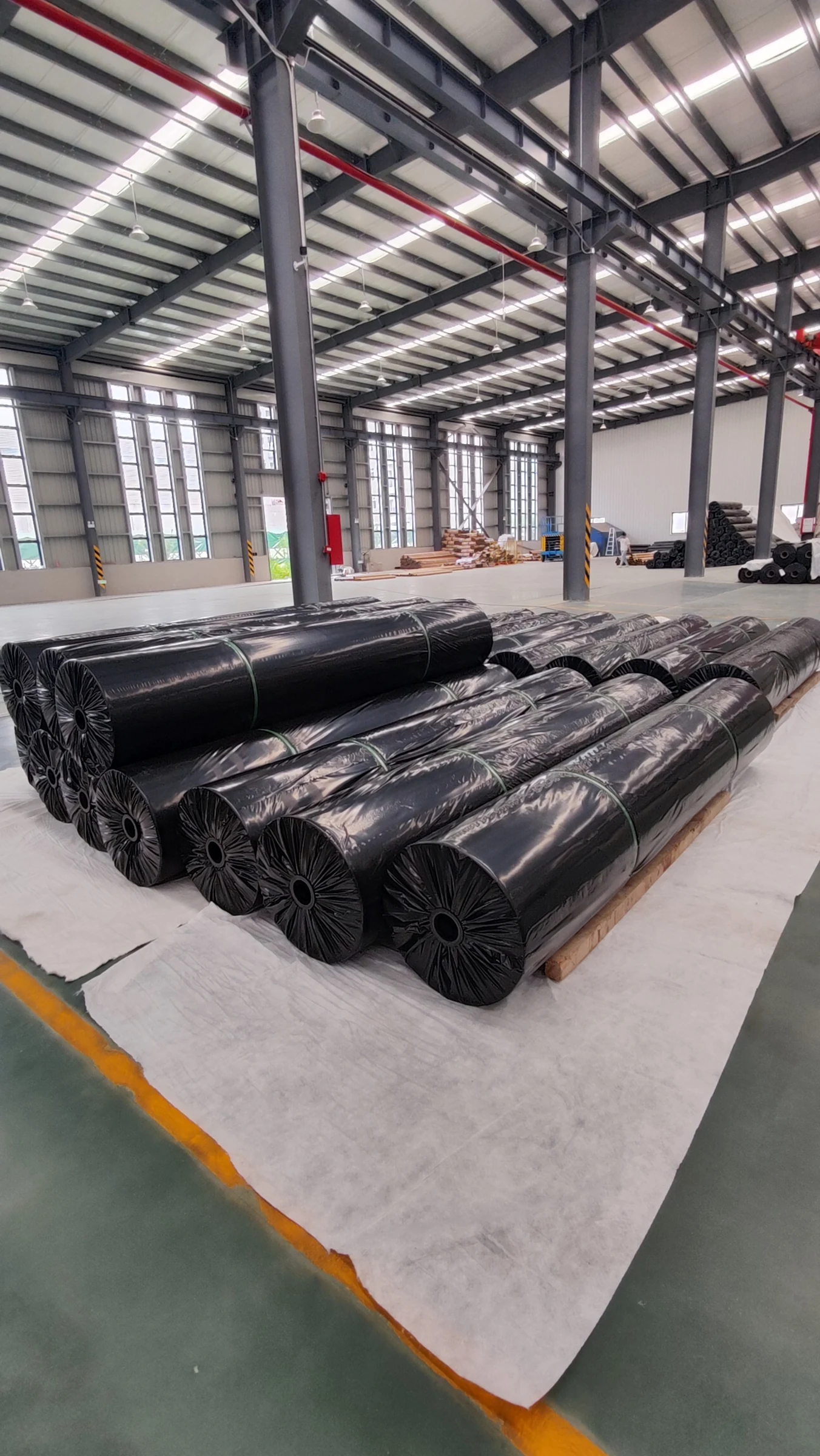
Rolls are wound on reinforced cores and secured for handling.
Rolls are secured for shipment with lifting straps at both ends.
A 40HQ carries about 10.5 tons of fabric — roll lengths are set to fill it well and cut your freight cost per square meter.
Photos, checks and seal numbers reach you before the container leaves.


Jinseed Geosynthetics. Head office in Singapore, factory in Zhaoqing, Guangdong — 55,000 m² of production space with its own test lab. We've been making geosynthetics for over 15 years.
If you want to see the lines running before you order, come visit. If you can't travel, we'll walk the factory floor with you on a video call.
See the factory
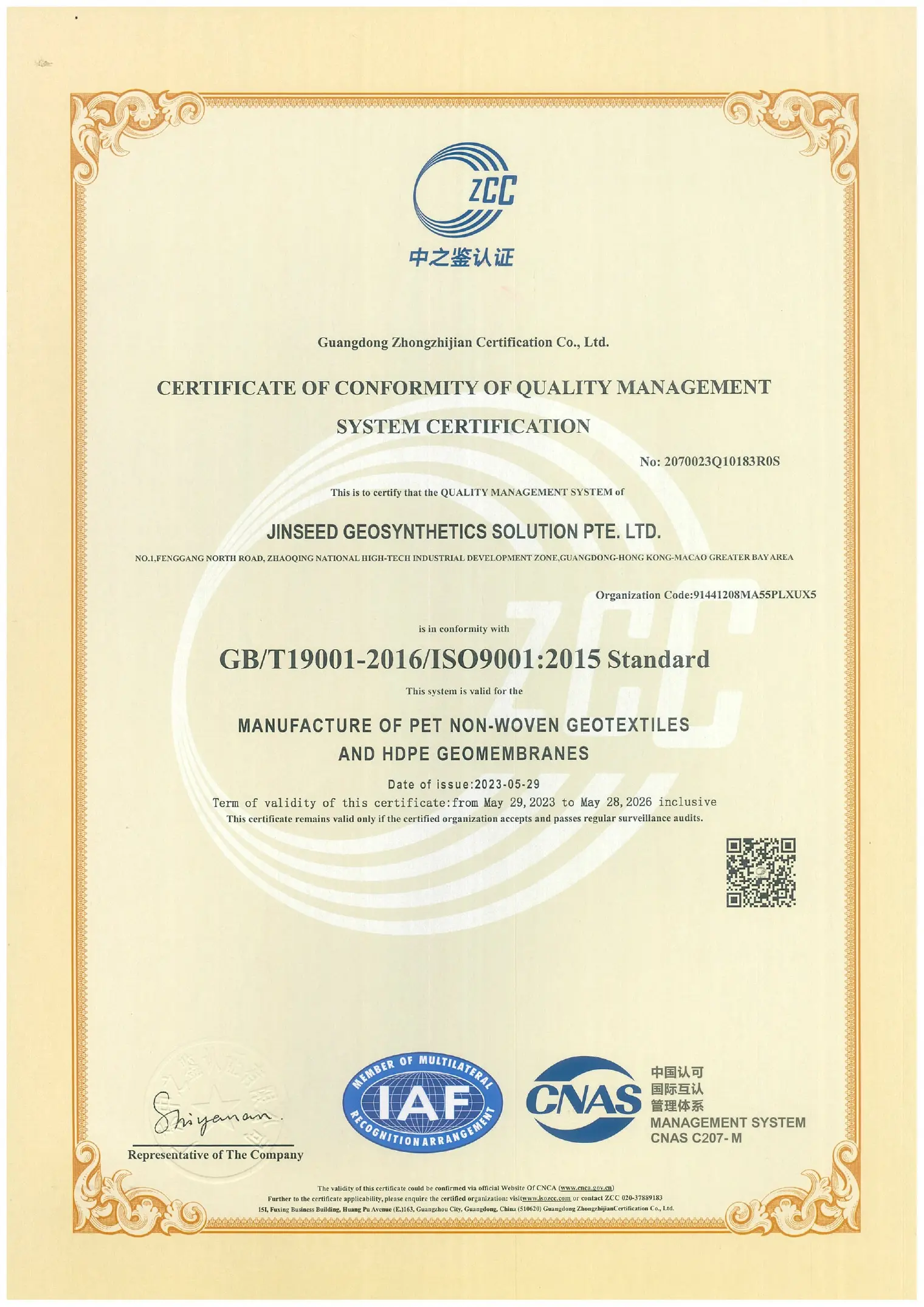
Covers production of our geomembranes and non-woven geotextiles, with regular audits by accredited bodies.
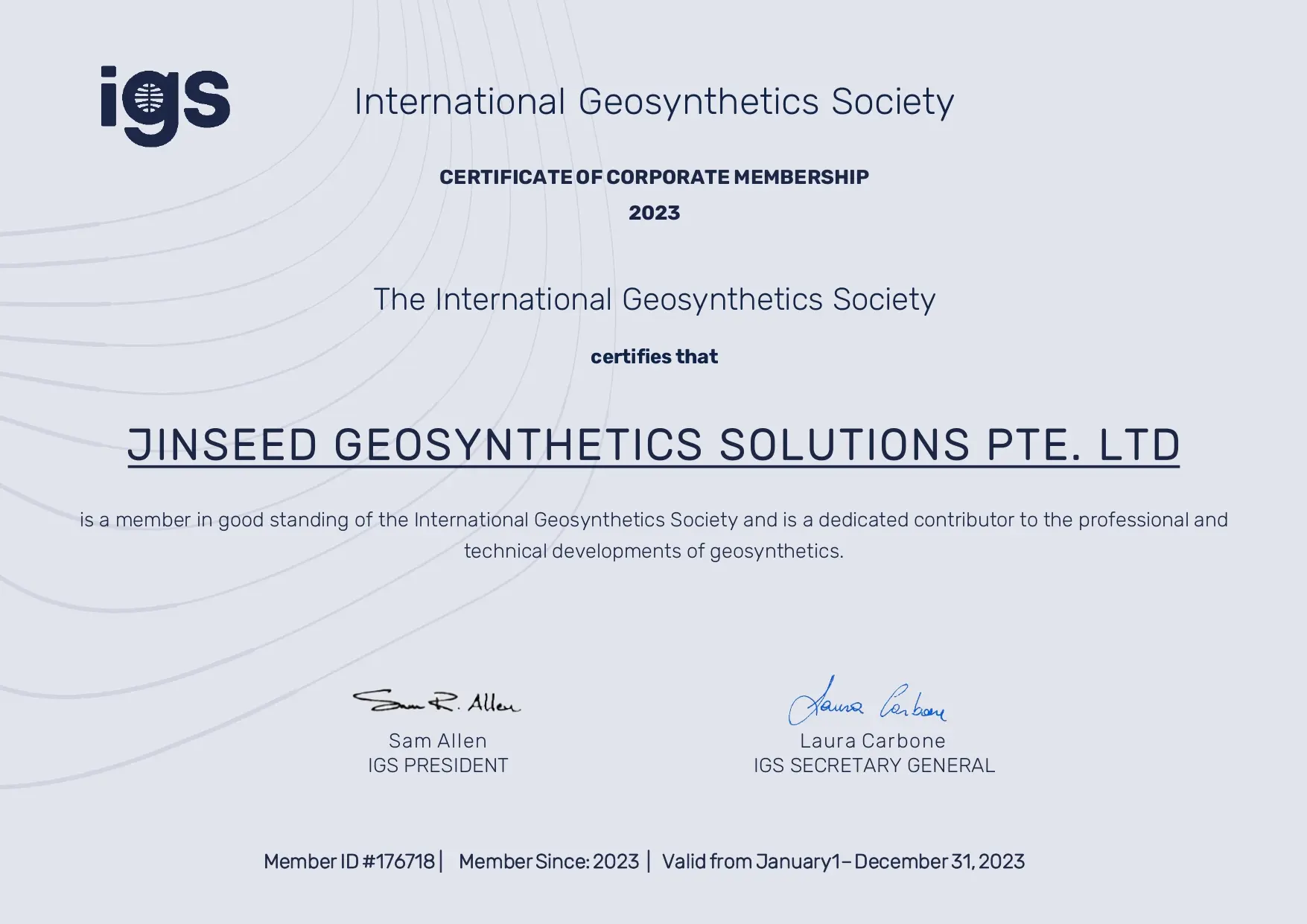
We follow the technical work of the International Geosynthetics Society and its current specifications.
Our in-house test methods line up with third-party laboratories, so results are consistent.
Buyers can appoint BTTG or TRI Environmental to sample and seal goods before shipment.

The application. Landfill, road, drainage, liner protection — the job decides the grade.
GSM and minimum values. Weight plus any tensile, puncture or flow numbers you must hit.
Roll size. Preferred width and length, plus any handling limit on site.
Test methods. ASTM, ISO or project-specific methods and acceptance limits.
Quantity. Total square meters or rolls for the project.
Destination. Country and port, so freight is priced into the answer.

Most jobs need a liner and a fabric together. We make both, so one shipment can cover the whole system.

The main containment layer for landfills, ponds and mining pads. 0.5–3.0 mm, up to 8 m wide.
View product
Rough surface for steep slopes — it grips the geotextile and the soil instead of sliding.
View product
Softer and more flexible than HDPE, with food-grade options for fish and shrimp ponds.
View product
Fiber source, production control and test documents — what to ask before you commit.
Read article
Grades, specifications and ordering steps explained in plain language.
Read article
What the ounce ratings mean in g/m², and when each weight makes sense.
Read articleMatch the weight to the job. Light drainage work and French drains usually run 100–200 g/m². Road and yard separation under traffic runs 300–500 g/m². As a protection cushion over or under a geomembrane, 600 g/m² and up is the common choice. Tell us the application and we will confirm the grade before you order.
PET (polyester) gives higher tensile strength and better long-term creep resistance, so most structural and protection jobs use PET. PP (polypropylene) handles high-alkali ground better, for example next to concrete. Most of the geotextile we ship is PET continuous filament. If you tell us the soil chemistry, we will say which one fits.
If the job involves filtration, drainage, separation on uneven ground or liner protection, non-woven is the right tool — its three-dimensional pore structure lets water through while holding soil back. Woven fabric is for pure tensile reinforcement on flat, prepared ground. Most projects that come to us need non-woven.
Yes. Send the required ASTM or ISO test methods and acceptance values with your RFQ and we will confirm the test package before production. A Manufacturer's Quality Certificate ships with every order, and third-party inspection by BTTG or TRI Environmental can be arranged before loading.
Custom widths go up to 6 m, which cuts the number of field seams. Standard widths are 1 m, 2 m, 3 m and 6 m. Roll length depends on the grade and the container loading plan — heavier grades ship in shorter rolls so they stay within handling limits.
Trial orders start from 1–3 tons for regular grades. For export, a full container usually gives a better cost per square meter. Standard grades are produced in 7–15 days after the specification and deposit are confirmed; custom orders typically take 15–25 days.
Email us your specification or drawing, or message us on WhatsApp. We will come back with grade advice, pricing, lead time and a loading plan.
182 Cecil Street, Frasers Tower Level 17, Singapore 069547
No. 1 Fenggang North Road, Zhaoqing High-tech Industrial Development Zone