

Selecting geotextiles requires balancing functions with physical parameters. Non-woven fabrics (high porosity) are suitable for drainage and filtration, while woven fabrics (tensile strength up to 50-200kN/m) are used for subgrade reinforcement.
Key indicators to focus on: Mass per unit area (commonly 100-800g/m²), where heavier weight signifies stronger protection; Equivalent Opening Size (O95) should be between 0.07-0.5mm to prevent clogging; CBR puncture strength must be >1500N to withstand construction wear. In professional operations, it is essential to verify the vertical permittivity (must be ≥1.0×10⁻³ cm/s) and prioritize materials with ISO 10319 certification to ensure engineering stability and durability.
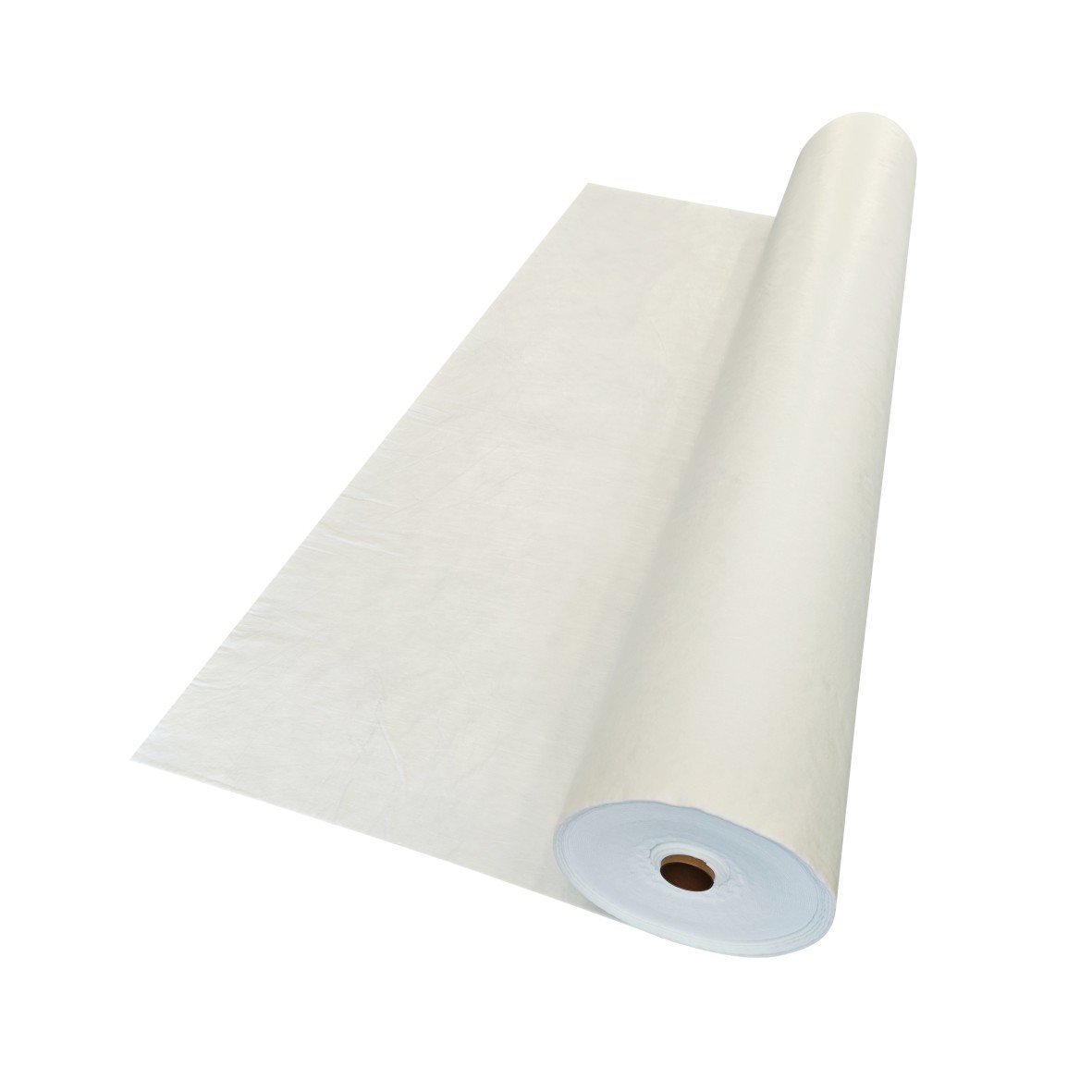
Identify the Primary Function
According to the AASHTO M288 standard, the selection of geotextiles must first be clearly defined among five functions: separation, filtration, drainage, reinforcement, or protection. For example, in road engineering, if the foundation bearing capacity CBR < 3, the primary function is reinforcement; if CBR > 3, the focus is on separation.
For drainage systems, Permittivity must reach 0.02 to 2.1 $sec^{-1}$, while filtration functions require the Apparent Opening Size (AOS) to typically be between 0.15mm and 0.60mm (50-100 US standard sieve size). Choosing the wrong function will lead to pavement rutting or drainage failure within 6 to 12 months.
Five Major Functions
Under the framework of the North American AASHTO M288 standard, when the aggregate base is subjected to a tire pressure of 80 psi (550 kPa), the point-to-point contact stress between particles is rapidly transmitted to the underlying soil layers. If the subgrade’s California Bearing Ratio CBR is below 3, untreated aggregate will sink 50mm to 150mm, resulting in a loss of approximately 30% of the pavement structural layer thickness.
By laying a non-woven geotextile with a weight of 6 oz/yd² (200g/㎡) at the interface, utilizing its grab tensile strength of over 150 lbs (667 N), the upward migration of fine particles with a diameter less than 0.075mm can be blocked. Experimental data shows that this physical separation can maintain the pavement’s Structural Number (SN) at over 95% of the initial design value long-term.
For sandy soils with a permeability coefficient of 10⁻² cm/sec, the geotextile’s Permittivity must reach 0.5 sec⁻¹ to ensure fluid equilibrium. If the pore size is too large, as much as 2kg of fine particles per square meter of geotextile may be lost annually, leading to voids behind retaining walls.
The table below shows the quantitative screening criteria for geotextile physical parameters under different hydraulic conditions:
| Site Soil Type | Permeability Coefficient (k) | Recommended AOS (mm) | Min. Permittivity (sec⁻¹) | Flow Rate (gpm/ft²) |
|---|---|---|---|---|
| Clean Sand | > 10⁻² cm/s | 0.25 – 0.60 | 0.7 | 140 |
| Silty Soil | 10⁻³ – 10⁻⁴ cm/s | 0.15 – 0.25 | 0.2 | 50 |
| Cohesive Soil | < 10⁻⁵ cm/s | 0.15 | 0.05 | 10 |
| Dynamic Fluid Environment | Fluctuating | < 0.18 | > 1.5 | > 200 |
The drainage function involves the longitudinal conduction of fluid within the plane of the material. Under a normal pressure of 20 kPa, a needle-punched non-woven fabric with a thickness of 4mm can provide an in-plane Transmissivity of approximately 3 x 10⁻⁵ m²/sec. When the pressure increases to 200 kPa, the thickness compresses to 1.5mm, resulting in a 70% decrease in drainage capacity. In deep foundations, heavy-duty specifications of 12 oz/yd² or higher must be used.
High-strength woven geotextiles provide a tensile modulus of up to 50 kN/m through polypropylene filaments in the warp and weft directions. At an elongation of only 2%, the tension generated by the material can offset 15% of the horizontal lateral stress. This “membrane effect” can reduce the required aggregate thickness for temporary construction roads on soft foundations from 60cm to 40cm.
For reinforcement and protection scenarios, the mechanical evolution data for physical properties are as follows:
- Creep Resistance: Under 40% of the ultimate load, the permanent deformation after 10,000 hours is less than 8%.
- Interface Friction Coefficient: When in contact with standard sand, the friction angle deviation must be controlled within ±2 degrees.
- CBR Puncture Resistance: For 25mm grain size aggregate, the index must exceed 2200 N (500 lbs).
- UV Stability: After 500 hours of exposure, the tensile strength retention should be greater than 70%.
- Trapezoidal Tear Strength: In complex rock slope environments, this value needs to reach above 350 N.
- Porosity: Non-woven materials typically maintain 60% – 80% to accommodate silt.
The protection function acts as a barrier for anti-seepage systems; at the bottom of landfills, a buffer layer weighing 16 oz/yd² (540g/㎡) can reduce the local pressure generated by 20mm sharp stones by approximately 85%.
Under repeated scouring by wave forces, geotextiles must withstand suction and pull-off pressures of up to 5 kN per square meter. Choosing monofilament woven fabrics with regular pores, with a Percent Open Area maintained between 4% and 10%, can intercept sand particles while rapidly releasing backpressure generated by wave recession.
In different engineering contexts, the priority of functions is adjusted according to the stress structure. For example, in steep slope support, the reinforcement function occupies 80% of the design weight, while the filtration function only accounts for 20%. The table below compares the dominance of the five major functions in different projects:
| Application Scenario | Primary Function (80% weight) | Secondary Function (20% weight) | Mechanical Indicator |
|---|---|---|---|
| Soft Foundation Embankment | Reinforcement | Separation | 2% Elongation Modulus |
| French Drain | Filtration | Drainage | Apparent Opening Size (AOS) |
| Landfill | Protection | Drainage | CBR Puncture Strength |
| Heavy-Duty Yard | Separation | Reinforcement | Grab Tensile Strength |
During the backfilling process, the first layer spreading thickness of large bulldozers above the geotextile must not be less than 150mm. According to ASTM D4833 simulation tests, if stones are dumped from a height of 1m, ordinary Class 3 materials will suffer physical penetration damage exceeding 10%, leading to the failure of the separation function.
In projects with harsh chemical environments, high-density polypropylene (PP) exhibits extreme inertness in aqueous solutions with pH 2 to pH 13, and its antioxidant life can exceed 100 years in a 20℃ environment. This microscopic durability is the fundamental guarantee that the aforementioned five physical functions do not degrade throughout the engineering lifecycle.
Selection Quick Reference
When performing highway foundation treatment, CBR (California Bearing Ratio) is the primary indicator for determining material strength. If the measured site CBR value is between 1% and 3%, according to the AASHTO M288 standard, Class 1 high-strength geotextiles must be selected. In this condition, the material’s grab tensile strength must reach 1400 N to handle the instantaneous shear stress generated by heavy construction machinery during aggregate spreading.
For stable subgrades with CBR greater than 3%, selection standards can be lowered to Class 2 or Class 3. At this point, the main goal is to prevent the pavement base aggregate from sinking into the underlying clay layer. Experimental data proves that using 6 oz/yd² non-woven fabric as a separation layer can reduce aggregate loss by approximately 25% and ensure the road maintains structural integrity over a 15-year design cycle.
The table below lists recommended physical parameter values based on soil types and load requirements in common municipal and civil engineering projects:
| Project Type | Recommended Geotextile Type | Weight Specification (oz/yd²) | Grab Tensile Strength (ASTM D4632) | Permittivity (ASTM D4491) |
|---|---|---|---|---|
| Heavy Freight Highway | Class 1 Woven | 8 – 10 | > 1400 N | 0.05 sec⁻¹ |
| Residential Branch Road | Class 2 Non-Woven | 6 | 1100 N | 1.5 sec⁻¹ |
| Sidewalk/Bicycle Lane | Class 3 Non-Woven | 4 | 800 N | 2.0 sec⁻¹ |
| Parking Lot Base Separation | Mid-weight Woven | 5 | 1000 N | 0.1 sec⁻¹ |
In the construction of underground drainage pipes and French drains, the soil’s particle size distribution (D85) determines the geotextile’s Apparent Opening Size (AOS). If the surrounding soil is fine sand or silt (particle size between 0.075mm to 0.2mm), a material with an AOS of 0.212mm (No. 70 sieve) should be chosen. This can intercept over 90% of soil particles while allowing water to pass through at a rate of 90 to 120 gallons per minute per square foot.
To prevent the drainage system from silting up after 3 to 5 years of operation, the material’s porosity must be maintained between 60% to 80%. Non-woven needle-punched geotextiles perform excellently when dealing with high-silt groundwater due to their three-dimensional pore structure. In basement exterior wall drainage applications where normal pressure reaches 100 kPa, heavy-duty specifications with a thickness of no less than 2.5mm should be selected to ensure drainage channels are not squeezed shut by soil pressure.
For reinforcement projects such as retaining walls and steep slope stabilization, long-term and short-term tensile strain are key validation data. When using high-strength polypropylene woven fabrics, the tensile modulus at 2% elongation should reach 15 kN/m. This physical property can generate sufficient frictional resistance within the soil mass, increasing the slope’s factor of safety from 1.1 to over 1.5, effectively resisting lateral earth pressure caused by rainfall.
For backfill areas behind Mechanically Stabilized Earth (MSE) walls with complex stress, selection should reference the following indicators:
- Tensile Strength: Must withstand ultimate loads of 50 kN to 200 kN per meter of width.
- Creep Resistance: Under continuous load, the strain increase after 10,000 hours must not exceed 10% of the original length.
- Interface Friction Angle: The friction coefficient with standard sand/gravel should be greater than 0.6 to prevent fabric slippage.
- Tear Performance: ASTM D4533 trapezoidal tear strength needs to be greater than 400 N to handle stone edges.
- Installation Survivability: For backfill stones with a diameter exceeding 10cm, a strength redundancy of 1.3 times must be reserved.
Coastal protection and river training projects place extreme demands on the weather resistance and impact resistance of geotextiles. Under Riprap slope protection, materials must withstand the impact of stones 30cm to 50cm in diameter falling from a height of 1 meter. At this time, heavy-duty non-woven fabrics of 12 oz/yd² to 16 oz/yd² must be selected, and their CBR puncture strength (ASTM D6241) should exceed 3000 N.
While protecting the riverbed from erosion, this heavy-duty protection layer must also meet high-frequency dynamic filtration needs. The repeated reciprocating motion of waves generates alternating water pressures, requiring the material’s Percent Open Area (POA) to be maintained between 4% and 10%. Through this precisely calculated pore design, excessive backpressure can be prevented from causing overall instability or collapse of the slope protection structure.
The table below provides specific physical performance classification references for protection and reinforcement needs under different environmental pressures:
| Construction Condition | Suggested Functional Focus | Puncture Resistance (ASTM D6241) | UV Stability (500h) | Width Elongation (Max) |
|---|---|---|---|---|
| Steep Rock Slope | High-strength Protection | > 4000 N | 80% Strength Retention | < 15% |
| Soft Foundation Dam | Foundation Reinforcement | > 2500 N | 70% Strength Retention | < 10% |
| Landfill Bottom | Geomembrane Buffer | > 5000 N | N/A (Buried) | > 50% |
| Temp Construction Road | Separation & Reinforcement | > 2000 N | 50% Strength Retention | < 20% |
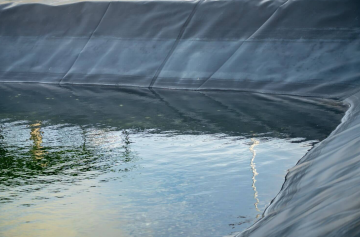
For projects involving geomembrane protection (such as artificial lakes or landfills), the geotextile serves as a mechanical barrier. Laying 10 oz/yd² material over a 2.0mm HDPE membrane can reduce local stress from stones by approximately 75%. This ensures the anti-seepage system does not produce mechanical scratches deeper than 0.2mm when bearing a 20-meter surcharge pressure, avoiding geological environmental risks from leakage.
In coastal soils with high salinity, polypropylene (PP) material has better chemical inertness than polyester (PET), with almost no strength attenuation in environments with pH values 2 to 13. Ensuring the material retains over 70% of its original performance after 500 hours of UV exposure under ASTM D4355 testing is the physical prerequisite for maintaining long-term engineering stability.
Site Determination
Data obtained from on-site testing with a Dynamic Cone Penetrometer (DCP) is the basis for determination. Convert the DCP index (mm/blow) into a California Bearing Ratio (CBR) value. When the CBR value fluctuates between 1.0 and 3.0, the soil exhibits obvious plastic deformation characteristics. At this time, a 12-inch thick aggregate layer in an unreinforced state will typically reach a pavement rutting depth of 50mm to 75mm after 10,000 standard axle loads (ESALs).
Determine the specific values of D50 (median grain size) and D85 through sieve analysis of on-site soil samples. If the fine particle content with a grain size smaller than 0.075mm (No. 200 sieve) exceeds 50%, the soil exhibits high compressibility. In this condition, the geotextile’s Apparent Opening Size (AOS) must be less than or equal to 0.212mm (No. 70 sieve) to prevent particles from seeping through the fabric.
On-site hydraulic gradient data affects the choice of material permeability. According to the ASTM D4491 standard, the geotextile’s Permittivity should be set at more than 10 times the soil’s permeability coefficient. If the soil’s permeability coefficient is 1×10⁻³ cm/sec, the chosen non-woven geotextile must have a permeability coefficient of 1×10⁻² cm/sec.
When evaluating the installation environment, reference the material survivability classification in the table below. According to AASHTO M288 standards, different construction equipment pressures and backfill stone sizes have specific requirements for material strength.
| Site Condition Description | Suggested AASHTO Class | Grab Tensile Strength (N) | Puncture Strength (N) |
|---|---|---|---|
| Heavy tracked equipment, stone dia. > 15cm | Class 1 (High) | 1400 | 2750 |
| Medium machinery, stone dia. 5cm – 15cm | Class 2 (Medium) | 1100 | 2200 |
| Light manual labor, stone dia. < 5cm | Class 3 (Low) | 800 | 1650 |
| Extreme impact load, drop height > 1.5m | Special Reinforced | > 1600 | > 3000 |
When the soil pH value is outside the 4.0 to 9.0 range, polyester (PET) materials are prone to hydrolysis. In such cases, polypropylene (PP) geotextiles should be selected, which maintain a strength retention rate of over 70% after 500 hours of UV exposure in ASTM D4355 testing.
Determination of the filtration function must follow the gradient ratio test results of ASTM D5101. If the measured gradient ratio is greater than 3.0, it indicates that serious clogging is occurring at the geotextile-soil interface. To avoid this, ensure the geotextile’s Porosity is not lower than 30%. High-porosity needle-punched non-woven fabrics provide more tortuous paths to accommodate tiny particles without affecting the overall drainage flux.
When the geotextile bears a normal pressure of 200 kPa from above, its in-plane Transmissivity will drop rapidly. For landfills or the back of retaining walls with depths exceeding 5m, heavy-duty materials with weights over 12 oz/yd² (400g/㎡) must be selected to ensure at least 2mm of effective drainage thickness is retained under pressure.
For specific project types, the following physical parameters are major considerations for completing site determination:
- AOS Index: For fine sand soils, the value should be controlled between 0.15mm and 0.30mm.
- Elongation: For areas needing to withstand uneven settlement, the value should be greater than 50%.
- Trapezoidal Tear Strength: In rock slope construction, this value must not be lower than 350 N to prevent puncturing.
- Porosity Control: In high-silt conditions, choose needle-punching rather than heat-bonding processes.
- Carbon Black Content: For temporary projects exposed to sunlight, carbon black addition should reach 2.0% – 3.0%.
- Interface Friction Angle: When the slope is steeper than 3:1 (H:V), test data needs to be greater than 25 degrees.
Once hydraulic parameters are determined, if backfill stones have sharp edges, the concentrated stress generated will far exceed the material’s rated CBR puncture strength. Experimental data shows that sharp aggregate with a grain size of 20mm dropped from a height of 1.0m generates an instantaneous impact force of approximately 2200N. This requires the chosen material’s ASTM D6241 value measured in the laboratory to reserve a safety factor of 1.5 times.
For high-plasticity clay with PI > 15, ordinary filtration layers are highly susceptible to biological adhesion due to charge attraction. Under such geological conditions, the determination logic shifts to using monofilament woven geotextiles with larger opening sizes. This material has regular geometric pores, which can reduce the chance of silt particles hanging on the fabric surface, maintaining long-term permeability stability.
In tidal zones or areas with frequent water level fluctuations, geotextiles must have extremely high resistance to dynamic loads. Observe the drift of the AOS value through simulated 1,000,000 cycles of reciprocating water flow scouring tests. If the pore size expansion rate exceeds 15%, the material cannot meet the 50-year design life requirement.
For the determination of the reinforcement function, material performance must be screened based on the expected tensile strain level:
- Low-strain Modulus: At 2% elongation, it must provide more than 15kN of tension per meter width.
- Creep Characteristics: Under continuous load for 10,000 hours, the strain increase must be less than 10%.
- Tensile Strength Ratio: The ratio of strength in the warp and weft directions should be close to 1:1 or match the design stress direction.
- Interweaving Density: The number of warp and weft yarns per inch for woven materials must meet ASTM D3775 sampling standards.
- Pull-out Resistance: The friction coefficient between the geotextile and specific soil should be confirmed by laboratory shear tests.
The final determination phase should include an estimate of Installation Damage. When laying in dry sandy soils, the strength Reduction Factor is typically taken as 1.1. However, in harsh environments with high humidity and large amounts of stone blocks, this factor should be increased to 1.5 to 2.0.
Woven vs. Non-Woven
Woven geotextiles are made from polypropylene (PP) or polyester (PET) filaments interlaced in warp and weft; their Grab tensile strength usually exceeds 1000N, with elongation kept below 15%. Non-woven geotextiles mainly use needle-punching processes to randomly distribute fibers; their permittivity can reach 100-150 gpm/ft² (ASTM D4491), and the Apparent Opening Size (AOS) is often distributed between 0.15-0.60mm. The former primarily provides high-modulus load bearing, while the latter focuses on three-dimensional filter layer drainage.
Mechanical Properties
In grab tensile strength testing under the ASTM D4632 standard, woven geotextiles exhibit extremely high mechanical values, typically between 1100N and 4000N. In contrast, needle-punched non-woven geotextiles of the same weight have grab strengths mostly distributed in the 400N to 1600N range, representing a significant performance gap in the initial loading stage.
Woven fabrics can immediately resist deformation when subjected to external tension, and their elongation at break is often strictly controlled within 15%. Non-woven materials rely on physical entanglement between fibers, resulting in larger structural displacement during the initial loading phase.
- Polypropylene Slit Film Woven: Grab tensile strength is typically 1350N, with an elongation of 12%.
- High-Strength Polyester Filament Woven: Wide-width tensile strength can reach 200kN/m, suitable for high embankment reinforcement.
- Heavy-Duty Woven Filtration Fabric: In ASTM D4533 trapezoidal tear strength tests, values often exceed 450N.
- Standard Grade Non-Woven: 200gsm specification has a grab strength of approximately 700N, accompanied by over 50% elongation.
When the focus turns to the ASTM D4595 wide-width tensile test, the high-modulus characteristics of woven geotextiles are even more prominent. Under conditions of 2% or 5% elongation, woven materials can generate tensile forces typically 5 to 10 times those of non-woven materials. This low-extension characteristic is supported by practical application data in preventing pavement rutting depths of over 20mm.
Although non-woven geotextiles lag in absolute tensile strength, they show unique advantages in CBR puncture strength testing under the ASTM D6241 standard. Since their thickness is usually between 2.0mm and 5.0mm, the fiber layer can effectively absorb aggregate squeeze energy. 500gsm non-woven fabric can reach a puncture strength of over 4000N.
This puncture resistance makes non-woven materials the first choice for protecting HDPE geomembranes. In tests simulating site stress, the non-woven fiber layer can reduce point stress generated by sharp stones by over 90%. This protective effect has been quantitatively verified in landfill bottom anti-seepage systems with fill heights of over 10 meters.
- CBR Puncture Performance: 120gsm non-woven is about 1500N, while 800gsm can break through 8000N.
- Trapezoidal Tear Strength: After local cutting, the tear propagation speed in non-woven materials is 30% slower than in woven materials.
- Puncture Displacement: Non-woven fabrics can produce 60mm to 100mm of physical displacement before breaking.
- Coefficient of Friction: The friction angle of needle-punched non-woven surfaces with soil is typically 5 to 8 degrees higher than that of smooth woven fabrics.
In ASTM D5262 creep tests considering long-term loads, polyester (PET) woven fabrics after 10,000 hours typically have a strength retention rate higher than 60%. Polypropylene (PP) materials exhibit more pronounced creep characteristics under constant high stress, usually requiring a reduction factor of 1.5 to 2.0 when designing permanent retaining walls.
According to ASTM D4884 test results, the industrial seam efficiency of woven geotextiles can reach 80% of the base material strength. Because non-woven fibers are loose, stress points at the seams are prone to tearing, and seam efficiency usually remains at the 50% to 60% level; wider overlaps are recommended during construction.
- Long-term Design Strength: After considering biodegradation and creep, the long-term available strength of PET woven fabric is about 55% of the initial value.
- Seam Strength Data: Woven fabric with a strength of 100kN/m can withstand 80kN/m of tension at the seam.
- UV Degradation Resistance: In ASTM D4355 tests, strength retention must be greater than 70% after 500 hours of exposure.
- Thickness Compaction Rate: Under 200kPa pressure, the thickness of non-woven fabric will reduce to 40% of its initial state.
Data from ASTM D5819 laboratory-simulated installation damage shows that when laying large aggregate (D50 > 50mm), the strength loss rate of lightweight woven fabric can be as high as 30%. This is because the slit film structure is easily cut by stone edges, whereas the strength loss of thicker non-woven materials in such conditions is usually controlled within 15%.
For soft foundation treatment, the lateral restraint provided by woven geotextiles can significantly enhance foundation bearing capacity. Research shows that under the action of a geotextile reinforcement layer, the distribution width of vertical stress on the subgrade surface can increase by over 40%. This stress dispersion effect depends on the tensile modulus exhibited by the material in ASTM D4595 testing.
- Modulus Performance: A certain high-strength woven fabric can reach a modulus of 2000kN/m at 1% elongation.
- Impact Resistance: Experiments prove that stones dropped from a height of 2 meters cause 50% less damage area to non-woven fabrics than to woven fabrics.
- Holding Strength: The grab tensile value of 150gsm woven fabric is about 900N.
- Dynamic Perforation: In ISO 13433 cone drop tests, the hole diameter of non-woven fabric is usually less than 20mm.
If the project requirement is to limit lateral foundation displacement to over 5%, high-modulus woven fabric is the only choice that meets mechanical calculation requirements. If the goal is to absorb local stresses caused by uneven settlement, the elongation and puncture strength of non-woven materials are more reliable.
Current international engineering standards such as AASHTO M288 have divided these mechanical indicators into three classes. Class 1 requires the highest mechanical strength, usually corresponding to extremely harsh installation environments and heavy load traffic conditions. When submitting materials for approval, a complete test report covering the above five indicators issued by a GIA certified laboratory must be provided.
Hydraulic Characteristics
In the Permittivity test defined by the ASTM D4491 standard, non-woven geotextiles exhibit significantly high flux characteristics, with permeability coefficients typically between 0.5 sec⁻¹ and 2.2 sec⁻¹. In contrast, the permeability of ordinary polypropylene slit film woven fabric is often lower than 0.05 sec⁻¹, representing a quantitative gap of 10 to 40 times in the capacity to allow water passage per unit time.
Needle-punched non-woven geotextiles have a porosity as high as 80% to 90%; water can travel freely through the randomly distributed three-dimensional fiber gaps. Because woven geotextiles are tightly interlaced with warp and weft filaments, their effective water passage area is limited by physical gaps; in flow tests per square foot per minute, non-woven materials often reach 100-150 gpm/ft², while slit film woven materials are usually only 4-15 gpm/ft².
- Permittivity (ASTM D4491): 200gsm non-woven is approximately 1.5 sec⁻¹, corresponding to a flow rate of 110 gpm/ft².
- Apparent Opening Size (AOS ASTM D4751): Non-wovens are usually distributed in 70-100 standard sieve mesh (0.212-0.150mm).
- Slit Film Woven Performance: Flow rate is extremely low, with only a faint reading of 5 gpm/ft² typically recorded in ASTM tests.
- Monofilament Woven: Specially designed monofilament filter fabrics can reach 30 gpm/ft², with a relatively uniform pore size distribution.
Regarding soil particle interception efficiency, the Apparent Opening Size (AOS) determined by ASTM D4751 is the data point that dictates filtration performance. Non-woven geotextiles form a depth filtration mechanism through their 2mm to 5mm thick fiber layers. When water containing fine particles passes through, the fiber layer can capture soil particles larger than 0.075mm (No. 200 sieve) while maintaining continuous fluid discharge, preventing the buildup of hydrostatic pressure on the upstream side.
Woven geotextiles exhibit distinct characteristics when filtering fine-grained soils. The pore sizes of slit film woven materials are irregular and prone to displacement under stress; when dealing with soils containing more than 15% fine components, a dense mud cake layer easily forms on the surface. This physical clogging phenomenon manifests as a rapid rise in pressure gradient in laboratory ASTM D5101 gradient ratio tests, eventually leading to drainage system failure.
- Sandy Soil Filtration: It is suggested to use woven monofilament fabric with AOS less than 0.60mm to maintain high flow rates.
- Silty or Cohesive Soil: Non-woven geotextiles must be used to utilize three-dimensional pores to prevent fine particles from completely blocking the water passage section.
- Mud Cake Layer Thickness: Experimental data shows that the thickness of the clogging layer on the surface of woven fabric can increase to 2mm within 24 hours.
- Pore Distribution Rate: The number of micropores in non-woven fabric is more than 500 times that of a woven fabric of the same area.
In ASTM D4716 transmissivity tests involving horizontal drainage capacity, thick non-woven geotextiles demonstrate unique in-plane flow performance. When subjected to a normal pressure of 200kPa, heavy needle-punched non-woven fabrics can still maintain a transmissivity of over 1×10⁻⁶ m²/sec.
- Normal Pressure Response: When pressure rises from 20kPa to 200kPa, the drainage capacity of non-woven fabric typically drops by 60%.
- Transmissivity Constant: For 800gsm non-woven at a hydraulic gradient of 1.0, the in-plane flow can reach 0.5 L/(m·s).
- Drainage Path: Water molecules can travel tangentially along random fibers for distances up to 50 meters without vertical overflow.
- Comparison Data: The horizontal transmissivity of woven materials under equal pressure approaches zero, making them unable to replace drainage blind pipes.
According to ASTM D1987 biological clogging tests, because of the large internal space in non-woven geotextiles, the time required for their permeability to drop to 10% of the initial value when handling groundwater rich in organic matter is 4.5 times longer than for woven fabrics.
- Long-term Flow Rate Retention: After 1000 hours of operation, the flow rate of non-woven fabric is typically maintained at 30% of the initial state.
- Particle Deposition Rate: The accumulation speed of fine sand at the woven fabric grid is 0.5g/cm²/year.
- Head Loss: Head loss through 150gsm non-woven fabric is typically controlled below a 10mm water column.
- Chemical Stability: In environments with pH values 4 to 9, the fluctuation of hydraulic physical constants of polypropylene fibers is less than 3%.
In drainage design behind retaining walls, Permittivity is linked to the wall’s factor of safety. If the material’s vertical permeability is lower than 10 times the calculated inflow, excess pore water pressure will be generated within the soil mass behind the wall, leading to a decrease in shear strength. Actual engineering observation data shows that using non-woven fabric with a permeability of 1.2 sec⁻¹ can effectively reduce hydrostatic pressure behind the wall by over 85%.
- Seepage Pressure Resistance: Non-woven fabrics can resist instantaneous backpressures of up to 50psi without fiber layer peeling.
- Gradient Ratio Data: When the Gradient Ratio value is less than 3, the system is considered to be in a stable drainage state.
- Pore Size Consistency: Laser pore size analyzers show that the pore size distribution of non-woven fabrics follows a normal distribution.
- Self-cleaning Effect: Under pulsating water flow, the migration rate of particles within non-woven fabric is 25% higher than in woven fabric.
For projects requiring permanent discharge of groundwater, such as highway curb drains, regulations mandate the use of non-woven materials that meet specific AOS and Permittivity indicators. In temporary access road projects where the material only acts as a separator and does not involve complex drainage needs, low-permeability woven materials may be used as an alternative.
Current international hydraulic engineering laboratories often quantify the anti-seepage performance of materials through Hydrostatic Head tests. Experiments confirm that under a 5-meter head pressure, the flow attenuation curve of high-performance non-woven geotextiles tends to level off, forming a stable “soil-geotextile” filtration structure. This structure provides a quantitative safety indicator based on ASTM D5101 test standards for preventing dam core erosion (i.e., “piping” phenomenon).
Costs and Construction
During the logistics and transportation phase, woven geotextiles have a thickness typically less than 1.5mm, allowing a single roll diameter to be controlled between 50cm and 60cm. This enables a standard 40ft HC container to load approximately 260 rolls of material. In contrast, needle-punched non-woven geotextiles of equivalent weight have bulky fibers, with roll diameters often exceeding 90cm; the same container space can only accommodate about 110 rolls, resulting in a storage volume occupancy rate 1.4x higher during long-distance maritime or inland transport.
Non-woven materials occupy a larger footprint when stacked, and their weight increases by over 200% after absorbing water, which increases the load for mechanical lifting after rain. Woven flat-yarn materials have hydrophobic surfaces and a lower dependency on rainproofing facilities during storage. In temporary storage layouts exceeding 1000 square meters, woven fabrics can improve space turnover efficiency by approximately 35%.
| Construction Metric Comparison | Woven Geotextile | Non-Woven Geotextile |
|---|---|---|
| Standard Roll Width | 3.81m (12.5ft) / 5.33m (17.5ft) | 3.0m – 6.0m (Diverse Customization) |
| Average Roll Weight | Approx. 150kg – 250kg | Approx. 80kg – 180kg (Low GSM) |
| Estimated Installation Waste Rate | 5% – 8% (Influenced by overlap width) | 10% – 15% (Influenced by terrain conformability) |
| Recommended U-pin Spacing | One every 1.5m – 2.0m | One every 1.0m – 1.5m |
The low elongation of woven geotextiles demonstrated in ASTM D4595 testing requires that the base layer must be cleared of all sharp protrusions exceeding 30mm in diameter to prevent stress concentration and flat-yarn breakage during laying. Non-woven materials possess an elongation capacity of over 50%, allowing them to wrap around minor foundation irregularities, reducing pre-installation manual site clearing labor by approximately 15%.
The overlap width during laying must strictly refer to AASHTO M288 specifications. For reinforcement applications using woven fabrics, if the foundation CBR value is between 1 and 3, the overlap width should be maintained between 0.6m and 1m. For non-woven fabrics used only for filtration, an overlap of 0.3m to 0.5m is sufficient to meet engineering continuity requirements.
- Foundations with CBR > 3: Recommended overlap width is 300mm to ensure the material does not shift.
- Foundations with CBR between 1-3: Overlap width must increase to 600mm to prevent joints from opening under pressure.
- Soft soil with CBR < 1: Mechanical sewing is mandatory, with seam strength reaching 80% of the base material.
- Slope Construction: Must proceed from the top of the slope to the bottom; the overlap direction should follow the flow of water or the direction of bulldozer movement.
Due to the light weight and large wind-catch area of non-woven geotextiles, ballast weights or fastening pins must be increased when site wind speeds exceed 25mph. In ASTM D4355 testing, non-UV-stabilized polypropylene fibers lose tensile strength to below 70% of the initial value after 500 hours of sunlight exposure. Construction protocols usually mandate completion of earthwork covering within 14 days of laying to avoid molecular chain degradation caused by ultraviolet rays.
During the aggregate spreading process, ASTM D5819 simulated installation damage experiments indicate that drop height is a quantifiable indicator affecting material lifespan. Dumping large-diameter aggregate (D50 > 50mm) from a height of more than 1 meter can cause irreversible physical tearing in woven fabrics. It is recommended to control the initial spreading drop height within 300mm and use light tracked bulldozers at speeds less than 5mph for leveling, maintaining a lift thickness of over 150mm.
- Track Ground Pressure: Ground contact pressure of construction machinery is recommended to be below 35kPa.
- First Lift Thickness: A minimum of 200mm is recommended before heavy compaction can occur.
- Vehicle Travel Path: Construction vehicles are strictly prohibited from turning or emergency braking on exposed geotextiles.
- Damage Repair: Damaged areas must be covered with a patch extending 300mm beyond the hole edges and secured.
Utilizing J-seams or Butterfly seams with high-strength polyester thread can increase material utilization from 85% to 94%. In ASTM D4884 wide-width seam testing, woven fabric joints can withstand tensions of over 80kN per meter, while non-woven seams are prone to fiber pull-out at needle holes when stress exceeds 15kN.
- Stitch Pattern: There should be 15 to 20 stitches per 100mm of length.
- Thread Tails: A tail of over 50mm must be reserved at the end of the seam to prevent unraveling.
- Parallel Double Stitching: In high-stress zones, double-row flat seams with a 25mm spacing are recommended.
- Inspection Frequency: Random seam strength sampling should be performed every 5000 square meters laid.
Considering long-term maintenance, ASTM D5322 chemical compatibility test data for non-woven geotextiles shows that hydraulic conductivity remains stable for 120 days when in contact with 5% concentration acidic leachate. This dictates that in conditions involving chemical contamination or high-salinity groundwater, materials with corresponding chemical resistance indices must be selected. The construction site should retain a set of physical samples every 2000 square meters, labeled with production batch numbers and sealed for future quality traceability.
Material loss calculations must include cutting waste and overlap consumption. In a standard rectangular roadbed project, if 4.5m wide rolls are used with a 0.5m overlap, the effective coverage rate is only 88%. If the terrain contains curves or irregular corners, non-woven fabrics can reduce cutting volume by about 10% through local folding due to their excellent flexibility. Woven fabrics, however, must be cut and re-overlapped at turns, leading to additional labor hours for seam reinforcement.
Environmental & Site-Specific Factors
Selection must be benchmarked against ASTM D4355 requirements of over 70% strength retention after 500 hours of UV exposure. In complex soils with pH values from 2 to 13, polypropylene (PP) exhibits better chemical stability than polyester (PET). According to AASHTO M288 standards, if the fill particle size exceeds 50mm, the material’s CBR puncture strength must reach over 2225N to prevent filtration failure caused by 15% to 30% installation damage.
Ultraviolet (UV) Exposure
Under ultraviolet radiation with wavelengths from 290nm to 400nm, the polymer molecular chains of polypropylene (PP) and polyester (PET) undergo photo-oxidative degradation. This physical damage leads to micro-cracks in filaments or staple fibers, weakening the geotextile’s elongation at break.
According to the ASTM D4355 standard, laboratories simulate solar radiation using xenon arc lamps. Most engineering specifications require that after 500 hours of exposure, the material must retain 70% or more of its initial tensile strength. If the strength retention is below 50%, the exposure period of the material on the construction site is strictly prohibited from exceeding 7 days.
| Test Parameters and Indicators | Polypropylene (PP) Performance | Polyester (PET) Performance |
|---|---|---|
| ASTM D4355 (500h) Strength Retention | Typically 70% – 85% | Typically 80% – 90% |
| Carbon Black Content | Mandatory 2.0% – 3.0% | Depending on application, usually lower |
| Main Degradation Wavelength | 310nm – 350nm | Around 315nm |
| Oxidative Induction Time (OIT) | Must meet ASTM D3895 testing | Relatively less affected by photo-oxidation |
For every 10 degrees Celsius increase in ambient temperature, the photochemical reaction rate of polymers typically doubles. In high mountain areas exceeding 1500 meters in altitude, the ultraviolet flux increases by 15% to 20% due to the thinner atmosphere.
To resist this damage, manufacturers add Hindered Amine Light Stabilizers (HALS) to the polymer chips. These additives capture free radicals generated by photo-oxidation, stopping the spread of the chain degradation reaction. By adjusting the HALS ratio, the field exposure limit of standard products can be extended from 14 days to over 30 days.
Even with stabilizers, when the color of the geotextile surface fades significantly or fibers become pulverized, the CBR puncture strength may have already dropped by 40%. This hidden strength loss makes the material extremely susceptible to being punctured by aggregate over 20mm during subsequent filling.
- 14-Day Exposure Limit: The AASHTO M288 specification recommends that most standard-grade geotextiles should be covered within two weeks.
- 24-Hour Extreme Requirement: In areas of extremely high radiation or for lightweight materials without stabilizers, backfilling should be completed within 1 day after unloading.
- 5% Sampling Frequency: On sites where schedule delays exceed 21 days, the exposed material should undergo ASTM D5035 strip tensile strength testing.
- 0.5 Solar Constant: Cloud cover can reduce UV input by about 50%, but this cannot serve as a quantifiable basis for extending the exposure period.
- 3.0% Carbon Black Upper Limit: While high carbon black content increases light resistance, it reduces the low-temperature toughness of fibers, leading to cracking in cold climates.
The aging clock starts the moment the material arrives at the site. Even in roll form, if the outer packaging film is damaged, the exposed 20cm to 50cm of fabric will rapidly undergo thermal-oxidative degradation. This damage creates structural weaknesses after laying, leading to local failure of the filtration layer.
For construction cycle design across different climate zones, engineers refer to ASTM G154 fluorescent UV lamp test data. In tropical rainforest climates, high humidity accelerates the hydrolysis of polyester fibers; this chemical degradation, superimposed with UV radiation, can shorten the effective life of the material by about 35% compared to dry climates.
The actual construction log must accurately record the deployment and final covering time of every geotextile roll. If the covering delay is expected to exceed 30 days, specialized high-stability products tested via ASTM D7238 (combining UV, condensation, and high temperature) must be selected.
| Construction Stage and Protection Measures | Maximum Allowed Exposure Duration | Recommended Technical Standards |
|---|---|---|
| Temporary Storage Phase | Strictly prohibit removing UV-resistant packaging | ASTM D4873 Identification Standards |
| Spreading Uncovered Phase | Default 14 days (subject to HALS content) | ASTM D4355 Validation Results |
| Rain Erosion Exposure | Must check for bottom siltation | Strength retention needs re-evaluation |
| High Latitude Winter Construction | Can be extended to 45 days | Monitoring brittleness caused by low temperature |
For needle-punched non-woven fabrics with a thickness over 2mm, the internal fibers benefit from a “shielding effect” by the outer layers, resulting in slower aging. However, woven geotextiles with a thickness of less than 0.5mm are extremely sensitive to UV. The surface area to volume ratio of their flat-yarn structure is large, allowing photo-oxidative reactions to rapidly penetrate the entire fiber cross-section.
According to field measurement data, in regions near the equator, unprotected polypropylene geotextiles can lose up to 95% of their tensile strength within 3 months, essentially losing all structural function. Therefore, the “lay and cover immediately” workflow arrangement in construction organization design is as important as the selection of physical specifications for the material itself.
By using automated spreading machinery, exposure time can be reduced to less than 4 hours. This process improvement significantly reduces initial strain loss caused by photo-aging, ensuring the interface integrity between the filter layer and drainage layer always meets the designed hydraulic gradient balance over a service life of up to 50 years.
Microbiological Activity
Within 100 days of being buried in soil, a biofilm with a thickness of about 15μm to 50μm will rapidly form on the geotextile surface. This biofilm, composed of bacteria, fungi, and algae, alters the surface energy of the fabric and affects the material’s initial permeability.
According to the ASTM D3083 standard, polymer materials must be placed in controlled soil containing active microorganisms for over 120 days. Through comparative testing, untreated natural fibers typically lose over 90% of their tensile strength within 28 days, whereas synthetic polymers demonstrate extremely high resistance to degradation.
Experimental data shows that for polypropylene (PP) and high-density polyethylene (HDPE) in organic-rich soils with pH 4.0 to 9.0, their tensile strength retention can remain above 95% even after a 50-year simulated service period.
The high-molecular-weight chain structures of these polymers are difficult for enzymes secreted by microorganisms to recognize and degrade. However, in anaerobic environments, secondary metabolites produced by sulfate-reducing bacteria (SRB), such as hydrogen sulfide (H2S), may react with certain additives, leading to localized discoloration or embrittlement.
- Biological Clogging Threshold: When biofilm growth causes the Apparent Opening Size (AOS) to decrease by more than 50%, the hydraulic gradient of the system will rise significantly.
- Microbially Induced Oxidation (MIO): In iron-rich soils, the metabolism of iron bacteria leads to the production of large amounts of ferric hydroxide precipitates within the fabric pores, clogging the filtration channels defined by ASTM D4751.
- Specific Fungal Tolerance: According to EN ISO 846 Method B testing, polyester (PET) may show micron-level etching marks on the surface under the action of certain specific molds (such as Aspergillus niger).
- N:P Ratio Impact: When the N:P ratio in groundwater is higher than 10:1, it stimulates abnormal biofilm thickening, causing the geotextile’s permittivity to drop to 10% of its initial value.
- Antioxidant Depletion: Microbial activity accelerates the migration of antioxidants out of the polymer matrix, shortening the oxidative induction time specified in ASTM D3895.
The destructive power of biological factors is not limited to the microscopic level; according to ASTM D3394 laboratory simulations, the biting force of rodents is sufficient to damage non-woven fabrics with a weight lower than 300g/m².
Large rodents such as groundhogs or voles can cause physical holes with diameters of 5mm to 20mm in geotextile separation layers through their digging activities. Under a water pressure of 0.1 MPa, these holes can lead to the loss of up to 500 liters of fine-grained soil per square meter per year, triggering structural instability.
To address this physical damage, some infrastructure projects in North America require the use of heavy-duty fabrics with a trapezoidal tear strength (ASTM D4533) greater than 450N in sensitive areas, or the installation of metal mesh with 12.5mm apertures to form a physical barrier.
Based on root pressure sensor measurements, the pressure at the tips of some shrub roots can reach 2.0 MPa. If the geotextile’s CBR puncture strength is below 1500N, roots will penetrate the fabric and grow hypertrophically at the interface.
- Root Inhibition Technology: In specific irrigation and drainage projects, embedding 5% concentration CuCO3 (copper carbonate) particles in the fibers can effectively induce root tips to turn away without damaging the fabric.
- Aperture Limitation Principle: If O95 (95% opening size) is less than 0.1mm, the young roots of most weeds will find it difficult to penetrate the fabric fiber layer through mechanical squeezing.
- Biochemical Stability: For leachate collection and removal systems at the bottom of landfills, it must be ensured that the material can resist environments with a chemical oxygen demand (COD) concentration of 5000 mg/L.
- Termite Erosion Assessment: In tropical arid regions, termite resistance experiments similar to ASTM D3333 should be conducted to prevent the fabric from being mechanically transported as structural support for termite mounds.
In arid soils with a water content below 15%, microbial activity is reduced by 80%. However, in seasonal saturation zones, wetting and drying cycles accelerate the peeling and regeneration of biofilms, leading to fluctuations in gradient ratio test (ASTM D5101) results.
In wetland restoration projects, selecting needle-punched non-woven fabrics with a large void ratio (> 80%) allows specific microbial communities to colonize, achieving biological adsorption of heavy metals in groundwater while filtering.
Actual measurements after 10 years of service show that geotextile layers containing biofilms have an interception rate for lead (Pb) and zinc (Zn) that is 25% to 40% higher than pure physical filtration, significantly enhancing environmental benefits.
If a project is located in woodland where the humus layer thickness exceeds 2 meters, the impact of organic acids (such as humic acid) on material performance must be evaluated. Long-term immersion in acidic organic liquid at pH 3.5 causes the molecular weight of polyester fibers to decrease by about 1% to 2% per year due to slow hydrolysis.
- 12-Month In-situ Monitoring: For important hydraulic projects, it is recommended to bury 1m x 1m sample pieces on site and periodically remove them for ASTM D5034 grab strength testing.
- Microbial Community Analysis: Through 16S rRNA gene sequencing, specific bacterial species causing clogging can be identified, allowing for the selection of targeted chemical cleaning or prevention programs.
- 50cm Covering Depth: Research shows that burying geotextiles below the frost line and at a depth exceeding 50cm can avoid 90% of high-density plant root zones.
- Redox Potential (Eh): When soil Eh values are below -100mV, anaerobic microbial metabolic efficiency is at its highest; at this time, focus should be placed on the material’s chemical reduction resistance.
Final performance evaluation should be based on full life-cycle biological durability. Even for polypropylene (PP), the most bio-resistant material, lubricants or finishes on its surface may serve as nutrients for microorganisms. During the production stage, ensuring residual monomer content is below 0.1% is a necessary prerequisite for maintaining long-term biological stability.
By introducing a biological damage factor (RFbio) during the design phase, engineers can more scientifically reduce the long-term strength of the material. For common bio-active environments, this factor is typically 1.1 to 1.3, while in extreme organic pollution zones, the factor may need to be increased to over 2.0 to ensure safety redundancy.
Material Degradation
Pore water between soil particles contains dissolved oxygen, inorganic salts, and various acidic or alkaline components, which can penetrate the amorphous regions of polymer fibers. Evaluation of material stability in specific chemical liquids according to the ASTM D5322 standard is a prerequisite for predicting a service life of 50 to 100 years.
In strongly alkaline environments with a pH higher than 9 (such as limestone bases or near concrete structures), polyester (PET) fibers are highly susceptible to hydrolysis. This chemical degradation leads to molecular chain scission, causing the material’s work to break to drop by 30% in just a few months. In contrast, polypropylene (PP) exhibits excellent inertia within the pH 2 to 13 range.
| Polymer Material | Recommended pH Range | Oxidation Resistance | Hydrolysis Resistance | Typical Industry Standard |
|---|---|---|---|---|
| Polypropylene (PP) | 2.0 – 13.0 | Medium (requires antioxidants) | Extremely High | ASTM D6389 |
| Polyester (PET) | 4.0 – 9.0 | Extremely High | Low (hydrolyzes under strong alkali) | ISO 13438 |
| High-Density Polyethylene (HDPE) | 2.0 – 14.0 | High | Extremely High | ASTM D5322 |
| Polyamide (PA/Nylon) | 5.0 – 10.0 | Medium | Medium (degrades under strong acid) | EN 14030 |
For polyester materials, when the CEG value exceeds 30 mmol/kg, the physical performance of the fibers in moist environments accelerates in decay. In subtropical soils with high temperature and humidity, this degradation rate follows the Arrhenius equation: for every 10 degrees Celsius increase in temperature, the degradation reaction speed approximately doubles.
According to ASTM D3895 testing, Oxidative Induction Time (OIT) is the metric for measuring PP stability. If the soil contains transition metal ions such as copper, iron, or manganese, even at concentrations as low as 5ppm, they act as catalysts, significantly accelerating the autoxidation process of the polymer.
In groundwater rich in iron ions, stabilizers on the surface of polypropylene fibers are rapidly exhausted. Experimental data shows that for geotextiles exposed to a 10 mg/L iron ion environment, the standard OIT value will drop from an initial 100 minutes to below 20 minutes within 500 hours, signaling a significant weakening of long-term thermal stability.
- Immersion Strength Loss Rate: After 120 days of chemical immersion as specified in ASTM D6389, tensile strength loss should be less than 20%.
- Sulfate Resistance: In saline soils containing 5000 ppm $SO_4^{2-}$, the molar mass distribution shift for PP materials is typically below 3%.
- Chloride Ion Penetration: In coastal slope protection projects, high concentrations of $Cl^-$ (approx. 19000 mg/L) affect fiber performance primarily by increasing osmotic pressure rather than through chemical destruction.
- Antioxidant Ratio: High-performance geotextiles typically add 0.5% to 1.0% of hindered phenolic or phosphite antioxidants.
- Crystallinity Impact: Polymers with crystallinity higher than 55% are more difficult for chemical reagents to penetrate due to their tight molecular arrangement.
When designing drainage systems for road bases, if the soil analysis report shows organic matter content exceeding 10%, engineers must increase the reduction factor from the standard 1.1 to 1.5. This ensures that the geotextile maintains the necessary grab tensile strength under long-term immersion in acidic humus.
Beyond single pH effects, for negatively charged clay soils, improper selection of chemical coatings on the geotextile surface can lead to electrochemical attraction of fine particles, forming a dense crust layer about 1mm to 3mm thick on the fabric surface, resulting in loss of permeability.
| Chemical Type | Polypropylene (PP) Stability | Polyester (PET) Stability | Impact on Engineering Life |
|---|---|---|---|
| Concentrated Sulfuric Acid (10%) | Excellent | Excellent | Minimal, limited to mine drainage environments |
| Sodium Hydroxide (10%) | Excellent | Very Poor | Causes PET fiber surface peeling |
| Diesel/Gasoline Fuel | Good | Excellent | Parking lots or gas station foundations should take note |
| Sodium Hypochlorite (Bleach) | Fair | Excellent | Affects the consumption rate of antioxidants |
In industrial waste landfills or mine tailings ponds, according to the EPA 9090 test procedure, geotextiles must be immersed in actual leachate at 50 degrees Celsius for 4 months. If the cross-sectional dimension retention of the material changes by more than 5%, the material is considered unsuitable for such extreme chemical exposure environments.
Filament structures have a smaller specific surface area, resulting in fewer contact points between the polymer mass and the chemical medium. In the same strong acid environment, the effective load-bearing cross-section loss rate of continuous filament fabrics is typically about 15% slower than that of staple fiber fabrics.
Research on railway subgrades in saline-alkali land found that geocomposites protected by high-density polyethylene (HDPE) sheaths showed almost no change in the molecular weight distribution (MWD) of internal fibers after 20 years of salt migration cycles, proving the effectiveness of combining physical barriers with chemically inert materials.
- Dissolved Oxygen Consumption: Anoxia in deep burial environments actually helps slow down the oxidation of PP, but in water level fluctuation zones, the oxidation rate increases 3-fold.
- Polar Solvent Risk: In industrial sites containing alcohols or ketones, the swelling rate of the polymer should be evaluated with reference to ISO 175.
- 30% Stress Level: Under the combined action of chemical media and 30% ultimate tensile strength, materials may undergo environmental stress cracking.
- Hardness Change Index: According to ASTM D2240, chemical degradation is usually accompanied by an increase in Shore hardness of over 10 degrees, manifesting as fiber brittleness.
- Micro-morphology Monitoring: Observations via Scanning Electron Microscopy (SEM) reveal longitudinal grooves about 0.5μm deep on the fiber surface during the early stages of degradation.
Every Material Safety Data Sheet (MSDS) should indicate its chemical resistance rating. When dealing with roadbed fills containing incineration bottom ash, attention must be paid to the strongly alkaline components remaining in the ash. In such cases, the use of 100% polypropylene materials is mandatory to avoid potential structural hydrolysis risks.

Leave a reply