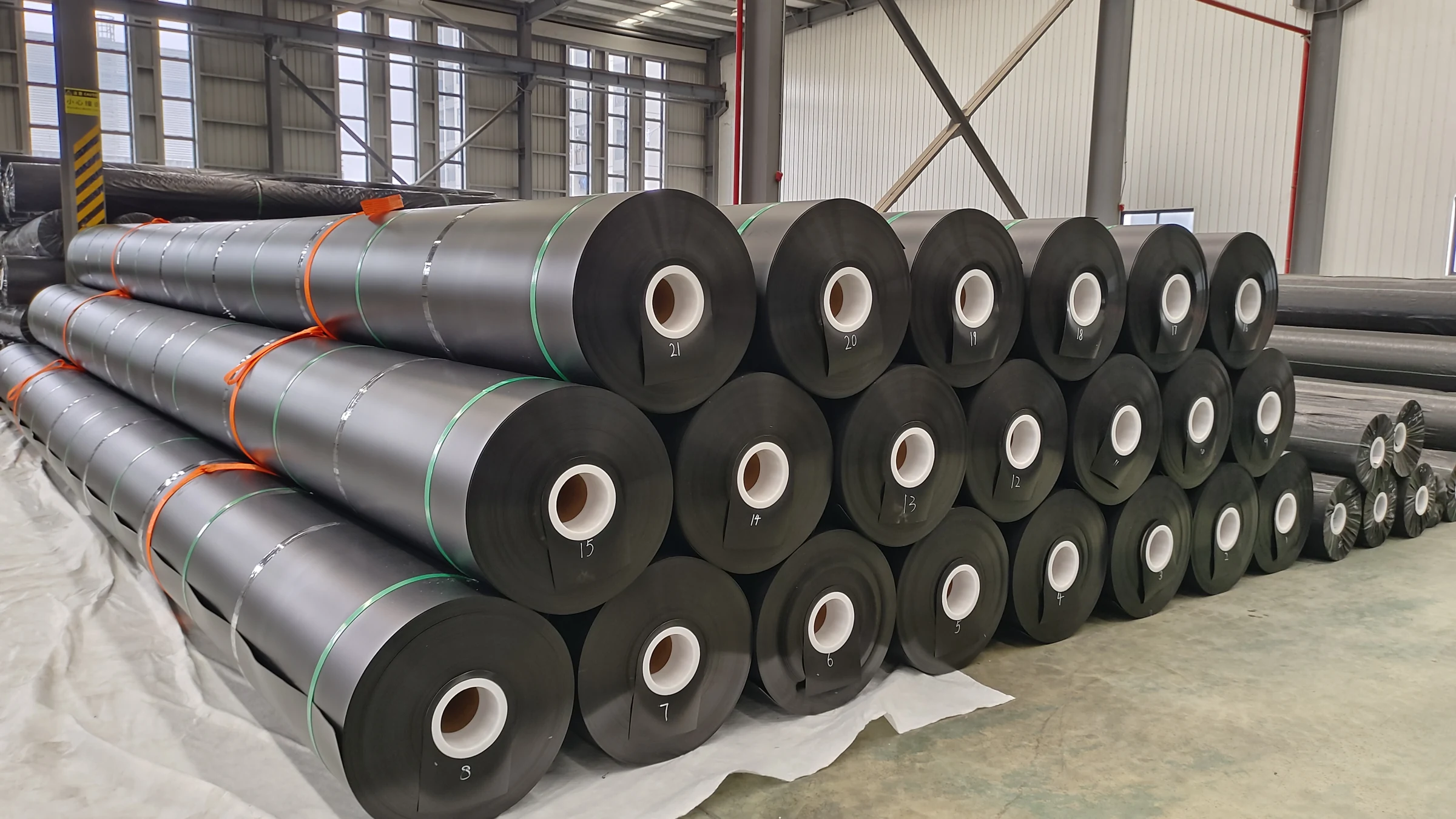

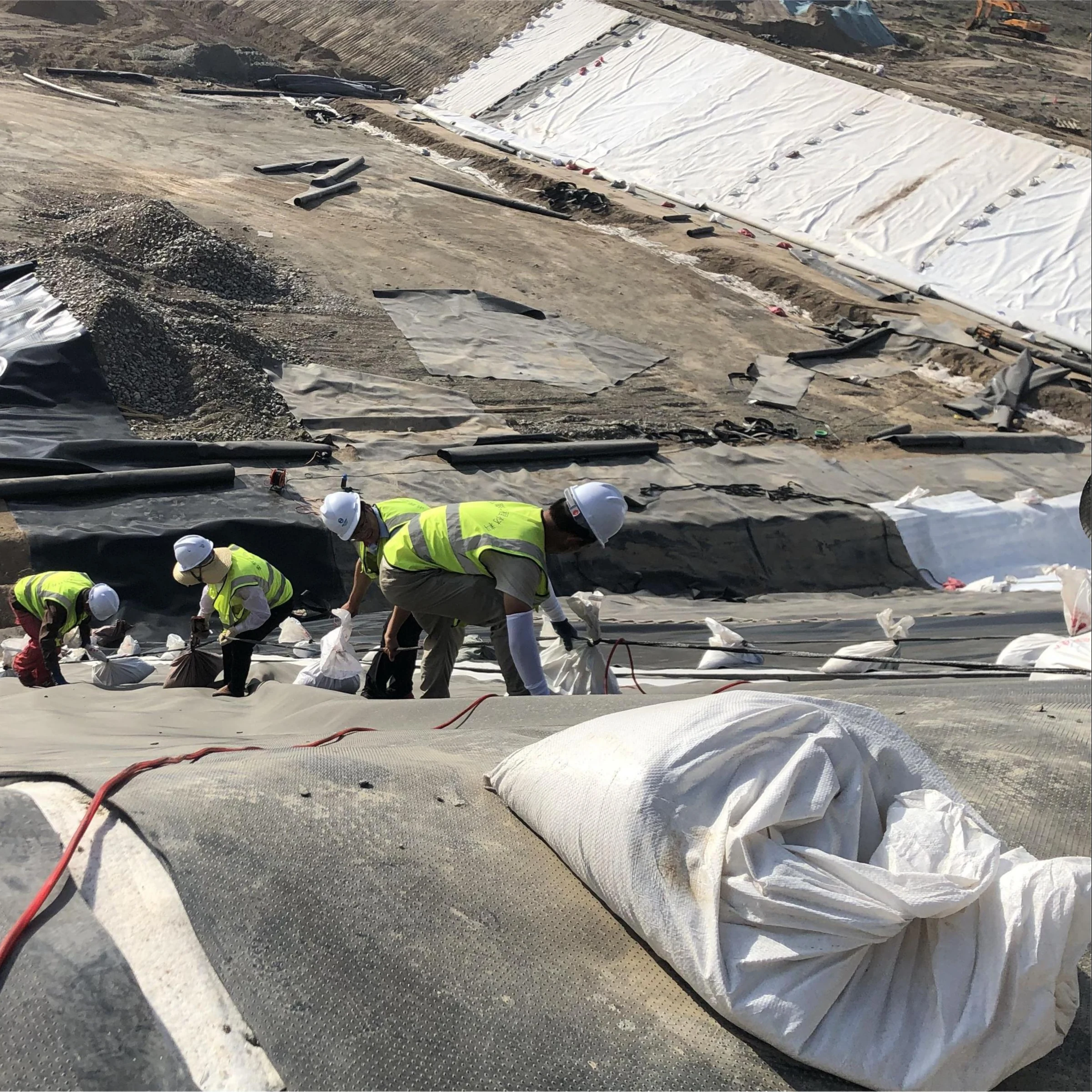
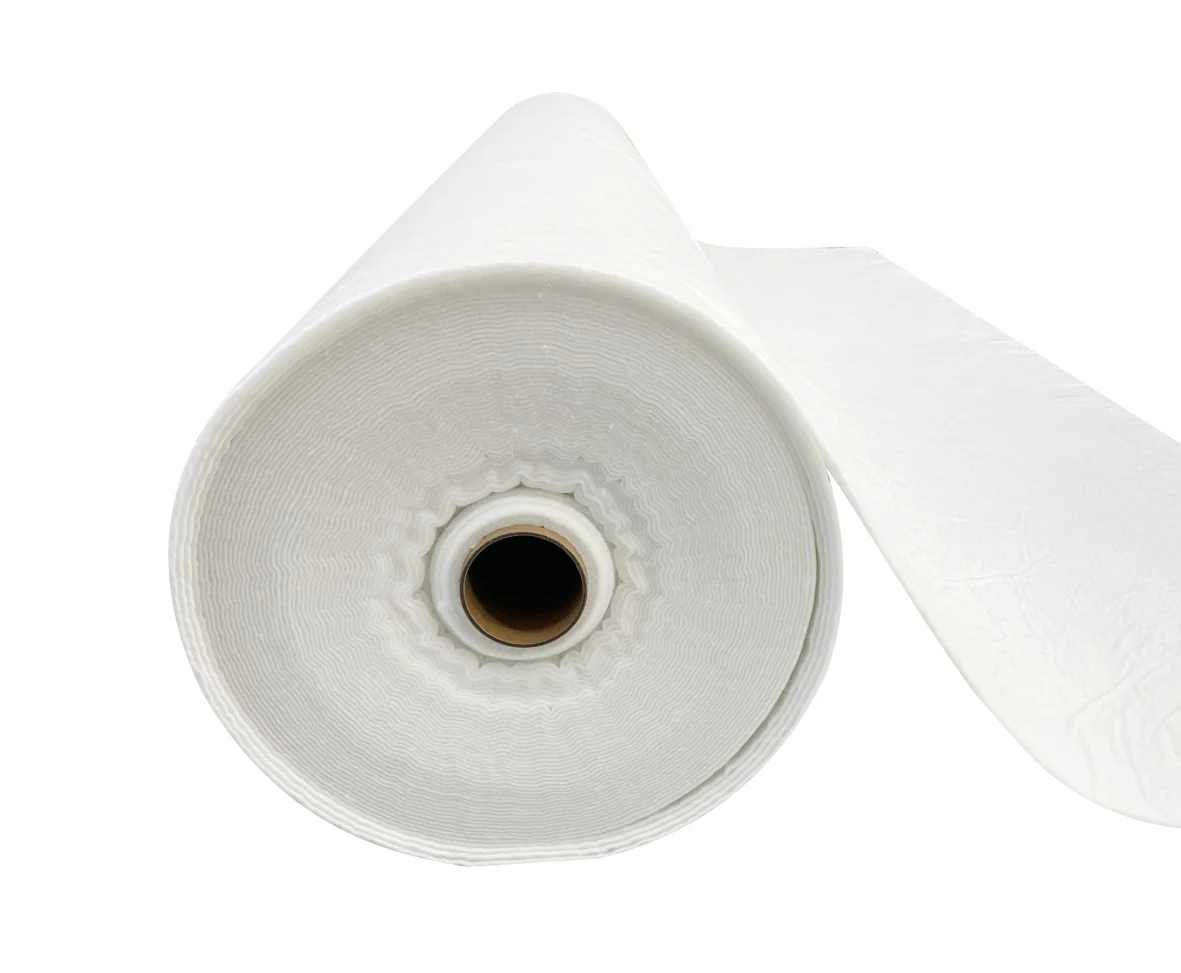

To choose geotextile fabric for a civil project, identify the required function first, then compare tested product properties with the project specification. Weight, polymer name and appearance are useful descriptors, but none is a complete design criterion.
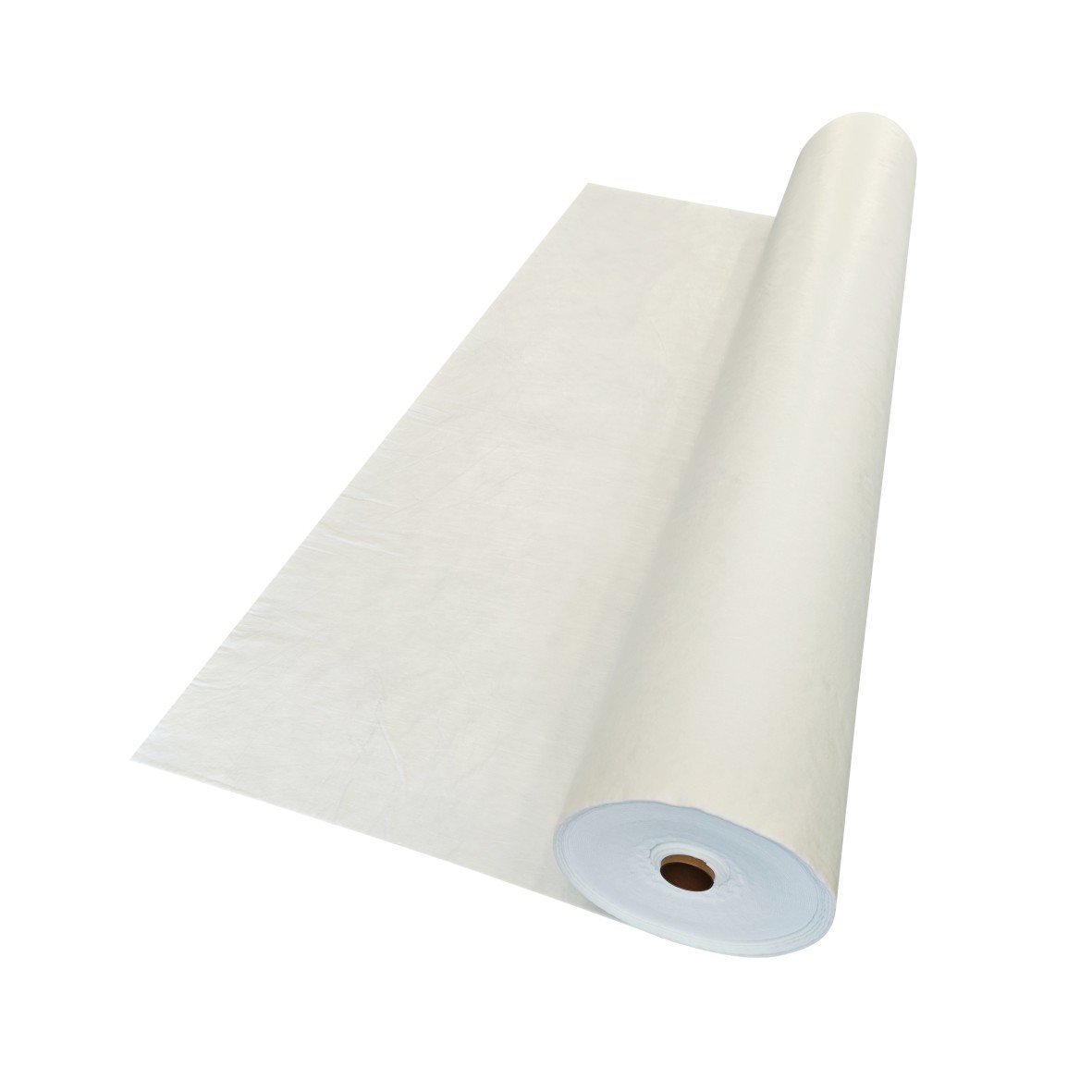
Identify the Primary Function
- Separation: identify which adjacent materials must remain distinct.
- Filtration: define the soil to be retained and the water-flow conditions.
- Protection: identify the material being protected and the anticipated contact or placement conditions.
- Reinforcement: use the strength and design requirements specified for that structural function.
Some projects require more than one function. Write each requirement into the procurement checklist so that an attractive result in one test does not hide a missing result in another.
Woven vs. Non-Woven
Compare actual grades rather than ranking all woven products against all non-woven products. Ask for a consistent data sheet containing test methods, units and the basis of each reported value. A typical value, a minimum value and a minimum average roll value are not interchangeable procurement statements.
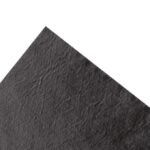
For a project that permits PET non-woven material, review PET non-woven geotextile specifications and ask for documentation for the proposed grade. Keep the polymer identity explicit; do not assume a PET product is the same as a specified PP product.
Environmental and Site-Specific Factors
Record the ground conditions, intended exposure, contact materials and construction methods. If the specification includes chemical, temperature or durability requirements, request evidence relevant to those conditions. A generic statement such as “chemical resistant” is not enough to close a project submittal.
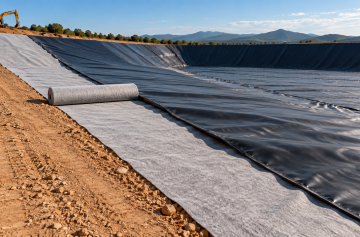
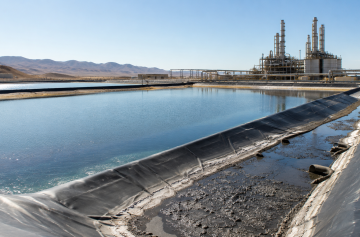
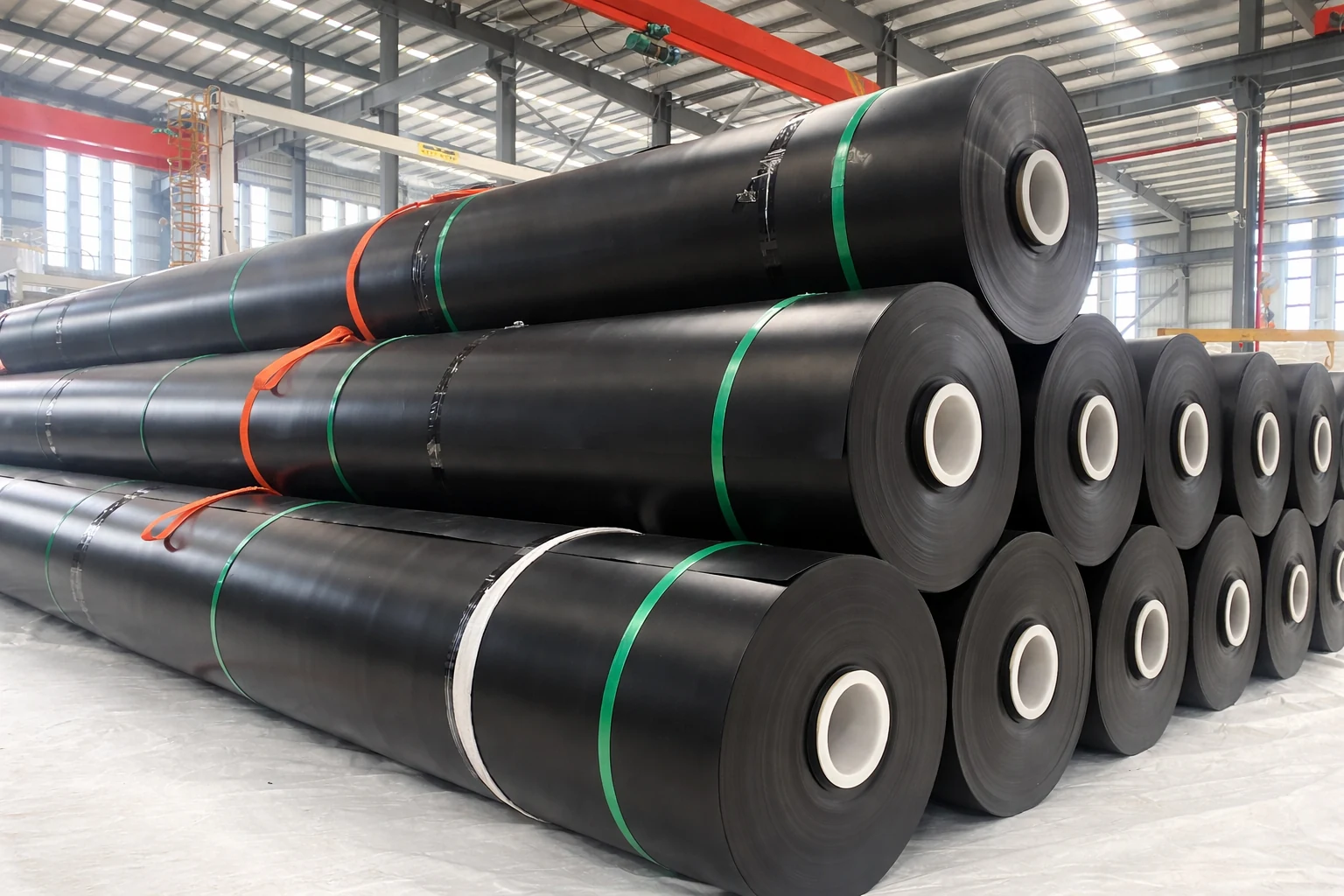
For liner systems, identify the geomembrane and protection layer separately. The HDPE geomembrane product page can support the liner enquiry, while the protection geotextile requires its own grade review.
Read Test Values Without Mixing Units
Opening size, permeability and permittivity describe different properties. Check the property name, method and unit before comparing quotations. Do not label a value in cm/s as permittivity, which is normally expressed in inverse seconds. Likewise, do not compare tensile results from different specimen or loading methods as if they were the same test.
For weight conversions, 1 oz/yd² is approximately 33.91 g/m². A conversion changes the unit, not the product’s performance or compliance status.
Build a Supplier Comparison Checklist
- Exact product and grade, polymer and manufacturing description.
- Required properties with test methods and acceptance criteria.
- Clear distinction between quoted typical values and guaranteed or specified values.
- Roll dimensions, tolerances, quantity and labeling.
- Requested test reports, lot traceability and delivery documents.
- Installation guidance and a written list of any specification exceptions.
Move from Selection to Installation
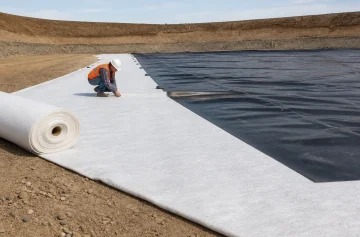
After a grade is accepted, confirm that delivered labels match the approved submittal. Retain the documents with the project records. Use the non-woven geotextile installation checklist to organize pre-cover inspections; the approved project documents remain the basis for field decisions.
Frequently Asked Questions
Is heavier geotextile always better?
No. Weight alone cannot establish filtration compatibility, reinforcement performance or suitability for the installation.
Should every application use the same opening size?
No. Selection must account for the soil and the required filtration behavior.
What should I send Jinseed?
Send the application, specification, required properties and test methods, quantity, roll constraints and delivery location. Ask for the proposed grade and supporting documents.
Technical Reference
FHWA: Geotechnical Aspects of Pavements — geosynthetic functions and selection context
Use the applicable project specification and current accepted technical documents for material acceptance and construction details. The reference is provided for context; it is not evidence that a particular Jinseed grade has been certified or approved.