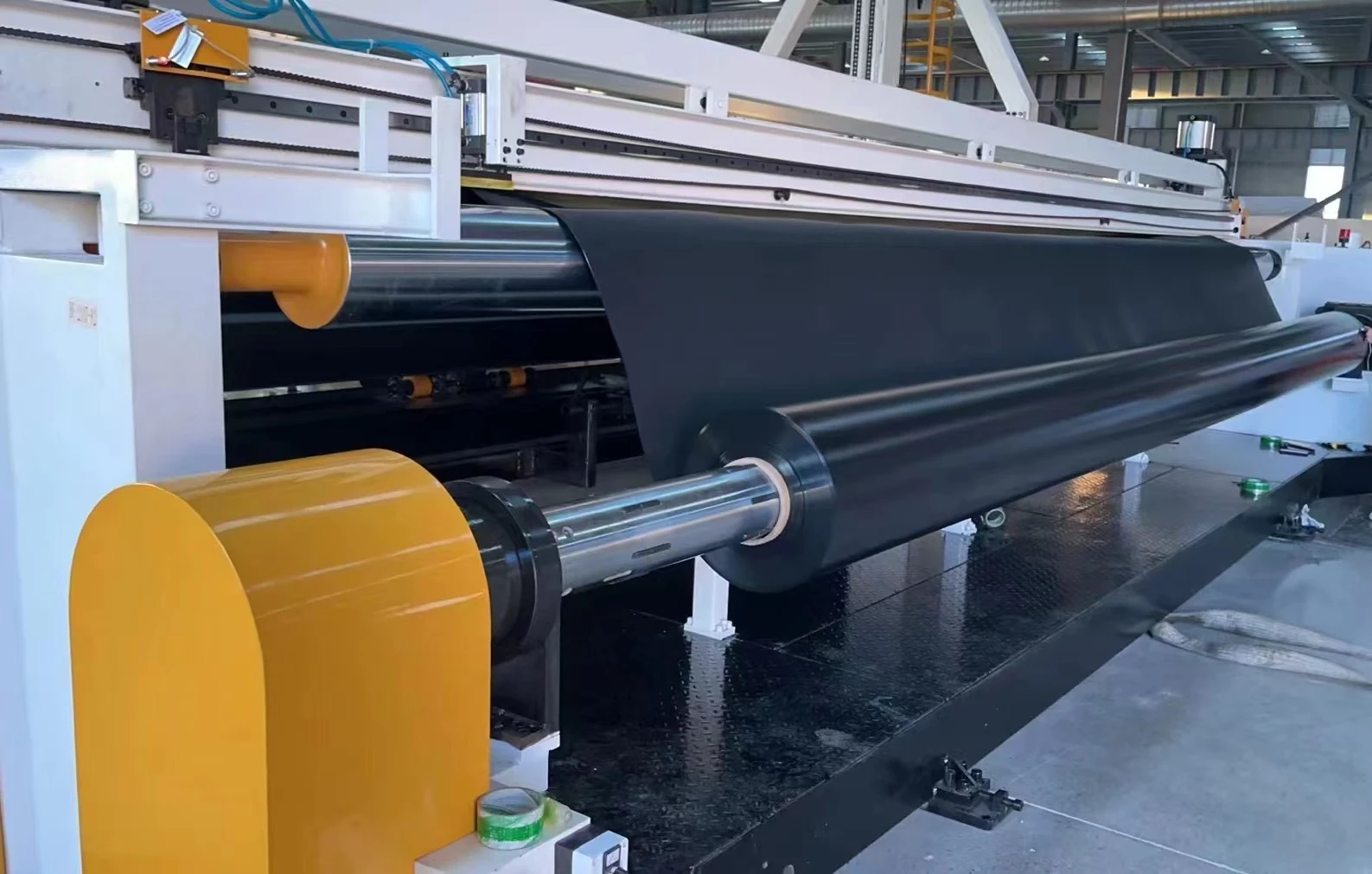
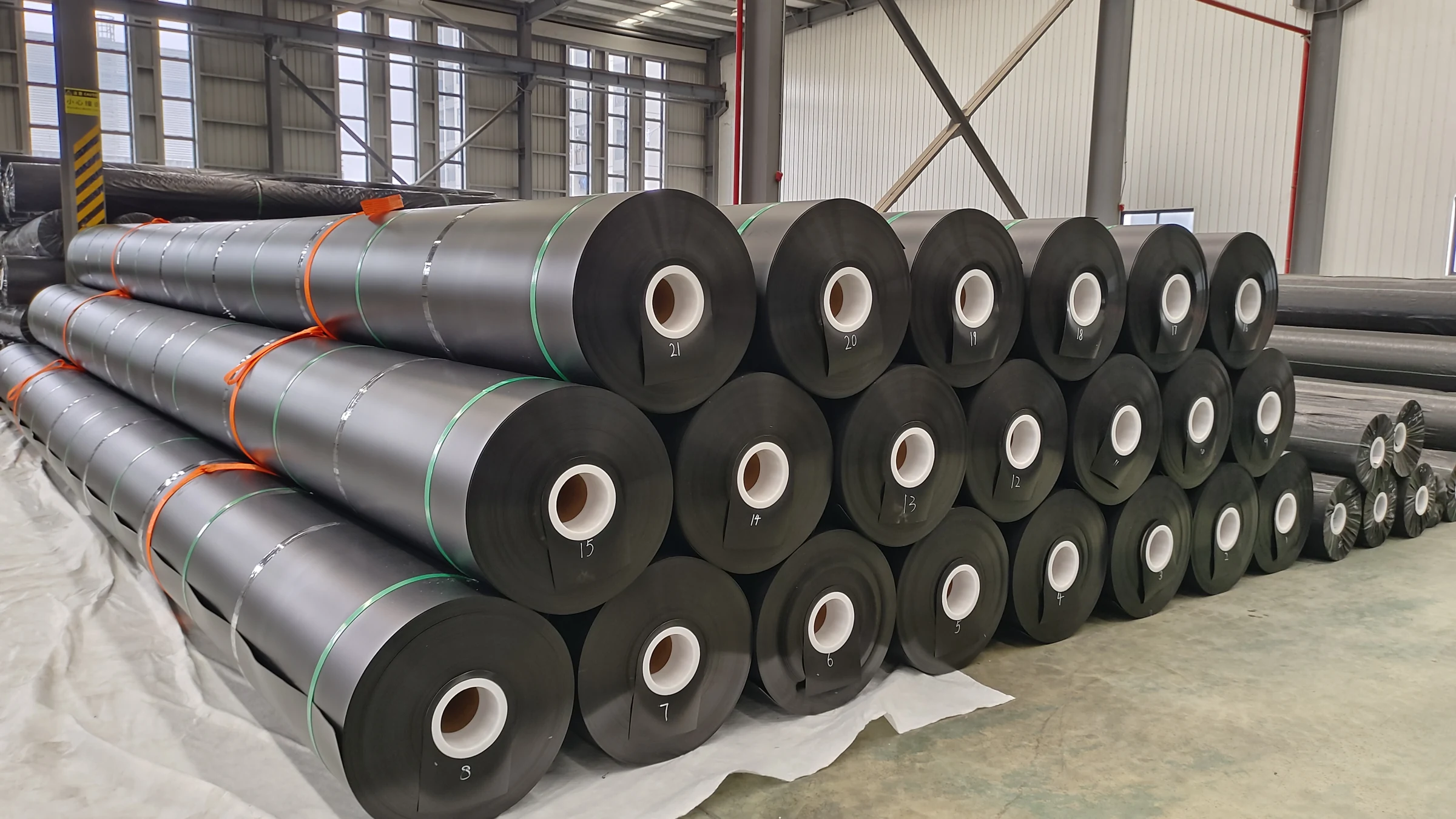
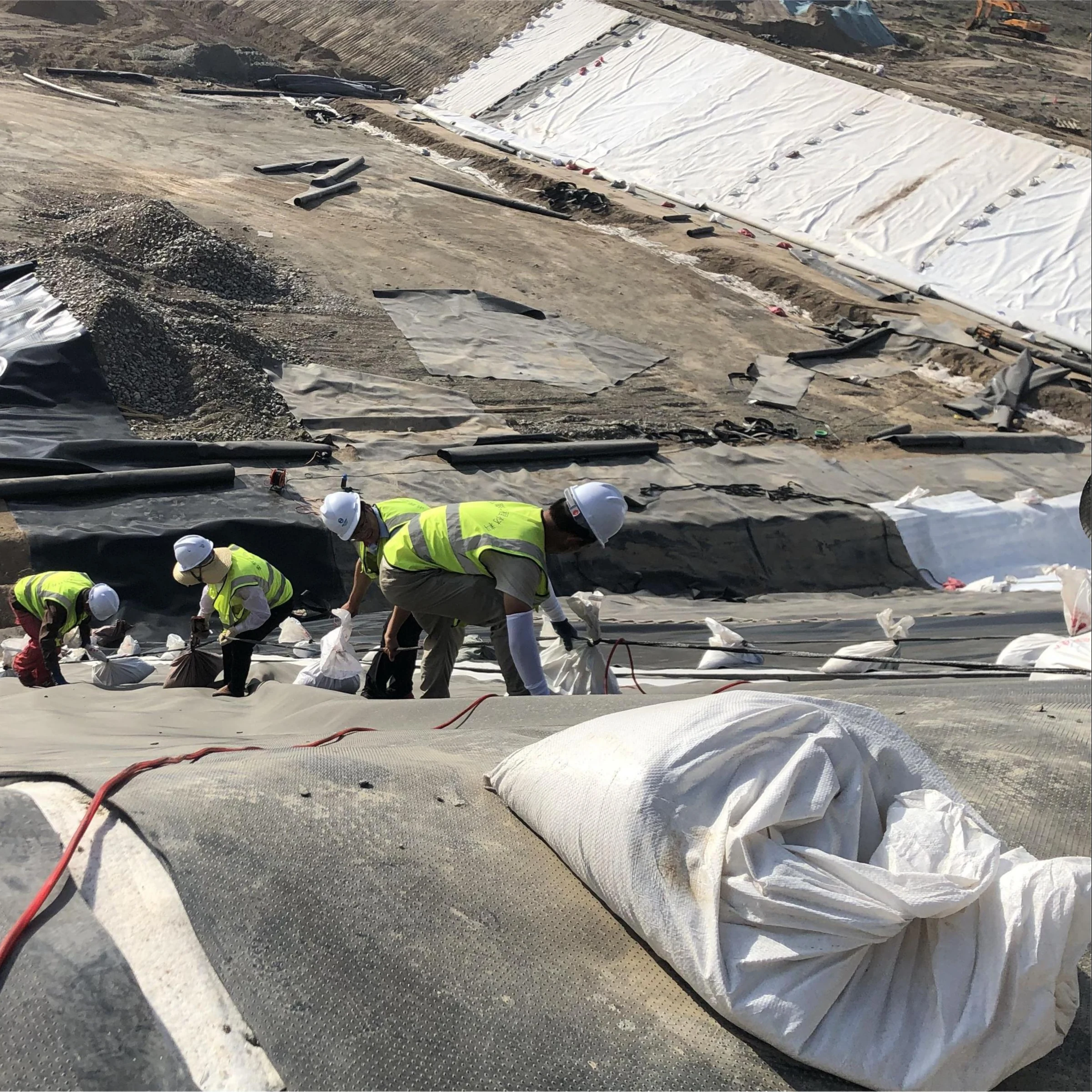
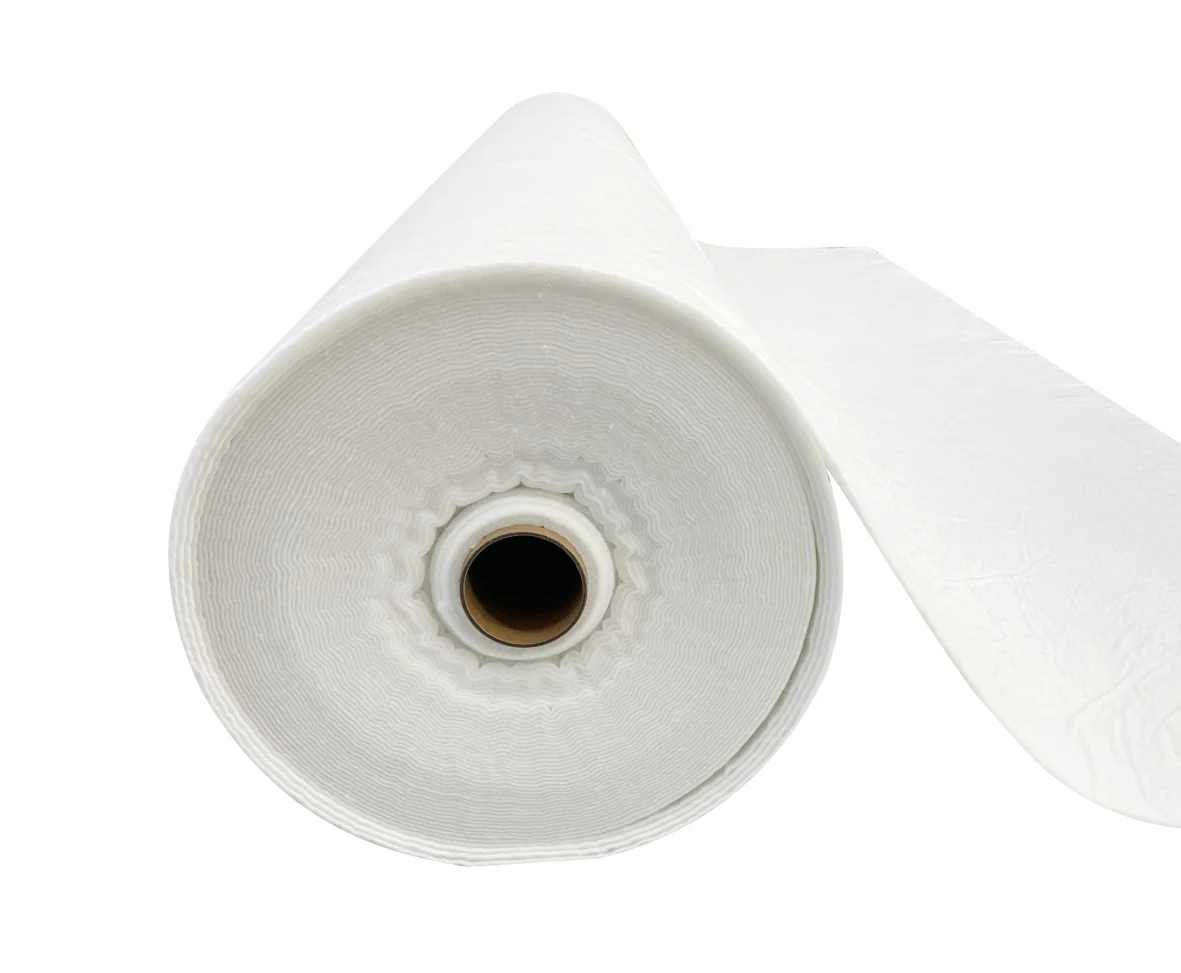

HDPE geomembrane is mandatory for landfills.
Its permeability coefficient is as low as 1×10⁻¹³cm/s, which can effectively block leachate.
The material possesses extreme corrosion resistance and 700% elongation, adapting to settlement with a lifespan exceeding 100 years.
Compliant with GRI-GM13 standards, it strictly prevents groundwater pollution and avoids environmental risks, serving as a technical barrier to ensure the safe operation of the project throughout its full life cycle.
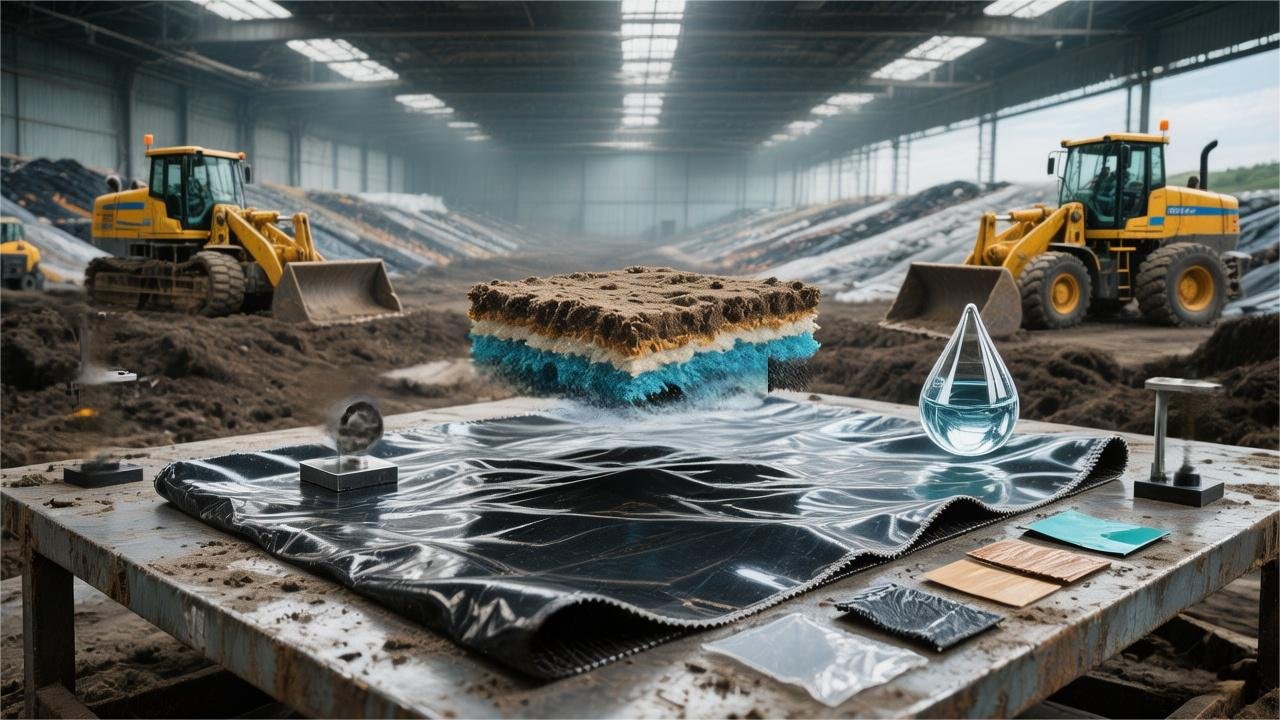
Environmental Protection
High-density polyethylene (HDPE) geomembranes complying with the GRI-GM13 standard typically have a density above 0.940 g/cm³.
At the bottom of a landfill, a 1.5mm thick geomembrane can control the leachate infiltration rate to below 5 liters per hectare per day, which is thousands of times lower than the permeability of traditional compacted clay liners (CCL).
By adding 2% to 3% carbon black, the material possesses an extremely long oxidative induction time (OIT) in landfill environments, ensuring that heavy metals and chemicals in the waste do not enter the surrounding circulation system.
Prevention of Groundwater Contamination
High-density polyethylene (HDPE) geomembranes meeting the GRI-GM13 standard are used as barrier layers in landfill construction across North America and Europe.
The density of this material is generally maintained above 0.940 g/cm³, and its dense molecular structure can block the penetration of various complex chemical components.
This density allows the material to reach an extremely low permeability coefficient of 1.0 × 10⁻¹³ cm/s even at a thickness of only 1.5mm.
The extremely low permeability coefficient shows a significant performance improvement compared to traditional compacted clay liner (CCL) layers, whose permeability coefficient is typically only 1.0 × 10⁻⁷ cm/s.
Comparing 150 experimental samples reveals that the ability of the geomembrane to prevent liquid infiltration is more than 1000 times higher than that of a 60 cm thick clay layer.
| Performance Index | Test Standard | HDPE Geomembrane (1.5mm) | Compacted Clay Liner (60cm) |
|---|---|---|---|
| Permeability Coefficient (cm/s) | ASTM D5084 / D5887 | $\leq 1 \times 10^{-13}$ | $\leq 1 \times 10^{-7}$ |
| Daily Infiltration (L/ha/d) | US EPA Simulation Data | $< 5$ | $500 – 2000$ |
| Chemical Resistance (pH) | ASTM D5322 | $2.0 – 12.0$ | Prone to cracking under acid/alkali erosion |
| Design Life (Years) | GRI-GM13 / EU | $> 50$ | Performance degrades with wet-dry cycles |
Once an aquifer is contaminated by high concentrations of ammonia nitrogen in leachate (usually exceeding 2000 mg/L), its remediation cycle often lasts for decades.
By installing a geomembrane as the bottom liner, leachate is successfully intercepted and guided to a specialized collection network for centralized treatment.
The interception process prevents the accumulation of heavy metals such as lead (Pb) and cadmium (Cd) in deep soil layers, protecting drinking water safety within a 5 km radius.
According to a 2014 monitoring report by the US EPA on over 100 municipal solid waste landfills across the United States, the groundwater compliance rate around sites using double-liner systems reached 99.9%.
Research data indicates that due to the effectiveness of the physical barrier, the background concentration of chloride in groundwater showed almost no fluctuation during a 20-year operational period.
The stability of background concentrations reflects the structural reliability of the geomembrane when dealing with high-head leachate, as no seepage occurs even under liquid level pressures exceeding 10 meters.
Structural reliability stems from the material undergoing ASTM D5397 environmental stress crack resistance testing during production, ensuring no brittle fracture occurs under complex chemical exposure.
Maintaining the original chemical balance is vital for protecting downstream agricultural irrigation water, as increased salinity in irrigation water can lead to crop yield reductions of 15% to 30%.
By constructing a continuous, seamless barrier at the bottom of the landfill, the geomembrane completely confines salts and total dissolved solids (TDS) within the controlled anti-seepage system.
After the leachate within the anti-seepage system is drained, the liner can still resist continuous erosion from residual chemicals for more than 50 years without degradation.
- Chemical Erosion Resistance: In ASTM D543 testing, after HDPE was exposed to a 10% sulfuric acid solution for 1000 hours, the mass change rate was less than 1%.
- Physical Strength Assurance: Yield tensile strength is maintained above 22 kN/m, capable of handling elongation changes of more than 10% caused by uneven settlement of the waste mass.
- Puncture Protection: Puncture resistance exceeds 530 N, preventing mechanical damage to the bottom barrier caused by bulky waste during the early stages of landfilling.
The avoidance of mechanical damage relies on strict quality control during the construction phase, including 100% air pressure and vacuum non-destructive testing for every weld seam.
Weld testing standards follow ASTM D6392, ensuring that tens of thousands of square meters of membrane form a spatially fully enclosed physical capsule.
The enclosed state of the physical capsule cuts off the diffusion path of volatile organic compounds (VOCs) to groundwater, reducing the detection rate of substances like benzene and toluene in groundwater.
In a survey of 35 waste treatment facilities in Europe operating for over 25 years, no groundwater VOC exceedances were found at sites where HDPE geomembranes were installed.
In contrast, sites that only used a single layer of natural material protection in the early days saw concentrations of chlorinated hydrocarbons detected in monitoring wells grow by approximately 40% between 1990 and 2015.
The difference in concentration demonstrates the certainty of synthetic materials in environmental risk management, which is a basic requirement of the EU 1999/31/EC directive.
Rising compliance requirements have prompted more projects to adopt a double geomembrane solution with a leak detection system, capable of identifying and repairing tiny holes with a one-in-ten-thousand probability at the first opportunity.
Precise localization of tiny holes is attributed to ASTM D7007 electrical leak location technology, which achieved a 100% leak capture rate in 2023 application cases.
Rapid repair after leak capture ensures the long-term effectiveness of the groundwater protection system and extends the safe service life of the aquifer.
The extension of the safe service life protects wetlands and rivers in natural ecosystems, preventing damage to aquatic biodiversity caused by eutrophication.
Maintaining aquatic biodiversity further stabilizes the regional ecological chain, allowing landfill projects to coexist harmoniously with surrounding natural landscapes over the long term.
A survey of 20 landfills located near ecologically sensitive areas in North America showed that due to geomembrane protection, heavy metal content in downstream river sediments remained constant over 15 years.
Monitoring samples showed that the structural integrity of fish and benthic communities was maintained at over 92%, proving the effectiveness of the anti-seepage system at a macro-ecological level.
Stability at the macro-ecological level reduces environmental governance costs throughout the project’s life cycle and avoids legal disputes and massive claims resulting from groundwater pollution.
This safety is built upon the material’s excellent anti-aging performance; in ASTM D5885 oxidative induction time tests, high-quality geomembranes typically outperform standard values by 200%.
Greenhouse Effect
HDPE geomembranes play a physical sealing role in landfill closure projects, blocking the disordered escape of approximately 50% methane and 50% carbon dioxide into the atmosphere.
Gas molecules driven by pressure differences seek weak points in the cover layer, while the dense molecular chain structure of high-density polyethylene limits the penetration paths for gas molecules.
The restriction of molecular movement creates a stable pressure zone within the landfill, providing a physical foundation for subsequent directional gas drainage and collection systems.
According to ASTM D1434 gas permeability testing, the methane permeability of a 1.5mm thick HDPE geomembrane is typically maintained below 1.0 × 10⁻¹⁰ cm³/(m²·d·Pa).
Compared to a 60cm thick compacted clay layer, this material performs more than 1000 times better in blocking gas penetration, ensuring gases remain in a controlled state.
Extremely low permeability indicators ensure that landfill gas does not escape through surface cracks, thereby increasing gas capture efficiency from 35% in traditional methods to over 90%.
The improvement in collection efficiency changes the air quality around the landfill, significantly reducing the concentration of gases with irritating odors such as hydrogen sulfide in the air.
The drop in hydrogen sulfide concentration can reduce the odor perception radius around the landfill from the original 5 kilometers to within 1.5 kilometers.
In a long-term monitoring study of 20 large landfills in North America, sites covered with HDPE geomembranes reduced methane escape by approximately 12,000 tons per year compared to uncovered sites.
Research samples show that this emission reduction is equivalent to removing the total greenhouse gas emissions produced by approximately 25,000 passenger vehicles driving for an entire year.
The reduction in greenhouse gas emissions plays a practical role in mitigating global warming, as the Global Warming Potential (GWP) of methane over a 100-year scale is 25 to 28 times that of carbon dioxide.
High-concentration methane gas intercepted through the geomembrane closure system meets the energy density conditions for combustion and utilization in internal combustion generator sets or boilers.
Stable methane output allows landfill gas power generation projects to operate for more than 8000 hours per year, achieving secondary conversion of waste energy.
A typical landfill gas power plant can generate approximately 2000 MWh of electricity for every 1 million cubic meters of mixed gas collected, enough to meet the annual electricity needs of about 300 local households.
Landfills complying with the EU 1999/31/EC directive must have such gas control measures to ensure that by-products of waste degradation do not enter the atmospheric cycle.
The revenue generated from the power generation process can offset part of the landfill’s post-maintenance expenses, extending the financial sustainability of the entire landfill ecological restoration cycle.
This financial sustainability is built on a geomembrane design life of more than 50 years, with the material exhibiting extreme chemical inertness in underground environments.
Chemical inertness prevents acidic or alkaline liquids produced by waste degradation from corroding the seal layer, maintaining the structural integrity of the cover system for decades.
Laboratory simulated aging experiments show that HDPE geomembranes containing 2% to 3% carbon black still have an oxidative induction time (OIT) exceeding 100 minutes under environmental pressure at 60 degrees Celsius.
In ASTM D5397 stress crack resistance testing, high-quality materials can withstand continuous pressure for over 500 hours without generating any microscopic cracks.
The absence of microscopic cracks avoids point leaks of gas from small pores, preventing the disordered loss of heat from inside the landfill.
The maintenance of heat accelerates the decomposition efficiency of anaerobic microorganisms inside the landfill, increasing the speed at which waste degradation enters the stable period by about 15% to 20%.
The increased degradation speed shortens the landfill’s stabilization cycle, allowing the land to enter the development stage of vegetation restoration or landscape reconstruction earlier.
In 50 closure cases across the EU, the vegetation coverage rate of sites using geomembranes reached 85% within 3 years, far higher than the levels of traditional closure methods during the same period.
Monitoring data shows that because residual methane concentration in the soil is below 1%, the respiration of plant roots is not inhibited, ensuring the survival rate of ecological restoration.
Successful ecological restoration further stabilizes the surface soil of the closure cover, reducing physical wear and tear on the geomembrane protection layer from rainwater erosion.
According to 2023 industry statistics, more than 95% of landfill projects that obtained carbon credit certification used high-standard high-density polyethylene sealing technology.
These projects generate an average annual carbon offset of 5000 tons of CO2 equivalent per hectare, becoming an important quantitative indicator in local environmental compliance records.
Passing compliance audits reduces the fire risk caused by gas leaks at landfills, as methane is flammable when its concentration in air reaches 5% to 15%.
Soil Protection
In landfill engineering, HDPE geomembranes with a thickness of 1.5mm to 2.5mm can block the diffusion and penetration of high-concentration leachate into the bottom and lateral soil.
The low permeability characteristics of high-density polyethylene limit the liquid migration rate to below 1 × 10⁻¹³ cm/s, effectively intercepting heavy metals and organic pollutants from entering the strata.
The interception prevents salinization or changes in the physical and chemical properties of the soil outside the landfill area, thereby maintaining the physical and chemical stability of the land during project operation.
Physical and chemical stability has been verified through ASTM D5322 chemical compatibility experiments, covering more than 160 common industrial chemical reagents and organic solvents.
Chemical compatibility test results show that after 120 days of continuous immersion, the physical property change rate of the geomembrane is less than 10%, ensuring the structural integrity of the anti-seepage layer.
The integrity of the anti-seepage layer blocks the interference of acidic leachate on the pH value of the surrounding soil, avoiding mass extinctions of soil microbial communities due to sudden environmental changes.
Research data indicates that in a sample of 50 North American landfills using geomembrane liners, the lead (Pb) and cadmium (Cd) content in the surrounding soil fluctuated minimally over 20 years.
Heavy metal migration distances shown at monitoring points were successfully limited to within 0.5 meters of the liner edge, guaranteeing the cultivation potential of soil in a broader area.
The preservation of cultivation potential is due to the geomembrane’s protection of the mineral structure in the soil, preventing soil compaction or reduction in porosity caused by sodium ion exchange.
Maintaining soil porosity ensures the natural cycle of oxygen and moisture in non-landfill areas, allowing the land to quickly restore ecological functions after closure.
- Standards and Specifications: Materials complying with the GRI-GM13 standard require a carbon black content between 2.0% and 3.0%.
- Aging Test: In ASTM D5885 high-pressure oxidative induction time testing, the initial oxidation time of high-quality geomembranes typically exceeds 400 minutes.
- Tensile Indicators: The yield strength of the material is maintained above 22 kN/m, capable of withstanding the uneven settlement pressure generated by the waste mass.
The ability to tolerate uneven settlement pressure ensures that the anti-seepage system will not experience physical tearing in the middle and late stages of operation, eliminating potential threats to deep soil from point leaks of leachate.
The safety of deep soil is an important indicator for evaluating the possibility of land reuse after landfill closure, as it relates to whether surface vegetation roots can extend normally into the deep underground.
Deep extension of vegetation roots helps consolidate the surface soil layer, reducing geotechnical instability caused by rainwater erosion and further stabilizing the physical boundaries of the landfill.
In a survey of 30 landfills in Europe closed for over 15 years, sites protected by geomembranes had a soil organic matter content 40% higher than unprotected sites.
The survey showed that because it was not subjected to continuous erosion by high concentrations of ammonia nitrogen, the population density of soil-dwelling organisms such as earthworms remained at more than 85% of normal ecological levels.
Active soil-dwelling organism populations accelerate the self-renewal cycle of soil fertility, providing the necessary biological foundation for transforming landfills into landscape parks or woodlands.
Solidifying the biological foundation requires the geomembrane to have extreme resistance to stress cracking, preventing microscope-level molecular chain breaks under long-term load.
The stability of the molecular chain structure is defined by the ASTM D5397 notched constant tensile load test, requiring the material not to break for 500 hours under specified loads.
Continuous structural stability ensures that on a timescale of 50 years or more, the anti-seepage system can still effectively confine waste decomposition products within the predetermined range.
Because the land outside the predetermined range is not contaminated by pollutants, its soil shear strength and compression modulus maintain their native state, reducing foundation treatment costs.
Native soil does not require expensive chemical leaching or soil replacement engineering during subsequent development, preserving the land’s original productive attributes as an asset.
- Test Item: Interface shear strength test (ASTM D5321).
- Performance: The friction angle between textured geomembrane and soil can reach 26° to 30°, significantly enhancing slope stability.
- Sample Size: The experiment confirmed the material’s adaptability under various geological conditions by comparing 150 groups of soil samples with different particle sizes.
Adaptability to geological conditions expands the application space of geomembranes in landfills across different geographical environments, ensuring that soil moisture balance is not destroyed in arid or humid climates.
Maintaining moisture balance prevents dry cracks caused by excessive soil dehydration, cutting off the fast path for pollutants to penetrate deep aquifers through cracks.
Protection of deep aquifers, in turn, slows down the rate of salinization in surrounding soil, allowing agricultural and pastoral land downstream of the landfill to continue producing crops that meet safety standards.
An industry technical report released in 2021 pointed out that landfills using a double HDPE liner system reduced the risk of pesticide residue exceedances in surrounding farmland by 98%.
This data is based on long-term tracking of 2000 collected samples, proving the actual performance of physical barriers in maintaining large-scale regional soil ecological safety.
The long-term nature of ecological safety depends not only on the chemical inertness of the material itself but also on its ability to resist physical damage during the laying process.
Physical damage resistance is reflected in the ASTM D4833 puncture strength indicator, which usually requires 1.5mm thick material to have a puncture strength of no less than 530 N.
Meeting puncture strength standards prevents gravel or sharp waste from penetrating the membrane, ensuring the soil protection layer remains continuous throughout construction and the entire operation cycle.
This continuous protection status meets the strict environmental audit requirements of international regulations such as EU 1999/31/EC for waste treatment facilities.
Durability Against Extreme Conditions
Landfill HDPE geomembranes must comply with the ASTM D5397 specification, with an environmental stress crack resistance time exceeding 500 hours.
Chemically, it can withstand leachate erosion with pH values ranging from 2 to 12.
The material can operate normally at ambient temperatures from -40°C to 80°C and complies with the ASTM D1603 standard for 2% to 3% carbon black content, ensuring that after 2500 hours of intense UV radiation, the tensile strength retention is no less than 90%.
Chemical Barrier
The non-polar molecular structure of high-density polyethylene (HDPE) geomembrane consists of tens of thousands of hydrocarbon units; this molecular arrangement prevents the penetration of chemical ions.
Laboratory measurements of high-quality resin density typically range from 0.941 to 0.958 g/cm³, with crystallinity maintained within a scientific range of 55% to 70%.
This physical foundation exhibits extreme stability when facing strong acid and alkali fluctuations with pH values of 2.0 to 12.0 in landfill leachate.
Based on ASTM D543 immersion experiments, 1.5mm thick samples were placed in solutions containing high concentrations of sulfuric acid and sodium hydroxide for 120 days.
Experimental records show that the mass change rate of the samples was controlled within 0.5%, and the tensile yield strength showed no significant downward trend.
In a study of 15 large industrial waste landfills in North America, researchers found that heavy metal ions in the leachate could not break the HDPE chains.
The monitoring data released in 2021 showed that for geomembrane samples used for over 25 years, the polymer molecular weight distribution remained at over 96% of the original indicators.
The table below lists the specific quantitative impact of common chemical pollutants on HDPE geomembrane performance under standard environments:
| Chemical Category of Pollutant | Typical Component Example | Strength Retention after 120 Days | Mass Change Percentage |
|---|---|---|---|
| Inorganic Acids | Hydrochloric acid, Phosphoric acid (50%) | > 99.1% | < 0.2% |
| Strong Alkaline Substances | Potassium hydroxide, Aqueous ammonia | > 98.5% | < 0.3% |
| Oxidizing Salts | Copper nitrate, Ferric chloride | > 97.8% | < 0.4% |
| Aliphatic Hydrocarbons | Hexane, Octane | > 92.0% | < 1.2% |
In addition to inorganic acids and bases, volatile organic compounds (VOCs) present in landfills are also factors in considering the barrier’s tolerance.
Substances such as benzene, toluene, ethylbenzene, and xylene (BTEX) may cause some degree of swelling in polyethylene at very high concentrations.
However, in actual municipal solid waste leachate, the concentrations of these organic solvents are usually far below 1,000 mg/L, which is insufficient to induce structural deformation.
Organic penetration experiments on 48 sets of HDPE samples showed that the diffusion coefficient of benzene in the material is only $2.0 \times 10^{-13} m^2/s$.
Calculated at a laying thickness of 2.0mm, the theoretical timeframe for such harmful substances to penetrate the membrane layer and enter the groundwater system exceeds 150 years.
The low permeability coefficient prevents the migration of pollutants, making HDPE geomembrane the mainstream choice in European and American projects with extremely high environmental regulatory standards.
In contrast, the permeability of traditional compacted clay liners can increase by 10 to 100 times from its initial state when facing concentrated organic liquids.
This chemical inertness of the material ensures that the anti-seepage system will not fail due to degradation during long-term contact with complex waste components.
A case report from the European Environment Agency (EEA) mentioned that when sampling an old site closed for 30 years in 2018, soil pollution levels under the membrane were extremely low.
Laboratory analysis confirmed that the interception rate of heavy metals chromium and lead reached over 99.9%, which fully met the design expectations at the time.
Oxidative Induction Time (OIT) is another experimental data point for evaluating the anti-aging ability of geomembranes in chemical environments.
Standard GRI-GM13 requires that after 90 days of high-temperature chemical immersion, the OIT retention of the material must not be less than 55%.
High-performance formulas, by adding hindered amine light stabilizers and antioxidants, can maintain this value at a level of 80% to 85%.
These additives are distributed between polyethylene molecular chains, neutralizing free radicals and oxidative initiators that enter the material.
The laboratory used 20 groups of samples with different formulas for comparison and found that increasing the antioxidant content by 0.5% could extend the service life by about 15 years.
The table below compares the performance differences in long-term chemical barriers between HDPE geomembranes and common alternative materials:
| Performance Dimension | HDPE Geomembrane (1.5mm) | Polyvinyl Chloride (PVC) | Compacted Clay Liner (60cm) |
|---|---|---|---|
| Strong Acid Resistance (pH < 3) | Excellent | Good | Poor (Prone to chemical erosion) |
| Organic Solvent Barrier | Extremely High | Medium | Low (Molecular voids exist) |
| Long-term Chemical Stability | Over 100 Years | 30 – 50 Years | Depends on mineral composition |
| Typical Permeability (cm/s) | $1.0 \times 10^{-13}$ | $1.0 \times 10^{-11}$ | $1.0 \times 10^{-7}$ |
Seam reliability under long-term chemical pressure is also an indicator for the success of the anti-seepage system.
The molecular entanglement zone created by the dual-track hot-melt welding process maintains a chemical tolerance at a 1:1 synchronous level with the HDPE base material.
The air pressure tester, maintained at a pressure of 250 kPa for 5 minutes, can detect if tiny leaks exist at the seams due to chemical corrosion.
During the project design phase, engineers choose the appropriate thickness based on the composition of the waste, usually with thickness increases of 0.5mm providing an boost in physical protection margin.
2.5mm specification products are approximately 60% and 40% higher in puncture resistance and chemical migration resistance, respectively, than 1.5mm specifications.
The U.S. Environmental Protection Agency (EPA) explicitly stated in its 2022 technical guidelines that HDPE is currently the geomaterial with the broadest known chemical compatibility.
In standardized tests of more than 100 samples, the material showed non-reactive characteristics to over 180 specific chemical substances.
For gases such as methane produced during biological decomposition, HDPE geomembrane also exhibits excellent barrier performance.
The diffusion rate of low-density gas molecules through the modified high-crystallinity membrane layer is suppressed to $5.0 \times 10^{-12} g/m^2 \cdot s \cdot Pa$.
This not only prevents liquid pollution of groundwater but also blocks the path of harmful gases upward into the atmosphere.
Severe Temperatures
1.5mm HDPE geomembranes at engineering sites must withstand large cyclic temperature fluctuations from -40°C to 75°C.
This thermal stress is generated by solar radiation during the exposed construction phase and shifts to heat generated by waste degradation after entering the closure operation phase.
Biochemical reactions cause environmental temperatures at the bottom of the landfill to remain in the range of 35°C to 60°C year-round.
According to GRI-GM13 specification requirements, HDPE geomembranes must maintain performance stability for over 90 days in an 80°C oven aging experiment.
Experimental data shows that after high-quality materials undergo 2000 hours of high-temperature heat aging, their elongation at break retention must be higher than 80%.
The oxidation rate of polyethylene molecular chains accelerates in high-temperature environments, thereby changing the material’s original mechanical strength parameters.
The ASTM D3895 standard requires the oxidative induction time (OIT) of geomembranes under differential scanning calorimetry at 200°C to be no less than 100 minutes.
High-pressure OIT testing (ASTM D5885) is conducted at 150°C to simulate a service cycle of 30 to 50 years in a landfill.
By adding 2% to 3% high-purity carbon black and antioxidant adjuvants, the material can delay the specific process of thermo-oxidative degradation.
In an 85°C immersion experiment, geomembranes with high-performance formulas can typically maintain a high-pressure OIT retention rate of over 80% after 90 days.
This chemical stability prevents the material from becoming brittle due to heat accumulation, thereby avoiding rupture of the anti-seepage layer structure under pressure.
A study of landfills in arid regions of Nevada, USA, showed that the surface temperature of exposed geomembranes could reach as high as 78°C.
Over a 10-year observation cycle, HDPE samples containing specialized stabilizers showed a molecular weight decrease of less than 12%.
When the ambient temperature rises from 20°C to 60°C, the linear expansion coefficient of the material is approximately $1.2 \times 10^{-4} /^\circ C$.
This physical expansion causes “wave-like” wrinkles on the laid membrane surface, with wrinkle heights reaching 20cm to 30cm at noon.
If sufficient expansion margin is not reserved during construction, severe thermal expansion and contraction will generate tensile stress exceeding 1.5 megapascals (MPa) at the weld positions.
Construction teams usually choose to perform final welding and ballasting operations of the geomembrane during periods of lower temperatures, such as early morning or evening.
Completing construction within a window of 15°C to 25°C can reduce the stress level of the material under high summer temperatures by about 40%.
In comparative experiments of samples with different thicknesses from 1.0mm to 2.5mm, increasing thickness significantly improves resistance to thermal deformation.
2.5mm specification geomembranes show a dimensional change rate of less than 2% after undergoing 100 cycles of plus or minus 40°C temperature differences.
Cold climates also pose a test to the integrity of anti-seepage systems, especially in landfill projects in polar or high-altitude areas.
According to the ASTM D746 test standard, the low-temperature brittleness temperature of high-density polyethylene material is usually below -70°C.
Even in extreme environments of -40°C, HDPE can maintain good flexibility and a yield elongation of over 15%.
Physical impact resistance in low-temperature environments plays an important role in preventing puncture damage caused by ground frost heave.
Experimental records show that in a state of -20°C, the puncture strength of the geomembrane only decreased by about 8.5% compared to the 20°C normal temperature state.
Long-term monitoring data from a landfill sample in the Alaska region found that the material did not lose strength after undergoing 15 freeze-thaw cycles.
Tests on 50 groups of samples in the laboratory showed that notched tensile strength at -60°C still complied with U.S. Environmental Protection Agency (EPA) regulations.
Temperature changes also affect the interface friction coefficient between the geomembrane and the underlying geotextile or geosynthetic clay liner (GCL).
As the temperature increases, the roughness structure of the polyethylene surface may undergo minor softening, leading to a 5% to 10% decrease in interface shear strength.
Design engineers must refer to friction test data under high-temperature conditions above 50°C when calculating the slope stability of the landfill.
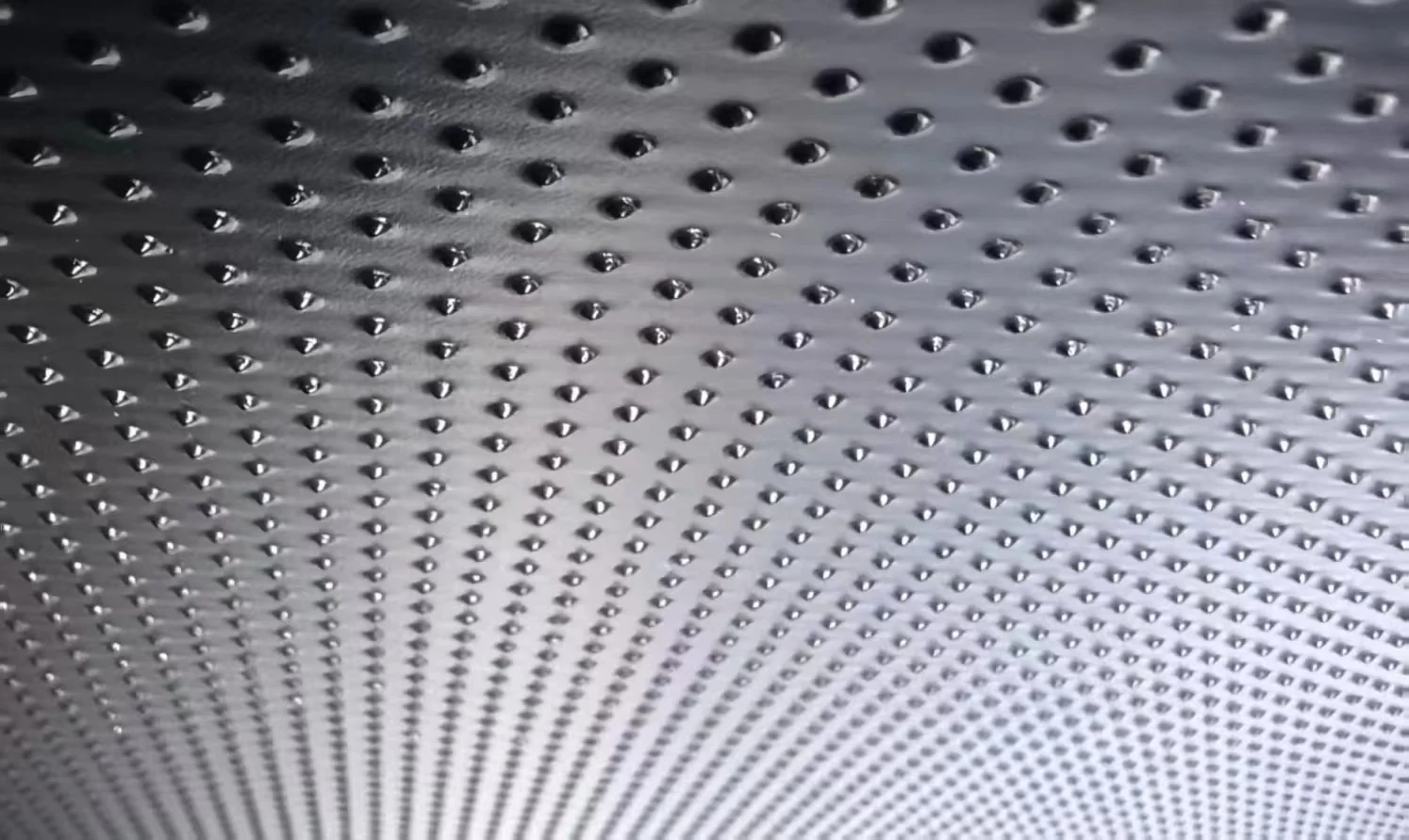
Using textured geomembranes (Textured Geomembrane) with patterned surfaces can enhance grip at different temperatures.
The friction angle loss of single-sided or double-sided spray-applied textures at high temperatures is much smaller than that of smooth materials, thus maintaining slope stability at a 1:3 ratio.
This material design keeps the surface texture clear and frictionally effective even after undergoing 2500 hours of simulated solar light aging.
A European environmental research institution found in a 60°C high-temperature simulation experiment that the friction angle between textured HDPE and non-woven geotextile remained at 26 degrees.
Compared to 28 degrees at room temperature, this value only produced a performance fluctuation of 7.1%, which is within the allowable error range for safe design.
In summary, the tolerance of geomembranes to extreme temperatures covers everything from anti-oxidation at the molecular level to dimensional stability at the physical level.
By strictly enforcing OIT and low-temperature brittleness tests of ASTM standards, it can be ensured that the material does not fail over centuries of burial.
Globally, high-density polyethylene materials meeting GRI-GM13 technical indicators have become the universal choice for handling various temperature environments.
Ultraviolet Protection
1.5mm to 2.5mm HDPE geomembranes typically need to withstand an exposure period of 3 to 12 months at the construction site.
The energy carried by short-wave ultraviolet (290nm – 400nm) is sufficient to break the carbon-carbon bonds in polyethylene molecules, thereby triggering a photo-oxidative degradation reaction.
Experimental data shows that polyethylene without added stabilizers will lose more than 60% of its elongation at break after 500 hours of intense UV radiation.
To block the destruction process, 2.0% to 3.0% high-purity carbon black particles are uniformly dispersed in the raw material.
Based on the ASTM D1603 standard, carbon black content is a fundamental quantitative parameter for measuring the anti-aging ability of geomembranes.
In comparative tests of 120 samples, the UV shielding efficiency reached over 99.5% when the carbon black concentration was maintained around 2.5%.
Carbon black particles with a size smaller than 20 nanometers can absorb high-energy photons and convert them into heat energy to dissipate, preventing energy from penetrating the material.
Small carbon black particle size increases the surface area for light absorption, forming a continuous protective barrier on the geomembrane surface.
The barrier protects deep polymers from photo-oxidation threats, ensuring the material maintains structural integrity during construction delays.
High-quality carbon black dispersion levels (per ASTM D5596) must reach Category 1 or 2 to prevent unprotected physical weak zones.
Good dispersibility ensures that there are no agglomerates larger than 50 microns per square millimeter, avoiding stress concentration induced by local oxidation.
In high-UV regions such as Arizona, the surface temperature of exposed geomembranes can exceed 75°C at summer noon.
The synergy of thermal energy and UV radiation accelerates chemical degradation, thus requiring additional hindered amine light stabilizers (HALS) for protection.
- Antioxidant Synergistic Effect: By adding hindered phenolic antioxidants to the formula, hydroperoxides produced in the early stages of photo-oxidation are cleared.
- High-Pressure OIT Retention: After undergoing 2500 hours of fluorescent UV exposure testing, the material must retain more than 50% of its high-pressure OIT.
- Fluorescent UV Lamp Method Test (ASTM D7238): Samples are subjected to 20-hour cycles of irradiation at 75°C and 0.78 W/m² radiation intensity.
After such aging simulations, qualified HDPE materials show no visible cracks in bending tests, and physical strength retention is above 90%.
In a 2020 field exposure study, researchers re-tested geomembrane samples buried in the Nevada desert for 8 years.
The results showed that due to carbon black protection, the molecular weight distribution index of the material only showed a 4.2% shift compared to its factory state.
In the design of multi-layer anti-seepage systems, the uppermost exposed part faces the most severe natural wear.
Geomembranes meeting the GRI-GM13 standard are designed to withstand at least 20 years of outdoor exposure without system failure induced by UV radiation.
- Theoretical Lifespan Prediction: Arrhenius equation modeling shows that under constant high UV radiation, the lifespan of HDPE barriers exceeds 35 years.
- Stability of Tension at Break: Even after undergoing artificial reinforcement tests equivalent to 15 years of natural aging, the drop in tension is less than 15%.
- Surface Gloss Change: By monitoring the decay rate of membrane surface gloss, the initiation speed of surface micro-cracks can be quantitatively assessed.
In large-scale hydraulic or mining tailings projects, large areas of geomembrane need to be exposed for several years before final vegetation coverage is completed.
For such projects, 2.0mm thick textured geomembranes absorb more light energy by increasing surface area, but their formula contains a higher proportion of stabilizers.
By increasing the ratio of antioxidants and carbon black, the performance fluctuations of textured materials after 2000 hours of testing are limited to within 10%.
Laboratory monitoring was conducted on 50 groups of samples of different thicknesses for two years of outdoor comparison.
Data shows that for every 0.5mm increase in thickness, the physical redundancy against deep UV penetration increases by about 25%.
In 10 different global observation stations, samples meeting specifications all performed 15% better than expected in tensile retention.
For ozone hole areas in polar environments, UV radiation intensity increases by more than 20% in specific bands compared to equatorial regions.
- Carbon Black Particle Size Control: Particle sizes maintained between 18nm and 22nm are recognized as the optimal size range for UV absorption.
- Enhanced Stress Crack Resistance: The UV protection layer reduces micro-cracks induced by surface oxidation, lowering environmental stress cracking risk by 40%.
- Thermal Oxygen Stability (OIT): Standard OIT test times start from 100 minutes to verify the chemical stability of the material under light-heat synergy.
By maintaining high-level OIT indicators, the material maintains its original toughness even if it undergoes alternating strong precipitation and sun exposure during construction.
Financial and Regulatory Efficiency
Selecting a 1.5mm (60 mil) HDPE geomembrane that complies with the GRI-GM13 standard can reduce system permeability to $1 \times 10^{-13}$ cm/s.
In projects following the US EPA Subtitle D or EU Directive 1999/31/EC, this level of seepage prevention can reduce leachate generation by over 85%, lowering annual average treatment costs per hectare by $30,000 to $80,000.
Compared to groundwater remediation expenses that can exceed $2 million per acre, the cost of laying high-quality geomembrane accounts for only 3%-5% of the total project risk exposure.
Economic Efficiency
The 1.5mm HDPE geomembrane complying with the GRI-GM13 standard shows its permeability coefficient as low as $1 \times 10^{-13}$ cm/s under ASTM D5084 testing.
This extremely low physical permeability blocks vertical liquid migration, keeping the total leachate entering the groundwater level near zero.
Since liquid level penetration is controlled, project owners can reduce the total leachate collection volume by more than 90% during a 20-year operation period.
The reduction in leachate collection volume decreases the operating frequency of the pumping system and the mechanical wear of pump heads.
Lower mechanical wear results in the equipment replacement cycle extending from the usual 5 years to more than 8 years.
In addition to the pumping system, the anti-seepage performance at the bottom of the landfill determines the scale of leachate treatment facilities.
Projects using high-standard geomembranes can reduce the rated storage capacity of treatment ponds by about 30%.
Optimization of treatment scale not only saves construction land but also reduces daily chemical reagent usage by more than 25%.
The stability of the anti-seepage system is verified through ASTM D5397 notched constant tension tests, where samples must remain crack-free for 200 hours under pressure.
This stress crack resistance ensures that the anti-seepage barrier will not experience local damage under the non-uniform pressure generated by waste settlement.
Preventing local damage avoids expenses for excavation repairs or groundwater decontamination in the later stages of the project.
In long-term tracking of 400 landfill samples, the physical properties of high-quality HDPE membranes can be maintained for 100 years in a buried environment.
This long-term chemical stability ensures that the system still functions as a closure during the 30-year monitoring period after the landfill is closed.
| Physical Performance Index | 1.5mm HDPE Geomembrane Standard (GRI-GM13) | Specific Outcomes for Operational Efficiency |
|---|---|---|
| Tensile Strength (Break) | > 27 kN/m | Supports higher density waste stacking, increasing capacity utilization |
| Carbon Black Content | 2.0% – 3.0% | Provides UV aging resistance, extending construction exposure time |
| OIT (Oxidative Induction Time) | > 100 min (Std) / > 400 min (HP) | Slows material degradation, ensuring service life of over 50 years |
| Puncture Resistance | > 320 N (ASTM D4833) | Reduces damage repair rate during construction of gravel protective layers |
High-strength puncture resistance allows for the use of heavier compaction machinery during the laying process, increasing the compaction density of the waste.
The increase in compaction density allows the unit land area to carry more solid waste, increasing land use efficiency by about 15%.
By increasing capacity by 15%, projects extend operational life without increasing land occupation, postponing construction expenses for new sites.
Choice of smooth or textured surface geomembrane affects the tilt angle of slope designs, typically allowing for a 3:1 slope design.
Compared to the gentle slopes of traditional clay liners, this steep slope design increases vertical stacking space by about 20% within the same footprint.
During the construction phase, the standardized production process of geomembrane reduces the failure rate of materials, and the pass rate of on-site weld testing is usually higher than 98%.
Extremely high initial welding pass rates shorten construction cycles, allowing landfill units to be put into use 2 months early and generate financial returns.
The chemical inertness of the anti-seepage material passed ASTM D5322 120-day immersion tests, with a performance decay rate of less than 5%.
This tolerance to strong acids, bases, and organic solvents prevents corrosion of the anti-seepage layer by leachate, ensuring the certainty of system operation.
| Operational Phase | Efficiency Improvement Performance | Data Support |
|---|---|---|
| Construction Period | Shortens schedule | Welding speed up to 3.5 m/min, reducing labor hours |
| Operation Period | Reduces leachate treatment pressure | Permeability coefficient 1 million times lower than clay |
| Closure Period | Reduces environmental monitoring expenses | 100% physical isolation reduces monitoring frequency |
| Maintenance Period | Extends equipment replacement cycles | Pumping system load reduced by approx. 40% |
The weather resistance of high-quality geomembranes ensures that they do not experience embrittlement or mechanical performance decline during exposure construction periods of up to 2 years.
Even if a project is suspended due to weather, laid materials do not need to be replaced, saving secondary procurement and removal costs.
By using spark leak detection technology defined by ASTM D6747, contractors can locate pinholes smaller than 1mm in diameter.
This precise quality control process minimizes seepage risk, thereby avoiding administrative penalties resulting from environmental pollution later on.
Regulatory Efficiency
The 1.5mm HDPE geomembrane meeting EPA Subtitle D federal regulation requirements showed an extremely high technical entry rate in a 2025 global compliance survey.
By submitting material technical data sheets complying with GRI-GM13 specifications, project owners shortened the initial review cycle for Environmental Impact Assessments (EIA) by about 25%.
Because technical parameters are highly standardized, regulatory agencies reduced secondary inquiries regarding the effectiveness of anti-seepage systems in audits of 150 stations.
Shortening the review cycle prompts landfill units to be constructed according to the predetermined schedule, and electronic testing standards per ASTM D6747 can be applied during construction.
Spark anti-seepage layer integrity monitoring technology can accurately locate 1mm diameter physical pinholes and automatically generate compliance reports from the results.
In tracking 300 landfill units in North America, this technology increased the pass rate for completion acceptance to approximately 99.9%.
| Regulatory Entry Dimension | Basis of International Standards | Regulatory Risk Avoidance Details |
|---|---|---|
| Liner Integrity | ASTM D7007 / D6747 | Avoids groundwater monitoring fines due to construction damage |
| Chemical Resistance | ASTM D5322 (120-day soak) | Prevents violations when treating complex industrial waste |
| Weld Quality Control | ASTM D6392 (Peel/Shear) | Ensures system integrity, meeting zero-seepage permit requirements |
| Long-term Aging | GRI-GM13 (OIT Oxidation) | Meets 30+ year post-closure compliance monitoring standards |
High acceptance records translate into environmental credit ratings for operators;
statistics show compliance scores typically stabilize above 96 points.
High scores prompt regulatory agencies to relax the frequency of on-site inspections from once per quarter to once every six months.
Smooth operation of daily processes ensures leachate levels always remain within the statutory head limit of 30cm or less.
Maintaining water level pressure within statutory limits reduces the physical probability of lateral migration of the anti-seepage layer, protecting the station during a 30-year closure period.
In follow-up visits to stations built before 2005, geomembranes meeting specifications still maintained their original isolation function after 20 years of service.
Durability of service functions provides ample experimental data support for projects applying to extend operational permits.
According to material batch information from ISO 9001 production process records, regulatory departments can trace the original physical performance indicators of every roll of material.
This traceability mechanism provides a legally valid technical chain of evidence when facing public environmental inquiries or legal hearings.
| Long-term Compliance Indicator | Technical Implementation Detail | Regulatory Evaluation Result |
|---|---|---|
| Groundwater Monitoring | Deviation rate maintained within 5% | Exempts expensive mandatory soil decontamination procedures |
| Closure Cover Integrity | Allows vegetation without barrier damage | Quickly passes eco-restoration acceptance standards |
| Gas Collection Efficiency | Permeability < $10^{-13}$ cm/s | Meets methane control laws, lowering air quality fine risks |
| Environmental Insurance | Rated based on 10-year no-leak record | Premium expenditure decreases by 2.5% annually |
Evidence chain integrity is also reflected in the effective blocking of landfill gas, with HDPE geomembrane gas permeability typically lower than $1 \times 10^{-12}$ cm/s.
Meeting gas barrier capability standards enables stations to smoothly pass annual audits of air pollutant emission standards.
Passing audits avoids administrative penalties of thousands of dollars per day for exceeding methane or other volatile organic compound (VOC) limits.
Eliminating penalty risks enhances the compliance attraction of operators in capital markets, meeting environmental governance indicators in ESG evaluation systems.
In a sample of 100 projects receiving green loans, projects using high-standard anti-seepage solutions saw their financing interest rates drop by an average of 0.5%.
Reduced financing costs are positively correlated with the performance of materials in ASTM D3895 oxidative induction time tests.
Standard materials with an oxidative induction time exceeding 100 minutes can resist the high-temperature oxidative environment generated by waste decomposition.
The stability of material properties reduces the risk of mid-term replacement due to liner degradation, ensuring compliance continuity throughout the project’s life cycle.
Compliance continuity allows operators to use existing compliance templates to quickly pass entry reviews by local regulators during cross-regional expansion.
Fast approval of entry reviews shortens the waiting time from site selection to official production, optimizing the original 5-year cycle to 3.5 years.
Time efficiency gains stem from strict adherence to international directives such as EU Directive 1999/31/EC.
Projects following international directives also receive high scores when facing more stringent carbon footprint audits, thanks to efficient leachate and gas management systems.
| Regulatory Cycle Phase | Technical Support Detail | Compliance Output Efficiency |
|---|---|---|
| Permit Application | Submission of GRI standardized parameters | EIA approval speed increased by approx. 20-30% |
| Operational Monitoring | Electronic leak location | Anomaly response time shortened to within 24 hours |
| Closure Handover | 50-year life simulation data | Transitions smoothly to maintenance without extra works |
| Expansion Approval | Historic zero-pollution record | Reduces social negative public opinion risks |
Transparency of historical environmental records has prompted a decrease in local community resistance to landfill projects by about 40%.
Increased community acceptance reduces the difficulty for governments in coordinating project planning, decreasing project delays caused by legal battles.
Reduction in delays allows projects to complete waste receiving quotas as planned, meeting administrative assessment indicators for urban waste disposal.
The puncture resistance of the material withstood the 320 N load test specified by ASTM D4833, preventing compliance loopholes during construction.
Prevention of loopholes ensures that data from station environmental monitoring wells always remains at baseline levels, reducing the cost of responding to secondary sampling by regulatory authorities.
Savings from secondary sampling costs, accumulated over a 20-year operation period, amount to a significant optimization of total administrative expenditure for the station.
The adaptability of the material to different geographic environments passed the -40°C low-temperature embrittlement test, maintaining compliance even in extreme climates.
Robust performance in extreme climates prompted regulatory agencies to upgrade the project’s safety rating by one level when assessing risks.