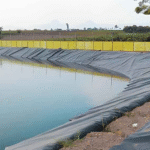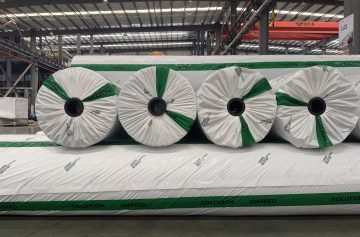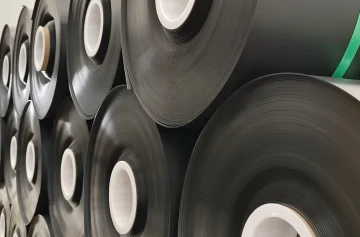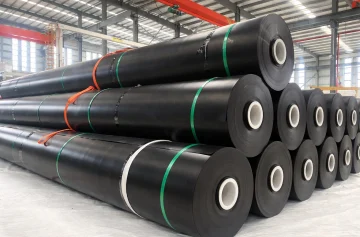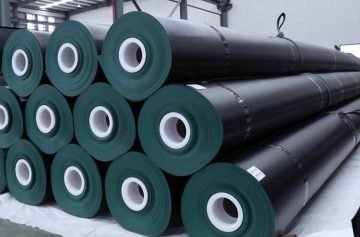
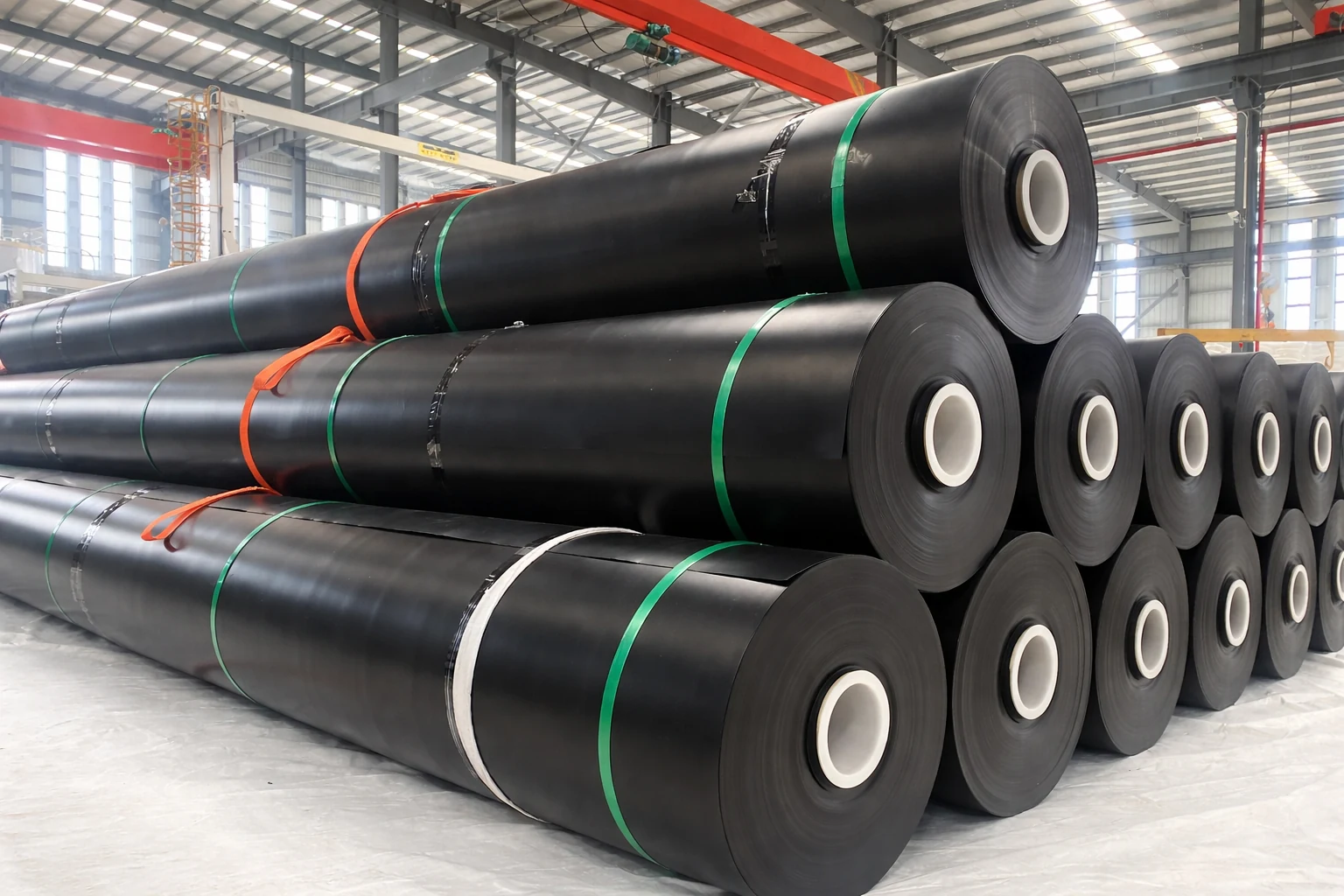
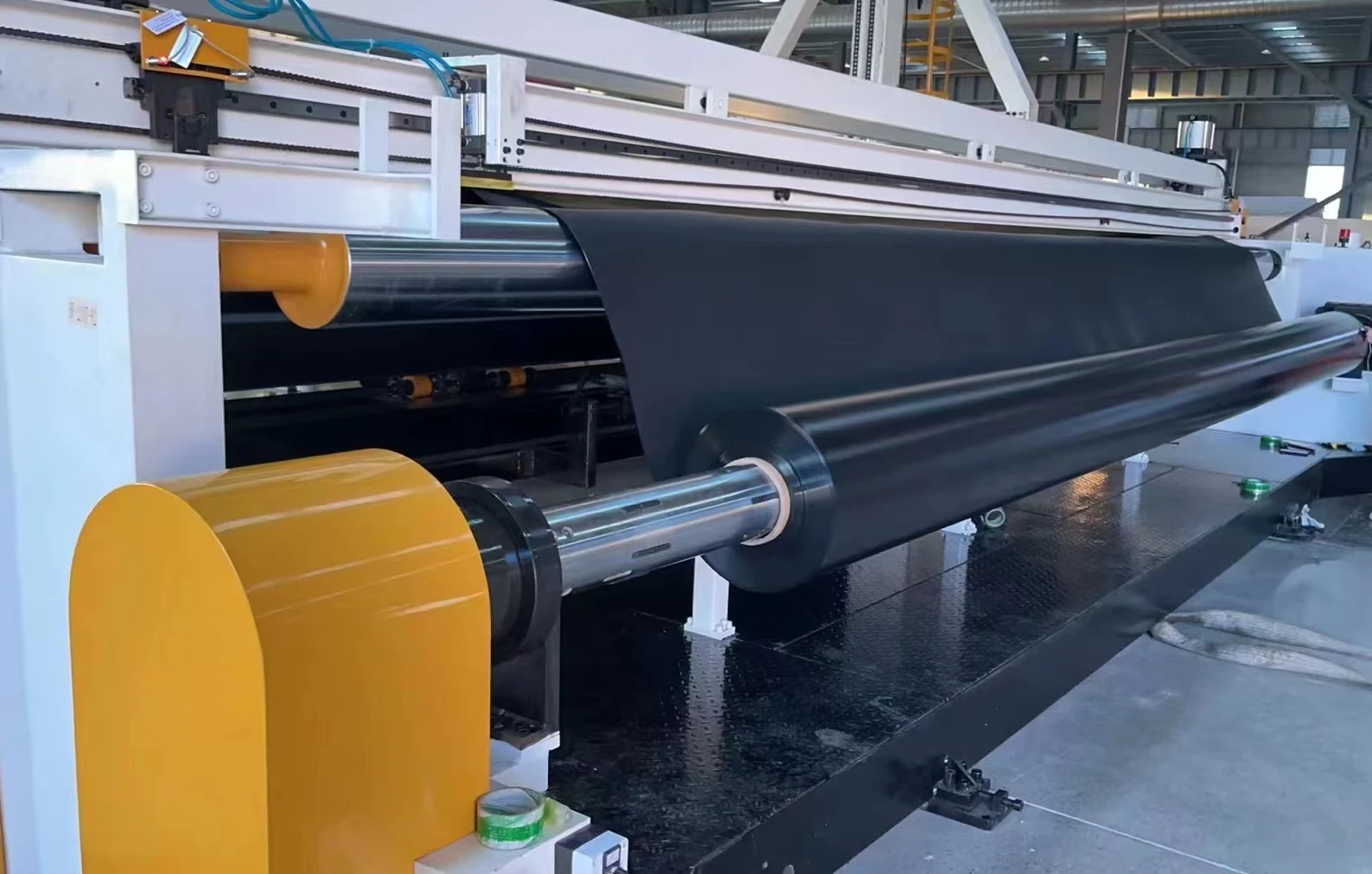
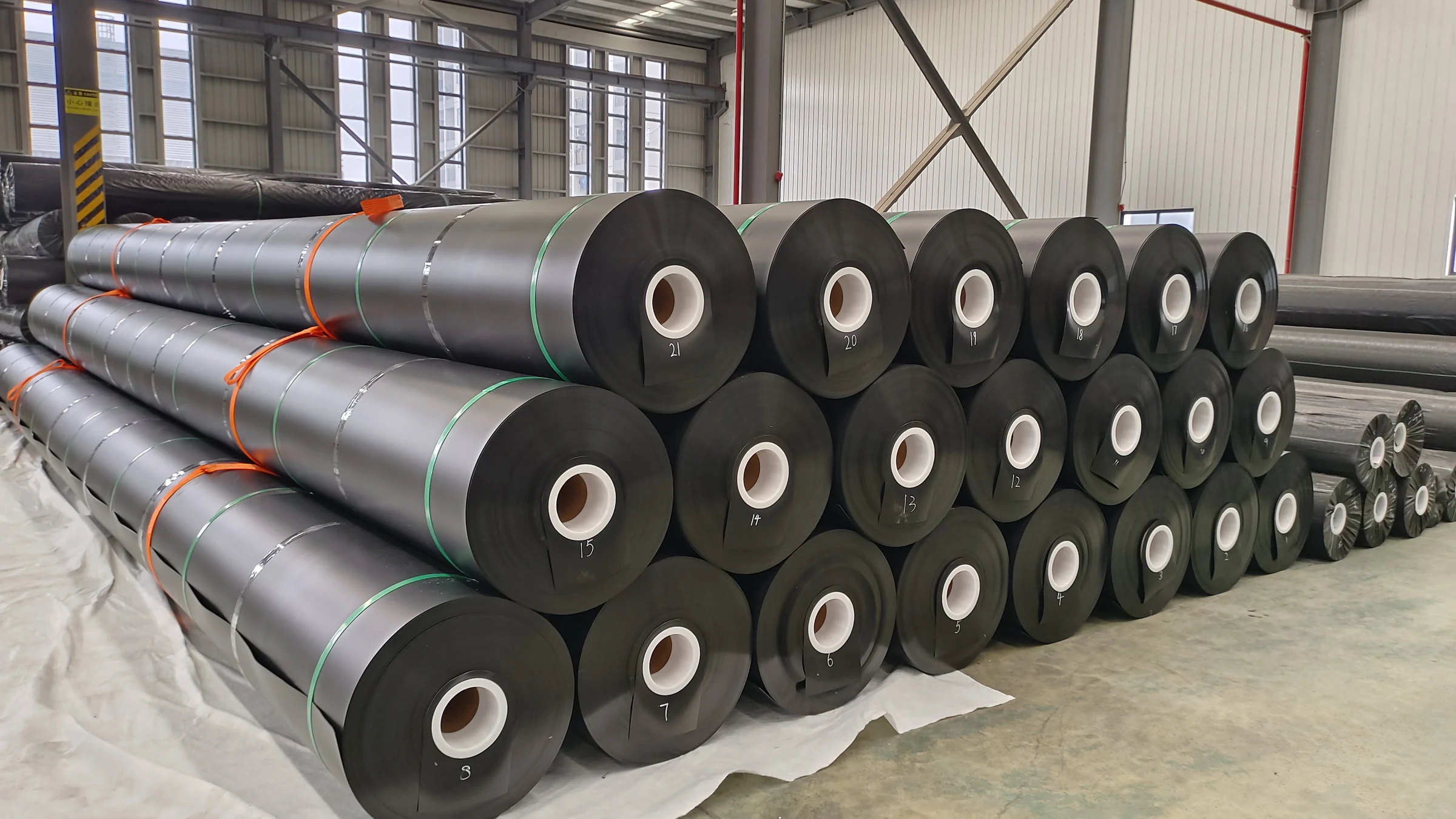

Select a landfill geomembrane as part of the permitted containment system, not as an isolated sheet. Confirm the waste stream, base-liner or final-cover function, temperature, leachate chemistry, settlement, interface stability, protection and construction QA. HDPE is a common option, but thickness or GRI-GM13 compliance alone does not establish a compliant landfill design or a fixed service life.
Identify the landfill type and the approved liner system
Municipal solid waste, hazardous waste and other facilities can be subject to different requirements. Start with the permit and the authority’s design criteria. The EPA municipal-solid-waste landfill overview describes the US federal framework; it should not be presented as a global rule for all waste facilities.
Under the composite-liner route in 40 CFR 258.40, the flexible membrane component is at least 30 mil, or at least 60 mil for HDPE, with specified low-permeability soil and leachate-collection requirements. The provision also allows an approved performance-design route. State requirements and permits may add conditions. 60 mil is 1.524 mm; a rounded 1.5 mm label should not silently replace the governing acceptance requirement.
| Design input | Why the purchase specification needs it |
|---|---|
| Base liner or final cover | Exposure, settlement, contact liquids and surrounding layers differ. |
| Waste and leachate | Compatibility must address constituents, concentrations and temperature. |
| Waste height and construction loads | Protection and supporting layers must withstand actual loading. |
| Slopes and interfaces | Stability depends on the complete layer interfaces, drainage and design loads. |
| Leak detection and drainage | The membrane, support and drainage arrangement must suit the required inspection and operating system. |
Specify material quality separately from engineering suitability
GRI-GM13 Revision 19 provides manufacturing quality-control requirements for smooth and textured HDPE. Choose the correct surface, thickness, units and adopted edition. A value for smooth sheet must not automatically be applied to textured sheet, and tensile elongation at break is not an allowable landfill settlement strain.
For final covers with significant deformation, an LLDPE option may warrant design review. Its different stress–strain behavior does not eliminate settlement limits, seam requirements or chemical evaluation. Compare the actual proposed material and system rather than assigning one polymer to every cover.
Use the HDPE liner and textured liner information to identify offered products, then obtain project-matched reports. Carbon black, OIT and stress-crack tests support material screening; none independently demonstrates a 50- or 100-year field life.
Evaluate the actual leachate and temperature
Record representative constituents, concentrations, pH, temperature envelope, surfactants and credible changes during operation. A pH value does not describe solvent content or oxidizing potential. Generic percentages of chemical resistance are not a substitute for formulation-specific evidence.
EPA Method 9090A addresses effects of waste exposure on membrane-liner properties. Agree the test program and acceptance interpretation with the laboratory and project reviewer. Distinguish changes in mechanical properties, stabilization and permeation; a favorable result for one endpoint does not prove all others.
Intact sheet transport and installed-system leakage are different mechanisms. Water flow through defects, seams or penetrations cannot be calculated from a generic sheet “permeability” alone. Organic-compound transport also needs substance- and temperature-specific data. A hydraulic-conductivity figure in m/s, diffusion coefficient in m²/s and mass flux in g/m²/day are not interchangeable.
Design protection and slope interfaces for the actual loads
Prepare a stable supporting surface and remove damaging projections, debris and unsupported areas. Specify compaction, elevations and acceptance checks from the geotechnical design. A universal number of roller passes, stone-size limit or anchor-trench dimension cannot guarantee an acceptable subgrade.
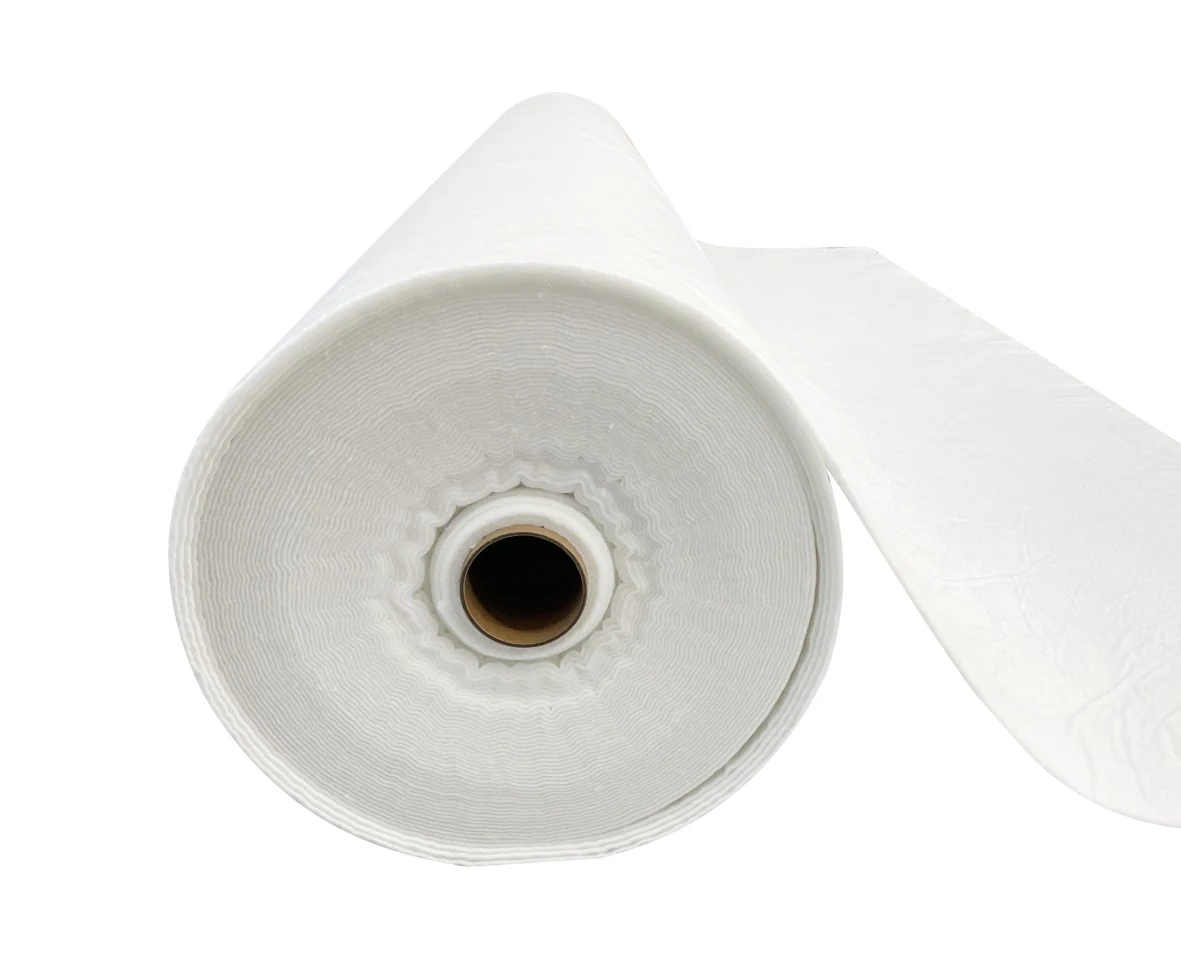
A puncture index test supports product comparison; it does not reproduce the actual drainage aggregate, equipment load or sustained waste pressure. Select the nonwoven geotextile protection layer and other cushioning from the complete system assessment. A 600 or 800 g/m² label alone cannot establish protection.
Load example: assuming a uniform waste unit weight of 10 kN/m³ and a depth of 50 m gives an approximate vertical overburden stress of 500 kPa from σ = γh. This illustration excludes pore pressure, load distribution and construction effects. It is not an allowable geomembrane pressure or a puncture-acceptance threshold.
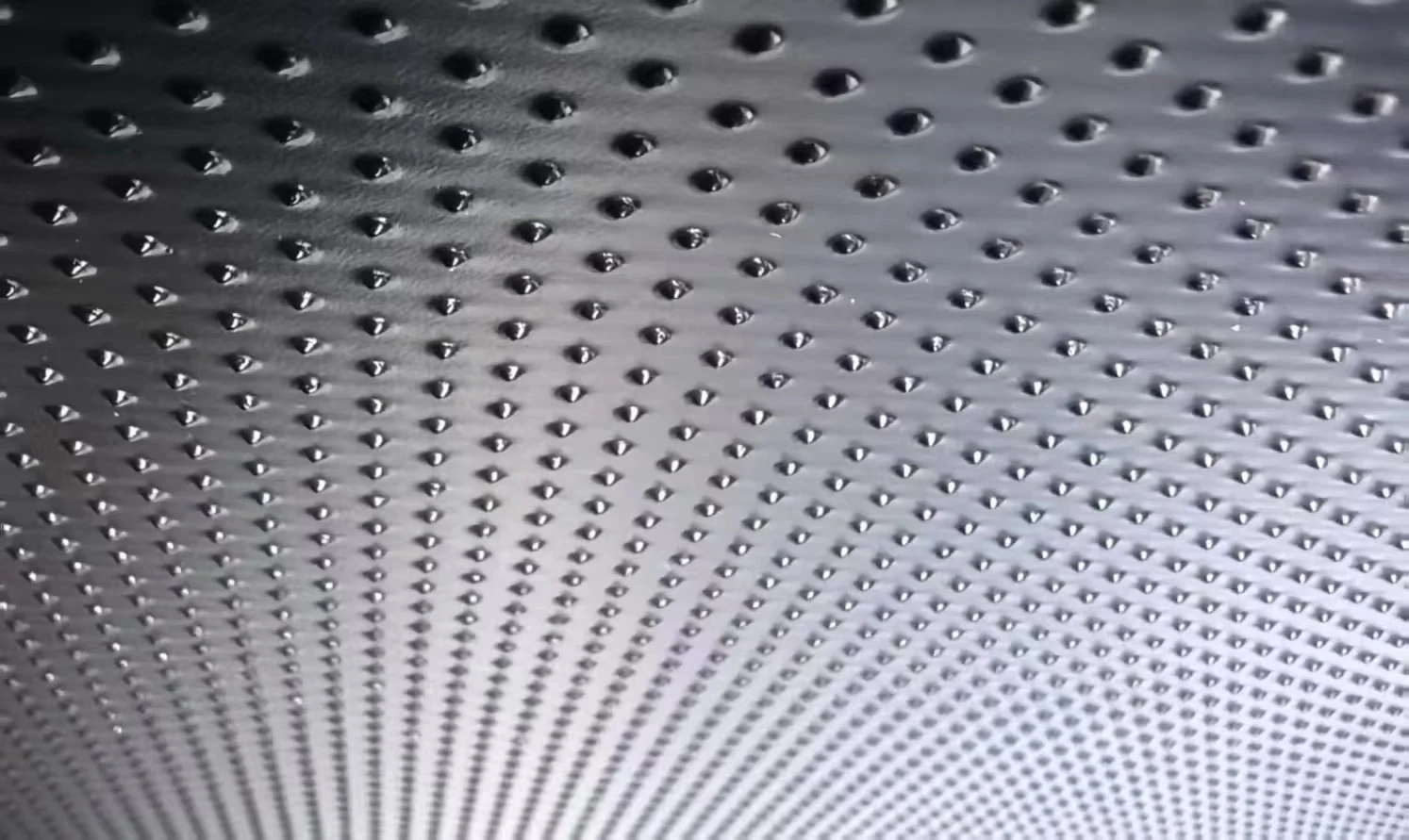
Texturing can affect interface shear resistance, but does not assign a safe slope. Test relevant contact materials under representative stresses and conditions using an appropriate method such as ASTM D5321/D5321M. Include relevant residual or large-displacement behavior in the design where required.
Define installation and acceptance before ordering
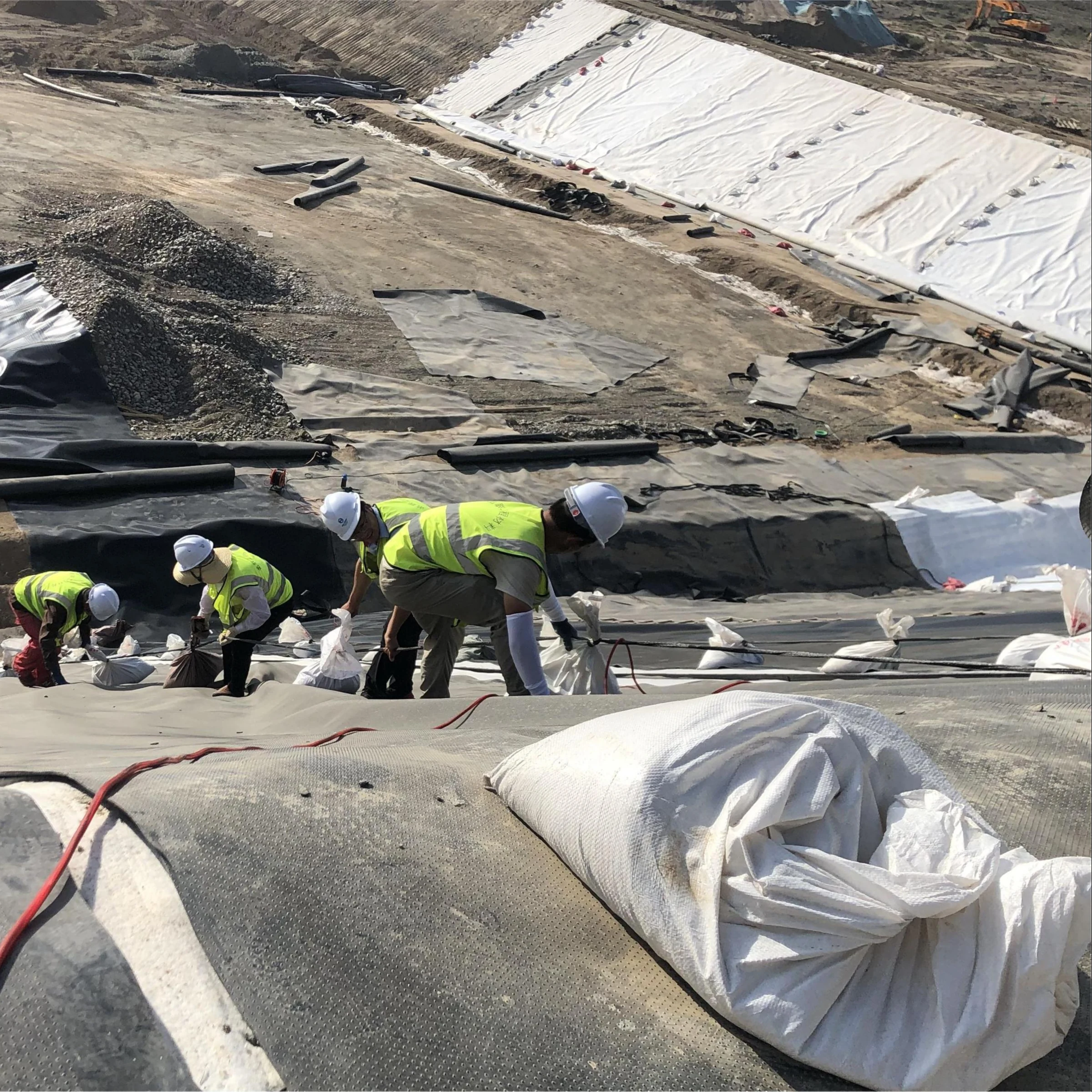
Agree panel layout, roll handling, anchors, penetrations, weather restrictions and approved seaming procedures. Machine temperatures, speeds, contact pressure and overlap depend on equipment, sheet and field conditions. Qualify trial seams rather than adopting one universal settings table.
| Acceptance stage | Required distinction |
|---|---|
| Delivered material | Roll identification, condition and traceable manufacturing/conformance reports. |
| Subgrade release | Geometry, support, drainage and surface condition accepted before covering. |
| Seam continuity | Approved nondestructive method appropriate to the seam geometry. |
| Seam strength | Project-defined peel/shear tests, sampling and failure disposition. |
| Installed integrity | Specified leak-location survey appropriate to exposed or covered conditions, with documented limitations. |
| Handover | As-built panel/seam map, repairs, retests, reports and approved outstanding items. |
Electrical leak-location methods depend on electrical isolation and conductive paths through the relevant layers. A covered-liner survey and an exposed-liner method are not interchangeable, and neither should be advertised as finding every defect regardless of site conditions.
Prepare a comparable landfill-liner inquiry
Provide the permit specification, section drawings, net and procurement areas, thickness units, surface, roll limits, leachate and temperature information, required testing, delivery phases and responsibility for installation QA. Separate material supply from construction scope and list any unapproved deviations.
Request a project-specific liner quotation and supporting reports. The material review should support the permitted design and documented construction acceptance, not replace either.