
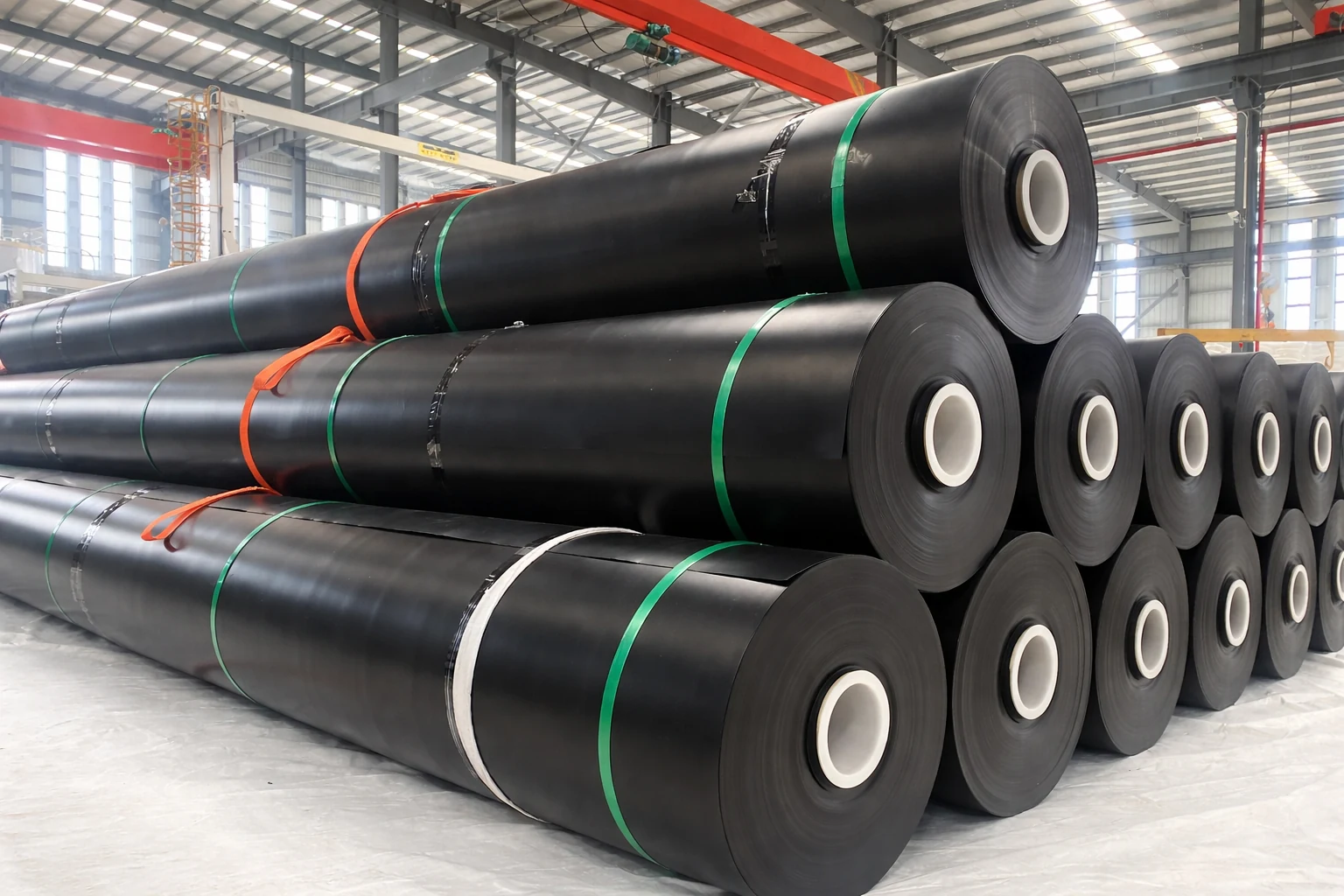
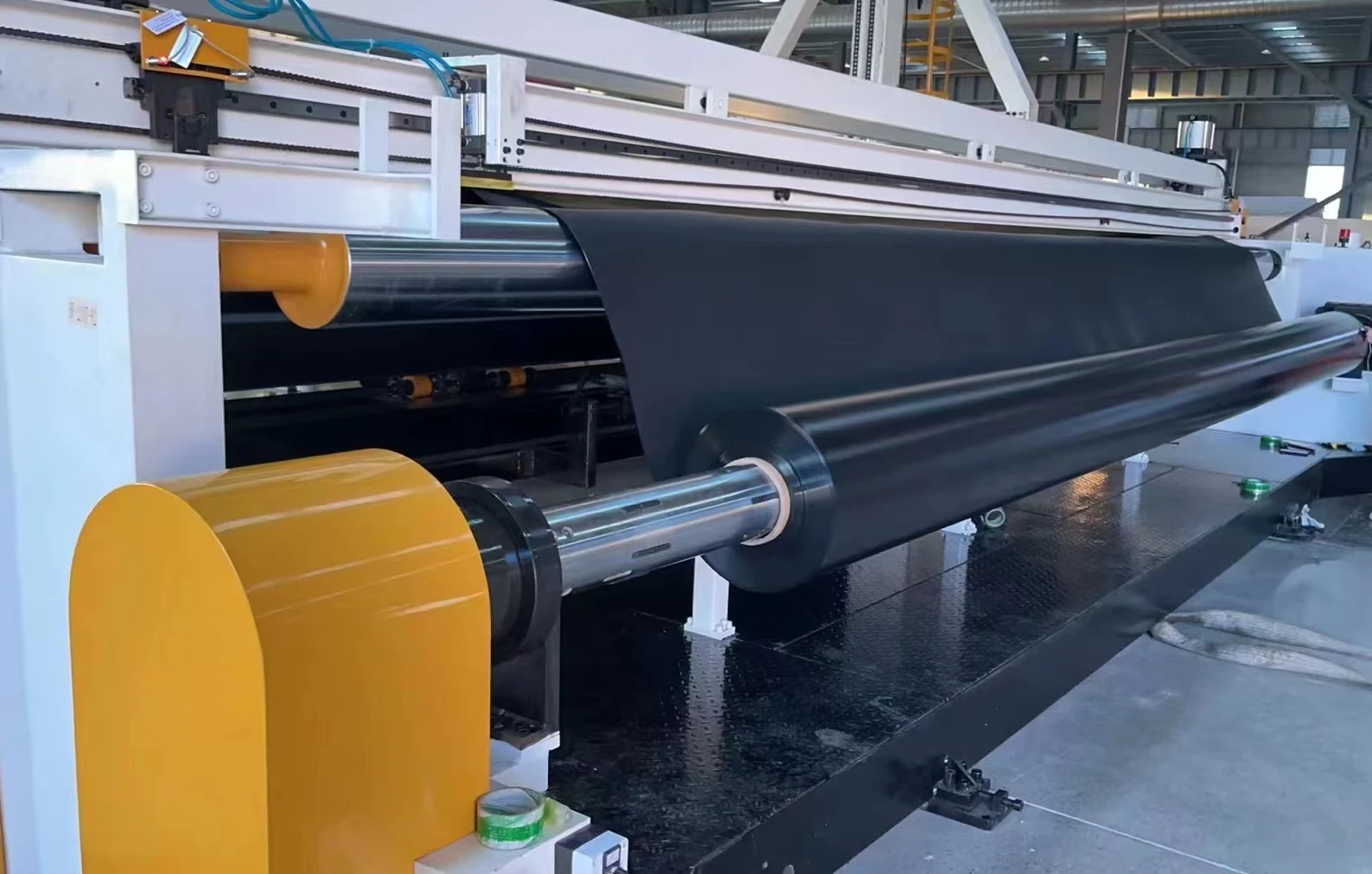
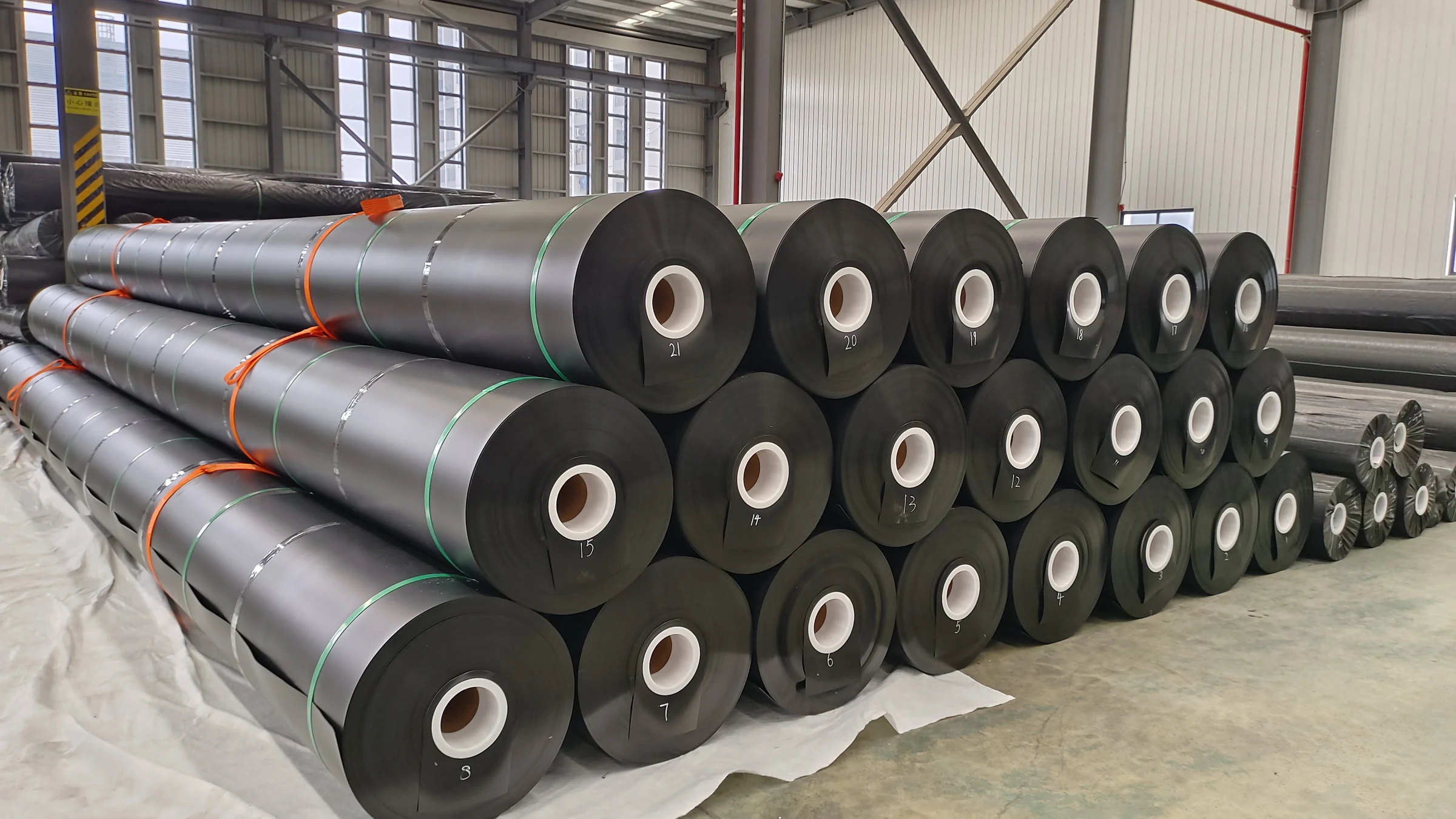
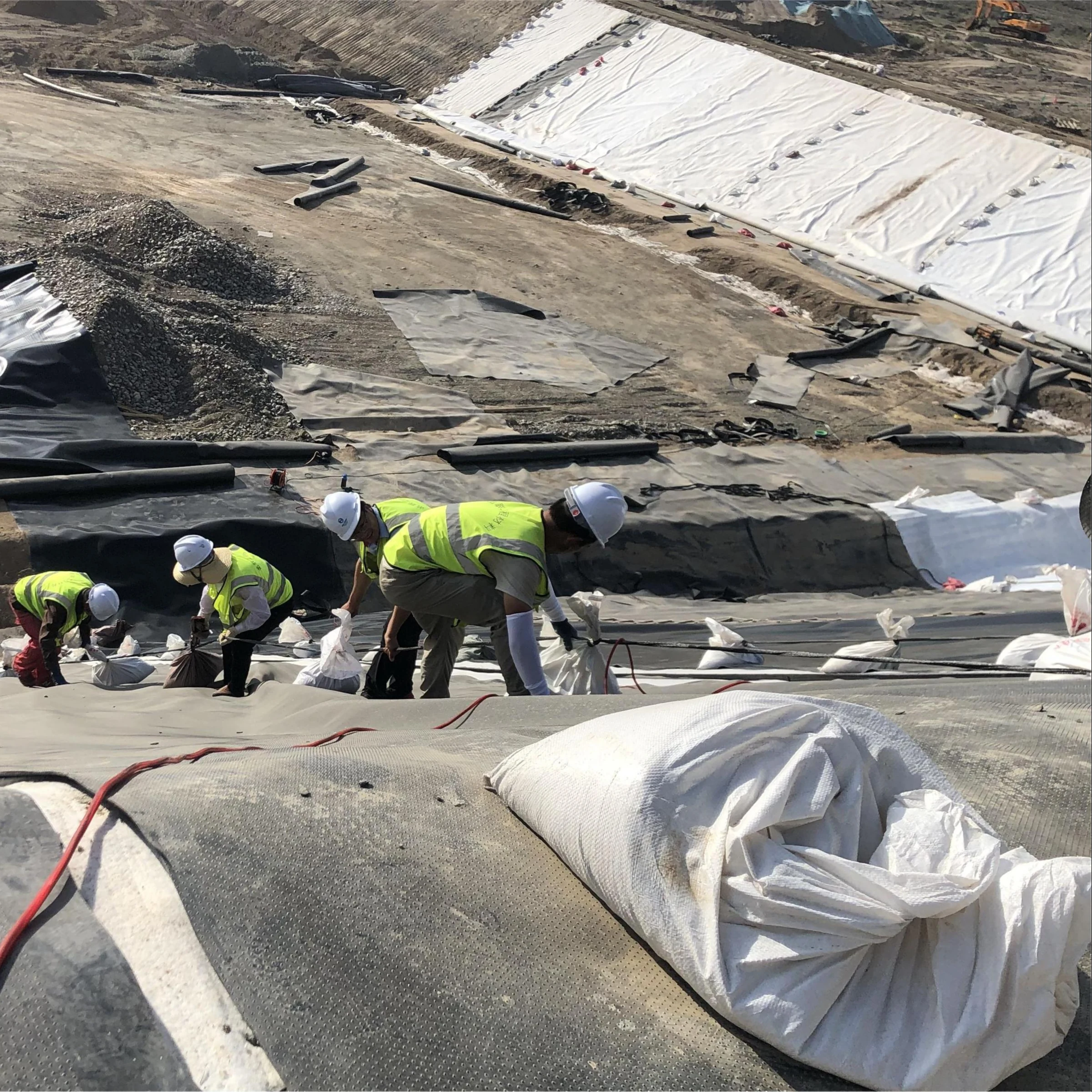

Start with 0.75 mm (30 mil) HDPE for a small garden pond on smooth, well-prepared soil, 1.00 mm (40 mil) for a backyard koi pond with shelves and pipes, and 1.00–1.50 mm (40–60 mil) for a farm or commercial fish pond with regular maintenance or harvest traffic. These are starting grades to review with a qualified designer or installer. Specify puncture protection separately; a thicker liner does not replace it.
Choose a starting grade for your pond
| Pond type | Starting grade | What to check |
|---|---|---|
| Small garden pond | 0.75 mm (30 mil) | Confirm the base is smooth, the liner is protected and routine foot traffic is unlikely. |
| Backyard koi pond | 1.00 mm (40 mil) | Review how the liner will fit shelves, corners, drains and pipe penetrations. |
| Farm or commercial fish pond | 1.00–1.50 mm (40–60 mil) | Compare the upper end where aerator supports, harvest routes or frequent access increase the risk of damage. |
GRI-GM13 Revision 19, dated June 11, 2025, sets manufacturing requirements for smooth and textured HDPE from 0.75 to 3.00 mm (30 to 120 mil). It does not assign thicknesses to ponds. A 20 mil (about 0.50 mm) quote falls outside that scope, so do not assume it meets the same minimums. [1]
Check what could damage the liner
Consider two ponds of the same depth. One has a smooth, protected base and no routine walk-in access. The other has a bottom drain, exposed stone and a route crews use to pull nets. In the second pond, mark the route and drain on the liner layout before comparing grades. Remove protruding stone, specify cushioning and detail the drain; then compare 1.00 and 1.50 mm with those measures included in both quotes. This is a selection example, not a depth rule.
Where shelves or tight corners make a panel difficult to fit, compare the HDPE layout with a more flexible LLDPE liner layout. Ask where the field seams and pipe details would go. FAO notes that factory prefabrication can reduce field joining; its pond construction guidance also treats dike stability and water retention as separate design requirements. [2] [3]
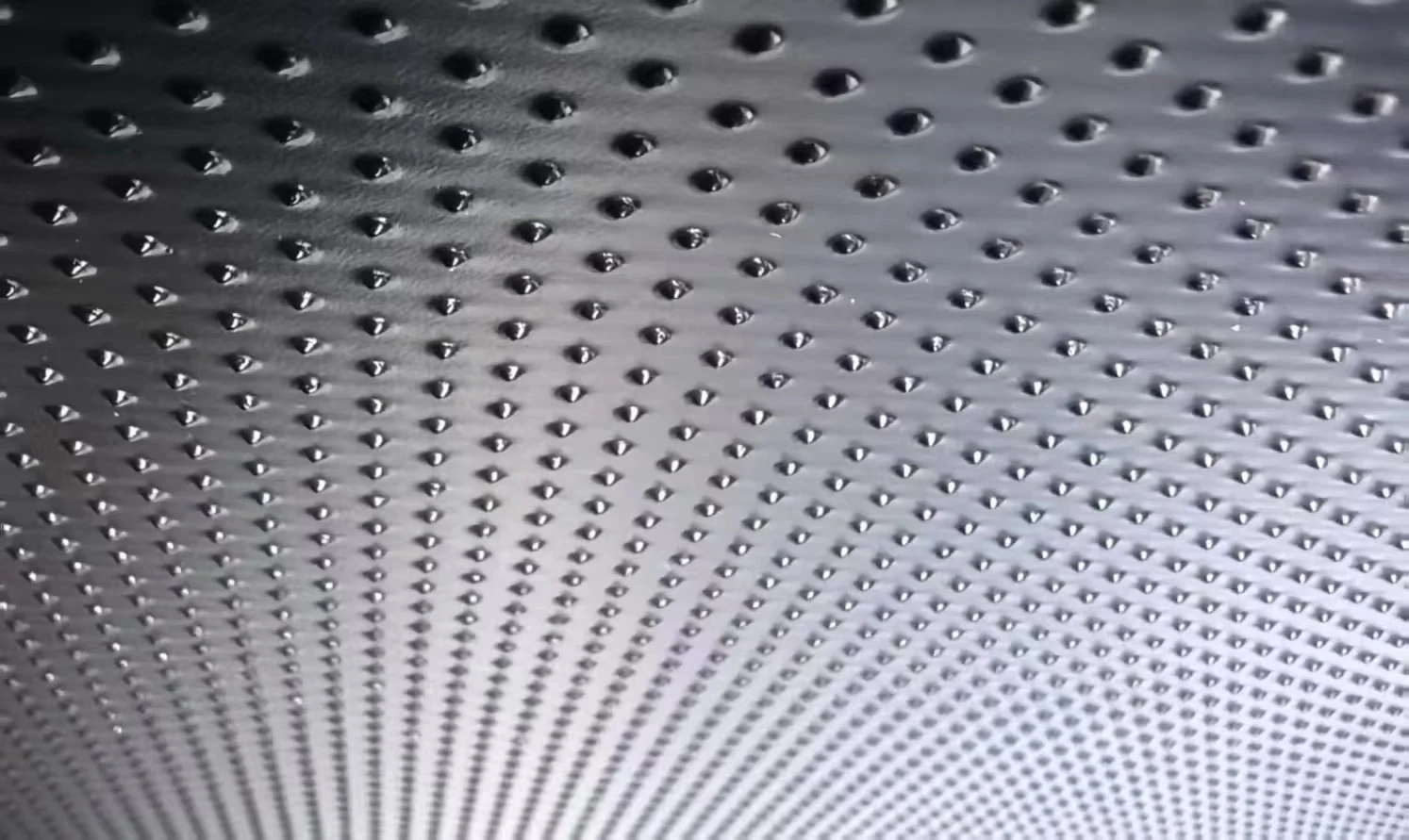
On steep banks, consider a textured HDPE liner only if the interface shear tests and slope design support it. Texture does not fix sharp subgrade, and added thickness does not fix uplift when groundwater rises beneath a drained pond. Specify a suitable PET nonwoven cushion where needed and have the designer assess drainage or venting separately. [4]
Compare smooth HDPE grades
One mil equals 0.0254 mm. Exactly 40 mil is 1.016 mm; 40 mil and 1.00 mm are paired grade labels, not exact conversions. Confirm which unit system and tolerances govern the order. The table gives the metric GRI-GM13 values for smooth sheet. These are manufacturing test criteria, not allowable loads on a pond liner. [1]
| Property | 0.75 mm | 1.00 mm | 1.50 mm |
|---|---|---|---|
| Puncture resistance, ASTM D4833 | 240 N | 320 N | 480 N |
| Tear resistance, ASTM D1004 | 93 N | 125 N | 187 N |
| Tensile yield strength, ASTM D6693 Type IV | 11 kN/m | 15 kN/m | 22 kN/m |
| Tensile break strength, ASTM D6693 Type IV | 20 kN/m | 27 kN/m | 40 kN/m |
| Lowest individual thickness from ten readings | 0.675 mm | 0.90 mm | 1.35 mm |
The first four rows are minimum averages; the last applies the smooth-sheet limit of 10% below nominal to an individual reading. The average thickness still has to meet nominal. For handling estimates, 100 m² of smooth sheet at nominal thickness and an assumed density of 0.940 g/cm³ weighs about 71, 94 or 141 kg, respectively, before overlaps, protection and packaging. [1]
Specify what the supplier must document
- Thickness and surface: Request the nominal grade and roll test results for the HDPE geomembrane liner. GM13 lists ASTM D5199 for smooth-sheet thickness and ASTM D5994 for textured core thickness. For textured sheet, check core thickness and asperity height separately. The GM13 metric table lists 0.40 mm minimum average asperity height; the imperial table lists 16 mil. [1] [5] [6]
- Material and weathering: Check the specified grade’s tensile test report, formulated density and carbon black content. For smooth GM13 sheet, the minimum average density is 0.940 g/cm³ and the carbon black range is 2.0–3.0%. The initial minimum average oxidative induction time (OIT) is 100 minutes by ASTM D8117 or 400 minutes by ASTM D5885. The UV criterion is at least 50% high-pressure OIT retained after 1,600 hours of ASTM D7238 exposure. That test is not a service-life forecast. [1] [7]
- Fish contact and seams: Ask for written evidence that the exact finished liner is suitable for the intended fish-water contact, plus compatibility with the planned cleaning agents and treatment chemicals at the expected concentrations and temperatures. Specify seam and penetration details, applicable test methods and acceptance criteria. A sheet test report does not establish that the installed pond is watertight.
Confirm the grade before ordering
Send the pond dimensions and slopes, subgrade and groundwater conditions, cover plan, drain and pipe locations, and maintenance routes. Have qualified personnel confirm the grade, protection, seam testing and inspection requirements under local rules before installation.
Share your pond layout to request a liner quote that includes thickness and protection.
