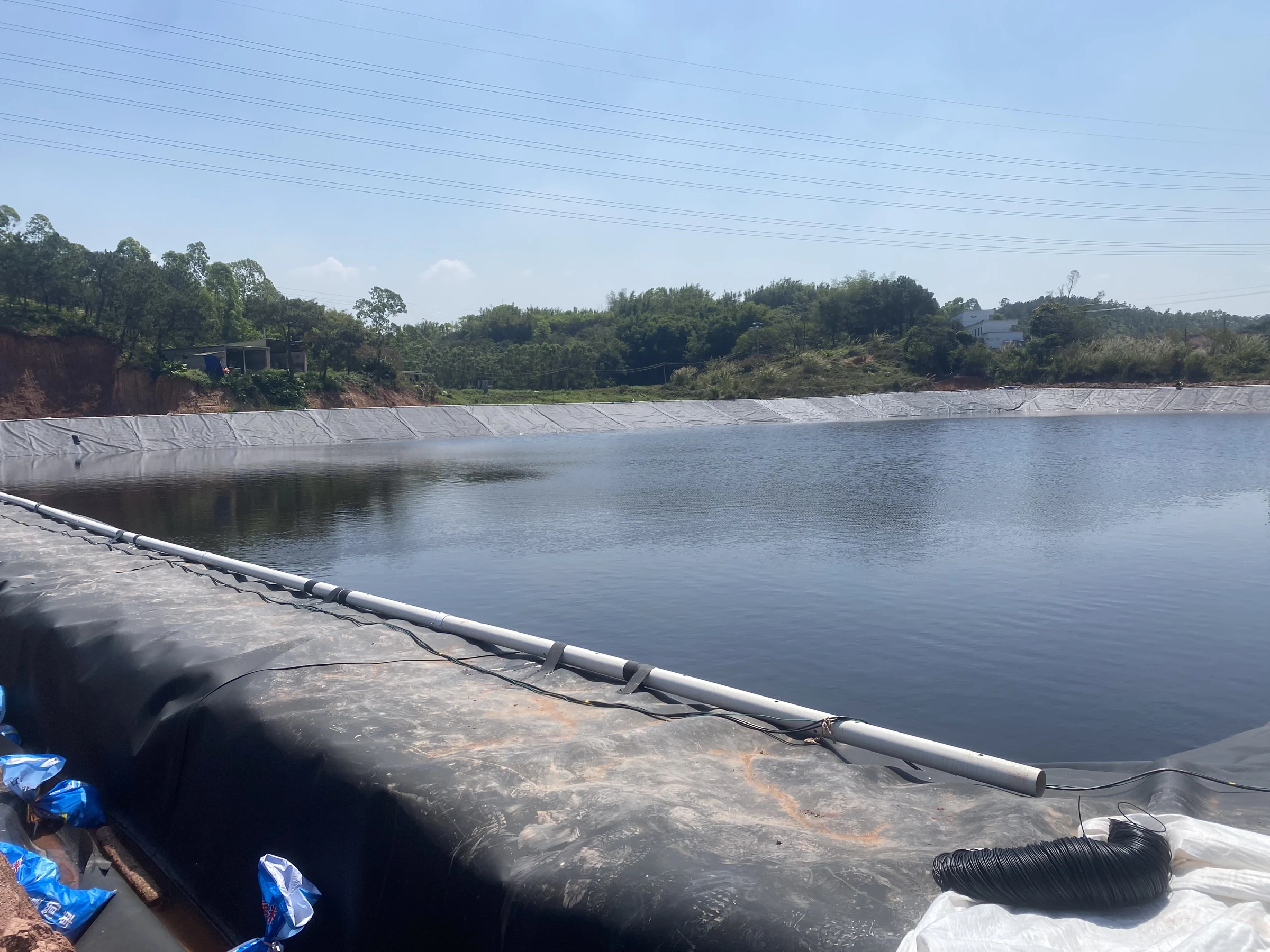
Jinseed-Smooth Liner are super stable, ultraviolet-resistant geomembrane

Jinseed Smooth HDPE Geomembrane Liner is a UV-resistant solution made from high-density polyethylene (HDPE), offering excellent chemical resistance and low permeability. 

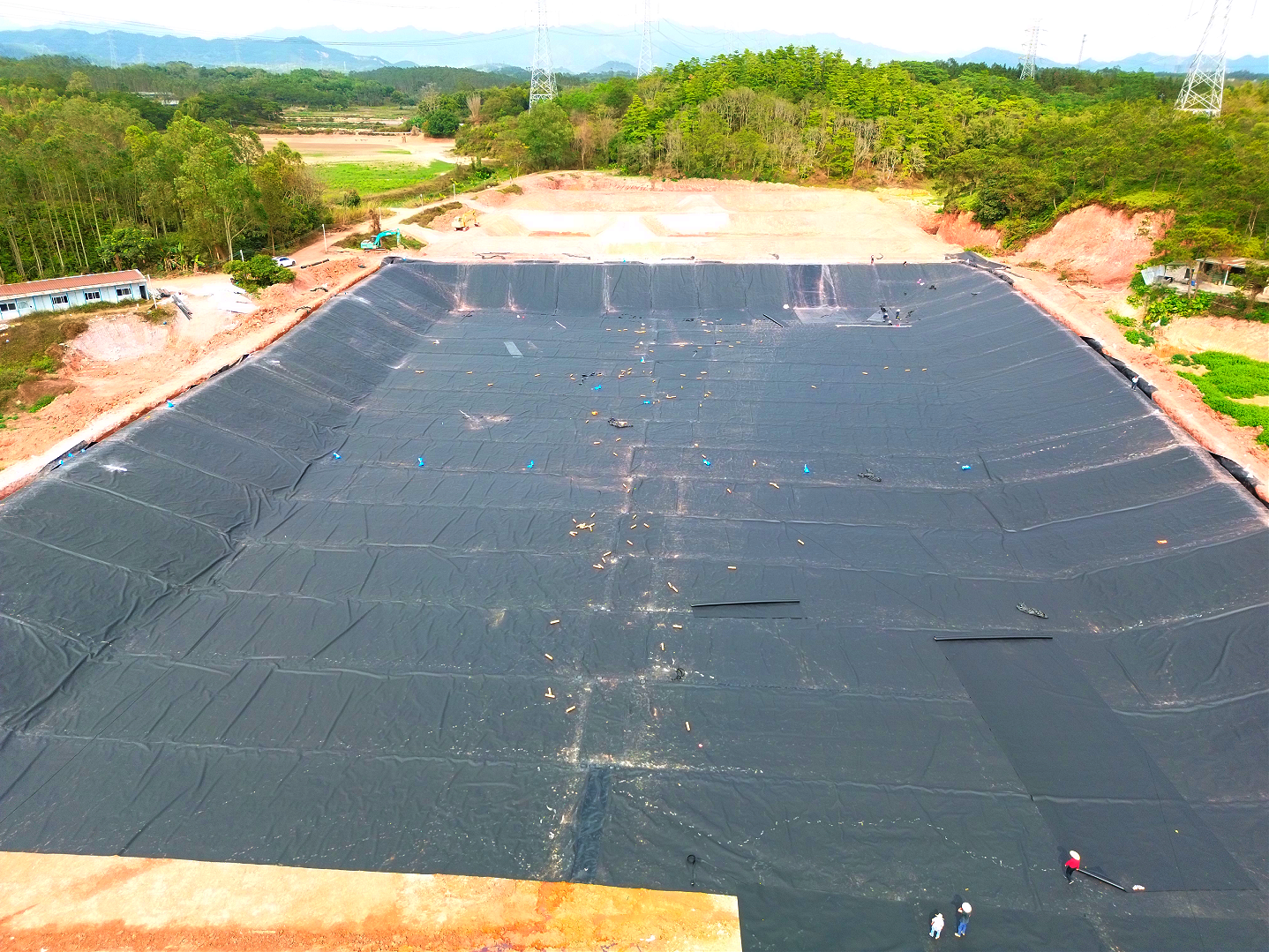
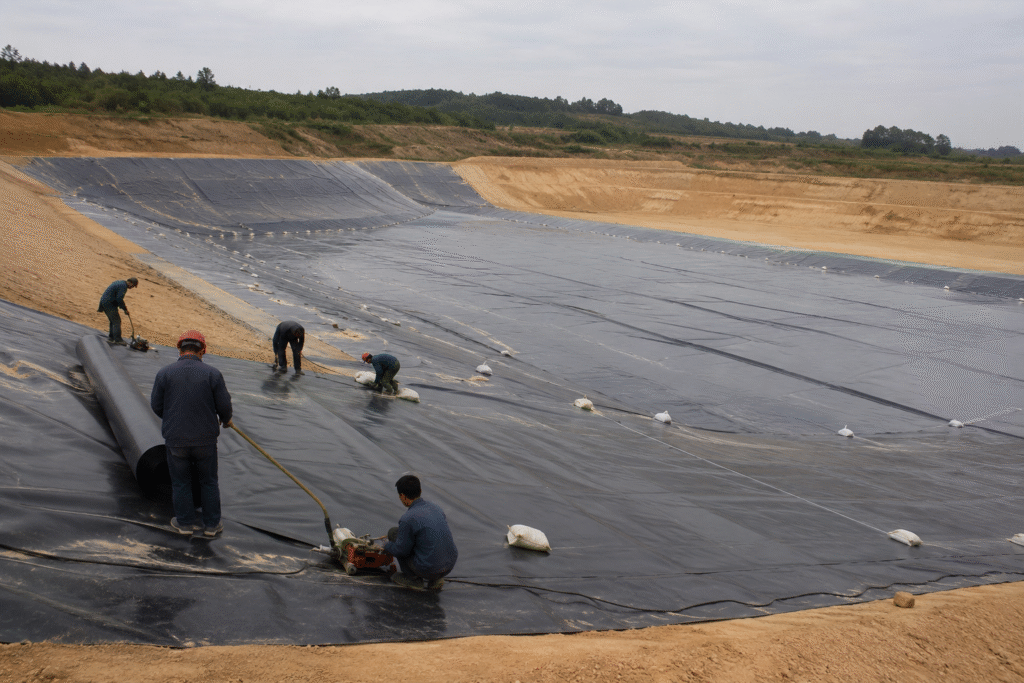
With a thickness range of 40 to 100 mils, it is designed to prevent seepage and protect soil and groundwater. The UV-stabilized carbon black additive enhances its durability, ensuring up to 50 years of performance in exposed conditions. Commonly used in landfills, ponds, and mining, it can withstand temperatures from -60°C to 60°C.


Advantages of  Jinseed-Smooth Liner

ESCR over 3000 Hours

HPOIT over 800 Min

 Perfect UV resistance

 Good resistance to chemical and biological degradation

 Good Puncture Resistance

 Advanced stabilization

Application

Download the Jinseed HDPE Liner Brochure

Premium HDPE Liner Overview

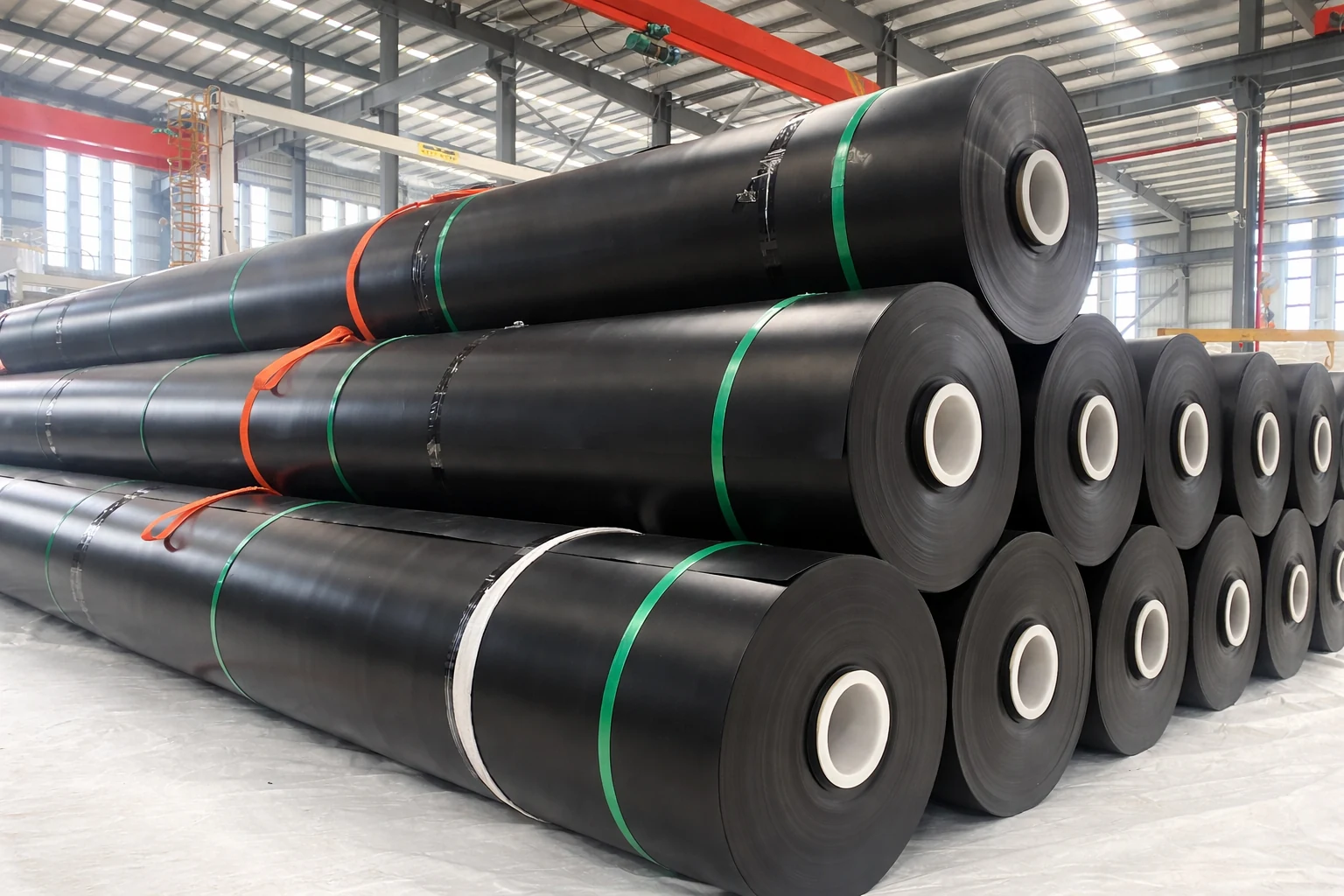
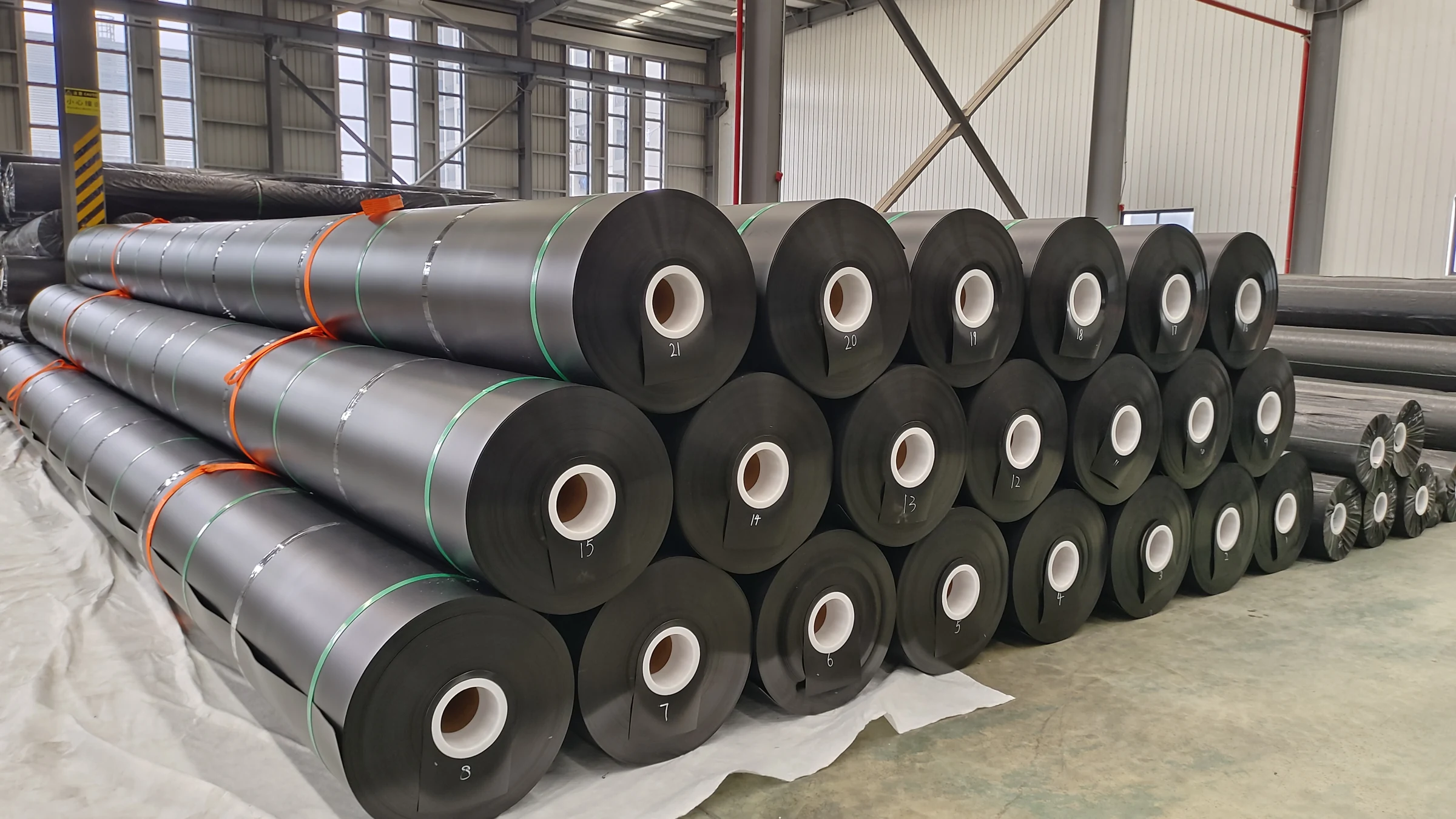
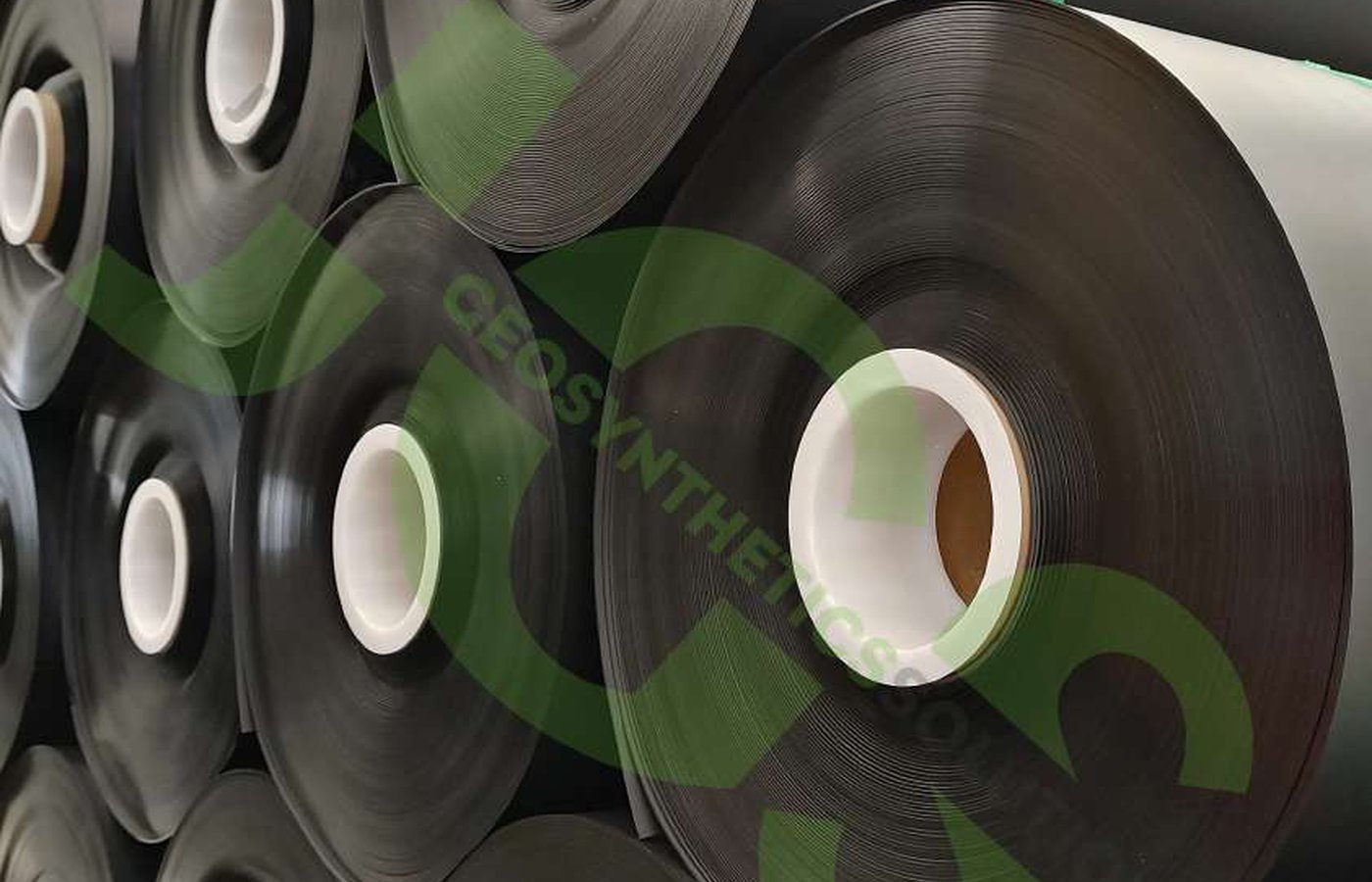
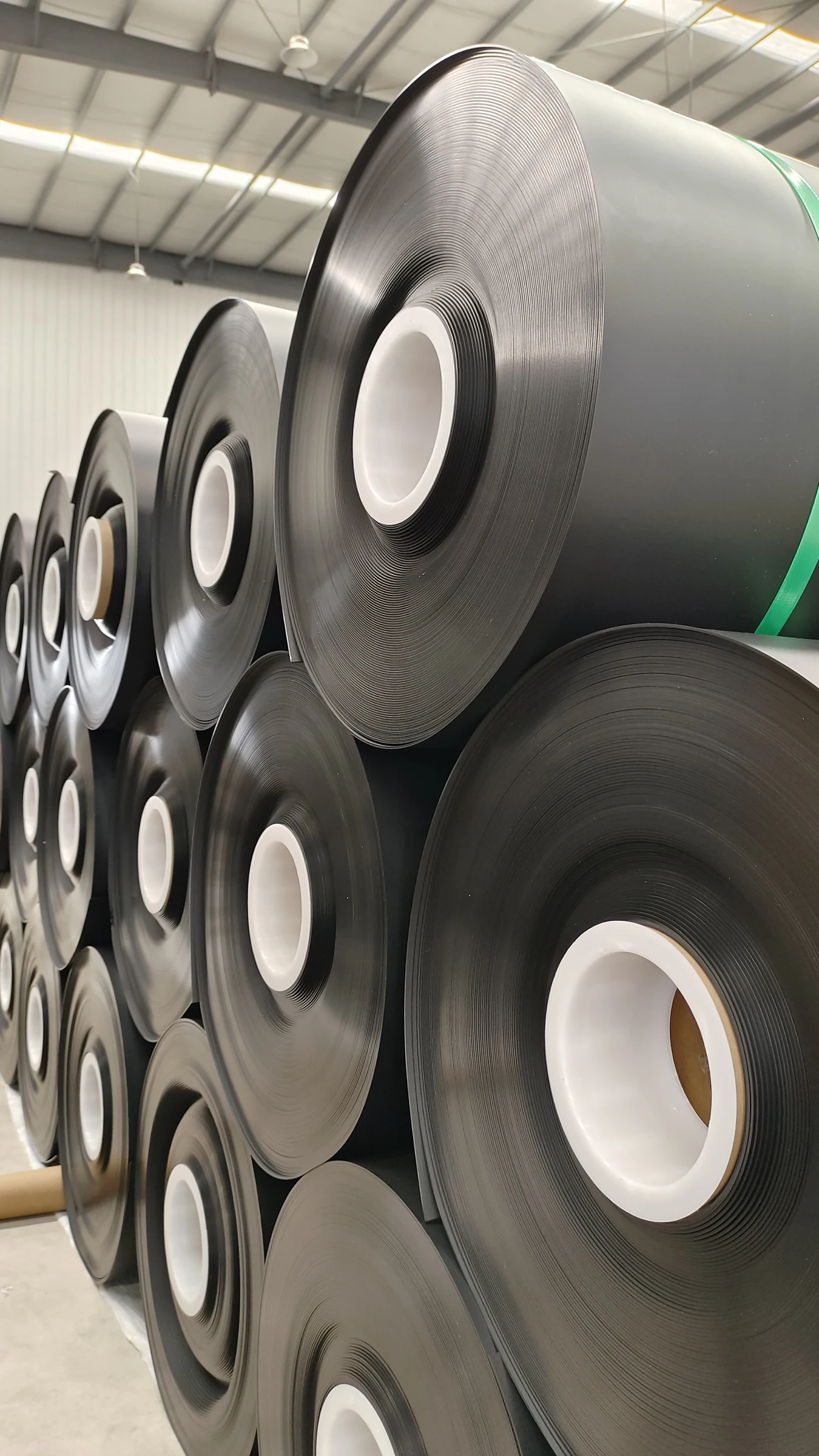
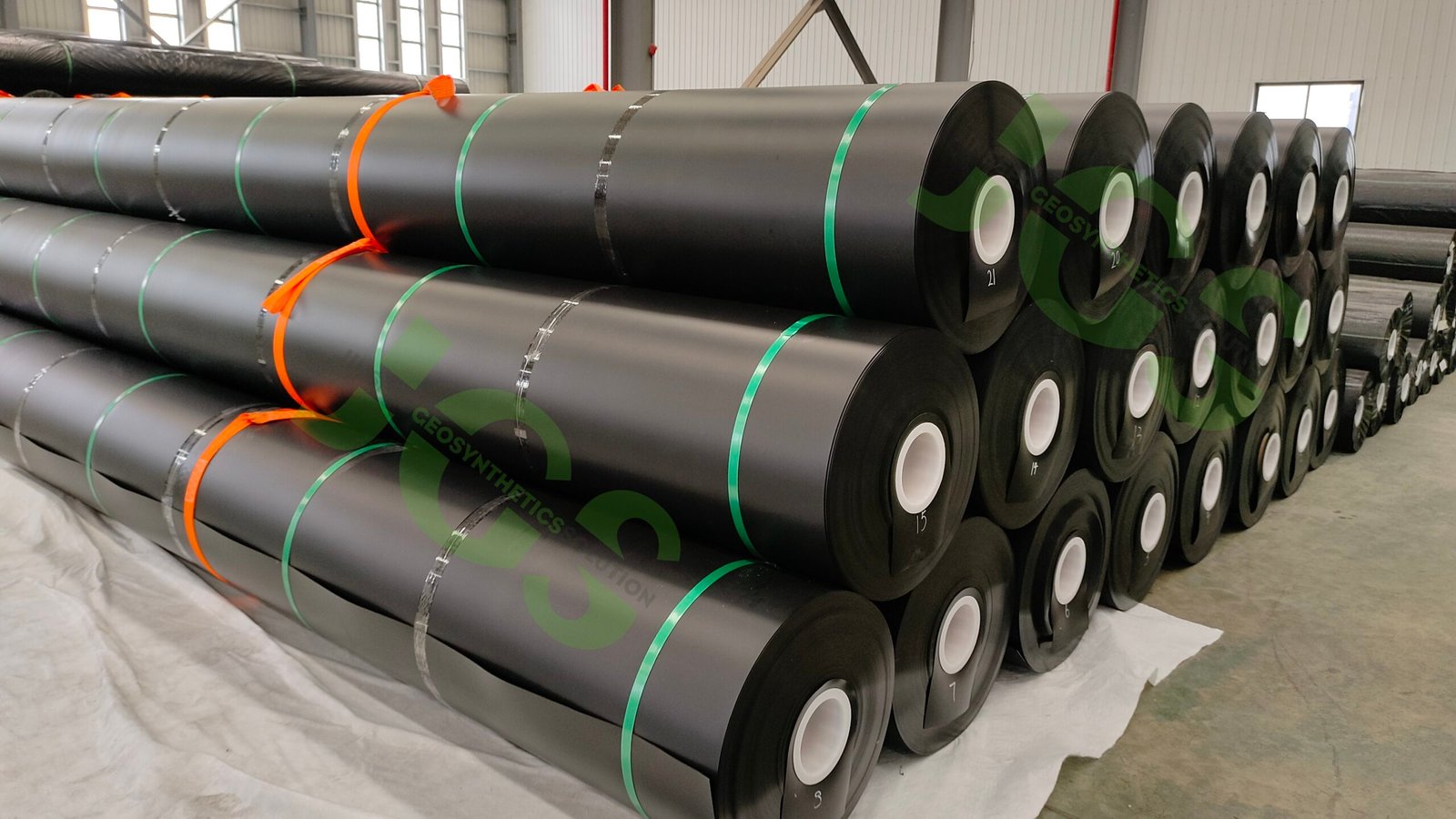
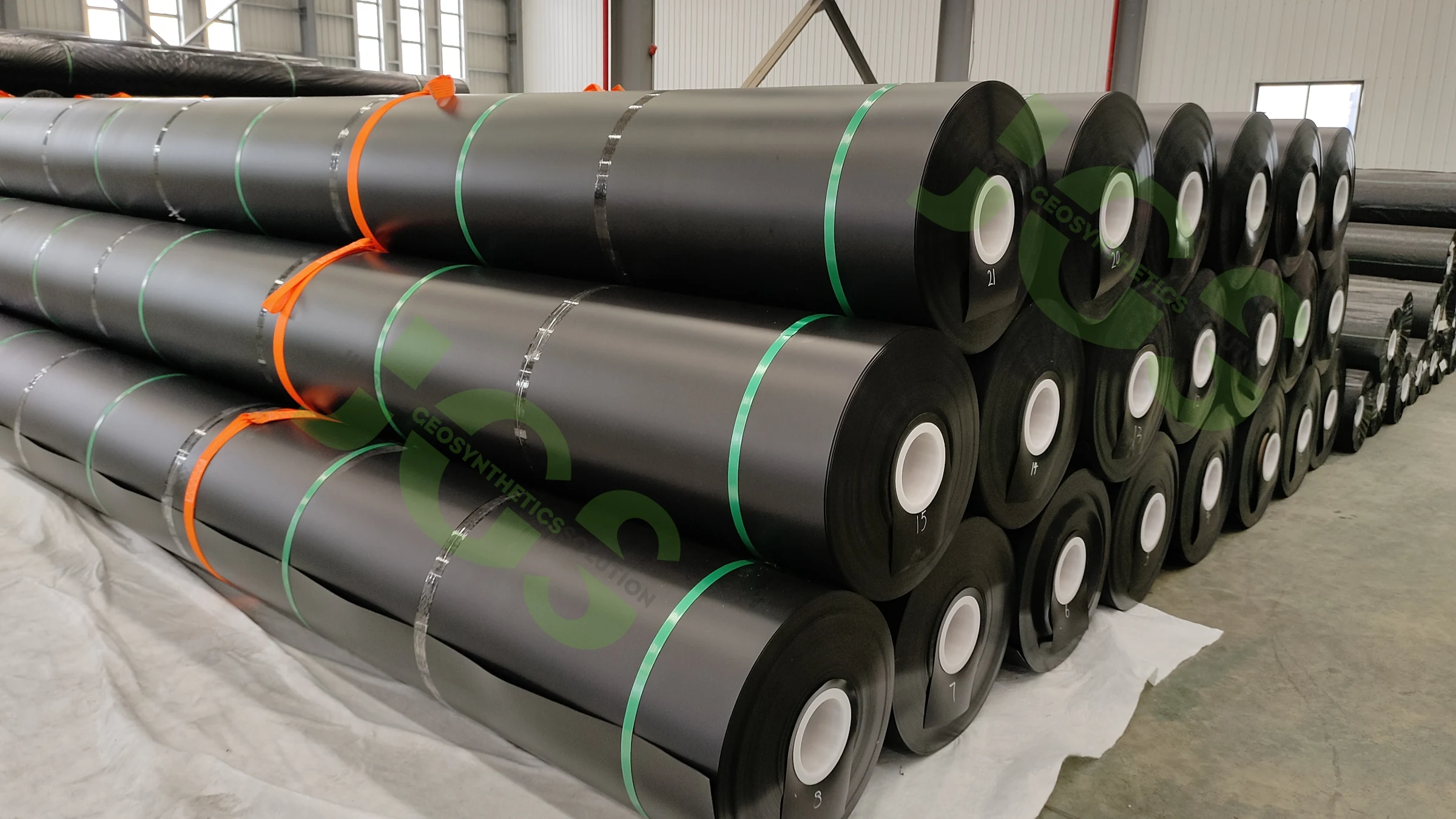
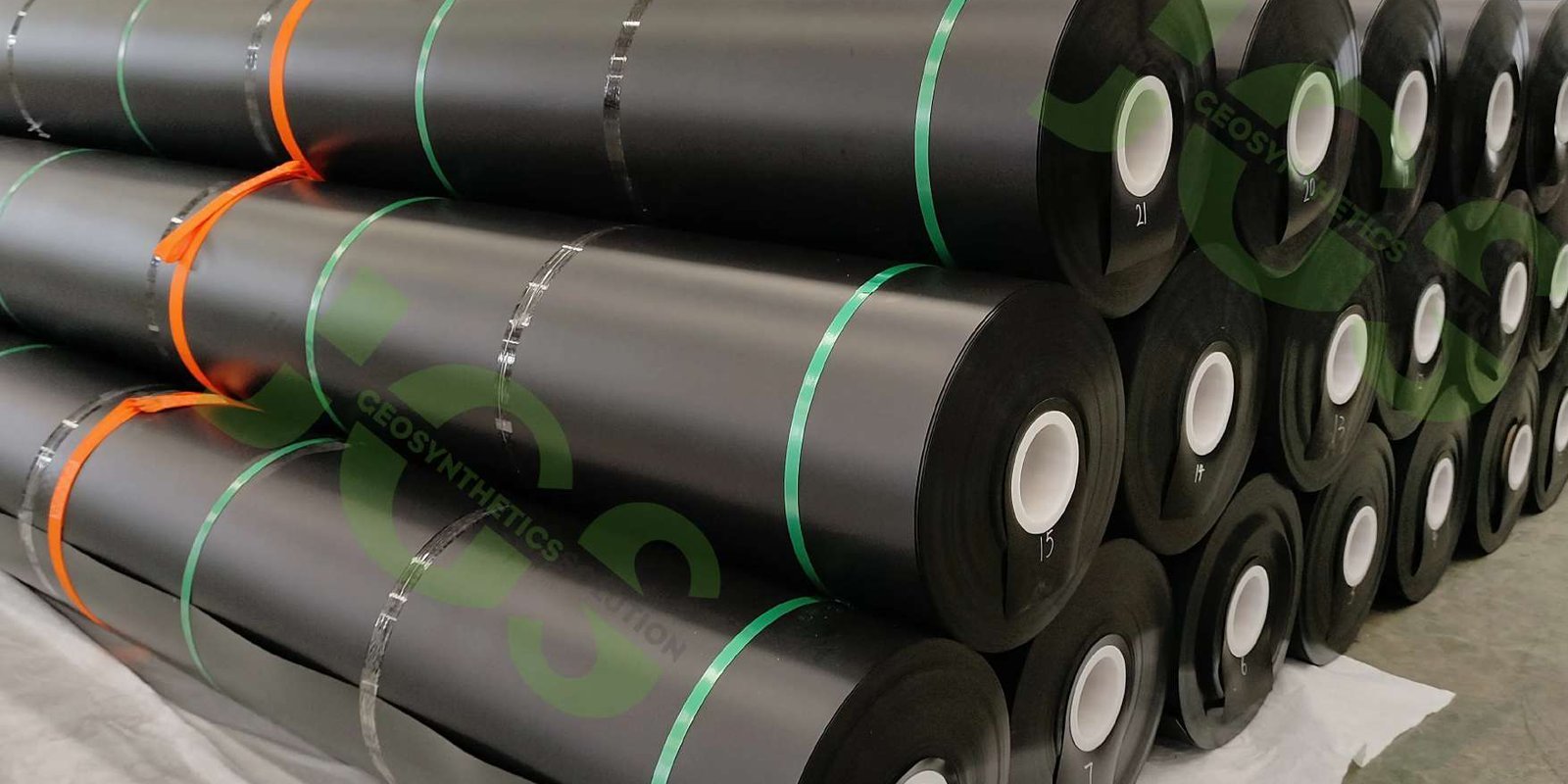
Premium HDPE Liner Roll Product Showcase

Jinseed Premium HDPE (High-Density Polyethylene) Liners are engineered for superior stability and long-term performance. As a top-tier geosynthetic erosion control product, our smooth liners act as an impermeable barrier to prevent seepage loss and stop contaminants from entering the ground or groundwater.

Manufactured to exceed rigorous ASTM standards, our geomembranes offer exceptional ultraviolet (UV) resistance and advanced stabilization, ensuring your liquid containment and environmental protection areas remain secure for decades.

Superior Stability

Engineered for top-tier geosynthetic erosion control and long-term ground performance.

Impermeable Barrier

Effectively prevents seepage loss and stops contaminants from entering groundwater.

UV Resistance

Manufactured to exceed ASTM standards with advanced stabilization for decades of security.

Core Features & Advantages

Exceptional Environmental Stress Crack Resistance (ESCR)

Tested to exceed 2000 hours, our liners vastly outperform standard industry benchmarks, ensuring long-term integrity under severe mechanical and environmental stress.

High-Pressure OIT (HPOIT) > 800 Hours

Advanced stabilization provides outstanding thermal and oxidative stability for a significantly extended service life.

Superior Chemical & Biological Resistance

Engineered to withstand degradation from harsh chemicals, biological agents, and aggressive leachate, making it the ultimate choice for the most demanding applications.

Perfect UV Resistance

Formulated with premium additives to endure prolonged exposure to harsh sunlight without compromising structural integrity or flexibility.

Excellent Puncture Resistance

Designed to resist physical damage, tears, and punctures during installation and throughout its lifecycle in rugged environments.

Technical Specifications & Parameters

Our geomembranes are manufactured to exceed standard GRI-GM13 and ASTM specifications, guaranteeing top-tier performance for US contractors, civil engineers, and project managers.

(Note: In the US market, thickness is universally measured in "mils". 1 mil = 0.001 inch. 40 mil ≈ 1.0mm.)

HDPE Geomembrane Technical
Technical ParameterTest MethodJinseed Premium Specification
Material-High-Density Polyethylene (HDPE)
Surface Finish-Smooth
Available ThicknessASTM D51991 mm, 1.5 mm, 2.0 mm, 2.5 mm, 3.0 mm
ESCR (Environmental Stress Crack Resistance)ASTM D5397> 2000 Hours
HPOIT (High Pressure OIT)ASTM D5885> 800 Hours
UV ResistanceASTM D7238Superior / Perfect
Puncture ResistanceASTM D4833Exceeds ASTM Standards
Chemical Resistance-Excellent

Wide Range of Applications

Jinseed HDPE Liners provide reliable, leak-proof containment across a wide spectrum of heavy-duty industrial and environmental sectors:

Landfill & Environmental

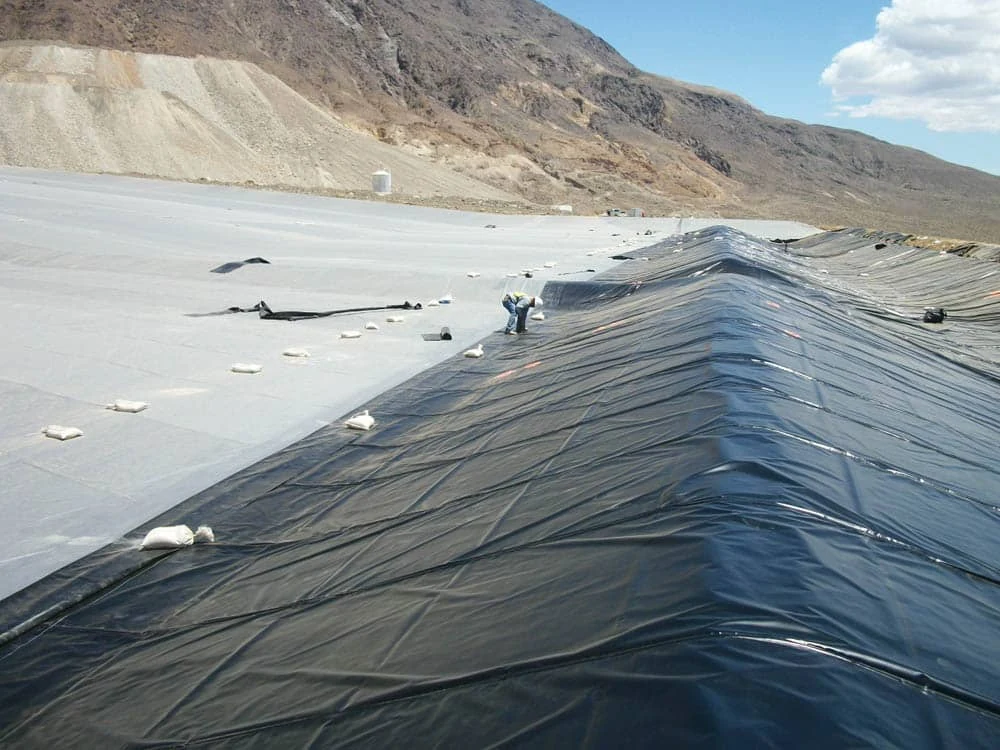
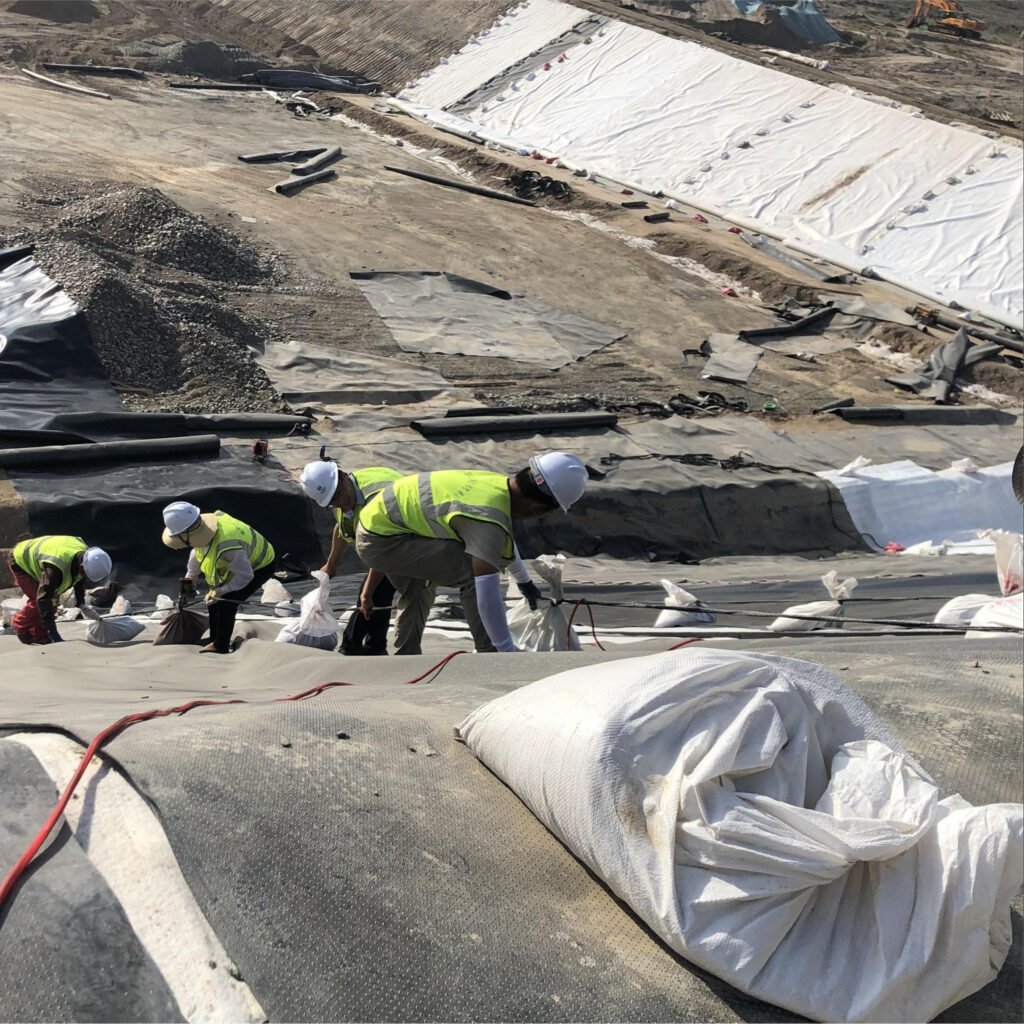
Secure primary and secondary containment for municipal solid waste (MSW) landfills, hazardous waste sites, and wastewater treatment facilities.

Mining Operations

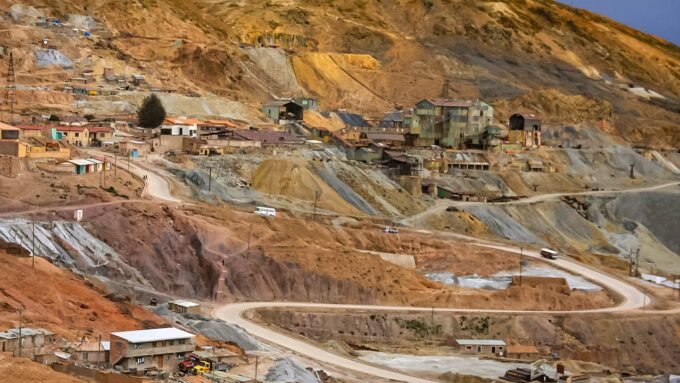
Highly chemical-resistant barriers for heap leach pads, tailings dams, and processing solution ponds.

Hydraulic & Civil Engineering

Impermeable liners for dams, irrigation canals, reservoirs, and commercial storm water management systems.

Aquaculture

Safe, stable lining for commercial fish ponds and shrimp farming, promoting healthy and contamination-free aquatic environments.

Manufacturing Process & Quality Control

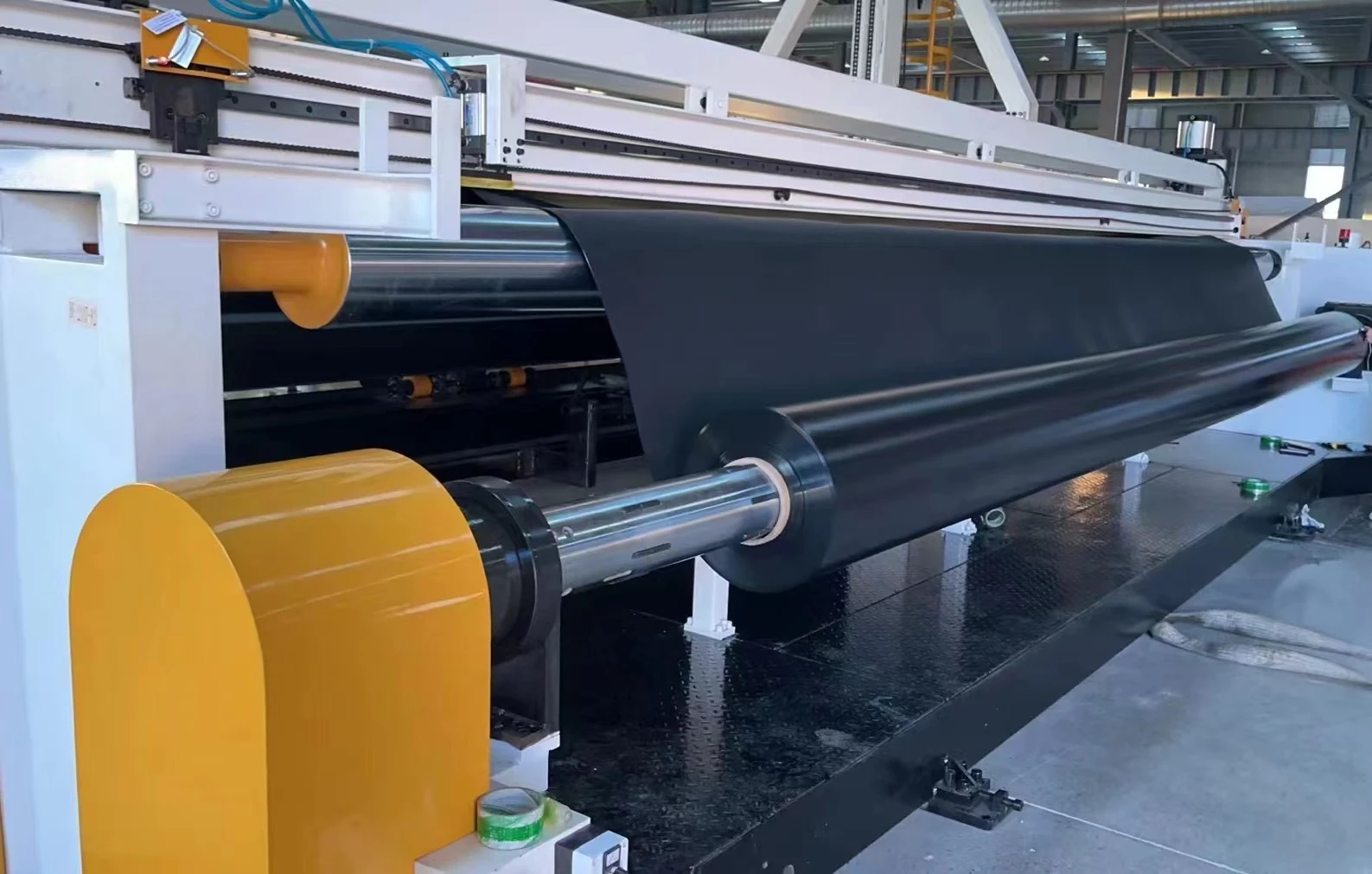
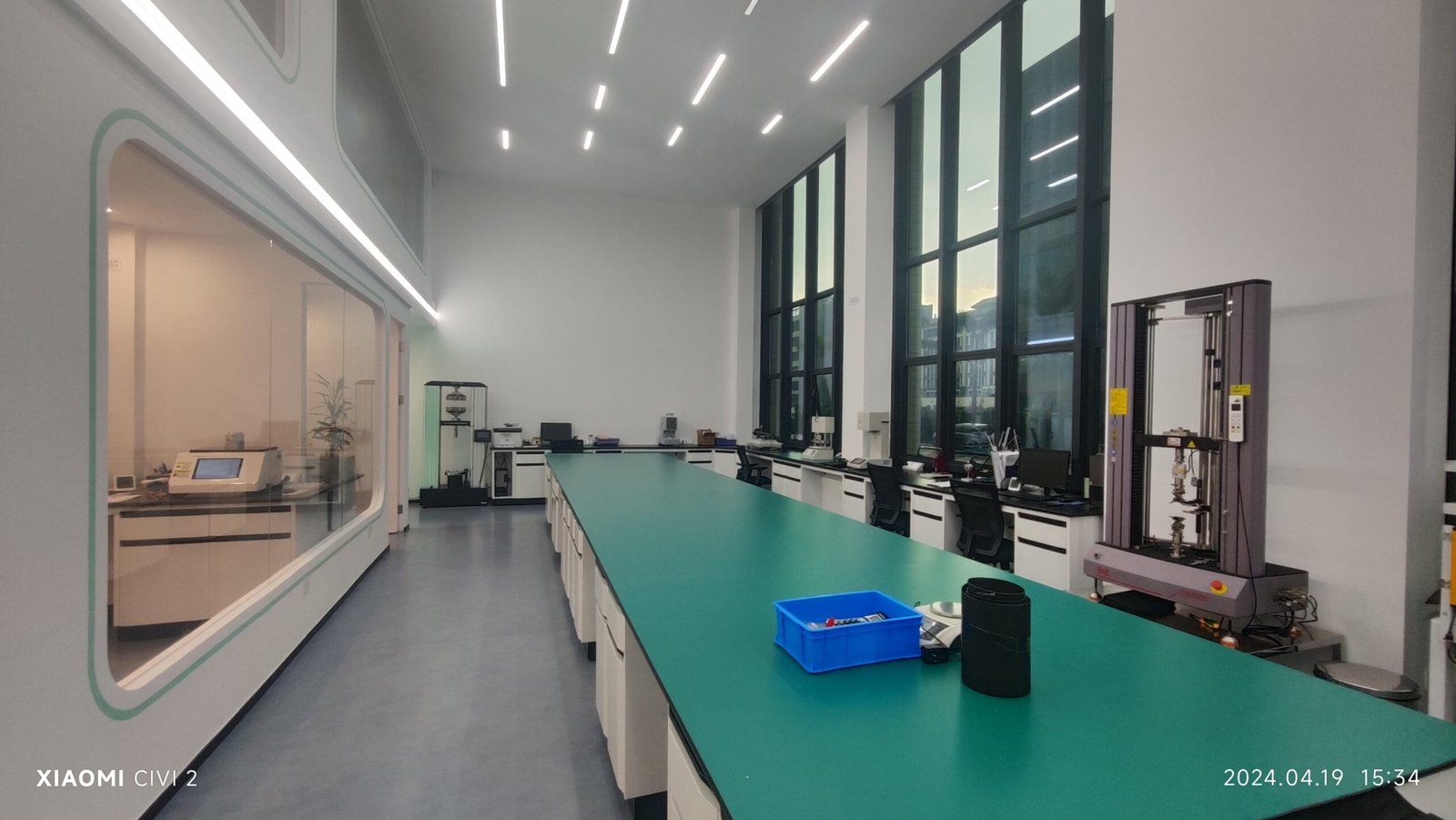
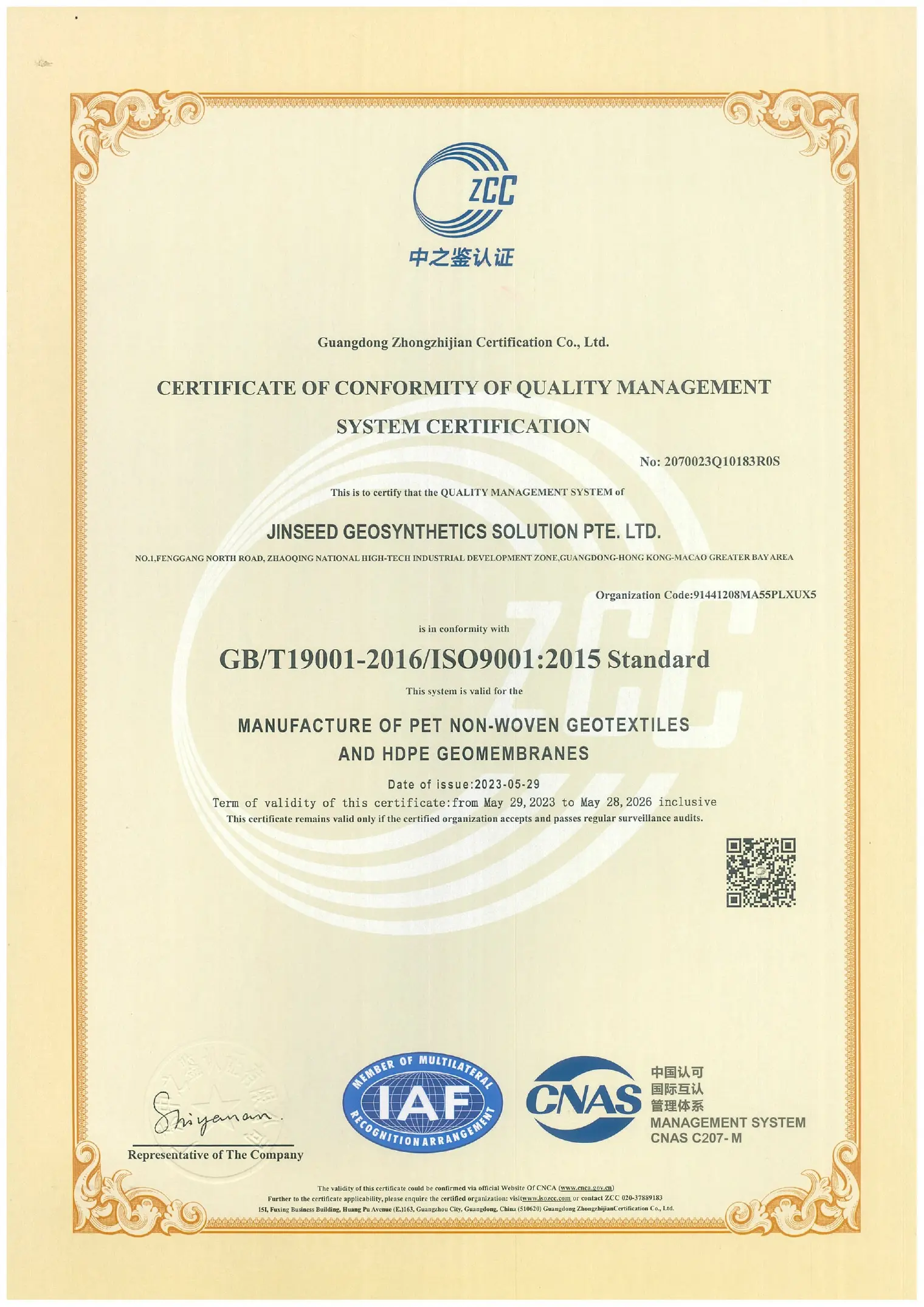
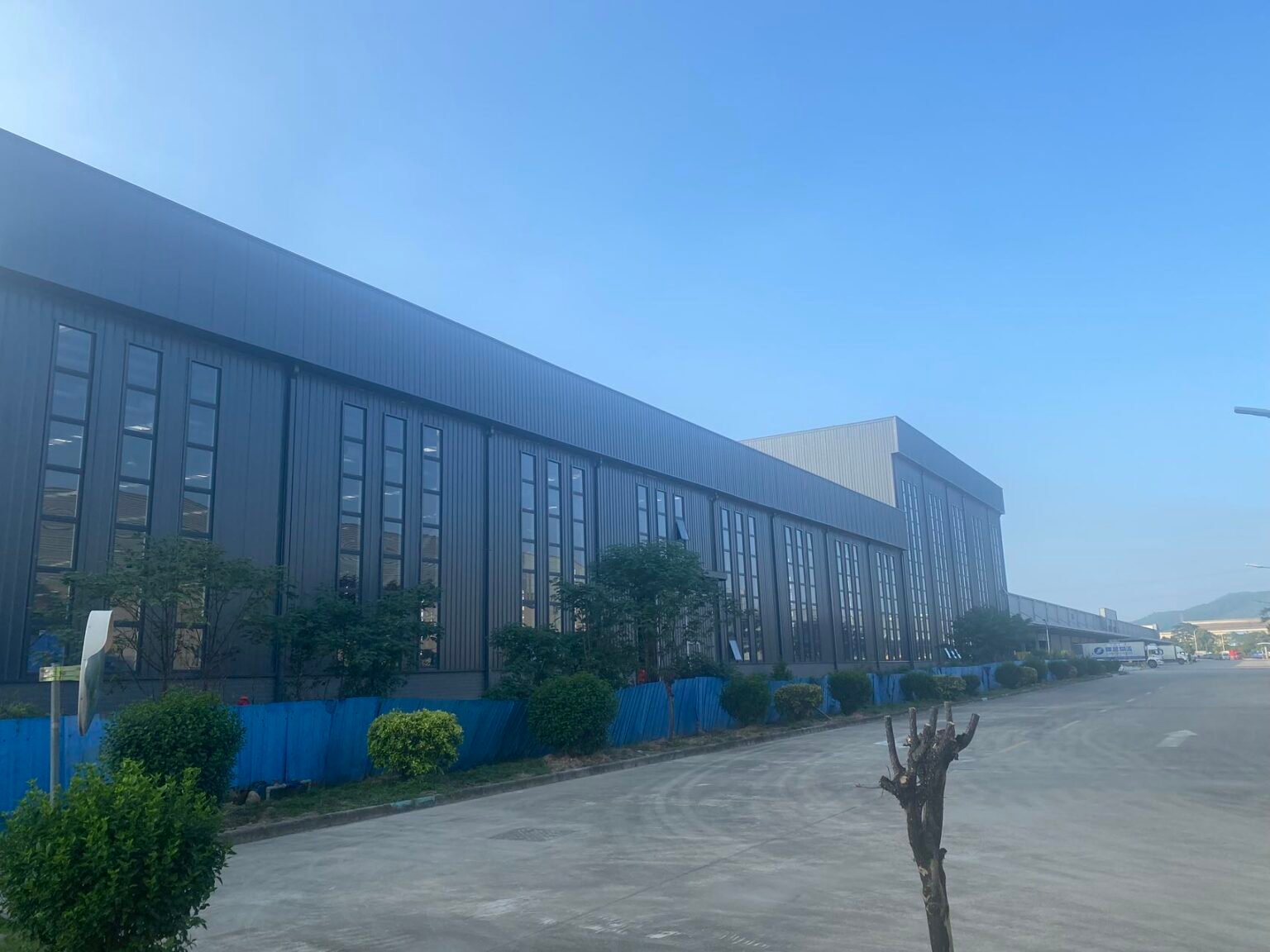
At Jinseed Geomembranes, quality is our cornerstone. Every roll of our HDPE liner is subjected to rigorous quality control protocols that exceed standard ASTM testing requirements. From raw resin selection to advanced extrusion processes, our manufacturing ensures consistent thickness, advanced stabilization, and unparalleled durability. We back our products with a strict quality guarantee and offer free consulting services to ensure you receive the exact specifications required for your specific site conditions.

Advanced Manufacturing

From raw resin selection to advanced extrusion processes, our manufacturing ensures consistent thickness and unparalleled durability.

Rigorous Quality Control

Every roll of our HDPE liner is subjected to rigorous quality control protocols that exceed standard ASTM testing requirements.

Guarantee & Consulting

We back products with a strict quality guarantee and offer free consulting services to ensure you receive the exact specifications.

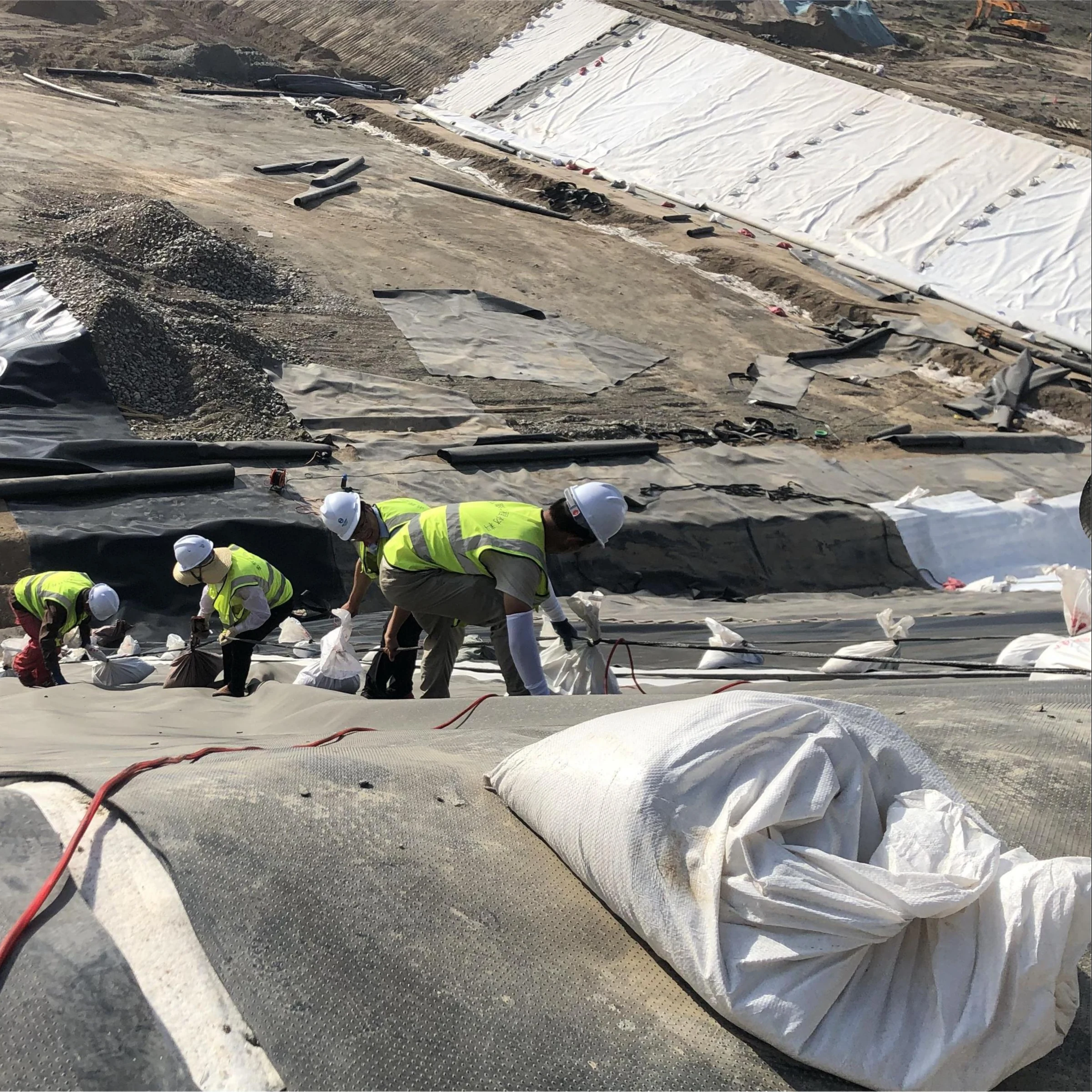
Installation Guidelines

01

Subgrade Preparation

Ensure the deployment area is fully compacted, smooth, and cleared of any sharp rocks, roots, or debris that could compromise the liner's puncture resistance.

02

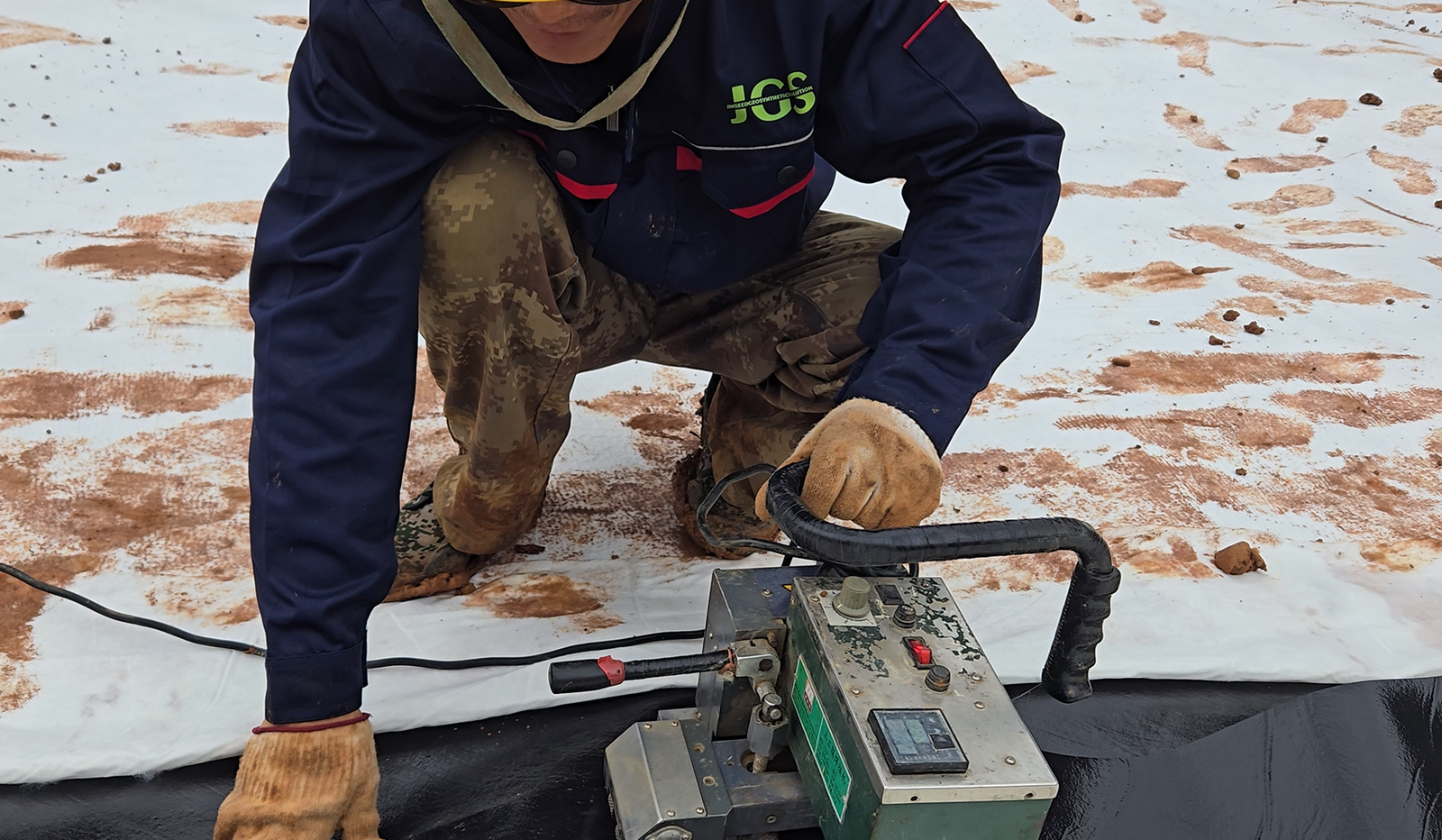
Seaming & Welding

Utilize double-track hot wedge welding for all primary straight seams. Extrusion welding should be reserved for detail work, corners, and pipe penetrations.

03

Quality Assurance

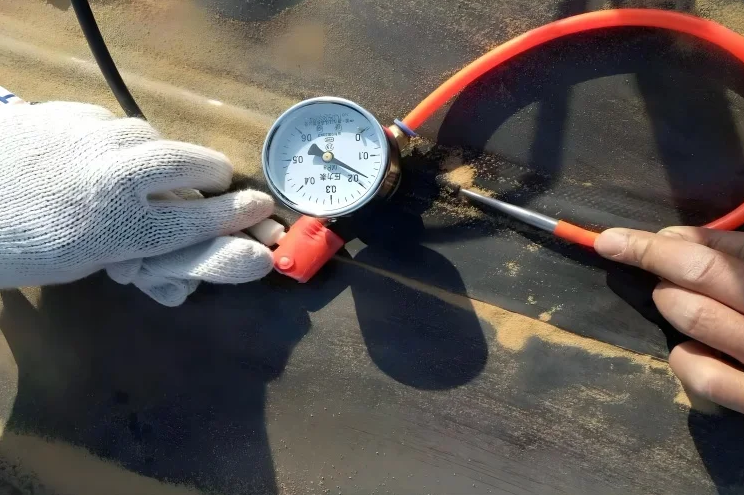
All seams must be non-destructively tested (air pressure for double-track, vacuum box for extrusion) to ensure zero-leak integrity before project completion.

FAQ

Frequently Asked Questions

Below are some of the most common questions buyers ask about our geomembrane and geotextile products, including MOQ, lead time, UV resistance, test reports, customization, and quotation requirements.

1. Does your HDPE geomembrane comply with international GRI-GM13 standards? +

Yes, absolutely. Jinseed HDPE liners are rigorously tested to meet and exceed the GRI-GM13 standard set by the Geosynthetic Institute. We conduct in-house testing for crucial parameters including Tensile Properties (ASTM D6693), Tear Resistance (ASTM D1004), Puncture Resistance (ASTM D4833), Carbon Black Content & Dispersion (ASTM D4218/D5596), and Standard/High-Pressure OIT (Oxidative Induction Time). We can also provide third-party SGS or CE test reports upon request to guarantee project compliance.

2. How do you ensure the long-term UV resistance of the liner? +

We use high-grade virgin HDPE resin compounded with 2.0% to 3.0% premium carbon black, along with advanced antioxidants and UV stabilizers. The carbon black acts as a protective barrier, absorbing and scattering ultraviolet radiation. We ensure the carbon black is uniformly dispersed (Category 1 or 2 per ASTM D5596) during the extrusion process, which prevents structural weak points and guarantees decades of performance under direct sun exposure.

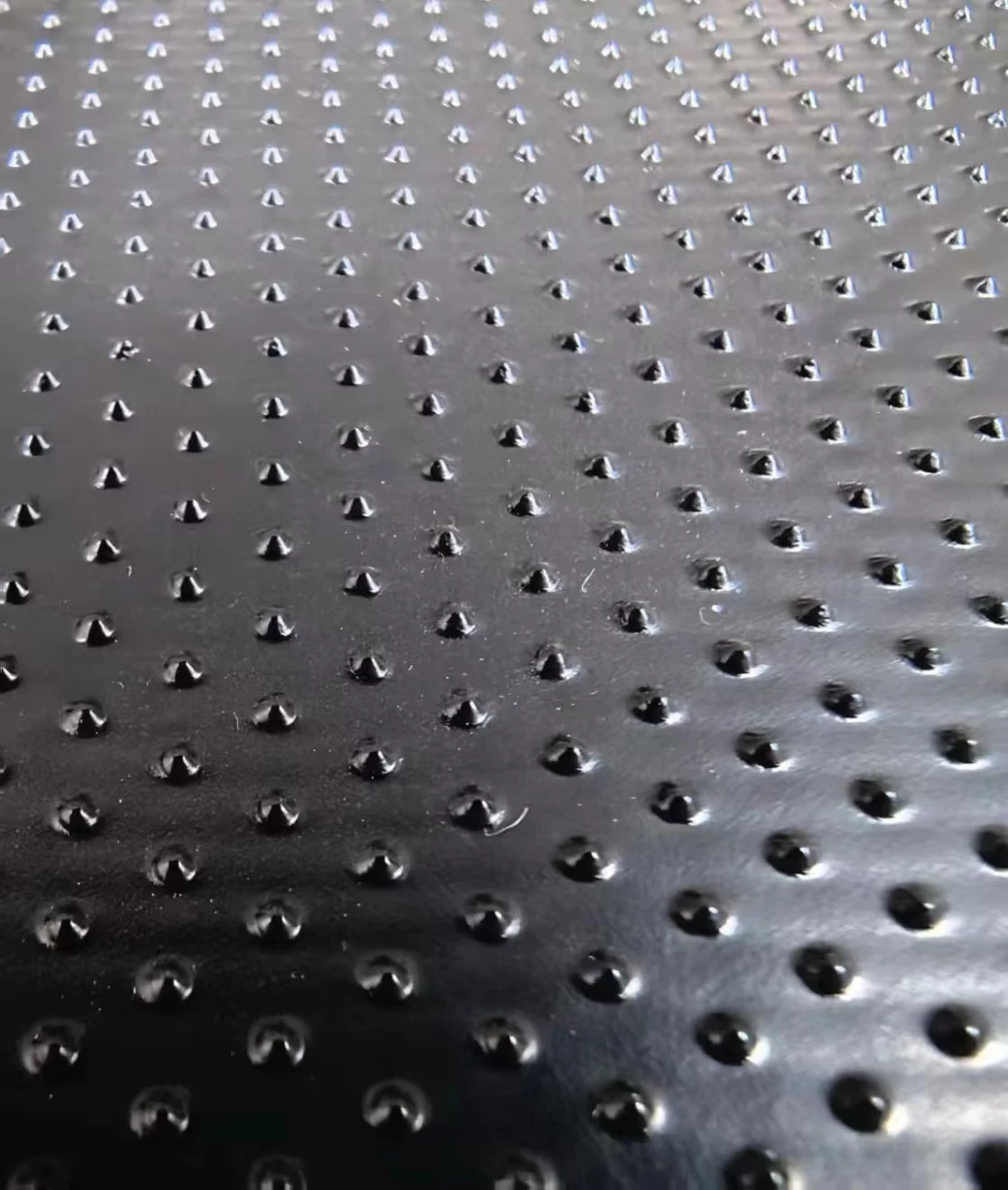
3. When should I choose a Textured HDPE liner instead of a Smooth one? +

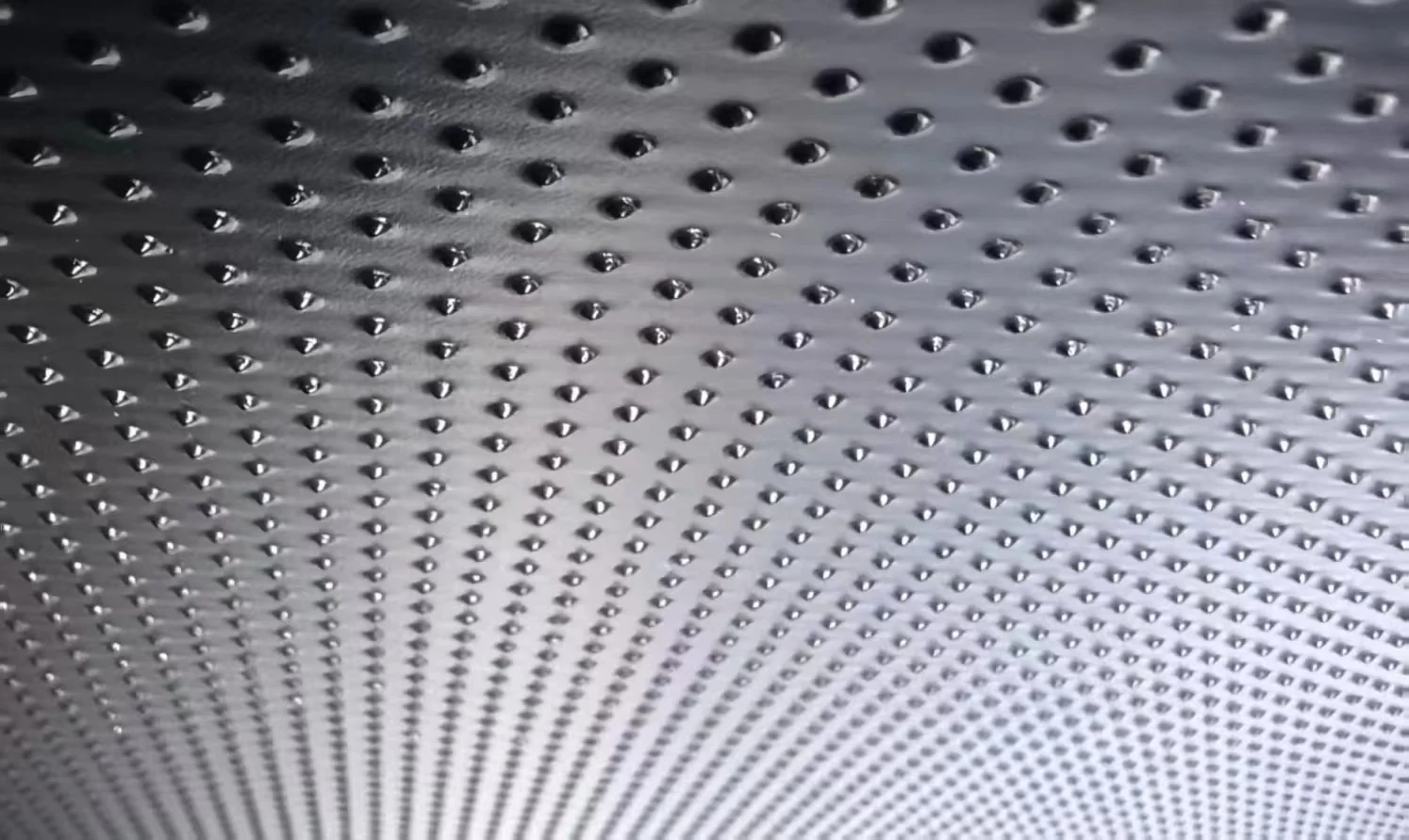
Textured HDPE liners (single-sided or double-sided) are specifically engineered for projects requiring higher friction. We highly recommend textured liners for steep slopes, landfill caps, heap leach pads, and dams. The textured surface significantly increases the interface friction angle between the geomembrane and the underlying soil or overlying geotextile, preventing soil sliding and improving the overall stability of the slope system.

4. Is your HDPE liner suitable for secondary containment of hazardous chemicals? +

Yes. HDPE is renowned for its exceptional chemical resistance. It is highly resistant to a wide range of aggressive chemicals, including acids, strong alkalis, heavy metals, and hydrocarbons. This makes Jinseed HDPE liners the standard choice for secondary containment around oil storage tanks, wastewater treatment facilities, and chemical plants. However, for extremely specific chemical mixtures at high temperatures, please consult our engineering team for a specific chemical compatibility chart.

5. Can HDPE liners be installed in cold weather or during the rain? +

Rain: Installation and welding should never be performed during rain or in standing water. Moisture trapped in the seam will cause steam blisters and lead to weak, failed welds.

Cold Weather: While HDPE material itself remains flexible in freezing temperatures, cold weather affects the welding process. Welding can generally be done down to 0°C (32°F) or slightly lower, but the welding machine's speed must be slowed down, and the wedge temperature must be adjusted. We recommend performing trial welds on-site every morning and afternoon to calibrate the machines to the ambient conditions.

6. How do we test the seams to ensure 100% waterproofing after installation? +

Proper quality control on-site is essential. We recommend two primary non-destructive testing methods:

Air Pressure Testing (ASTM D5820): Used for double-track hot wedge welds. Air is pumped into the channel between the two weld tracks. If the pressure holds steady for 5 minutes, the seam is sealed.

Vacuum Box Testing (ASTM D5641): Used for extrusion welds (patches, corners, and pipe boots). A soapy solution is applied to the seam, and a vacuum box is placed over it. Any leaks will create visible bubbles.

7. How are the heavy rolls packaged, and how should we unload them at our site? +

Jinseed HDPE rolls are tightly wound on heavy-duty plastic or paper cores and wrapped in a durable, UV-resistant woven geotextile to prevent damage during transit. Because the rolls are very heavy (often exceeding 1,000 kg each), you must use appropriate lifting equipment. We recommend using a forklift with a solid stinger (carpet pole) or an excavator equipped with proper lifting slings and a spreader bar to prevent bending or damaging the edges of the roll. Do not drag the rolls on rough ground.

8. Do you offer a warranty for your HDPE liners? +

Yes, we stand behind the quality of our products. Jinseed offers a material warranty ranging from 5 to 20 years, depending on the thickness of the liner, the specific project application, and whether it is exposed or covered. Please contact our sales team with your project details, and we will issue a formal warranty document tailored to your order.

9. What products do you supply? +

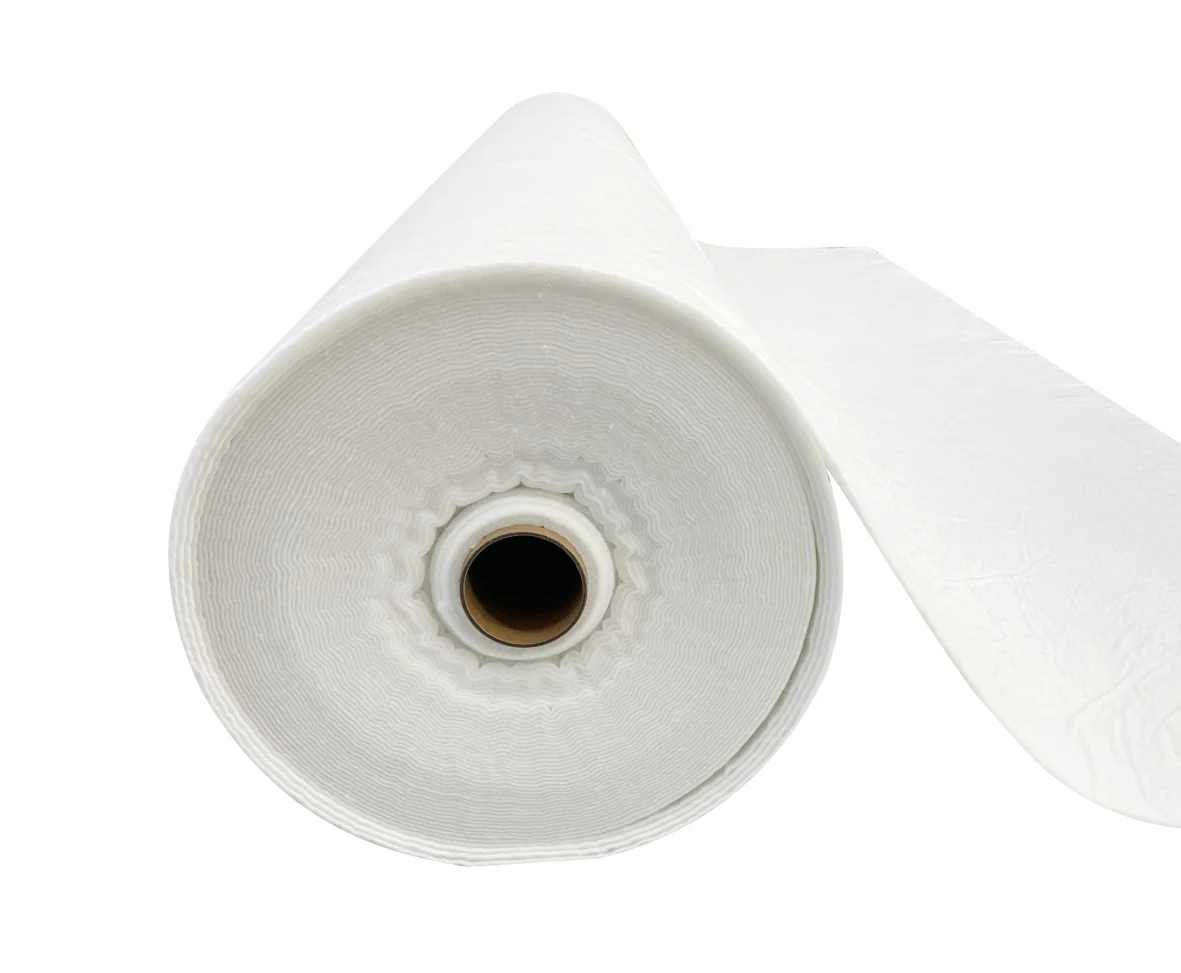
We mainly supply HDPE geomembrane, LLDPE geomembrane, textured geomembrane, and PET continuous filament non-woven geotextile. These materials are widely used in mining, landfill, aquaculture, hydraulic engineering, civil engineering, and environmental protection projects.

10. How do you control quality before shipment? +

We control quality through four main stages: raw material inspection, production monitoring, finished product laboratory testing, and shipment release checking. Shipment is not arranged until the finished goods pass internal inspection. We also keep retained samples for each production batch to support traceability and after-sales service.

11. Do you support customized specifications? +

Yes. We support customization in specifications, dimensions, and technical indicators. We can adjust thickness, width, roll length, surface type, and packing marks according to project requirements. For large projects, we recommend confirming the specification sheet before production to reduce procurement risk and avoid repeated revisions.

12. What information do you need for a quotation? +

To prepare an accurate quotation, we usually need six key details: product type, thickness or weight, roll size, order quantity, destination port, and application. If you can also provide drawings, technical standards, or tender requirements, we can often reduce 1–3 rounds of repeated communication and provide a more accurate quotation faster.

Language »