Geomembrane Liners
Containment systems for demanding engineering projects.
Geomembrane Liners
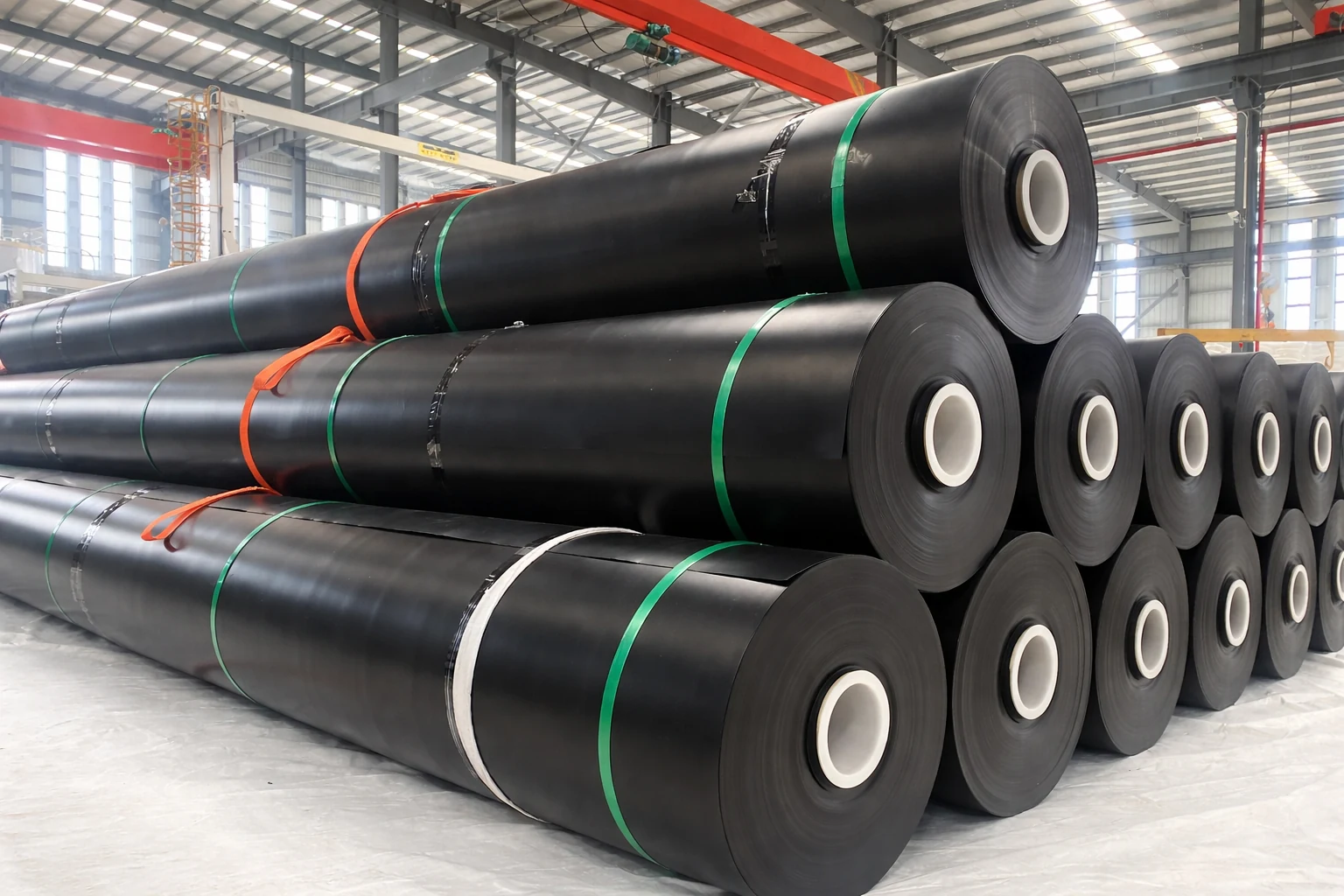
HDPE Geomembrane Liner
Primary containment liner
HDPE Geomembrane
Smooth and textured HDPE
LLDPE Geomembrane
Flexible lining applications
Textured Geomembrane
Higher friction for slopes
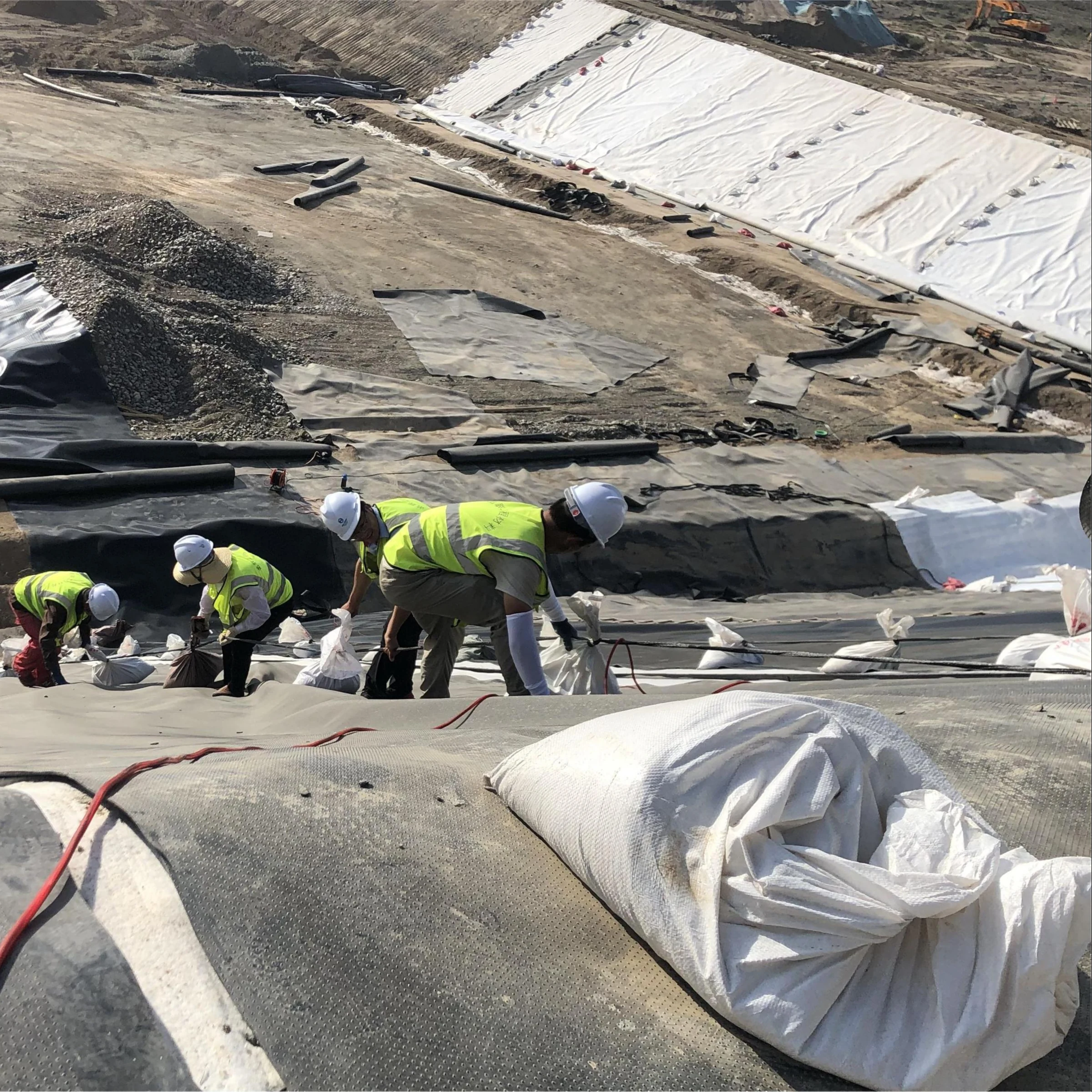
Landfill Liner System
Landfill containment materials
Geotextile
PET Non-Woven Geotextile
Protection and filtration
Geotextile ManufacturerGeomembrane procurement resources
Prepare material submissions, evaluate proposed changes and organize delivery evidence before installation begins.
Material approval establishes which product may be supplied. Roll traceability connects physical deliveries to manufacturing and test records. Both are needed; neither replaces field inspection or authorized project acceptance.

Define grade, thickness, surface, exposure and acceptance requirements. Identify departures from the specified product before ordering.
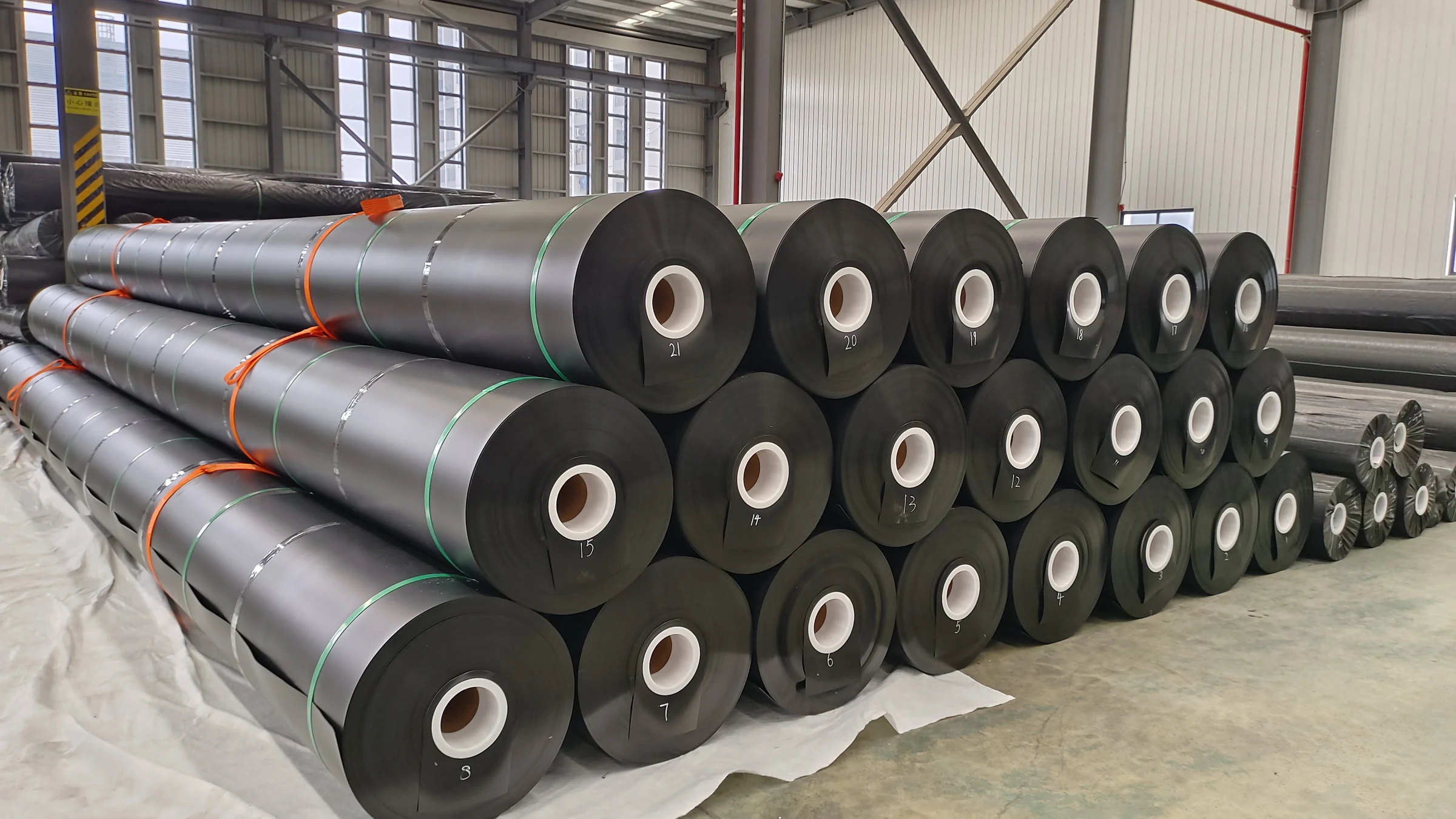
Match roll IDs to packing lists, production lots, samples and reports. Resolve missing evidence before cutting or deploying affected rolls.
Align this checklist with your contract. Ask which records are available at quotation, which depend on production and which arise during delivery or installation. A future batch report cannot exist before that batch has been sampled and tested.
| Stage | Prepare or request | Decision supported |
|---|---|---|
| Enquiry | Specification, drawings, quantity, liquid chemistry, temperature and exposure | Whether proposed material and supply scope can be evaluated |
| Technical submittal | Exact manufacturer/grade, data sheet, comparison matrix, qualification evidence and deviations | Approval of the identified product and any substitution |
| Production planning | Required QC records, sampling, independent tests and traceability format | Evidence needed for shipment and acceptance |
| Pre-shipment | Actual roll list, production mapping and available lot-specific results | Document completeness for that shipment |
| Receiving inspection | Labels, condition, quantities, reports and outstanding tests | Release or hold of identified rolls |
| Installation and closeout | Roll-to-panel mapping, seam tests, repairs, as-built records and sign-offs | Installed-system acceptance and handover |
A data sheet describes a grade on its stated value basis. A report records results for identified samples. Establish how those samples represent proposed or delivered material.
Material standards help define manufacturing properties. Liquid compatibility, interfaces, settlement, protection and anchorage still need project-specific review.
Complete identification makes review possible. It does not turn a missing or noncompliant result into an accepted one.
Manufacturing records and site seam tests answer different questions. Keep both, with their sample or location references and acceptance decisions.
Maintain one row per roll or clearly defined delivery group. Split groups whenever their evidence or status differs. This is a working structure, not a record of an approved Jinseed shipment.
| Identity | Evidence | Disposition to record |
|---|---|---|
| Delivery reference and roll IDs | Approved grade and approval revision | Product approval reference or outstanding action |
| Production lot or test interval | Report, sample and lot-to-roll mapping | Coverage complete or unresolved |
| Received dimensions and condition | Packing list and inspection record | Condition/quantity acceptance or discrepancy |
| Applicable acceptance requirements | Required results and conformance-test status | Authorized release, date and conditions |
State exactly what is unresolved and which rolls are affected. Do not accept a shipment merely because one report passes, or reject it merely because a mapping document is temporarily absent.
Start from design requirements. These product pages identify material families; approval depends on the offered grade, dimensions and documents.
Confirm thickness, surface, exposure and applicable material requirements.
Identify polymer and surface separately. Texture alone does not prove interface shear performance.
Retain roll identity as panels are cut and joined. Use the welding and seam-testing guide for the separate field process and the handover checklist to organize final records.
See Jinseed Quality for published company and laboratory information. Read certificates and sample reports within their stated scope, dates and product identification.
The authority defined by the contract and approval procedure. Suppliers provide evidence; they do not grant the owner’s or designer’s approval.
Follow the specified sampling frequency and acceptance plan. Explicitly record which lots and roll IDs the samples represent.
No. They organize evidence and actions. Contract specifications, approved drawings and authorized decisions govern supply and acceptance.
Send the specification, quantity, delivery destination, polymer, thickness, surface and exposure. Include the approval deadline and required independent tests or roll-register format.
State whether you are evaluating a substitution or preparing a delivery so the document request addresses the right stage.
Send your project requirements
Availability, document scope and delivery conditions must be confirmed in the project quotation.