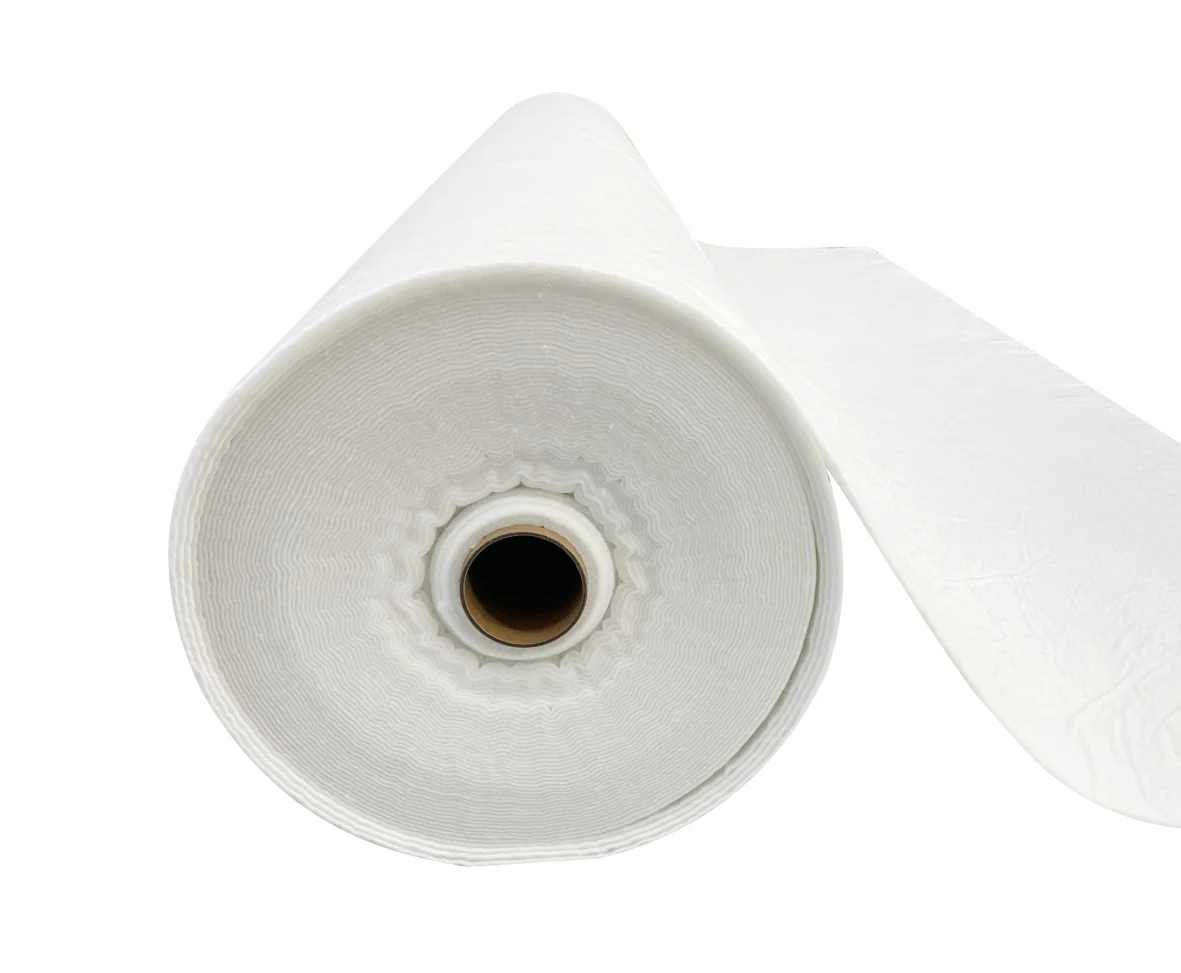

Choose retaining-wall geotextile for its specified filtration and separation role, not from wall height or fabric weight alone. The wall design must also address drainage, soil and reinforcement. A filter textile does not replace the structural reinforcement or the drainage outlet required by the design.
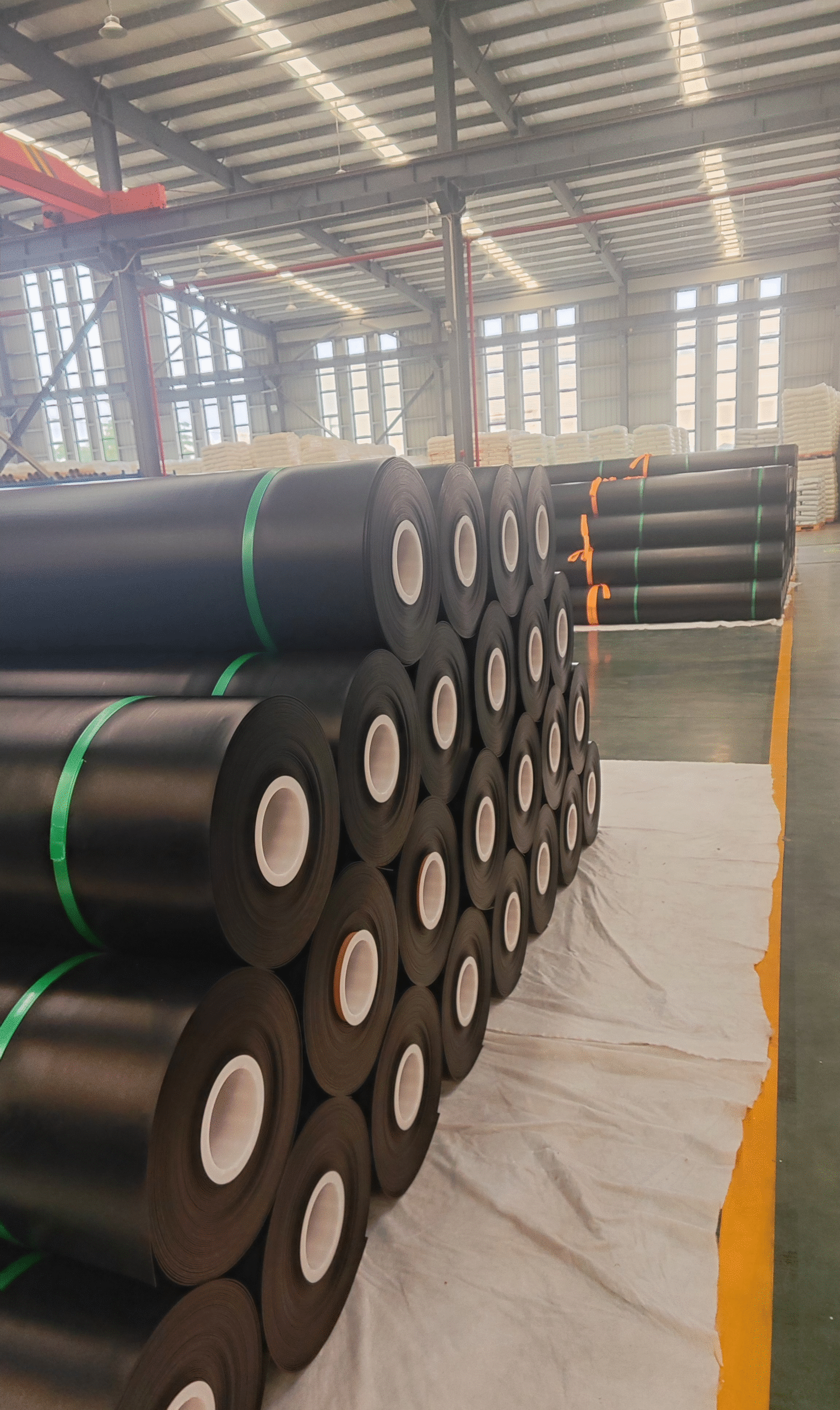
Weight and Thickness
Mass per unit area and thickness describe a fabric, but they do not establish a universal safe grade for a wall. Request the proposed grade’s hydraulic and mechanical properties and identify the test methods. Avoid specifications consisting only of “heavy duty” or an ounce rating.
Give the designer or supplier the retained-soil information, drainage aggregate and expected placement conditions. Filter compatibility and resistance to construction damage must be considered together. Do not assume that a thicker textile automatically passes water better or guarantees a longer service life.
Filtration Is Different from Reinforcement
The filter layer is selected for the interface between the soil and drainage material shown in the drawings. Reinforcement is a separate design function. Where geogrid or a reinforcing geotextile is specified, keep its requirements separate from those for the drainage filter.
For projects specifying PET non-woven filtration material, review Jinseed PET non-woven geotextile grades and request the relevant product data. Suitability must be checked against the wall system and project specification.
Installation Angle and Drainage Details
Follow the wall-system drawings for the filter’s location and continuity. Do not infer the excavation angle, trench dimensions, pipe layout or compaction requirements from an article about fabric selection. Those details depend on the wall and site and belong in the approved construction documents.
- Identify which soil–aggregate interfaces require a filter.
- Check the specified joints, terminations and transitions around outlets or penetrations.
- Coordinate the fabric placement with the drainage aggregate and reinforcement sequence.
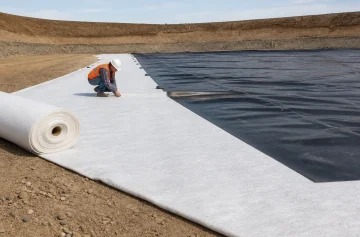
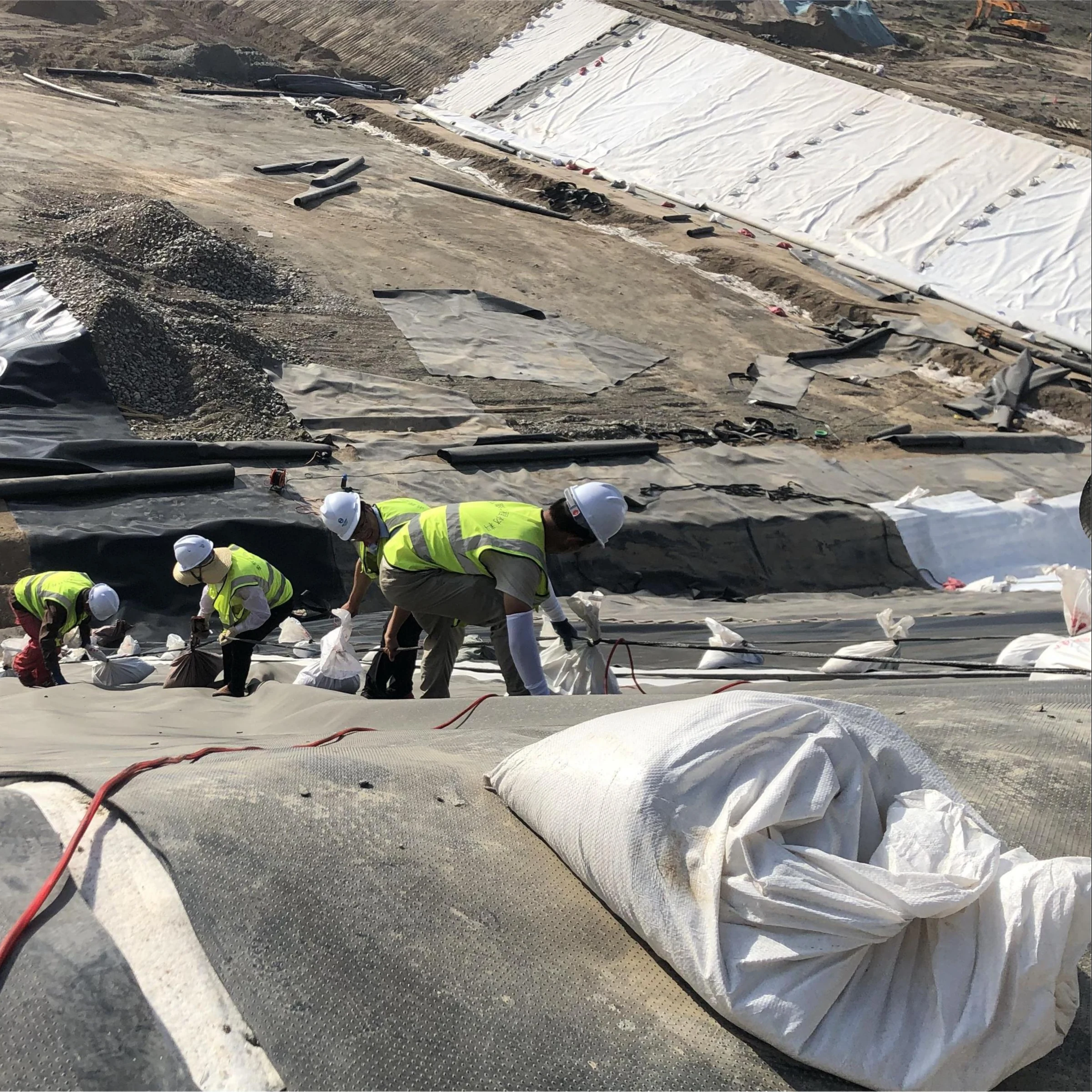
- Inspect for tears, displacement and contamination before covering the layer.
- Record the accepted repair method for damaged material.
Longevity and UV Resistance
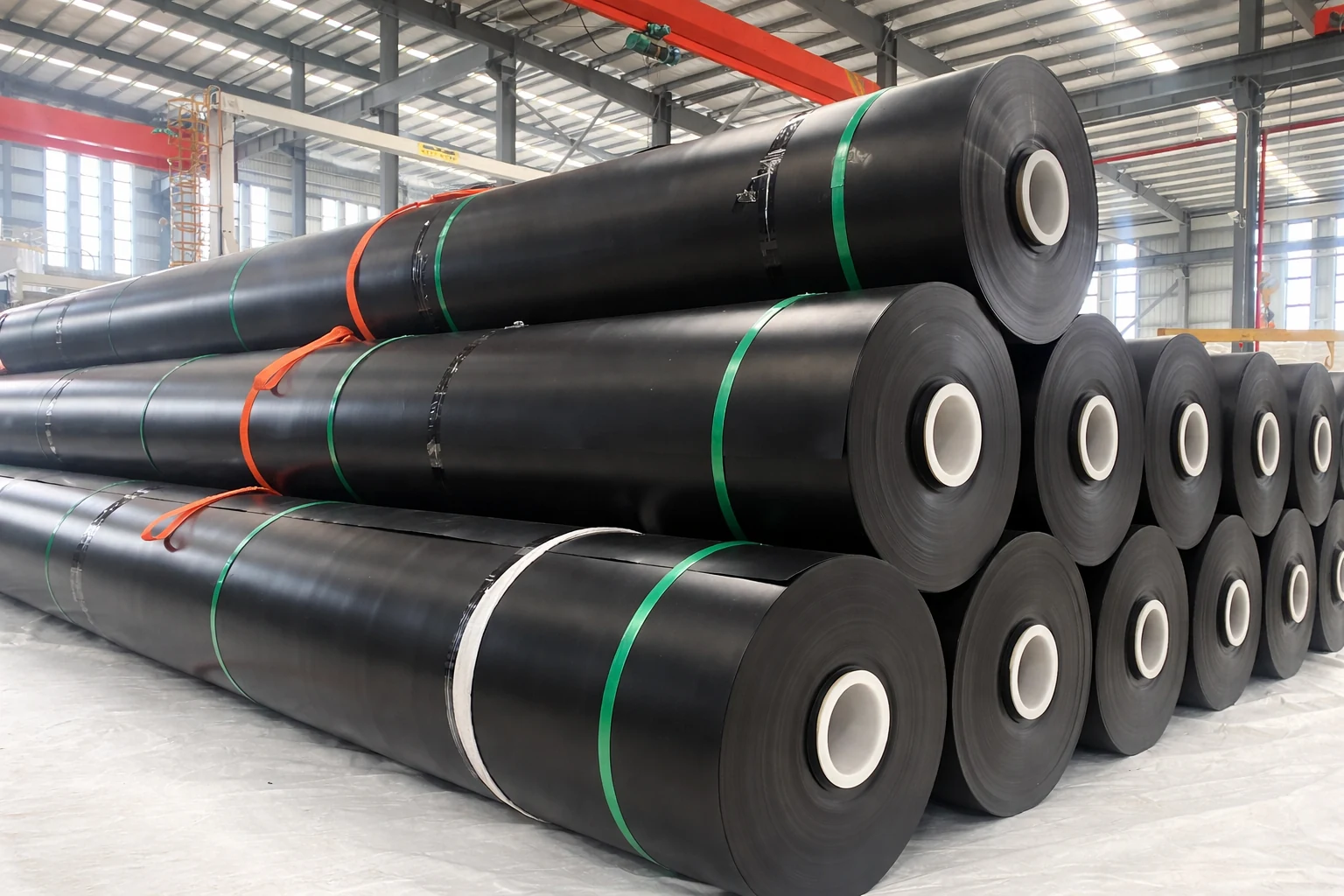
Ask for the supplier’s storage and exposure instructions for the exact grade. Protect delivered rolls and keep product labels traceable to the installation area. A generic UV-resistance claim does not establish an allowable site exposure period or the service life of the completed wall.
Future inspections should consider the wall and drainage system together. Visible movement, blocked outlets or persistent wet areas warrant review of the system; replacing a fabric grade alone is not a diagnosis.
Information Needed Before Ordering
- Wall-system details and the engineer’s material specification.
- Retained soil and drainage aggregate information.
- Required filtration and mechanical test properties.
- Fabric location, roll layout, joints and construction sequence.
- Project quantity, delivery destination and required submittal documents.
Frequently Asked Questions
Is 6 oz or 8 oz fabric always suitable?
No. Weight labels do not establish a universal retaining-wall specification. Compare the actual grade against the project’s required properties.
Does filter fabric hold the wall in place?
Do not treat the filter as a substitute for the wall’s structural design or specified reinforcement.
Can I use weed barrier behind a wall?
A landscape label does not demonstrate suitability. Use a material accepted for the specified engineering function.
Technical Reference
FHWA: Geotechnical Aspects of Pavements — geosynthetic functions and selection context
Use the applicable project specification and current accepted technical documents for material acceptance and construction details. The reference is provided for context; it is not evidence that a particular Jinseed grade has been certified or approved.