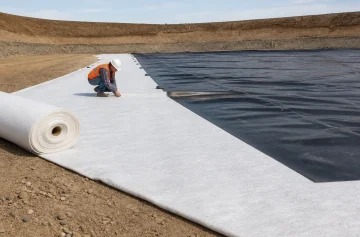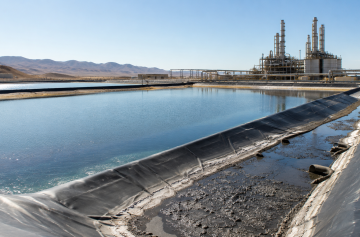
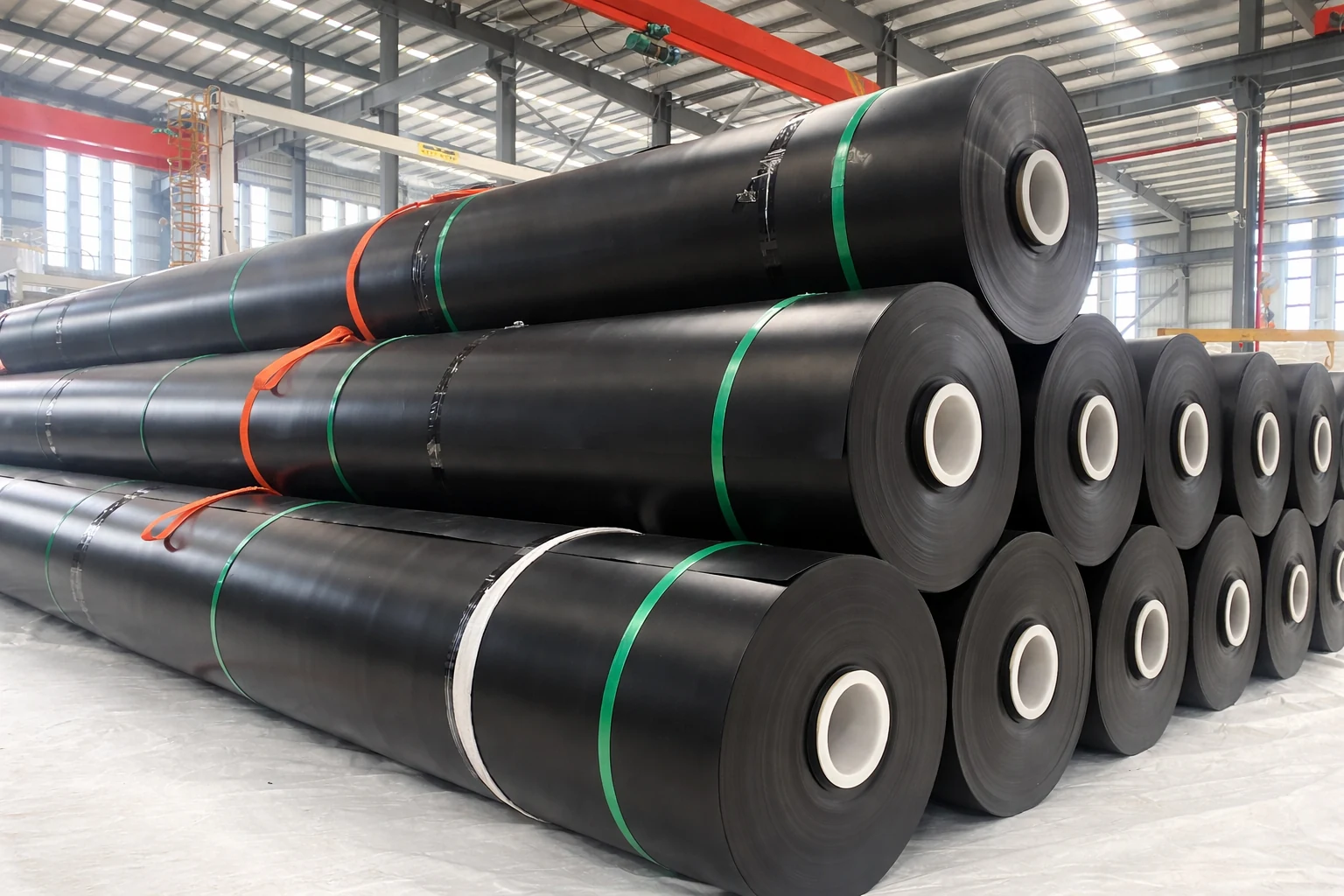
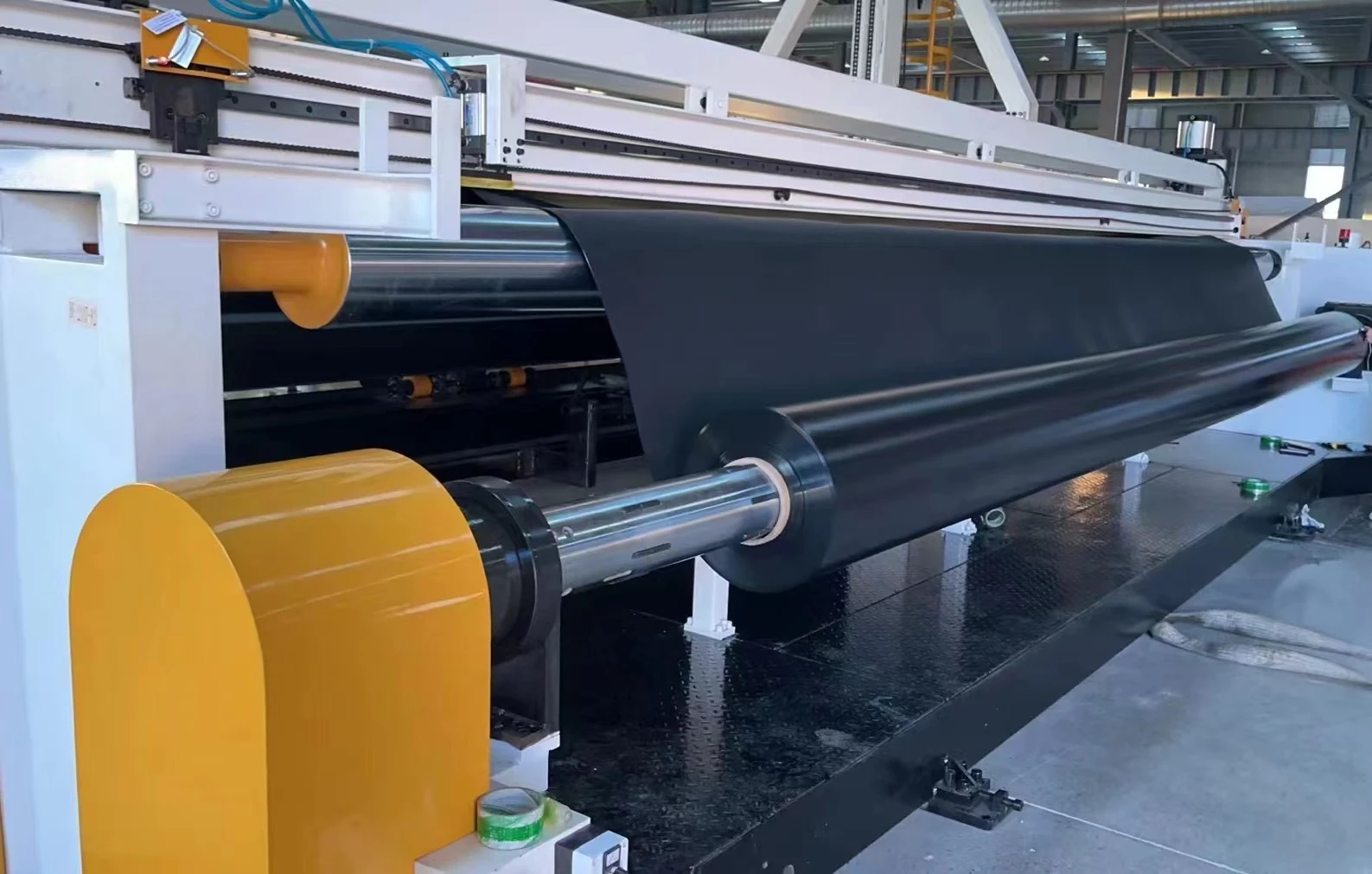

Geotextile fabric under gravel is primarily selected to keep the aggregate and subgrade from mixing while meeting the project’s water-flow and construction requirements. It is not a substitute for a designed aggregate base or drainage system. Start with the soil, expected traffic and intended function, then choose a documented product grade.
Stopping the “Gravel Sink”
When a gravel surface deteriorates, first identify the cause. Material mixing, soft ground, poor drainage and inadequate base construction require different responses. Adding a fabric without understanding the underlying problem can leave the same maintenance issue in place.
FHWA describes prevention of aggregate–subgrade mixing as a principal long-term benefit of geosynthetics in pavement applications. That is a reason to specify a separator carefully, not a promise that any fabric will stop settlement or remove the need for adequate aggregate.
Managing Water Flow
Document the soil and the planned drainage route. Ask the designer or supplier which filtration and hydraulic properties apply to the proposed layer. Check opening size and water-flow data using the stated test methods; avoid comparing numbers with different units or test conditions.
A permeable textile does not make the soil beneath it freely draining. If water has no suitable route away from the construction, the drainage layout needs attention as well as the fabric selection.
Woven or Non-Woven Under Gravel?
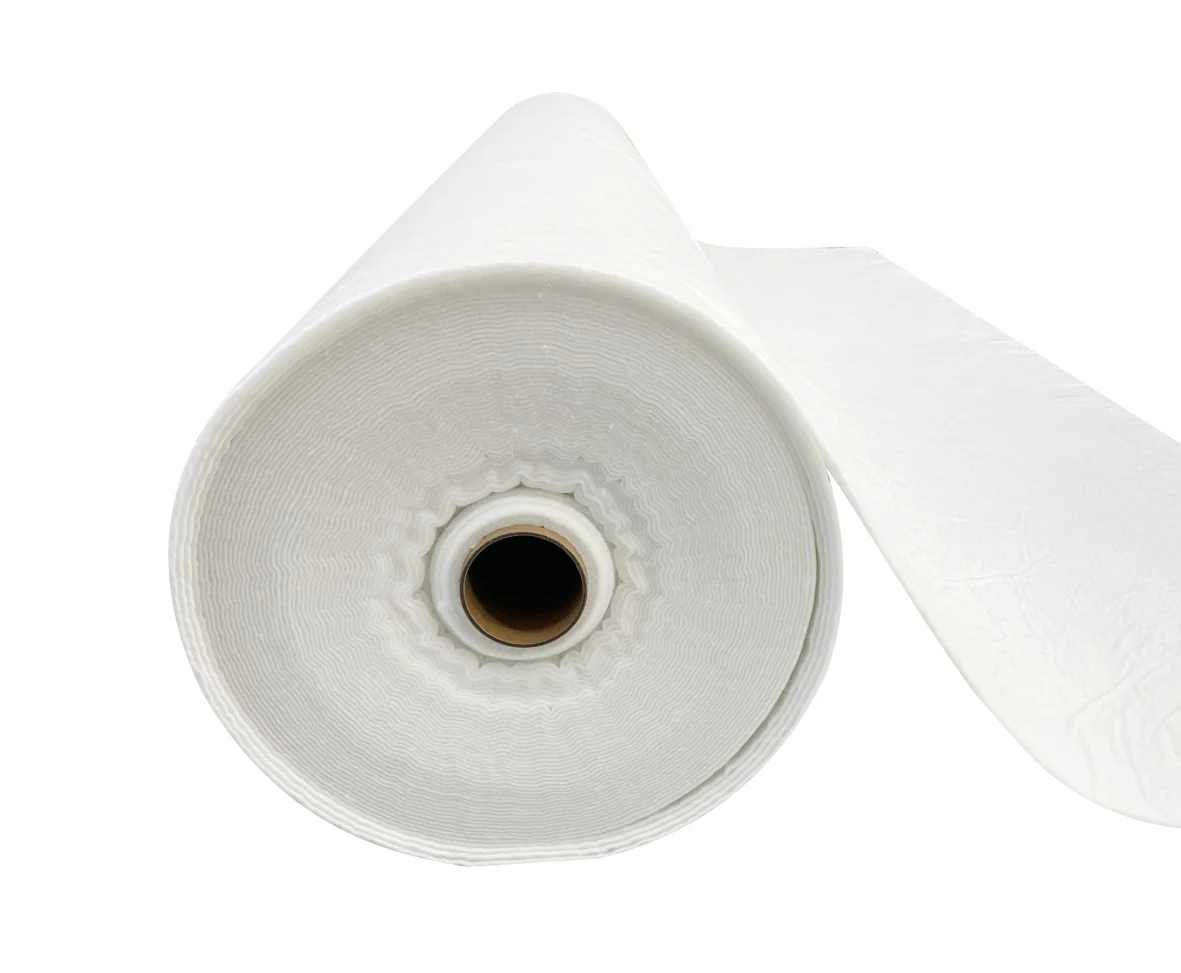
Do not decide from the product category alone. Compare the required function, installation survivability and grade-specific performance. Where the design calls for PET non-woven separation or filtration, use the non-woven geotextile product page to request technical documents for the proposed grade.
If reinforcement is specified, confirm the reinforcement product separately. Do not replace it with a generic landscaping fabric or assume that increasing fabric weight provides the required structural performance.
Installation Planning Checklist
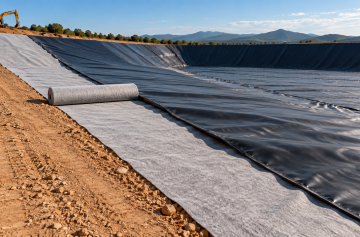
- Confirm the approved ground preparation and drainage arrangement before placing the roll.
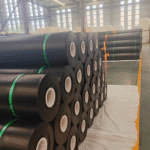
- Record the product grade and inspect delivered rolls for visible damage.
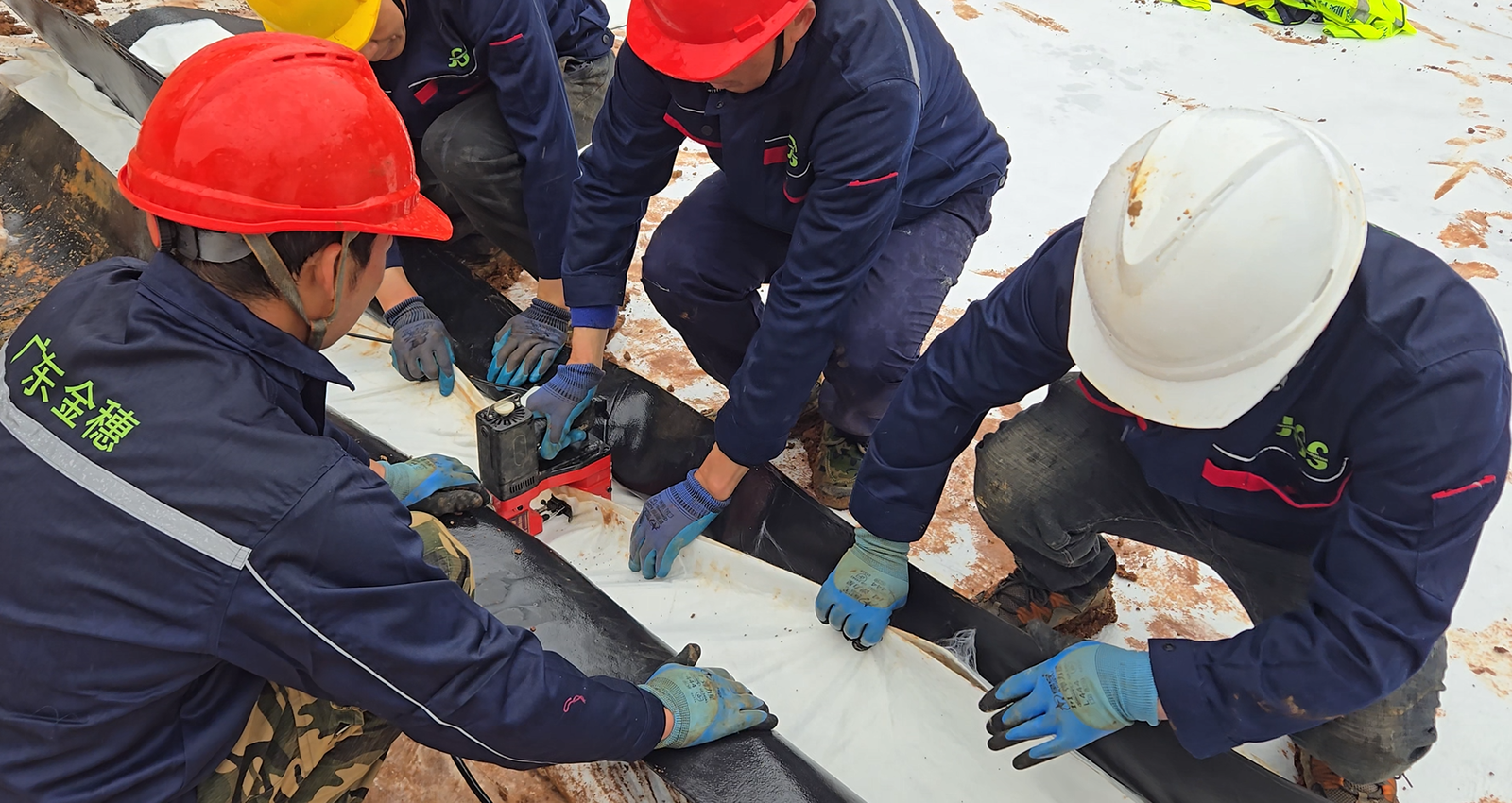
- Use the specified joint method and overlap; there is no single overlap suitable for every subgrade and construction sequence.
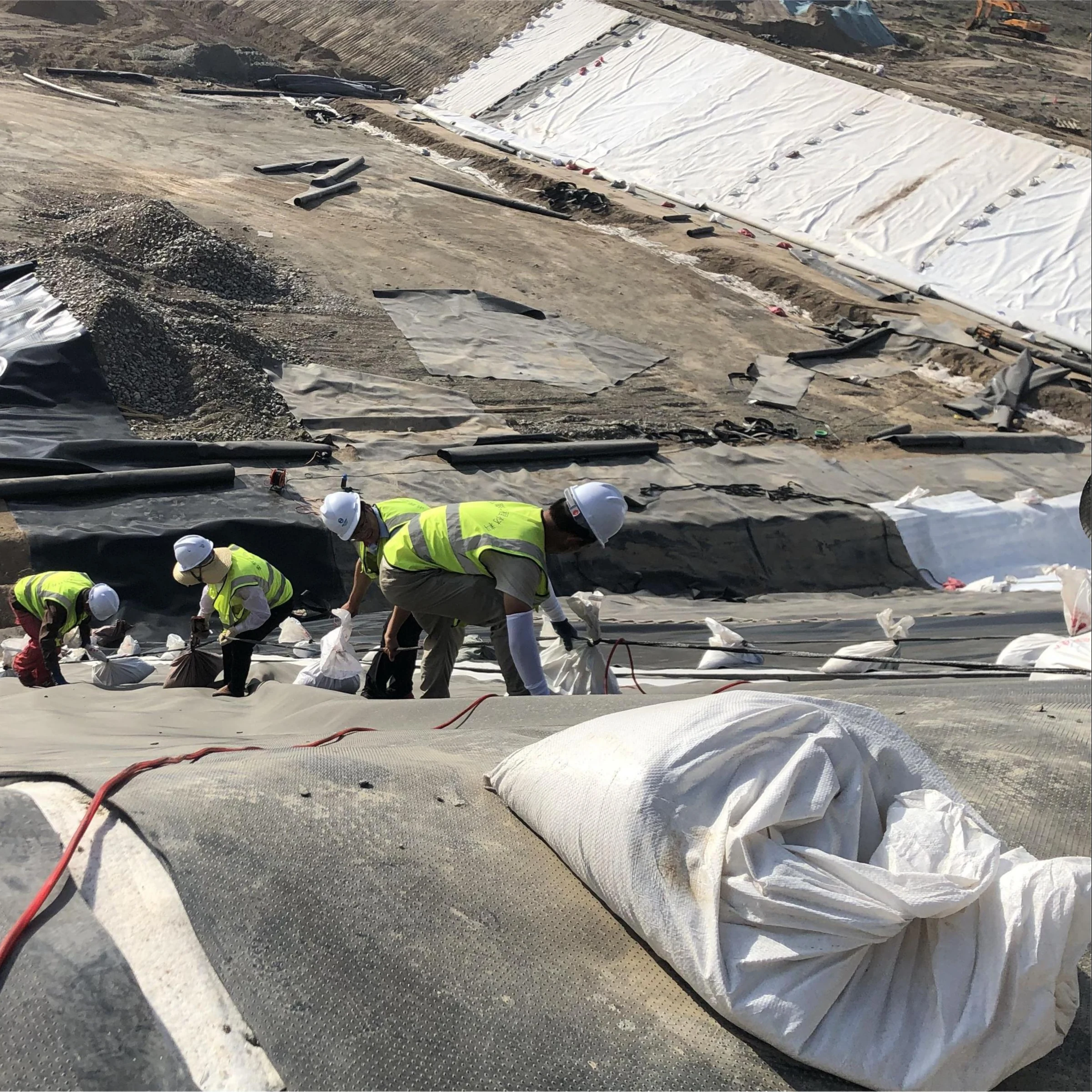
- Plan aggregate placement and equipment access to avoid damaging or displacing the exposed material.
- Inspect the layer before it is covered and resolve damaged areas under the approved procedure.
Fighting Back Weeds
For a gravel driveway, engineering performance should drive fabric selection. Weed control is a separate maintenance issue. Keep accumulated soil and organic matter out of the gravel surface, and do not treat an underlay as a permanent weed-prevention guarantee. Our geotextile versus weed barrier comparison explains the distinction.
What to Include in a Quote Request
Send the project location, application, soil description, aggregate type, traffic or construction loading, required test properties, area and roll-size constraints. Ask the supplier to identify the exact proposed grade and any departures from the specification. Compare quotations on the same scope rather than only the price per roll.
Frequently Asked Questions
Will fabric eliminate driveway rutting?
No universal result can be promised. Rutting also depends on the base, subgrade, drainage, traffic and construction quality.
What fabric weight should I buy?
Use the project’s required performance to select a grade. A weight label alone is insufficient.
Can landscape weed barrier replace the specified separator?
Only if the proposed product demonstrably meets the applicable specification and is accepted for that use. A similar appearance is not evidence of equivalence.
Technical Reference
FHWA: Geotechnical Aspects of Pavements — geosynthetic functions and selection context
Use the applicable project specification and current accepted technical documents for material acceptance and construction details. The reference is provided for context; it is not evidence that a particular Jinseed grade has been certified or approved.