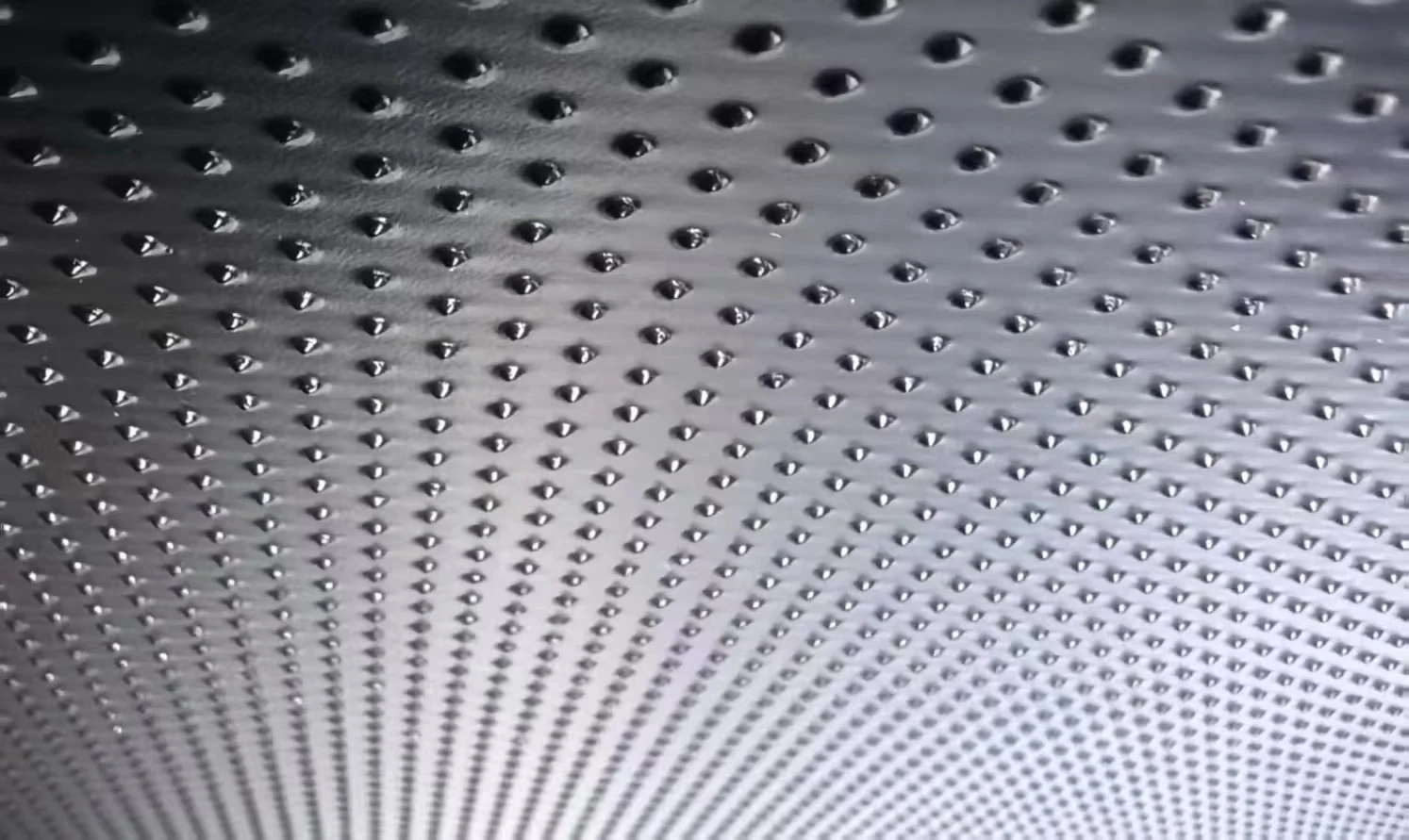
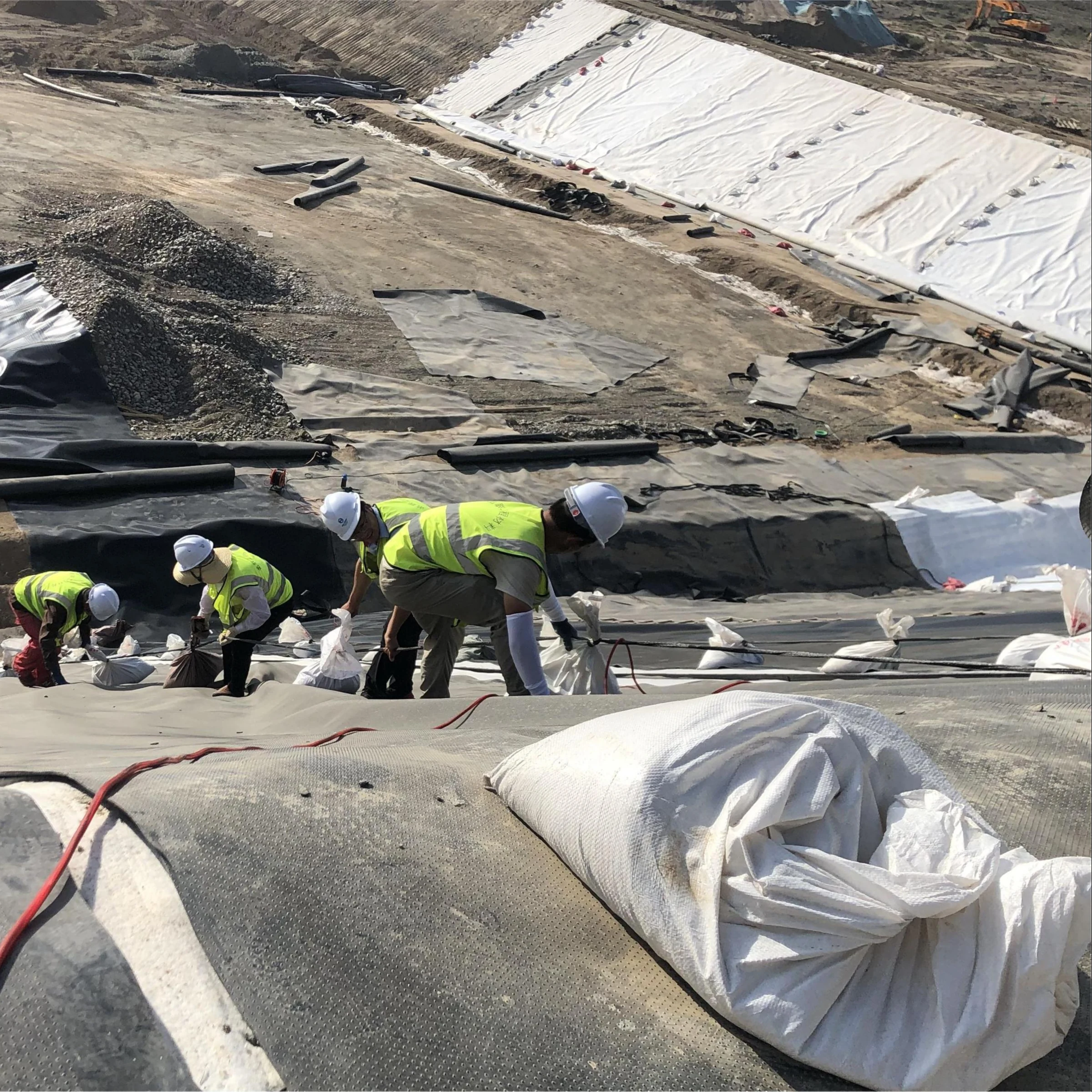
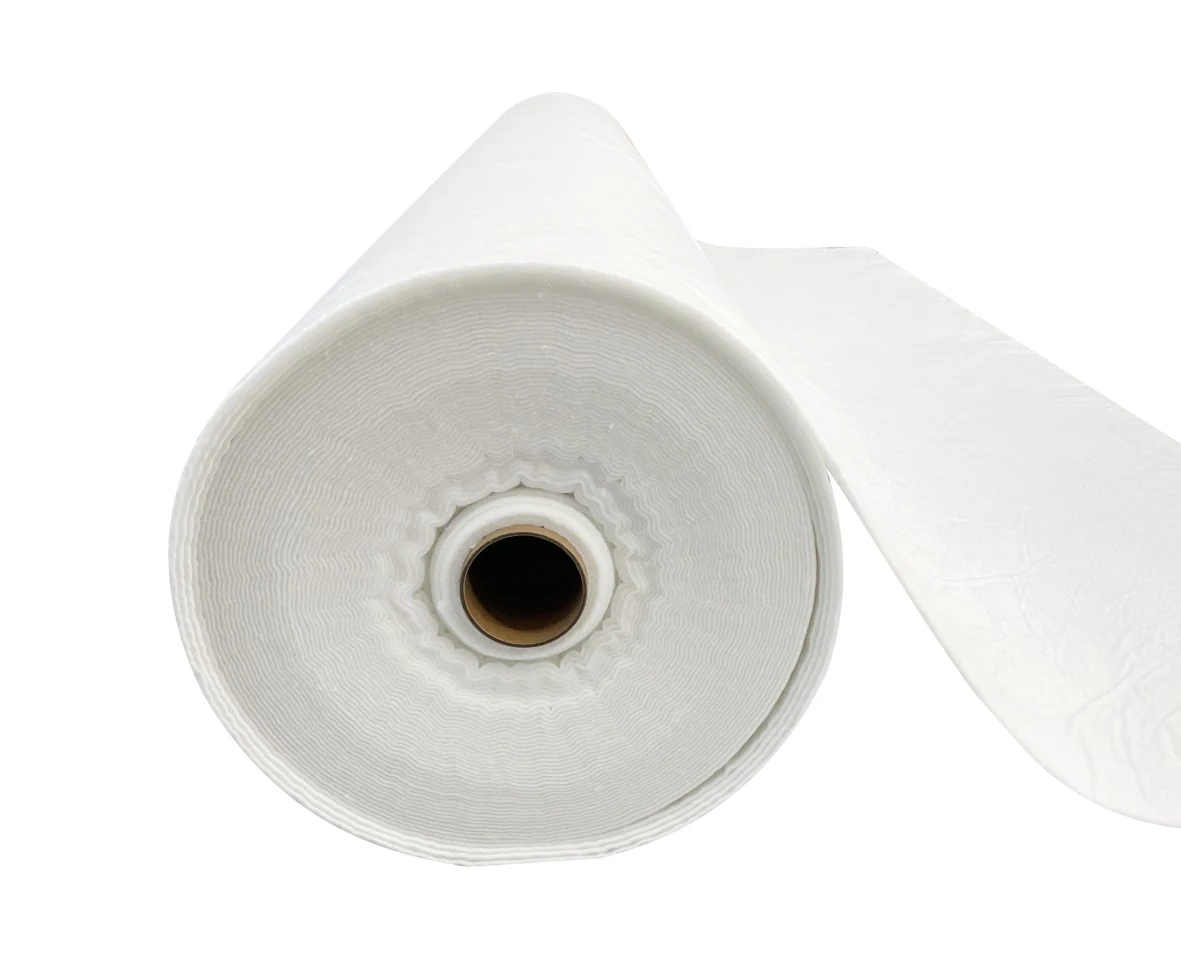

Geotextile cloth and weed barrier are not automatically interchangeable. Choose a geotextile when the project needs documented separation, filtration or protection performance. Choose a landscape weed-control fabric for its intended planting and maintenance arrangement. Product names, color and fabric weight alone do not establish suitability for a driveway, drain or retaining wall.
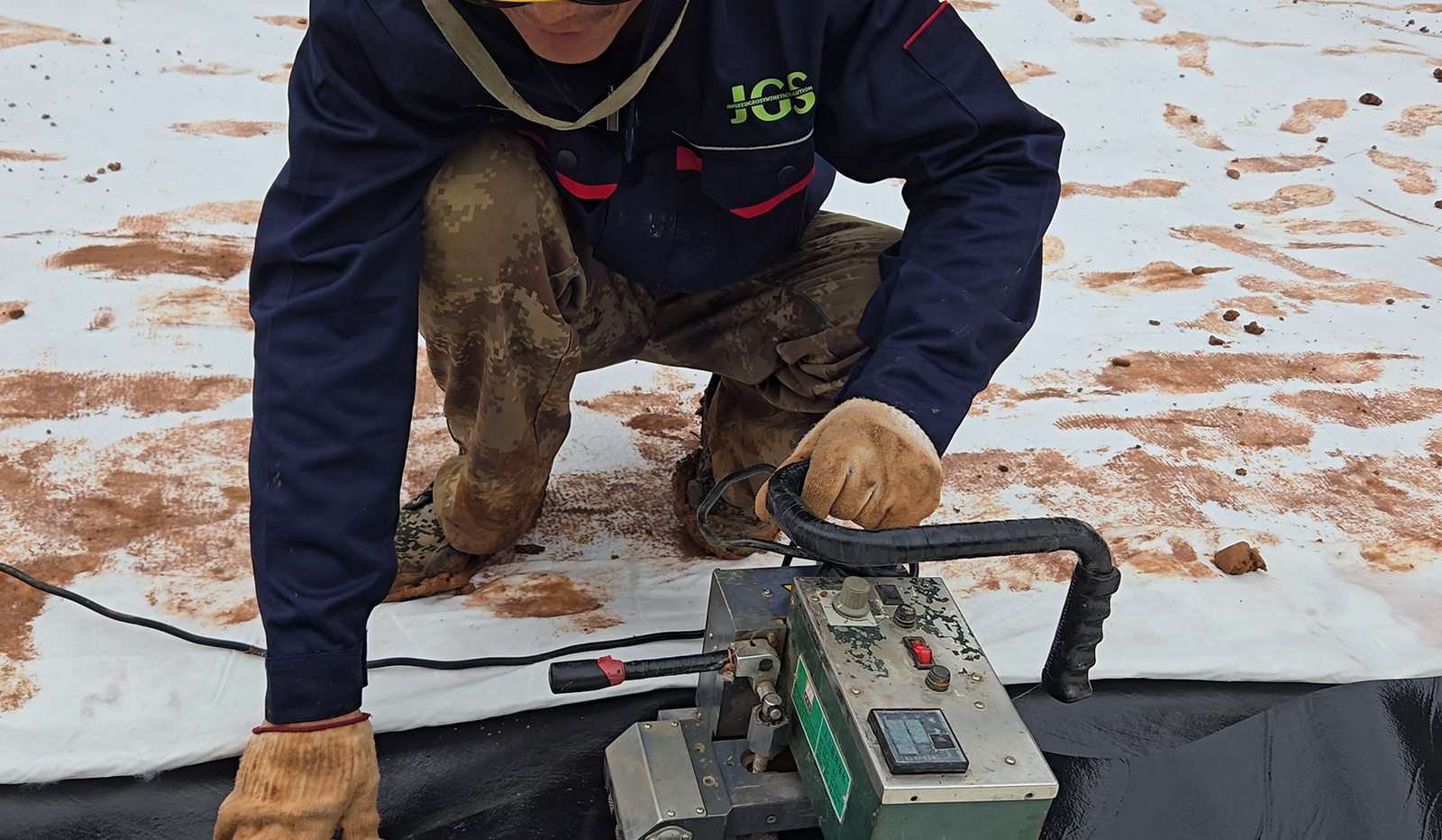
Two Products, Different Jobs
Geotextile and weed barrier are often sold side by side, but they are selected for different functions. An engineering geotextile is specified for separation, filtration, drainage, protection or reinforcement. A landscape weed-control fabric is primarily intended to suppress weeds in planting beds and may not have the strength, hydraulic properties or durability required for a driveway, drainage trench or retaining wall.
The label alone does not establish performance. Ask for the product’s intended function, test data and installation guidance.
Drainage and Water Permeability
The useful question is not simply whether water passes through a fabric. It is whether the proposed product is compatible with the soil it must retain and the drainage conditions it will face. Ask for the opening-size and hydraulic test results for the actual grade being offered. A demonstration with clean water cannot predict performance in silty soil.
A fabric filter is also only one part of the drainage system. Check where the collected water can go. A suitable textile cannot compensate for a blocked outlet or an incorrectly arranged drainage layer. Avoid choosing between products using unsupported claims that one drains a fixed number of times faster than another.
Durability and Load-Bearing
For gravel and construction applications, ask the supplier to identify the intended engineering function and provide the relevant mechanical test data. Do not equate a heavier roll with a verified traffic-load rating. The aggregate, subgrade and construction method belong in the selection discussion.
Keep reinforcement separate from filtration in the specification. A product selected to separate soil from stone should not be assumed to replace reinforcement required by the project designer. For gravel applications, see our guide to geotextile fabric under gravel.
Weed Suppression Effectiveness
If weed control is the primary purpose, evaluate the fabric as part of the planting scheme: openings around plants, surface cover, access for maintenance and the supplier’s stated use. No fabric should be sold as a guarantee of a permanently weed-free surface. Accumulated soil and organic debris above the fabric also need maintenance.
For an engineering project, weed suppression should not replace the required filtration or separation specification. Conversely, a drainage geotextile should not be promoted as the best choice for every garden bed.
Comparison Table
| Consideration | Engineering geotextile | Landscape weed barrier |
|---|---|---|
| Primary function | Separation, filtration, drainage, protection or reinforcement | Weed suppression in planting areas |
| Typical material | Woven or non-woven engineering grades | Thin woven or non-woven landscape fabric |
| Strength | Grade-specific test data for the intended function | Often lighter; not intended for structural loads |
| Water flow | Designed for filtration or drainage where specified | May pass water, but is not a drainage design |
| Durability | Depends on grade, UV exposure and installation | Depends on product and exposure; confirm intended life |
| Typical use | Engineered separation, drainage, protection or reinforcement | Beds, paths and light-duty weed control |
The comparison is qualitative. Confirm the actual product data and the project specification before selecting either type.
Where Each Product Fits
- Gravel driveway or access road: an engineering separator or filter selected with the base design.
- Drainage trench or retaining-wall drain: a filter geotextile around the drainage aggregate, with the opening size and flow checked against the soil.
- Planting bed or garden path: a weed-control fabric may be appropriate, with maintenance and planting details considered.
- Slope erosion control: an erosion-control product or reinforcement specified for the slope, not a generic weed barrier.
- Pond or liner protection: a protection geotextile specified for the liner and subgrade.
A Practical Selection Checklist
- State the application: planting bed, gravel path, trafficked driveway, drainage trench or retaining-wall drainage.
- Describe the soil and water conditions instead of selecting only by ounces or GSM.
- Request grade-specific data, test methods and the supplier’s installation guidance.
- Identify whether the quoted item is a landscape product or an engineering geotextile.
- Check the planned cover, joints, penetrations and maintenance access before ordering.
Compare a Non-Woven Geotextile for Engineering Use
Where the specification permits PET non-woven material, review Jinseed PET non-woven geotextile and request the proposed grade’s technical documents. Send the intended function, soil information, required properties, quantity and delivery destination. This gives the supplier a useful basis for checking the request rather than recommending a grade from a generic weight label.
Common Selection Mistakes
- Choosing by weight, color or price without test data.
- Using weed barrier as a drainage or separation geotextile.
- Assuming a heavier fabric is always stronger or more durable.
- Ignoring the cover, overlap, edges and maintenance.
- Expecting a fabric to fix a poor base or blocked drainage.
Frequently Asked Questions
Is weed barrier the same as geotextile fabric?
Not necessarily. The intended use and documented performance matter more than the retail label. Request data for the proposed product before using a landscape fabric in an engineered drainage or separation application.
Can I choose fabric using only its weight?
Weight helps describe and compare products, but it does not by itself verify filtration, puncture resistance or suitability for construction loading.
Is non-woven always better than woven?
No. Compare the specific grades against the required function. Fabric construction alone is not a complete specification.
Can weed barrier be used under a gravel driveway?
Only if it meets the project’s separation and filtration requirements and is accepted for that use. A landscape weed barrier is often not designed for traffic or construction loading.
Does geotextile stop weeds?
It can reduce weed emergence by blocking light and separating layers, but it is not a permanent guarantee. Weeds can grow from debris above the fabric and through openings.
Which is better for drainage?
It depends on the soil, flow and opening size. Compare grade-specific AOS and permeability data, and confirm the drainage outlet.
Is a heavier fabric always better?
No. Weight is only one descriptor. Compare the required function, test data and installation conditions.
Technical Reference
FHWA: Geotechnical Aspects of Pavements — geosynthetic functions and selection context
Use the applicable project specification and current accepted technical documents for material acceptance and construction details. The reference is provided for context; it is not evidence that a particular Jinseed grade has been certified or approved.