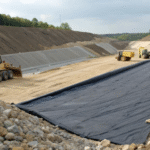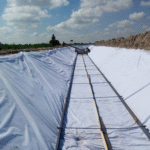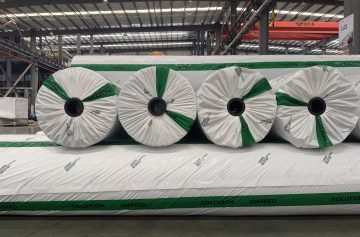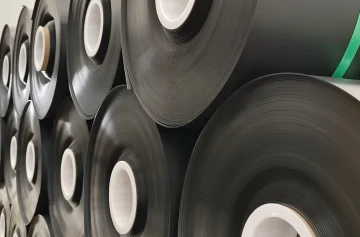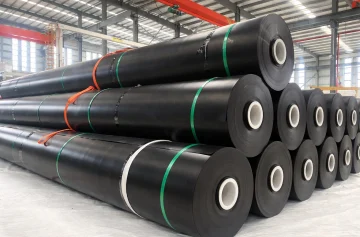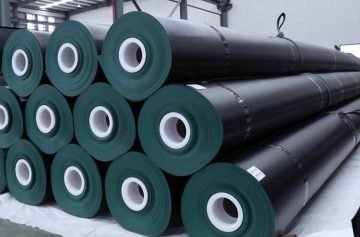
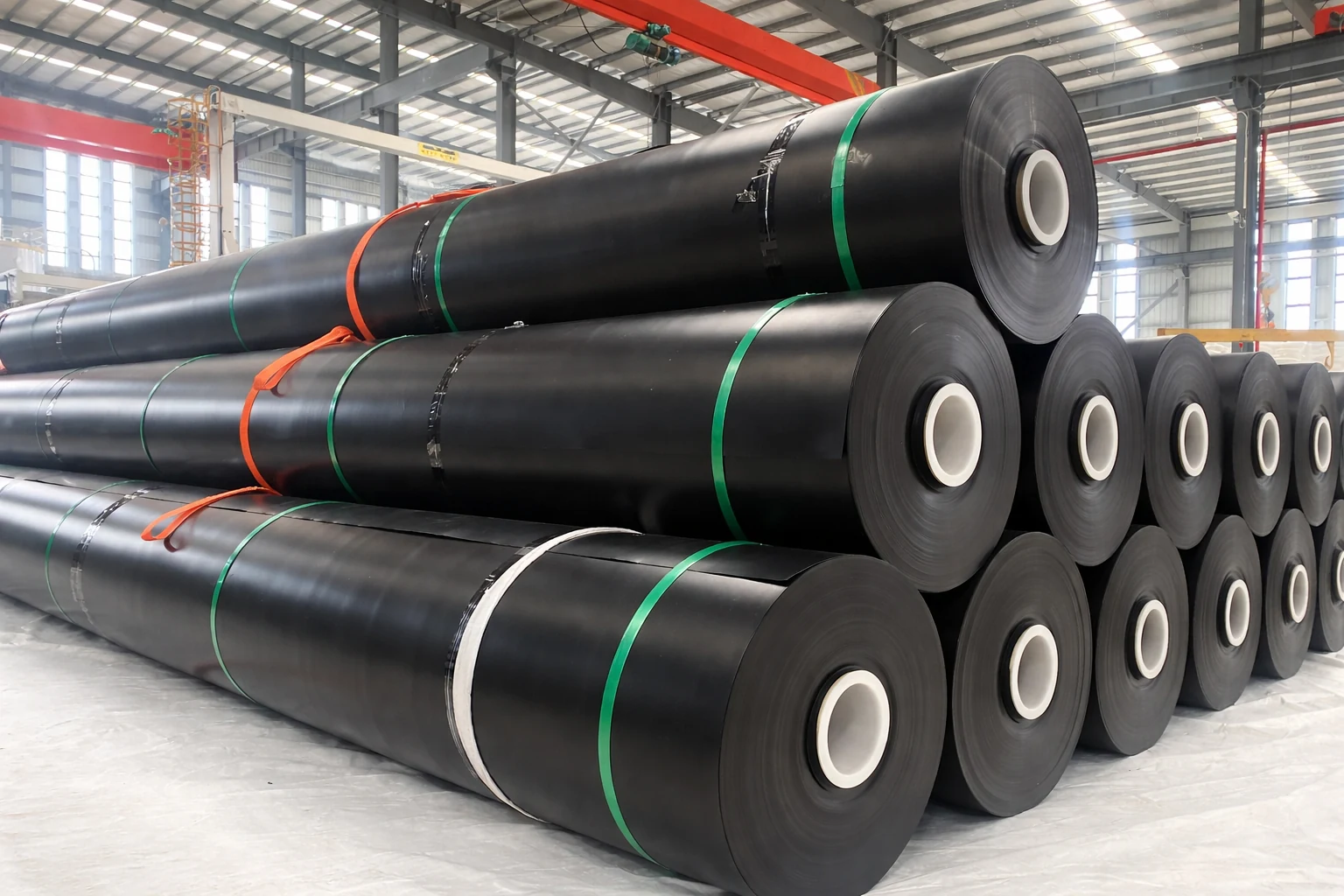
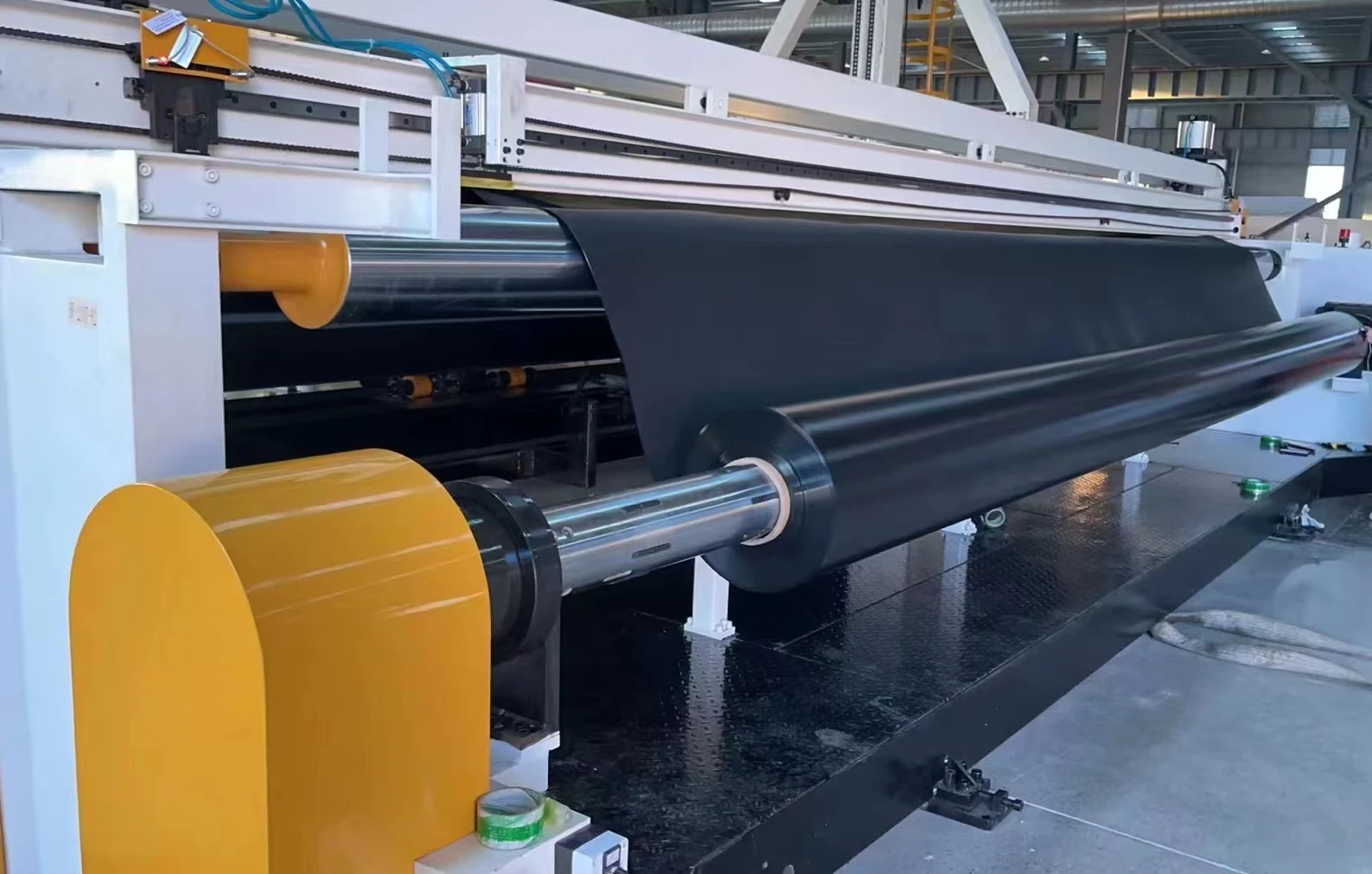
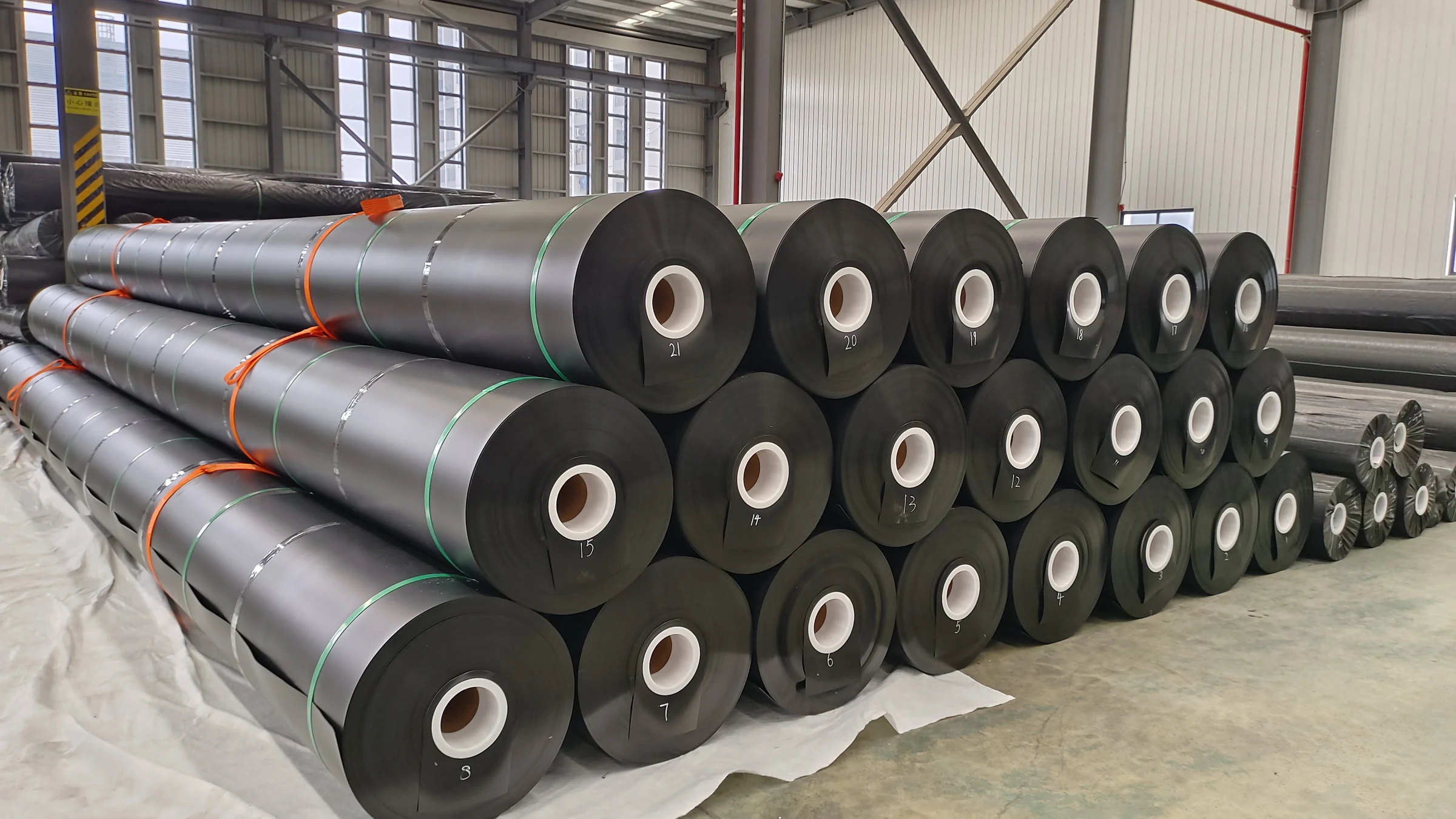
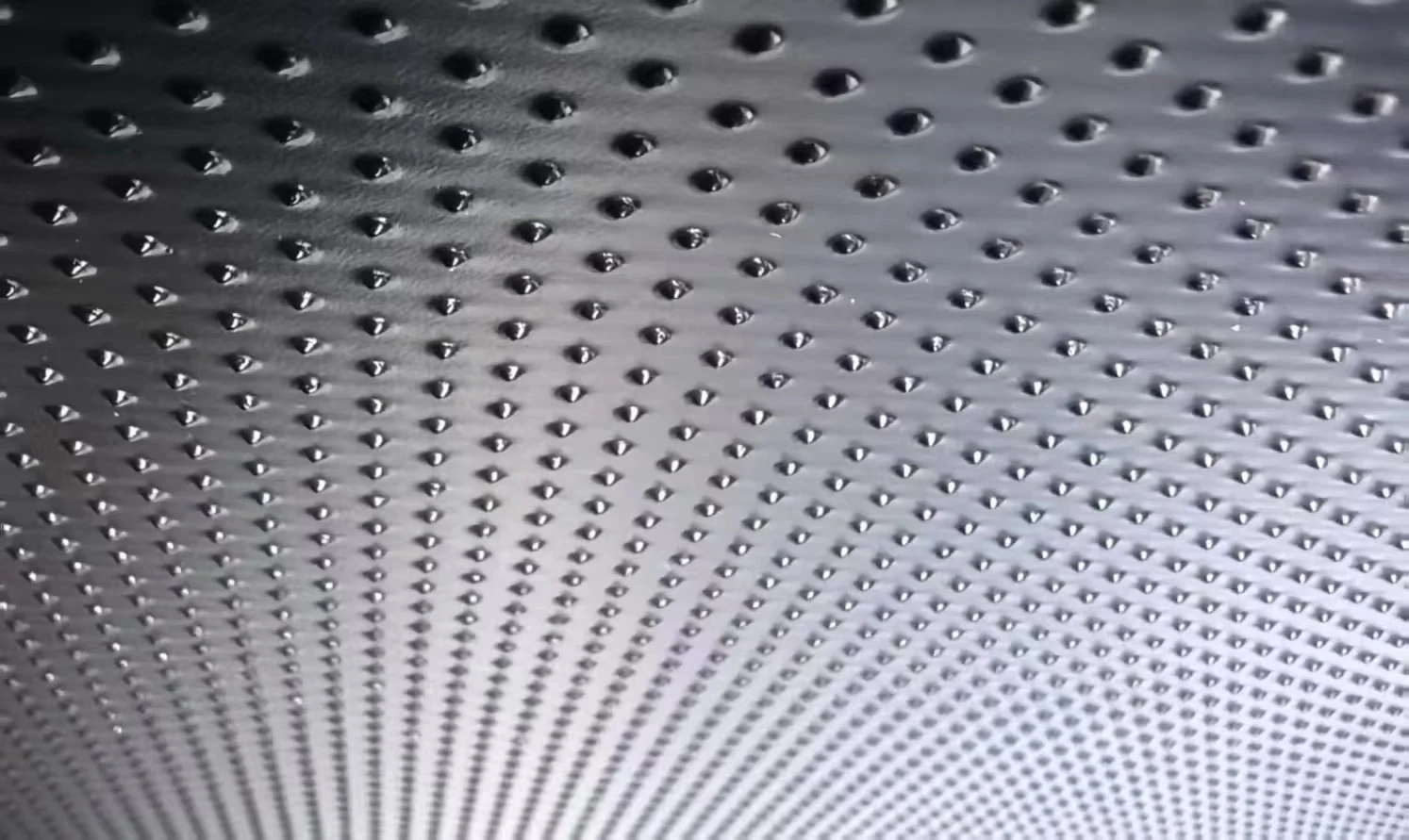
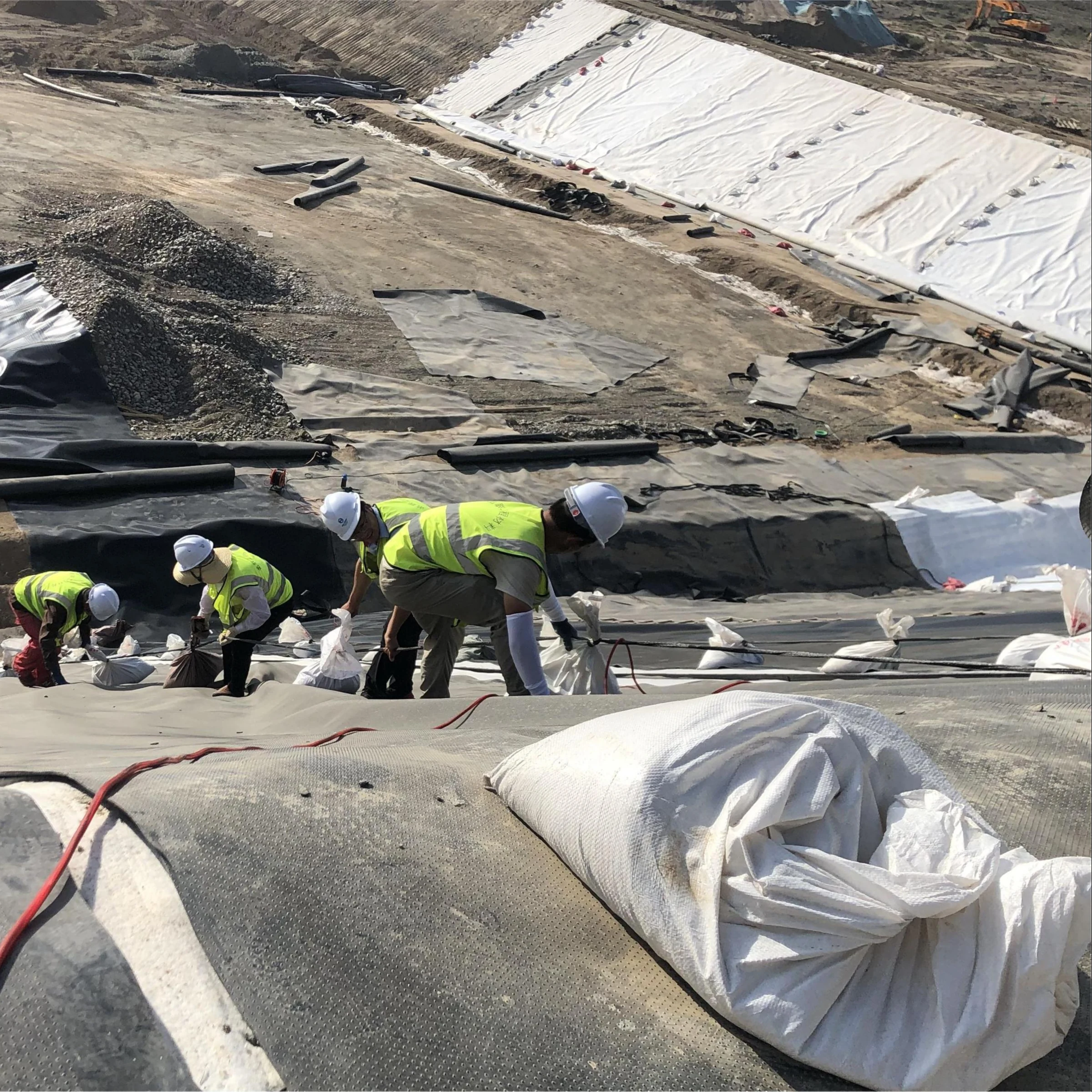
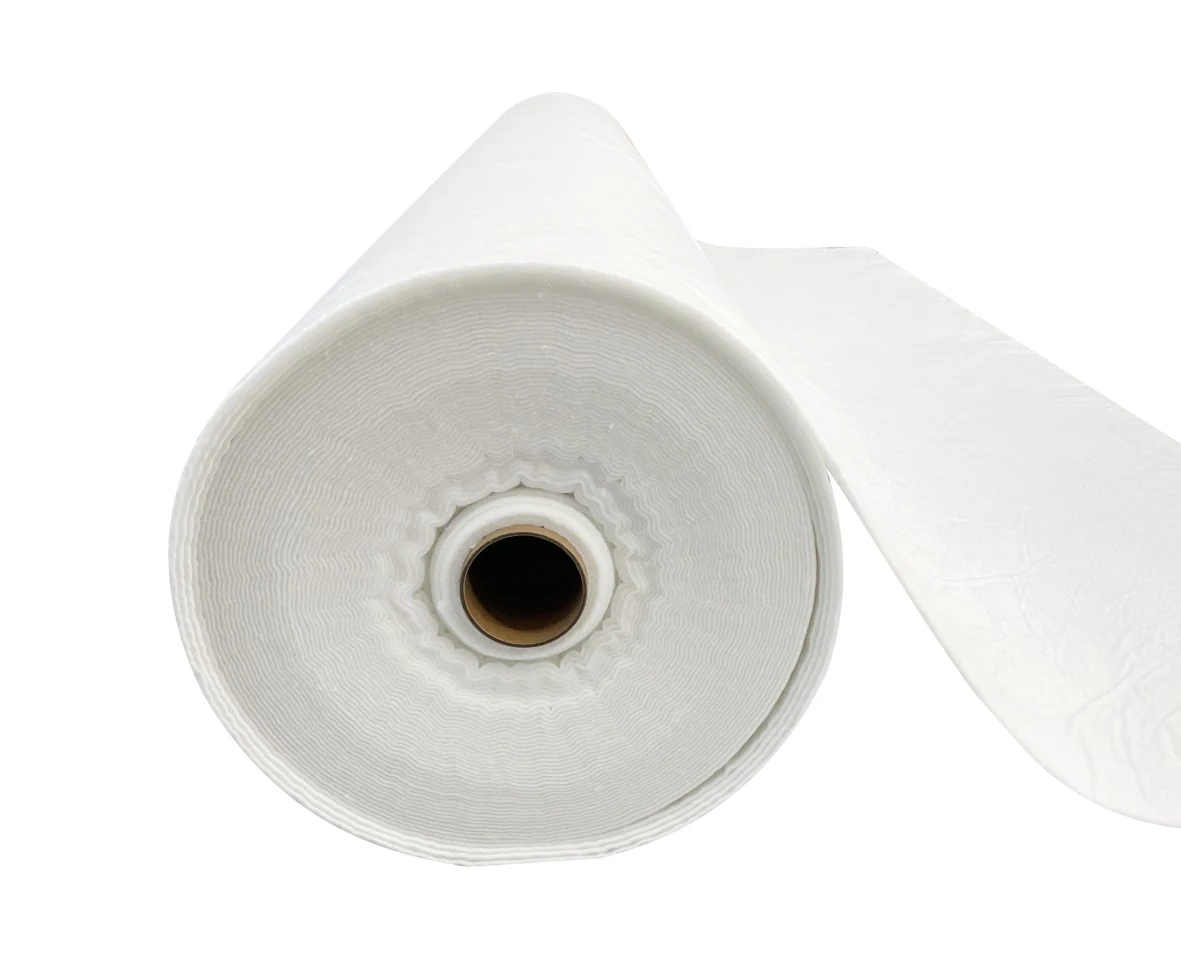

An HDPE liner for a heap-leach pad must be selected as part of the mine’s containment, solution-collection and foundation system. Chemical compatibility, high-load puncture protection, interface stability and verified seams are all required. A material name or a 1.5–2.0 mm thickness does not establish suitability for every leach solution or ore heap.
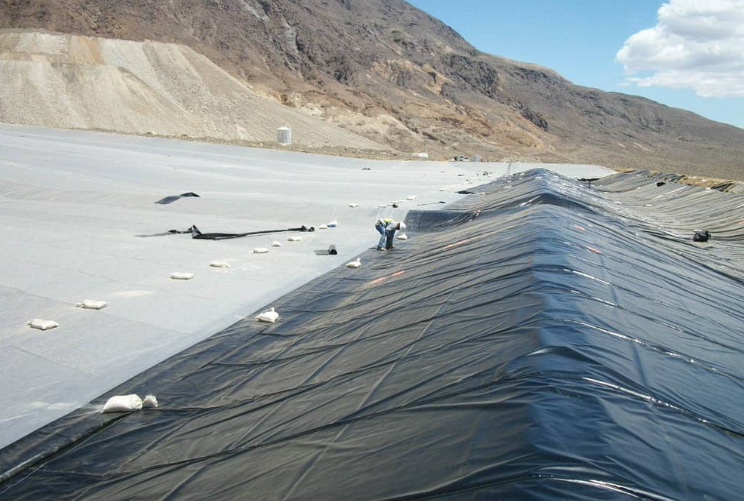
Define the chemical and thermal exposure
Obtain the actual process-solution composition, concentrations, pH, operating and upset temperatures, and planned exposure period. Include oxidants, dissolved metals, hydrocarbons or other constituents where present. Dilute-acid or cyanide service descriptions are not universal compatibility certificates.
EPA Method 9090A evaluates waste–membrane compatibility. A project assessment should identify the tested formulation, exposure conditions and acceptance criteria. Compare relevant properties before and after exposure; do not treat an unchanged visual appearance or a generic pH range as sufficient proof.
GRI material compliance, antioxidant measurements and laboratory aging help characterize a product but do not prove zero chemical transport or a fixed field life. A stress-crack test is not a substitute for compatibility testing with the intended liquid. Review accessories, welding consumables, protection layers and drainage components as well as the membrane.
Calculate heap loads and assess puncture protection
For a simplified uniform column, vertical stress is approximately γH. With an assumed ore unit weight of 18 kN/m³, a 50 m heap gives 900 kPa and a 100 m heap gives 1,800 kPa before additional effects. These illustrative stresses are not safe working limits for HDPE; real geometry, staged stacking, settlement and pore pressures must be evaluated.
Specify the prepared foundation and the overliner material together. Angular particles, drainage aggregate, placement equipment and long-term contact can create high local strains. A higher membrane thickness or heavier fabric may help a tested system, but does not justify untreated sharp rock or driving on exposed liner.
| Component | Evidence to request | Misinterpretation to avoid |
|---|---|---|
| Subgrade | Survey, compaction basis, soft-spot treatment and acceptance record | One universal sieve size or roller-pass count suits all foundations |
| Geotextile protection | Grade-specific data and a protection assessment with representative aggregate and load | 600 g/m² or a CBR puncture result guarantees survival under a bulldozer |
| Drainage layer | Flow under design confinement, chemistry, duration and discharge conditions | A fabric cushion automatically replaces a drainage core or pipe network |
| Slope interfaces | Tests on the specified surfaces under relevant stresses and moisture | Texture alone guarantees a 26° or steeper stable slope |
Interface direct-shear testing supports the stability assessment. Both internal failure within a composite and sliding between separate layers may need consideration. Foundation deformation and anchorage must be compatible with the complete system.
Specify traceable material rather than generic property claims
Identify the HDPE grade, nominal thickness, smooth or textured surfaces, roll dimensions and specified standard edition. The GRI specification directory separates material and seam specifications. Read the actual applicable table and distinguish averages, individual limits and manufacturing test frequency.
A generic “±10% thickness” statement is not adequate acceptance evidence. Likewise, a laboratory tensile-break elongation is not a permitted settlement strain. An initial gauge length of 10 mm extending to 70 mm represents 600% elongation; 700% elongation would produce an 80 mm final length. Neither result is a field design strain.
Keep mass estimates separate from performance approval. At an assumed density of 940 kg/m³, a 2.0 mm sheet has an estimated mass of 1.88 kg/m², or 18,800 kg for 10,000 m² before overlaps, details, core and packaging. This is an illustrative logistics calculation, not a Jinseed shipment record.
Collect pregnant leach solution without promising zero loss
The liner limits downward seepage while the engineered collection system conveys pregnant leach solution to process storage. Grade, drainage capacity, clogging, pipe integrity, sumps, operating head and stormwater management all affect performance. A low material permeation rate cannot predict leakage through defects, seams or penetrations.
Where a secondary liner and leak-detection layer are specified, define monitoring points, collection capacity, action levels and response procedures. A second liner reduces certain risks but does not establish a universal leakage probability. Permits and design documents determine monitoring frequency, analytical limits and closure obligations; there is no single groundwater sampling schedule suitable for every mine.
For a purely arithmetic mass balance, 10,000 L/min of solution containing 3 mg/L of a dissolved constituent carries 30 g/min of that constituent. This is not a stated mine concentration, metal recovery rate or allowable discharge. Process efficiency and environmental release are separate measurements.
Verify seams, repairs and covered-liner integrity
Use qualified welding procedures with trial seams for the actual resin, thickness, equipment and conditions. Heat-wedge settings, extrusion preparation and cleaning products must follow the approved procedure. Fusion of thermoplastic polyethylene should not be described as chemical cross-linking, and a dry, clean weld zone remains necessary even when fabric is present.
- ASTM D5820 addresses pressurized air-channel evaluation of dual seams. Continuity testing does not measure seam strength.
- ASTM D6392 addresses destructive testing of applicable nonreinforced thermofusion seams. Use the specified peel/shear criteria, conditioning and sampling plan.
- Vacuum-box or other approved methods address details that cannot be air-channel tested.
- An electrical leak-location survey needs a method compatible with exposed or covered conditions, conductive paths and electrical isolation. Do not prescribe one voltage or promise detection of every hole size.
- Record defects, investigate failed segments, repair, retest and close out every sampling location before acceptance.
Use the welding and seam-testing guide for the broader workflow. Actual pressures, hold times and repair boundaries belong in the approved construction quality assurance plan.
Build a procurement and handover package
Include solution chemistry, temperature range, heap geometry, load stages, subgrade and overliner specifications, proposed panel layout, roll traceability, test certificates, independent conformance requirements and installation responsibilities. Record seams, repairs, penetrations and leak-detection features on as-built drawings.
Request a documented liner proposal with the required material, protection and QA scope. Keep operation, monitoring, stormwater capacity and closure planning within the mine’s engineering and permitting process; neither a product datasheet nor this guide replaces that approval.