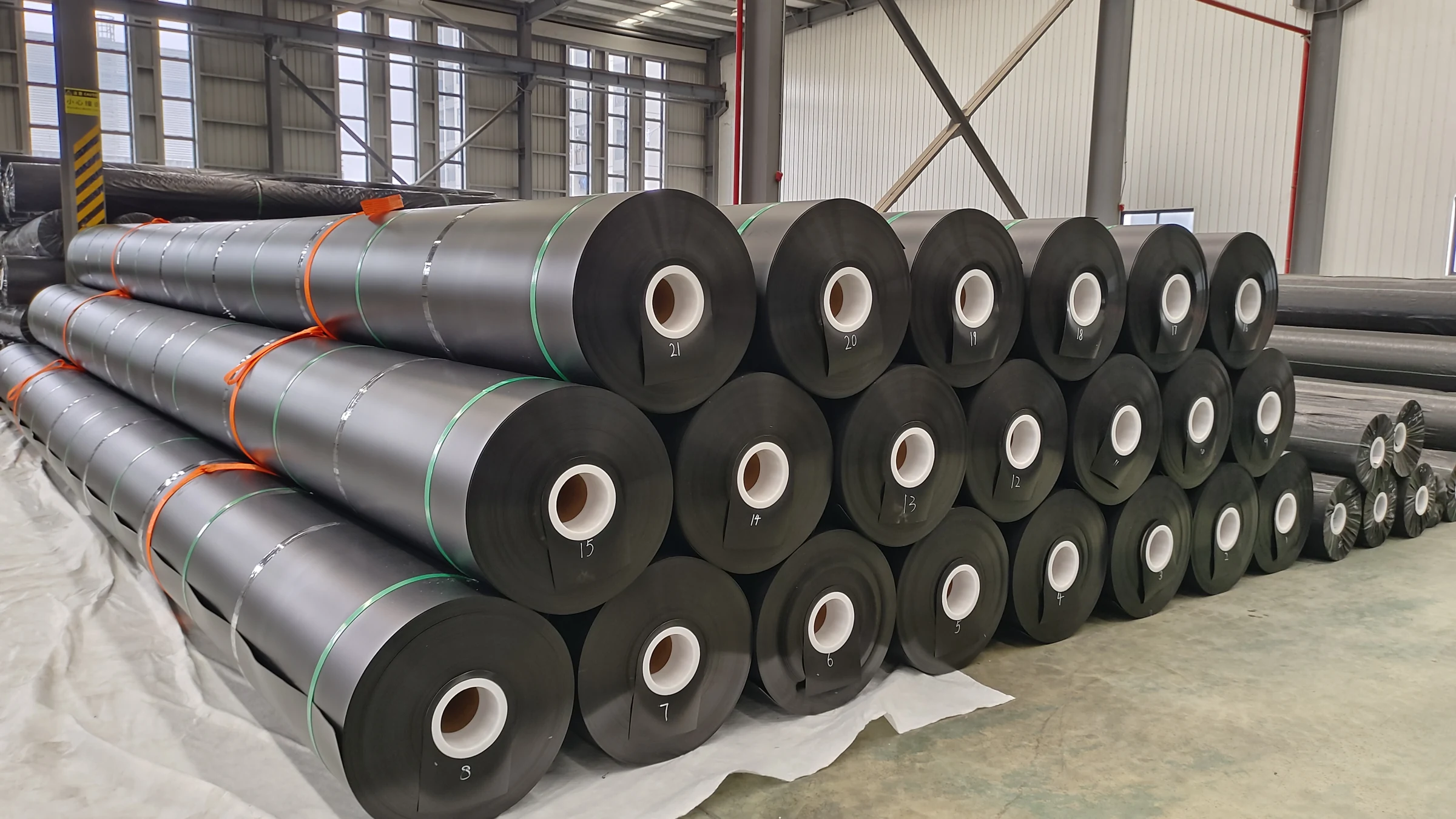

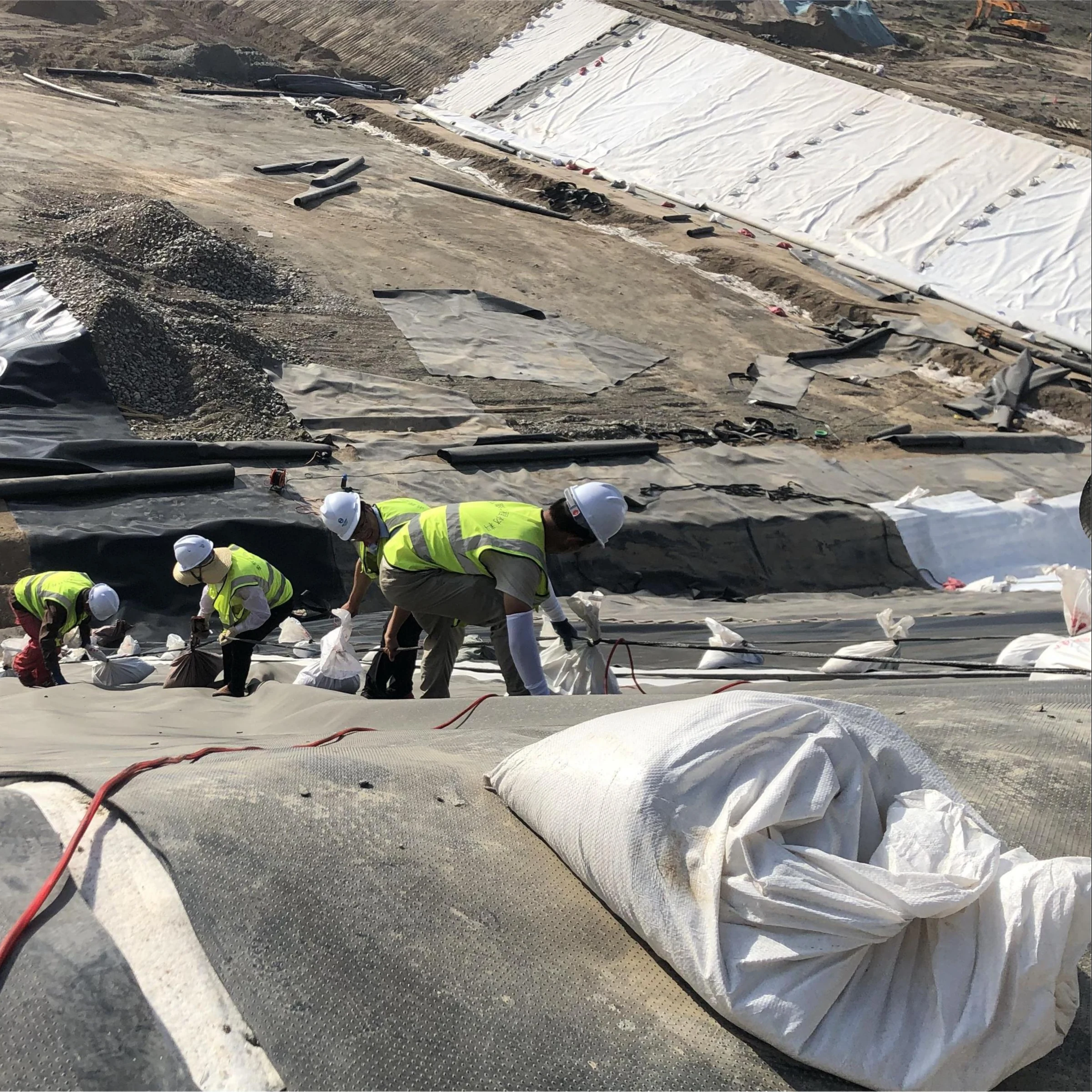

The right geomembrane liner is the one whose documented properties and installation system fit the containment project. Begin with the contained material and site conditions, then compare polymer, surface finish, thickness and installation requirements. There is no single liner grade that is best for every pond, landfill or industrial containment area.
1. Application Requirements
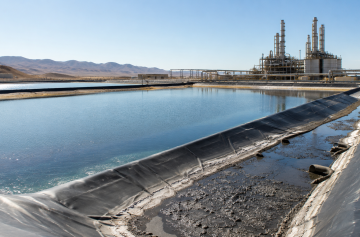
Describe what is being contained, the operating conditions and the applicable project requirements. Distinguish a water barrier from a drainage or filtration layer: those functions are not interchangeable. Request compatibility evidence that addresses the actual service conditions rather than relying on a general “acid and alkali resistant” statement.
Prepare a short requirement schedule before asking for quotations. Include the specified material, test methods and acceptance criteria, along with the quantity and intended delivery location.
2. Site Condition
Review the supporting surface, settlement expectations, slopes, interfaces, drainage and penetrations with the designer. Surface texture alone does not establish slope stability. Where interface behavior matters, evaluate the actual materials and project conditions rather than assigning a universal safe slope angle.
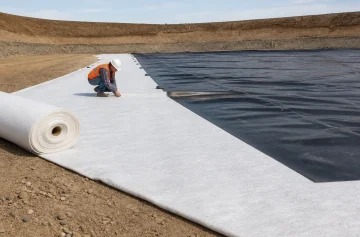
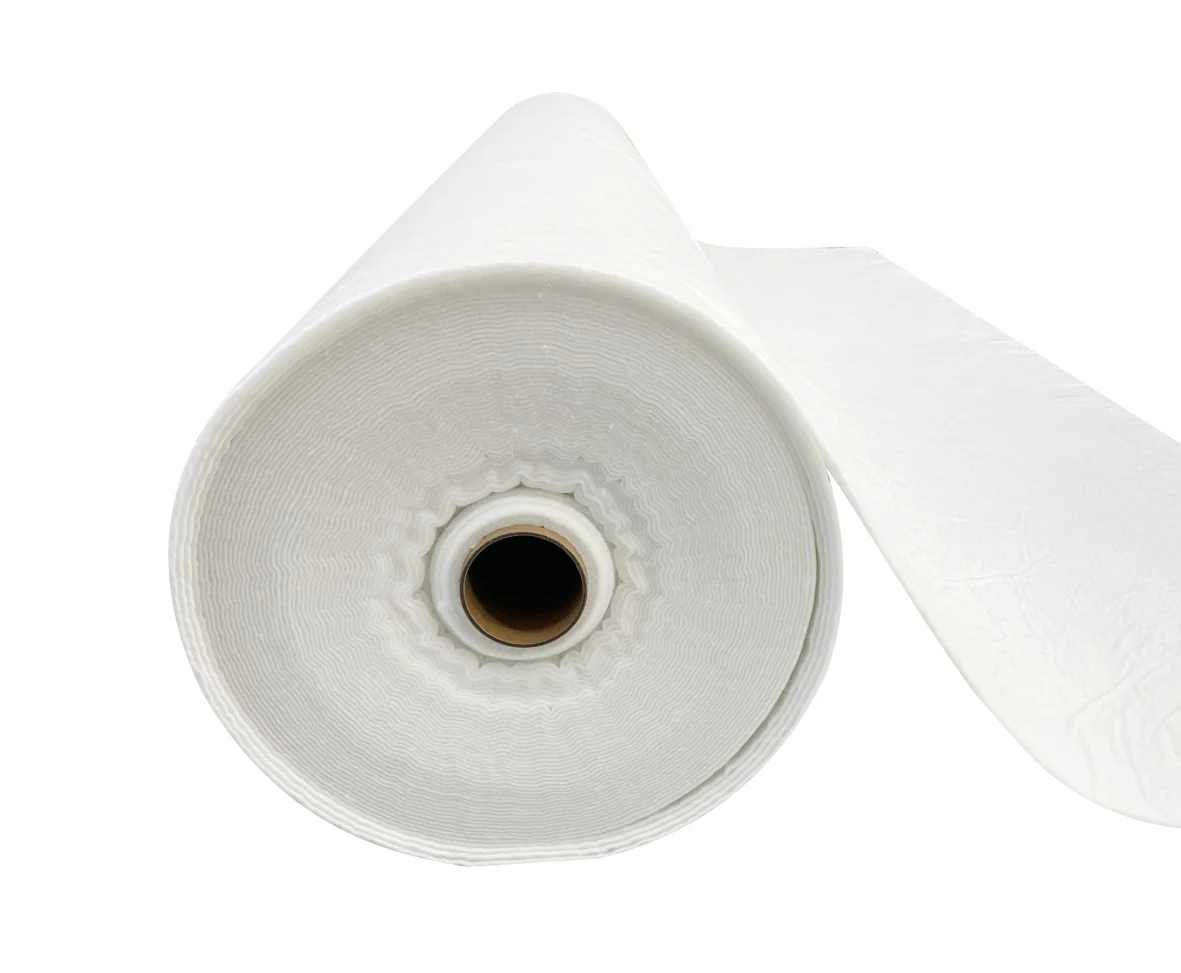
Identify any required cushioning or protection layer. The PET non-woven geotextile page supports a separate protection-material enquiry; the lining and protection grades should each be checked against the design.
3. Material Type
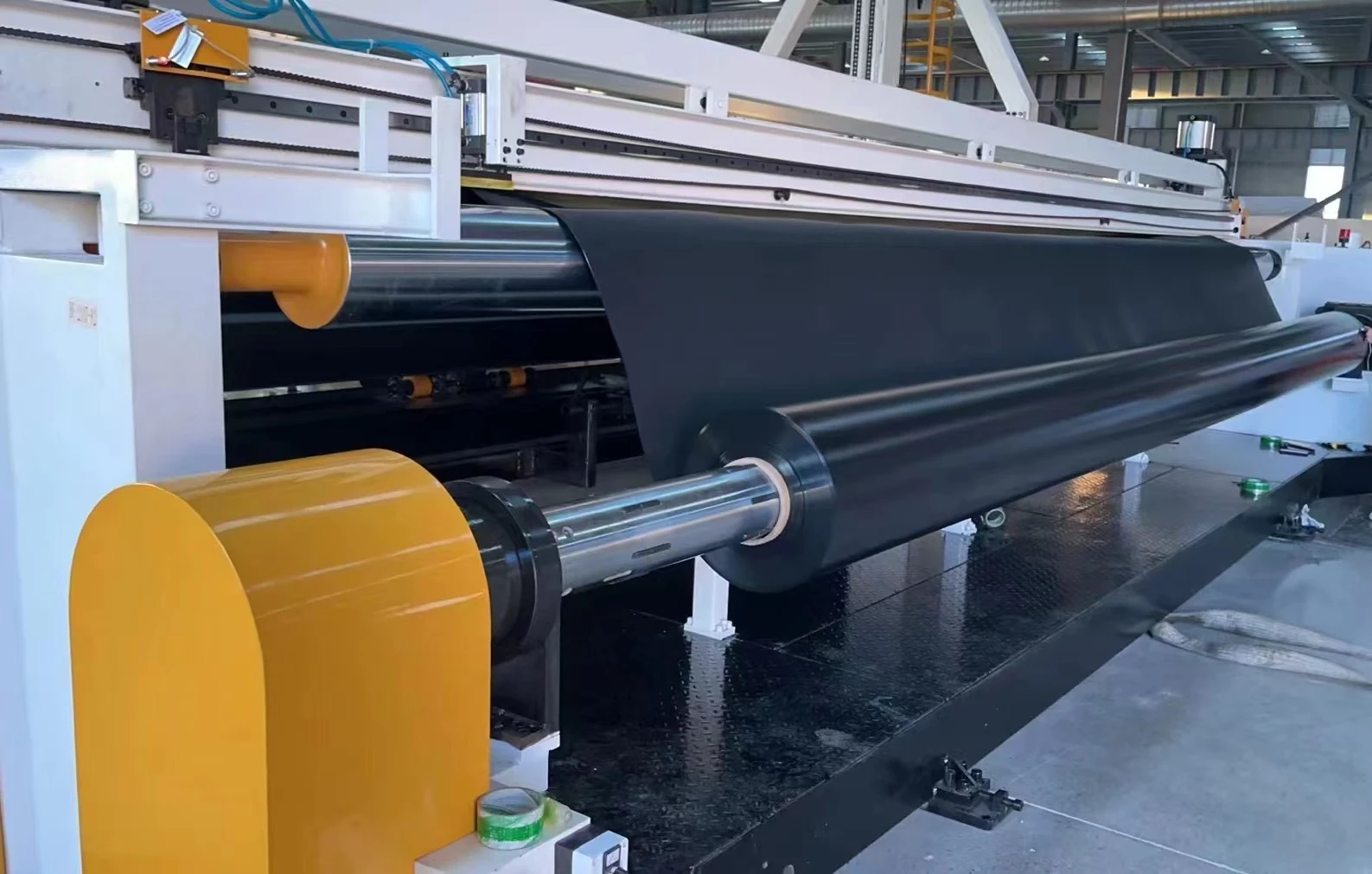
HDPE and LLDPE are distinct material options with separate specifications. The selection should follow the project requirements, supporting test information and installation constraints. Do not interchange polymer names or assume that a claim for one grade applies to every product in that family.
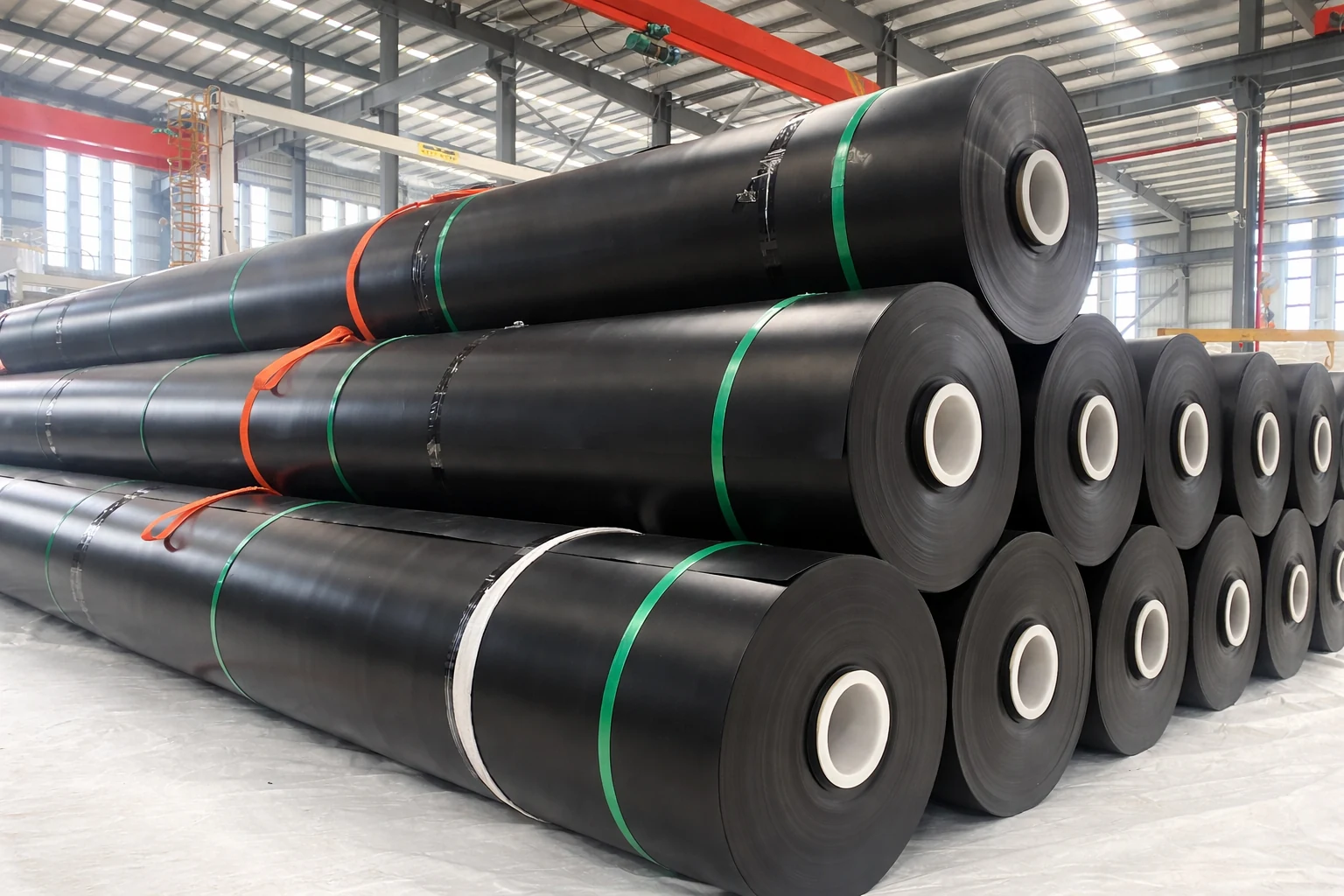
For projects specifying HDPE, review Jinseed HDPE geomembrane liners and request the proposed grade’s technical documents. Ask the supplier to state clearly any difference between the offered material and the requested specification.
4. Thickness and Strength
Thickness is one part of the specification. Compare the required mechanical and durability properties using the stated test methods and reporting basis. Avoid selecting a thickness solely from a generic application table or equating a thicker sheet with a guaranteed service life.
Keep units consistent: 1 mil is 0.0254 mm. For example, 60 mil equals 1.524 mm mathematically; that conversion does not define the nominal grade, tolerance or project acceptance criterion. Confirm those separately in the material submittal.
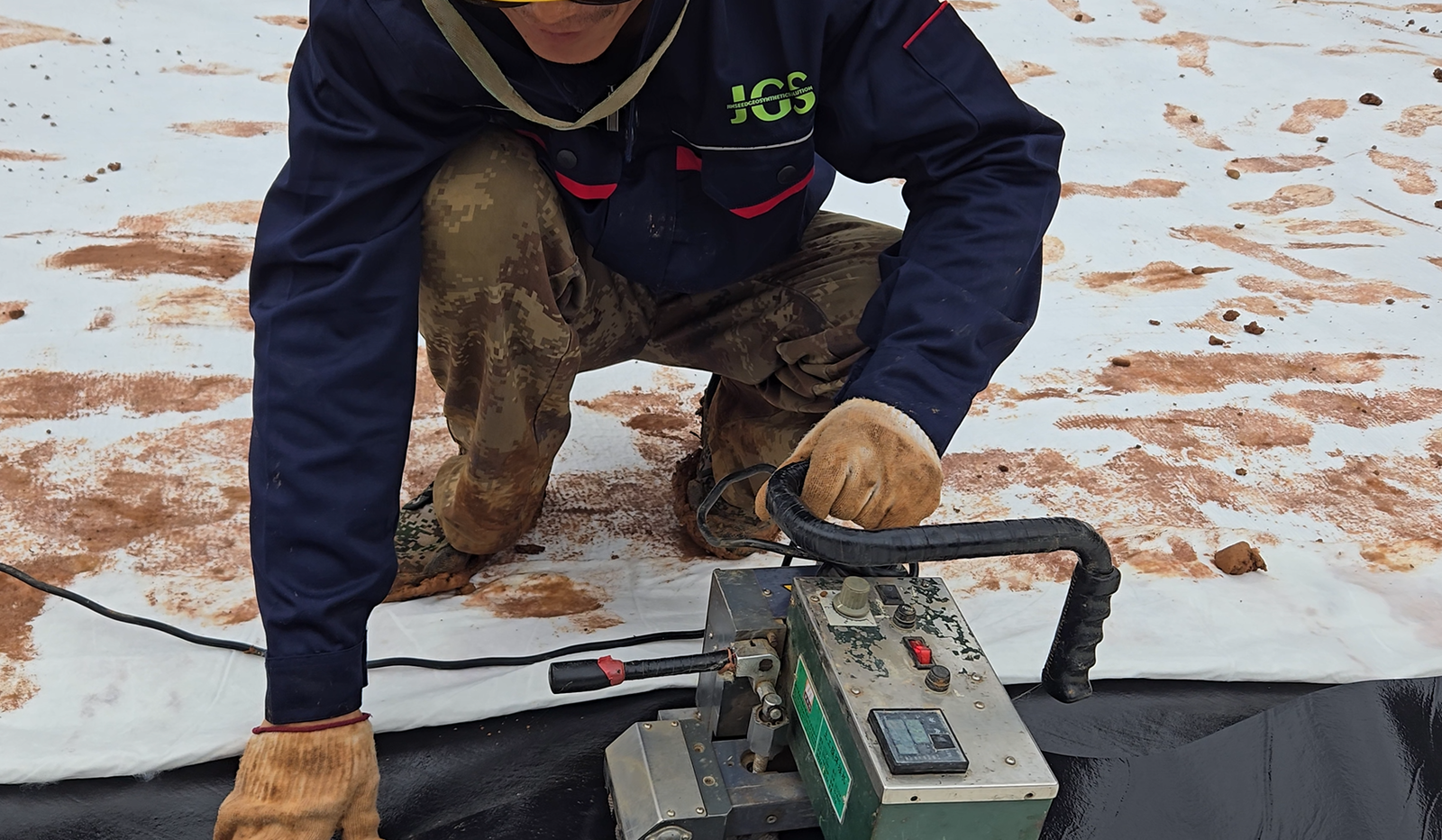
5. Installation
Material supply and installed performance are different scopes. Ask who is responsible for panel layout, qualified seaming, penetrations, inspection, testing and repair records. Agree on acceptance requirements before delivery rather than after the lining is covered.
If LLDPE is specified, use the LLDPE installation planning guide to organize the discussion with the installation team. For existing systems, review the geomembrane inspection and repair checklist.
Compare Quotes on the Same Basis
- Material and grade, nominal thickness and applicable tolerances.
- Smooth or textured surfaces as specified.
- Required test methods, values and supporting documents.
- Roll sizes, quantity, labeling and delivery terms.
- Scope of installation, quality assurance and acceptance records.
- Written exceptions or substitutions requiring project approval.
Frequently Asked Questions
Is HDPE always the best liner?
No. Select the material using the actual project requirements and supporting evidence.
Does texture guarantee a stable slope?
No. The liner surface is only one part of the interface and stability assessment.
Can a material specification guarantee a fixed service life?
Do not treat general specification conformance as a universal service-life promise. Ask for evidence relevant to the proposed grade and exposure.
Technical Reference
Geosynthetic Institute: specifications, guides and practices
Use the applicable project specification and current accepted technical documents for material acceptance and construction details. The reference is provided for context; it is not evidence that a particular Jinseed grade has been certified or approved.