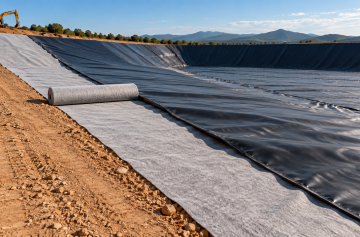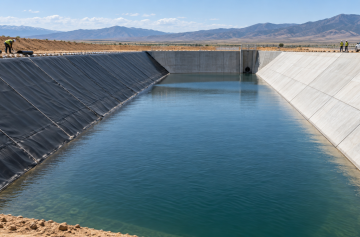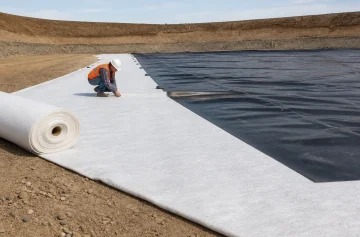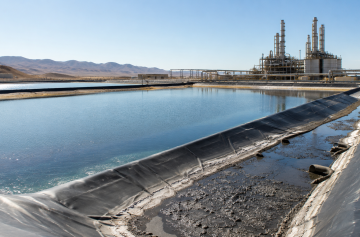
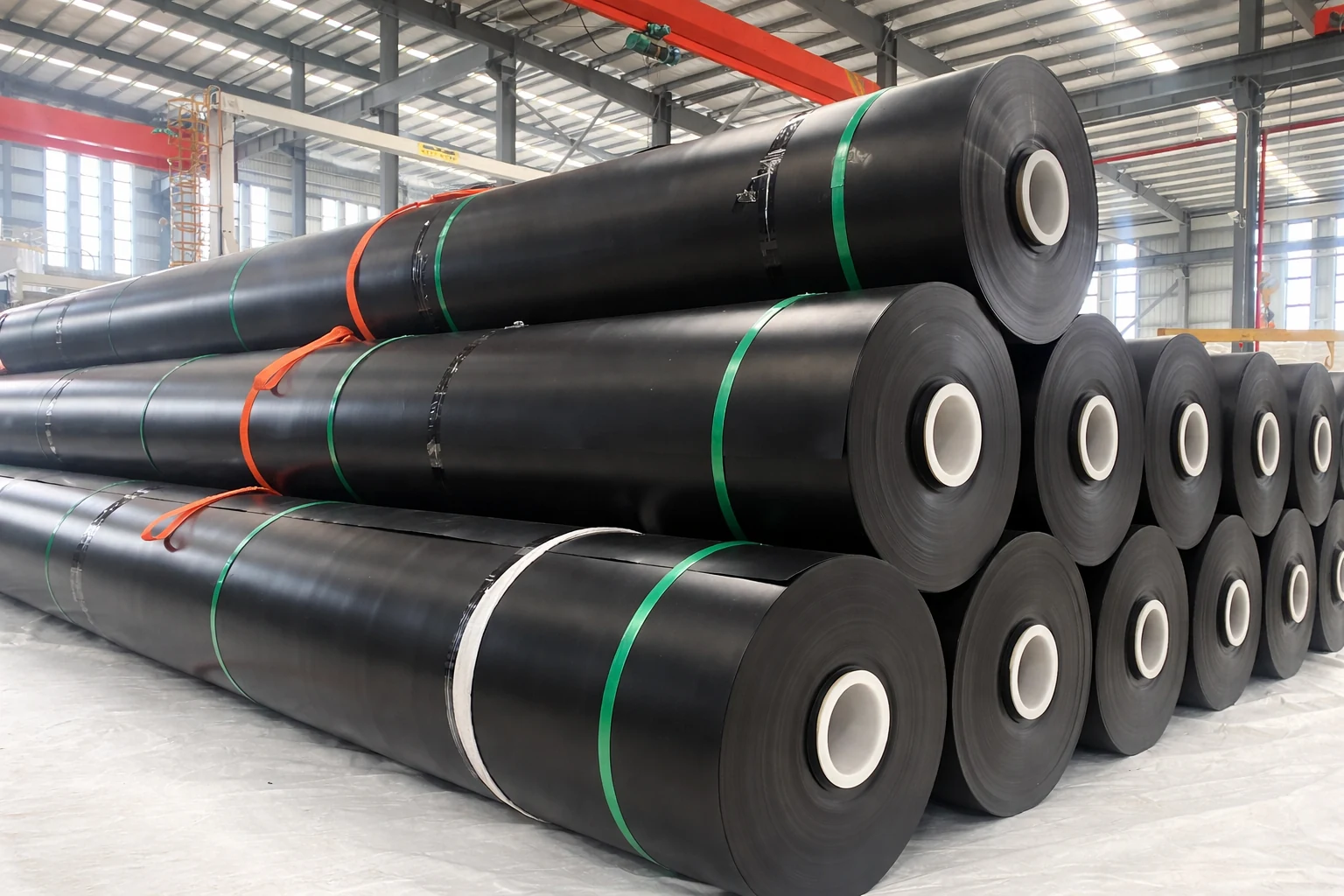
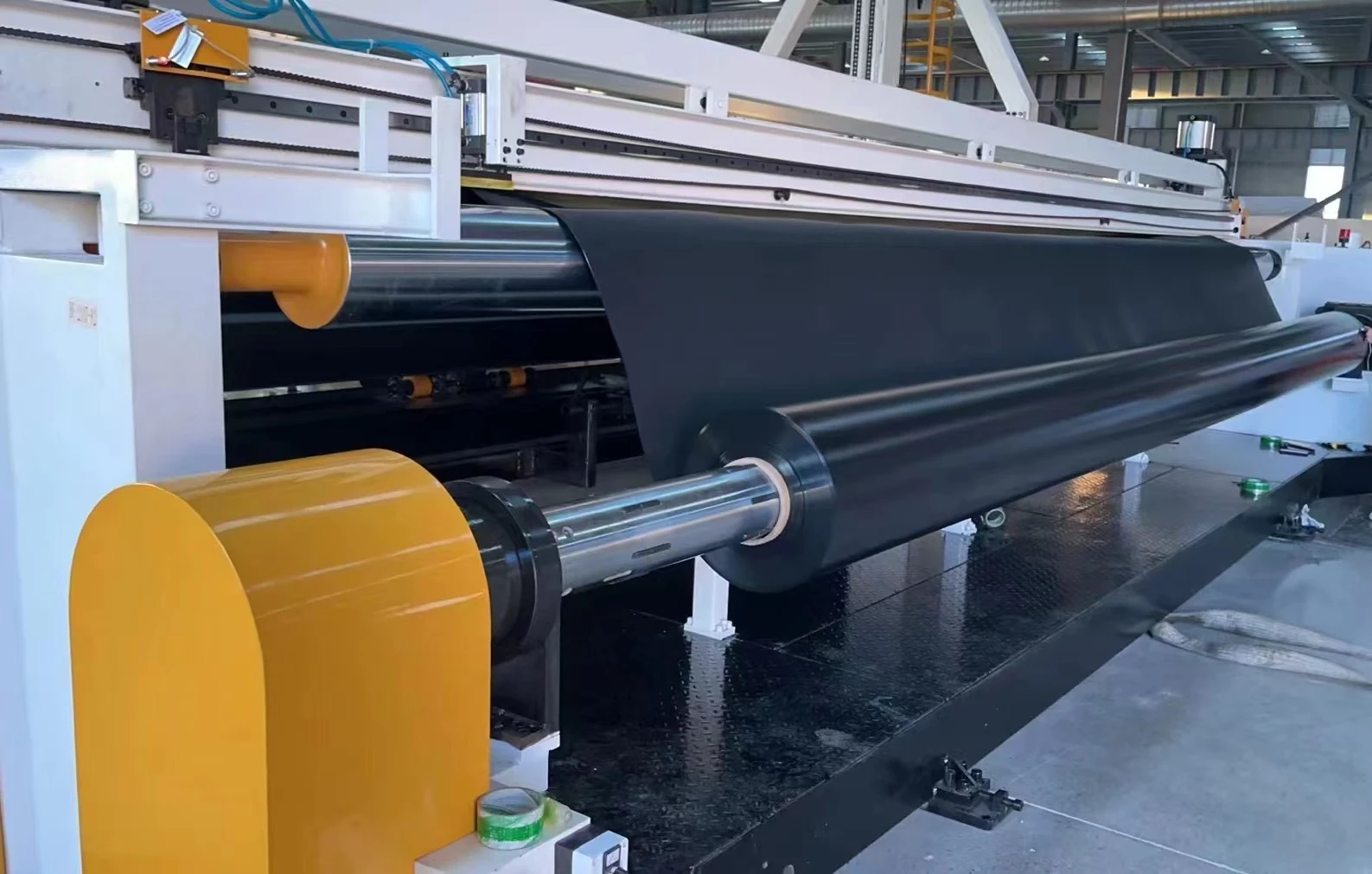

Repairing a geomembrane liner begins with identifying the material and the cause of damage. A patch is only part of the process: access must be suitable, the repair procedure must be compatible, and the repaired area needs the inspection and testing required by the project. Do not choose a repair method from sheet thickness alone.
Causes of Damage
Record what is visible before proposing a repair: holes, scratches, seam defects, distressed details or movement of the supporting system. Review the liner identification, installation records, exposure and recent activities. A loss of liquid level does not by itself establish where the leak is or prove that the geomembrane sheet has failed.
Avoid diagnosing chemical damage from a single pH threshold or assigning a fixed age at which every liner must fail. Material condition and compatibility require evidence relevant to the actual polymer, contained material and exposure.
Repair Methods
Confirm the liner and the repair scope
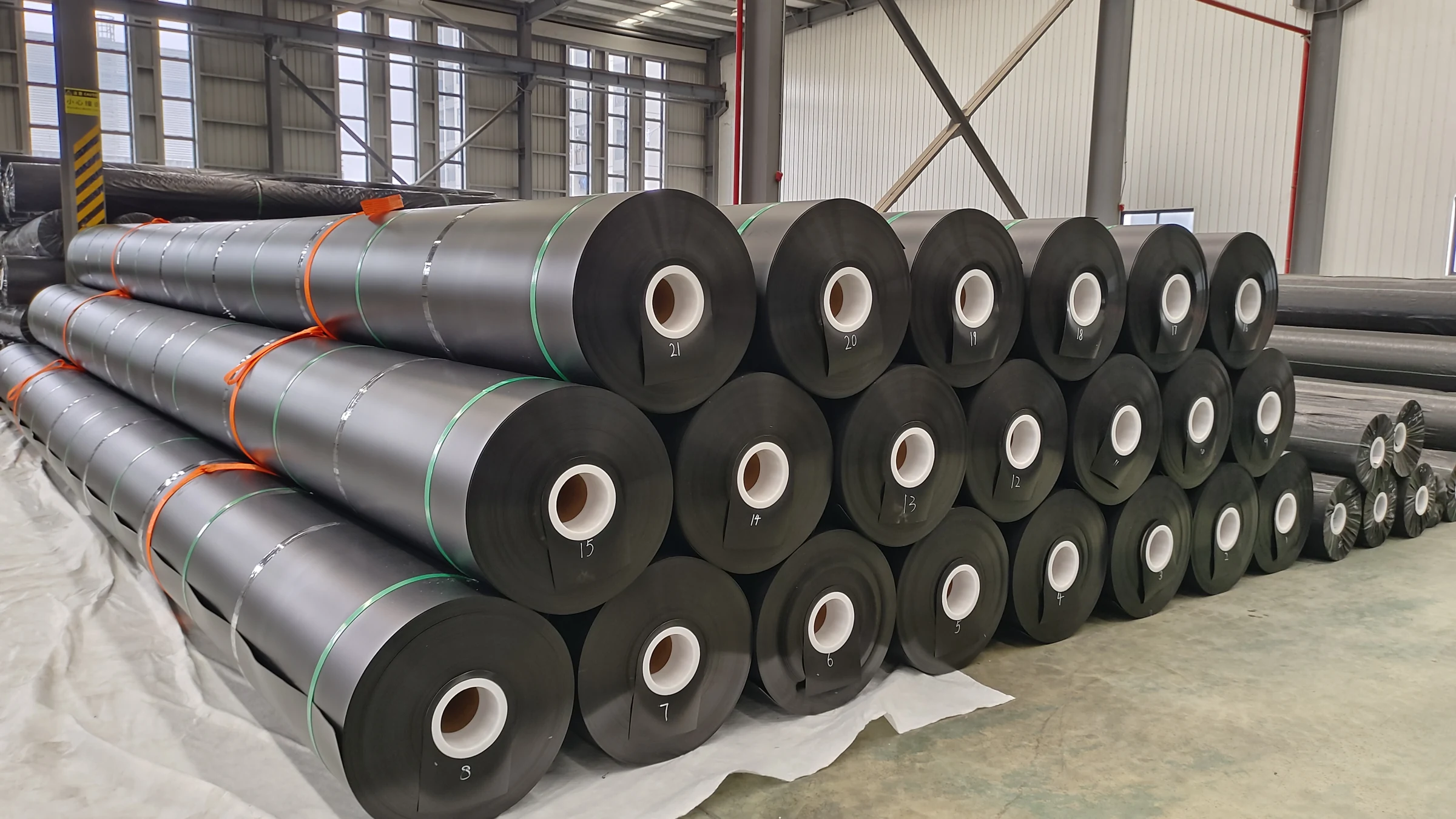
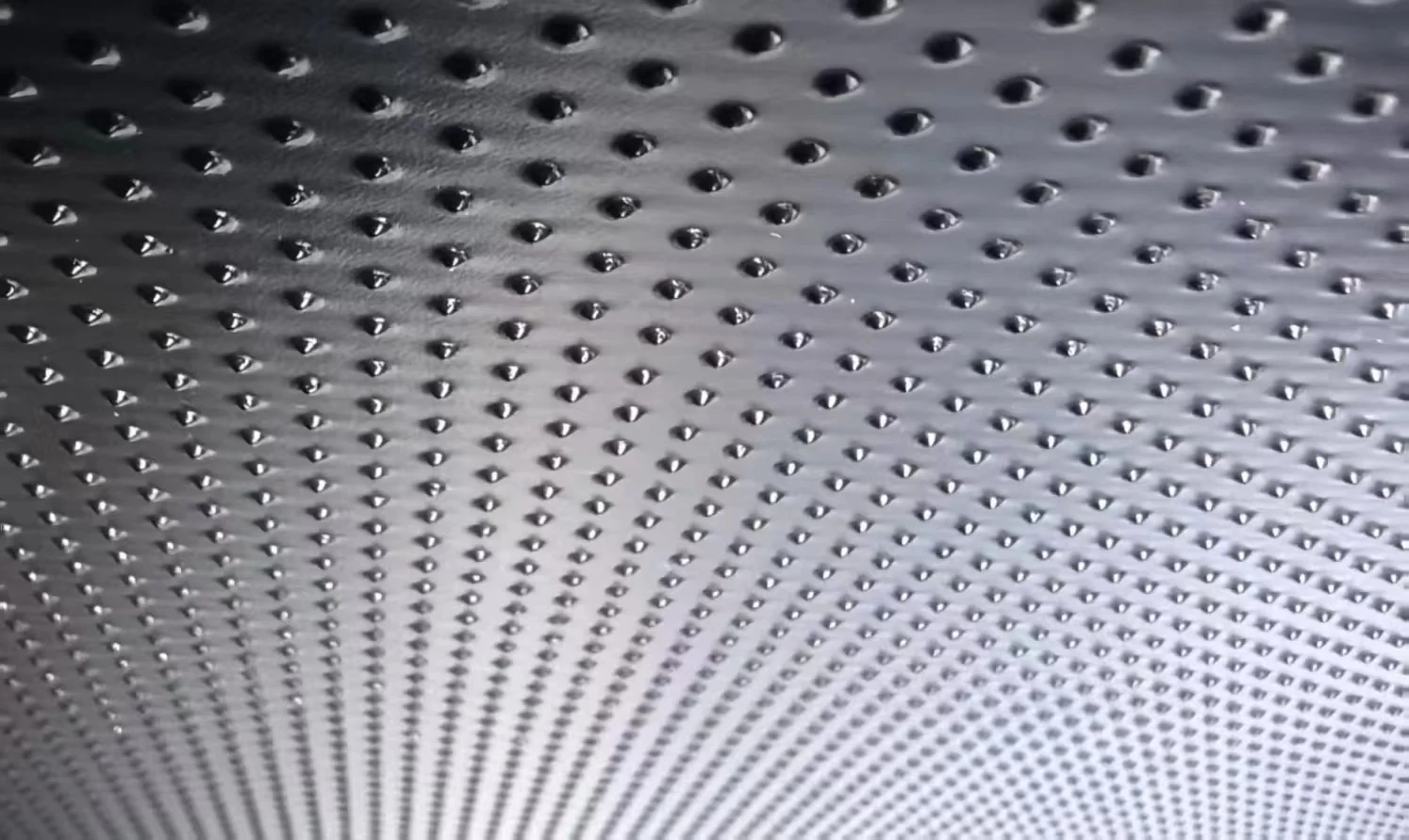
Identify the polymer, grade and existing condition. Determine whether the issue is localized or part of a wider problem. For an HDPE project, the HDPE geomembrane specifications can support material identification and a replacement enquiry; they do not establish compatibility with an unidentified existing liner.
Use an accepted repair procedure
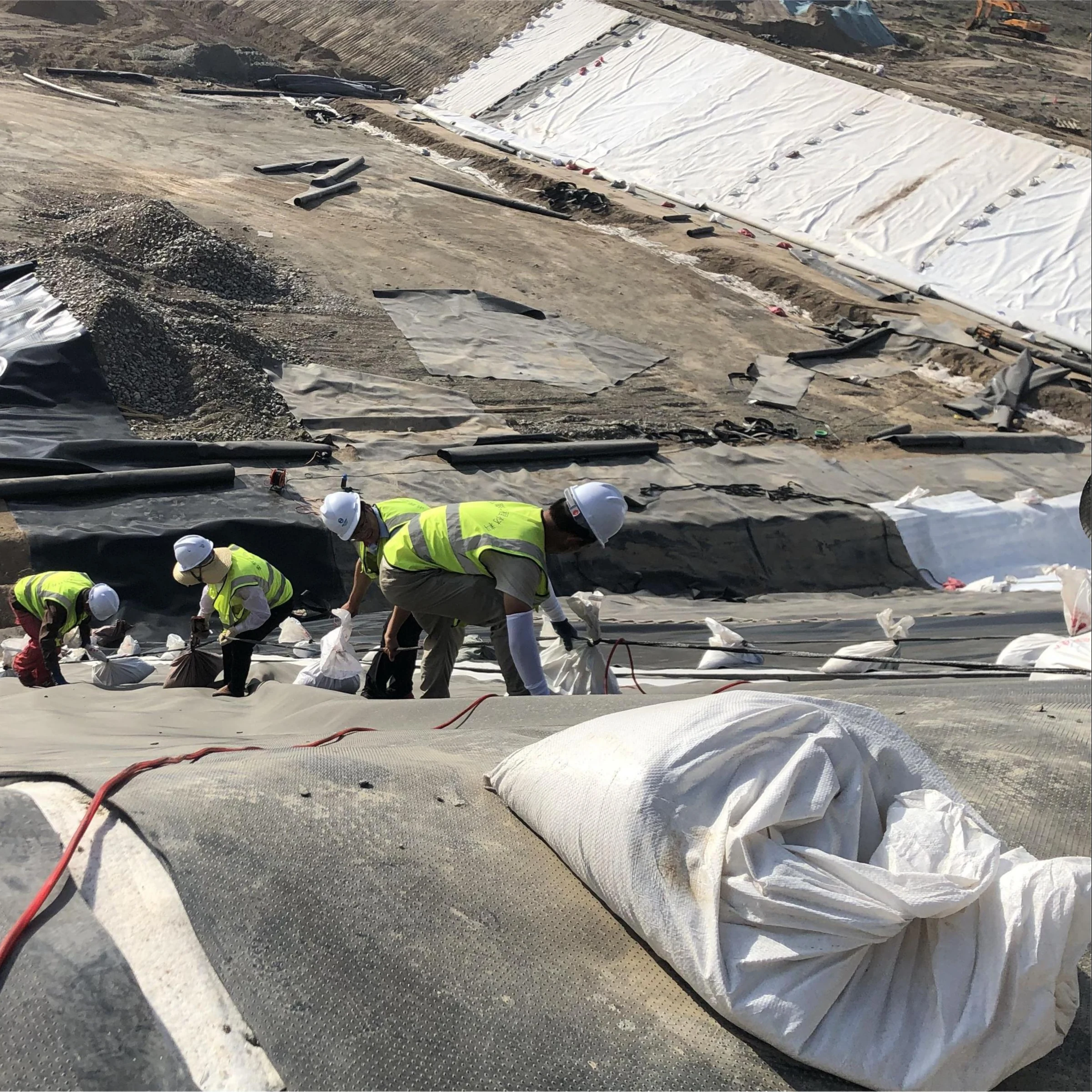
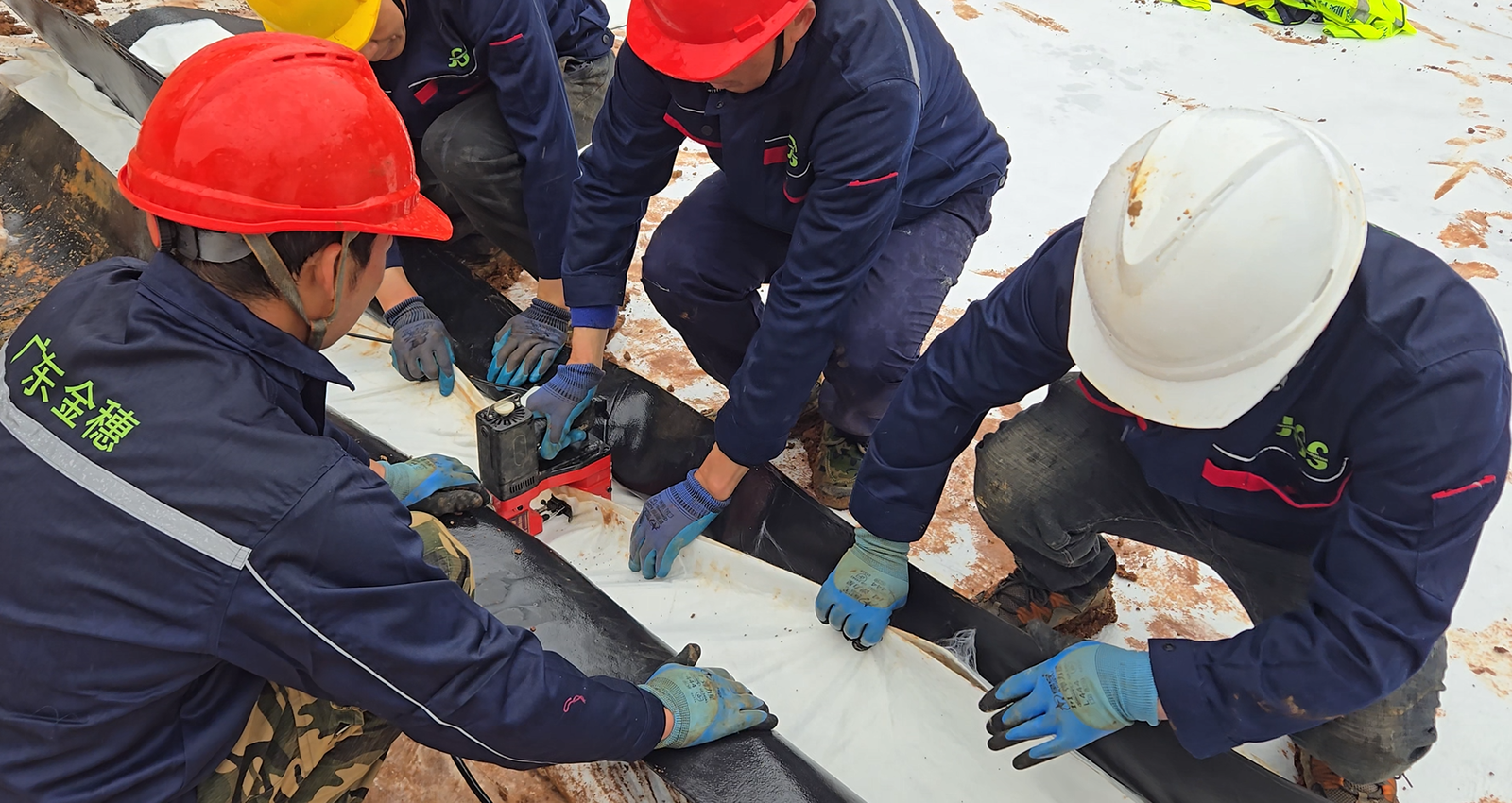
The installer should select the compatible repair materials, preparation and joining method under the project requirements. Do not assume a general-purpose adhesive or a generic hot-air setting is suitable. Patch geometry, preparation and welding parameters belong in the accepted procedure.
Test and document the repair
Use the required inspection and test methods before returning the repaired area to service or concealing it. Link the repair identifier to the location, method and test result. If a result is unacceptable, follow the defined response and retest process rather than treating visual appearance as proof of integrity.
Maintenance and Prevention Checklist
- Keep a current liner layout with seam, penetration and repair locations.
- Retain material identification, installation acceptance and repair records.
- Set inspection frequency from the facility requirements and operating conditions.
- Review exposed areas and accessible details after relevant incidents or maintenance work.
- Investigate recurring damage at the supporting surface, adjacent structure or operating process.
- Use specified protection materials and control access that could damage the lining.
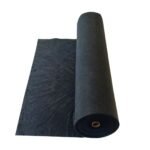
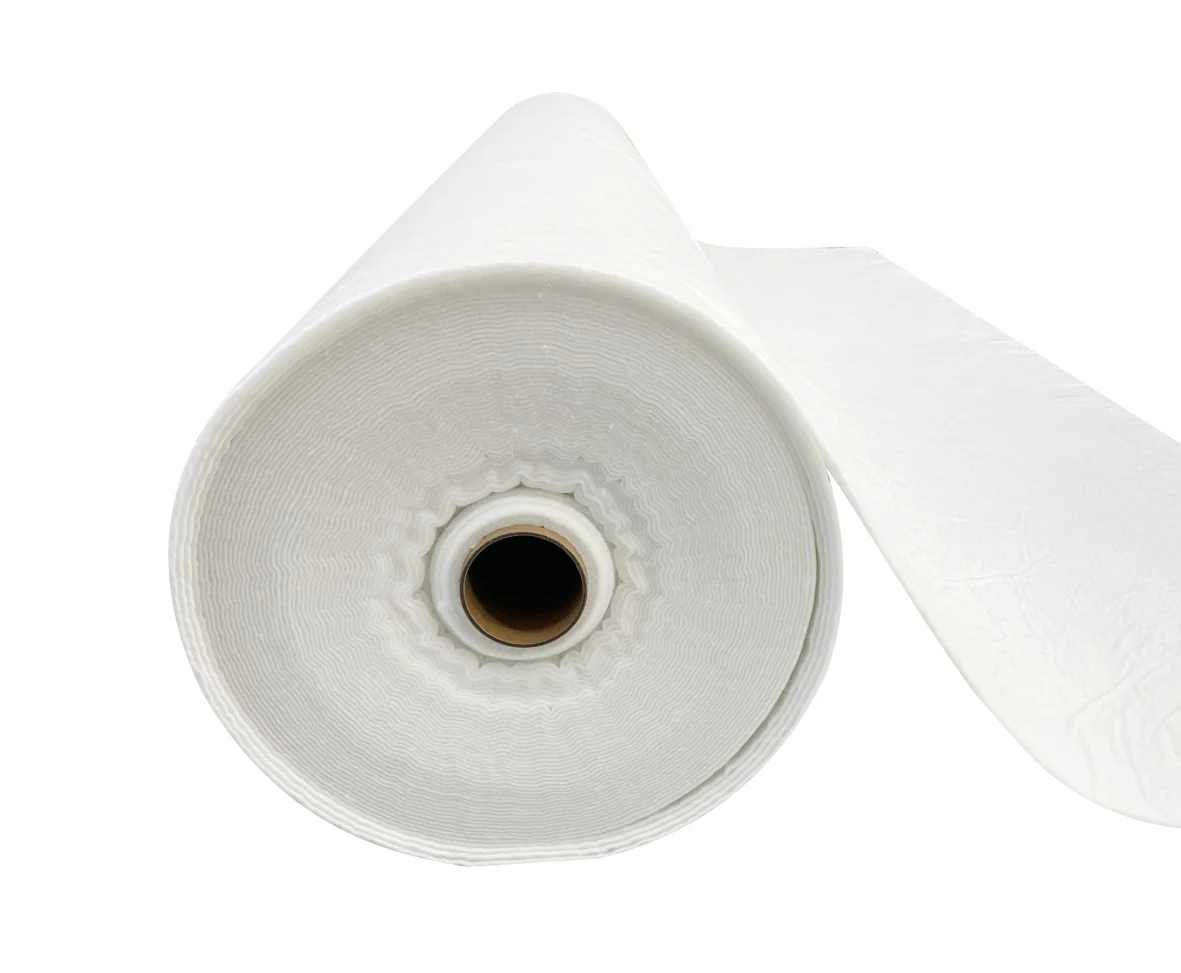
Where a geotextile cushion is part of the approved system, review PET non-woven geotextile grade information against the required protection performance. Adding fabric does not by itself resolve an unsuitable subgrade or a failed detail.
Information to Send with a Repair Enquiry
Provide the known liner material, location and service conditions, clear photographs, dimensions and positions of visible damage, installation records if available, access constraints and any inspection findings. This supports an informed review without guessing a repair specification from a photograph alone.
Frequently Asked Questions
Can every geomembrane hole be repaired the same way?
No. Material compatibility, condition, location and the project requirements determine the accepted method.
Does a falling water level prove the liner needs patching?
It is a reason to investigate, not a complete diagnosis. Review other possible causes and use the appropriate inspection process.
When should a repaired area return to service?
After the required inspection, testing and acceptance under the facility or project procedure.
Technical Reference
Geosynthetic Institute: specifications, guides and practices
Use the applicable project specification and current accepted technical documents for material acceptance and construction details. The reference is provided for context; it is not evidence that a particular Jinseed grade has been certified or approved.