
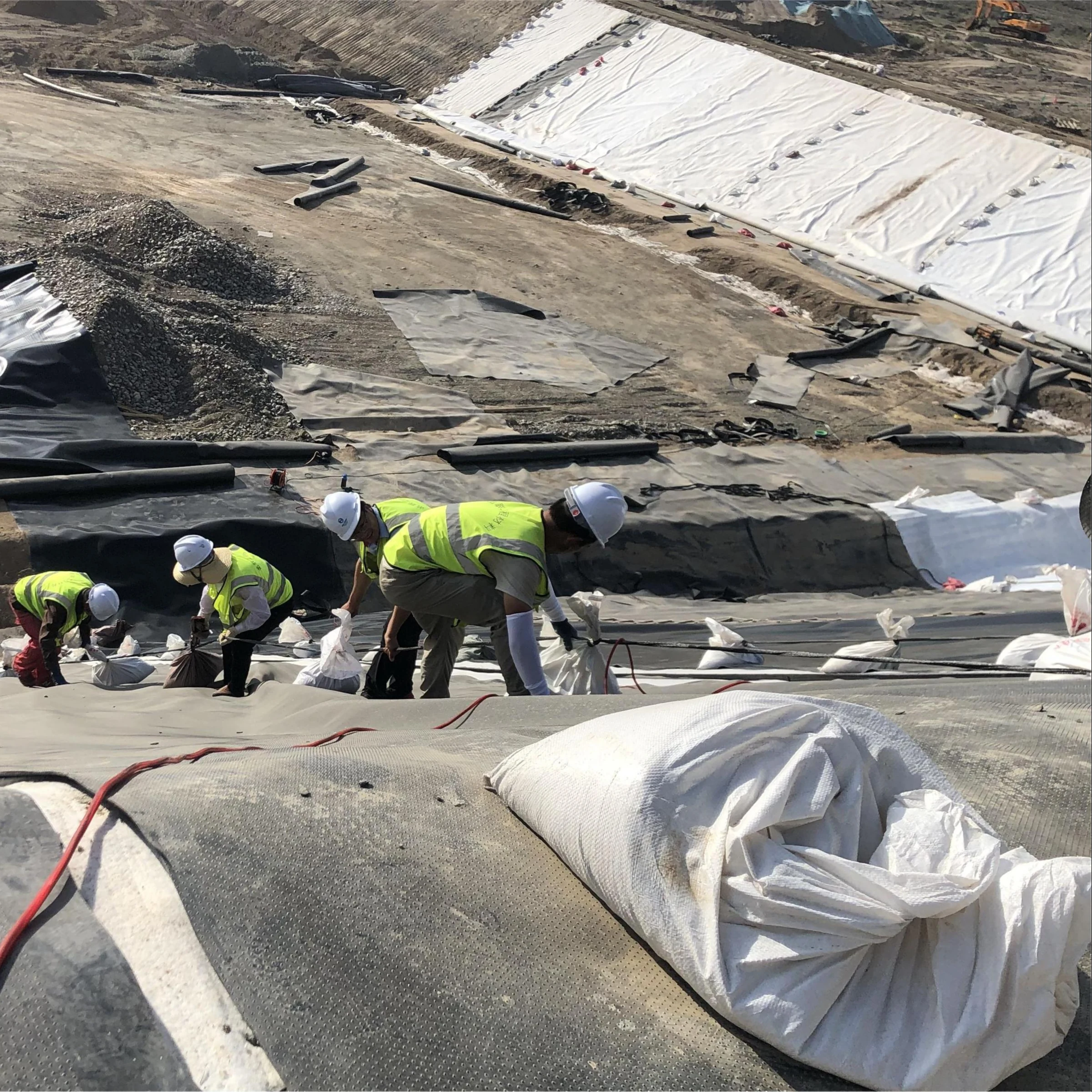
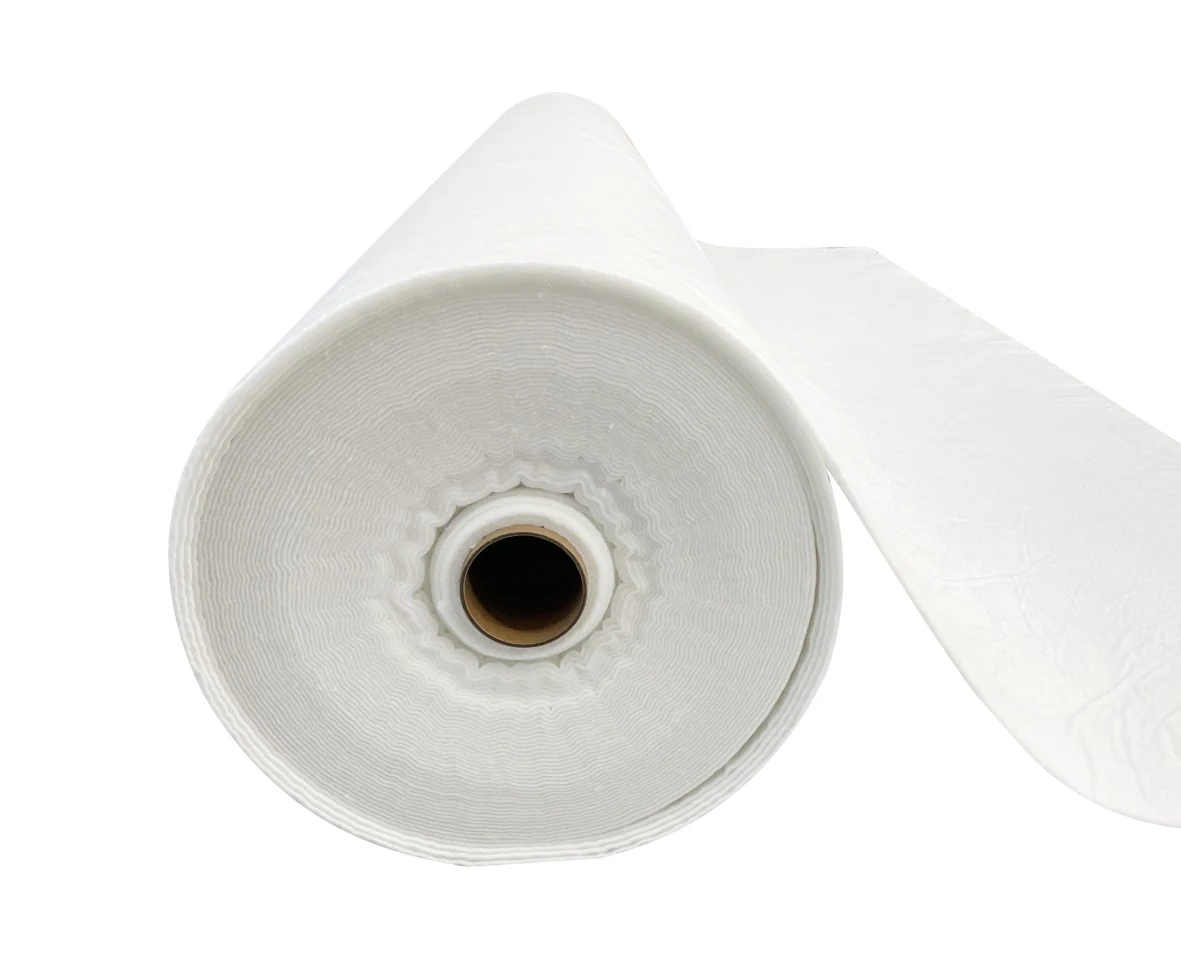

Chinese HDPE liner can be cheaper, but a lower roll price does not guarantee a lower installed cost. Compare the same thickness, surface, quality requirements, and usable area, then add freight, import charges, inland delivery, installation, and testing. The Chinese offer saves money only when its material-price advantage exceeds any additional delivery and project costs.
There is no universal saving percentage: this comparison does not use a current, matched set of Chinese and local quotations. For your purchase, the useful answer is the difference between two itemized offers for the same project—not the country of origin alone.
What makes a Chinese liner quote look cheaper?
First check what each price includes. A factory-gate quotation is not directly comparable with a local quotation that includes delivery. Likewise, a price per roll tells you little unless both rolls have the same dimensions and specification. Compare material cost per square meter, then compare the complete installed system.
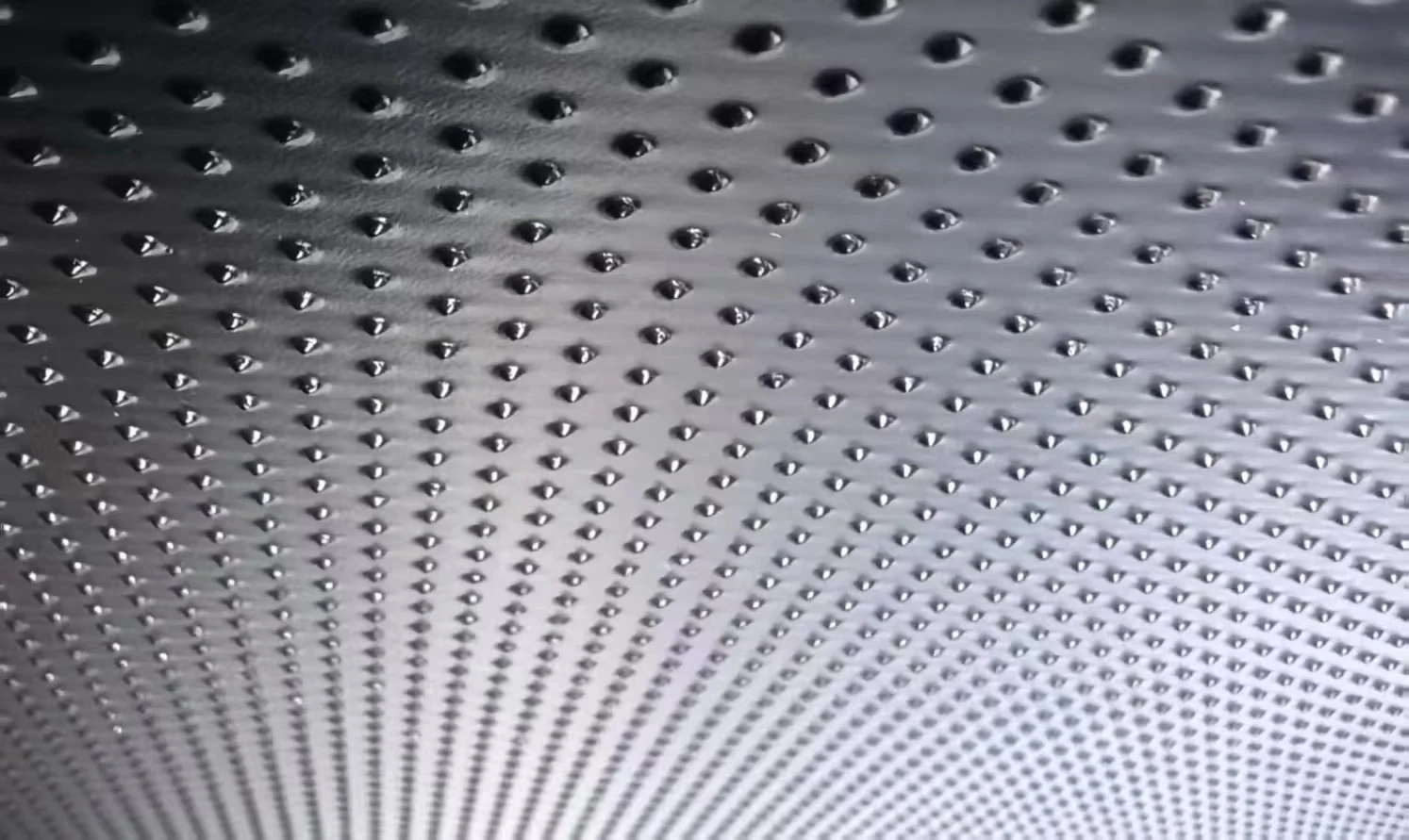
For smooth HDPE geomembrane, specify nominal thickness, roll width and length, thickness acceptance, and the required manufacturing quality control standard. If the design calls for a textured HDPE surface, do not substitute smooth material simply to reduce the quote. The surface must suit the engineer’s interface-shear and stability requirements.
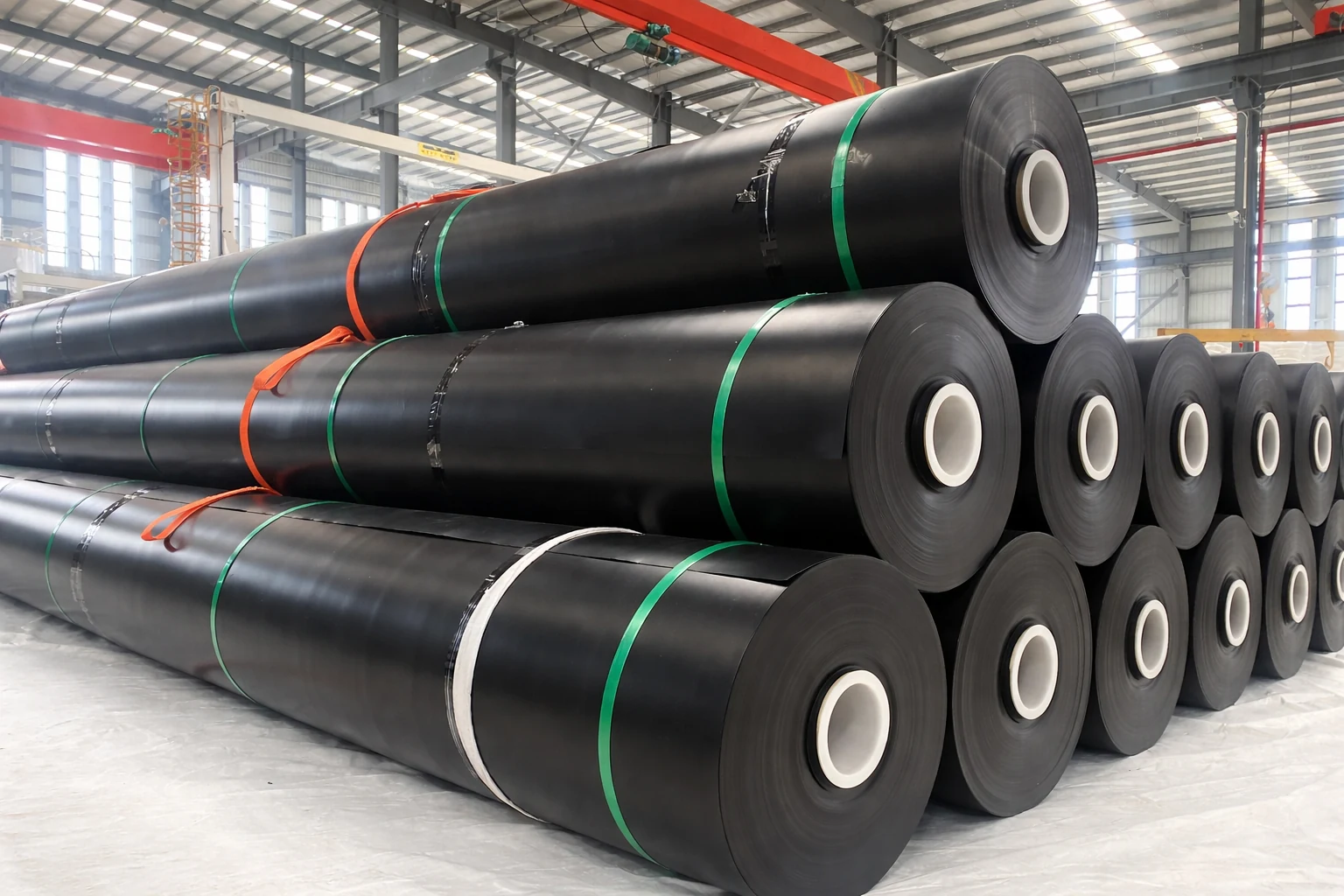
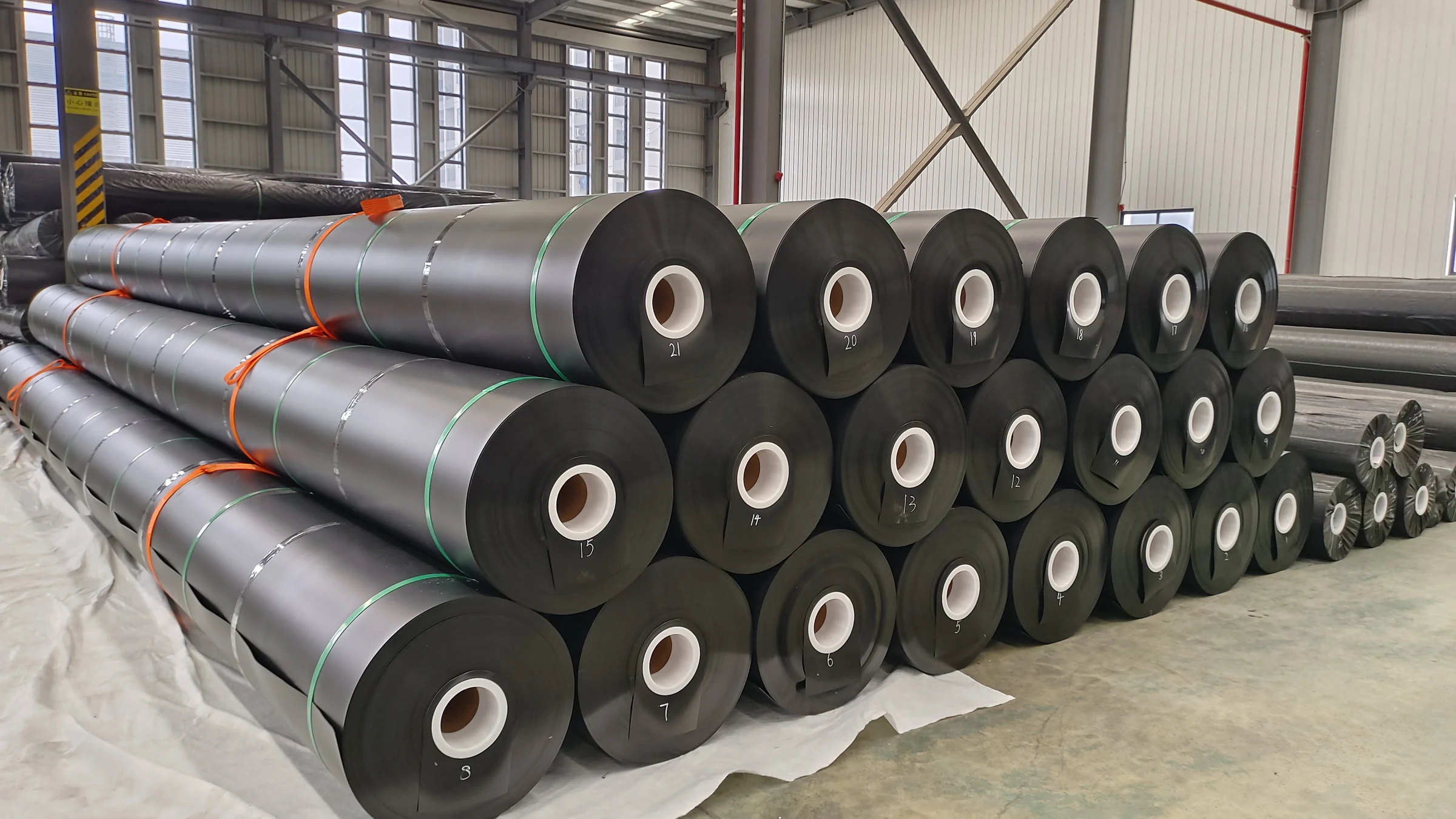
A wider roll can reduce field seam length for a suitable panel layout, but it also changes handling requirements. Before ordering, check roll weight, unloading access, lifting equipment, and the approved deployment plan. A low price for a roll your site cannot safely handle is not a saving.
How do you calculate the real saving?
Separate landed cost from installed cost. Landed cost brings the liner to the agreed destination; installed cost also includes deployment, welding, testing, and associated work. State the delivery point and named Incoterms rule in both offers so that the same charge is neither omitted nor counted twice.
| Cost layer | Include in the comparison |
|---|---|
| Material | Ordered area, approved thickness and surface, roll dimensions, packing, certificates, and any required third-party factory inspection |
| International delivery | Origin transport and handling, ocean freight, and insurance where these are not already included |
| Import and site delivery | Destination handling, customs brokerage, applicable duties and taxes, inland haulage, unloading, and storage |
| Installation and acceptance | Deployment, welding, trial welds, destructive and nondestructive seam testing, repairs, and independent quality assurance required by the project |
| System and schedule | Required protection and drainage layers, subgrade preparation, and a separately identified allowance for documented delivery or weather risks |
Use the same currency, quotation date basis, tax treatment, and project scope. Keep recoverable taxes separate from nonrecoverable costs, and obtain destination-specific customs advice rather than assuming a duty rate. Compare the total against accepted installed area; extra purchased material for overlaps, anchor trenches, and cutting is not additional lined area.
Break-even rule: material saving = comparable purchased area × the difference in material price per square meter. Importing is less expensive only if that saving is greater than the imported option’s additional nonmaterial costs.
For example, assume both offers cover 10,000 m² of identical material. Every USD 0.10/m² difference changes the material total by USD 1,000. If the imported offer has USD 3,000 more in combined delivery, import, and installation costs, its material price must be more than USD 0.30/m² lower to produce a net saving. These are hypothetical calculation inputs, not market prices or a Jinseed quotation.
For a fuller cost breakdown, compare how thickness, roll dimensions, freight, and installation affect HDPE liner cost against the actual line items in your offers.
How do you confirm both offers cover the same quality?
Use the project specification as the acceptance basis. GRI-GM13, Revision 16 dated March 17, 2021, is a manufacturing quality control specification for smooth and textured HDPE geomembranes from 0.75 to 3.0 mm, with formulated sheet density of at least 0.940 g/cm³. It is not a substitute for project design or installation acceptance.[1]
The following reference values come from its metric Table 1(b) for 1.50 mm smooth HDPE. They are minimum-average requirements unless otherwise identified. Do not transfer them unchanged to textured sheet, another thickness, or a specification using a different unit table.[2]
| Property | Reference requirement | Method or qualification |
|---|---|---|
| Thickness | Minimum average equals nominal thickness; lowest individual of ten readings may be no more than 10% below nominal | ASTM D5199; the individual allowance does not permit the whole roll average to be 10% thin |
| Formulated density | At least 0.940 g/cm³ | ASTM D1505 or D792 |
| Tensile yield and break strength | 22 kN/m at yield; 40 kN/m at break | ASTM D6693, Type IV; averages based on five specimens in each of the machine and cross-machine directions |
| Tear and puncture resistance | 187 N tear; 480 N puncture | ASTM D1004 and D4833, respectively |
| Stress crack resistance | At least 500 hours | ASTM D5397 appendix, using the specified SP-NCTL conditions |
| Carbon black | 2.0–3.0% content; dispersion across ten views: nine in Categories 1 or 2, and one in Category 3 | ASTM D4218 for content and D5596 for dispersion; GM13 permits specified correlated alternatives for content testing |
| Initial oxidative induction time | Standard OIT at least 100 minutes, or high-pressure OIT at least 400 minutes | ASTM D8117 or D5885; identify the chosen method and its test conditions |
The OIT methods are alternatives under GM13, not two tests that every order automatically has to pass. Its aging requirements are separate: after 90 days of oven aging at 85°C under ASTM D5721, retained OIT is at least 55% by standard OIT or 80% by high-pressure OIT. For UV resistance under ASTM D7238, it specifies at least 50% retained high-pressure OIT after 1,600 hours, with a cycle of 20 hours UV at 75°C followed by four hours condensation at 60°C. These accelerated tests do not establish a guaranteed number of service years.[3]
For resin, GM13 requires virgin material with no more than 10% rework that is similar HDPE to the parent material, and excludes post-consumer resin. Section 4.2 describes typical resin density of at least 0.932 g/cm³ and melt index below 1.0 g/10 minutes under ASTM D1238. Do not confuse those resin characteristics with the finished sheet density requirement or treat a resin declaration as proof that all sheet tests passed.[4]
A mass check can help identify an inconsistency, but cannot certify compliance. At an assumed uniform density of 0.940 g/cm³, 1.50 mm sheet has a calculated mass of 1.41 kg/m²; 2.00 mm sheet has 1.88 kg/m². These are thickness-times-density calculations, not measured roll weights or GM13 mass acceptance limits. Exclude packaging and cores, use actual dimensions, and investigate discrepancies through proper thickness and density testing.
Also compare sampling frequency. GM13’s metric smooth-sheet table specifies thickness testing per roll, tensile and carbon-black-content testing per 9,000 kg, and initial OIT testing per 90,000 kg; aging and UV checks are per formulation. A report for a formulation is not automatically a test report for every delivered roll.[5] Request a document schedule and traceability plan from your HDPE geomembrane manufacturer before placing the order.
Compare your liner quote line by line
Send thickness, surface, quantity, delivery location, and project test requirements for an itemized quotation.
What can erase the material-price advantage?
A small replacement order with an urgent installation date and a remote delivery point needs a different comparison from a planned, well-filled container delivered near a port. In the first scenario, request a local-stock alternative and compare the confirmed arrival dates. In the second, check whether the quoted container loading, unloading arrangements, and inland transport actually fit the order. Neither scenario guarantees that one origin wins.
Consider a pond with restricted truck access. Before choosing a wide roll, ask the installer to confirm where the delivery vehicle can stop, how rolls will reach the work area, and what equipment is available. Compare the resulting handling and seam-work scope with a narrower-roll layout. This is a purchasing scenario, not a reported customer project.
For aquaculture ponds and reservoir and canal works, specify the subgrade and protection requirements rather than assuming that a simple shape means a simple installation. Where the design requires it, include geomembrane protection geotextile in both quotations. A rough subgrade should be assessed against the design requirements, not just judged by touch.
For landfill work, compare the required landfill liner system, not just the geomembrane roll. EPA’s municipal solid waste landfill overview describes a flexible membrane over two feet of compacted clay, with leachate collection above the composite liner. That description is specific to the MSWLF context; it is not a universal rule for hazardous-waste facilities, mining sites, or projects outside the United States.[6]
For chemical exposure, give the designer the liquid composition, concentration, operating temperature, and intended exposure conditions. Request the compatibility evidence required by the project. A generic resistance chart, an OIT result, or a low quoted permeability value does not establish that the complete installed system is suitable for that liquid.
What should you check before ordering and accepting delivery?
- Freeze the comparison basis. Record thickness, surface, purchased and installed areas, roll dimensions, delivery point, required arrival date, test methods, acceptance values, and document requirements.
- Obtain comparable written offers. Ask for the same scope, currency, validity period, named delivery terms, and exclusions. Calculate the material saving and the additional nonmaterial costs separately.
- Agree on traceability and inspection. Specify the roll identification and batch records to be supplied, the factory and site tests required, who reviews them, and what happens if material fails acceptance.
- Confirm the installation plan. Have the qualified installer review access, unloading, panel layout, subgrade acceptance, welding equipment, weather limits, and the testing and repair plan before shipping.
Keep sheet acceptance separate from seam acceptance. GM13 covers geomembrane manufacturing properties; its scope cautions that additional tests or stricter values may be needed for a particular application and refers users elsewhere for installation techniques. Set field seam requirements in the project specification and construction quality assurance plan.[7] For hot-wedge and extrusion welding, agree on trial welds, production-seam inspection, destructive and nondestructive testing, and repair verification rather than borrowing one facility’s acceptance numbers.
Deployment, welding, and acceptance testing must be carried out by qualified personnel in accordance with local regulations and the approved project specification and quality assurance plan.
Bottom line: Chinese HDPE liner is cheaper for your project only when the comparable, accepted installed system costs less. Choose on the strength of the itemized total, verified quality evidence, and a workable delivery and installation plan—not an unsupported percentage saving or the lowest roll price.
