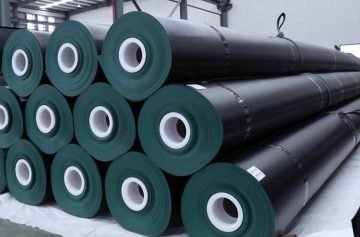
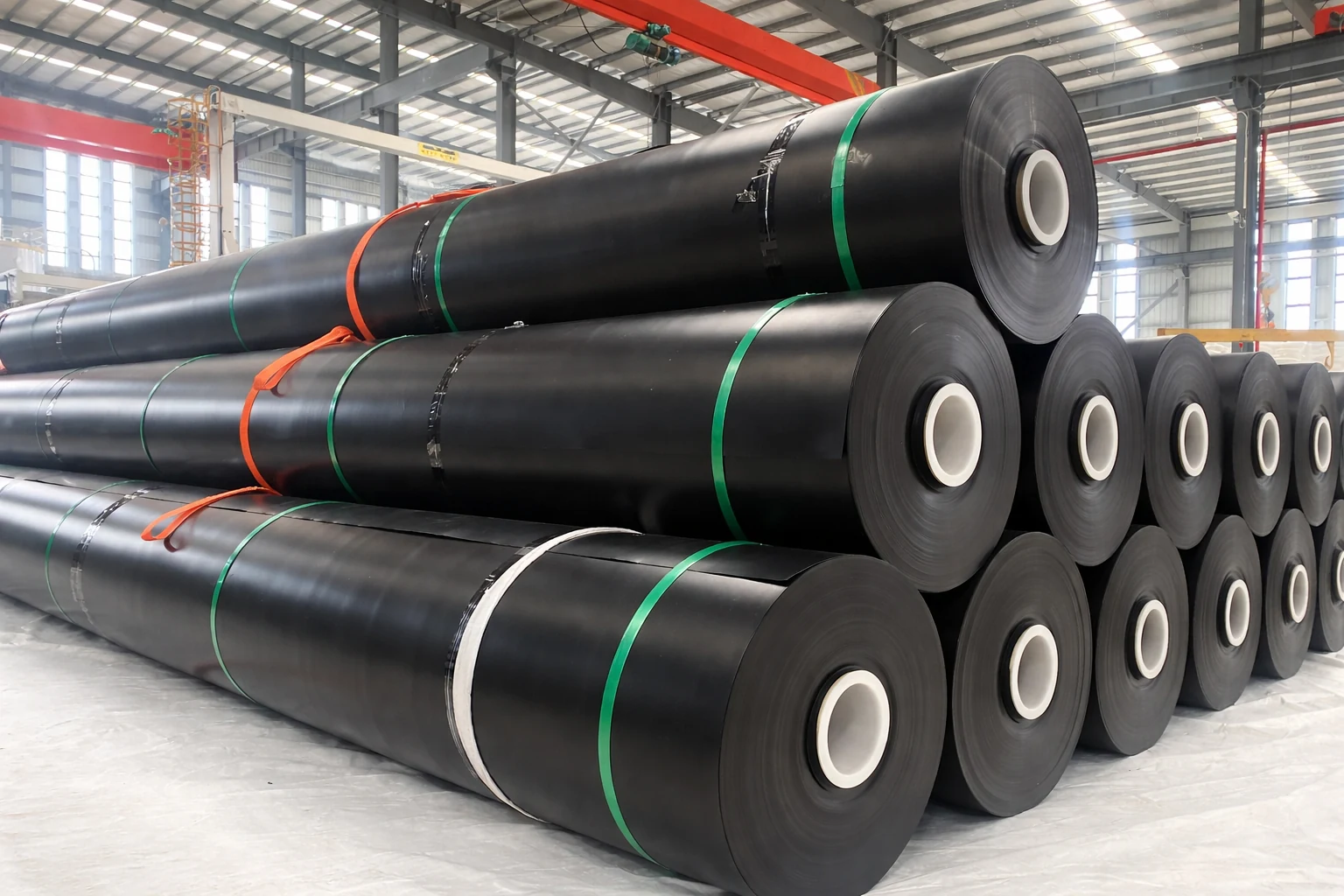
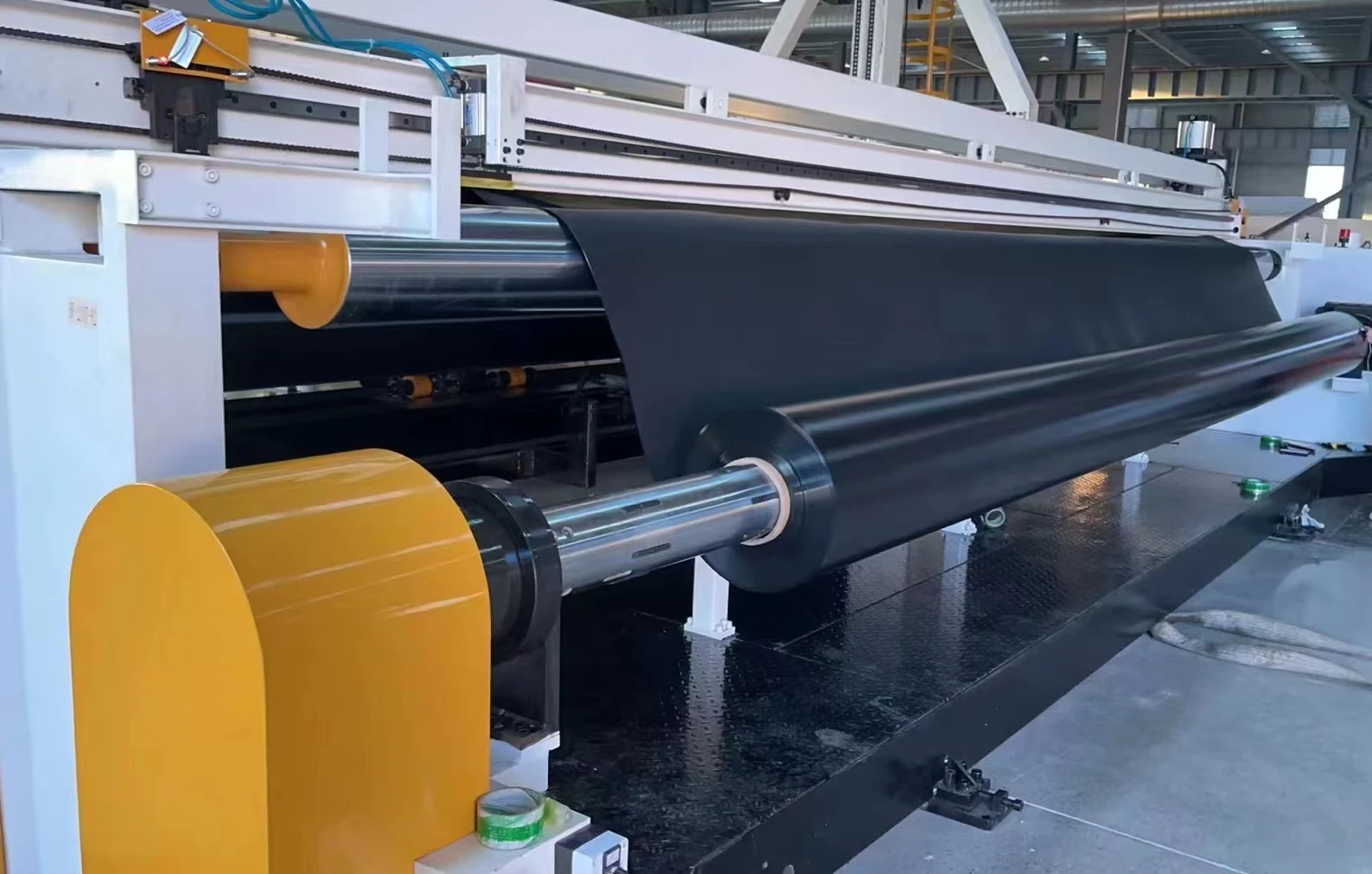
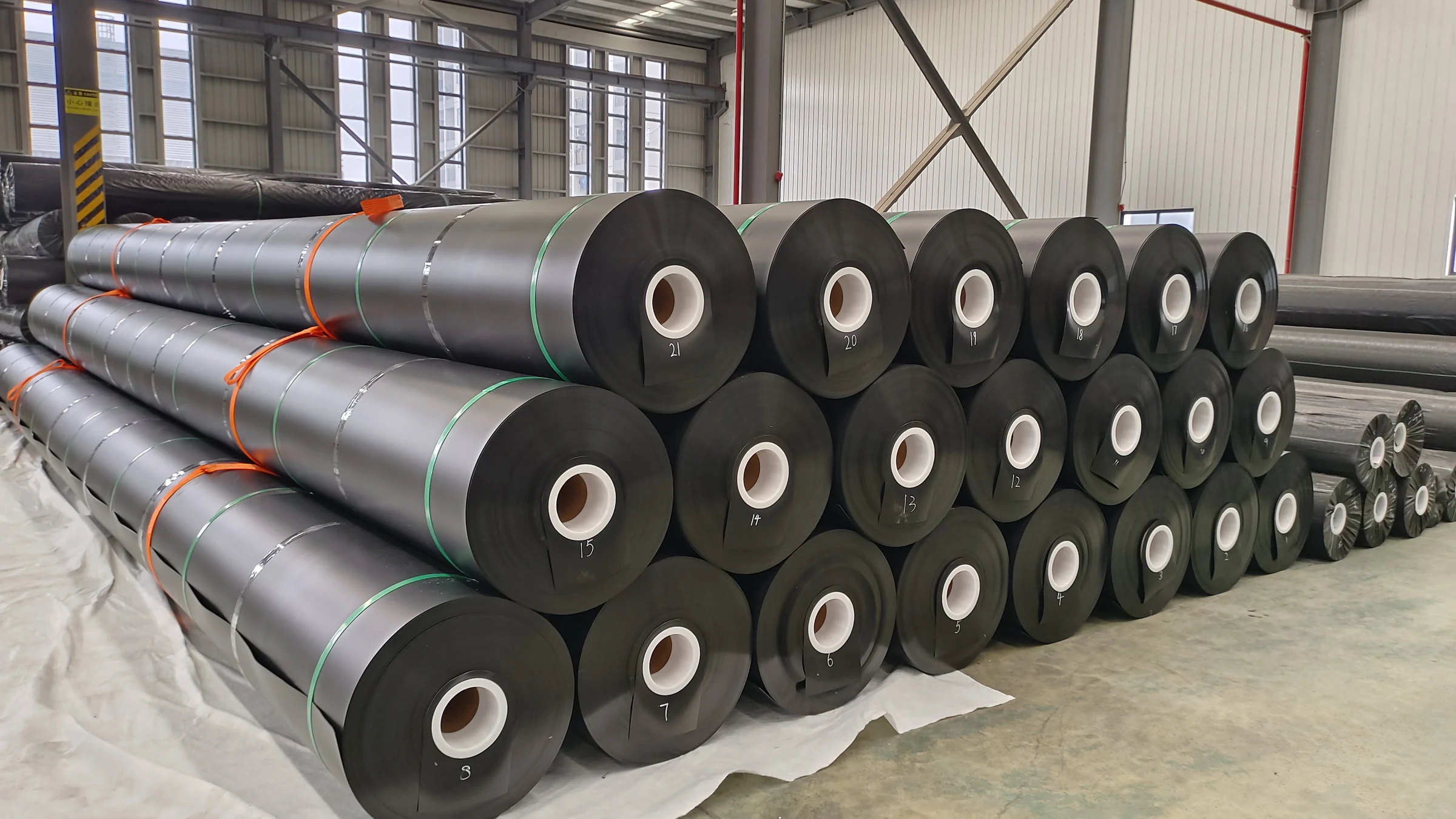

Choose an HDPE or PVC pond liner by the pond’s shape, water use, exposure, foundation condition and available installation method. HDPE is commonly considered for larger engineered ponds; flexible PVC can be useful where conformability and prefabricated panels matter. Neither is automatically best for every pond, and neither compensates for an unstable or sharp subgrade.
This page focuses on pond layout and construction decisions. For industrial liquid mixtures and specification approval, use the separate industrial HDPE–PVC comparison.
Start with the pond and its water
| Question | Why it affects selection |
|---|---|
| What will the water be used for? | Fish, irrigation, landscaping and drinking-water storage have different acceptance requirements. Ask for evidence applicable to the exact finished product. |
| Will the liner be exposed or covered? | Confirm UV resistance, permitted exposure before covering, cover materials and access for repairs. |
| Is the shape simple or heavily detailed? | Steps, corners, pipes and sumps affect panel layout and joint work. |
| Can groundwater rise outside an empty pond? | Uplift must be assessed separately from the internal water load. |
| Who will install and test it? | Available qualified installers, equipment, panel handling and QA can determine practicality. |
Flexibility and terrain adaptability
Flexible PVC generally drapes more easily than a comparable HDPE sheet, which may help around certain shapes. However, thickness, temperature and the actual formulation matter. Do not assign a universal “fit rate,” bridging percentage or installation-time saving from the polymer label.
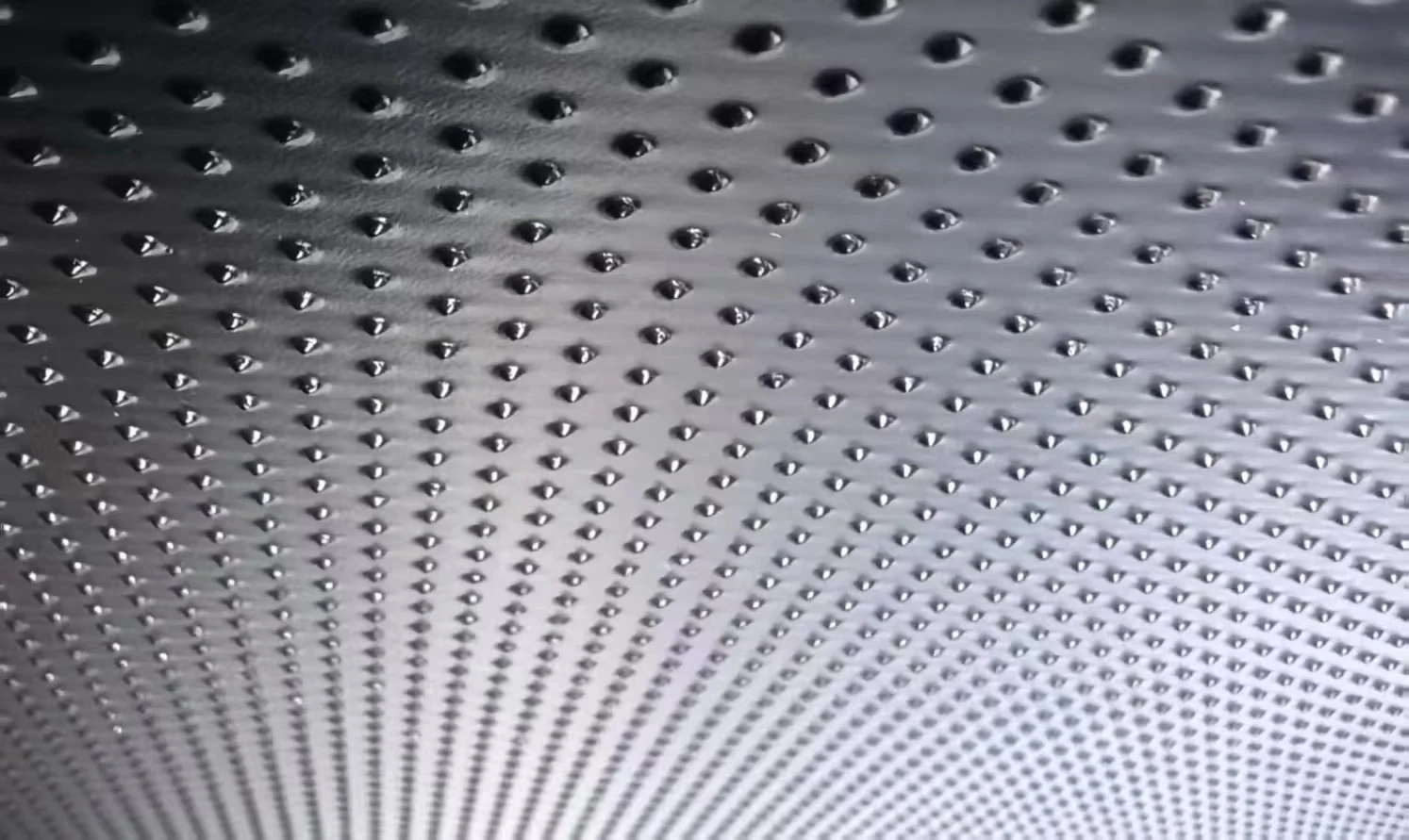
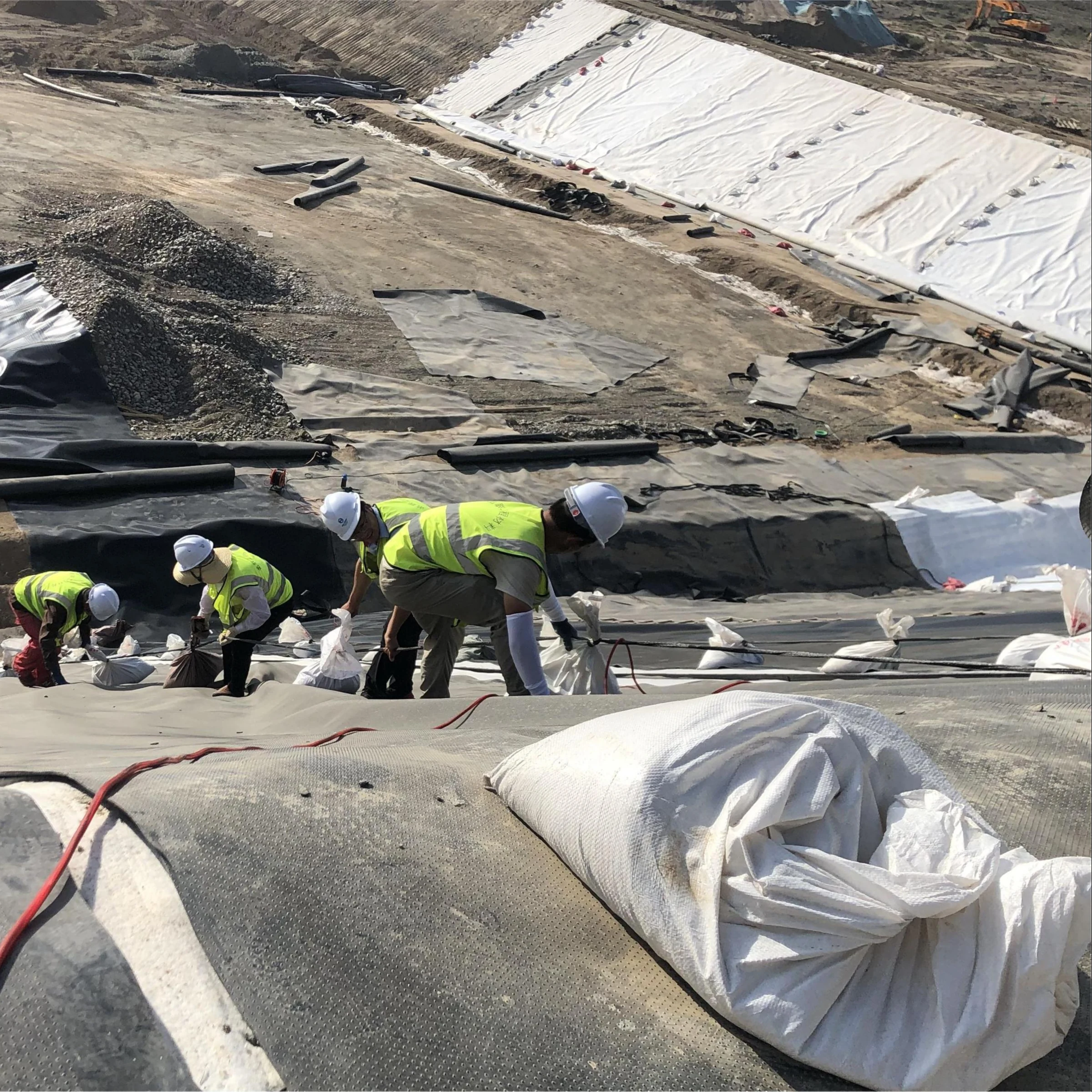
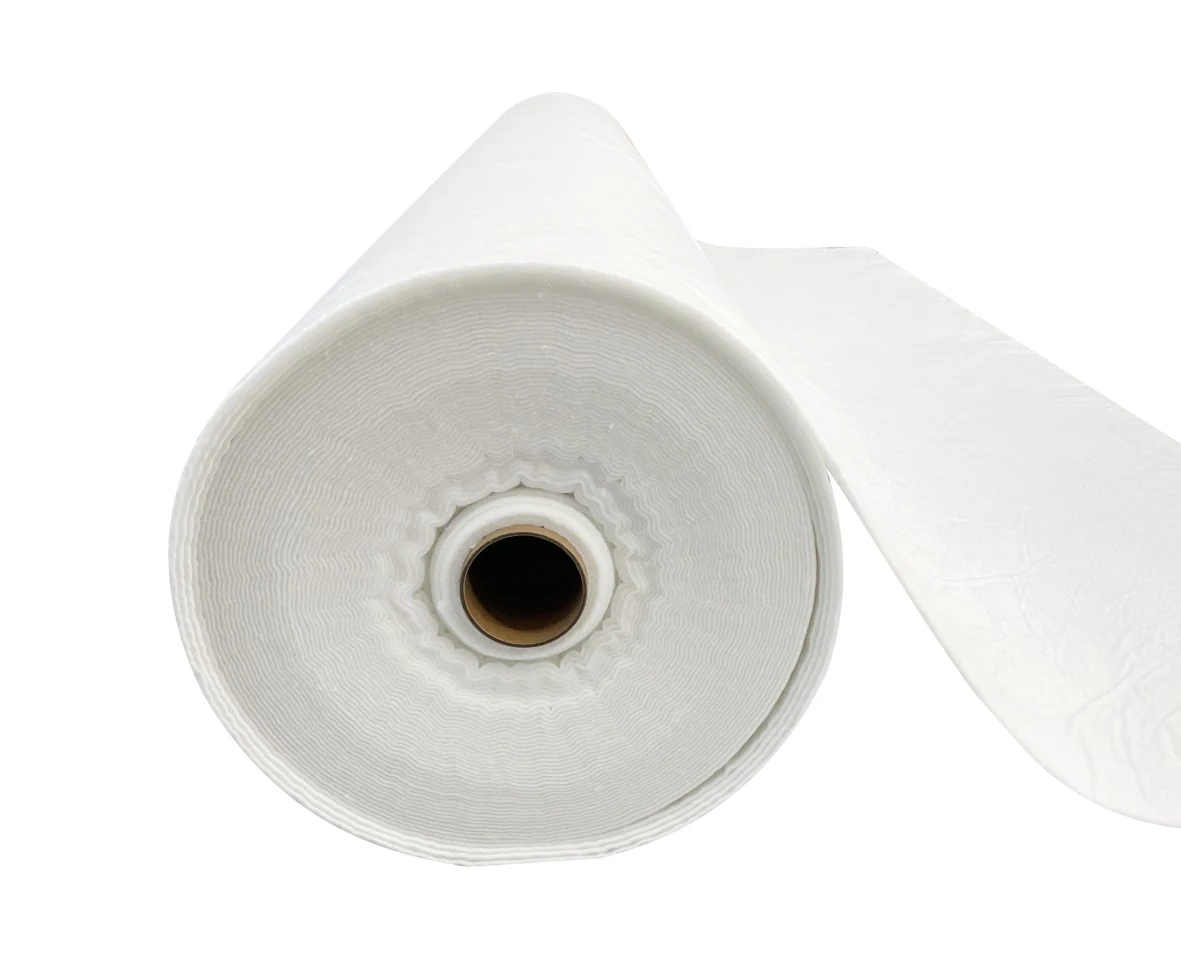
Prepare a stable, smooth bearing surface for either material. Remove protrusions and resolve soft spots and voids; do not leave sharp rocks because a flexible sheet appears to wrap around them. A nonwoven protection geotextile is selected against the substrate, covering material and load. A generic 200 g/m² fabric is not a universal leveling or puncture-protection solution.
Settlement is a design question
Elongation at break is not allowable field strain. Neither a laboratory elongation figure nor a percentage labeled “settlement” tells you whether a specific depression is acceptable. Review its depth, width, curvature, support, restraint and the location of seams and penetrations. Repair the foundation where required instead of relying on the liner to span a collapse.
Likewise, a textured surface does not establish a safe slope. Where interface stability matters, use project-relevant testing and design; both the lining and any cover layer need a stable arrangement.
UV, temperature and expected life
Ask the supplier to confirm whether the proposed grade is intended for the exposed or concealed arrangement. ASTM D7176-22 is a PVC specification for buried applications; conformity to it alone is not evidence for permanent exposure. Exposed HDPE also needs suitable formulation and durability evidence rather than a promise based on black color.
Laboratory aging hours do not directly become years outdoors. The official ASTM D8117 OIT scope and guidance does not support assigning a fixed remaining lifetime from OIT. Avoid promising HDPE 20–50 years or PVC 10–15 years without evidence for the actual grade and conditions.
Distinguish minimum handling temperature, qualified welding conditions and long-term operating temperature. A low-temperature specimen test is not permission to unfold, weld or load a liner at the same temperature. Follow product and procedure limitations, including dry, clean joint surfaces.
Seams, pipes and repair access
HDPE welding
Hot-wedge welding is commonly used on suitable panel seams; extrusion welding is used for appropriate details and repairs. Establish temperature, speed and pressure through the approved procedure and trial seams under actual conditions. A machine setting of 350–450°C is not a universal specification for the sheet surface.
Air-channel testing applies to suitable dual-track seams; vacuum or other approved methods may apply elsewhere. These continuity tests do not replace destructive peel/shear testing. Do not adopt one air pressure, duration, sample spacing or minimum force from an unrelated thickness and procedure.
PVC fabrication and field joining
PVC panels may be prefabricated to reduce field joints, subject to the fabricator’s product and method. Confirm panel dimensions, shipping mass, lifting plan, permissible folds, joint access and repair method. Thermal or approved chemical joining must follow the manufacturer’s qualified instructions. Do not drag panels over abrasive ground or assume field labor requires no training.
Pipe connections need compatible materials, movement accommodation and inspectable details. A flexible liner does not by itself guarantee a watertight flange. Check boots, clamps, seals and adjoining structures under the approved design before covering them.
Calculate quantity and compare installed cost
Measure the developed surface of the floor and slopes, then include the actual anchor and panel details. Slopes are not their horizontal projections, and a simple bounding sheet has surplus corner material that differs from the sum of the lined surfaces. The pond-liner quantity guide provides a worked calculation.
Unit check: 30 mil = 0.762 mm and 60 mil = 1.524 mm. Conversely, 0.75 mm ≈ 29.5 mil and 1.5 mm ≈ 59.1 mil. These conversions do not select the design thickness. State which unit system and tolerance control acceptance.
| Cost line | Compare on the same basis |
|---|---|
| Sheet supply | Approved grade, thickness, gross area, panel dimensions and unusable offcuts. |
| Preparation and protection | Ground repairs, specified protection layer, uplift provisions and cover. |
| Installation | Handling, field joints, pipes, anchors, temporary restraint and access. |
| Acceptance | Inspections, testing, repairs, retesting and as-built records. |
| Operation | Cleaning access, inspection, compatible repairs and future drainage or maintenance work. |
For example, an assumed 1,000 m² material allowance at a quoted $2.50/m² is $2,500 for that line only. Freight, tax, installation and QA are additional unless included in the offer. This is arithmetic, not a Jinseed price or proof that one polymer is cheaper overall.
Acceptance and maintenance checklist
- Match roll or panel identification to the approved product and reports.
- Accept the prepared subgrade and protection layer before covering them.
- Record seam locations, tests, pipe details, repairs and retests.
- Check the anchor and cover details and resolve wrinkles or unsupported areas under the approved procedure.
- Plan controlled filling, observation and the response to unexplained water loss.
- During service, inspect accessible joints, edges and penetrations; investigate groundwater or drainage problems before emptying the pond.
Water-level loss alone does not locate a liner defect: rainfall, evaporation, withdrawals, overflow and plumbing leaks also affect the balance. Compare measured inputs and outputs before assigning the loss to the sheet.
Which option should go into the quotation?
Shortlist the grades that satisfy the required water-contact, exposure and mechanical conditions, then compare layout and installed cost. If neither is supported for the site, revisit the system design or other suitable materials rather than forcing a binary choice. To assess an HDPE pond-lining option, send the pond sections, water use, exposure and installation location with your enquiry.