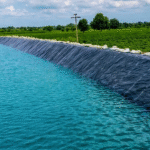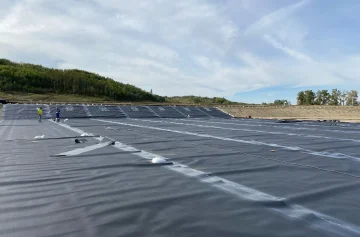

Cold-weather geomembrane installation depends on the temperature and condition of the sheet, the approved procedure and demonstrated seam quality—not on a universal “add 20°C to the welder” rule. HDPE does not suddenly become brittle at water’s freezing point. Below-freezing work needs specific review, clean and dry interfaces, suitable equipment and qualifying trial seams.
This guide helps site supervisors and construction quality assurance teams decide what must be checked before work proceeds. It covers temperature limits, material flexibility and seaming challenges. It is not a machine-setting recipe.
Temperature limits
Which temperature controls the decision?
Record ambient air temperature and the actual geomembrane surface temperature near the work. Sun, shade, wind, the ground and conditioning can produce different readings. A weather-app temperature is not a substitute for measuring the material. Measure and record using suitable equipment and the agreed procedure.
The IAGI polyethylene installation guideline, sections 3.03 and 3.04, treats deployment and seaming separately. Below 0°C (32°F) material temperature, deployment needs the owner’s representative’s approval. Subzero seaming requires an approved procedure and demonstration that the specified seam requirements can be met. This is a project-control framework, not evidence that all products fail at 0°C.
GRI GM9, revision 1 dated January 2013, addresses thermal-fusion and extrusion seaming at sheet temperatures from 0°C to −15°C (32°F to 5°F). It generally discourages seaming below −15°C. That range is the guidance document’s scope, not blanket permission to work down to −15°C on any project.
| Observed condition | Required decision | What it does not establish |
|---|---|---|
| Air above freezing, sheet colder | Assess measured sheet condition and project limits | That air temperature alone authorizes welding |
| Sheet below 0°C | Confirm approved cold-weather procedure and qualifying trials | That a fixed temperature offset will produce a sound seam |
| Below the procedure’s qualified range | Hold work pending an approved reassessment | That a warmer tent automatically qualifies the work |
| Frost, precipitation or wet seam surfaces | Restore the permitted clean, dry working conditions | That the welding wedge can simply evaporate contamination |
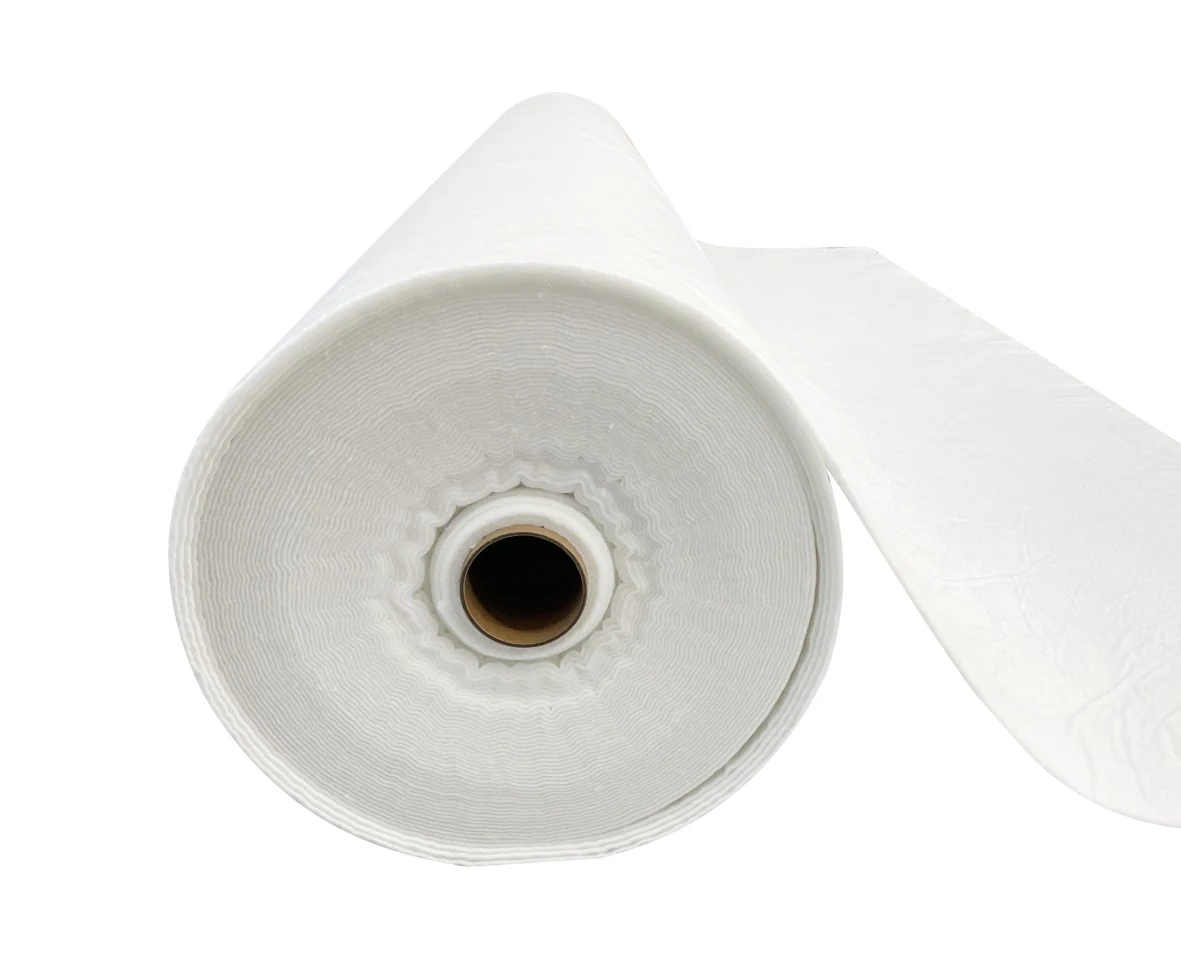
| Frozen or thaw-unstable support | Reassess the subgrade before deployment | That a protection fabric corrects inadequate foundation preparation |
Define a work window before mobilizing
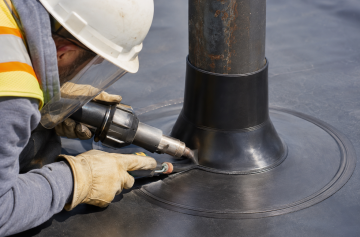
The approved plan should identify material, deployment and seaming limits; surface-preparation methods; equipment; temporary restraint; trial and production testing; and who can release or suspend work. The plan also needs to address details such as pipe boots and repairs. A successful straight trial seam does not demonstrate every fabrication detail.
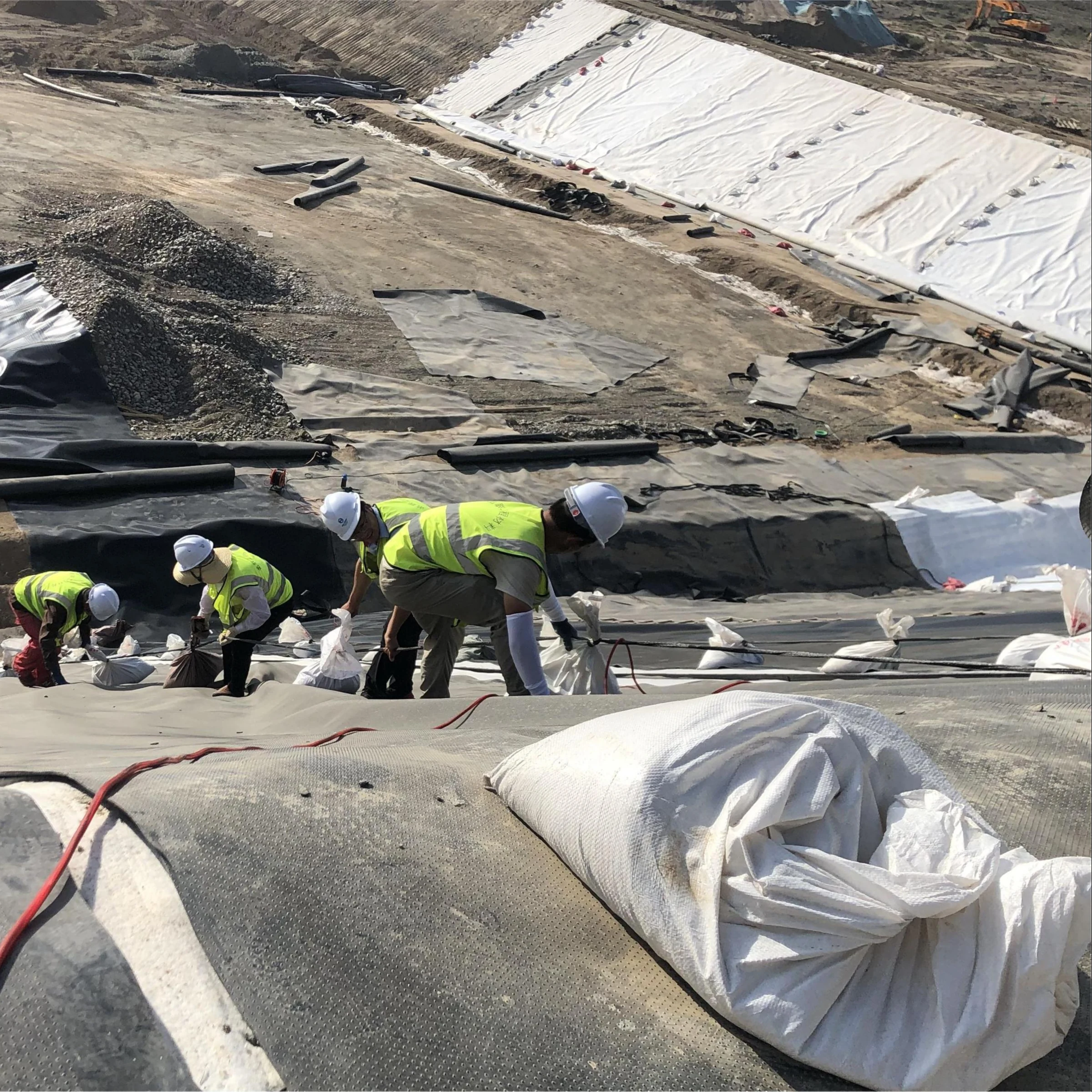
Set out only the quantity that can be managed under the day’s approved sequence. Do not substitute a universal four-hour window, wind speed or sandbag spacing for the site plan. Unsecured sheets can move even when the material itself is suitable for the temperature.
Material flexibility
Do not select a replacement polymer from density alone
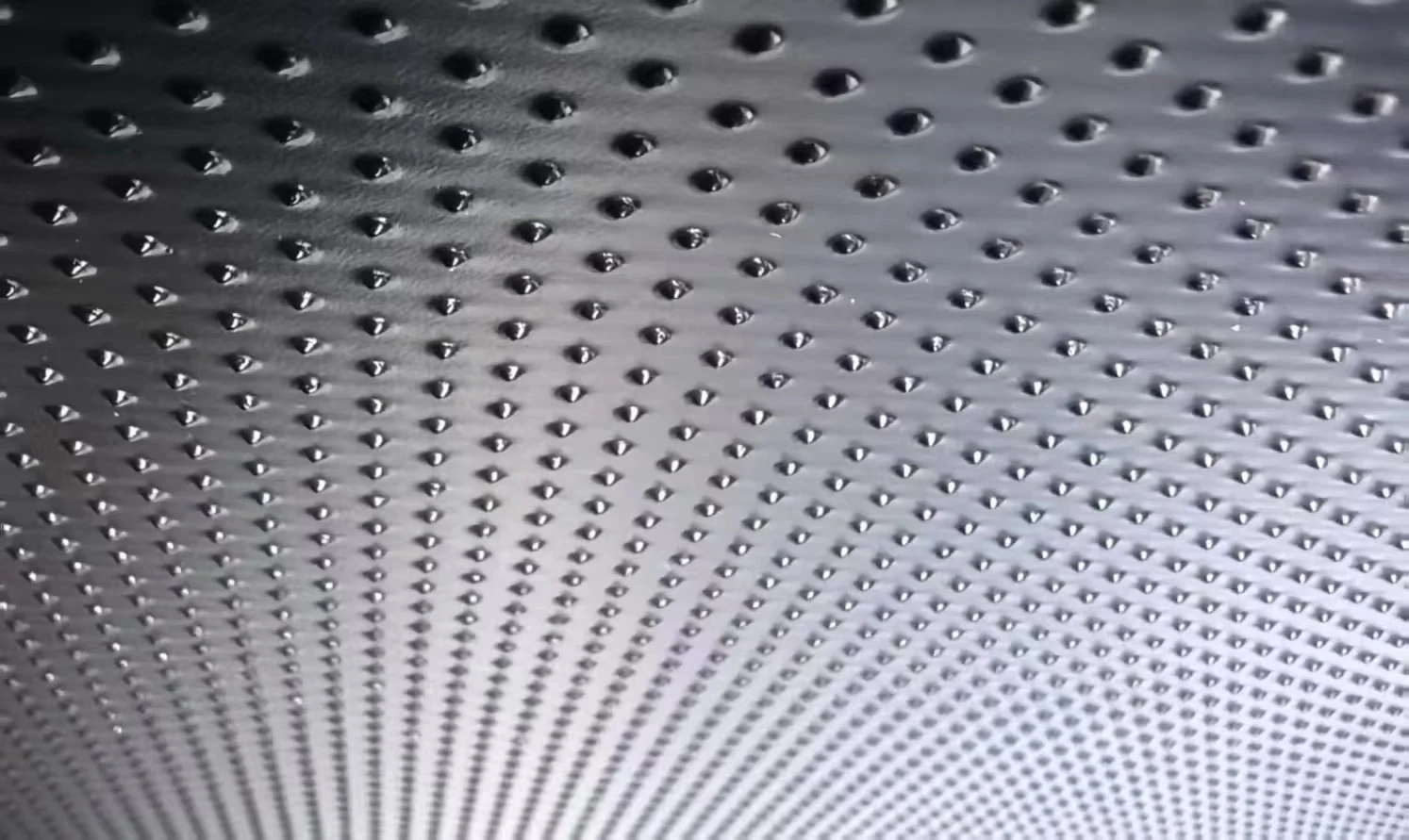
HDPE, LLDPE and EPDM have different formulations, mechanical behavior and joining methods. A density cutoff does not specify a safe deployment temperature. Replacing specified HDPE with LLDPE or EPDM changes the design and requires approval; flexibility is only one consideration alongside chemical compatibility, stress, interfaces, exposure and joining details.
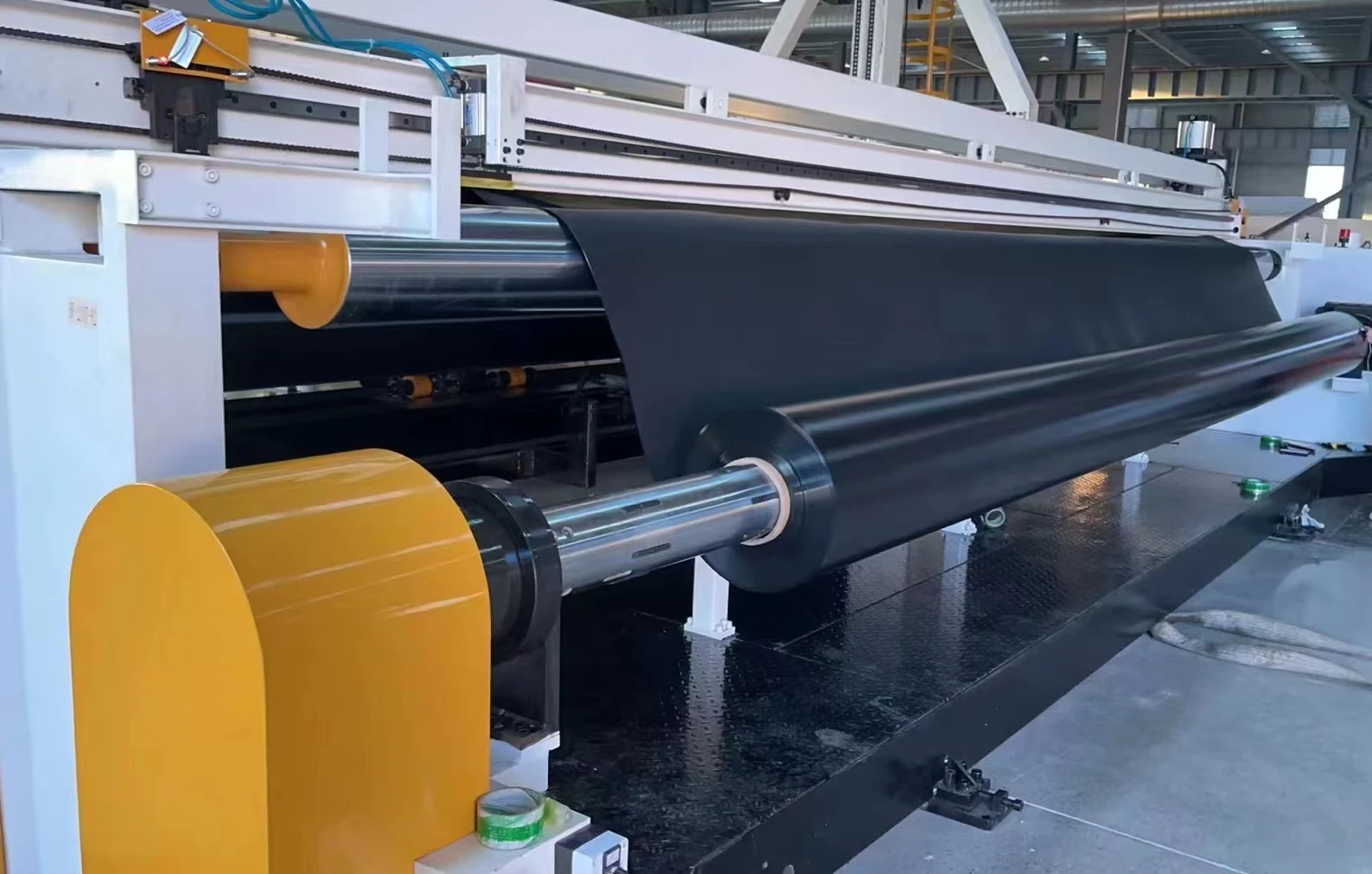
Check the actual grade’s data and conditioning instructions. Do not use an alcohol-soak-and-stomp demonstration as a material acceptance test, or treat an OIT result as a simple oven-survival test. Factory quality data, low-temperature evaluation and field seam qualification answer different questions.
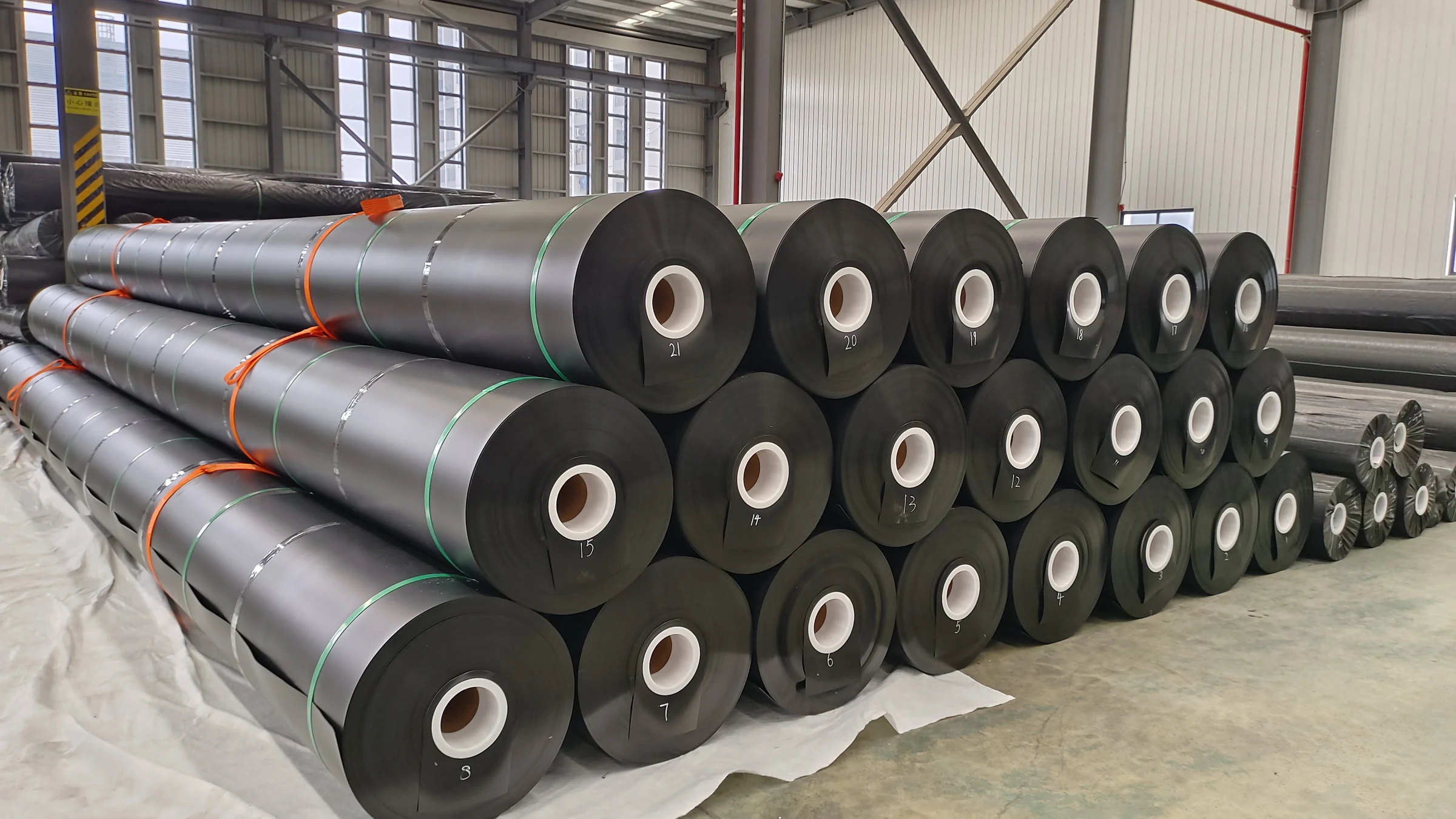
For supplied grades, start with Jinseed’s HDPE geomembrane information and request the applicable reports. A general product page does not authorize an unreviewed cold-weather substitution.
Allow for temperature movement without prescribing an anchor detail
Contraction and restraint deserve attention, but the movement depends on the material and temperature change. For illustration only, if a supplier provided a linear expansion coefficient of 1.5 × 10⁻⁴/°C, an unrestrained 80 m length cooling by 20°C would change length by about 0.24 m: ΔL = αLΔT. This assumed coefficient is not a declared Jinseed property.
The calculation does not give an anchor-trench size or required installation slack. Restraint, slopes, interfaces, wrinkles and geometry change the response. Obtain the project detail and inspect transitions rather than pulling a cold panel tight or forcing creases flat. Do not modify handling equipment, add improvised counterweights or manufacture texture with a flame.
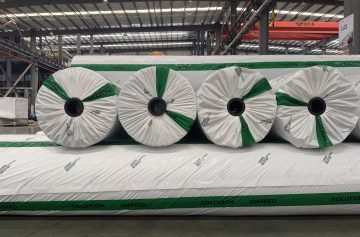
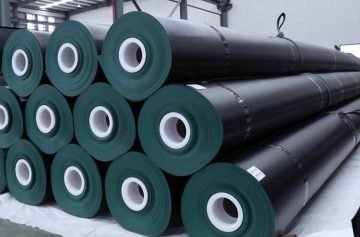
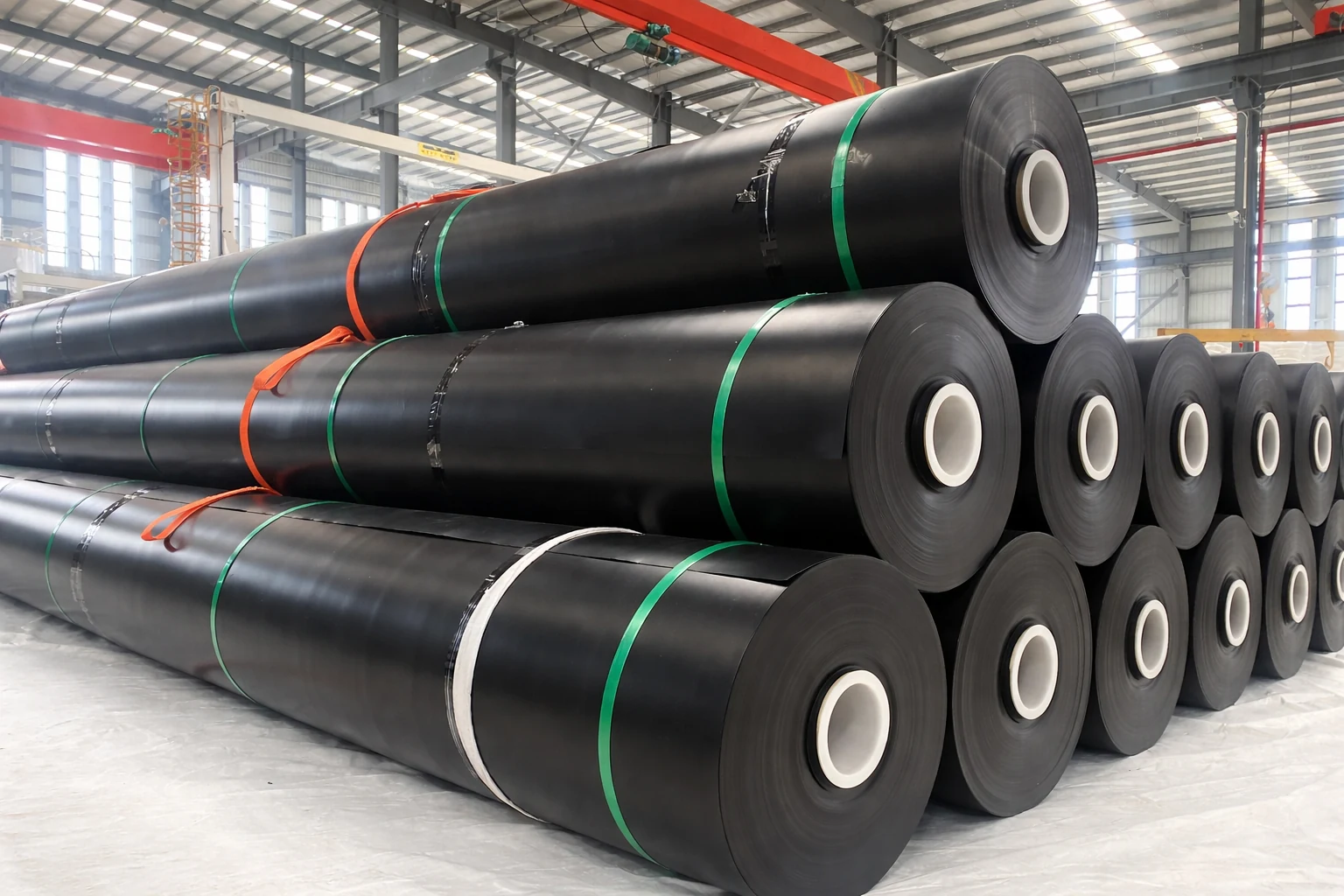
For storage and movement before deployment, see the HDPE roll storage checklist and roll handling and damage inspection guide.
Seaming challenges
Control frost, condensation and contamination
GRI GM9 requires frost removal and drying of residual moisture in the seam area; it also addresses contamination and frost beneath the lower sheet where welding equipment runs. It allows carefully controlled hot-air preparation assessed through trial seams. Do not substitute an open flame or assume a particular nozzle temperature, distance or dwell time is suitable for every membrane.
A shelter can help control wind, but its use needs a planned arrangement for heating, ventilation, access and fire safety. Check for condensation returning to the prepared surfaces. Do not use automotive antifreeze, unapproved solvents or improvised gas-cylinder heating as substitutes for the specified preparation and testing procedure.
Qualify the whole welding setup
Temperature, speed, pressure, equipment condition and material thickness interact. Slower travel or higher temperature alone does not prove adequate fusion. Trial seams should represent the production material, equipment, operator and working conditions. Requalify when the procedure requires it or when a meaningful change makes the previous trial unrepresentative.
Extrusion welding uses compatible molten polymer; it is not application of ordinary glue. Surface preparation, welding rod, bead geometry and cooling must follow the qualified method. Do not prescribe an aggressive grinding depth or a generic bead dimension across different sheet thicknesses.
Keep seam strength testing separate from leak checks
ASTM D6392 covers destructive peel and shear testing of nonreinforced thermofusion geomembrane seams. Record test conditions and the specified failure criteria; a cold field specimen’s result should not be compared casually with a differently conditioned reference. GM9 discusses this temperature-related interpretation issue. There is no universal “90% strength” rule that replaces the project acceptance requirements.
ASTM D4437/D4437M summarizes nondestructive seam-integrity methods. Such checks do not substitute for destructive strength testing. The appropriate method depends on the seam configuration and approved quality plan.
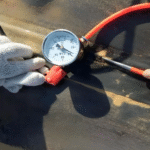
For a dual seam with a testable channel, ASTM D5820 addresses pressurized air-channel evaluation. Use the specified pressure, stabilization period, duration and interpretation criteria. Do not increase the permitted pressure loss simply because the weather is cold; resolve temperature effects within the approved method.
Check pressure units before use: 0.25 MPa = 250 kPa = 2.5 bar, whereas 2.5 MPa = 2,500 kPa = 25 bar—a tenfold difference. These are unit conversions, not recommended test pressures. A universal 2.5 MPa air-channel instruction is inappropriate.
ASTM D5641/D5641M covers vacuum-chamber evaluation. Use compatible test fluid and suitable conditions. Spark testing is also configuration-dependent; a fixed high-voltage sweep is not a universal way to accept all seams or all liner areas.
Cold-weather hold points and records
- Before deployment: identify the roll, inspect the material and subgrade, record temperatures and confirm the approved limits.
- Before production welding: confirm prepared interfaces and obtain accepted trials for the current setup.
- During work: record conditions and equipment settings; pause when moisture, wind, material movement or equipment behavior leaves the qualified procedure.
- After welding: perform the specified destructive and nondestructive tests; investigate failures and record their boundaries.
- Before covering: close repair and retest records and obtain the required release.
A useful log links the roll and panel IDs, seam ID, time, air and sheet temperatures, welder and operator, trial results, production test results, defect locations and repair status. Unresolved damage should remain identifiable until it is assessed and closed out.
For a product enquiry, send the expected conditions, specified grade, thickness and project requirements to info@jinseed-geo.com. Site-specific installation approval remains with the responsible project parties.
Frequently asked questions
Can HDPE geomembrane be installed below freezing?
It can be possible under a qualified and approved procedure. The specific material, measured conditions, construction details and test results determine acceptance; neither a blanket ban at 0°C nor blanket permission to −15°C is appropriate.
Does a passing air-channel test prove a strong weld?
No. It evaluates the tested channel’s integrity under the procedure. Peel and shear tests address different properties and remain necessary where specified.
Can a protection geotextile make frozen subgrade acceptable?
Not by itself. Protection fabric does not establish subgrade stability or eliminate thaw settlement. The foundation must satisfy the project requirements.
Referenced guidance and test standards explain scope and evidence requirements. Apply the contract’s specified editions and the approved installation and CQA procedures.