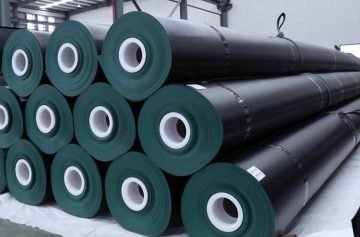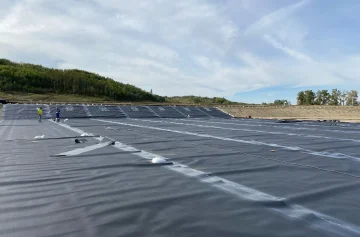
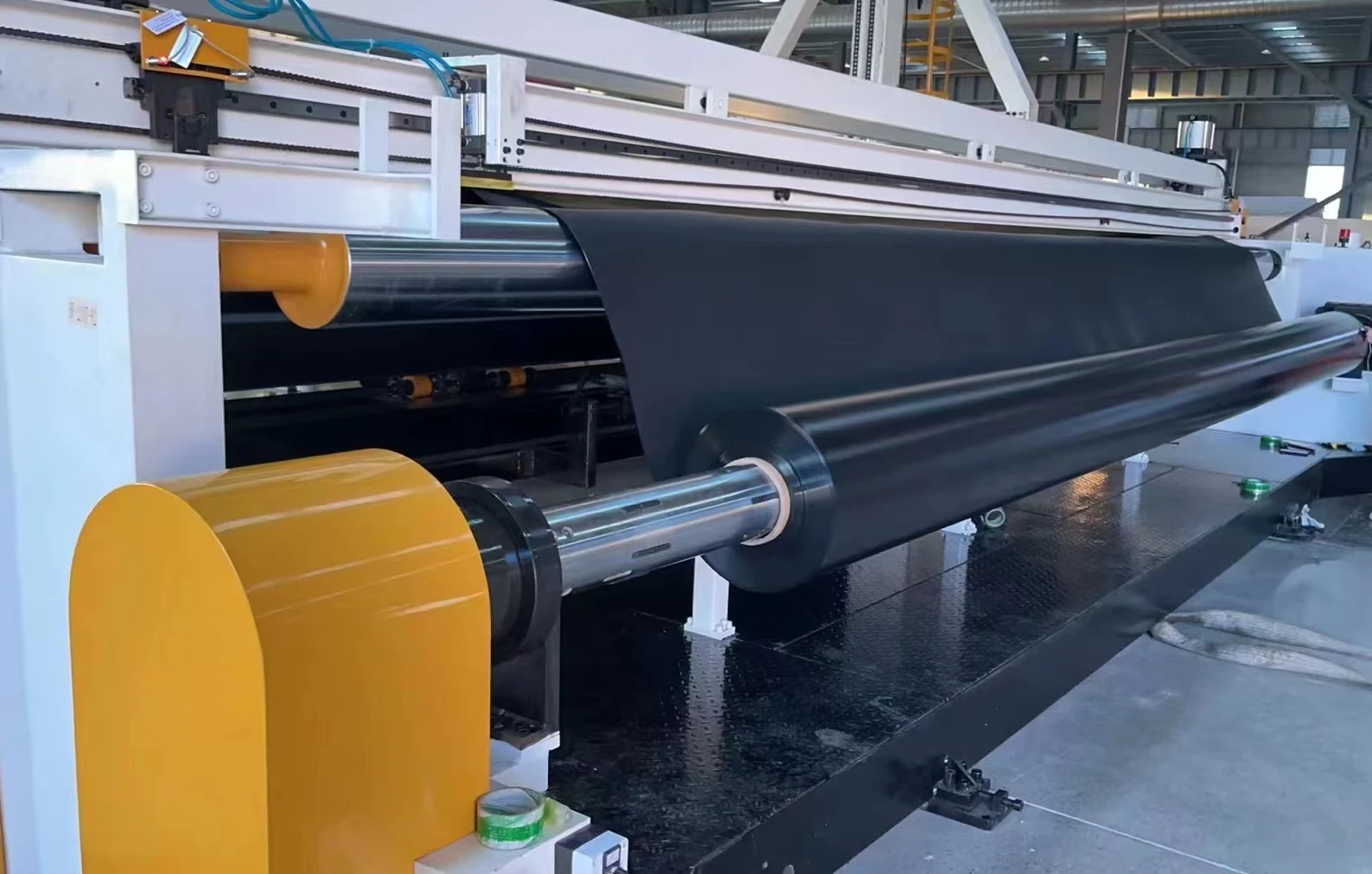

You can propose a different geomembrane brand, but matching the polymer and nominal thickness does not make it an approved substitute. Check whether the contract allows substitutions, compare the exact products against the project requirements, disclose deviations and obtain the required written approval before committing the replacement to the work.
This guide is for procurement teams, contractors and technical reviewers. It addresses a product change, not a change of engineering responsibility: the supplier provides evidence, while the authority identified in the project approval procedure makes the acceptance decision.
Start with the approval route
Read the named-product clause, approved-manufacturer list, substitution procedure and relevant drawings together. “Or equal” establishes a route for evaluation; it does not allow the supplier to declare equivalence unilaterally. Confirm who can approve technical changes, whether the owner must accept commercial changes and when the submission is due.
If substitutions are prohibited, ask the authorized project representative whether a formal change is possible. If the wording is unclear, request clarification. A quotation acceptance, delivery to site or an informal distributor email is not necessarily material approval.
Compare the specified and proposed products on the same basis
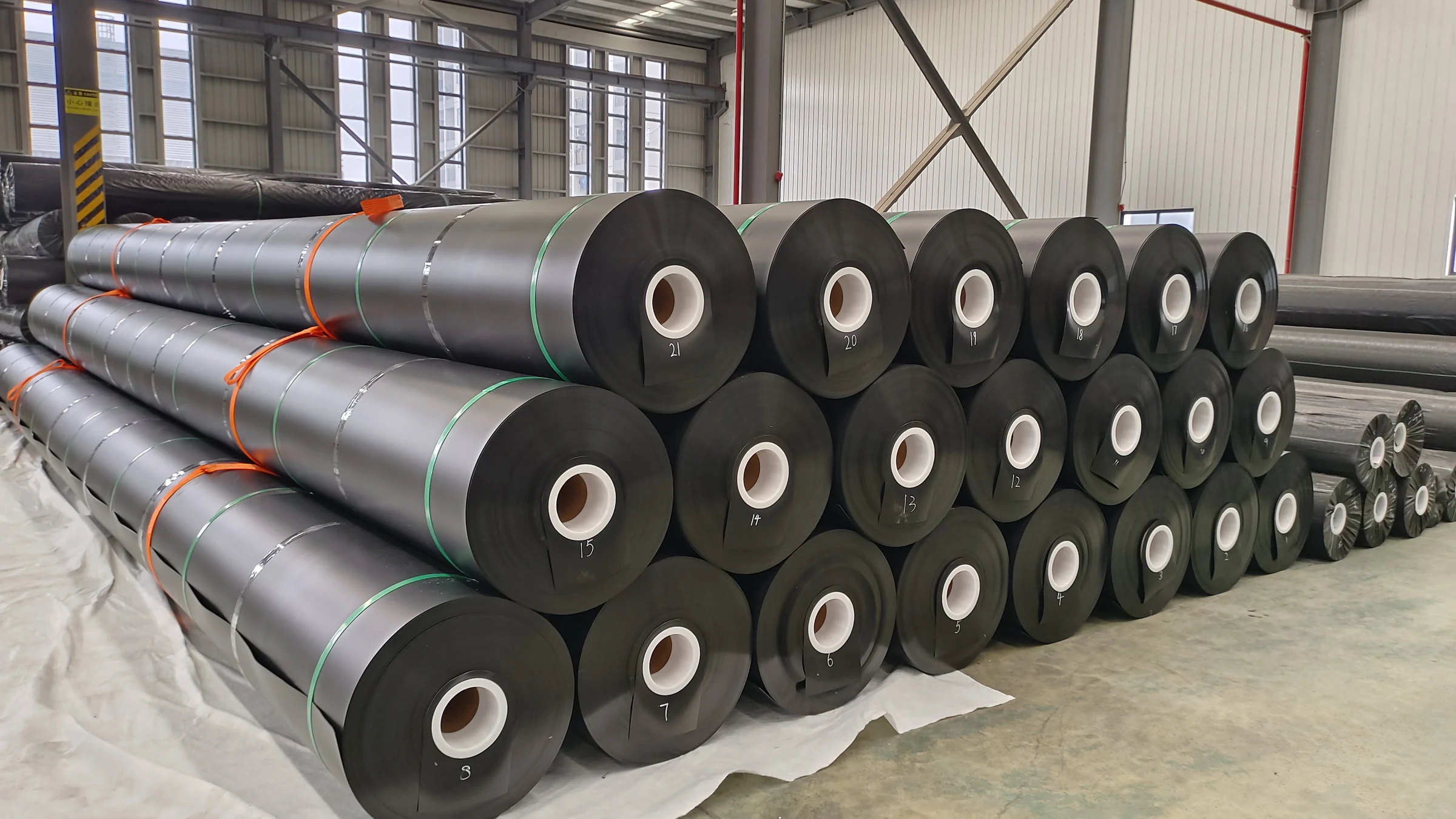
Identify the manufacturer, manufacturing location where relevant, exact grade, nominal thickness and surface finish. Record each requirement, proposed value, test method and evidence reference. Mark missing results as not demonstrated; do not fill gaps with another grade’s brochure.
| Review item | Evidence needed | What a simple match misses |
|---|---|---|
| Polymer and formulation | HDPE or LLDPE grade, formulation identification and project restrictions | A change of polymer family requires review even at the same thickness. |
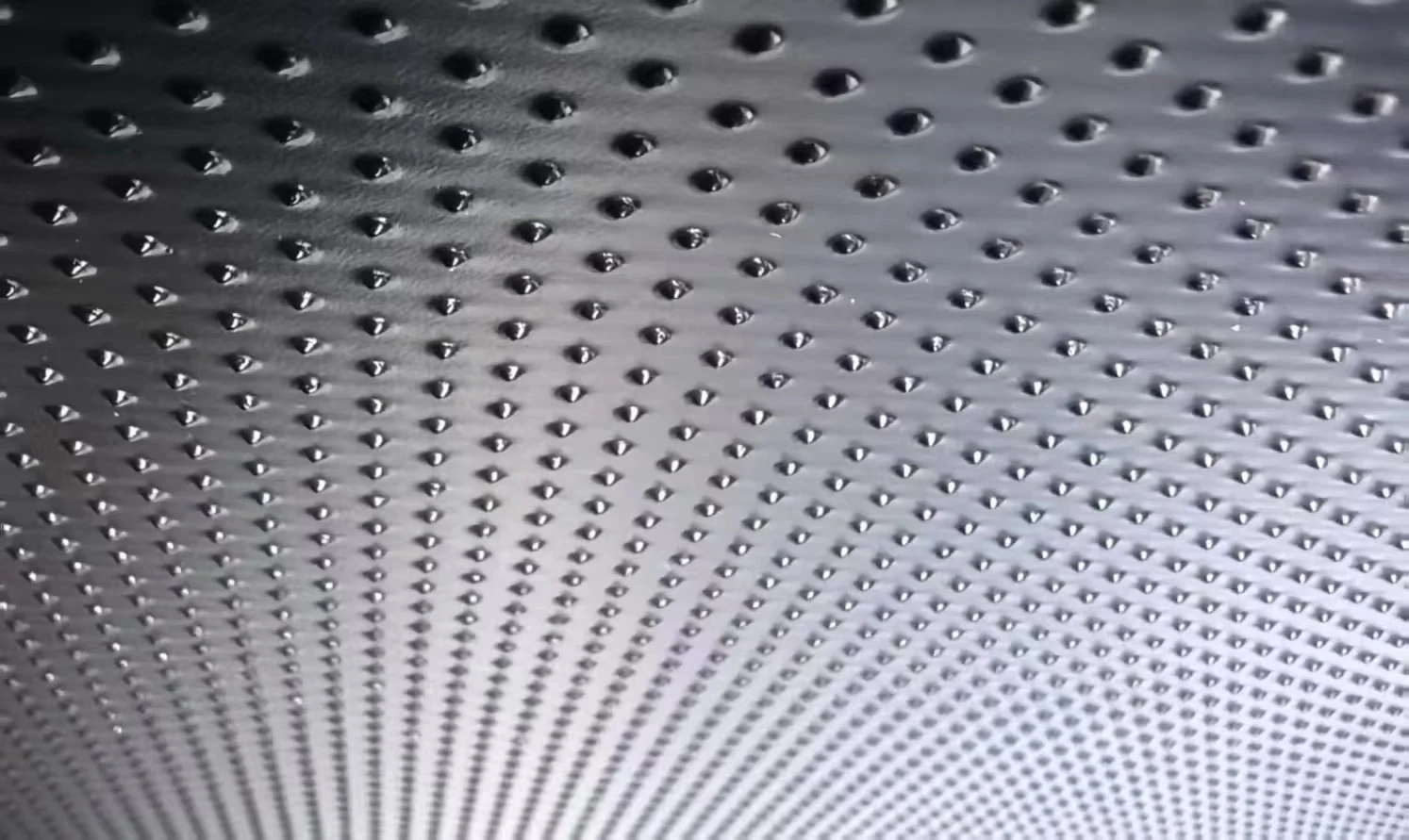
| Thickness and surface | Units, tolerances, measurement method and smooth/textured faces | 1.5 mm is approximately 59.1 mil; 60 mil is 1.524 mm. Rounded labels are not identical limits. |
| Material properties | Required results, methods, directions, conditions and acceptance basis | Typical values cannot automatically replace guaranteed minima or batch results. |
| Durability and exposure | Relevant aging evidence, liquid composition, temperature and exposure | OIT is not a standalone field service-life guarantee. |
| Interface behavior | Project-relevant interface shear evidence where the design needs it | Texture appearance alone does not establish slope stability. |
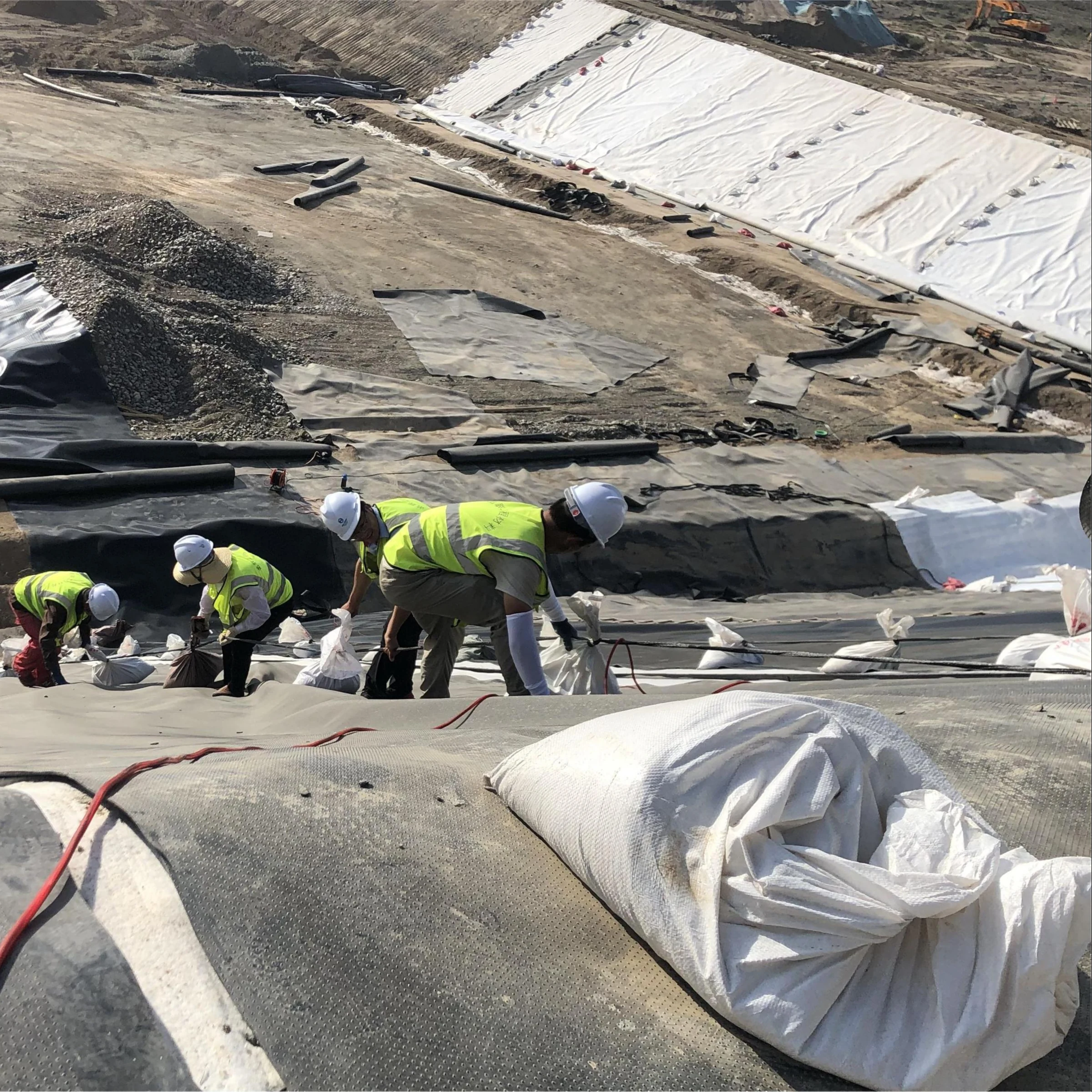
| Joining and details | Welding procedure, qualifications, trial seams and connection compatibility | A change may require revised trials or approved connection details. |
| Supply and traceability | Manufacturing QC plan, roll identification and report availability | An acceptable sample does not identify the rolls subsequently delivered. |
| Commercial conditions | Quantities, lead time, warranty scope and additional testing costs | A lower unit price can introduce testing, delay or installation costs. |
Use the project-adopted material specification, such as GRI-GM13 for HDPE or GRI-GM17 for LLDPE where specified. The official GRI specification index distinguishes these material specifications from seam specifications. Material conformity does not by itself establish suitability for a chemical liquid, a particular slope or a complete installed lining system.
Build a reviewable substitution package
- Describe the change. Name the specified product, replacement, affected drawings and reason for the request.
- Attach a requirement matrix. Include all deviations, even where the proposed result appears higher. Higher stiffness is not automatically better for settlement accommodation.
- Attach traceable evidence. Include dated data sheets, relevant reports and a manufacturing QC description. Separate qualification evidence from results representing the proposed supply lot.
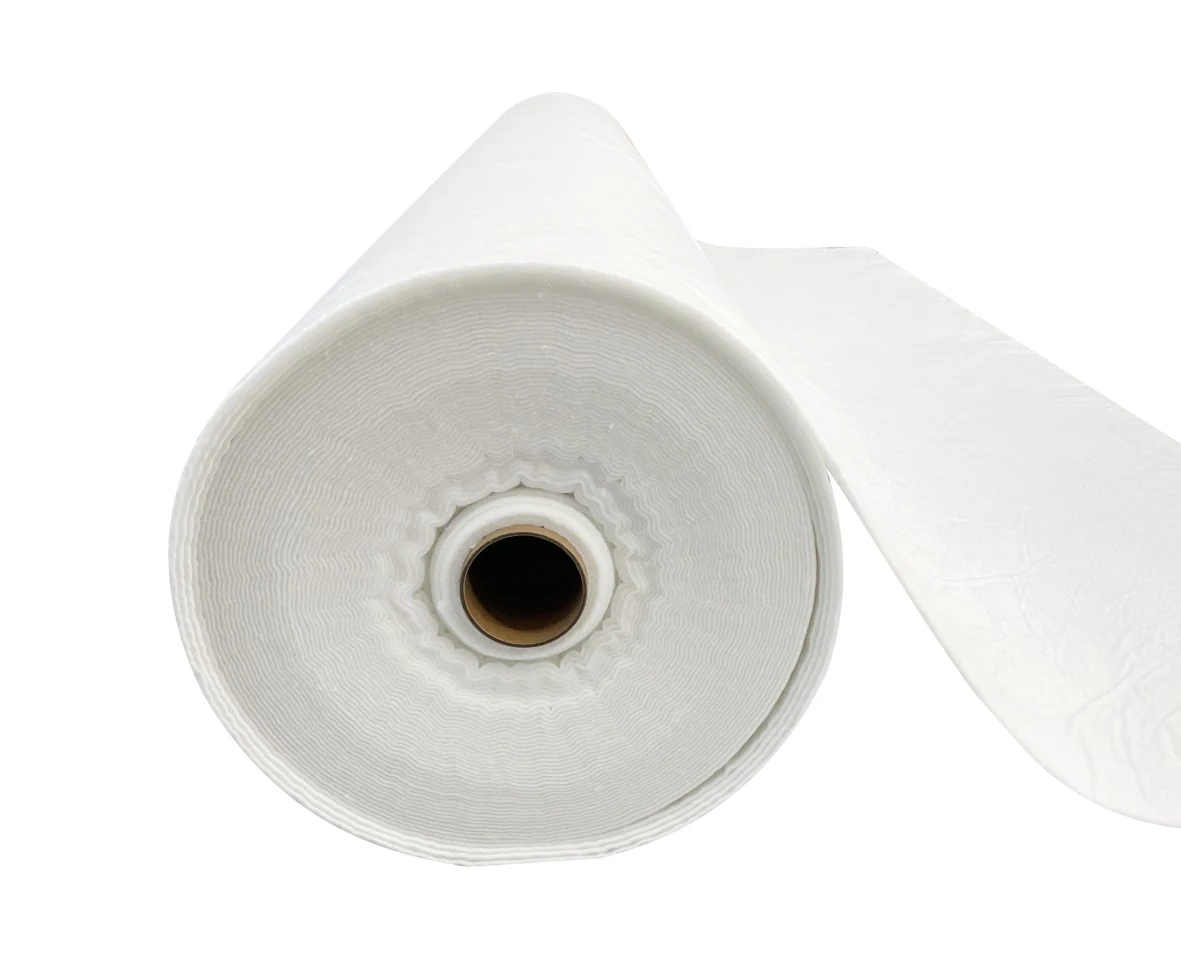
- Resolve design interfaces. Ask the responsible reviewer to assess exposure, protection layers, interfaces, penetrations and joining where the change matters.
- Document commercial consequences. Identify testing costs, schedule effects, warranties and responsibility for rejected supply.
- Record the decision. Keep the approval reference, accepted grade, revision and any pre-shipment or installation-release conditions together.
UFGS 02 56 13.13, Geomembrane Waste Containment, illustrates separate submittal, manufacturing QC and construction QA requirements. It is a project-editable guide for waste containment, not a universal set of requirements for every liner project.
Approval, shipment release and installation release are different decisions
A product may be approved in principle while delivery remains on hold pending batch records. A shipment may have complete paperwork while containing damaged or mislabeled rolls. Use separate fields for technical approval, document completeness, delivery inspection and permission to install.
For example, an approval stating “Grade B, 2.0 mm smooth HDPE, subject to conformance testing” is not an unconditional release of every Grade B delivery. Record the remaining condition against each affected lot and identify who may close it. This is an illustrative approval condition, not a Jinseed product claim.
Continue with the report-to-roll verification workflow, and retain installation records in the project handover file.
Reasons a substitution cannot yet be accepted
- The report identifies a different thickness, surface, formulation or plant without an explanation of applicability.
- The comparison mixes test methods, typical values and minimum acceptance limits.
- A required property or test direction is absent.
- The change affects chemical exposure, a liner interface or joining without supporting review.
- The approval comes from someone without delegated authority, or its conditions remain open.
Missing evidence means the claim is unverified, not automatically that the material is defective. Request the specific missing record or test and retain the approval hold until the authorized reviewer resolves it.
Questions before changing brands
Is the same thickness enough to prove equivalence?
No. Compare tolerances, polymer, surface, mechanical and durability requirements, project interfaces and traceability against the actual specification.
Can a supplier certificate replace independent testing?
Only where the contract accepts that evidence for the requirement. A manufacturer declaration does not remove specified independent conformance testing.
Can an approved replacement be changed again?
Do not assume the approval covers another grade, formulation, plant or surface. Identify the proposed change and follow notification and reapproval requirements.
Prepare a comparable geomembrane enquiry
Send the specified grade, thickness, surface, exposure conditions and approval requirements. Identify documents needed with the quotation and before shipment.
Material approval and traceability checklist · HDPE liners · LLDPE liners