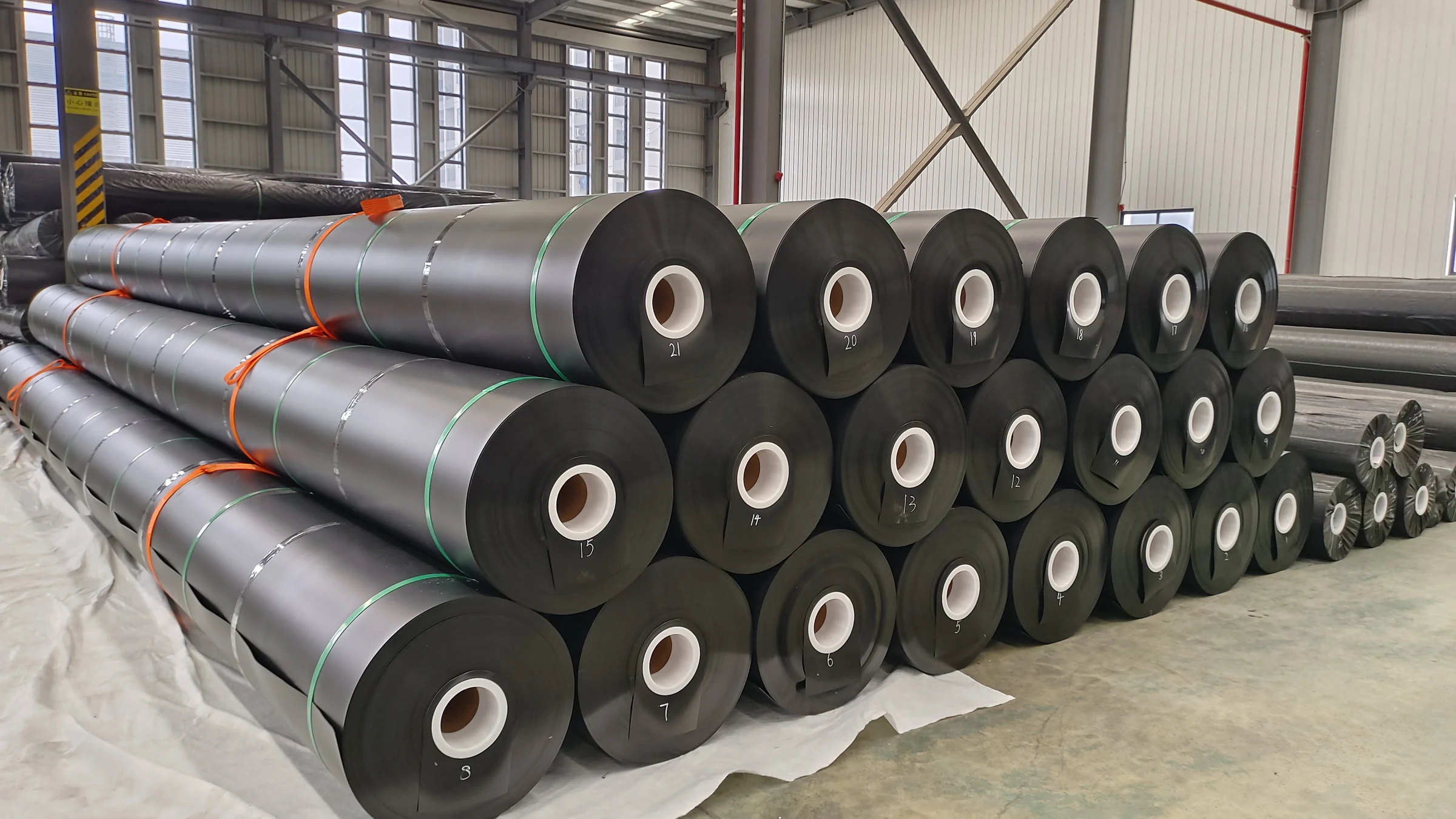

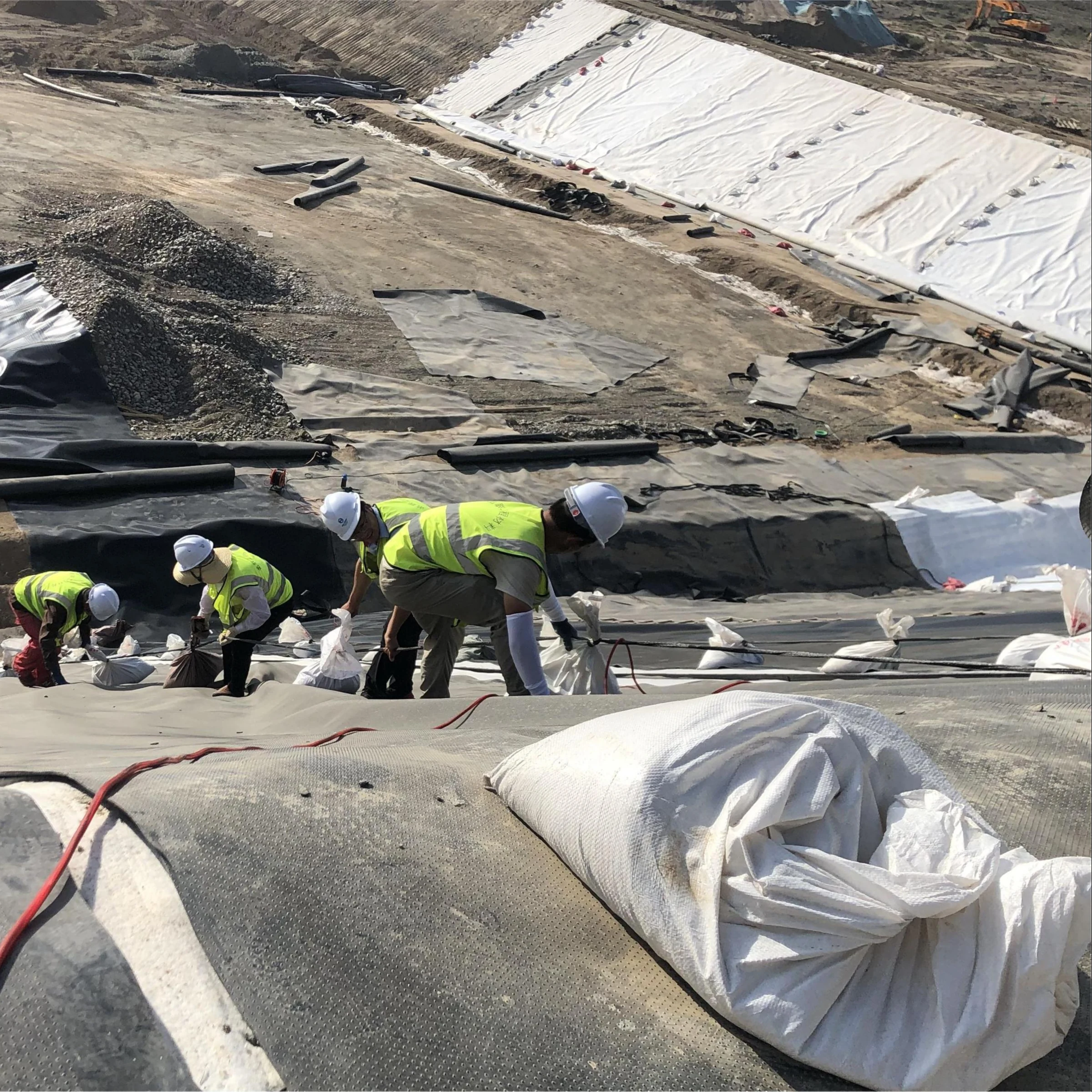
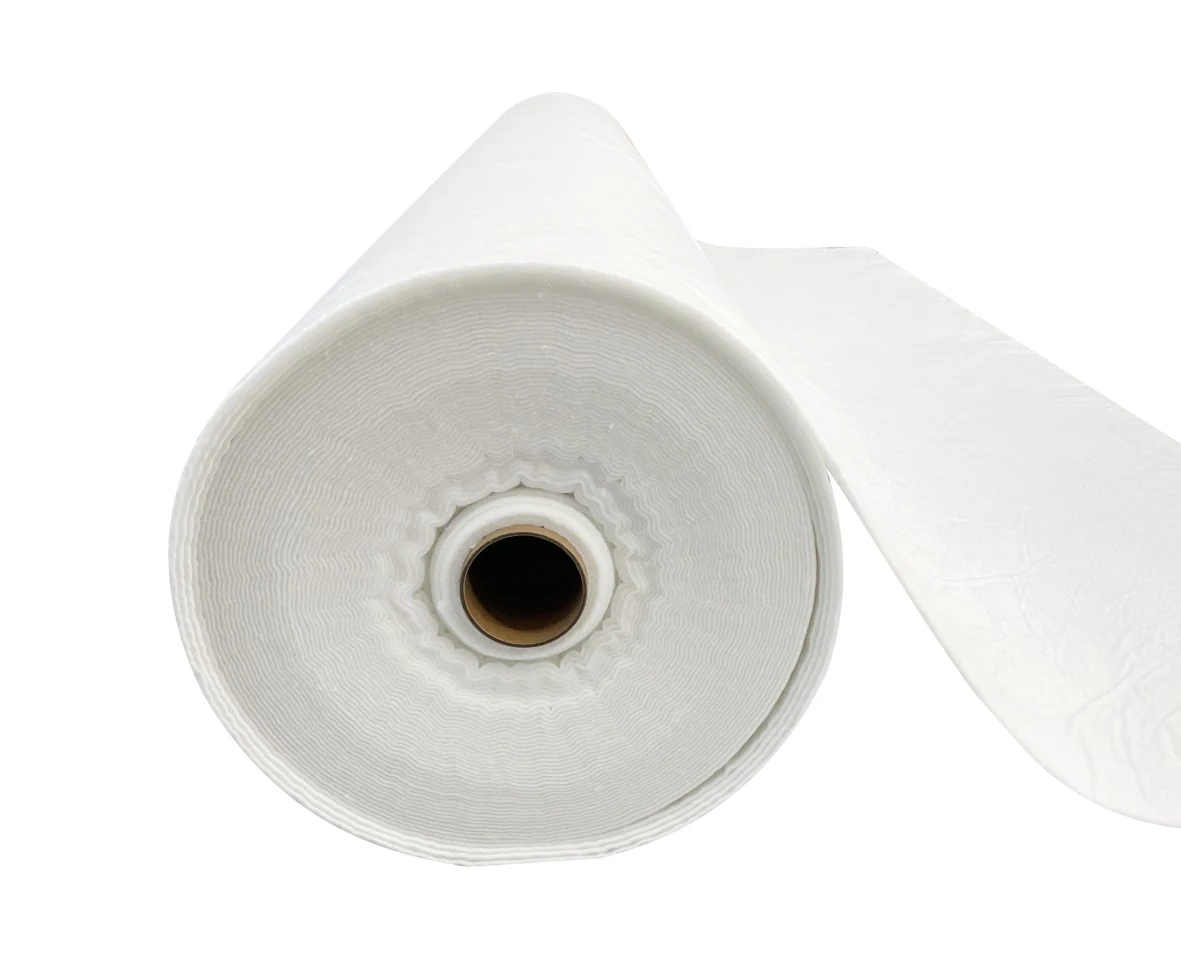

Large containment projects—such as multi-cell municipal solid waste landfills, mining heap leach pads, tailings storage facilities, and large-scale agricultural or industrial reservoirs—rarely install their entire geomembrane lining system in a single continuous operation. Instead, construction is divided into sequential cells, zones, or elevation stages dictated by earthwork handovers, seasonal weather windows, and facility commissioning milestones. For these phased installations, a geomembrane delivery schedule must function as a synchronized supply plan rather than a single bulk shipment. Delivering the entire project quantity at the outset overwhelms site laydown capacity, increases secondary handling risks, and exposes stored rolls to prolonged environmental weathering. Conversely, under-scheduling shipments or ignoring pre-shipment testing and customs buffers leaves specialized installation crews idle and exposes the contractor to critical-path delays.
To balance site storage constraints with uninterrupted liner deployment, procurement teams and project planners must separate the material delivery schedule from the construction installation schedule while linking the two through verified milestone triggers. This requires calculating phase-specific material quantities from approved panel layouts, working backward from target deployment dates across manufacturing and quality release steps, using an agreed staged shipment strategy, and maintaining roll-level traceability from factory dispatch to final panel placement.
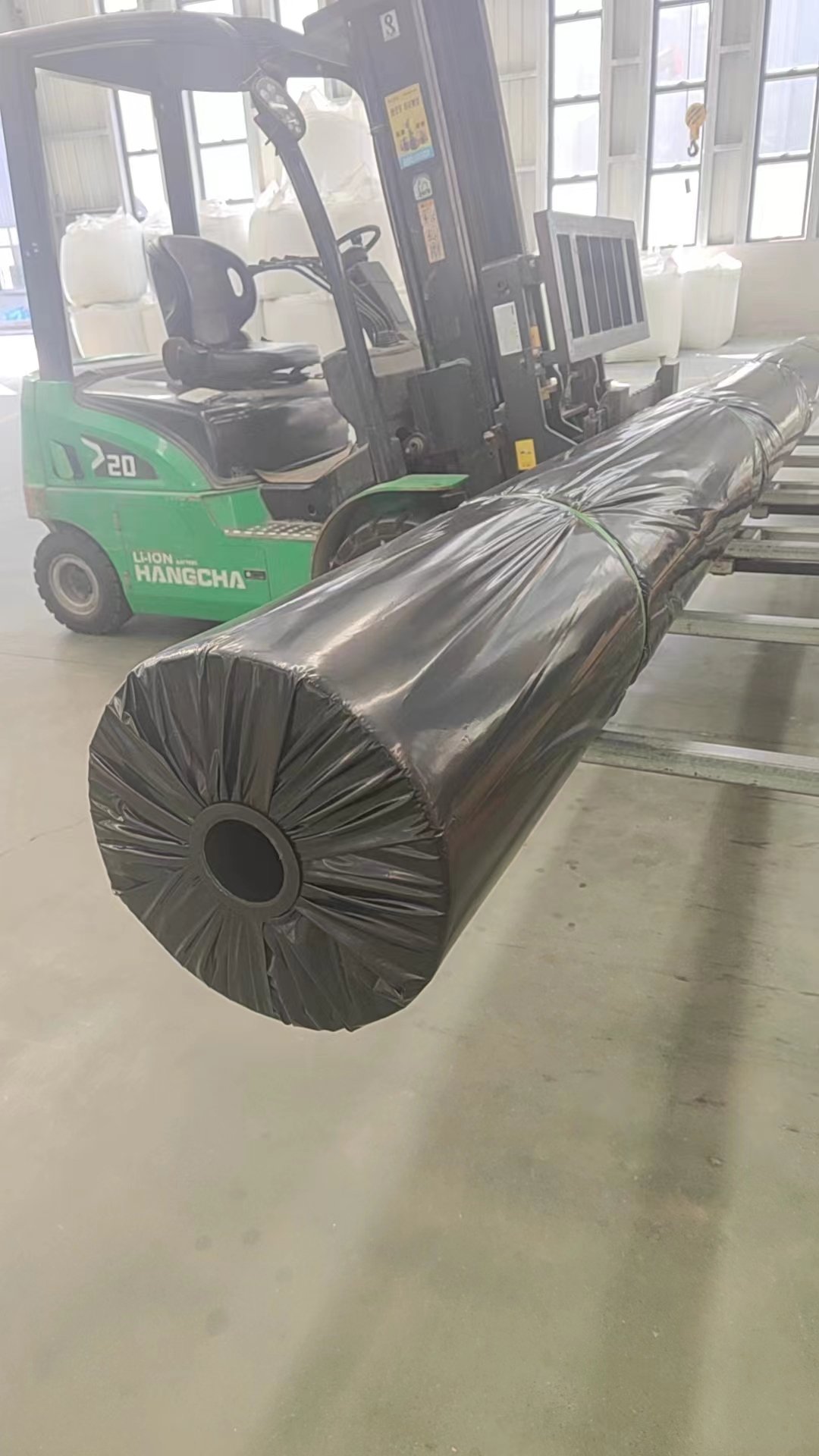
1. Why Do Large Geomembrane Projects Need Phased Deliveries?
Treating geomembrane procurement as a single lump-sum delivery creates immediate operational friction on large engineering sites. A coordinated, phased supply schedule solves four core project management challenges:
- Earthwork and Subgrade Handover Realities: Civil earthworks, clay liner compaction, and subgrade surveying proceed zone by zone. Liner deployment can only begin in areas that have passed formal subgrade acceptance.
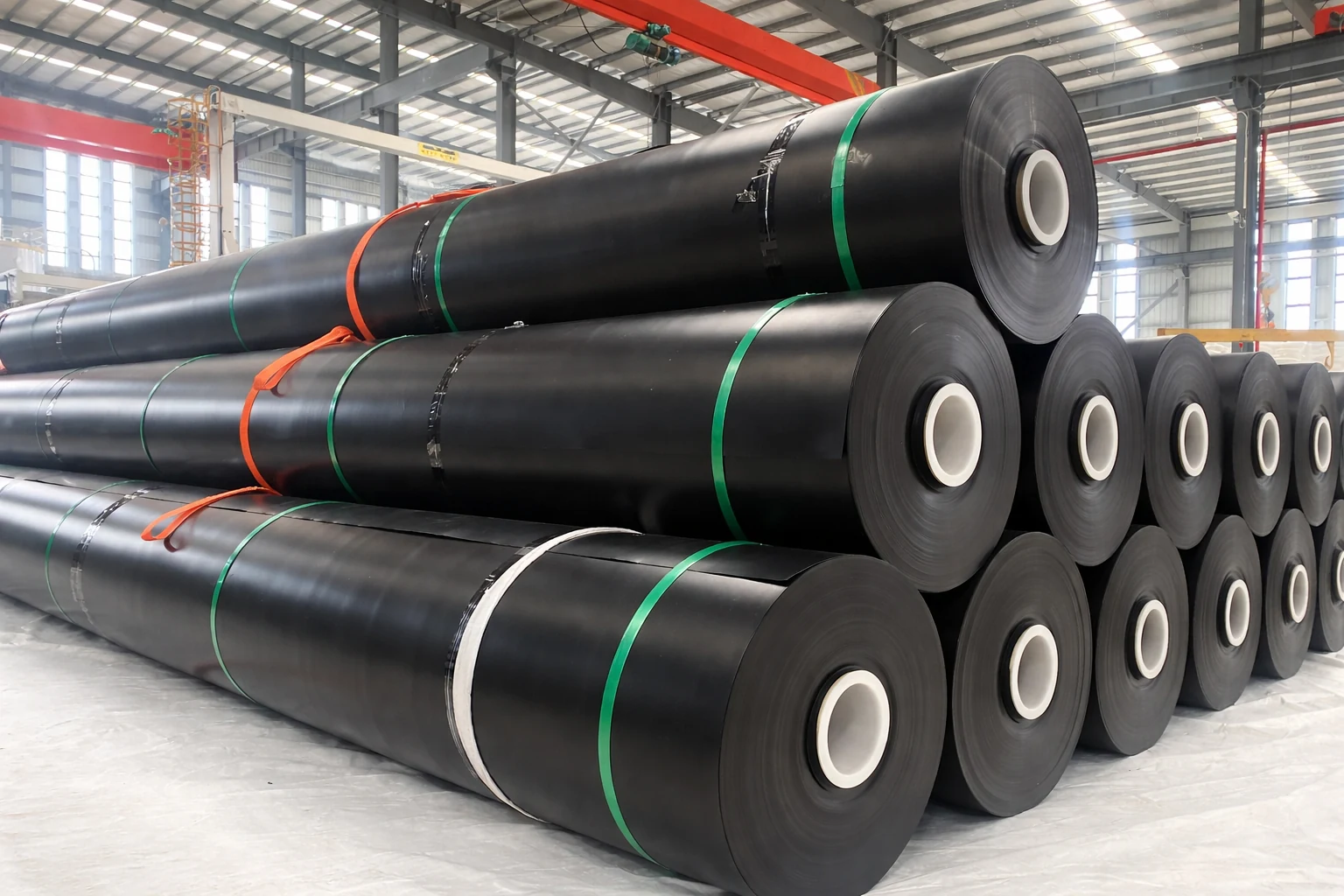
- Site Laydown Space and Re-Handling Reduction: Geomembrane rolls are heavy, bulky, and require prepared, level, and protected laydown areas. Staging tens of thousands of square meters of material months ahead of schedule consumes valuable construction work zones and forces crews to move rolls multiple times before deployment—increasing the likelihood of edge damage or core crushing.
- Mixed Specification Requirements Across Zones: A single project often requires different geomembrane configurations for different phases or structural zones—such as 2.0 mm double-sided textured HDPE for steep side slopes, 1.5 mm smooth HDPE for basin floors, or LLDPE for cap closures and high-settlement zones. Shipping basin floor rolls first when the installation sequence requires slope deployment first stalls field progress even if the site is full of material.
- Cash Flow, Inventory Control, and Change Management: Phased deliveries allow project owners and contractors to align material dispatch with verified construction progress and adjust final shipment quantities if field grading revisions alter the required lining area.
2. How to Estimate Geomembrane Quantities for Each Installation Phase?
A reliable delivery schedule begins by breaking down the project’s total lining scope into discrete construction phases (e.g., Cell 1A, Cell 1B, Leachate Pond, Perimeter Berm). Procurement teams should establish a clear distinction between estimated tender quantities and approved construction quantities:
- Initial Tender / Bill of Quantities (BOQ) Estimates: Early procurement budgets typically rely on the contract BOQ. While useful for preliminary supplier capacity checks and commercial framework agreements, BOQ figures frequently represent net planar projections or lump-sum estimates that do not reflect how rolls will actually be cut and seamed in the field.
- Phase-Allocated Working Quantities: Before issuing manufacturing release orders for a specific phase, planners must map the exact boundaries of each installation zone, identify the required polymer type, thickness, and surface texture for every sub-area (e.g., primary liner vs. secondary liner, floor vs. slope), and align those zones with the field crew’s planned deployment sequence.
3. How to Calculate Material Requirements from Approved Drawings?
To prevent mid-phase material shortages or costly over-ordering, phase quantities must be calculated from Issued-for-Construction (IFC) drawings and approved geomembrane panel layout drawings—never by simply applying an arbitrary, fixed waste percentage to the BOQ total.
Every phase calculation should account for five specific geometric and installation components:
3.1 True Surface Area (Slope Geometry vs. Plan View)
Civil site plans display horizontal projection (plan view) dimensions. For sloped containment walls, heap leach cells, and reservoir embankments, calculators must convert horizontal slope lengths into true inclined slope lengths before computing surface area. Overlooking slope inclination on deep cells immediately creates a material deficit on the side slopes.
3.2 Panel Layout and Seaming Overlaps
Geomembrane rolls are manufactured to specific widths and lengths. Adjacent panels require continuous overlap along both longitudinal and transverse seams to accommodate dual-track hot wedge fusion welding or extrusion fillet welding. The exact overlap allowance depends on the approved welding method, roll width, and panel orientation shown on the approved panel layout drawing.
3.3 Anchor Trenches, Sump Details, and Penetrations
Significant liner material extends beyond the active containment footprint. Calculations must explicitly isolate and add:
- Run-out lengths across the top of the crest and down into perimeter anchor trenches (front wall and floor of the trench, as specified in structural details).
- Extra sheet and sacrificial rub sheets or reinforcement layers required at leachate collection sumps, concrete batten terminations, and pipe boot penetrations.
3.4 Roll Length Optimization and Cutting Geometry
In corner transitions, circular tanks, or trapezoidal cells, rectangular rolls must be cut into triangular or diagonal gore panels. Calculating roll requirements directly from the approved panel numbering plan ensures that custom roll lengths or standard roll counts match the actual cutting patterns on site.
3.5 Project-Specific Contingency
Rather than adding an unverified universal percentage across all projects, establish a targeted contingency based on actual project variables—such as terrain complexity, number of structural penetrations, trial weld and destructive seam sampling frequencies required by the CQA plan, and remoteness of the job site.
4. How to Coordinate Production and Delivery Schedules (Backward Scheduling)
A common procurement error is scheduling shipment based solely on the date the installation crew expects to lay the first panel. Because geosynthetic manufacturing, quality verification, and international or overland freight involve sequential gates, planners should use backward scheduling—working backward from the target field installation date of each phase.
Because manufacturing lead times and transit durations vary significantly based on project volume, specification complexity, factory order books, shipping routes, and seasonal logistics, planners should verify actual durations with the supplier for each gate:
- Gate 1 — Technical Submittal and Specification Approval: Finalize polymer type (HDPE or LLDPE), nominal thickness, surface texture (smooth, single-sided textured, or double-sided textured), applicable standard (such as GRI-GM13 or GRI-GM17), and roll dimensions with the project engineer before locking production.
- Gate 2 — Raw Material Allocation and Manufacturing: Coordinate resin lot allocation and production line scheduling according to the priority sequence of the first installation phase.
- Gate 3 — Manufacturing Quality Control (MQC) and Pre-Shipment Release: Allow time for the manufacturer’s laboratory to complete batch testing and issue MQC certificates, roll packing lists, and—where required by the contract—pre-shipment third-party inspection or source sampling.
- Gate 4 — Freight Booking and Transit: Account for vessel schedules, container equipment availability, or specialized flatbed trucking arrangements, building in realistic buffers for route congestion or transshipment.
- Gate 5 — Customs Clearance and Last-Mile Delivery: For international projects, factor in import documentation review, customs inspection, port handling, and inland transport to remote mining or landfill locations.
- Gate 6 — Site Receiving and CQA Conformance Testing: If the project specification requires on-site sampling and independent laboratory conformance testing after rolls arrive at the site (and before panels can be deployed), the delivery target date must precede the installation start date by the full laboratory turnaround and engineer sign-off period.
5. How to Plan Initial, Intermediate, and Final Shipments?
Instead of shipping all rolls at once or reacting to ad-hoc site requests, structuring deliveries into three strategic tiers protects both schedule continuity and inventory accuracy.
| Delivery Tier | Primary Objective | Material Composition | Key Release Trigger |
|---|---|---|---|
| 1. Initial Delivery (Mobilization Batch) | Enable uninterrupted start of field deployment and CQA conformance testing without overloading site storage. | Exact specification (e.g., slope vs. floor rolls) required for Phase 1 / Zone 1 startup, plus material for initial trial welds. | Submittal approval, confirmed earthwork completion window for Zone 1, and verified site laydown readiness. |
| 2. Intermediate Deliveries (Paced Supply) | Maintain steady installation momentum across subsequent zones while keeping on-site roll inventory within safe storage limits. | Phase 2 and Phase 3 roll allocations matched to the crew’s actual daily deployment rate and upcoming structural transitions. | Verified installation burn rate from Phase 1 and formal earthwork progress reviews for upcoming cells. |
| 3. Final Delivery (Reconciliation Batch) | Close out total project requirements accurately, eliminating both end-of-project shortfalls and costly excess stock. | True-up quantities reflecting field layout adjustments, approved variation orders, and final tie-in or cap strip materials. | Joint quantity reconciliation between site CQA panel logs, remaining unlined area survey, and existing site inventory. |
Why the Final Reconciliation Batch Matters
On large multi-phase installations, minor earthwork re-grading, additional sump modifications, or higher-than-expected destructive seam testing can shift actual material consumption before the project-specific reconciliation milestone (for example, at 70% to 80% completion if agreed in the supply plan). By holding a portion of the final phase order until the project team completes a mid-project inventory reconciliation, buyers can adjust the exact roll count or specification of the final shipment—preventing the embarrassment of running short by three rolls on the final slope or leaving a full container of unused liner on site.
6. How to Maintain Roll-Level Traceability Across Multiple Shipments?
When a project spans multiple shipments, containers, and production runs, maintaining strict roll-level traceability is essential for Construction Quality Assurance (CQA) compliance and final handover certification. If a conformance test question or field defect arises months into construction, the project team must be able to isolate the exact manufacturing batch and locate every roll from that lot immediately.
Every shipment should be accompanied by a digital and physical Roll Traceability Schedule that links factory production data to field deployment records:
| Traceability Field | Information Recorded | Engineering & CQA Purpose |
|---|---|---|
| Purchase Order & Shipment ID | PO number, commercial invoice, container/truck number, and bill of lading reference. | Links physical arrival to procurement milestones and customs records. |
| Unique Roll Number | Individual factory-assigned serial number printed on the roll label and core stencil. | Prevents mix-ups on site and links each physical roll to its specific MQC test report and final panel number. |
| Production Batch / Resin Lot | Manufacturing lot code, extrusion date, and base resin batch reference. | Enables rapid verification that batch conformance testing covers every roll in the lot. |
| Material Specification | Polymer type (HDPE/LLDPE), nominal thickness (e.g., 1.5 mm, 2.0 mm), and surface configuration (smooth, single/double textured). | Prevents field crews from accidentally deploying floor material on steep slopes or vice versa. |
| Roll Dimensions & Area | Verified roll width, length, total square meters, and gross weight. | Supports unloading equipment selection and accurate panel layout assignment. |
| Assigned Project Phase / Zone | Target cell, pond, or structural zone designated in the delivery plan. | Ensures rolls are unloaded at the correct laydown pad closest to their intended installation zone. |
| Site Lifecycle Status | In Transit → Received → Inspected → Sampled/Approved → Deployed (Panel #). | Gives project managers real-time visibility into usable versus quarantined inventory. |
7. How to Confirm Site Readiness Before Shipment?
A scheduled manufacturing completion date should never trigger automatic dispatch if the construction site is not ready to receive the cargo. Before releasing any shipment batch from the factory or port staging area, the contractor and supplier should verify a pre-dispatch Site Readiness Checklist:
- Access Road and Weight Clearance: Confirm that site haul roads, bridges, and gate entrances can accommodate heavy container chassis or flatbed trucks under current weather conditions.
- Approved Unloading Equipment and Crew: Verify that appropriate cranes, telehandlers, or excavators equipped with approved spreader bars, core stingers, or fabric slings are scheduled on site for the arrival window so trucks do not incur demurrage charges.
- Prepared Laydown Area: Ensure the designated storage pad is graded, well-drained, free of sharp stones or debris, and sized to accommodate the incoming roll count without exceeding safe stacking heights.
- Receiving and CQA Personnel Availability: Confirm that site quality inspectors are available upon arrival to verify roll labels against the packing list, inspect outer wraps for transit damage, and collect conformance samples where required.
For detailed technical procedures on safe unloading equipment, stacking limits, and weather protection once rolls arrive on site, refer to ASTM D4873/D4873M (Standard Guide for Identification, Storage, and Handling of Geosynthetic Rolls and Samples) alongside our dedicated geomembrane roll handling and storage guide. Note that while ASTM D4873 governs physical roll identification, handling, and storage practices, it does not establish project delivery scheduling intervals, which must be managed through the project’s procurement and construction controls.
8. How to Manage Delivery Delays and Construction Schedule Changes?
Large civil and environmental projects rarely progress in a straight line. Prolonged rainfall, rock excavation delays, groundwater dewatering issues, design revisions, or delayed CQA sign-offs can push earthwork handovers back by weeks—while unexpected dry weather can accelerate installation rates ahead of plan.
To prevent schedule changes from turning into site bottlenecks, treat the geomembrane delivery schedule as a dynamic rolling forecast updated at regular coordination intervals:
- Establish Bi-Weekly Supply-Construction Syncs: Review actual earthwork handover dates, daily square-meter deployment rates, and remaining usable inventory on site against upcoming shipment release dates.
- Hold Shipments at Origin or Staging Hubs When Earthworks Slip: If heavy rain delays Cell 2 subgrade completion, holding finished rolls in controlled factory or logistics storage is often safer and more cost-effective than delivering them to a muddy, congested construction site with nowhere to unload.
- Document Specification or Quantity Revisions Formally: If an engineering change order modifies liner thickness, surface texture, or cell geometry mid-project, issue a formal written revision to the supply schedule and purchase order before the next production batch begins.
- Track CQA Release Status Separately from Physical Inventory: Forty rolls sitting on site are not “available for installation” if their conformance test results are still pending laboratory sign-off. Always schedule deliveries around released-for-use dates rather than physical arrival dates.
9. What Information Should Buyers Provide to Geomembrane Suppliers?
To help a geomembrane manufacturer build an accurate production and phased shipping plan, engineering buyers and contractors should share a structured procurement briefing package during the inquiry and pre-production stage:
- Approved Technical Specifications: Required polymer type (HDPE or LLDPE), thickness, surface type (smooth or textured), applicable standards (e.g., GRI-GM13, GRI-GM17), and any project-specific testing frequencies.
- Issued-for-Construction Drawings & Panel Layouts: Site plans, cross-sections, anchor trench details, and—if available—the installer’s preliminary panel layout showing preferred roll widths and custom roll lengths.
- Phased Quantity Breakdown: Square meters required per phase, separated by material type (hypothetical example, Phase 1: 45,000 m² of 2.0 mm smooth HDPE and 30,000 m² of 2.0 mm double-textured HDPE).
- Target Milestone Dates: Desired arrival window at the destination port or project site for the initial mobilization batch and tentative intervals for subsequent phases.
- Pre-Shipment & On-Site QA/QC Protocols: Whether third-party factory inspection, pre-shipment sample dispatch, or post-arrival conformance testing is mandated before installation.
- Site Delivery & Logistics Constraints: Destination port or site coordinates, container weight limits enforced by local road authorities, unloading method (rear container extraction vs. open-top or flatbed crane lift), and maximum daily truck receiving capacity.
10. What Are the Most Common Delivery Planning Mistakes?
Avoiding recurring procurement pitfalls keeps phased containment installations on schedule and within budget:
| Common Planning Mistake | Operational Impact on Site | Best-Practice Prevention |
|---|---|---|
| Ordering strictly from the tender BOQ total | Running short on steep slopes, anchor trenches, or specific textured/smooth configurations. | Calculate phase quantities from IFC drawings and approved panel layouts, separating each specification type. |
| Shipping the entire project volume in one batch | Severe site storage congestion, extra roll re-handling damage, and prolonged UV/weather exposure. | Implement a three-tier staged shipment plan (Initial, Intermediate, and Final Reconciliation batches). |
| Scheduling arrival on the exact installation start date | Installation crews sit idle while rolls undergo unloading, inventory checks, and mandatory CQA conformance testing. | Use backward scheduling that builds in full buffers for customs, site receiving, and laboratory test turnaround. |
| Dispatching floor rolls before slope rolls (or vice versa) | Installers cannot start in the sequence required by the earthwork handover or panel layout plan. | Align the first shipment’s product mix strictly with the first approved deployment zone. |
| Releasing shipments without verifying site readiness | Trucks arrive to blocked access roads, unprepared muddy laydown areas, or missing unloading gear. | Enforce a mandatory pre-dispatch Site Readiness Checklist before releasing containers or trucks. |
| Failing to reconcile quantities before the final shipment | Ending the project with either a critical material shortage or expensive leftover inventory. | Conduct a formal mid-project audit of installed panels vs. remaining unlined area before finalizing the last batch. |
Frequently Asked Questions (FAQ)
Should all geomembrane rolls be delivered to the job site before construction begins?
For small single-pond installations, a single delivery is often practical. However, for large multi-cell landfills, mining pads, or reservoirs, delivering all materials upfront creates unnecessary site storage congestion, increases the risk of handling damage, and exposes rolls to prolonged environmental weathering. Phased deliveries aligned with earthwork handovers and site storage capacity are the preferred engineering practice.
Why don’t the geomembrane quantities on the BOQ match the quantities needed for ordering?
A BOQ quantity follows the contract measurement rules; it may represent plan area, developed surface area or another defined basis. Check the item description and measurement preambles before comparing it with an order. Procurement quantities must separately verify inclined slopes, seams, anchor details, cutting patterns and specified sampling allowances.
How early should geomembrane shipments arrive on site before panel deployment starts?
There is no single fixed lead time for every project. The required buffer between physical site arrival and panel deployment depends on the time needed to unload and inspect the rolls, organize the laydown yard by batch, and—critically—complete any contract-mandated on-site CQA conformance sampling and third-party laboratory testing prior to engineer release.
Can a large phased project use geomembrane rolls from multiple production batches?
Yes. Large containment projects may use rolls manufactured across multiple production batches and resin lots, provided that every batch satisfies the approved project specification and is accompanied by complete Manufacturing Quality Control (MQC) test documentation and roll-level traceability records.
How should buyers handle roll dimensions when planning international container shipments?
Buyers should inform the supplier early regarding target roll widths, preferred roll lengths, and local road weight restrictions at the destination. Coordinating roll dimensions and core orientations during procurement planning helps verify that rolls fit the selected shipping equipment, comply with regional axle-weight limits, and match the unloading equipment available at the project site.
Conclusion
Scheduling geomembrane deliveries for a large, phased installation is a critical engineering and supply-chain discipline that bridges factory production with field execution. By calculating phase-specific material requirements from approved panel layouts, backward-scheduling across submittal, manufacturing, and CQA testing gates, executing staged initial, intermediate, and final reconciliation shipments, and maintaining rigorous roll-level traceability, project teams can prevent both costly crew downtime and site storage overload.
Jinseed manufactures HDPE geomembranes, LLDPE geomembranes, and geotextiles for large-scale landfill, mining, reservoir, and industrial containment projects worldwide. Whether you are planning a multi-cell phased expansion or reconciling quantities from construction drawings, share your project specifications, BOQ, and target installation milestones with our technical team to coordinate a structured production and delivery schedule tailored to your site requirements.
Technical References and Related Resources
- ASTM D4873/D4873M — roll identification, storage and handling; not delivery scheduling intervals
- Geomembrane material approval and roll traceability
Use the edition and acceptance criteria identified by the project contract. Material test compliance does not replace design approval or site acceptance. Send Jinseed your specification and project requirements.