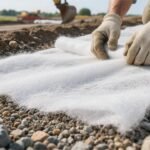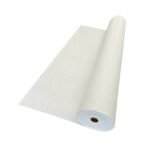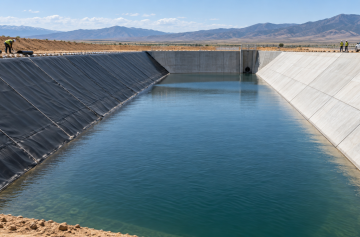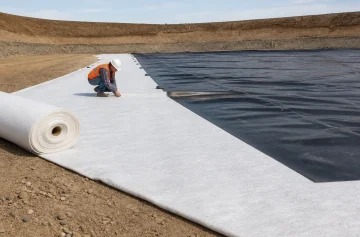
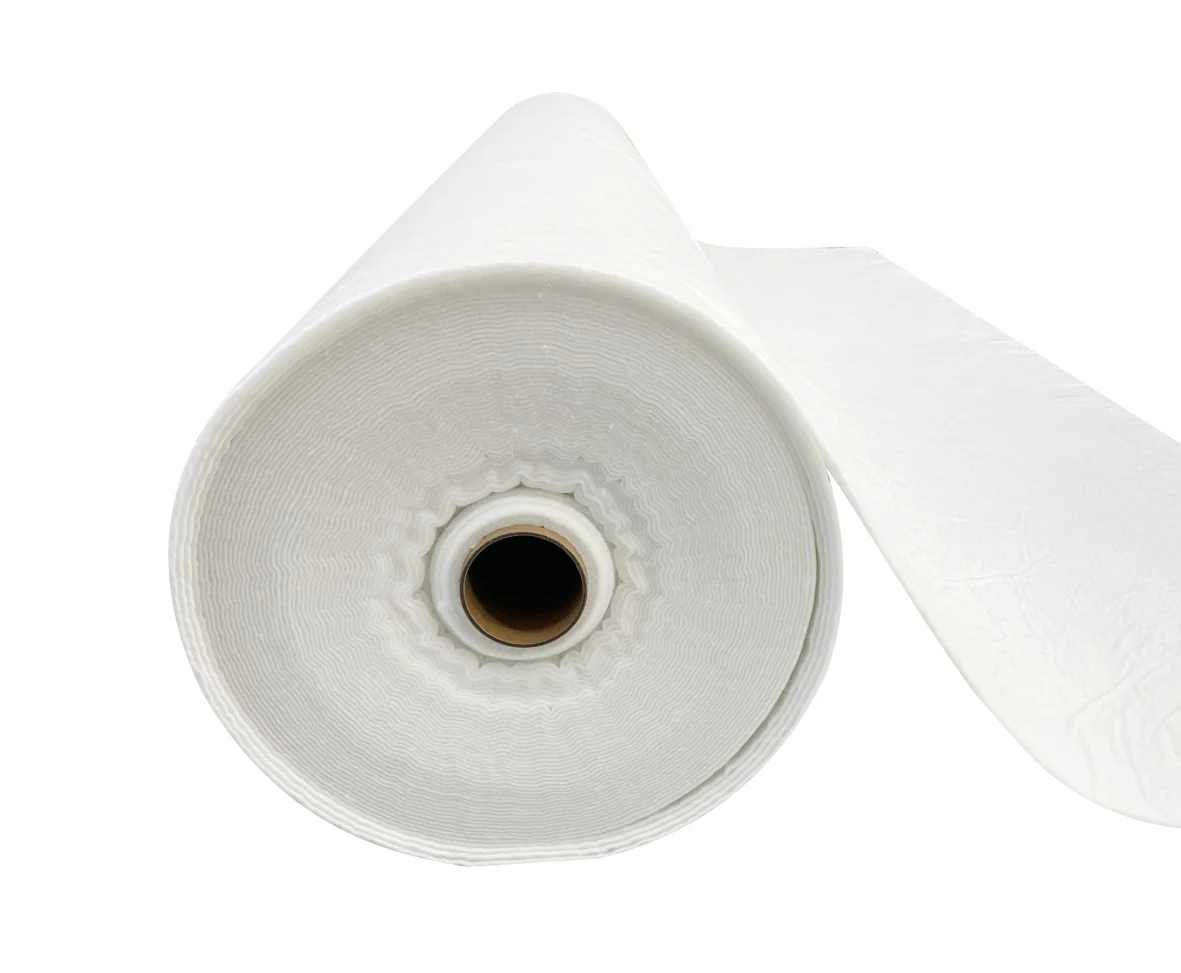

Using non-woven geotextile correctly starts with an accepted product grade and a clear installation detail. Confirm its role, prepare the receiving surface, place and join the material as specified, and inspect it before covering. There is no single fabric weight, overlap or cover depth appropriate for all applications.
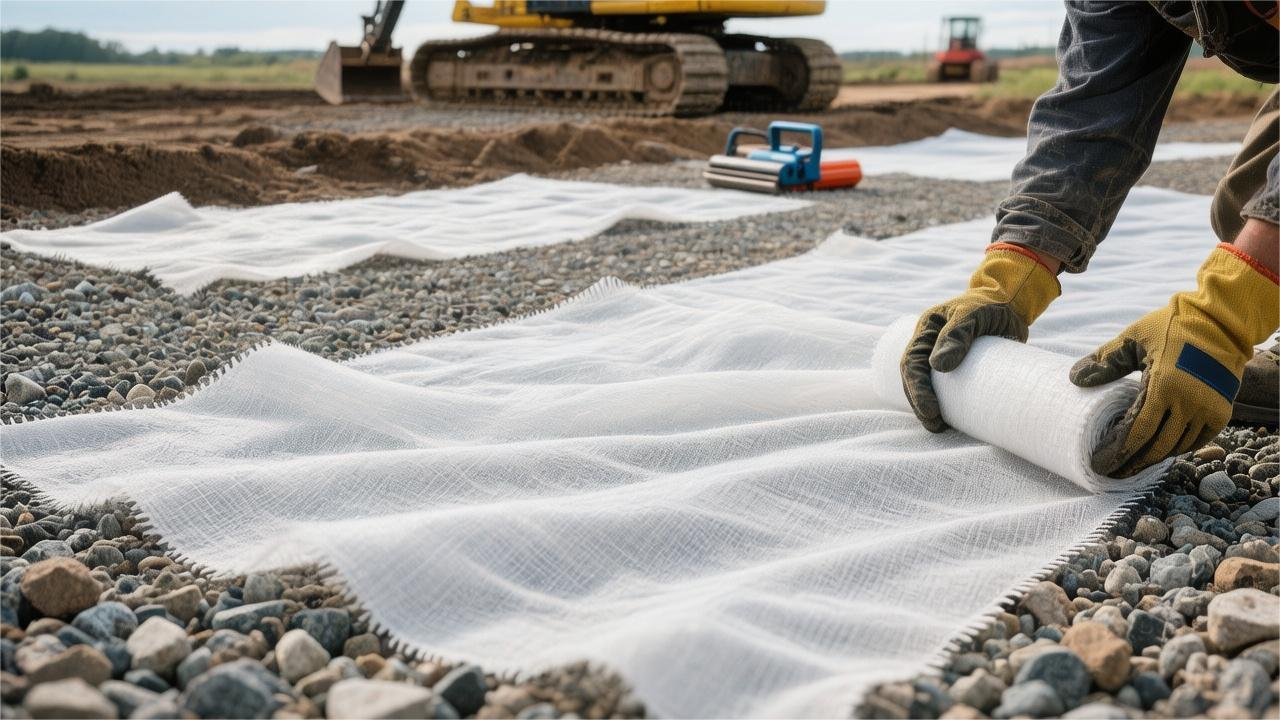
Applications
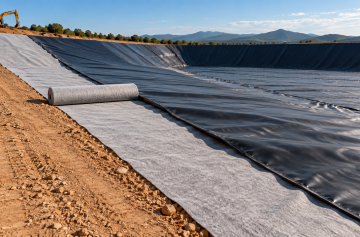
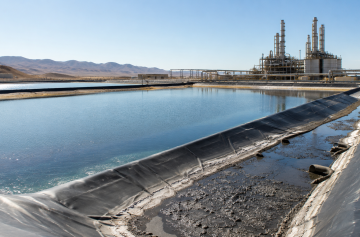
Common project roles include filtration, separation and protection. Identify the exact layer shown in the drawings before ordering. A drainage filter and a geomembrane protection layer may require different properties even when both products look like non-woven fabric.
Where PET material is permitted, compare Jinseed non-woven geotextile grades against the project requirements. For a protection layer, also identify the liner grade and the materials that will contact the assembly.
Step-by-Step Installation
1. Check documents and delivered rolls
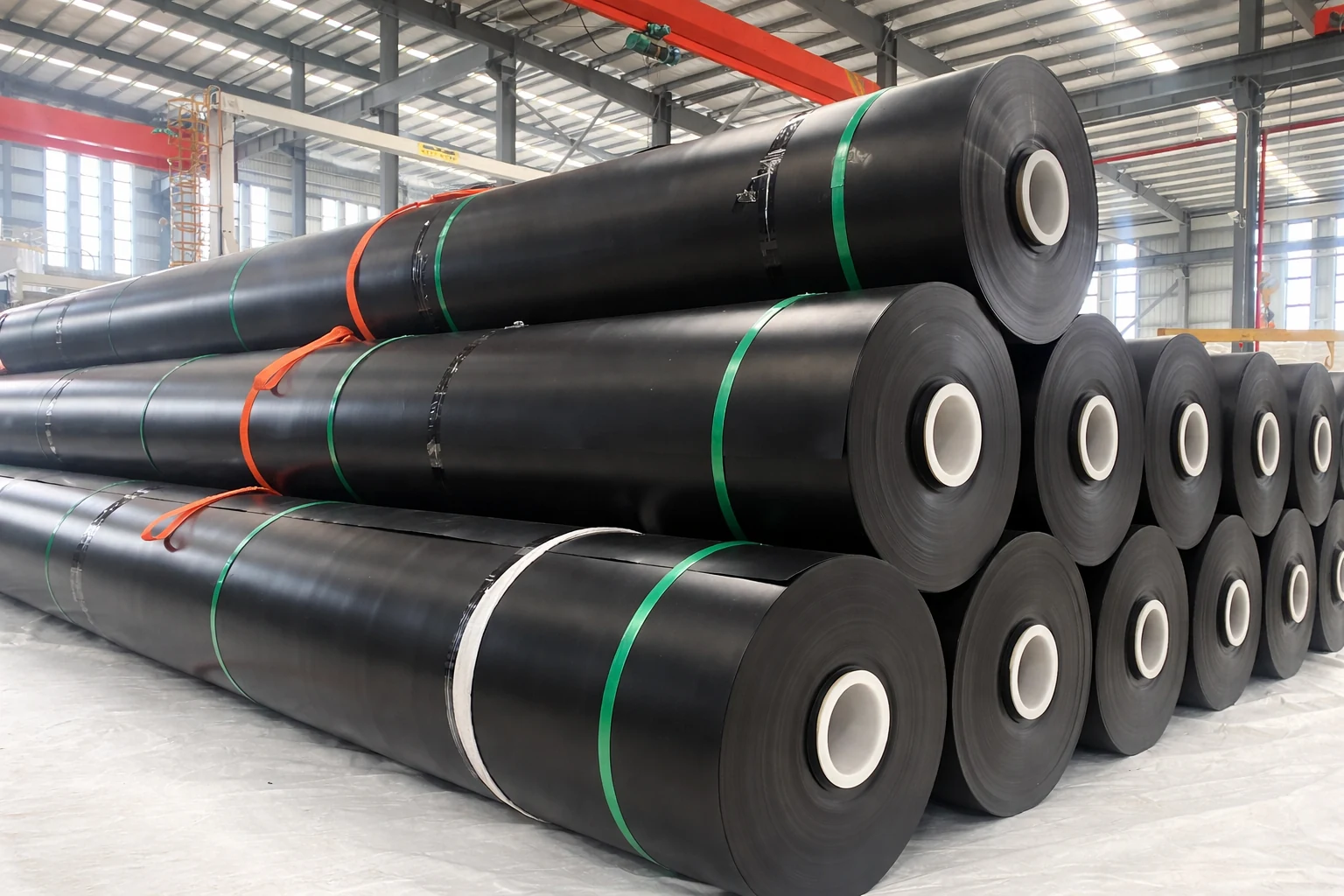
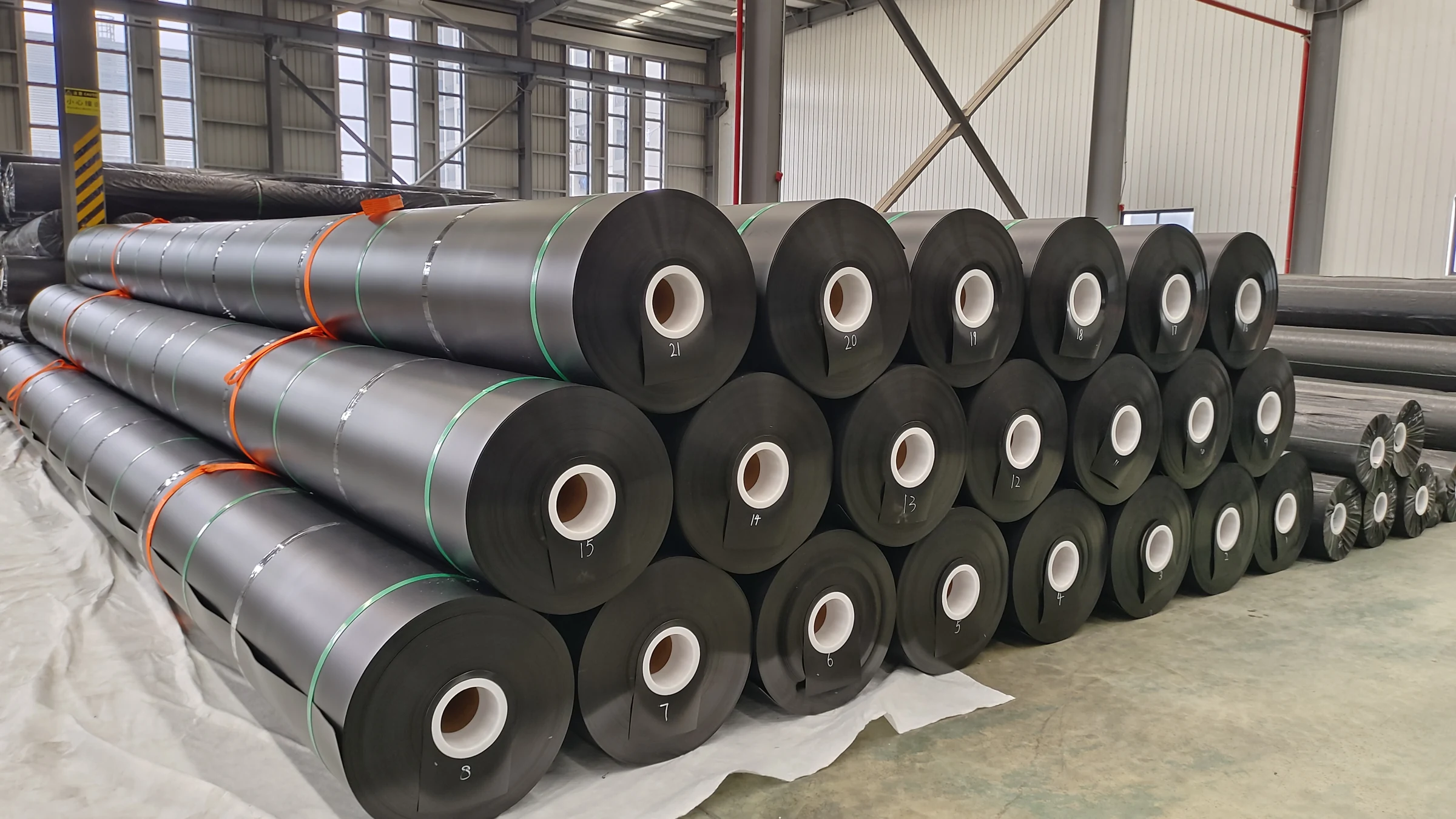
Match the product label and grade to the accepted submittal. Keep delivery and batch records. Resolve damage, missing labels or a substituted grade before placing the material.
2. Inspect the receiving surface
Confirm that the specified preparation is complete and that conditions likely to damage or contaminate the fabric have been addressed. Record acceptance of the surface rather than assuming the fabric will compensate for poor preparation.
3. Plan the roll layout and joints
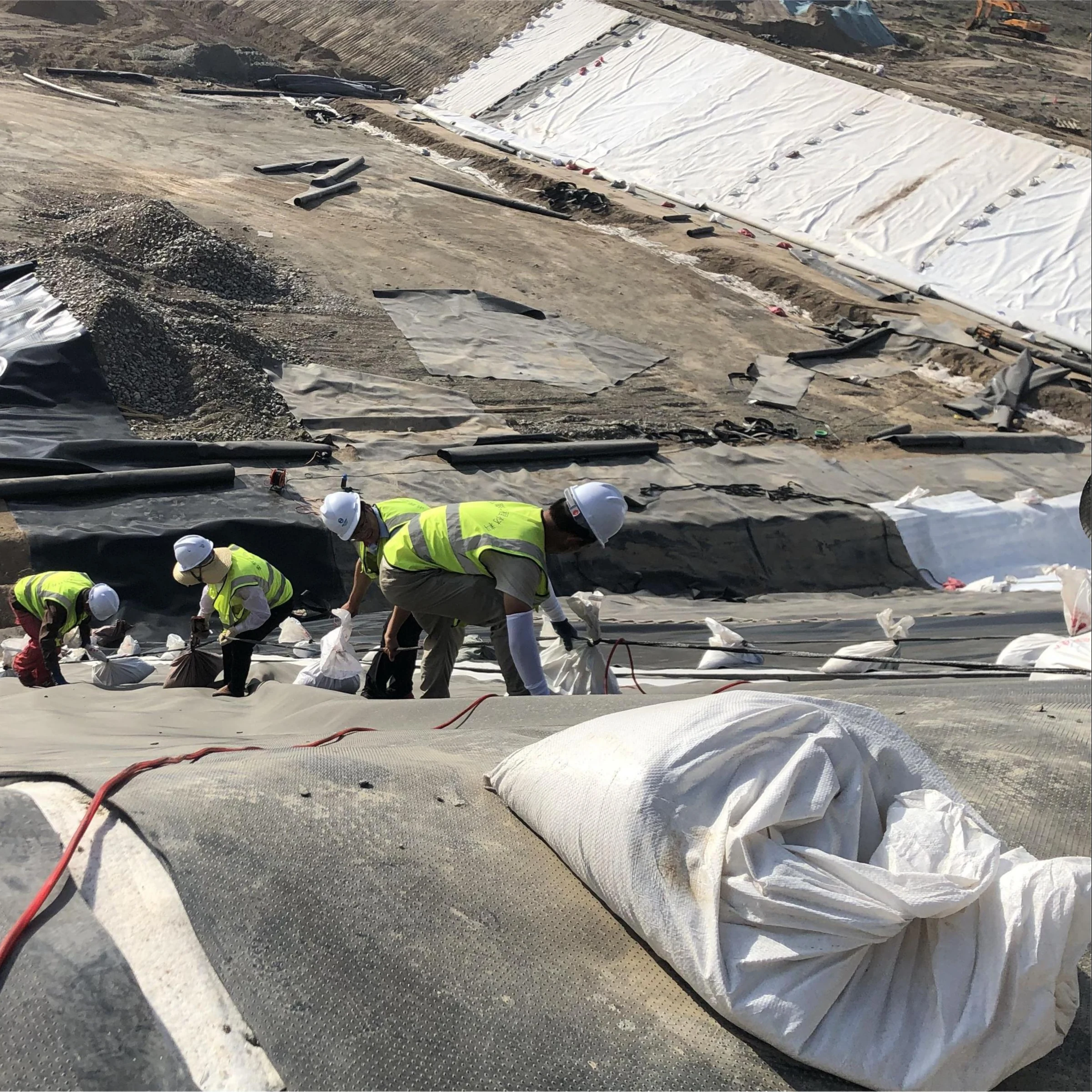
Use the approved overlap, seam or connection detail. Consider access, transitions and the covering sequence before unrolling. Keep enough control of the material to prevent movement during the next operation; do not improvise a universal fixing pattern.
4. Inspect before covering
Check coverage, joints, tears, contamination and displacement. Use the accepted repair procedure for damaged areas. Take location-labeled photographs while the layer is still visible.
5. Place the next layer as specified
Coordinate placement methods and equipment access with the project requirements. Avoid treating exposed fabric as an unrestricted traffic surface. Check that placement has not pulled apart joints or uncovered the intended interface.
6. Close the installation record
Record the installed grade, locations, inspections and repairs. Retain the approved material data and field records for later review.
Mistakes to Avoid
- Selecting only by a minimum ounce or GSM rule copied from another application.
- Using landscape weed barrier without verifying the required engineering properties.
- Changing the specified joint detail to save material.
- Covering damage before it has been inspected and accepted.
- Treating a protection or filter textile as a replacement for structural reinforcement.
- Claiming installation will double the project’s life without project-specific evidence.
Application-Specific Questions
For gravel, review the under-gravel selection guide. For a wall, use the retaining-wall filter checklist alongside the wall-system drawings. These applications should not share a single generic installation recipe.
Frequently Asked Questions
How much overlap is required?
Use the project specification and accepted installation detail. Ground conditions and construction methods affect the requirement.
Can a tear simply be covered with aggregate?
The damaged area should be reviewed and repaired under the accepted procedure before it is concealed.
What should a supplier enquiry include?
Include the application, specified grade or required properties, drawings relevant to the layer, quantity and delivery destination.
Technical Reference
FHWA: Geotechnical Aspects of Pavements — geosynthetic functions and selection context
Use the applicable project specification and current accepted technical documents for material acceptance and construction details. The reference is provided for context; it is not evidence that a particular Jinseed grade has been certified or approved.